Pursuing a Global Expansion Strategy
with the Spirt of Turning “No” into “Yes”
Concurrent with its plans to establish an automobile production operation in the U.S., in December 1979, Honda signed a technical collaboration agreement with a British automaker, British Leyland Ltd. (BL), taking a first step toward the start of local automobile production in Europe. Moreover, in that same year, Honda completed the construction of the Honda Proving Ground (HPG) located outside the city of Utsunomiya in Tochigi Prefecture, northeast of Tokyo. In addition to its high-speed oval test track, this comprehensive proving ground featured various road surfaces that replicated those found in various countries around the world, with an eye toward the global expansion of automobile business. In 1983, Honda and BL signed an agreement to jointly develop the Rover 800 and the Honda Legend, which was followed by the joint development and production of the Concerto. Honda viewed entry into the U.S. market as the first step of its global strategy and intended to take on challenges in the global market after gaining a solid footing in the U.S.
In fall 1982, at a round-table discussion with some associates, Kawashima said: “If we had thought about the construction of a factory in Ohio and the collaboration with BL in a binary (yes-no) manner, our answer would have been ‘No.’ If we had taken a vote, like other automakers, more people would have said ‘No’ for sure. Then, how did Honda think? We thought about them in a ‘quaternary’ manner, which gives us another answer: ‘No, but also Yes.’ [...] So, we made decisions to replace ‘No’ with ‘Yes’ through our wisdom and effort. My thinking is that if there is a 50% chance, we should do it. It means that there is 50% ‘Yes’ and 50% ‘No.’ In such case, we would do it, and work hard to replace the 50% ‘No’ with a ‘Yes.’”
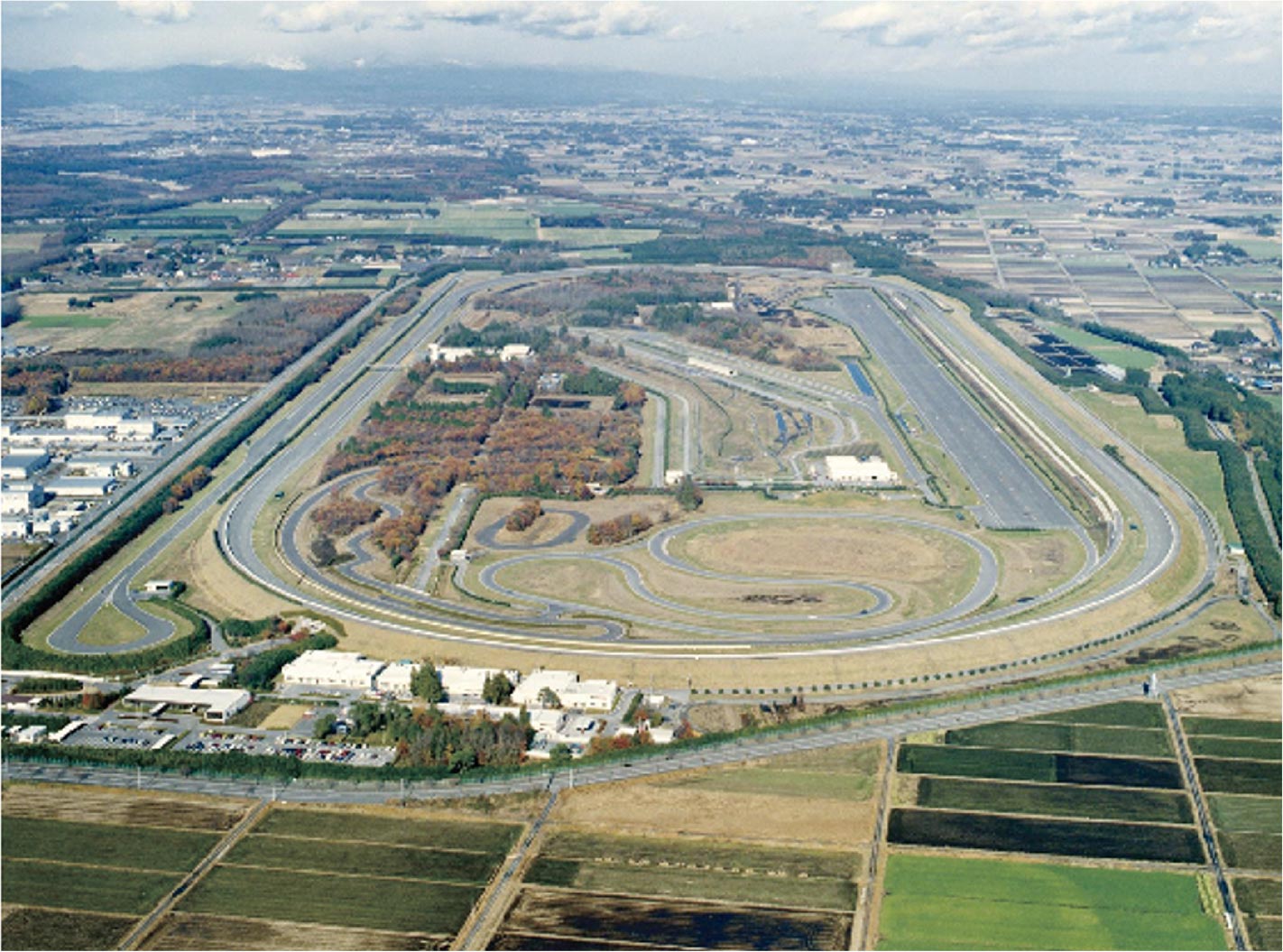
Proving Ground (1979)
Kawashima assumed the presidency in 1973, the year the world economy was thrown into turmoil by the transition to a floating exchange rate system and the onset of the first oil crisis. Moreover, it was the time when the business environment surrounding automakers was changing drastically due to various factors including the intensifying Japan-U.S. trade friction and the maturity of the domestic automobile market in Japan. In such a business environment, the ability of top management to foresee the future was becoming increasingly important. In such a time of uncertainty, the process of Honda, Japan’s newest automaker, taking on a challenge and becoming the first Japanese automaker to start local automobile production in the U.S. was indeed an arduous struggle that required changing No into Yes in various times.
During the 10 years of Kawashima’s presidency, the consolidated number of Honda associates increased from 19,200 to 42,400, and consolidated sales revenue increased dramatically from approximately 391.5 billion yen to nearly 2.23 trillion yen. Based on these numbers, it is fair to say the challenge Honda took on under the leadership of Kawashima was a success. When Kawashima assumed the presidency, he set forth the guiding principle represented by three words – Now, Next and New (recognize what is happening now, pursue the next challenge, and create a new system and capability). Kawashima himself took initiative and embodied the spirit of the guiding principle.
At a press conference he held in 1978, Kawashima announced Honda’s return to the Formula One World Championship (F1TM), saying, “Racing is a part of Honda corporate culture. Whether we win or lose, we would like to showcase the best technologies and offer fun experiences for the customers who drive our cars. That is why we will resume our racing activities.” As the first step toward the return to F1, Honda began competing in Formula Two (F2) racing in 1980, which culminated in winning the European F2 Championship in 1981. Honda engines marked a monumental record of twelve consecutive wins spanning the 1983 and 1984 seasons.
After laying the groundwork for the return of Honda to F1 in July 1983, Kawashima stepped down from his role as president in October of the same year, saying, “During my 10 years as president, I put my heart and soul into my work and I gave my all. Now, I would like to pass the baton to someone new who will apply the same level of passion.” With that, the baton was passed to Tadashi Kume, who was already serving in a corporate management role as a Senior Managing Director.
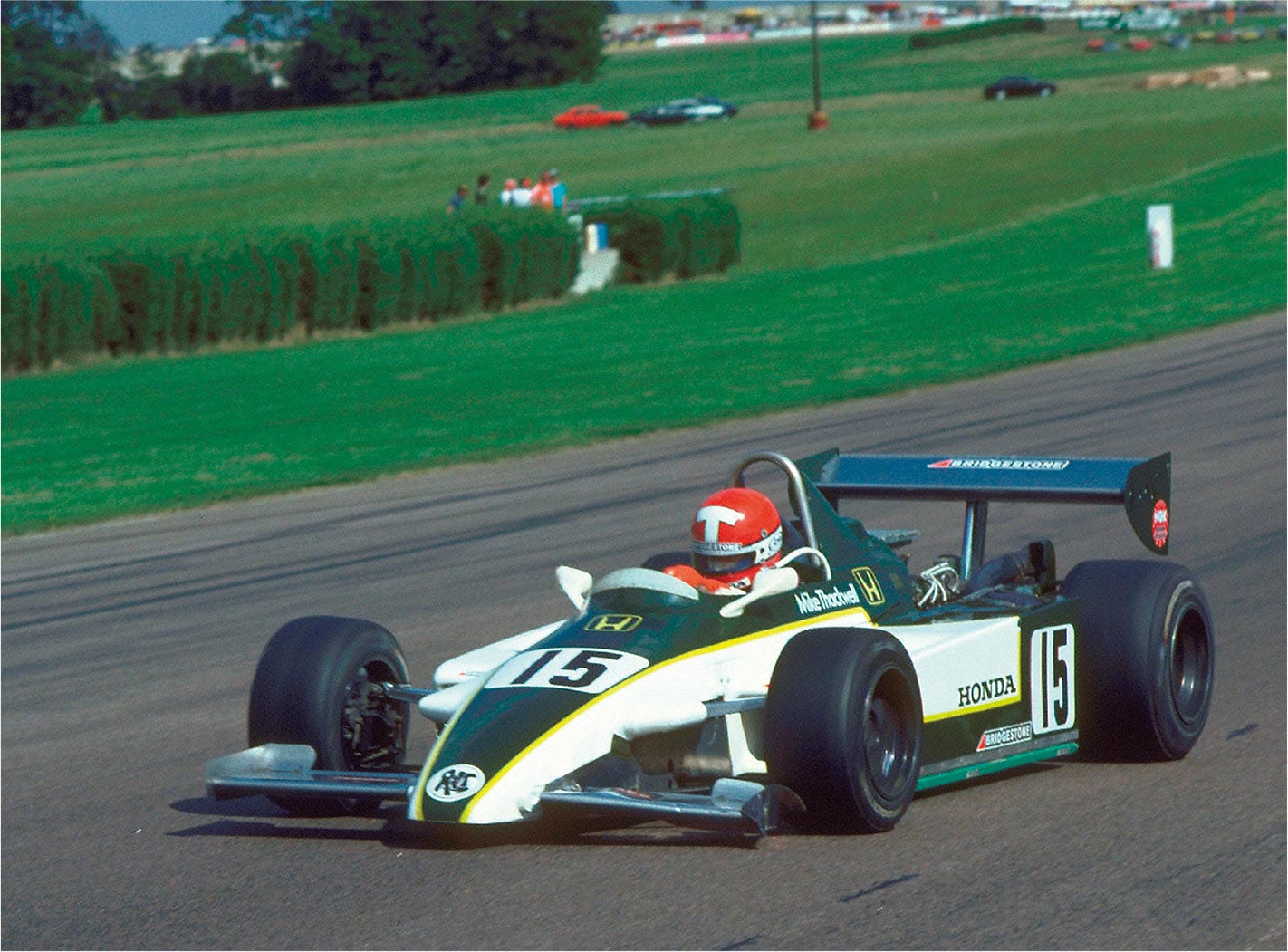
Ralt-Honda RH-6-81 competing in the European F2 Championship (1981)
Inheriting the Global Expansion Strategy to Become
a Truly “Glocalized” Company
In September 1983, approximately 20,000 people from around the world gathered at Suzuka Circuit to participate in the Honda Human Jamboree ’83, commemorating the 35th anniversary of the founding of Honda, and Tadashi Kume became the third president of Honda the following month.
Kume had joined Honda in 1954, during the sixth year of Honda as a company, and immediately started his career as an engineer on the team designing engines for motorcycle racers. Then, he was assigned to the team responsible for the research and development of engines for production models and worked on the engines for automobile models, from the T360, the first Honda automobile model, to the famed CVCC engine. In automobile racing, Kume excelled in the design and development of both F1 and F2 engines.
Kume was an engineer trained and nurtured directly by Mr. Soichiro Honda while working side-by-side with him. However, in the so-called “air-cooled vs. water-cooled engine debate,” where Mr. Honda and young Honda engineers had a conflict of opinions, Kume spearheaded the young engineers and appealed directly to Mr. Honda, insisting on the development of water-cooled engines, rather than the air-cooled engines Soichiro had set his mind on.
In later years, Kume described his thoughts on the development of the CVCC engine: “We truly were devoting ourselves in the development of that engine to make the world a better place, and for the good of people. Doing it to win the competition against other automakers was absurd and didn’t motivate us. I would rather go home and lay around doing nothing. We wanted to do it for the purpose of making the air cleaner, which nobody else could do.”
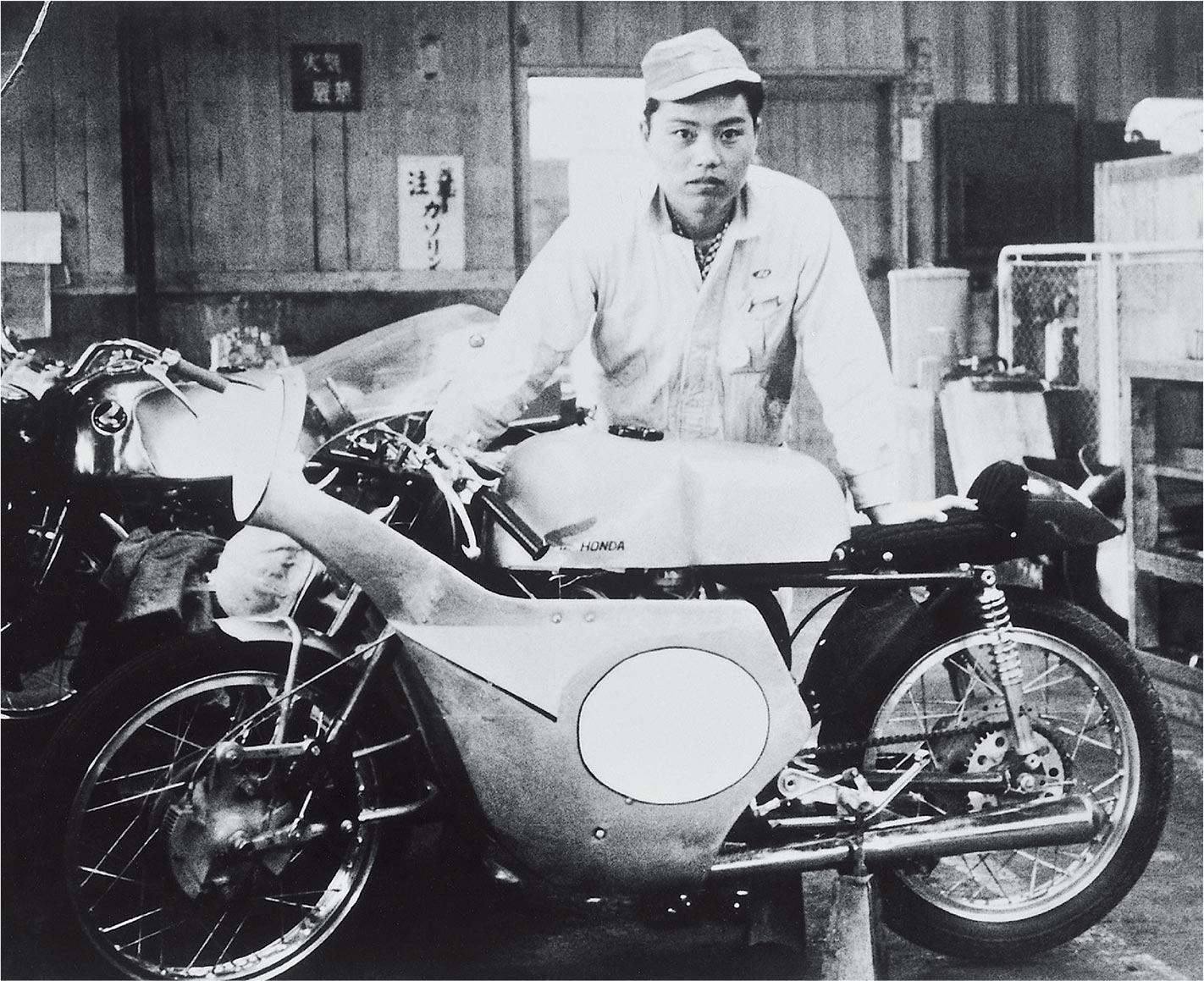
Tadashi Kume with the RC141 he was involved in developing.
When Honda R&D went independent of Honda Motor in 1960, Kume transferred to Honda R&D, and became its president in 1977. In 1979, Kume was appointed as one of the Senior Managing Directors of Honda Motor. Even after assuming the role of Senior Managing Director, Kume was often found at Honda R&D offering instructions and advice for the ongoing projects there. Such an episode indicates that Kume had things in common with Mr. Soichiro Honda, who was the primary mentor of Kume. During the heated debate over air-cooling and water-cooling, Kume stuck to his belief and conscience as an engineer while seeing things in a realistic perspective. Kume was one of the Honda engineers who inherited the engineer’s spirit of Mr. Soichiro Honda while keeping a rebellious spirit in his heart.
When Kume assumed the role as the president of Honda Motor in 1983, the trade friction between Japan and America was intensifying to the point where it had become a major concern among political and business leaders in Japan. In 1980, Japan’s automobile production volume had surpassed that of the U.S. and become the world’s largest. Reeling under the severe pressure from the U.S. government, the Japanese Ministry of International Trade and Industry (later, the Ministry of Economy, Trade and Industry) agreed to voluntarily limit the export of Japan-made automobiles to the U.S. to 1.68 million vehicles annually, starting in the Japanese fiscal year 1981. In spite of this voluntary export restraint, so-called “Japan-bashing,” or economically driven anti-Japanese sentiment, by U.S. industries continued. Following the lead of the U.S., some European countries had become wary of Japan's economic growth and began demanding restrictions on the exports of Japan-made automobile. In addition, some emerging countries in Asia, where the domestic automobile industry was in its infancy, imposed heavy duties on cars imported from Japan to prioritize the development of their domestic industries.
Faced with this challenging global business environment, Kume inherited the global automobile production strategy of “building products close to the customer,” which Honda had taken under the presidency of Kawashima, and further pursued it to “glocalize” Honda as a global company that conduct localized business around the world. Some industry and political experts in the U.S. criticized Honda, saying, “Honda calls it ‘local production,’ but it is just an assembly plant.” In response to such criticism, Honda further localized its production operations in Ohio by increasing local parts content and building two more plants in Ohio, the Anna Engine Plant and East Liberty Auto Plant. Honda also established local operations in various countries around the world in a short period of time, including India, Indonesia, Thailand, France and Spain.
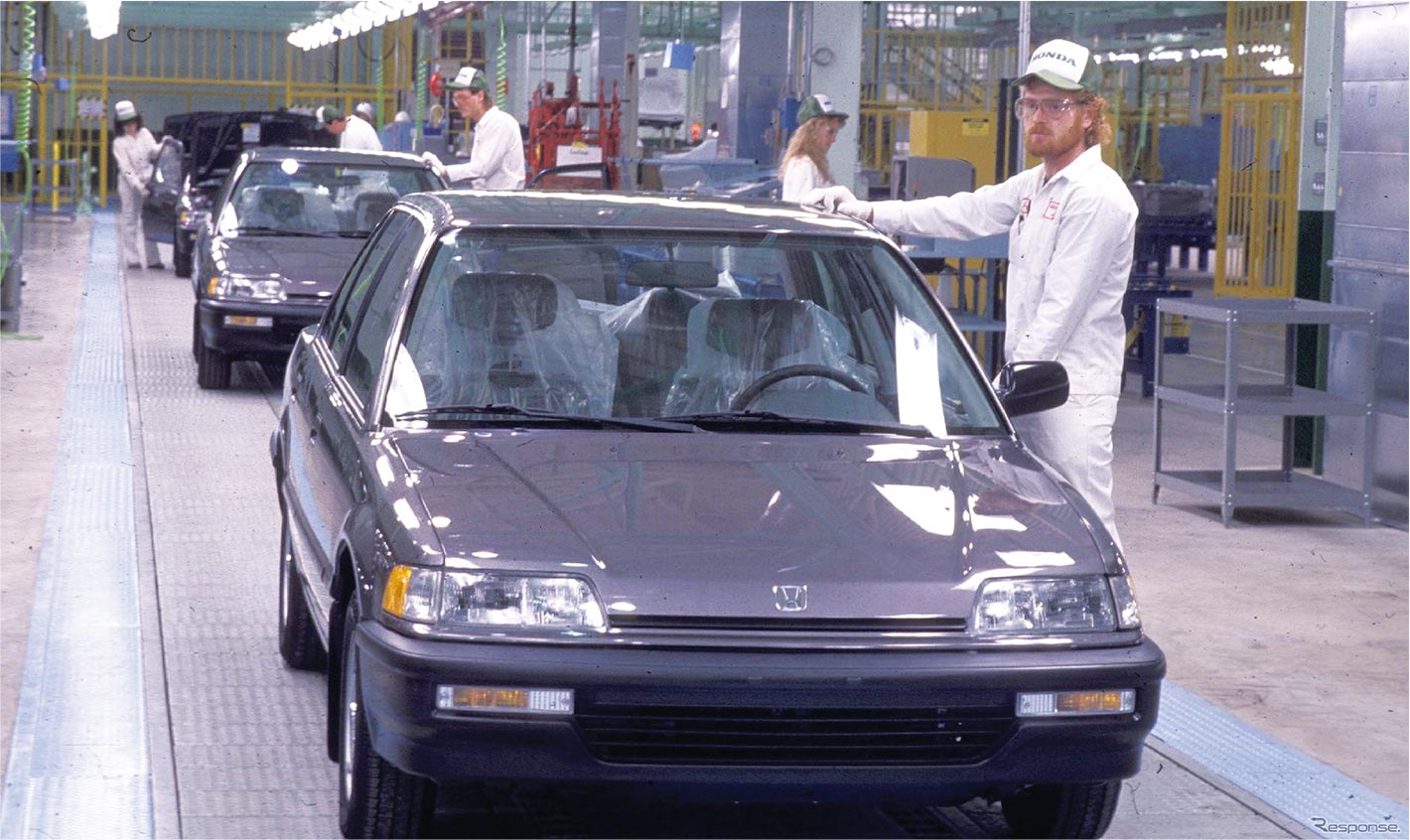
East Liberty Auto Plant in Ohio
During his presidency, Kume took a proactive approach to further advance Honda as a “glocalized” company. He felt it was his mission to do so in the face of rapid changes happening in the business environment surrounding Honda at the time. In other words, Kume took up a mission to ensure that Honda would become a company whose local operations would take deep root in each respective country and grow by refining their respective competency and capability while competing with and helping each other. Kume focused on creating a framework which would be a basis for such growth of Honda and establishing the foundation for corporate management suitable for the new era.
Creating Honda that Brings Joy to Society by Further Pursuing the Autonomy of Honda Operations Around
the World
The driving force behind the global expansion of Honda under the leadership of Kume was the clear vision to become a company that brings the joy to society.
It was time when Japanese cars, including Honda cars, were already accepted by American people, but were the target of harsh criticism from those involved in the automobile industry. This had been a major obstacle for Honda to realize The Three Joys – The Joy of Buying, The Joy of Selling and The Joy of Creating – in the U.S. To overcome this obstacle, Kume thought Honda should add the perspective of “Bringing the Joy to Society.”
In order to further facilitate the autonomy of Honda operations in the U.S., Kume took a strategy not only to build more production operations, but also to conduct research and development of products as well as the development of production technologies within the U.S. For this purpose, Honda established Honda Research of America in 1984 (HRA, later called Honda R&D North Americas and now part of Honda Development & Manufacturing of America). Additionally, Kume proceeded with the initiative to export the U.S.-made Honda Accord to Japan.
Moreover, in countries where the foundation of their domestic automobile industry was not fully matured, Honda operations in the region autonomously built a mutually complementally network to contribute to the growth of automobile industries in each country and realized free competition. These companies networked in each region come together and network with Honda operations in different regions around the world. This is how Honda strived to conduct its business in the way that would bring the joy to society.
By adding the concept of “Bringing the Joy to Society” to The Three Joys, Kume turned his attention to the entire society surrounding Honda products. As a result, he successfully ingrained the perspective of a truly global corporation – building products close to the customer, create more jobs in the region and contribute to the local society and economy – into Honda.
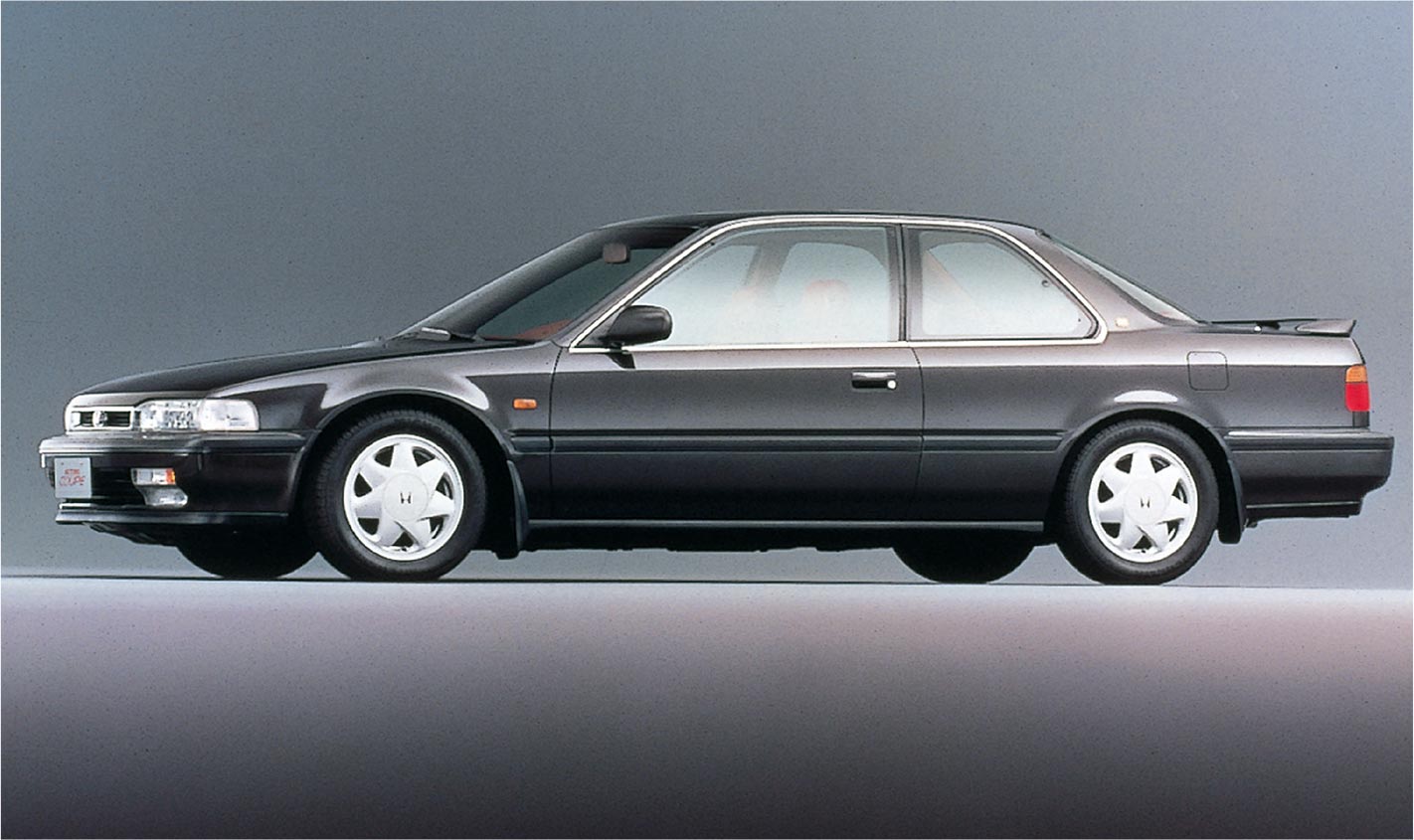
In 1990, the latest version of Honda Accord Coupe at the time was built at Honda plant in Ohio, the U.S. and exported to Japan.
Building a Sales Structure in Japan to Accommodate
a Full Lineup of Automobile Models
As of 1966, three years after Honda entered the automobile market, Honda still did not have a dealership system in Japan. Instead, Honda introduced a wholesale system where vehicles were sold directly to retail shops from Honda sales offices. By the spring of the following year, 70 sales offices were established throughout Japan. Subsequently, Honda became one of the automakers caught up in the social movement to denounce defective cars, which increased in the midst of steady growth of the automobile market in Japan. Due to the impact of reputational damage caused by the movement, Honda automobile sales continued to be sluggish, even in 1970.
A comparison of the number of sales networks of other Japanese automakers at the time showed that Toyota Motor Corporation had four separate dealer channels, and Nissan Motor Co. Ltd. had five, which were selling 1 million to 1.3 million vehicles annually. On the other hand, Honda, had just one channel, and yearly sales amounted only about 250,000 vehicles. Honda management came to the conclusion that the existing sales network structure would limit the number of vehicles Honda could sell. Based on this recognition of the fact, Honda established an authorized dealership system for dedicated automobile dealers in 1972, as well as an authorized small car dealership system in concurrence with the market launch of the Civic.
Moreover, Honda decided to establish a new sales channel for the Prelude scheduled to go on sale in fall 1978. In November 1978, Honda launched the Honda Verno channel which specialized in sales of sporty models. These Verno shops were operated by new dealers, mostly authorized dealers, recruited throughout Japan, and it was Honda’s first attempt to systematically determine dealership locations in accordance with the market situations. It was also during this period that Honda introduced the concept of Primary Market Area (PMA), which gave dealerships the authority to conduct sales activities in their region under their responsibility.
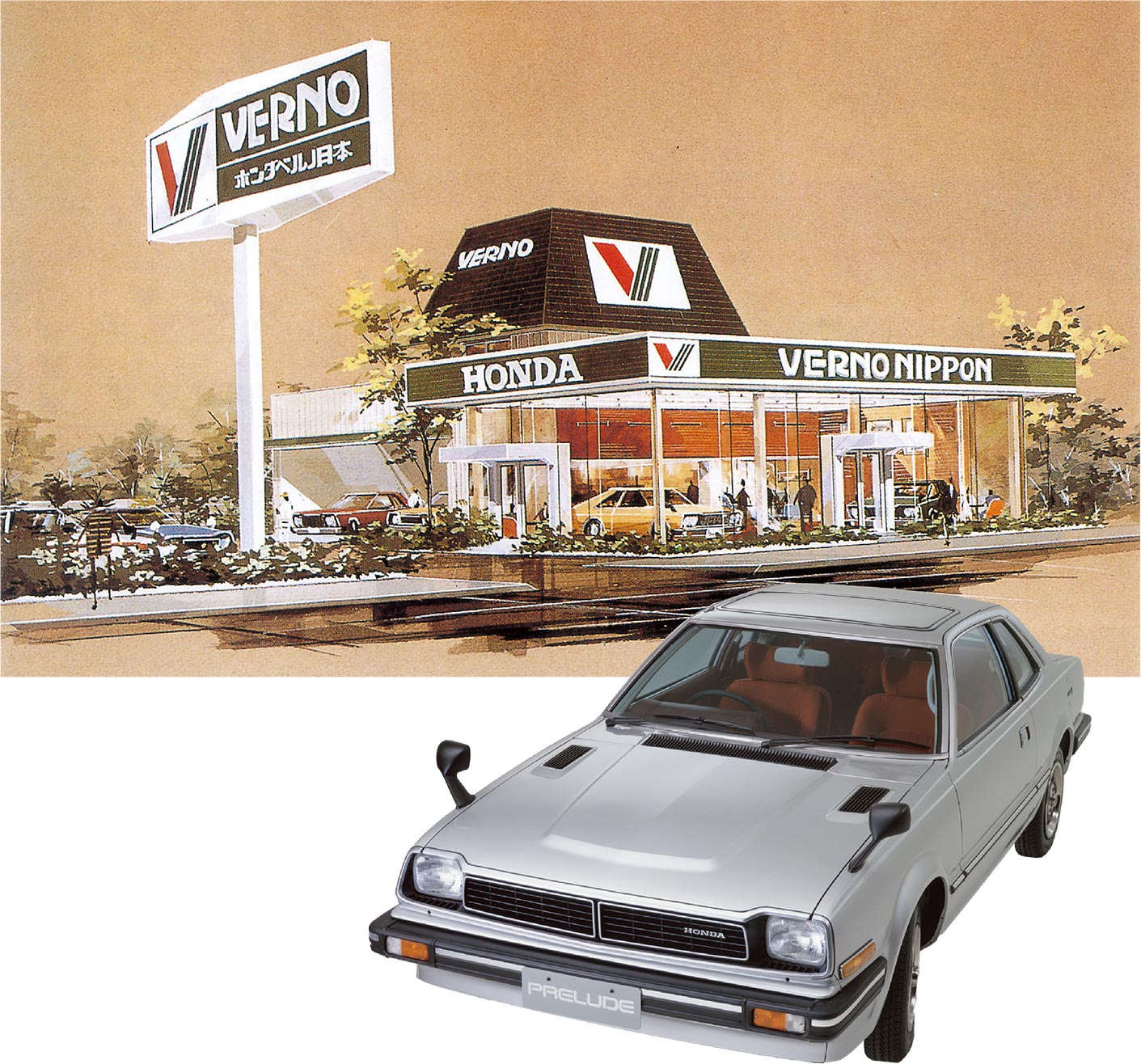
An image of a Honda Verno dealership and the key product, Prelude,
shared by Honda at the start of Honda Verno channel
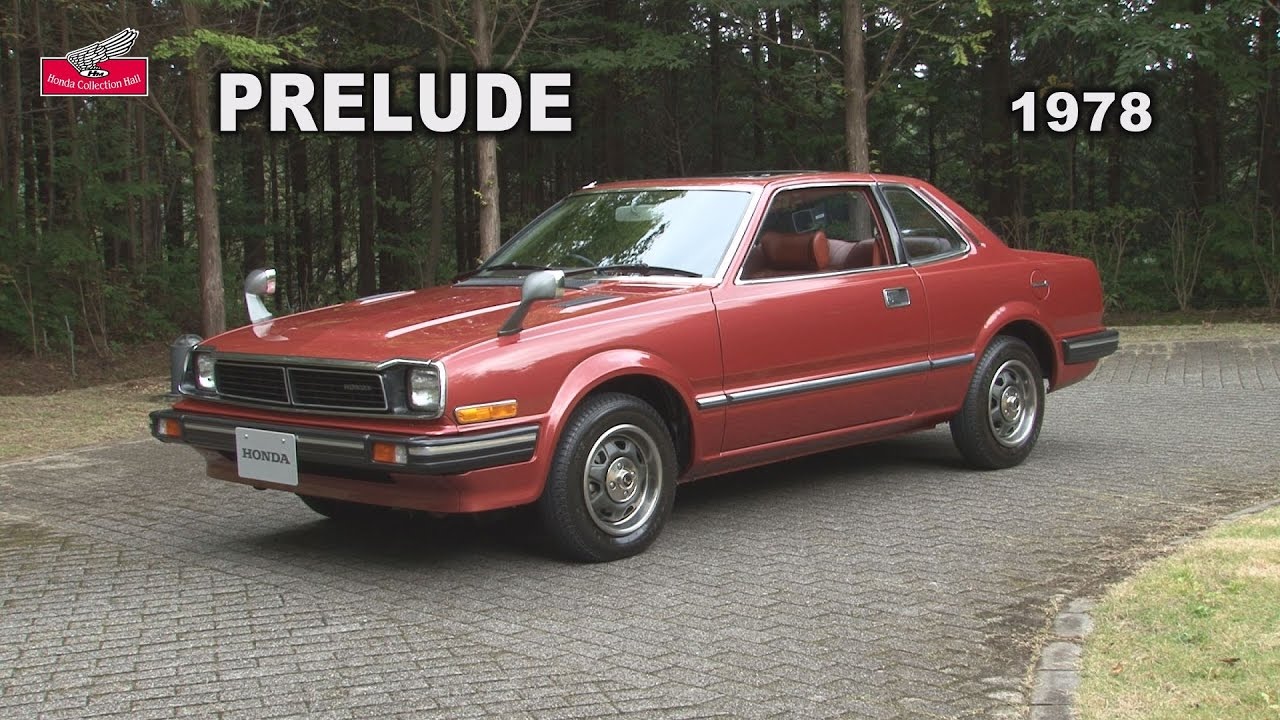
PRELUDE in Action
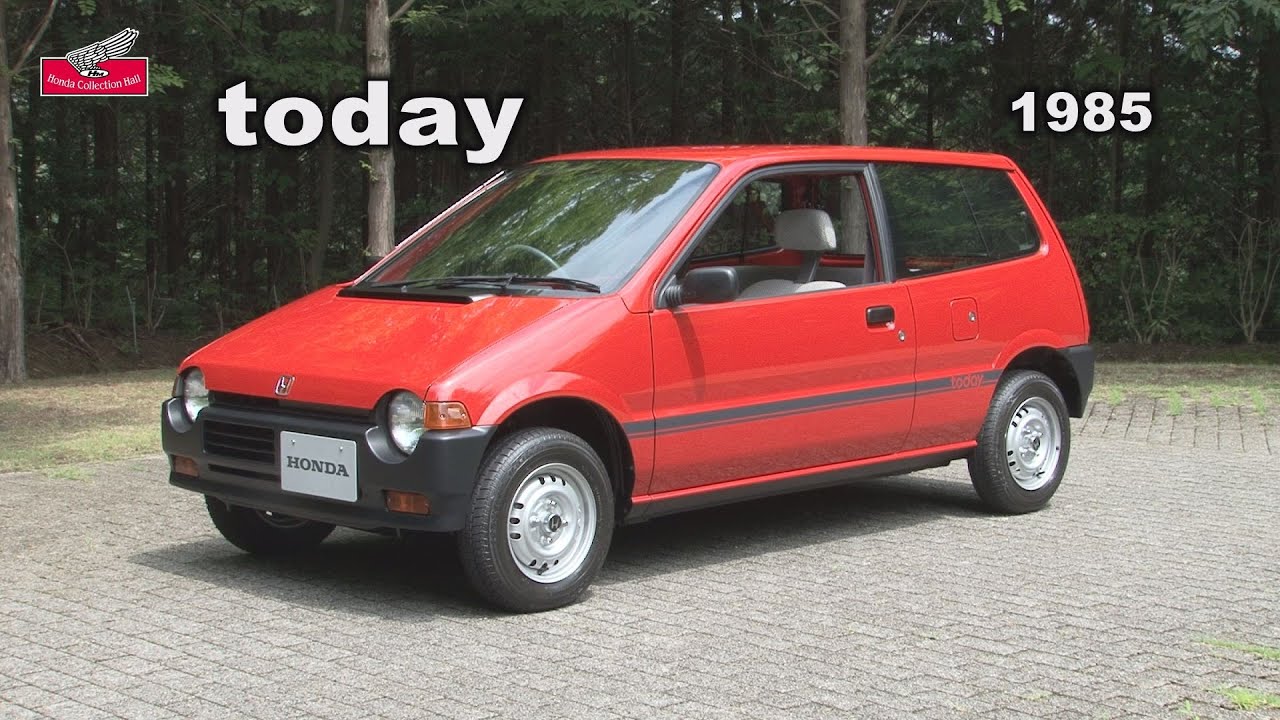
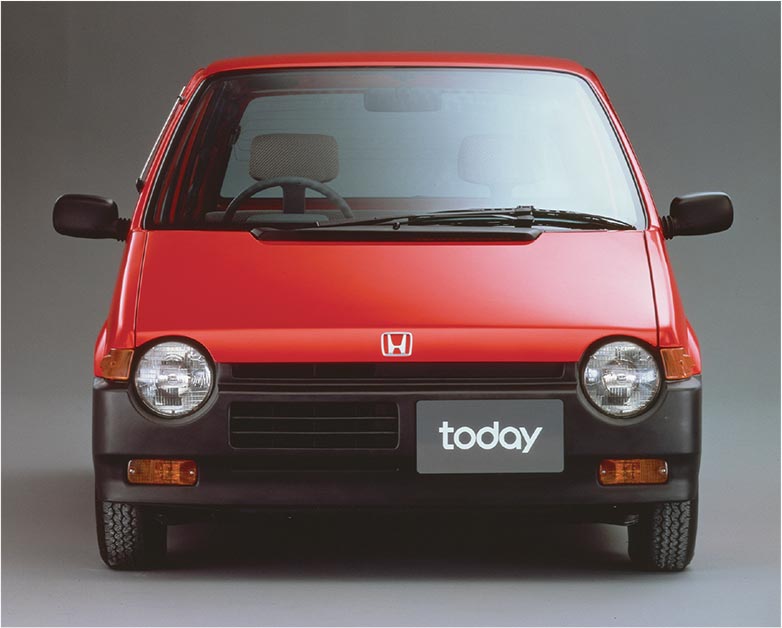 Today (1985)
During Kume’s presidency, the Honda Clio channel was launched in July 1984 as a network of luxury-style shops which specialized in sales of high-end sedans and coupes, followed by the launch of the Honda Primo channel in January 1985, as a network of more casual-style shops where popular models were sold. As a result, the Honda automobile sales system in Japan was solidified with the three-channel system, which became known as the “PCV” (Primo, Clio, Verno). At the time, door-to-door sales was the mainstream method of automobile sales in Japan. In such a time, Honda strived to establish more efficient automobile sales by having customers come to a nearby dealership location. To this end, Honda promoted its “three channels with distinctly different characteristics” and introduced their respective product lineup as well as sales and service operations. With the establishment of these sales channels, Honda began evolving into a full-fledged automaker in both name and actual business structure.
Honda had withdrawn from the mini-passenger vehicle market since 1974 in order to increase production volume of its small-size passenger car models. However, in September 1985, Honda re-entered the market with the introduction of the Today, which was sold exclusively through the Honda Primo channel. This enabled Honda to offer a full lineup of products ranging from k-cars to the luxury Legend. As a latecomer to the automobile market, Honda had to build its own sales network by applying original ideas and hard work, but by around this time, Honda was able to establish a sales operation that enabled a fair competition with other automakers that had entered the market ahead of Honda.
In the North American market, in 1986, Honda launched the Acura brand for luxury and performance models through 60 Acura dealership locations throughout the U.S., and began sales of the Integra, a sport-oriented model, and the Legend, the flagship model of the Acura brand. In fact, Honda was the first Japanese automaker that created a separate luxury vehicle sales channel. Since its launch in 1986, Acura ranked No. 1 for four consecutive years in the J.D. Power and Associates’ CSI (Customer Satisfaction Index) Survey, solidifying its high reputation in the U.S. market.
Today in Action