Innovative Research
Excellence
Research on Innovative and Unique Technologies
Aiming for the realization of a “society with zero environmental impact” and a “society with zero traffic accident fatalities,” the Innovative Research Excellence center J6:J16has been striving to research the technologies as follows:
- recycling technologies and next-generation electrification technologies to reduce environmental impact,
- technologies to understand humans and expand their ability so that every person can obtain his or her peace of mind,
- secure and safe technologies required for all traffic participants including motorcycles and automobiles to coexist, and
- innovative production technologies looking into the future.
Multi-fingered Hand
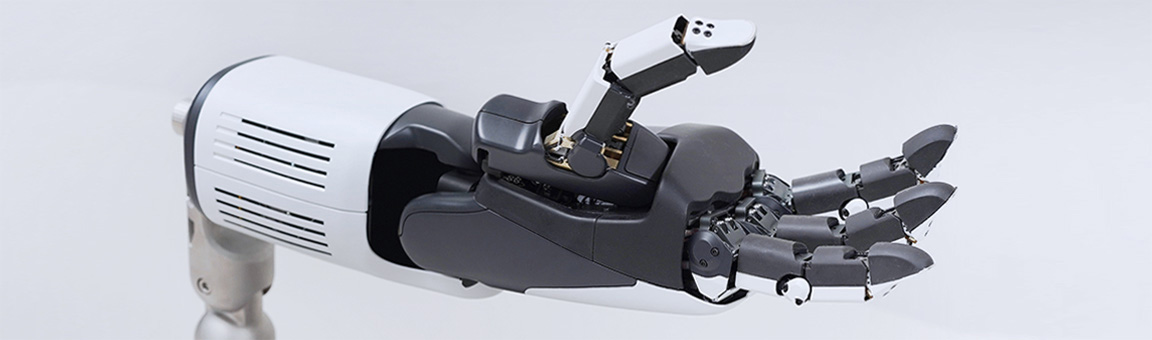
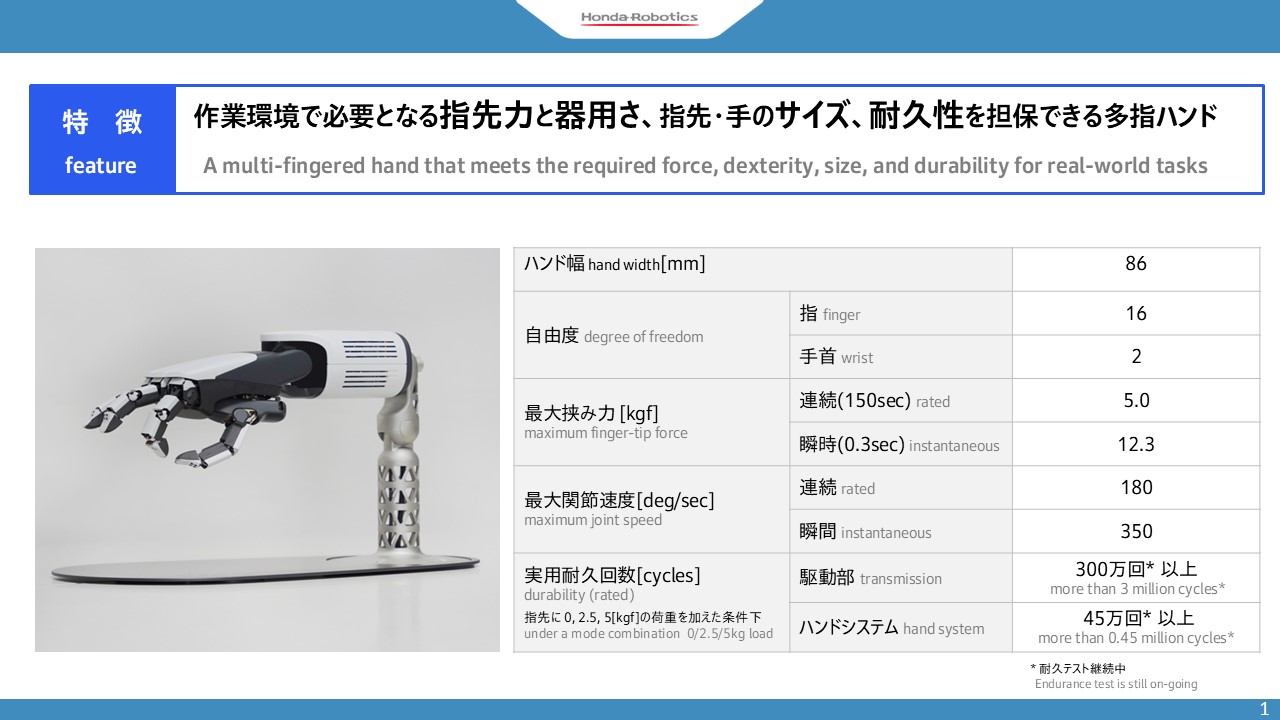
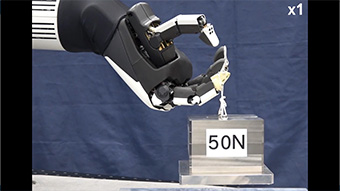
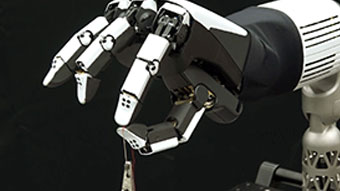
Human hands not only can grasp various objects, but also dexterously handle tools and apply strong forces with their fingertips to assemble or disassemble parts. By realizing such a robotic hand at a human-equivalent size, we aim to enable a single hand to perform the diverse tasks currently done by humans. Historically, robotic hands, when scaled down to human-like sizes, typically possess durability levels far below what could be considered practical. Powered by the proprietary “Willow Drive” actuation system, this multi-fingered hand achieves an exceptional combination of dexterity, strength, and durability, with proven endurance of over 450,000 cycles, including testing under maximum-load conditions.

Hybrid eVTOL
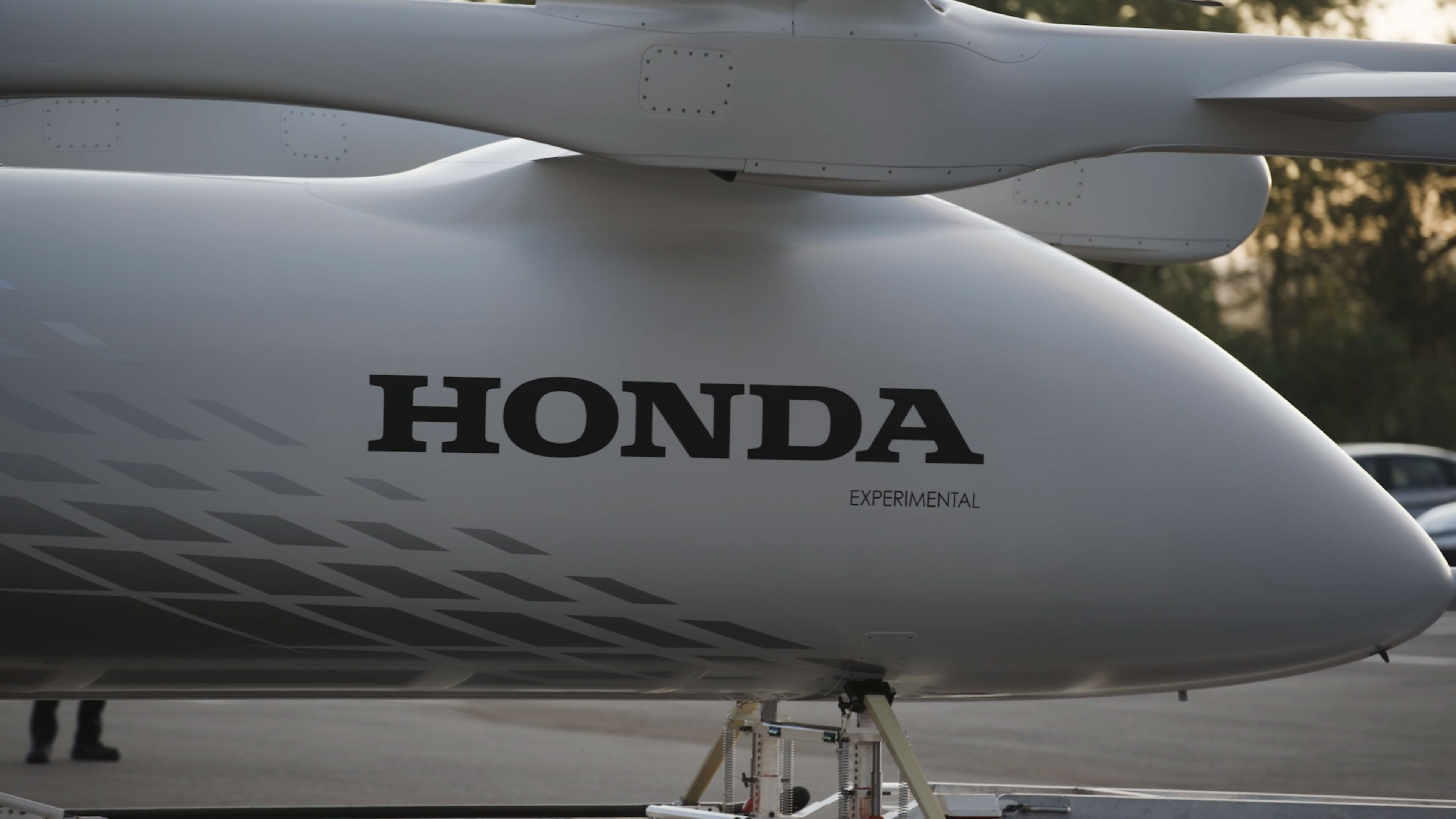
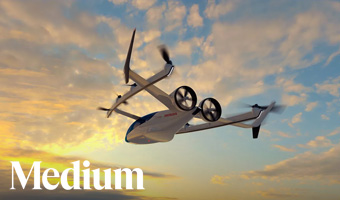
We have been researching various elemental technologies and working on conceptual and basic designs of the aircraft, type certification, and studies toward building an ecosystem for the practical application of the electric Vertical Takeoff and Landing aircraft (eVTOL).
Leveraging its expertise accumulated through HondaJet—such as aerodynamics, NV (noise and vibration), structure, weight reduction, and certification—along with the rapid development techniques refined in the world of racing and the M/M (man-maximum, machine-minimum) philosophy cultivated through automobile development, we are creating mobility that is uniquely Honda.
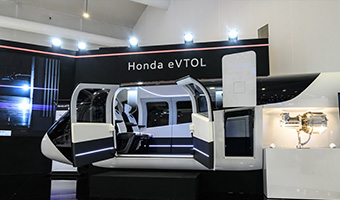
In 2025, we exhibited at the Dubai Airshow, showcasing a cabin mock-up and subscale model to share the current status of development and our future direction.
CI Micromobility Robot WaPOCHI
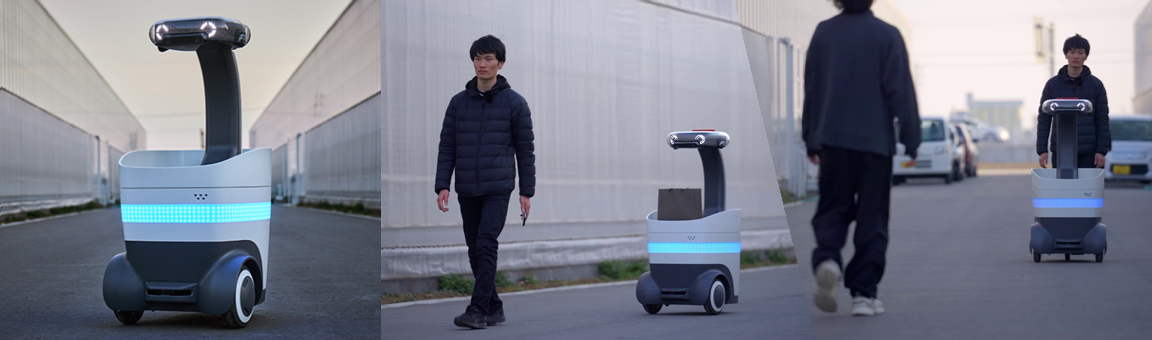
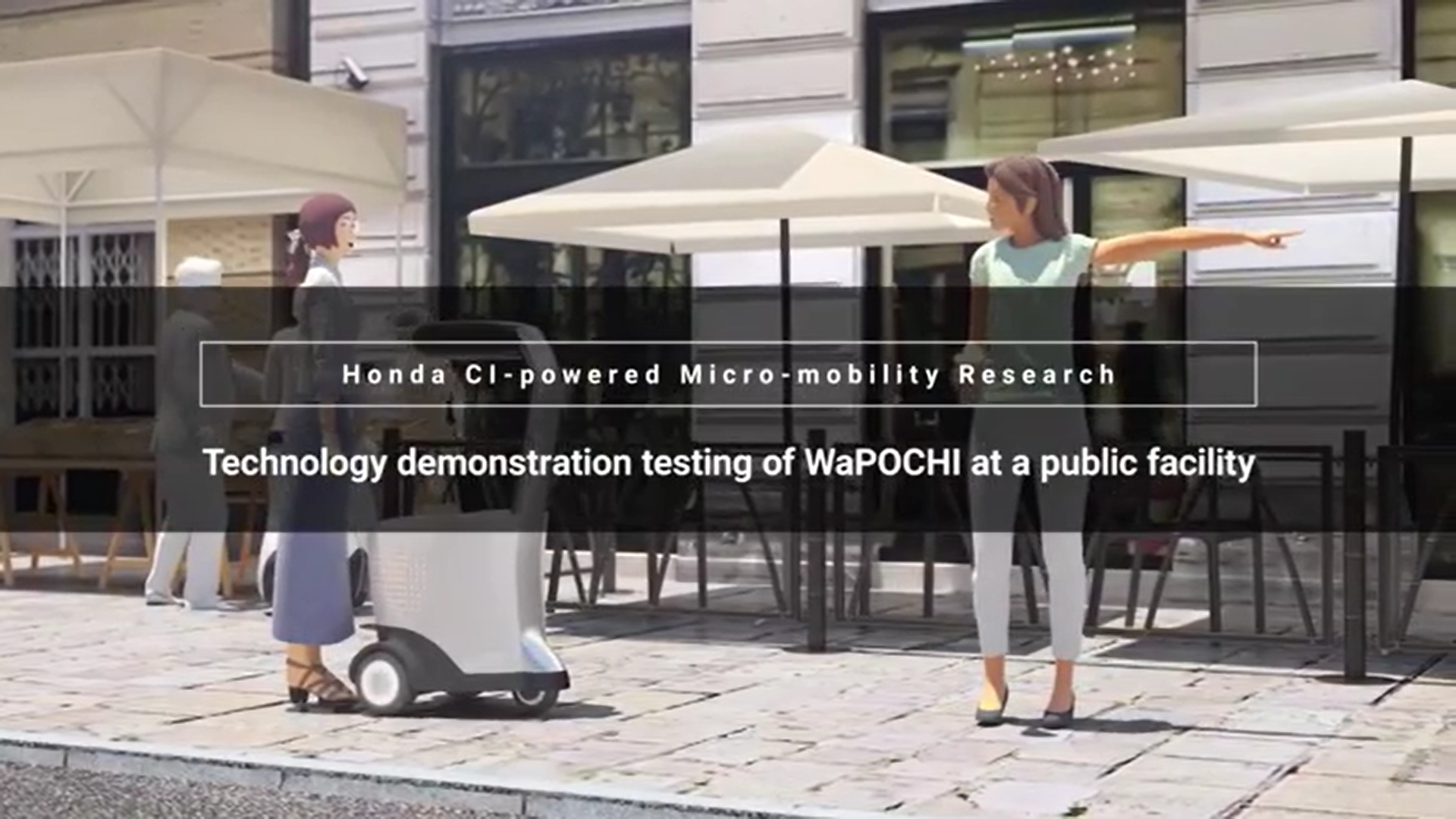
WaPOCHI is an autonomous mobility robot designed to support people’s desire to walk freely. We are developing a camera-based recognition system that learns the user’s visual features and enables reliable identification even in crowded environments. By smoothly following the user while carrying their luggage or belongings, it enhances convenience and comfort during everyday outings.
Furthermore, by leading the user while maintaining a safe walking space and adapting to the surrounding environment, the system aims to support elderly people and stroller users to move safely and comfortably even in crowded areas. By pursuing behaviors that are acceptable to surrounding pedestrians, we seek to create a freer mobility experience that transcends the conventional boundaries of vehicles.
CI Ride-on Micromobility CiKoMa
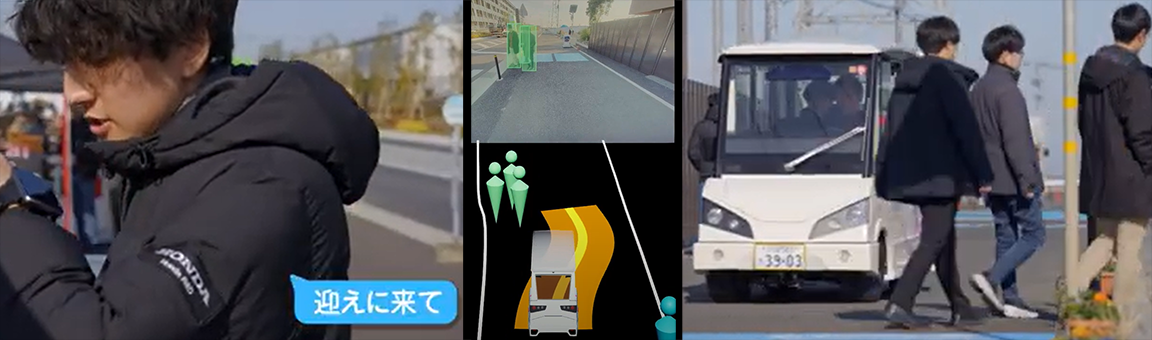
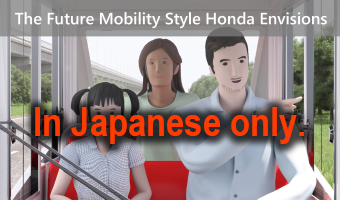
CiKoMa is an automated mobility that comes to pick you up when you call it and allows you to get on and off wherever you like. It can be deployed over a wide area without relying on high-definition maps. Therefore, it can enter narrow streets and other such areas in residential districts and tourist areas. Moreover, it infers the intentions of users from words and gestures. We are driving the formulation of technology with the desire to change the way we travel with this futuristic mobility vehicle that is part car, part motorcycle, and part robot.
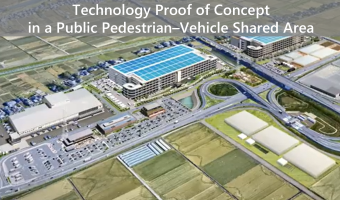
Normally, we conduct research and development in research institutes. However, in this project, we are allowing members of the general public to experience this vehicle under a certain level of control while we identify issues and update the technology.
CI Driving Assistance System Dashcam
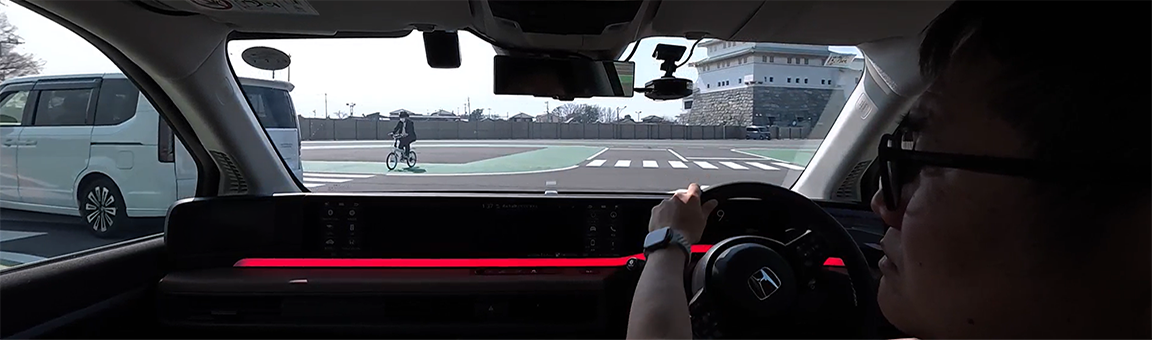
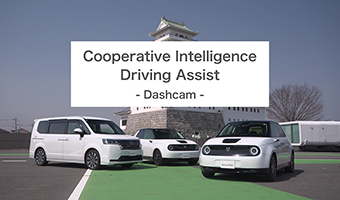
This system helps drivers to be able to intuitively grasp the risks in their surroundings that are easy to overlook by combining 360-degree environmental recognition and gaze estimation. This is based on cooperative intelligence technology that aims to realize safe and secure travel through cooperation between people and mobility systems by estimating and analyzing the surrounding environment and the intentions and actions of traffic participants. The aim with this system is to provide a driving experience that contributes to an increased sense of security and comfort. We have also designed this technology with the assumption that it will be retrofitted to existing vehicles. Our aim is to create a future in which many people can travel safely according to their vehicle conditions and usage environments.
Safe and Sound Network Technology
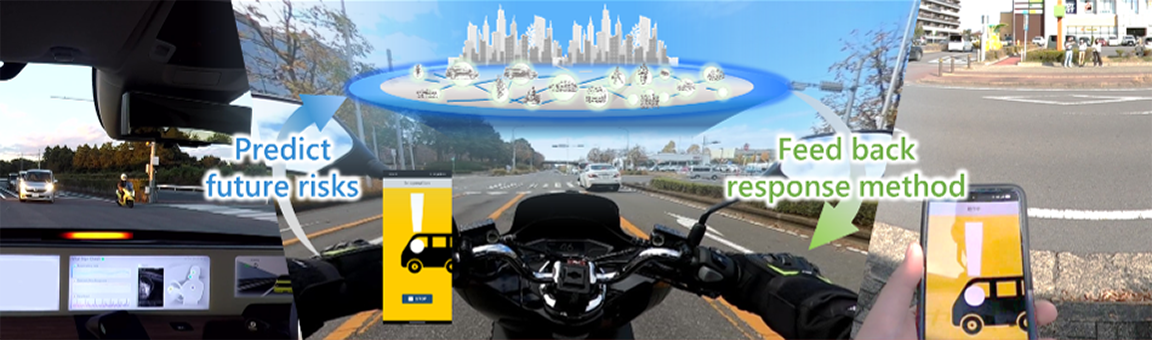
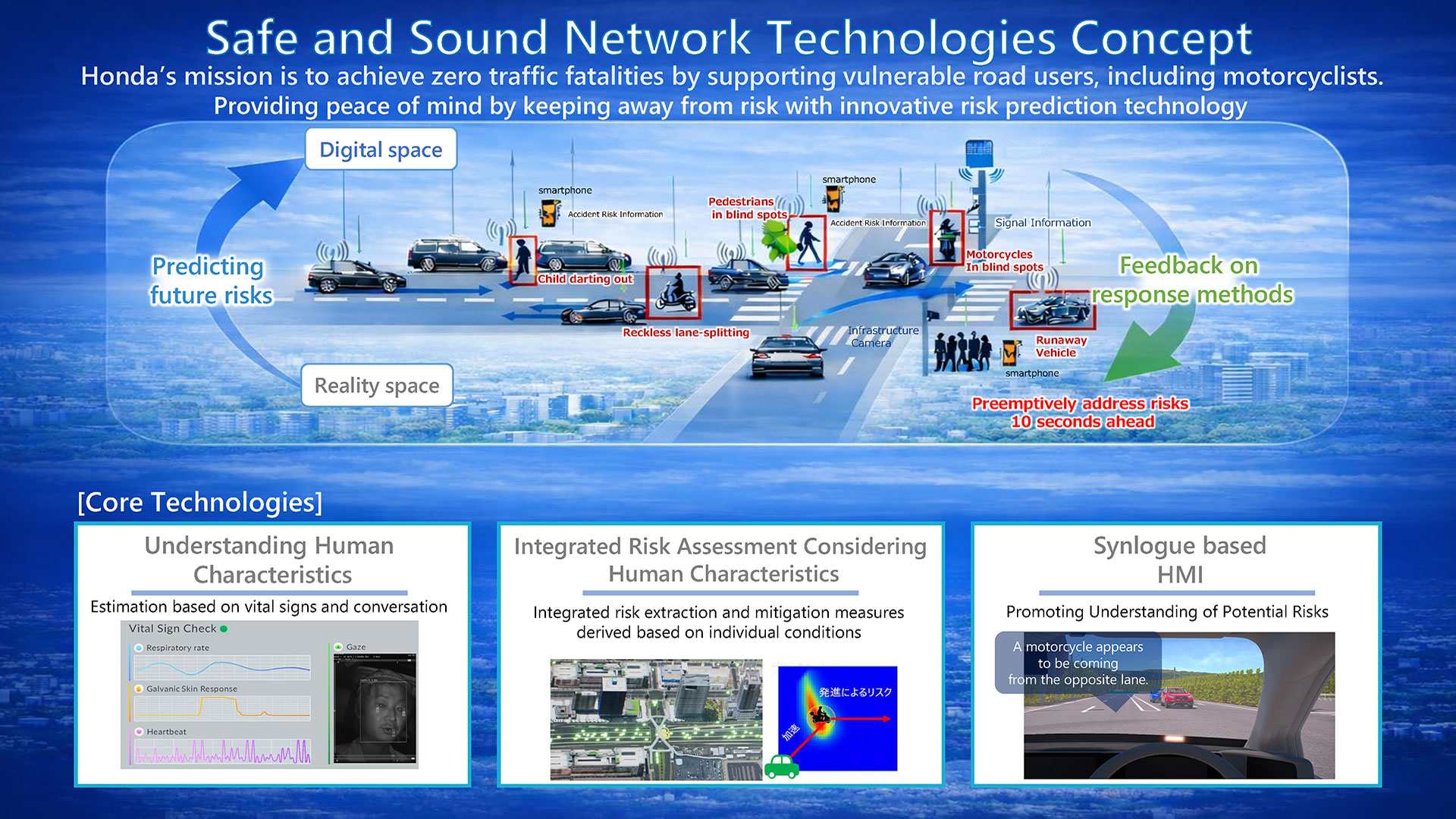
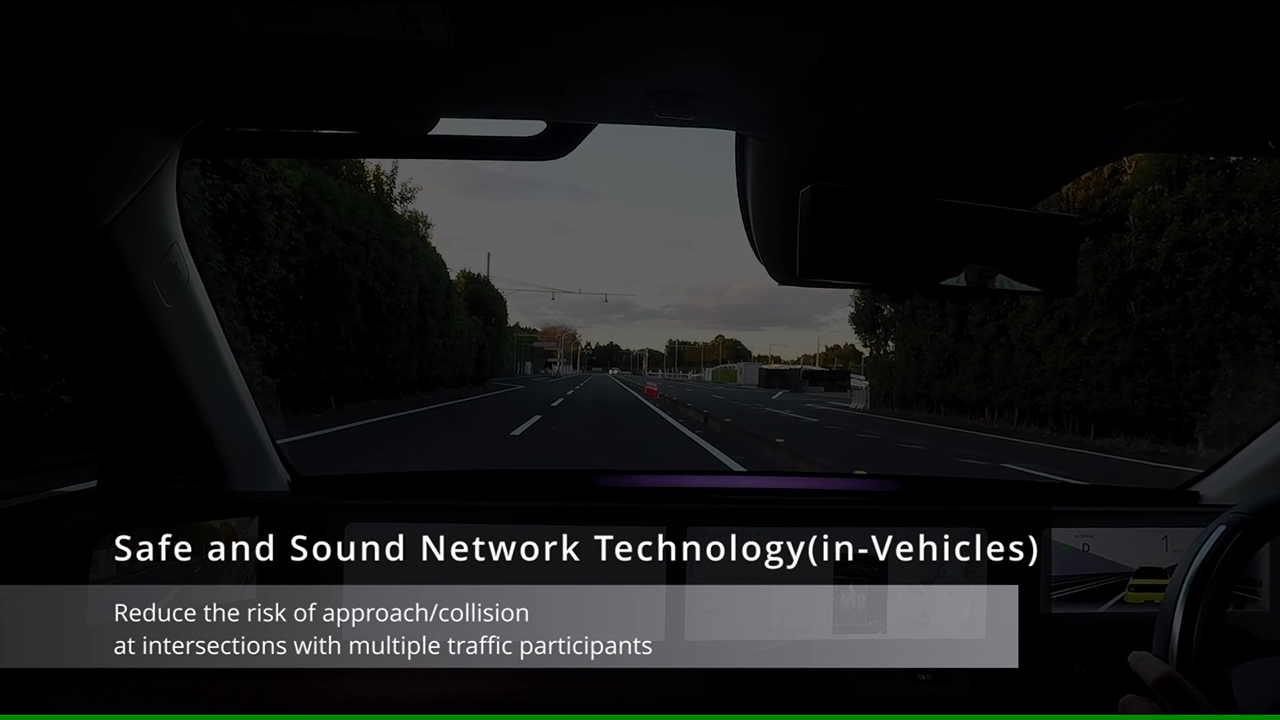
Approximately 70% of global traffic fatalities involve vulnerable road users, including motorcyclists, and many of these accidents—such as pedestrians darting out from behind vehicles—are difficult to predict. To address these challenges, we are conducting safety technology research that goes beyond vehicle evolution to encompass the “Out-car” domain, aiming to enhance safety through coordinated efforts across the entire transportation ecosystem. This technology aggregates traffic participant data collected from in-vehicle sensors and mobile devices in the cloud to recreate the traffic environment. Using Digital Twin AI that takes into account the status and characteristics of traffic participants, it predicts the risk of accidents and derives appropriate support information. This information is conveyed to at-risk traffic participants via Voice-Based AI and other means, prompting them to take preventive actions before an accident occurs.
Safety Support Smartphone Application for Two Wheelers
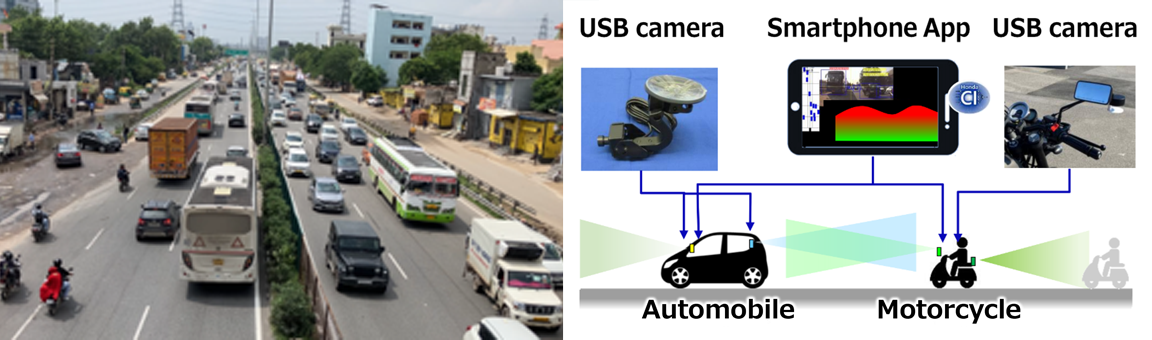
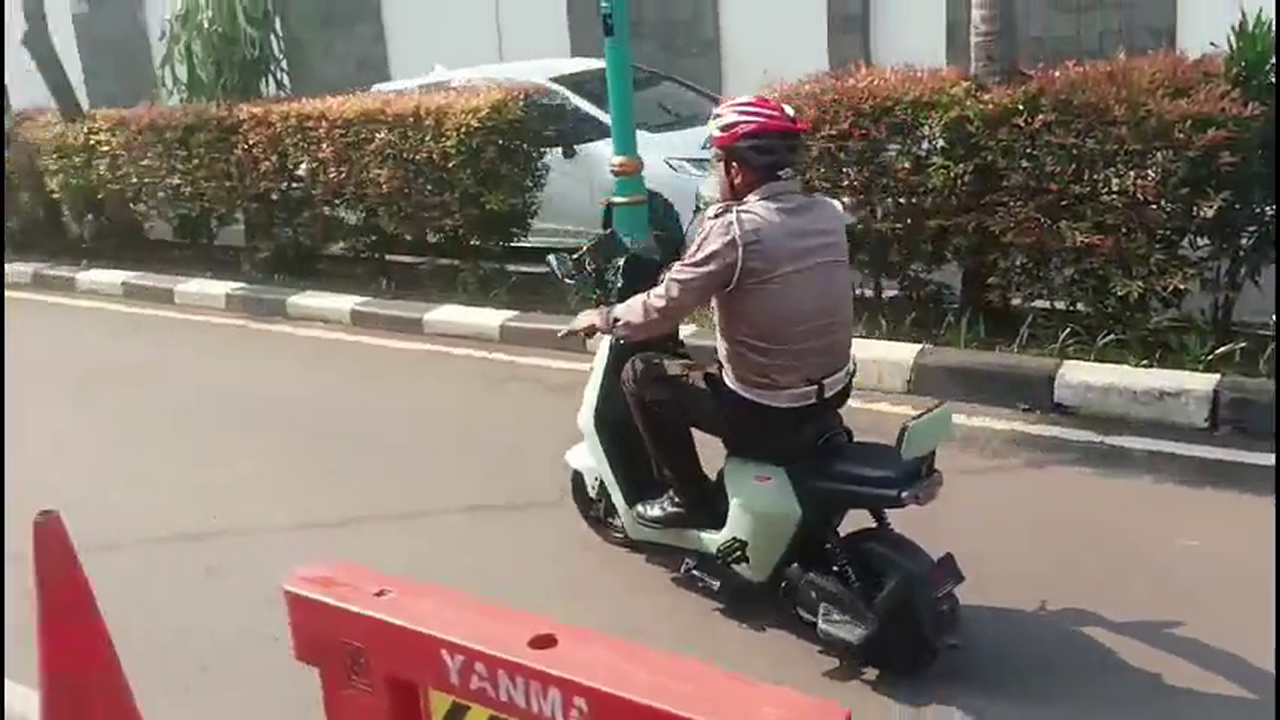
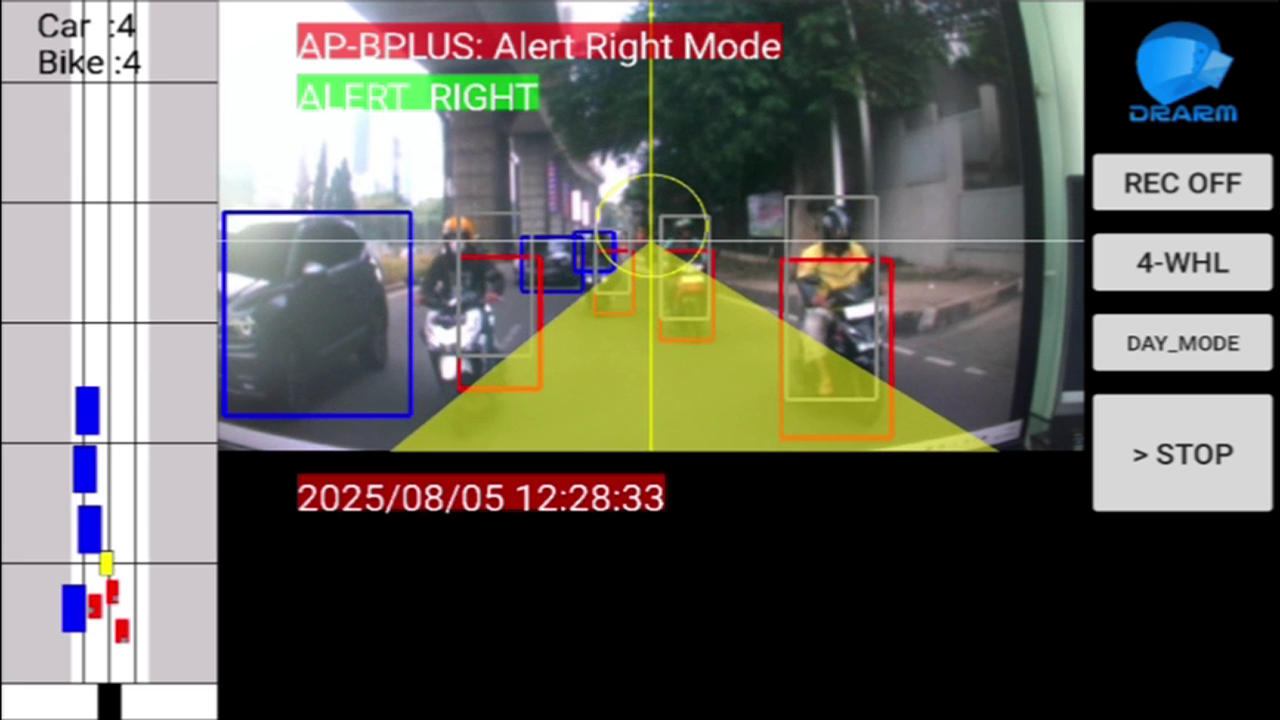
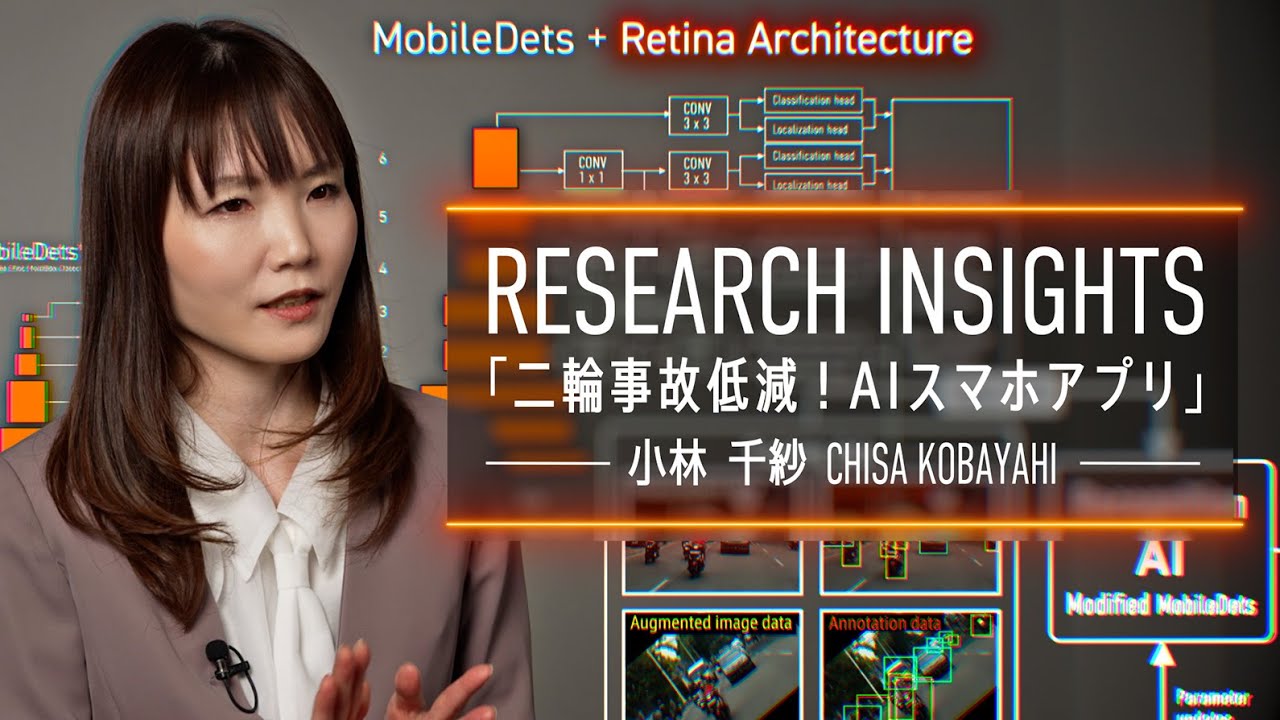
This application uses AI to detect risks under certain conditions and then alerts drivers to them. It focuses on accident scenarios that frequently occur in emerging countries. These include collisions with vehicles overtaking from behind and accidents in which other vehicles suddenly enter the lane a vehicle is in from the left or right. The application helps drivers to monitor safety through different alert displays depending on the direction of the risk and includes a notification function using lights on the screen. Moreover, it is equipped with features such as a dashcam that temporarily records dangerous driving.
Additive Manufacturing (AM)
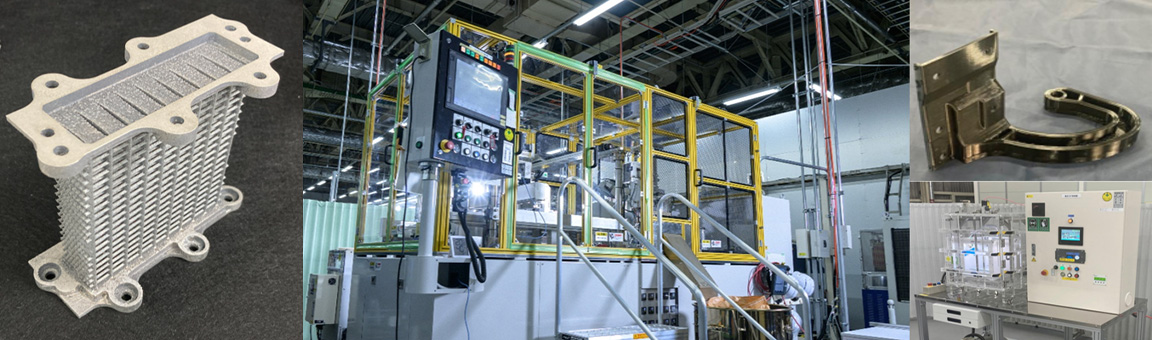
AM is increasingly expected to enable higher‑performance parts and provide more flexible responses to global customer needs. Applying AM to Honda’s current and future businesses requires researching and selecting AM technologies that meet components’ functional and quality requirements as well as business needs. Therefore, engineers in design, production engineering, and materials are collaborating to conduct research on AM‑optimized part designs and to advance manufacturing processes that enhance component performance.
Avatar Robot
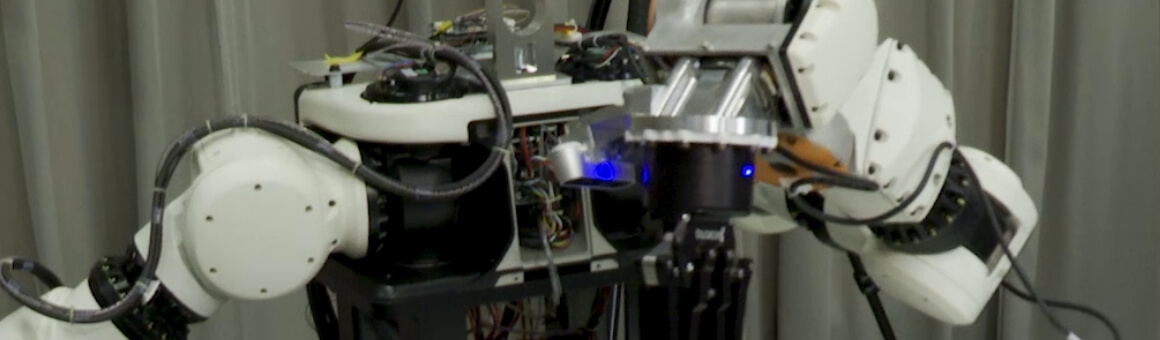
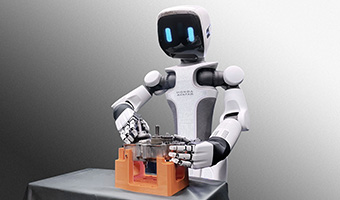
A user can now “experience things” and “perform tasks” in places where they are not physically present through a second self. We think of our Avatar Robot as a means of mobility that goes beyond the second and third dimensions to a 4th dimension, transcending space and time and expanding your capabilities beyond the bounds of time, place, or ability – continuing to expand beyond the sphere of human activity and space and time itself. Aiming to create robots that can work in environments where people live, we are striving to develop robotic hands equipped with the same sensitivity and strength as human hands, as well as remote AI support technology that corrects the discrepancies between human and robot vision and touch, so that users may operate them freely.

Sustainable Rocket
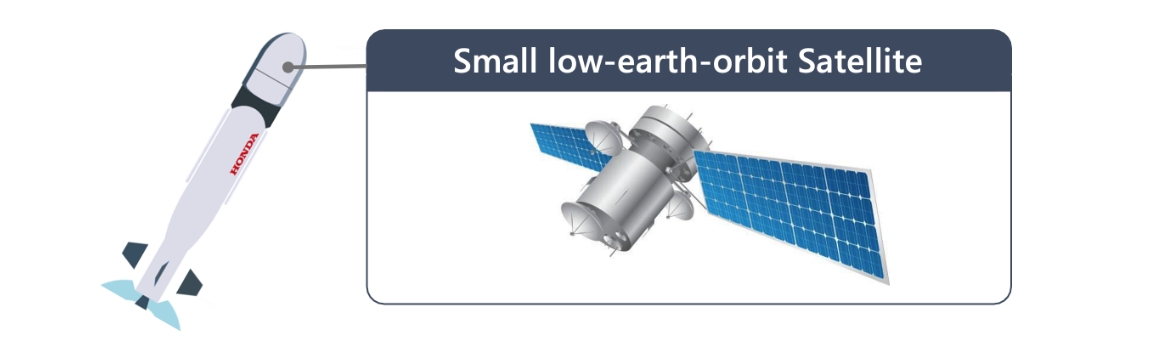
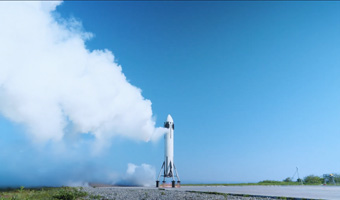
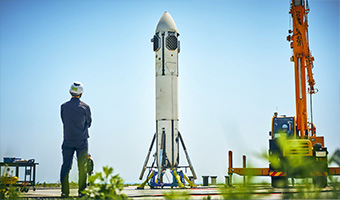
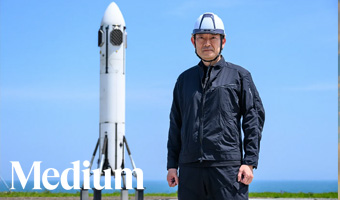
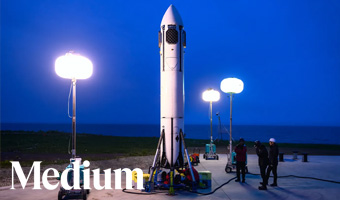
With a view to expanding the range of human activities and enriching the lives of people on the ground through the use of space, we are conducting research and development on our original reusable small rocket, focusing on its affinity with and applicability to Honda’s core technology, in order to make space transportation more accessible, which is a bottleneck for human activities.

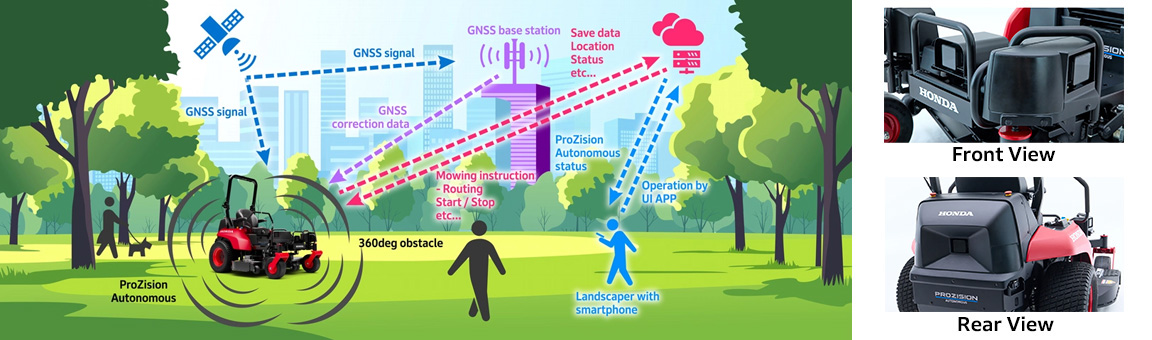
Autonomous Work Intelligence Technology for Off-Road Environments
We are advancing research and development of autonomous work intelligence technologies that enable high work efficiency even in complex and diverse off-road environments where no maps exist. By learning the decision-making patterns and operational behaviors of skilled operators, AI enables work machines to understand their surroundings and autonomously select optimal actions. To achieve this, we integrate three core technologies: environmental perception that accurately identifies terrain and surface conditions; autonomous path planning that generates efficient routes based on work objectives and ground characteristics; and integrated vehicle control that ensures both stability and precision on uneven terrain. Through these efforts, we aim to realize autonomous work systems that can intelligently collaborate with people in real-world environments.


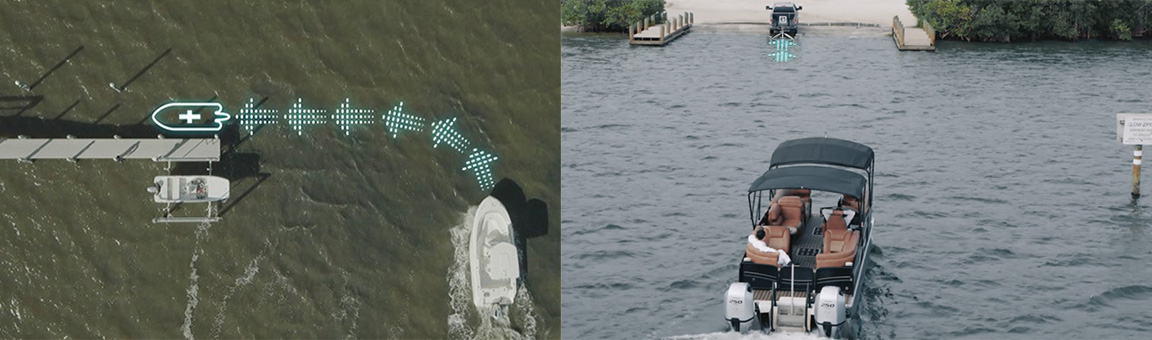
Advanced Autonomous Vessel Control Technology
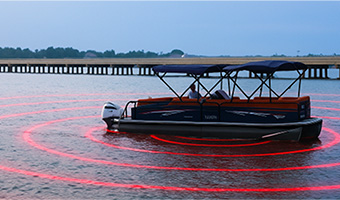
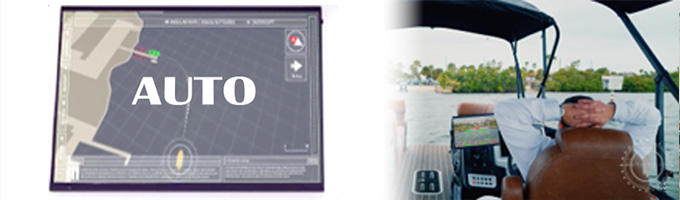
At sea, natural elements such as wind, waves, and currents affect vessels, frequently requiring navigation in uncertain conditions that demand advanced skills. We are advancing research and development of autonomous navigation technology that recognizes these environments in real time, maintaining a balance between safety and comfort. We are developing environmental recognition technology that comprehensively grasps wind, waves, currents, and the movements of other vessels; hull control technology that precisely manages the vessel's attitude and propulsion; and a ship handling support interface that conveys human operational intent to the control system. This enables next-generation waterborne mobility that delivers safer and more comfortable navigation even in uncertain environments, creating the joy of moving freely on the water.
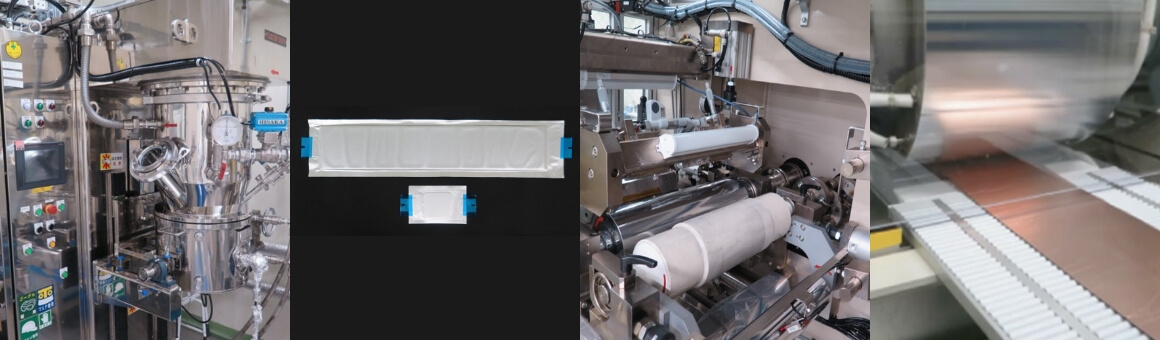
All-Solid-State Battery
The expectations for the batteries on board are low cost and the increase in the cruising range. The battery under development uses a higher-capacity anode than usual, but its high activity causes a side reaction with the electrolyte, resulting in low charge-discharge efficiency. In addition, lithium dendrite growth during charging is a safety concern. We try to solve these problems by adopting a solid electrolyte. Moreover, we aim for the electrodes that can be mass-produced at low cost. To realize their high-speed mass production, we have been striving to establish both making slurry and painting of cathode composite, as well as a roll press process to ensure the electrode packing density and interface adhesion. Furthermore, to maximize the energy density, we have been working on making the materials into thinner layers that do not contribute to energy.