Birth of Honda Outboard Motors Powered by 4-Stroke Engines
“Watercraft should not pollute the waters they ply.”
This was the guiding belief of Soichiro Honda when Honda entered the outboard motor business.
An outboard motor is a propulsion unit attached to the stern of a vessel without its own power source. It drives a propeller using an engine and is widely used for fishing, commercial operations, and leisure activities. In recent years, demand has grown rapidly due to ease of maintenance and simple removal.
Honda began selling outboard motors in 1964. At the time, the market was dominated by two-stroke engines, which had fewer parts, simpler structures, lower cost, lighter weight, and were capable of higher output. Four-stroke outboard motors were almost nonexistent.
However, Soichiro Honda instructed the development of outboard motors powered by four-stroke engines:
“Don’t pollute the water. If you let unburned oil flow into the water along with exhaust, what do you think will happen to the seas, lakes, and rivers? Others may all use two-strokes, but Honda should go with four-strokes. If they are heavier or more expensive, we just have to find a way to overcome that.” ("Making the Dream Come True: 50 Years of Challenges")
Based on this belief—“watercraft should not pollute the waters they ply”—Honda pursued the development of four-stroke outboard motors. Because outboard motors discharge exhaust gases through the center of the underwater propeller, two-stroke engines, which mix lubricating oil with fuel, release unburned substances into the water. To address this, Soichiro Honda directed development using more efficient and cleaner four-stroke engines.
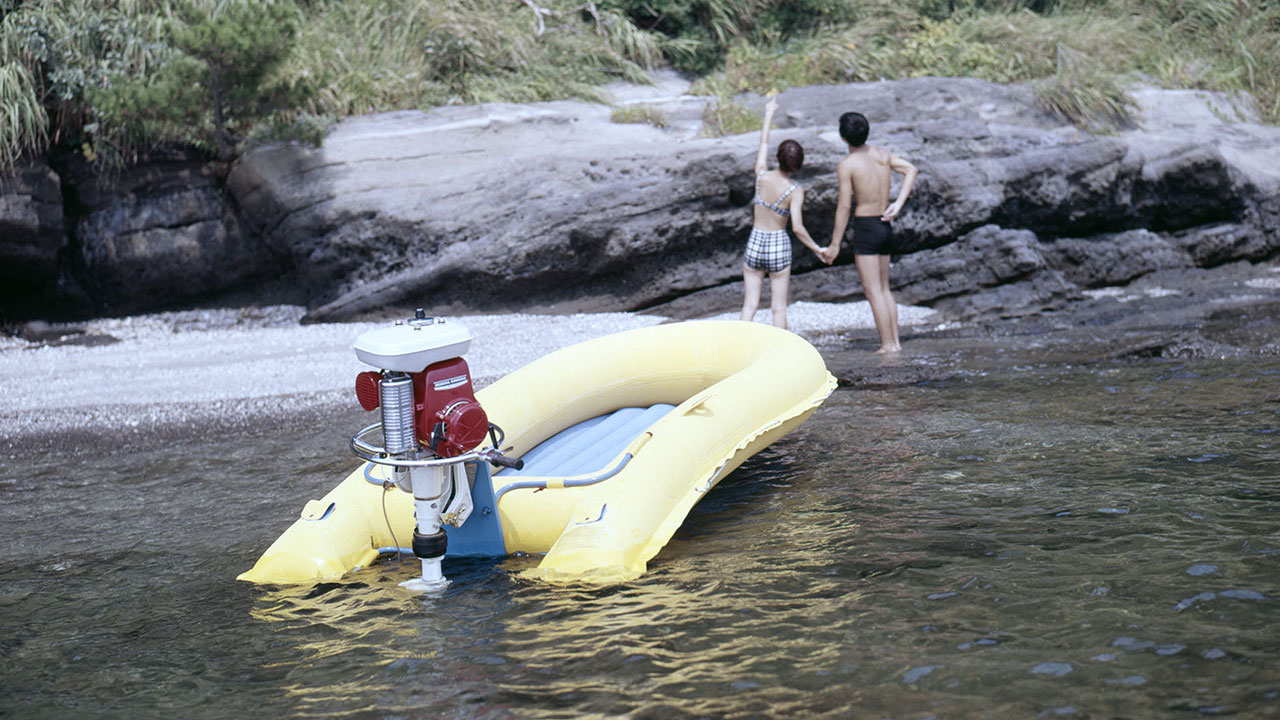
Following this directive, Honda introduced the GB30 in 1964, its first outboard motor. Based on the 132cc four-stroke general-purpose engine G30 released the previous year, the GB30 adopted a chain-driven propeller structure and delivered 4 horsepower from a 171cc engine. Since then, Honda has consistently produced outboard motors powered by four-stroke engines, culminating in today’s BF350 equipped with a V8 engine.
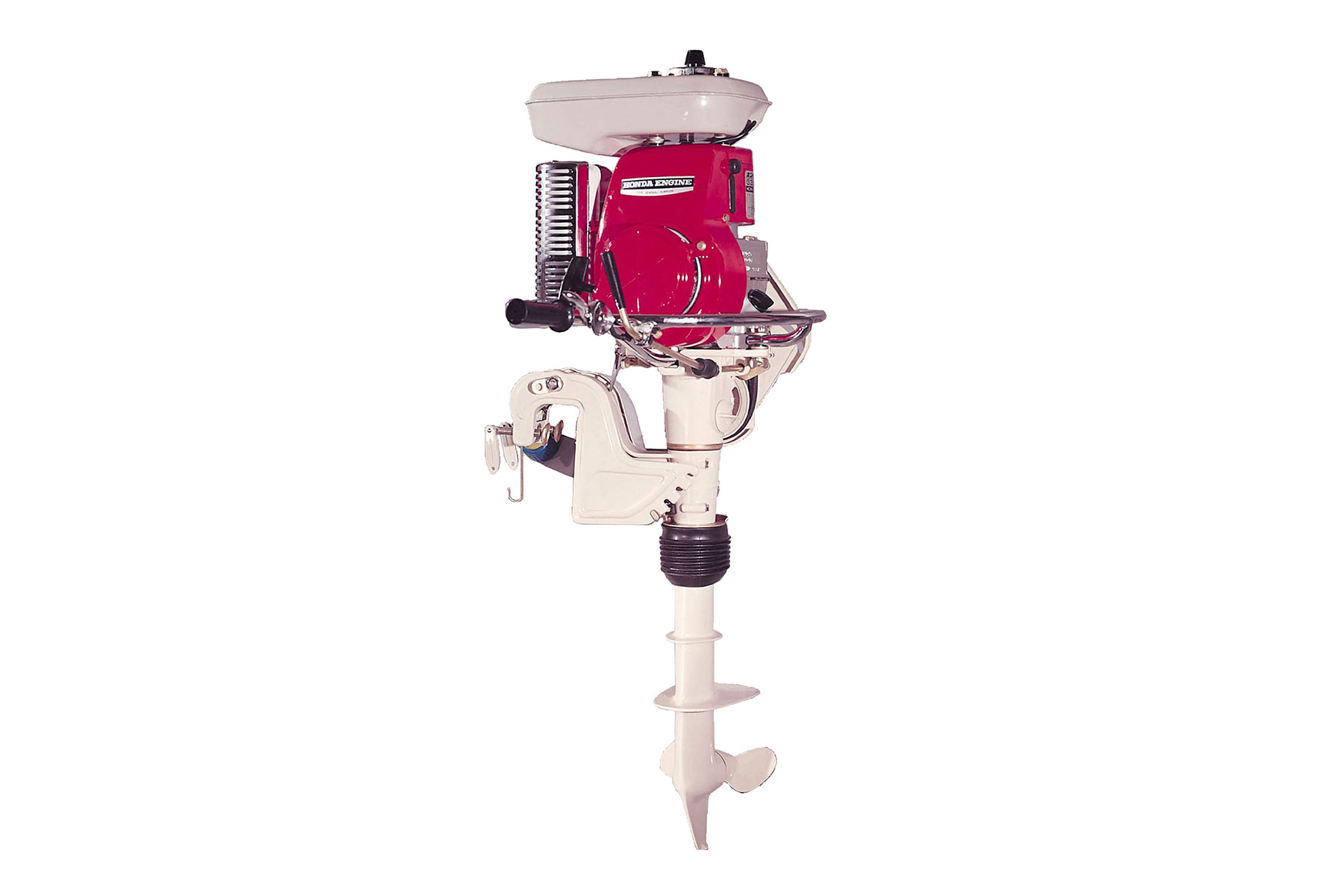
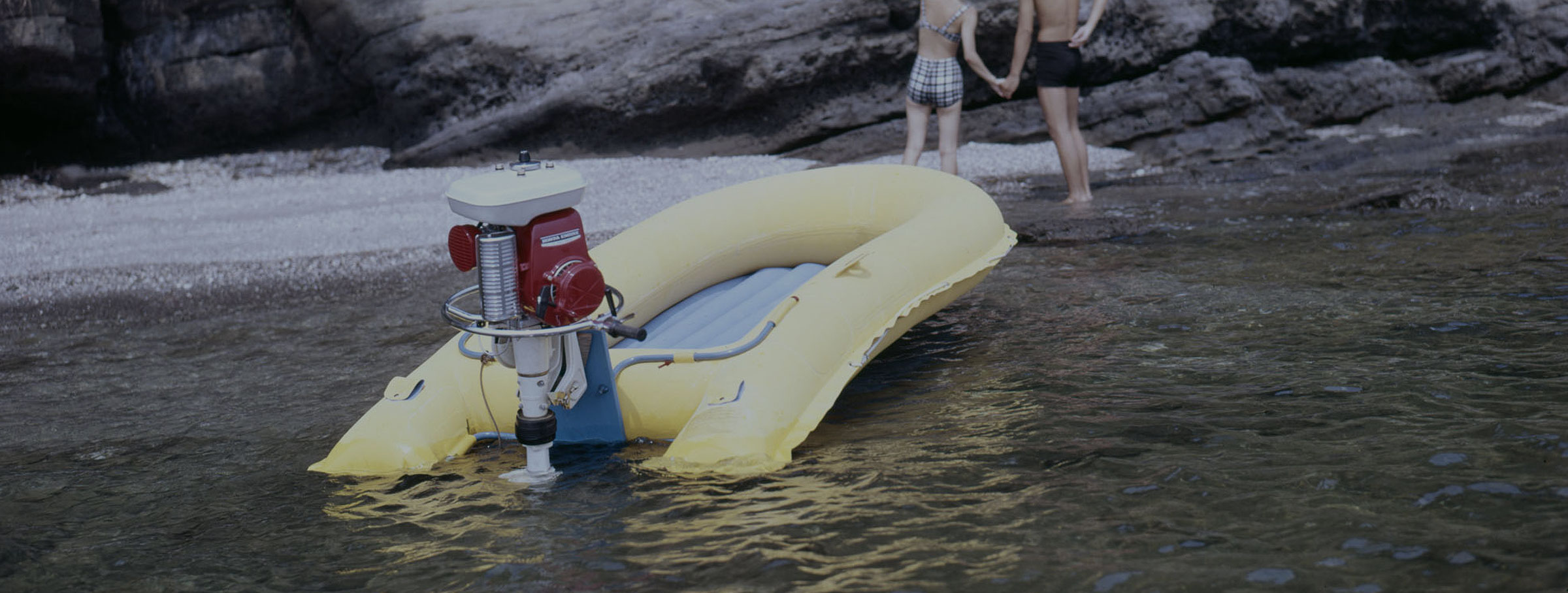
The GB30 offered unique value: the engine could be removed without tools and used on land as a general-purpose engine. It also featured the advantages of a four-stroke engine, including strong low-speed torque, quiet operation, and fuel efficiency. Its output characteristics suited low-speed trolling, and its clean emissions made it effective for aquaculture such as oyster and seaweed farming, where water quality must be maintained.
However, in an era dominated by inexpensive and lightweight two-stroke engines, Honda’s four-stroke outboard motors—disadvantaged in both cost and weight due to their more complex structure—faced challenges in the market.
Honda continued to expand its lineup, introducing the 2.5-horsepower GB25 and 4-horsepower GB40 in 1967. Up to that point, these models were based on general-purpose engines.
In 1971, Honda launched purpose-built outboard motors: the 45TWIN, featuring a 126cc horizontally opposed two-cylinder four-stroke engine, and the 75TWIN, a 149cc inline two-cylinder engine—the world’s first outboard motor to adopt an OHC mechanism.
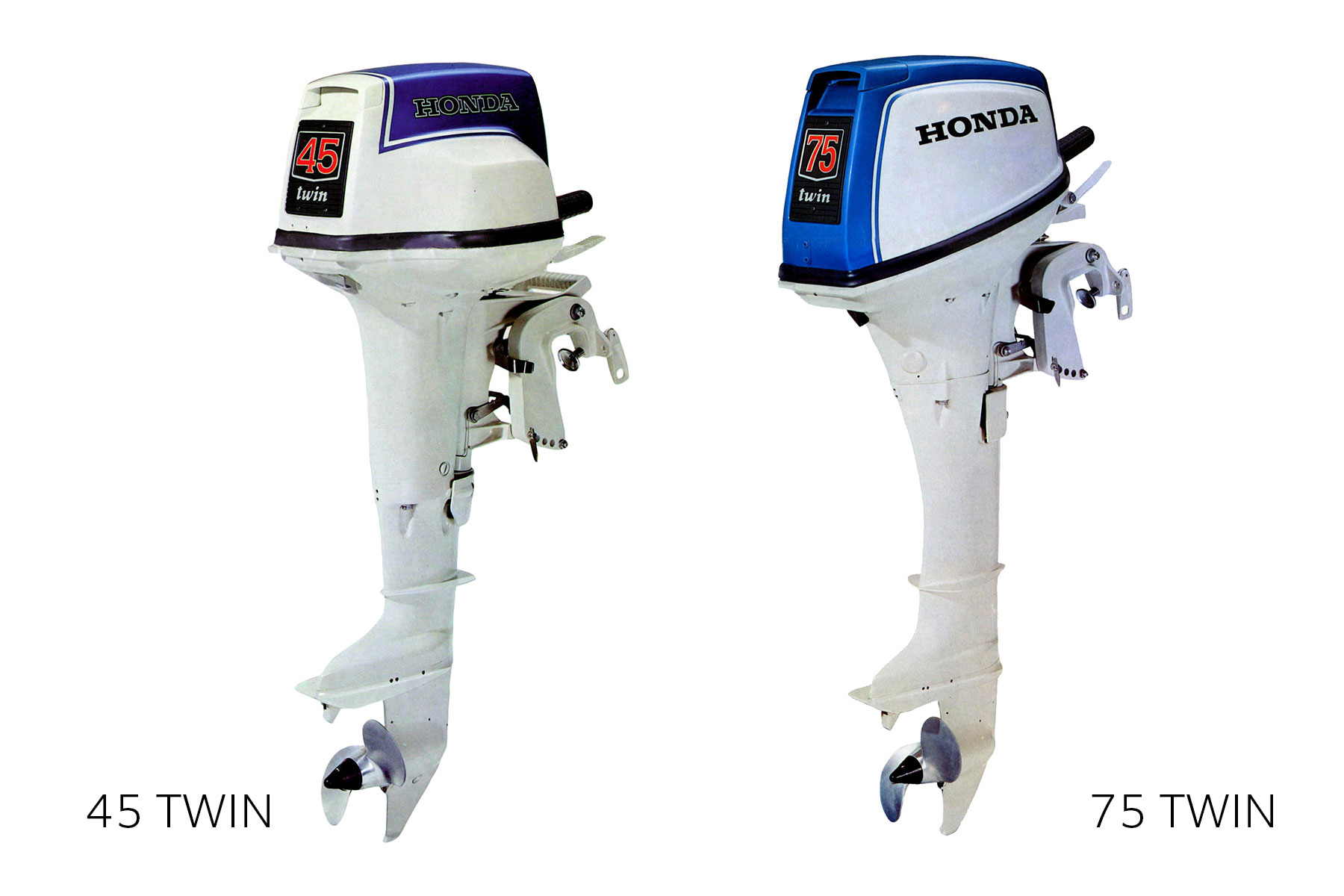
In this way, Honda continued its challenge in a market dominated by two-stroke engines by expanding its lineup of four-stroke outboard motors and enhancing product appeal. However, sales performance did not improve significantly at the time.
As Two-stroke Outboards Dominated the Market, Honda Continued Pursuing Four-stroke Technology
Guided by the belief that “watercraft should not pollute the water,” Honda continued developing environmentally responsible four-stroke outboard motors. It would take nearly 30 years after entering the outboard motor business for that conviction to gain widespread recognition and deliver results.
Beginning with the launch of the GB30 in 1964, Honda introduced a series of outboard motors powered by environmentally friendly four-stroke engines. At the time, however, the marine market was dominated by two-stroke outboard motors, and Honda’s four-stroke models faced disadvantages in both weight and cost.
Even so, Honda steadily expanded its lineup of environmentally responsible four-stroke outboard motors. In 1971, Honda introduced the 45TWIN and 75TWIN, followed in 1977 by the BF100, a 10-horsepower model powered by a 197cc four-stroke engine. This established a compact outboard lineup ranging from 2 to 10 horsepower.
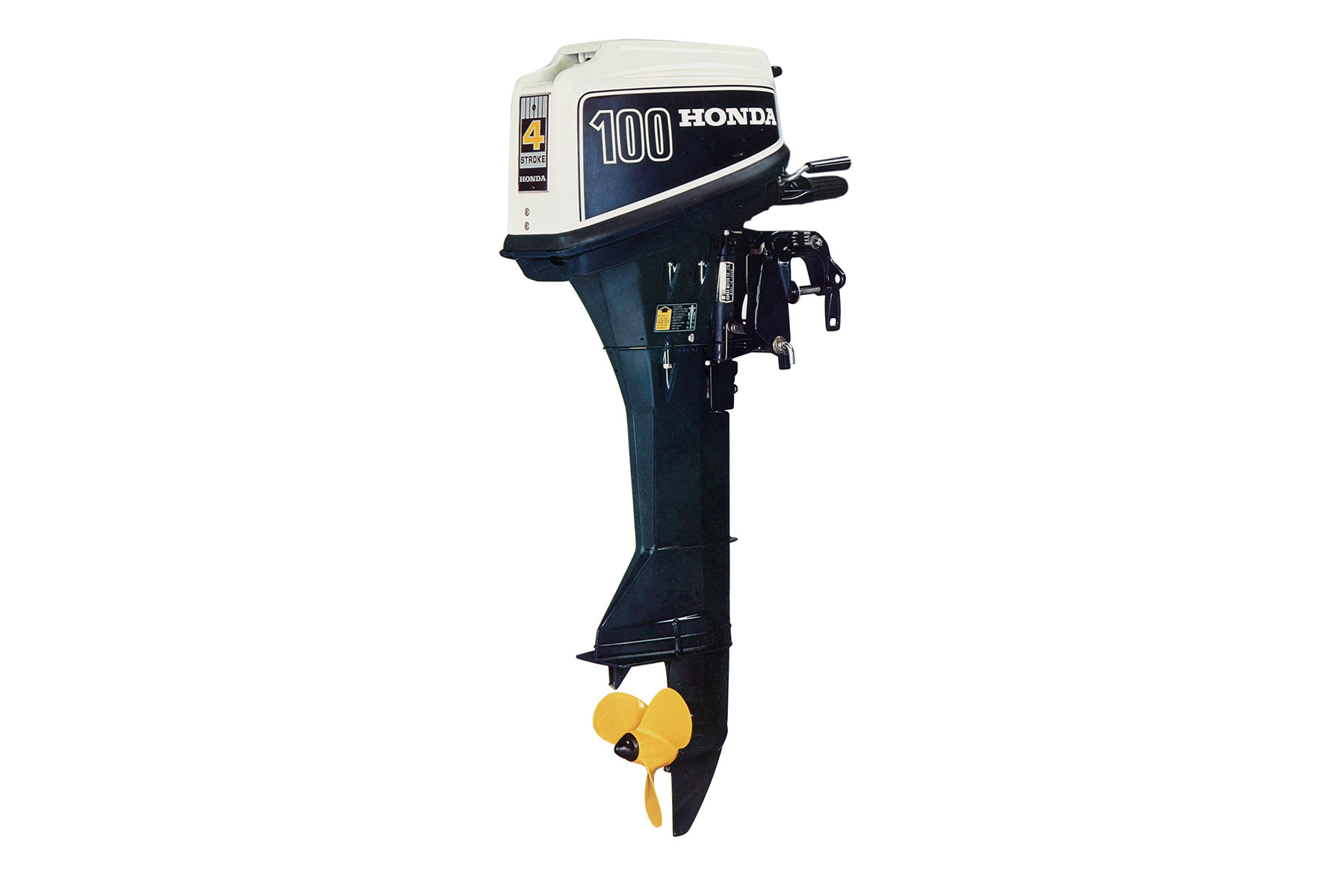
Meanwhile, the market had already begun shifting toward higher-output two-stroke outboards, with 55hp, 85hp and even 200/225hp models appearing. For Honda, the lack of products in these high-demand horsepower ranges became a major challenge.
To respond to market demand, Honda launched an internal initiative known as the “MS Project” and began development of new mid-range outboard motors producing 35 and 45 horsepower.
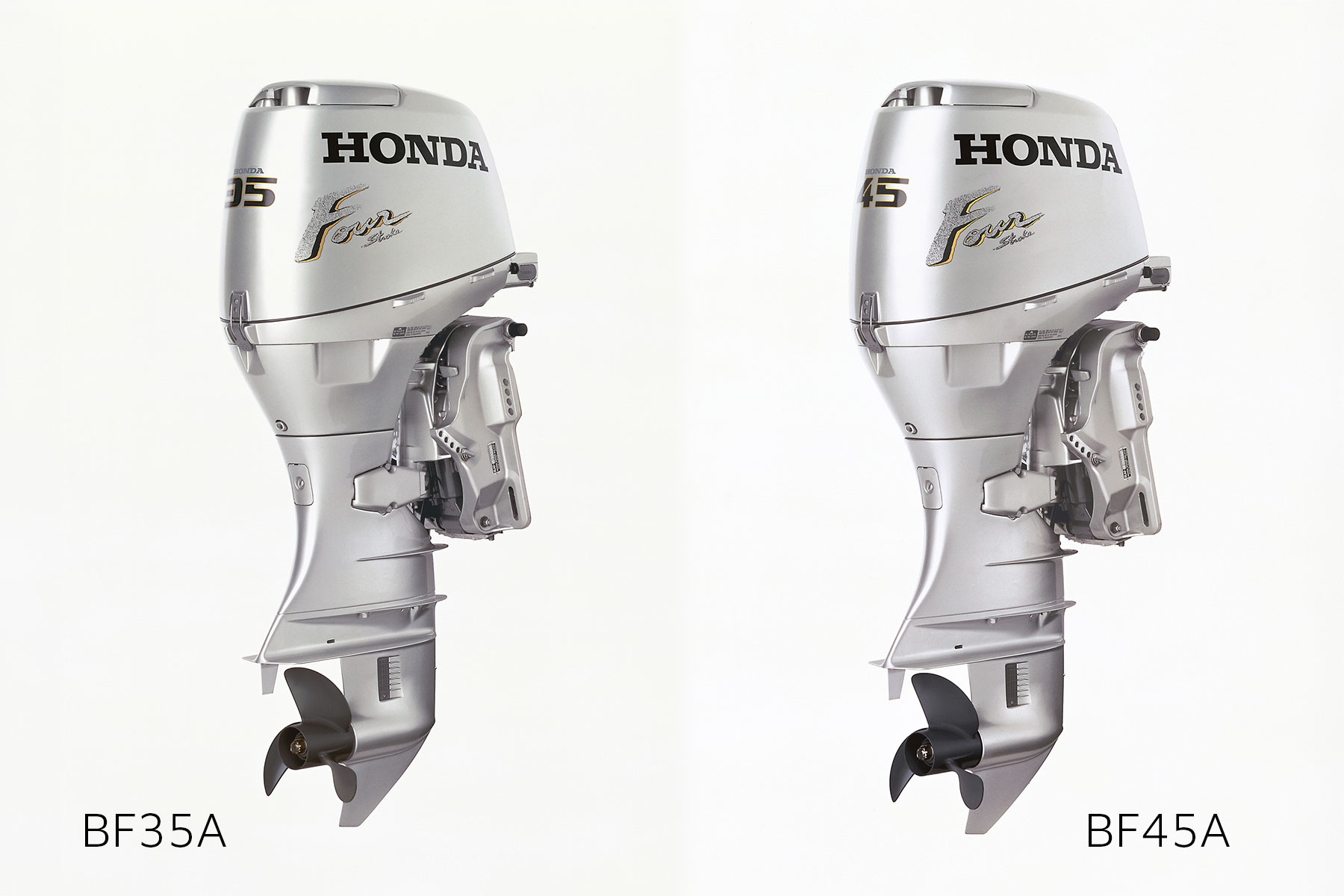
In 1990, Honda began sales of the 808cc BF35A and BF45A in Europe, North America and New Zealand. These models became the world’s first four-stroke outboard motors in the mid-range horsepower category. Combining advanced environmental performance with low noise levels, they earned the IMTEC (International Marine Trades Exhibit and Conference) Innovation Award at the Chicago Boat Show and attracted global attention.
In 1993, strict emissions regulations known as the “Lake Constance Ship Regulations” were introduced on Lake Constance, which borders Switzerland, Austria and Germany, as part of efforts to improve water quality. While the lake was a major tourist destination, it also served as a source of drinking water for communities along the Rhine River. Since the 1960s, pollution from domestic and industrial wastewater had become a growing problem, leading not only to stricter wastewater treatment standards but also emissions regulations targeting marine leisure craft operating on the lake.
At the time, the global marine market was overwhelmingly dominated by two-stroke outboard motors. Compared to four-stroke engines, two-strokes emitted lower levels of NOx (nitric oxide and nitrogen dioxide), but significantly higher levels of hydrocarbons (HC), which were considered a major contributor to water pollution. As a result, complying with the new Lake Constance regulations using two-stroke technology proved extremely difficult, prompting manufacturers to pursue four-stroke solutions.
The Lake Constance regulations were introduced in stages, with the first phase taking effect in 1993 and the second phase in 1995. Honda’s four-stroke outboards, however, had already complied with the second-stage requirements by 1992. The first model to achieve this was the BF8B, an 8-horsepower model sold in four Nordic countries. In 1993, the mid-range BF40B also cleared the regulations. This demonstrated the environmental advantages of the four-stroke technology Honda had adopted since its very first outboard motor.
Following Europe, the United States — the world’s largest marine market — introduced the EPA Federal Air Regulations for Marine Vessels in 1998. Honda’s entire U.S. outboard lineup complied with the regulations. Moreover, Honda achieved the final emissions targets required by 2006 in the very first year of implementation, 1998.
Compliance with both the Lake Constance regulations and EPA standards brought increased attention to Honda outboards, and global production volumes rose steadily from 1993 onward. Cumulative production, which stood at approximately 250,000 units in 1993, surpassed 400,000 units in 1994 and reached 700,000 units by 1999. As environmental awareness expanded worldwide — not only regarding marine pollution but also air quality — Honda became increasingly recognized as a manufacturer of “clean, high-quality outboard motors” and as a leading company in four-stroke outboard technology.
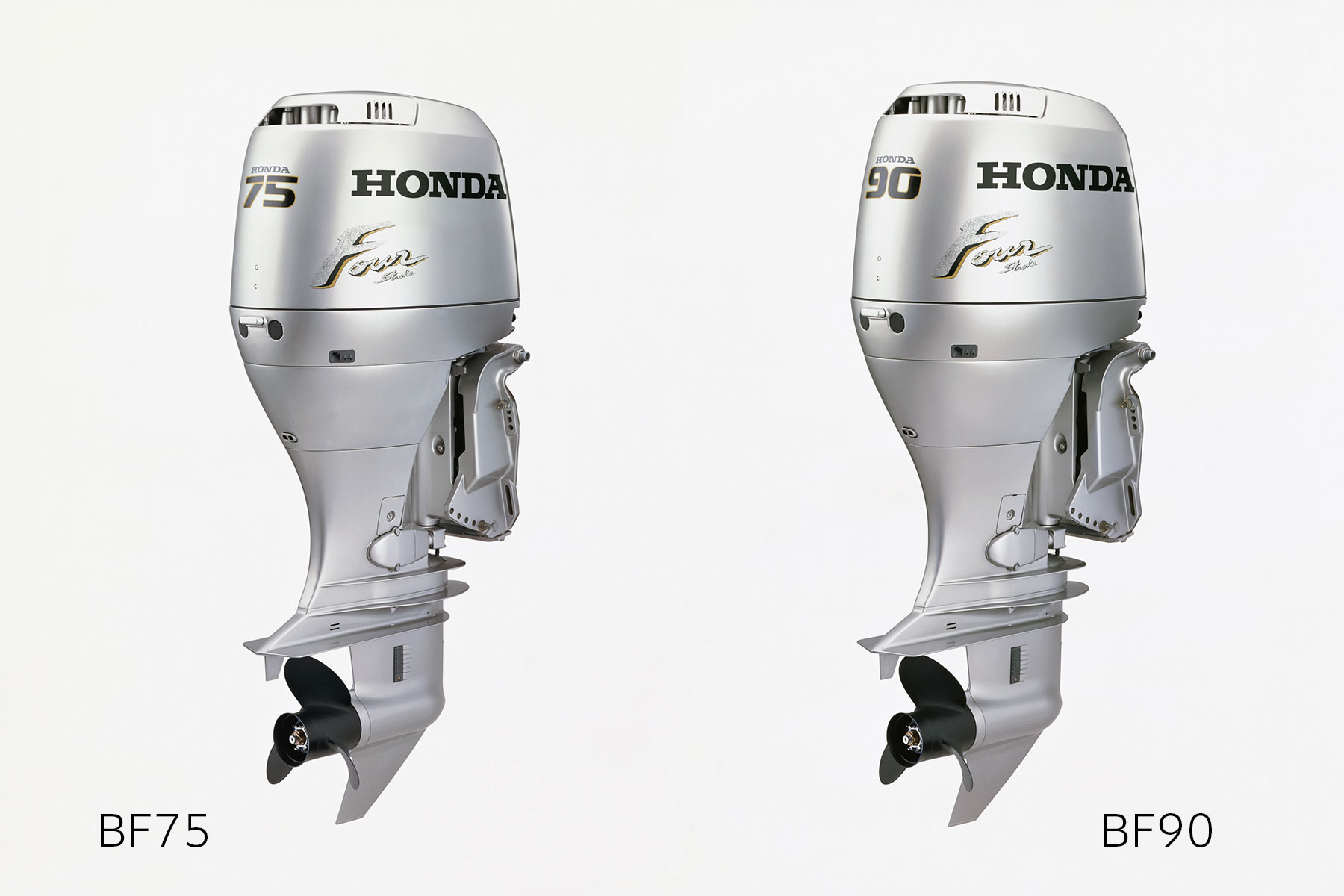
Around this time, demand for high-output four-stroke outboards also began increasing in the marine market. In response, Honda expanded its mid-range lineup in 1995 with the introduction of the BF75 and BF90, powered by a 1,590cc engine producing 75 and 90 horsepower respectively.
To address growing demand for higher-output four-stroke outboards, Honda also established a unique strategy: developing large-displacement outboard engines based on Honda automobile engines. This approach leveraged the strong reputation Honda automobiles had built in Europe and North America. Technologies already proven for performance and reliability in Honda automobile engines were adapted for marine use, and Honda actively pursued the marinization of automobile technologies.
As a result, in 1998 Honda introduced the BF115 and BF130, powered by a marinized version of the 2,254cc engine used in the Honda Accord. In 2001, Honda launched the BF225 flagship model, producing 225 horsepower from a 3,471cc engine. The BF225 significantly exceeded the stringent 2008 emissions regulations established by the California Air Resources Board (CARB), which were considered even stricter than EPA standards.
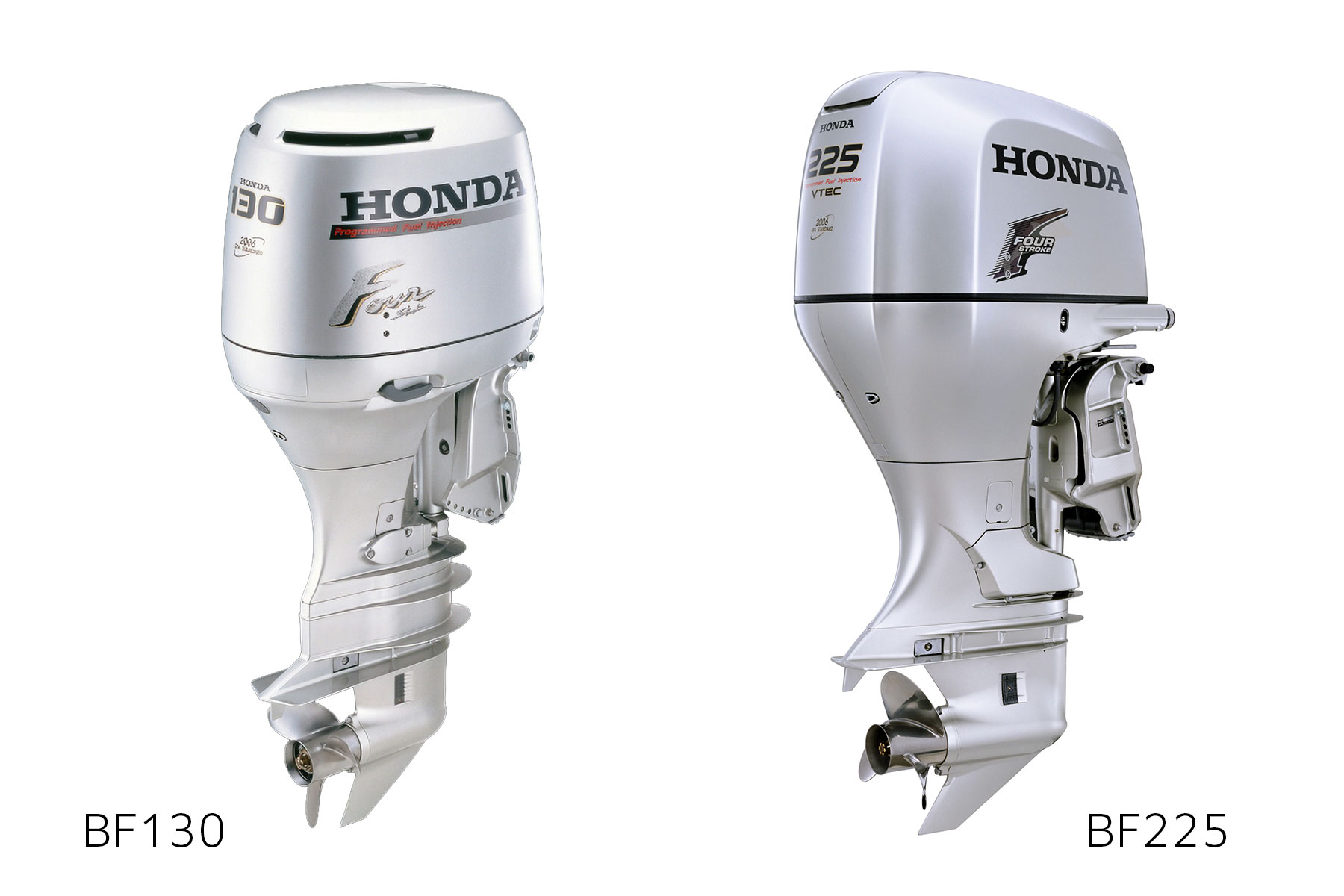
The BF225 was based on the 3.5-liter V6 engine used in vehicles such as the Lagreat. Equipped with technologies including PGM-FI electronic fuel injection and VTEC variable valve timing, it created a positive cycle in which Honda’s latest automobile technologies were increasingly adopted for outboard motors as well.
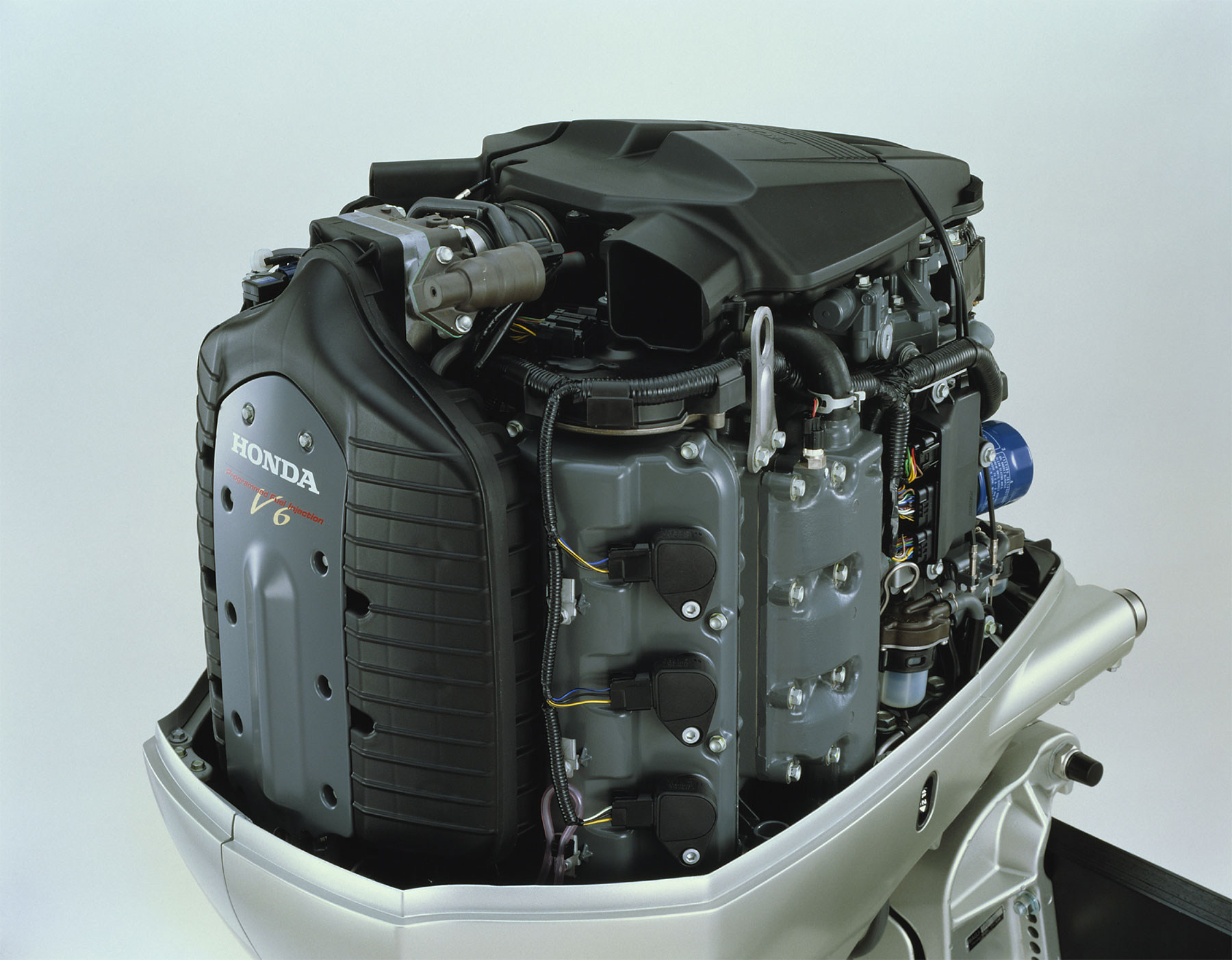
With this, Honda’s four-stroke outboard lineup expanded to 15 models ranging from 2 to 225 horsepower, capable of meeting a wide variety of needs — from commercial applications such as sightseeing and fishing boats to leisure uses including cruising and sport fishing.
Market Recognition Grows for Honda Outboards, but Two Unexpected Challenges Emerge
After entering the outboard motor market with the GB30 in 1964, Honda’s commitment to environmental performance through four-stroke technology gradually began to gain recognition in the 1990s.
However, just as Honda was expanding its product lineup, the company faced two unexpected challenges.
By the early 1990s, growing global awareness of environmental issues, including air pollution, had increased attention toward and appreciation for Honda’s four-stroke outboard motors.
At the time, the outboard market was increasingly demanding larger, higher-output products. Honda responded by developing outboards that met these evolving needs.
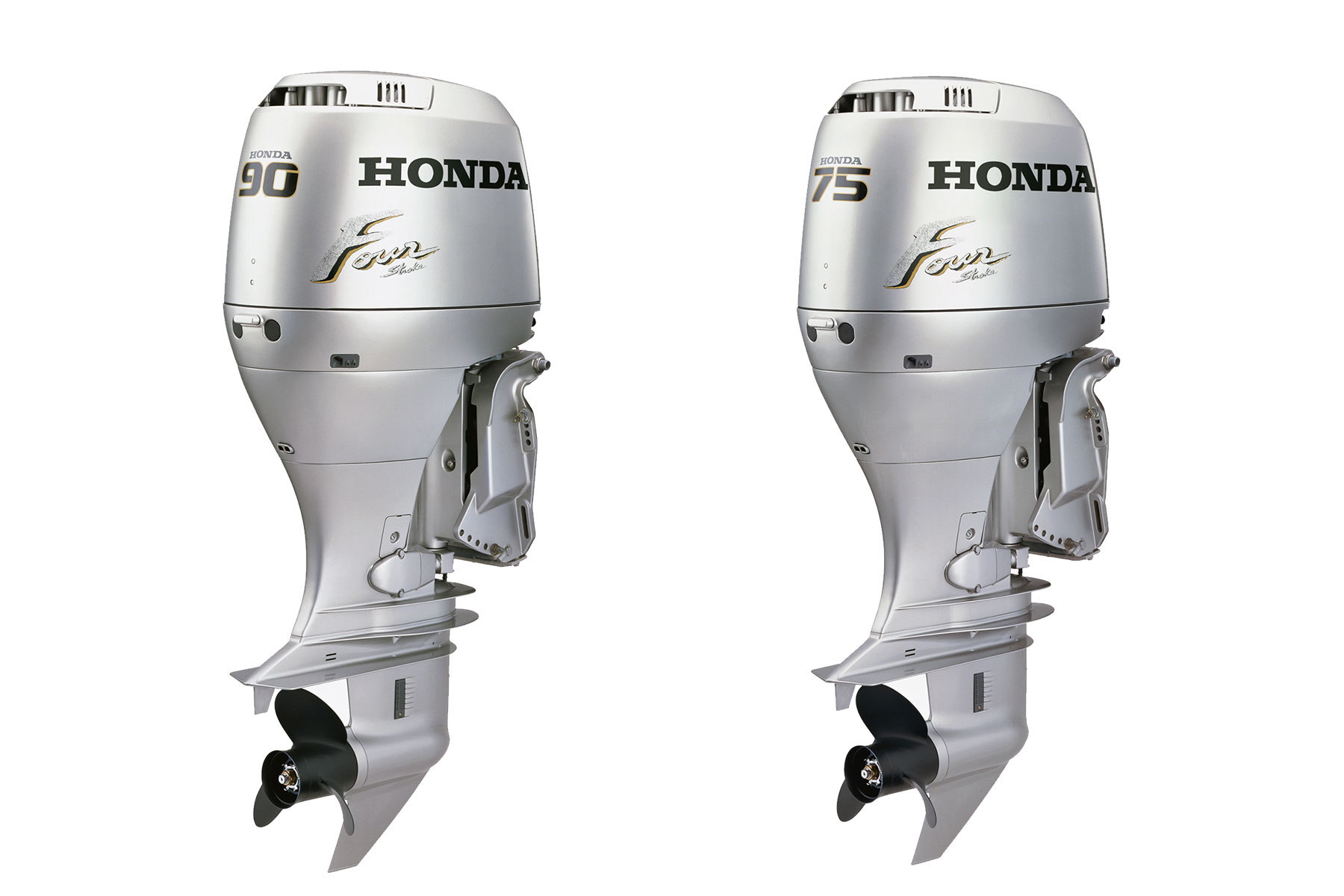
In 1995, Honda introduced the BF90, producing 90 horsepower from a 1,590cc engine, and the 75-horsepower BF75. The BF90 was the world’s first four-stroke outboard in its class to achieve 90 horsepower.
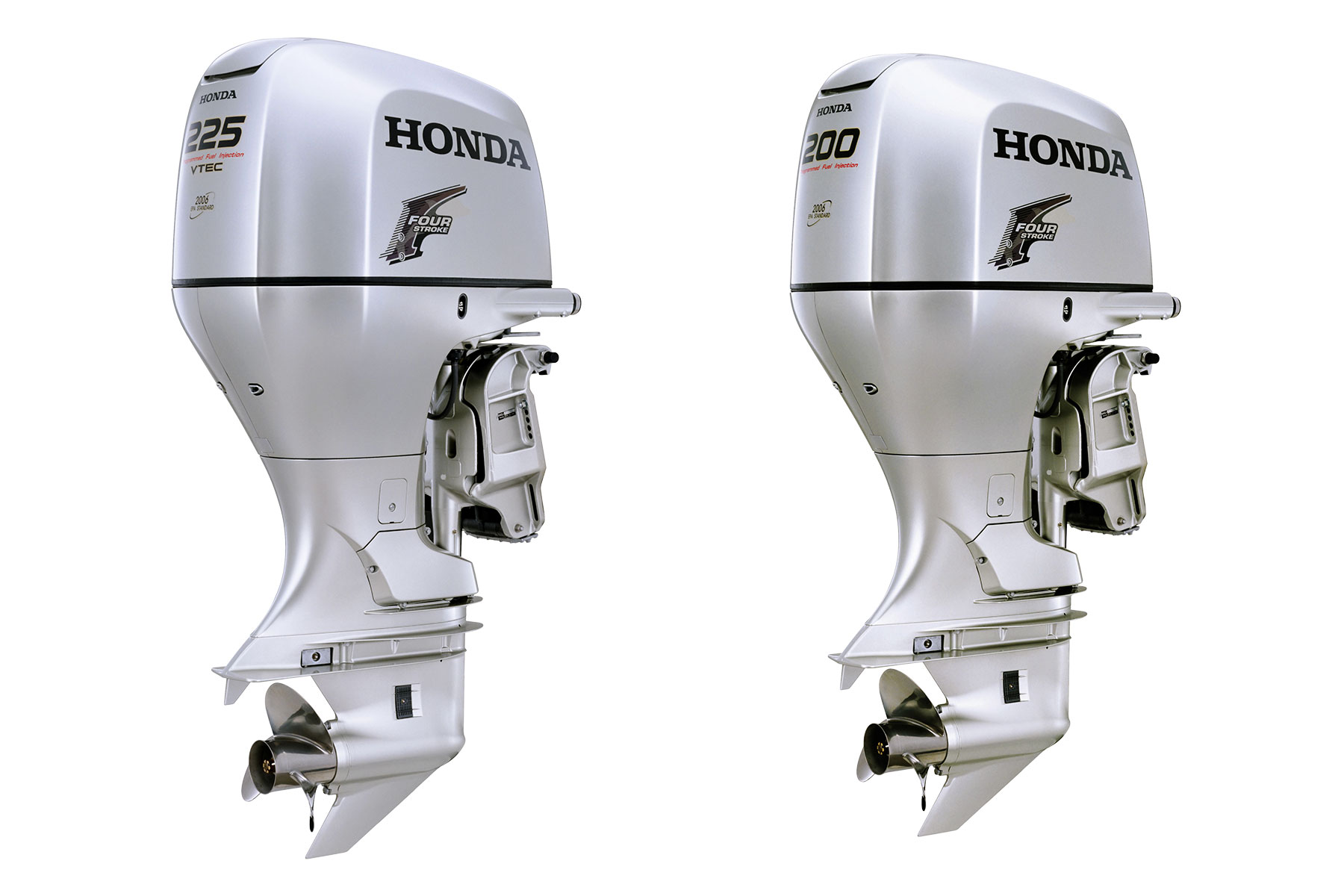
In 1998, Honda also launched the BF130, which delivered 130 horsepower from a 2,254cc engine and offered the highest output of any four-stroke outboard at the time, along with the 115-horsepower BF115. In 2001, Honda began sales of the 225-horsepower BF225 and 200-horsepower BF200, which used a 3,471cc V6 engine mounted in Honda automobiles such as the Legend and Lagreat (Odyssey in North America). In this way, Honda met market demand for larger, higher-output outboards while further strengthening its outboard lineup. The BF225 and BF200 also offered high environmental performance, clearing the California Air Resources Board (CARB) 2008 emissions standards, said to be the strictest in the world, seven years ahead of schedule.
By 2001, Honda’s outboard lineup had grown to 15 models ranging from 2 to 225 horsepower, serving a wide variety of applications from river and lake recreation to offshore cruising and sport fishing.
In 2003, Honda introduced the BF150 and BF135, producing 150 and 135 horsepower respectively. The BF150 became the world’s first outboard motor to feature both DOHC VTEC variable valve timing technology and a variable-length intake system. Although the BF225 already served as Honda’s flagship model, the BF150 and BF135 further strengthened the company’s offerings in the high-output segment for a broad range of boat sizes and uses.
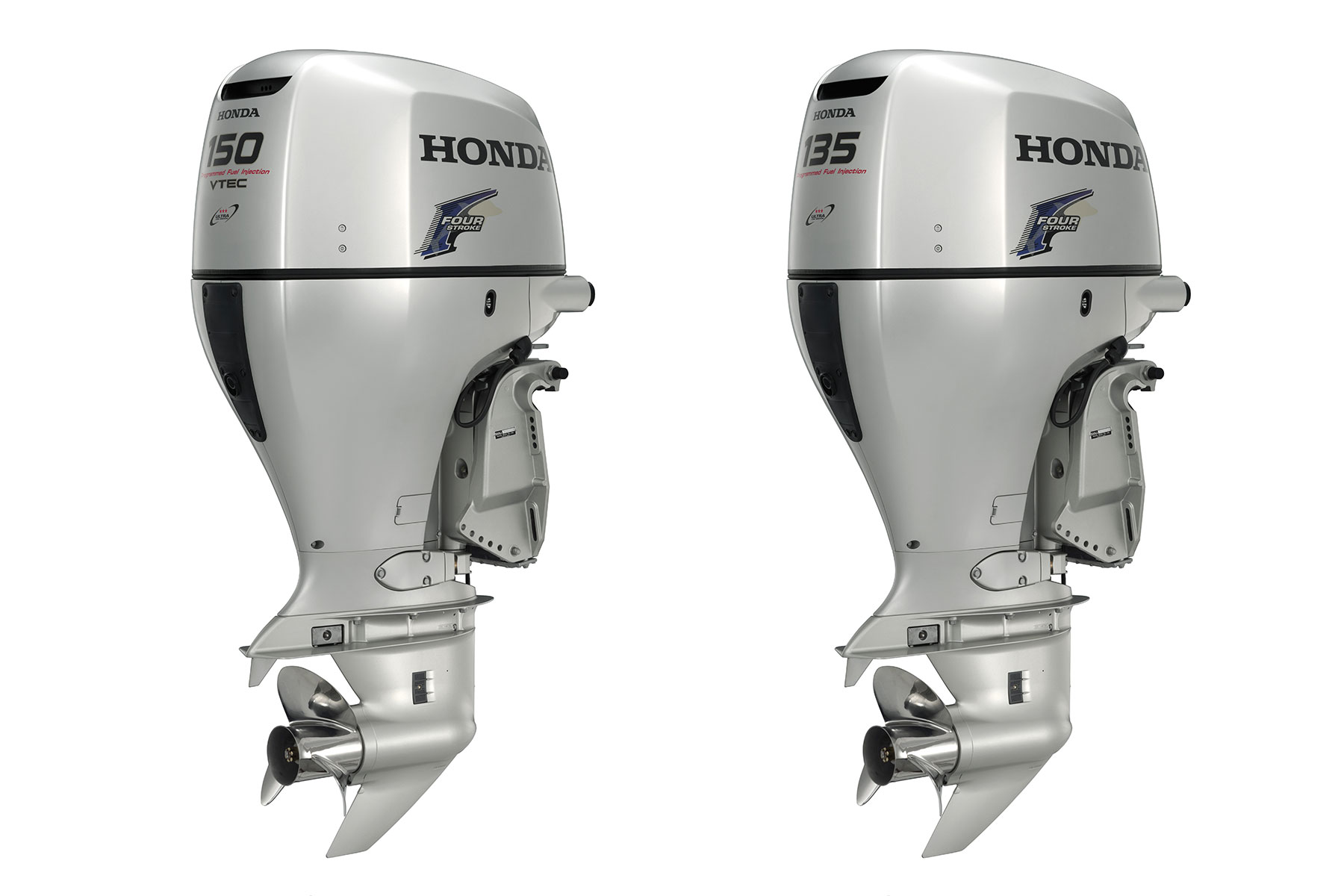
The adoption of DOHC VTEC, a technology already proven in Honda automobiles, reinforced Honda’s advanced engineering image worldwide. In addition, the BF150 and BF135 became the world’s first outboards to employ a lean-burn control system using an LAF (Linear Air-Fuel) sensor, improving fuel economy by approximately 20 percent compared with previous Honda models.
Honda also improved engine cooling, a key factor in engine performance. Separate cooling-water passages and thermostats for the cylinder head and cylinder block allowed optimized temperature control and contributed to increased output, helping Honda meet growing market demand for higher-performance outboards.
While Honda’s reputation as a manufacturer of four-stroke outboards known for environmental performance, fuel efficiency, durability and reliability continued to grow, unexpected news arrived in January 2004. Mercury Marine, a U.S. competitor owned by Brunswick Corporation, filed an anti-dumping complaint against Japanese outboard manufacturers, including Honda.
Although the case ultimately concluded in favor of the Japanese manufacturers after approximately 13 months of investigation and review, Honda was forced to revise business plans and reconsider parts of its product strategy during the proceedings.
A second challenge emerged in 2008 when the global financial crisis triggered by the collapse of Lehman Brothers sent shockwaves through markets worldwide.
The crisis affected the entire outboard industry, particularly the recreational boating segment. Honda’s outboard production, which had been approaching 100,000 units in 2007, fell below 60,000 units in 2008 and below 50,000 units in 2009.
The downturn not only reduced sales but also forced major revisions to development plans. Some new models that were close to launch had their introductions postponed.
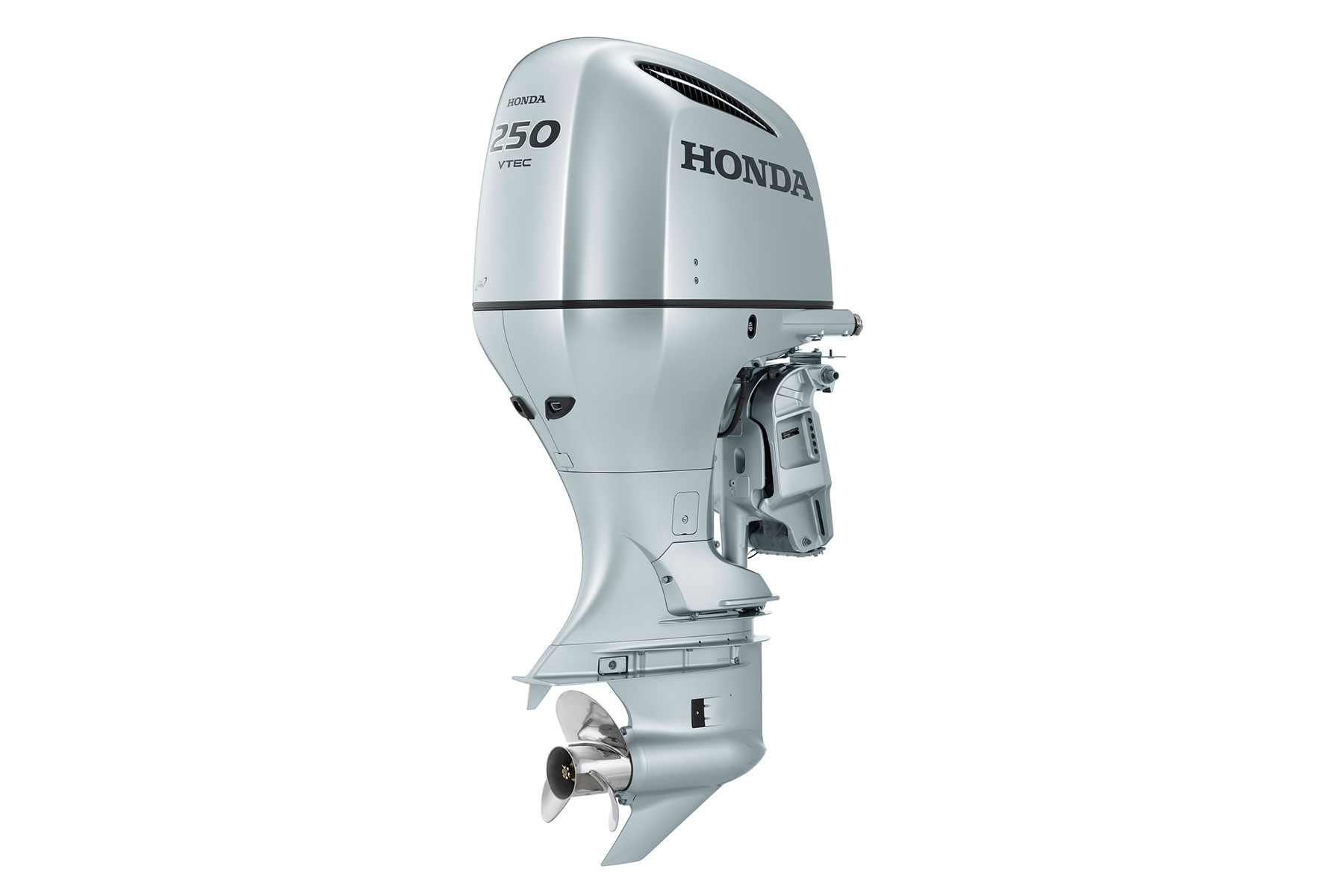
Despite these difficult circumstances, Honda continued investing in product development. In 2011, Honda increased the displacement of the BF225 to 3,583cc and introduced the BF250, producing 250 horsepower.
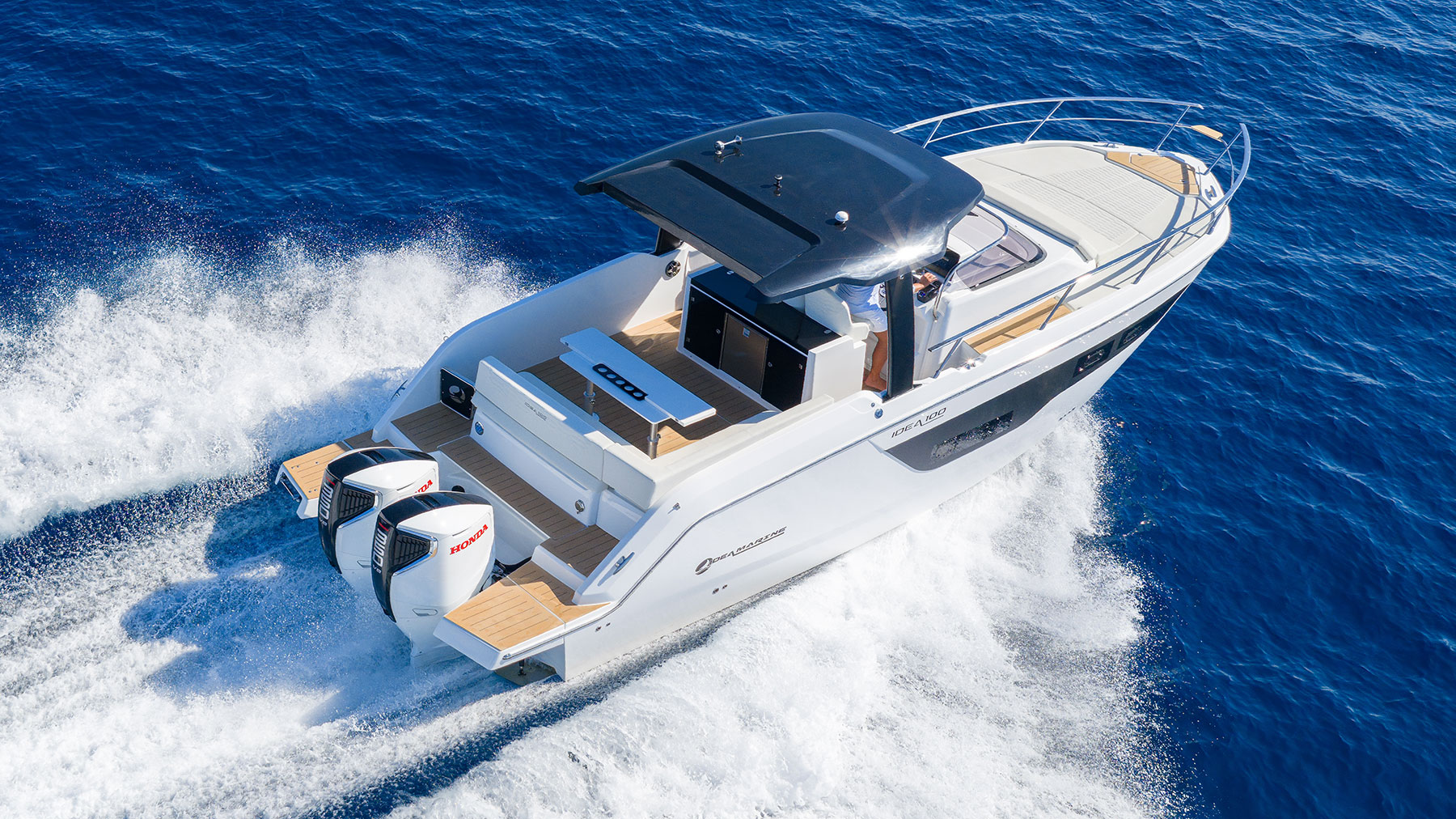
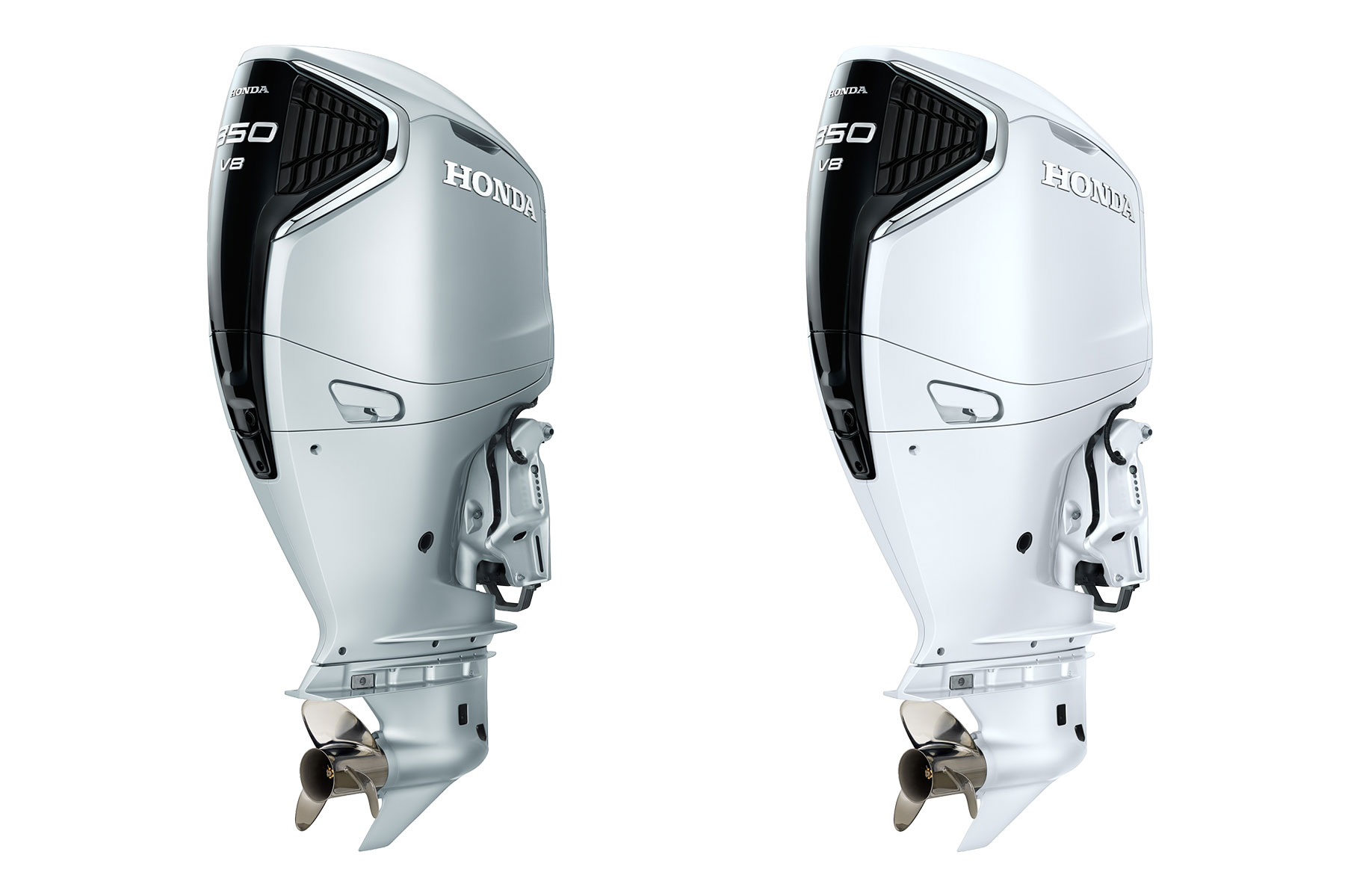
In 2024, Honda launched the BF350, powered by a newly developed dedicated 4,952cc V8 engine producing 350 horsepower. The engine incorporates Honda’s VTEC technology and air-fuel ratio feedback control using oxygen sensors to deliver both high output and class-leading fuel efficiency.
As the new flagship model in Honda’s outboard lineup, the BF350 also introduced a completely new design, improved usability, exceptional quietness and a premium feel that set it apart from previous Honda outboards.
At the same time, Honda has begun pursuing new initiatives centered on the next-generation mobility concept known as CASE.
CASE stands for Connected (constant connectivity to the internet); Autonomous (self-driving or autonomous operation); Shared & Services (outboard motors are used when needed rather than owned); and Electric (shift from internal combustion engines such as gasoline and diesel engines to battery- and motor-powered propulsion through electrification).
In the field of outboard motors, Honda is exploring technologies such as automated departure and docking, vessel-operation support technologies including cruise control, and autonomous navigation using AI and GPS technologies. In 2021, Honda unveiled a concept model of an electric propulsion system, and in August 2023 began field testing.
The role of outboards in marine mobility will continue to evolve alongside changing times and customer needs. Even so, Honda remains committed to the belief expressed by its founder: “Watercraft should not pollute the water.”
Guided by that principle, Honda will continue pursuing initiatives that bring value to society and meet the expectations of customers around the world.