Taking on a Giant Market
Honda Introduces Its First Lawnmower
Born from Honda’s commitment to making people’s lives easier, Honda’s general-purpose engines steadily built a global track record when installed in products such as tillers.
Honda’s next challenge was to enter the vast markets of North America and Europe with a product that was virtually unknown in Japan: the lawnmower.
In 1973, Honda launched its internal “Million Engine Plan,” setting a goal of selling one million general-purpose engines. Achieving that target would require more than selling engines alone—it would also depend on installing them in completed products. The product with the greatest potential was the lawnmower, which was already in high demand across Europe and North America.
At the time, Honda’s worldwide sales of general-purpose engines and completed products totaled approximately 300,000 units annually. Among those completed products, tillers were sold only in Japan and France. To expand sales, Honda needed a new product suited to the much larger markets of North America and the rest of Europe. That product was the lawnmower.
The global lawnmower market totaled approximately 8.5 million units annually, with North America alone accounting for more than five million units. In Japan, however, lawns were uncommon, making lawnmowers a largely unfamiliar product. For Honda, developing one meant entering an entirely new product category and an unknown market.
In February 1976, the development team traveled to the United States, the United Kingdom, Germany, France, and Switzerland to study lawns and learn how people in those countries used and maintained them. Visiting dealerships and customers’ homes, the team researched grass varieties, lawn sizes, customer profiles, and mowing habits.
Their investigations revealed that lawnmowers were typically sold through garden equipment retailers, where after-sales support was often limited. Existing lawnmowers also suffered from poor starting performance and frequent mechanical problems.
Safety was another major concern. Many accidents occurred when users attempted to remove grass clogged in the cutting deck without shutting off the engine. The team also found that most lawnmowers of the time incorporated few meaningful safety devices, leaving users uneasy during both operation and maintenance.
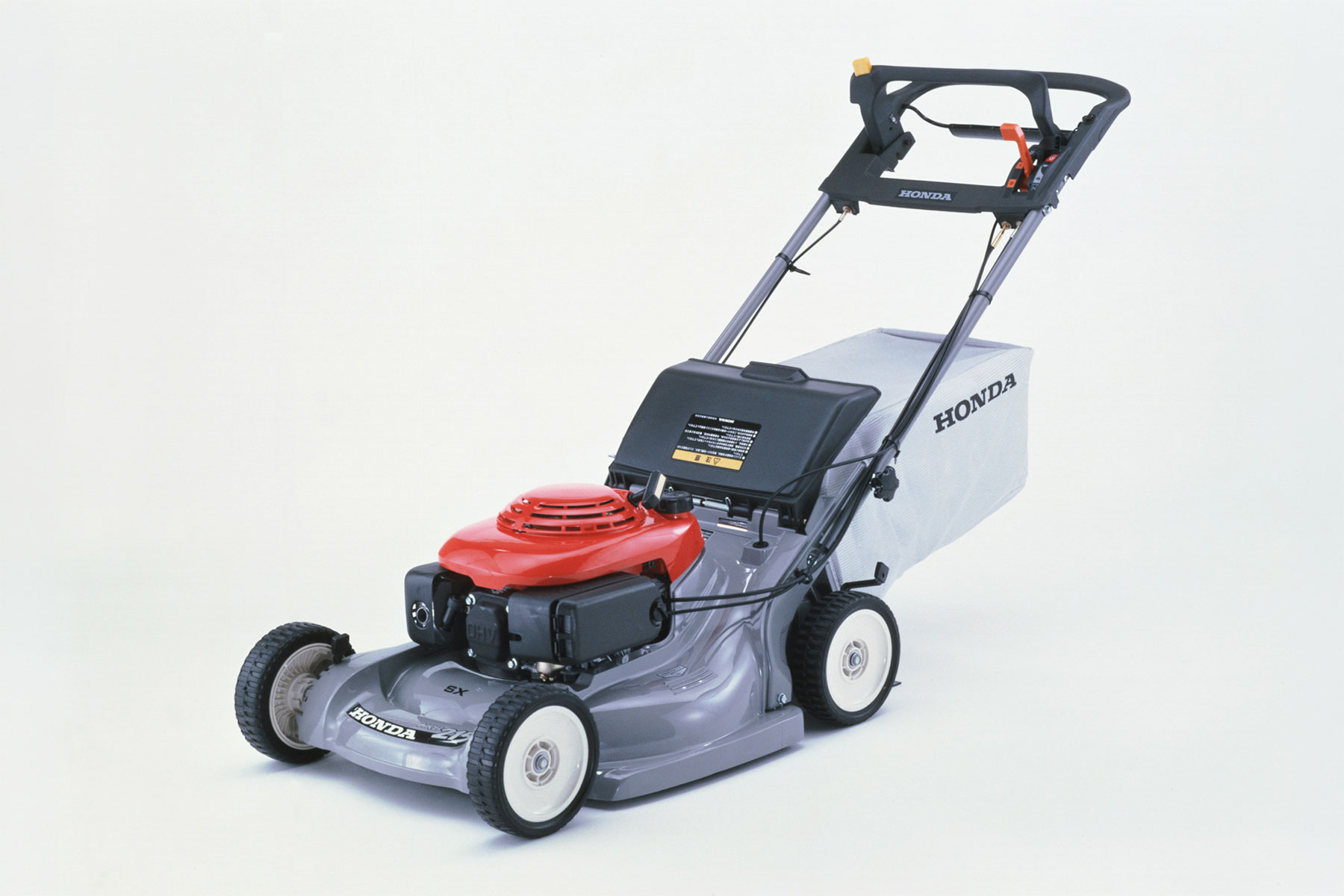
Honda therefore set out to develop a lawnmower that was high in quality, easy to operate, durable, and safe, while also being designed for a long service life through simple replacement of wear parts. Based on its field research, the team repeatedly built prototypes and conducted performance evaluations. European field testing followed in 1977, with continuous refinements made to suit regional lawn conditions. In August 1978, Honda launched its first walk-behind lawnmower, the HR21.
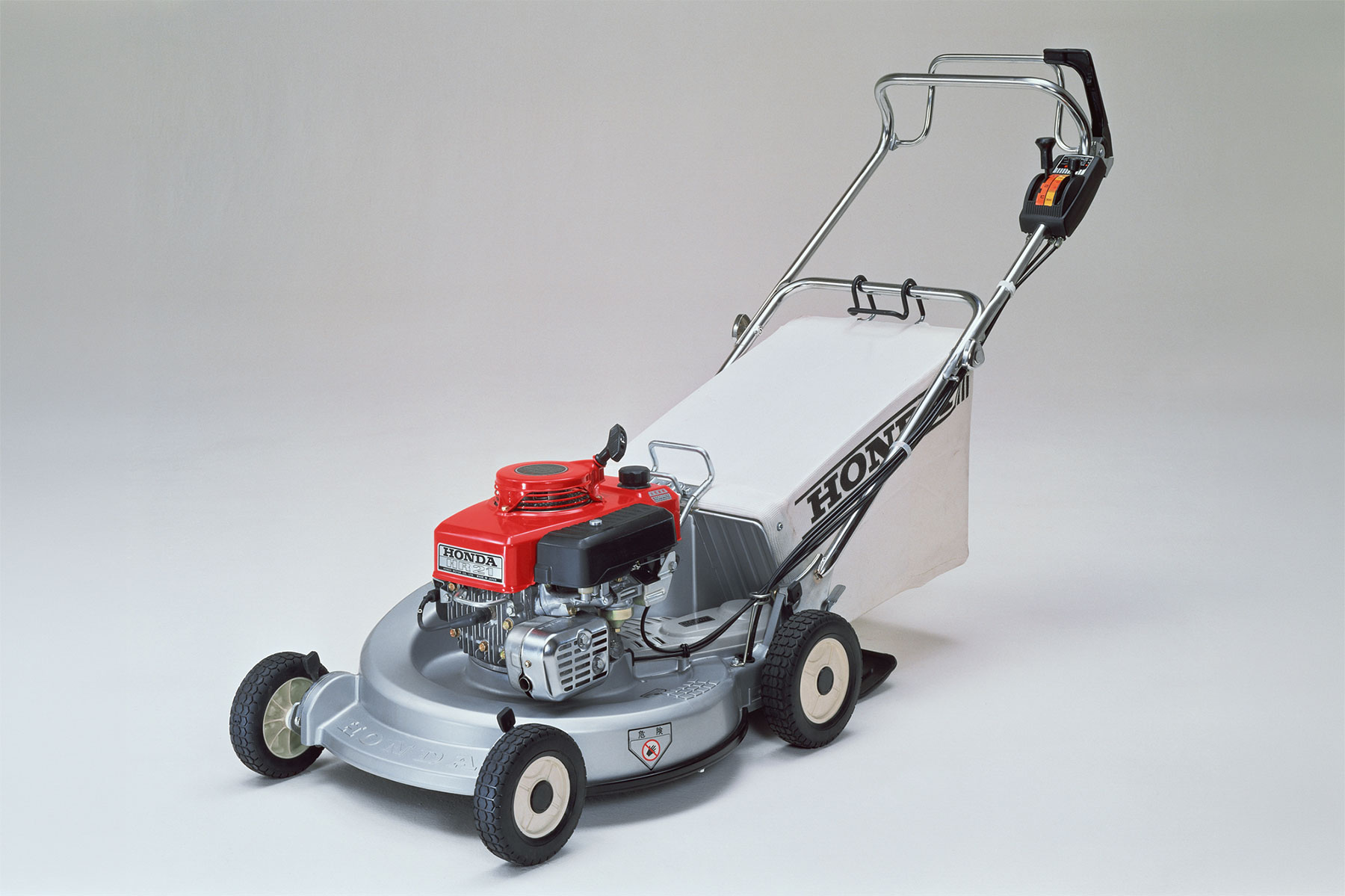
The HR21 introduced technologies that challenged conventional thinking about lawnmower safety.
Because a lawnmower’s blade rotates at high speed, improper operation can result in serious injury. Yet at the time, most lawnmowers incorporated few dedicated safety technologies or devices.
Honda addressed this by introducing the Blade Brake Clutch (BBC) mechanism. When the operator squeezed the clutch lever, the blade engaged. Releasing the lever stopped the blade within three seconds while allowing the engine to continue running, eliminating the need to restart the engine each time the blade stopped.
Developed directly from Honda’s observations of how people actually used lawnmowers, the BBC mechanism represented a major breakthrough in operator safety.
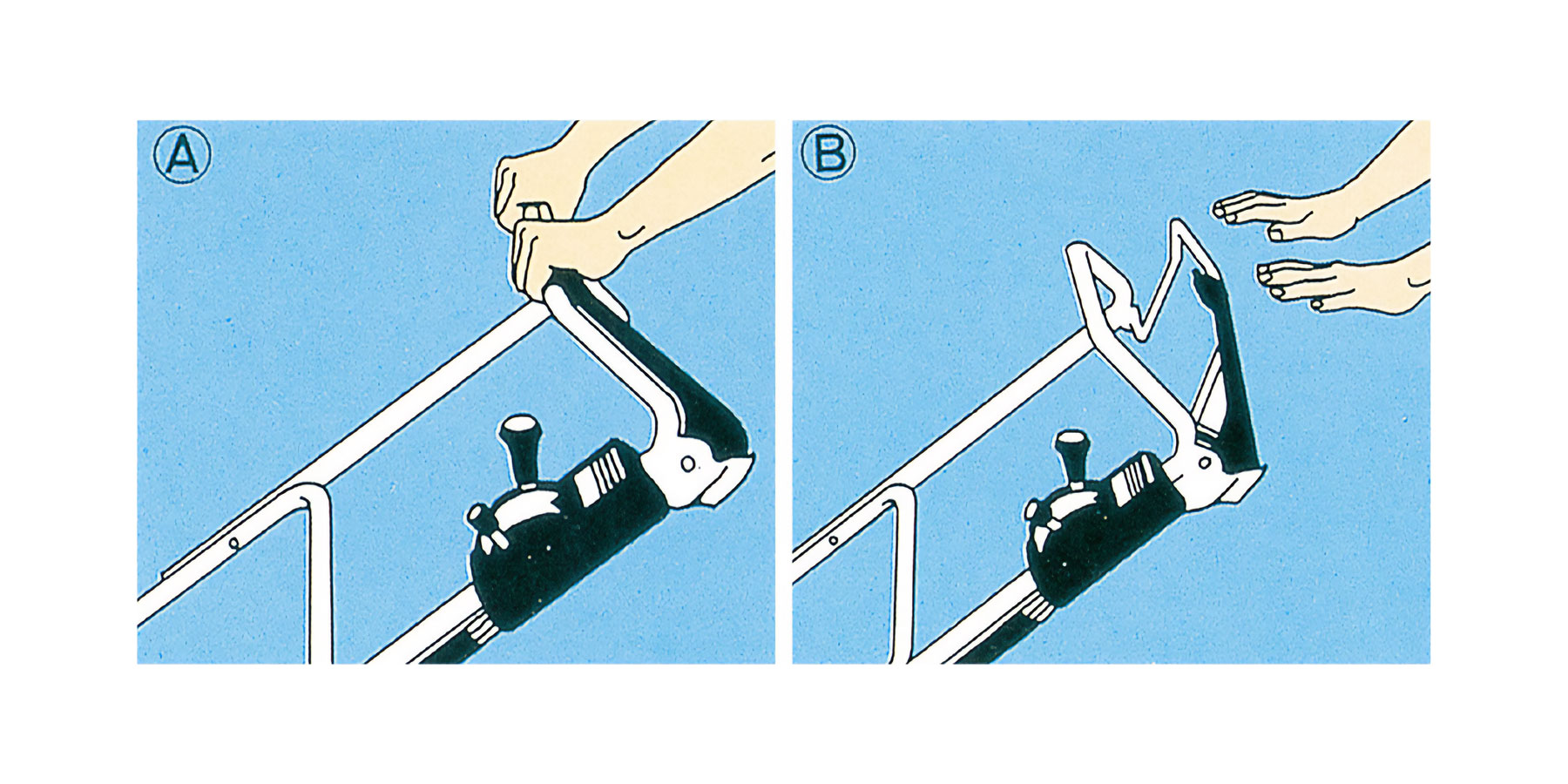
Honda was among the first manufacturers to introduce the BBC mechanism, and it later became one of the factors that encouraged the U.S. Consumer Product Safety Commission (CPSC) to establish lawnmower safety standards.
The HR21 also featured a large protective shield to help protect the operator’s feet from debris thrown by the rotating blade, as well as a heat guard to reduce the risk of contact with hot engine components.
Through extensive research into customer needs, Honda developed and introduced a variety of technologies that gave users greater confidence and peace of mind when operating a lawnmower.
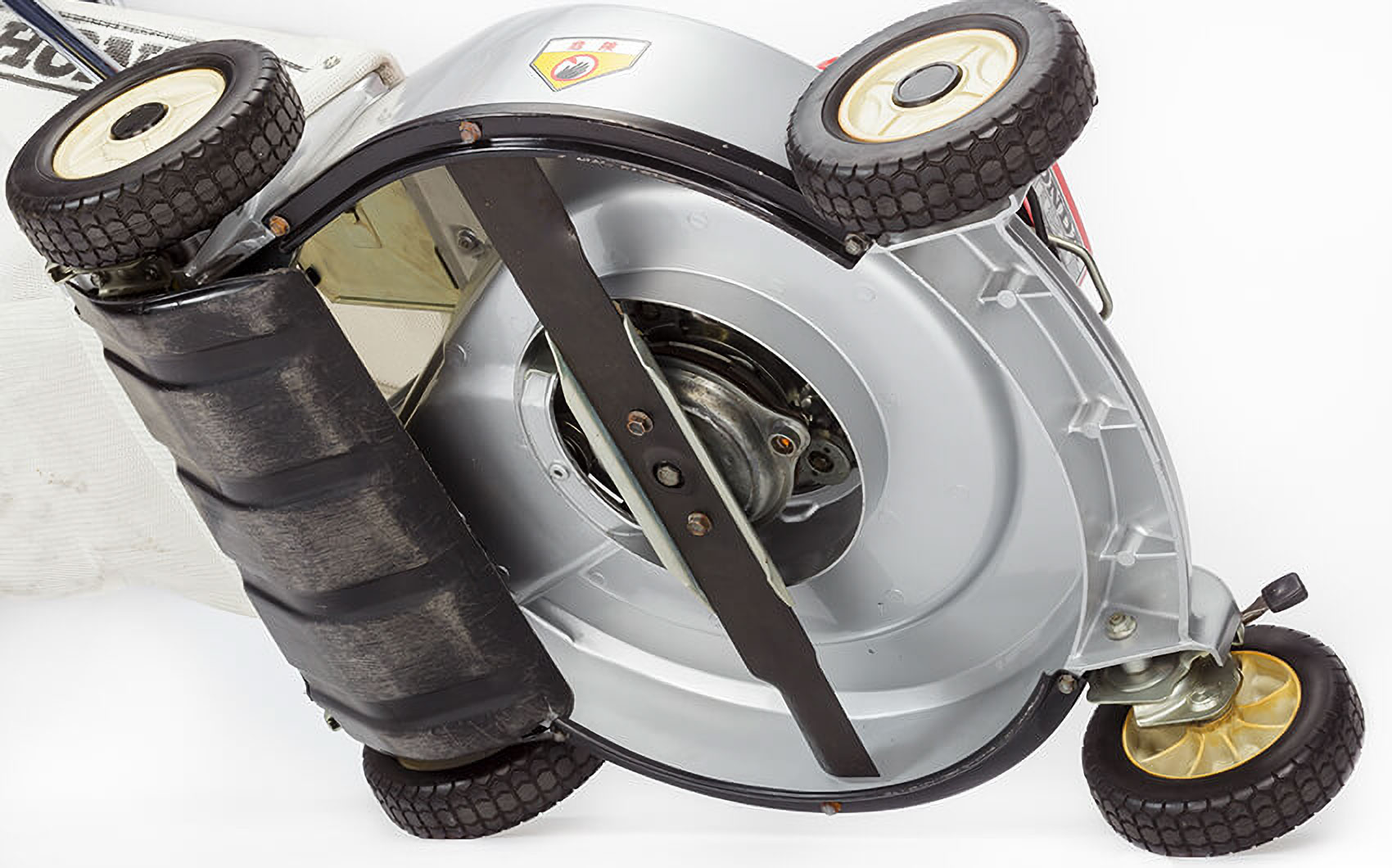
The HR21 was powered by the GV150, a 144cc version of Honda’s G-Series engine producing 3.5 horsepower. Its excellent starting performance and low noise levels earned widespread praise, allowing users to mow their lawns without worrying about disturbing nearby neighbors.
Ease of operation was also enhanced by grouping the clutch lever, throttle lever, and three-speed shift lever together on the handlebar. Combined with a dry weight of just 41 kg (HR21S with point ignition), the lawnmower was easy to handle and gained popularity among a broad range of customers, including women.
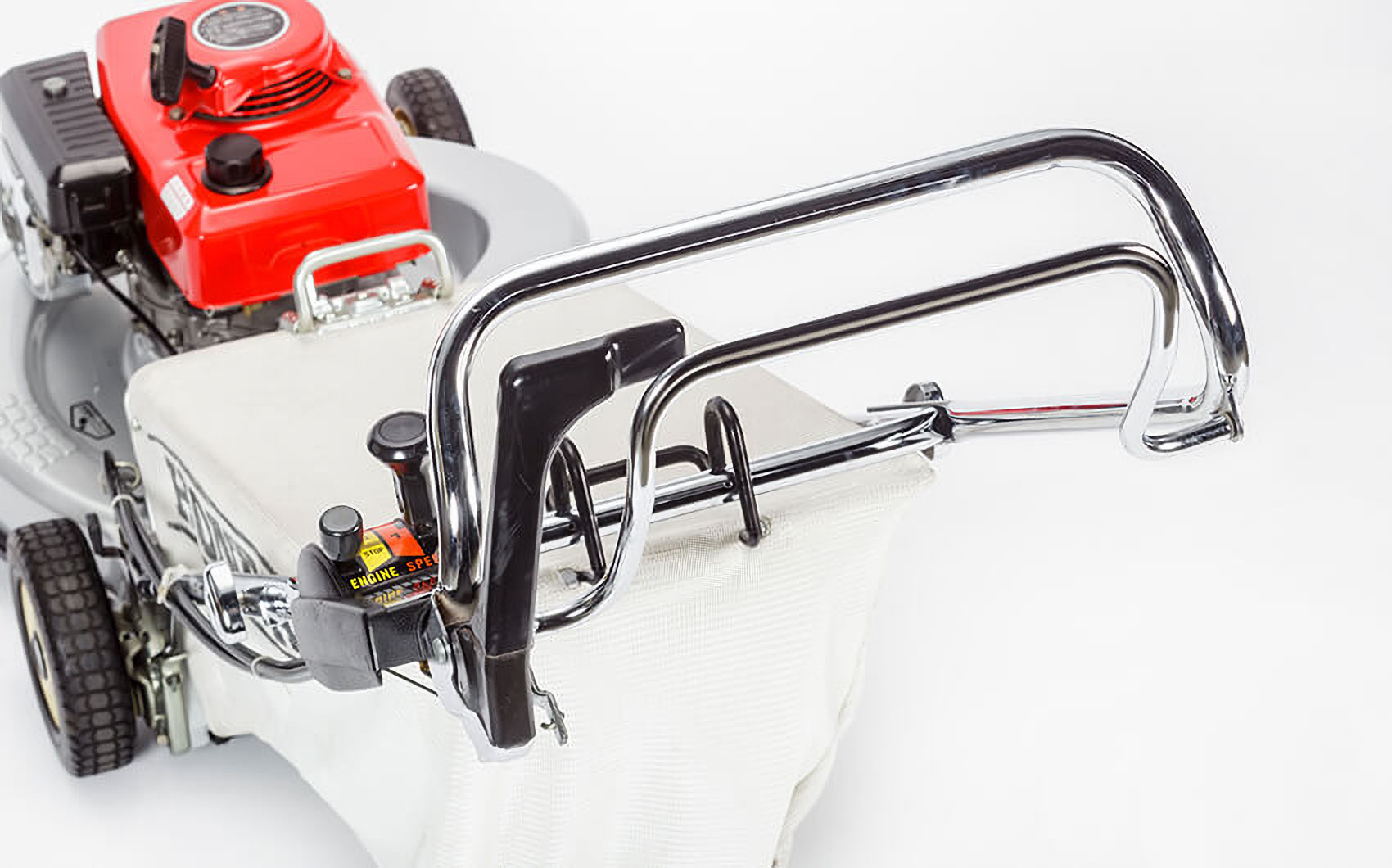
During development, then-President Soichiro Honda instructed the team to use resin for the mower cover. However, because the recoil starter required the operator to brace a foot on the deck while pulling the starter rope, the resin materials available at the time could not withstand the required loads, and the idea was abandoned.
Sixteen years later, in 1991, Honda became the first manufacturer to adopt a newly developed resin with strength approaching that of aluminum for use on a lawnmower, finally realizing Soichiro Honda’s original vision.
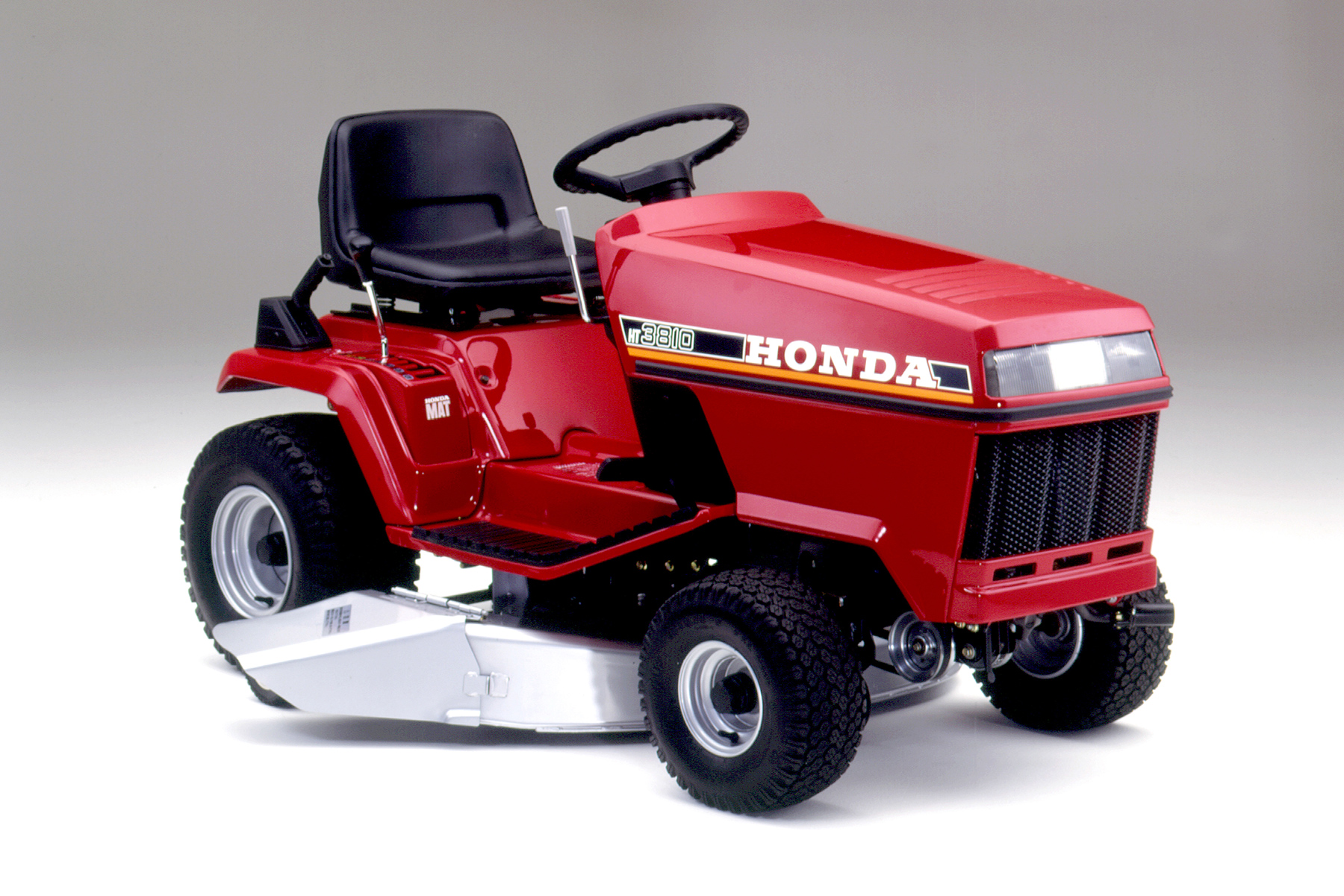
Honda continued expanding its lawnmower lineup, introducing the HT3810 and HT3813 riding lawnmowers in 1985. Annual sales eventually reached 330,000 units. Recognized for their quiet operation, ease of use, reliable starting performance, and high level of safety, Honda lawnmowers gained widespread popularity, particularly in North America. At the same time, Honda steadily strengthened its sales and dealer network.
-
GX110 (left) and GX140 (right) featuring highly fuel-efficient OHV mechanism -
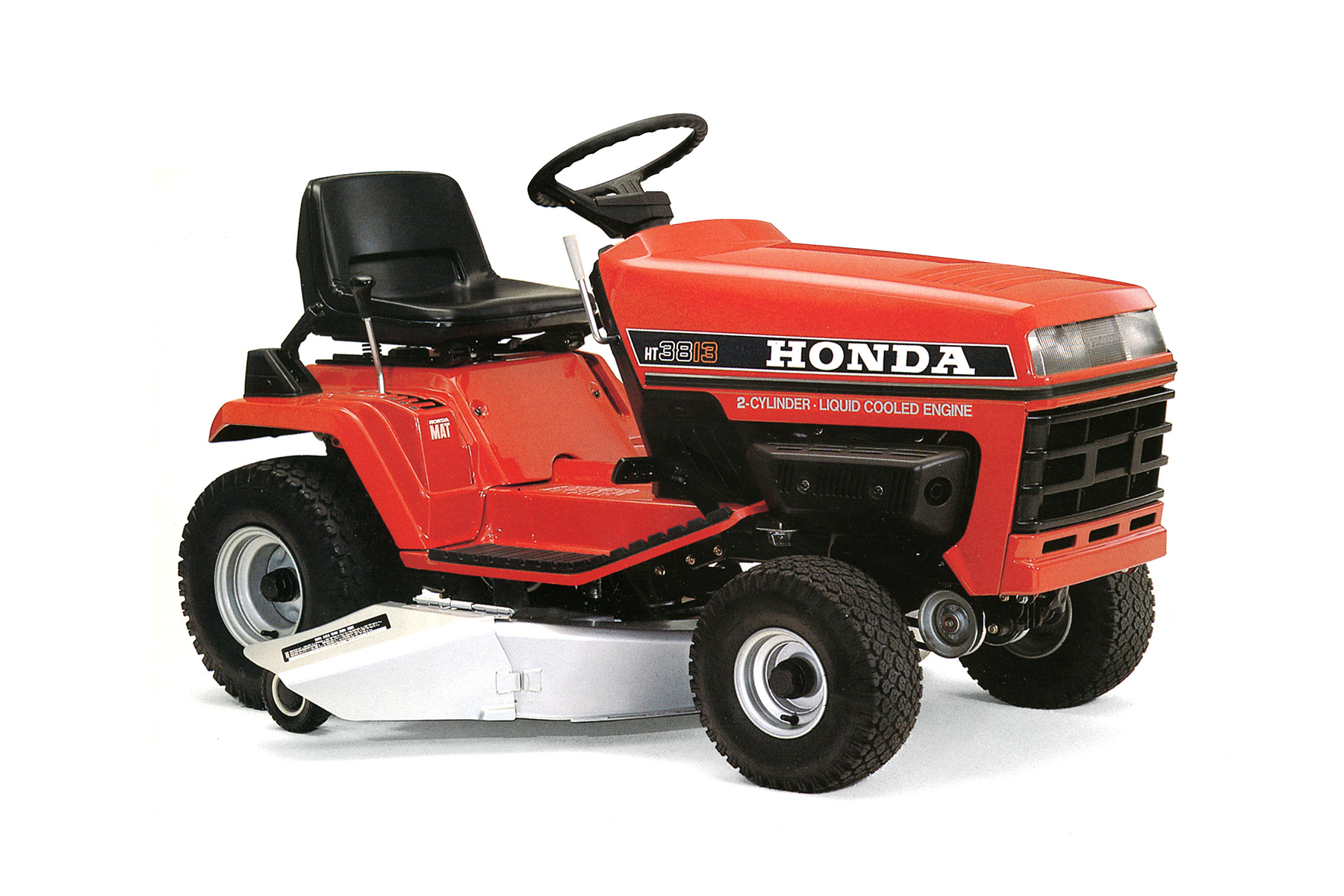
Honda riding lawnmowers designed for maintaining larger areas: HT3810 (left) and HT3813 (right).
Winning Over More Customers
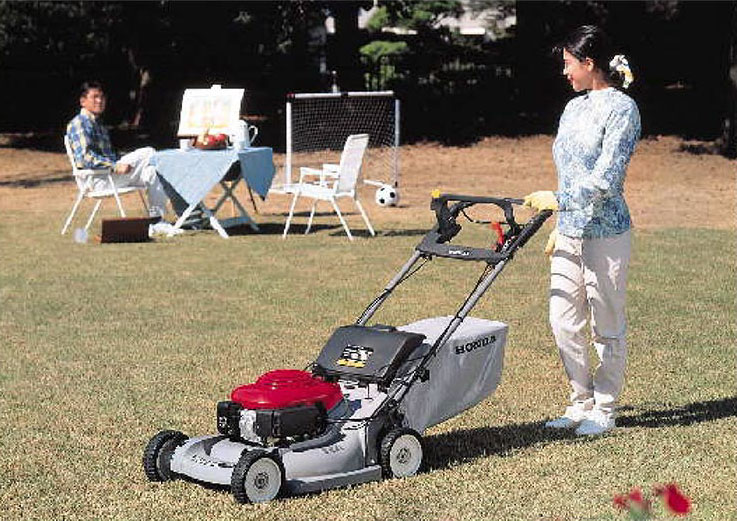
Honda launched the HR21 walk-behind lawnmower in 1978. With its quiet operation, safety, durability, and excellent cutting performance, the HR21 established a strong presence in the consumer lawnmower markets of North America and Europe.
One feature that earned particularly strong praise was its easy starting. Regardless of the season or region, Honda lawnmowers started easily and reliably. For many people who maintained their own lawns, a lawnmower became their first experience with a Honda product. The trust they developed in Honda lawnmowers extended beyond the products themselves, helping enhance the image of the Honda brand as a whole.
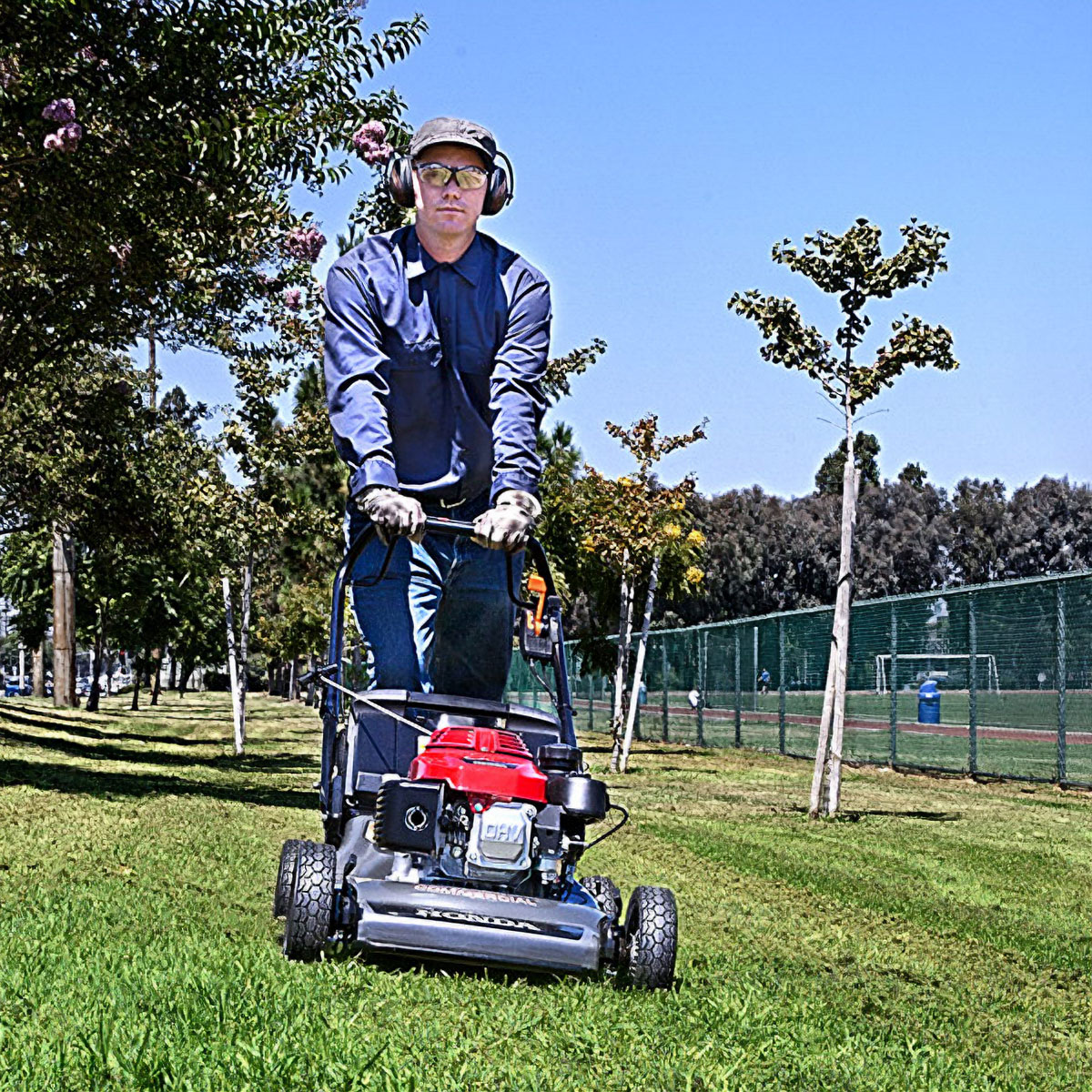
For professional landscapers, however, the HR21 presented a different proposition. Its emphasis on durability made it relatively heavy, while it also included many features that were unnecessary for professional use. As a result, compared with competing models, professional landscapers saw the HR21 as an expensive, high-quality, high-specification premium model.
By 1985, annual sales of the HR21 series had grown to 330,000 units, primarily among household users. To build further on that success, however, Honda needed to overcome the barriers of weight and price to win the support of professional landscapers, while preserving the reputation for high quality established by the HR21. For Honda lawnmowers, the very product that had brought success had become the next hurdle to overcome.
A new sales channel emerges: home improvement stores
In the 1990s, the primary sales channel for lawnmowers in North America began shifting from traditional Power Products specialist dealers to home improvement stores such as The Home Depot and Lowe’s.
In home improvement stores, products from different brands and at different price points were displayed side by side. Customers were no longer choosing products based only on performance or brand image. Their needs had broadened to encompass price, features, design, intended use, and other factors. To be chosen in a highly competitive retail environment, Honda needed a lineup that could meet a wider range of needs rather than relying solely on high-quality products at premium prices.
Honda therefore began shifting its sales strategy toward reaching more lawnmower customers through home improvement stores.
Developing a new model to compete on price
In 1997, Honda introduced the lightweight and compact GC/GCV series of four-stroke engines. Honda then locally developed the HRS216 walk-behind lawnmower at its North American R&D facility and launched it with a 5.5-horsepower GCV160 engine.
In 1998, Honda expanded the lineup into the affordably priced Harmony II series, centered on the HRS216. The series combined lightweight, easy handling with competitive pricing starting in the $300 range.
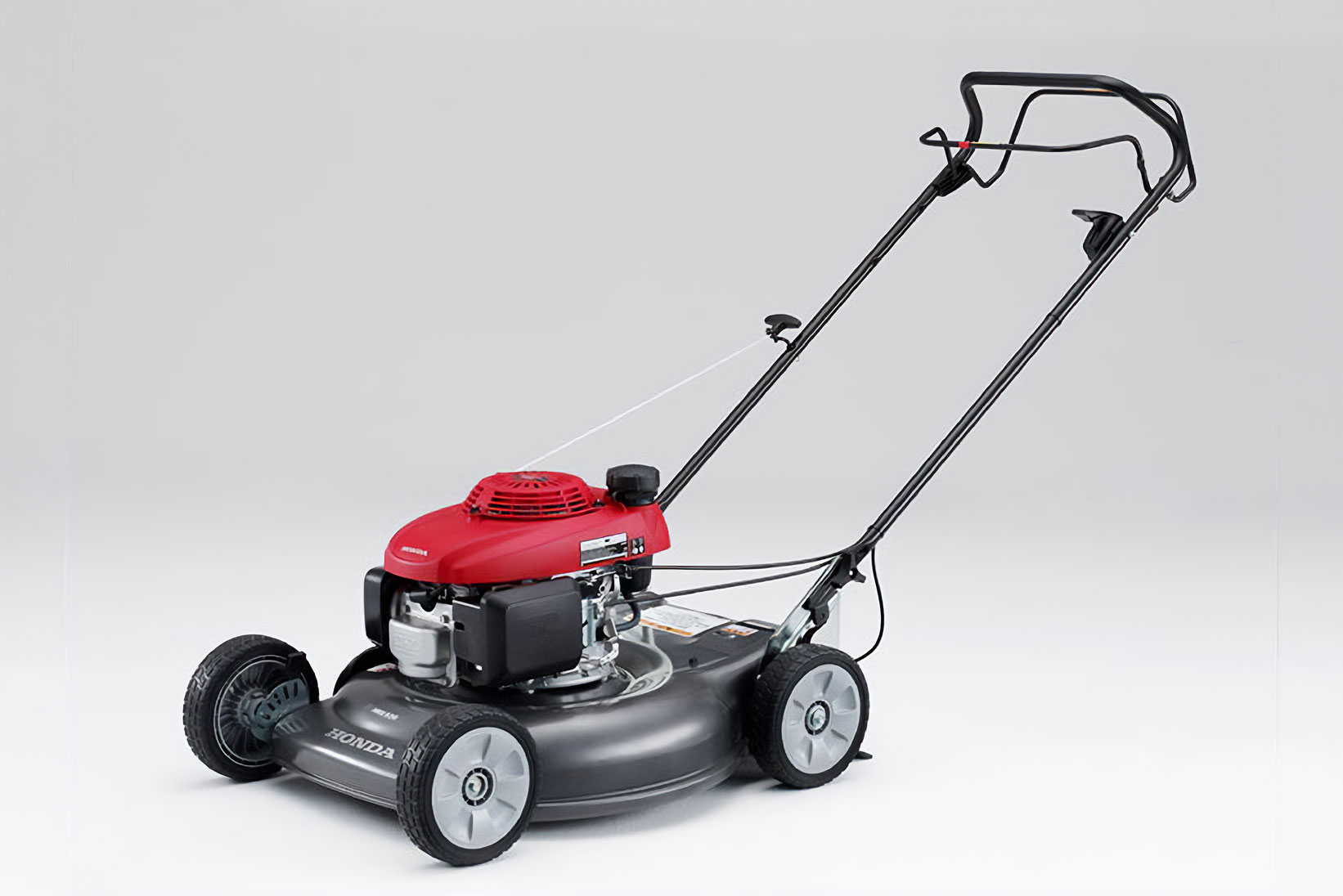
The Harmony II series helped transform Honda lawnmowers from premium products chosen by a limited group of quality-conscious customers into products that a much broader range of consumers could select according to their needs and budgets.
Developing and manufacturing where there is demand
The foundation for supplying competitively priced products with consistently high quality had been established well before the introduction of Harmony II.
Honda has long followed the principle of “developing and manufacturing products where there is demand.” As a company originating in Japan, this principle cautions against assuming that products must be developed and manufactured in Japan, and it continues to be passed down within Honda today.
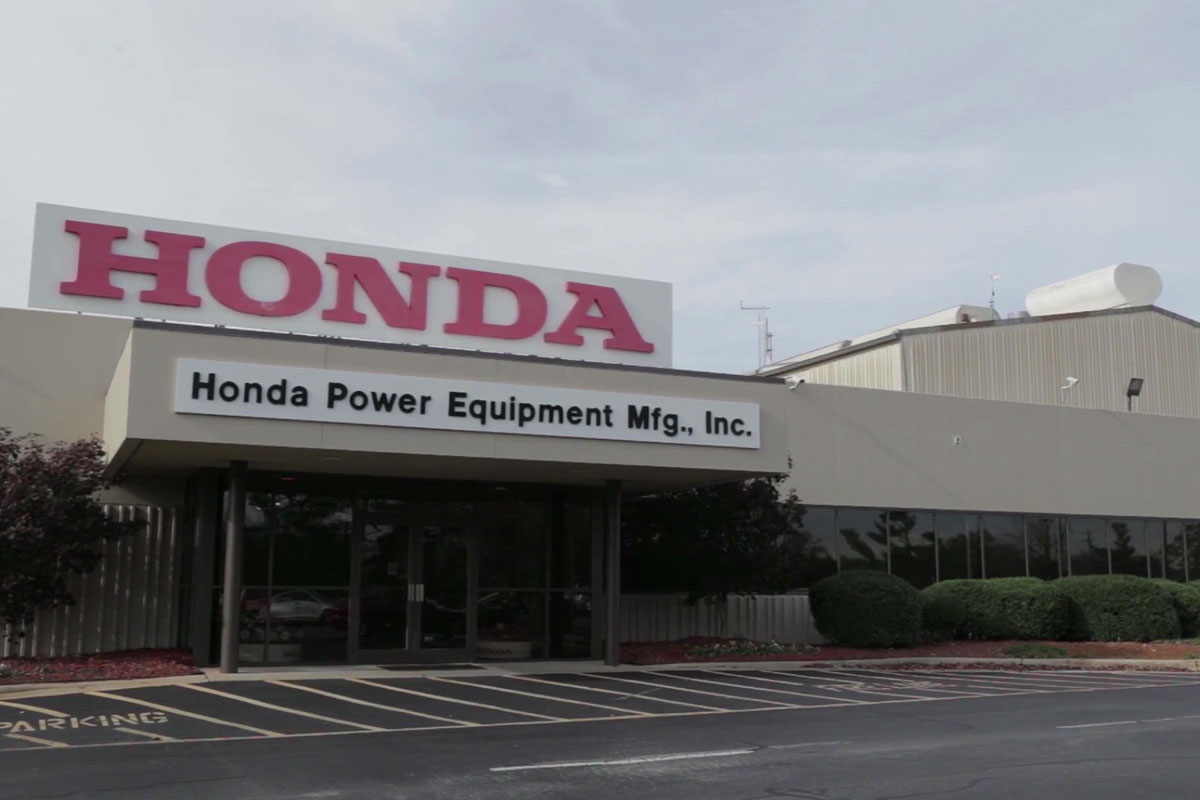
Guided by this principle, Honda began local production of walk-behind lawnmowers in Swepsonville, North Carolina, in August 1984. In 1993, Honda also established an R&D facility there. Developing and manufacturing products in North America, the world’s largest lawnmower market, created a system that enabled Honda to respond closely to local needs while achieving both high quality and competitive pricing.
Changing how lawnmowers were sold, as well as the products themselves
Honda’s expansion into home improvement stores and the introduction of the Harmony II series marked a major turning point for its lawnmower business in North America.
Getting products onto the shelves of home improvement stores required more than simply offering models with clearly defined uses and price points. Honda also needed a sales strategy tailored to these retailers, covering factors such as annual sales volumes, product supply, advertising, and promotion.
As lawnmower sales through home improvement stores expanded, the role of the Power Products specialist dealers that had traditionally sold Honda lawnmowers also changed significantly. They increasingly became service centers responsible for repairing products sold through home improvement stores and providing maintenance such as blade replacement and oil changes.
The HR21 established trust in the Honda brand through lawnmowers that started easily and reliably and could be used for years. Harmony II opened up a market in which that same reliability became accessible to many more people.
Rather than being satisfied with the success achieved by its high-quality premium models, Honda changed its engines, lawnmower bodies, development and manufacturing operations, and even its sales strategy. In doing so, Honda lawnmowers grew into products embraced by a much broader range of customers across the North American market.
Using Technology to Make Life Easier
Honda lawnmowers, first launched in 1978, gradually gained a foothold in markets primarily in the U.S. and Europe. North America was the main market, but Europe was also developing a lawnmower market with characteristics of its own.
Just as Honda began producing products primarily for the U.S. market in North Carolina in 1984, production of products for the European market began in Ormes, near Orléans, France, in 1986. Honda developed the market with products tailored to European lawn care needs.
Compared with North America, European lawnmower users generally had smaller gardens and tended to seek more than simply keeping the grass regularly trimmed. There was a desire to make lawns more beautiful, even artistic.
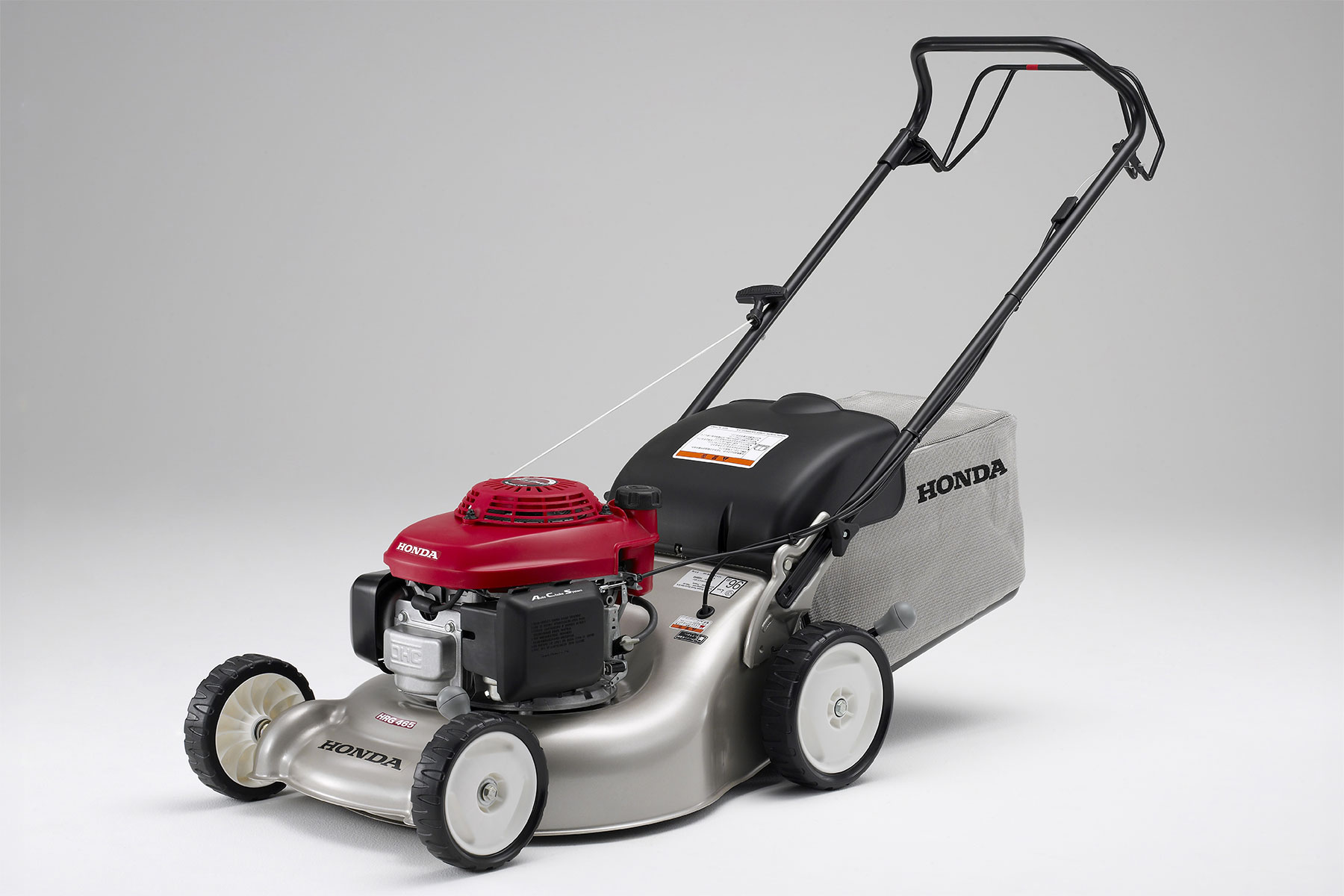
The aim might be to have a better-looking lawn than the house next door, or to create an attractive garden as a whole rather than focusing solely on the lawn. While lawnmowers for North America typically had a cutting width of 21 inches (approximately 53cm), European users favored widths of approximately 41–46cm, and lawnmowers sized to suit European homes and gardens became the norm.
As a result, the HRG415 and HRG465 walk-behind lawnmowers, launched in Europe in 2001, achieved strong sales, reaching 100,000 units in approximately a year and a half.
Against this backdrop, another trend began to emerge in Europe around the year 2000. Major lawnmower manufacturers started developing electric products.
Traditionally, mowing the lawn was something people did during the day on Sundays. Starting early in the morning risked disturbing neighbors with the noise, while mowing in the evening could also be disruptive as families began gathering in their gardens for barbecues. These circumstances led major lawnmower manufacturers to focus on electric lawnmowers, whose quiet operation offered greater freedom over when mowing could be done.
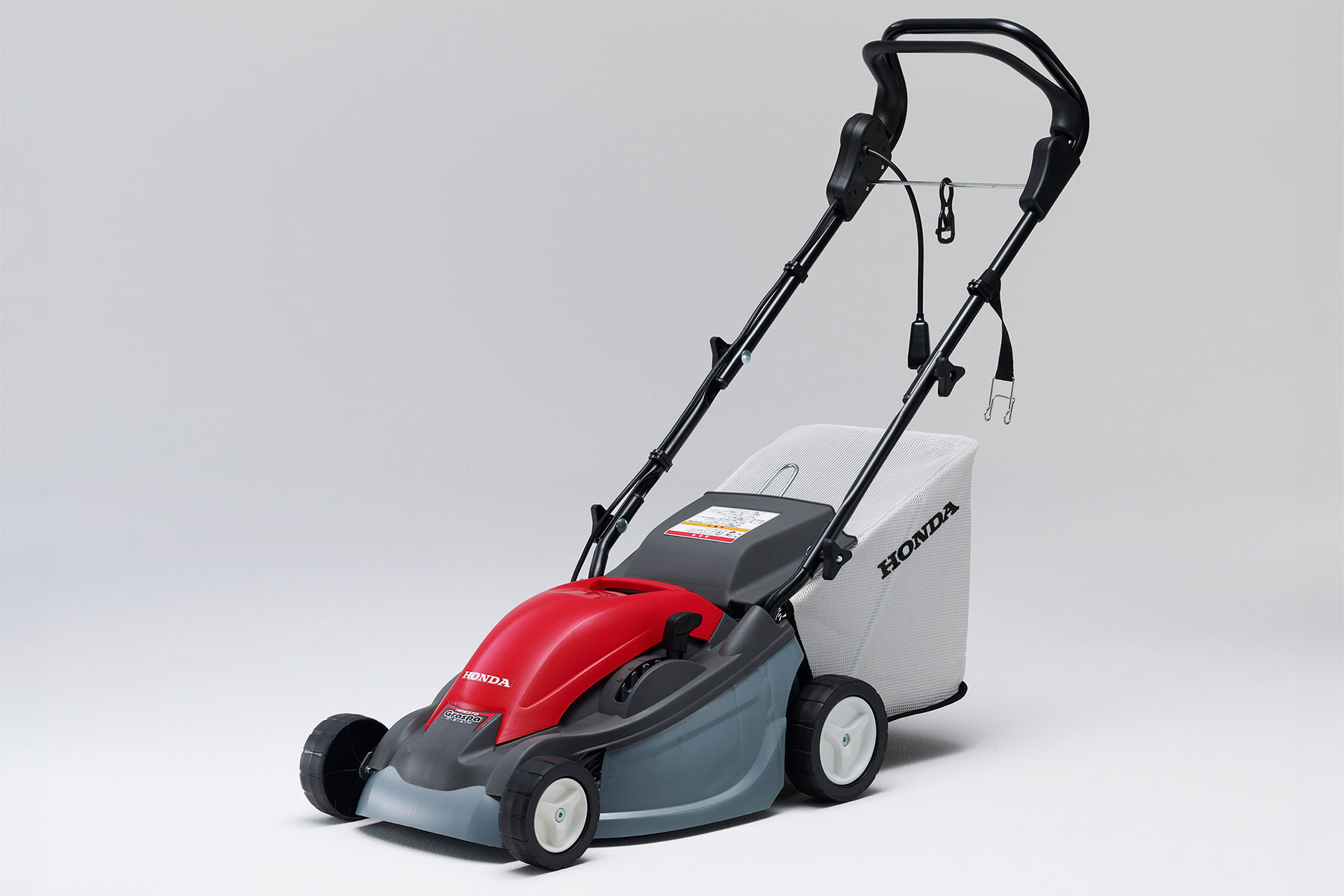
Honda followed in 2012 with the European launch of the Grasspa HRE330/370 electric walk-behind lawnmowers. Powered from a household AC outlet, the Grasspa HRE330/370 used a high-output electric motor to drive the mowing blade. It was well received for the quiet operation characteristic of an electric lawnmower and its excellent economy, with the electricity required to mow 100m² of lawn costing only around 2 yen.
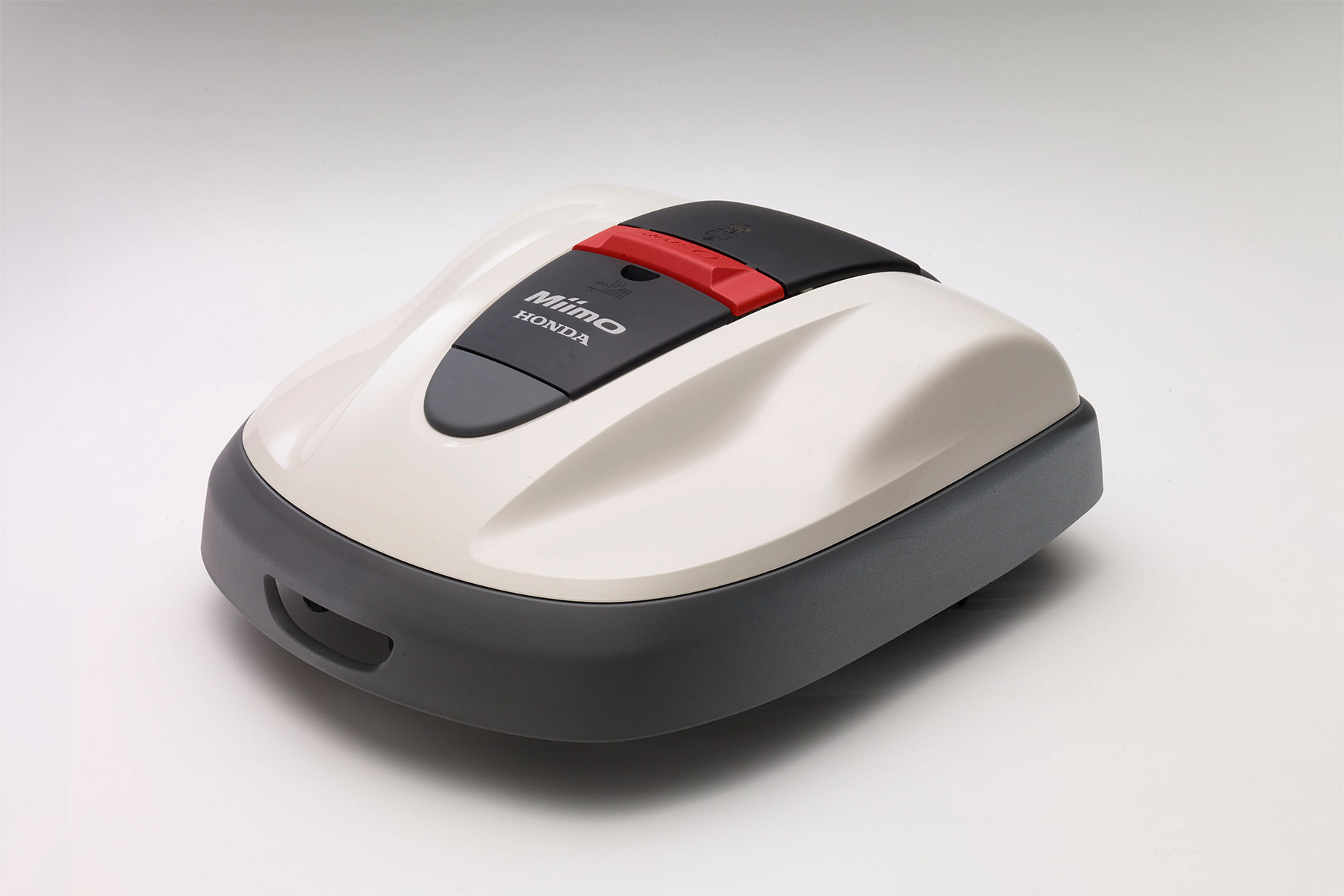
In 2012, Honda also began sales of the Miimo robotic lawnmower in Europe. Miimo brought Honda’s long-standing efforts to automate lawn mowing and reduce the workload involved into a product designed for household use.
At the time, Miimo operated within a predefined working area marked out by a boundary wire, mowing the grass automatically within that area. In addition to the quiet operation made possible by electric power, Miimo automatically returned to its charging station when its battery ran low and began recharging, enabling lawn care 24 hours a day, 365 days a year.
Even with the shift to electric power, the fundamental thinking behind Honda products remained unchanged: they should be dependable, easy for anyone to use, durable and economical. This product development also reflected the aspiration behind Honda Power Products to “use technology to make life easier.”
In North America, another major market alongside Europe, however, electrification and the adoption of robotic lawnmowers did not progress as rapidly as they did in Europe.
Residential lawns in North America tend to be larger, making riding lawnmowers a common choice for greater efficiency. Grass types also vary by region, with particularly thick and tough varieties found in parts of the South. The environment surrounding lawn care therefore differs significantly from that of Europe.
North America has vast areas of grass not only around homes, but also along streets and sidewalks and at football and baseball fields, among many other locations. As a result, users have traditionally selected lawnmowers according to the task, ranging from walk-behind models for residential use to riding lawnmowers capable of efficiently mowing large areas.
While electrification of residential lawnmowers is expected to continue, lawnmowers used by professional landscapers must deliver the durability and reliability required for professional use. As a result, there continues to be strong demand for engine-powered lawnmowers.
However, as responsibility for mowing passes from one generation to the next, younger generations may increasingly prefer to spend their time and effort on other activities.
Today, a major social challenge is also emerging in maintaining urban environments and beautifying residential surroundings, including lawn care: declining birthrates and aging populations. Automation and intelligent robotic mowing technologies offer a way to address the resulting shortage of people available to perform this work.
Miimo is currently Honda’s robotic lawnmower, but robotic mowing technology continues to evolve. The technology is progressing beyond conventional systems that use boundary wires to define the mowing area toward increasingly automated and intelligent systems that use GNSS*1, RTK*2, LiDAR*3, stereo cameras, AI and other technologies to understand their own position and surroundings while mowing with greater precision and efficiency.
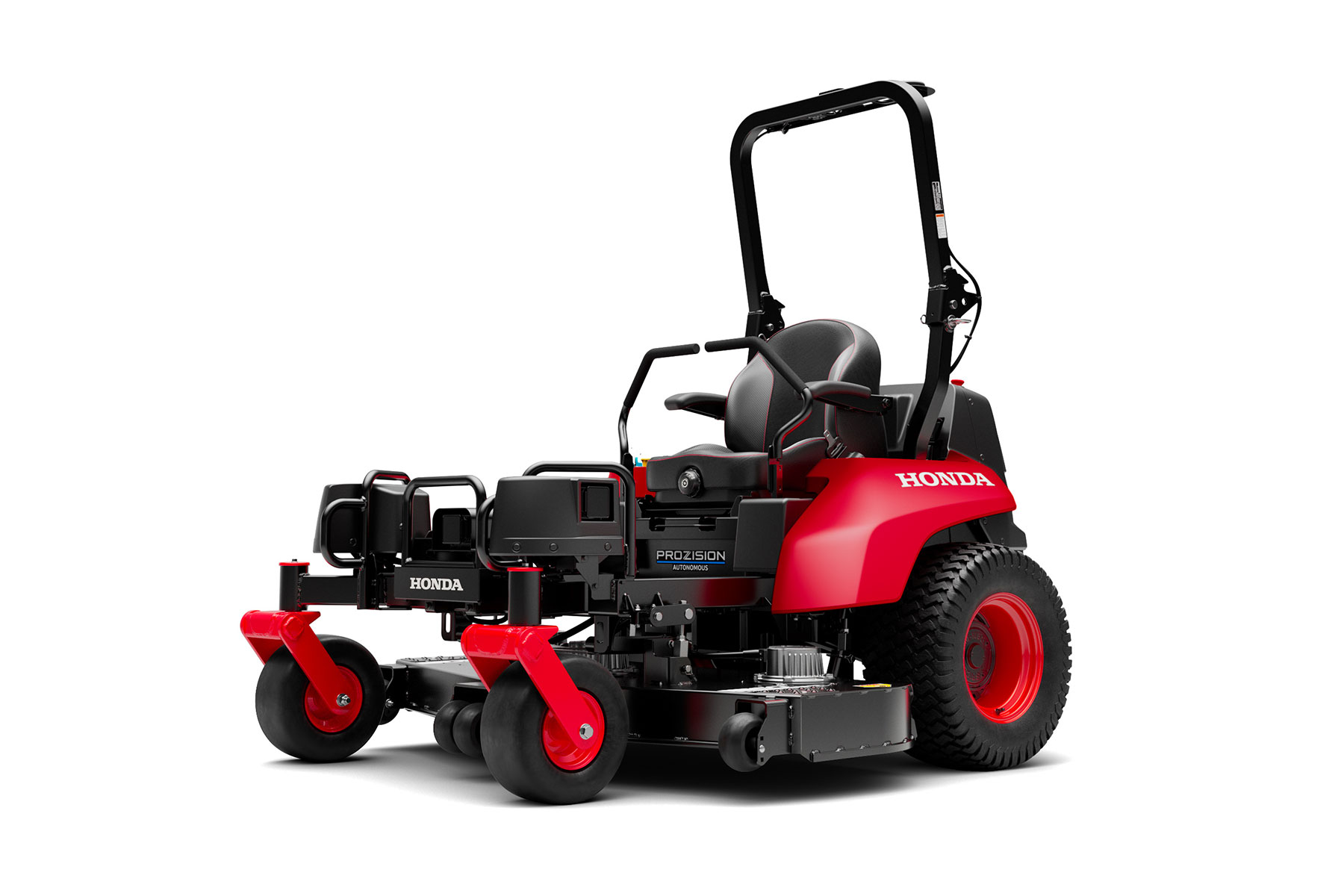
Automation using these latest technologies is expanding beyond robotic lawnmowers for residential use to large riding lawnmowers designed to cover extensive areas. Honda’s ProZision Autonomous automates mowing with a highly maneuverable ZTR (zero-turn riding lawnmower).
Mowing a large area requires considerable time and labor. If that work can be left to a machine, it can reduce the burden of spending long hours working in hot conditions while allowing people to focus on other tasks.
Honda founder Soichiro Honda’s desire to “use technology to make life easier” continues today as an enduring philosophy, even as the forms those machines take continue to change.
*1 GNSS: Satellite positioning systems operated by multiple countries and regions, including GPS in the U.S., GLONASS in Russia, Galileo in Europe, BeiDou in China and QZSS in Japan. These systems make it possible to determine position and time anywhere on Earth.
*2 RTK: A high-precision positioning method that uses GNSS. It provides greater positioning accuracy than GNSS alone by correcting positioning data in real time, enabling accuracy down to several centimeters or even several millimeters.
*3 LiDAR: A technology that uses laser light to measure objects. It emits tens of thousands to millions of pulses of light per second and receives their reflections to determine the distance to objects and capture their three-dimensional shape. LiDAR has also been used in the automated driving system of the Honda Legend automobile.