Lawnmower History Chapter 2:
Winning Over More Customers
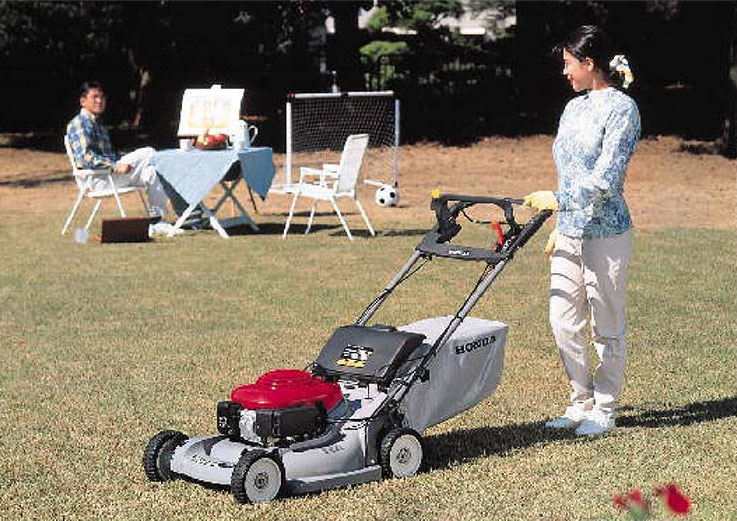
Honda launched the HR21 walk-behind lawnmower in 1978. With its quiet operation, safety, durability, and excellent cutting performance, the HR21 established a strong presence in the consumer lawnmower markets of North America and Europe.
One feature that earned particularly strong praise was its easy starting. Regardless of the season or region, Honda lawnmowers started easily and reliably. For many people who maintained their own lawns, a lawnmower became their first experience with a Honda product. The trust they developed in Honda lawnmowers extended beyond the products themselves, helping enhance the image of the Honda brand as a whole.
For professional landscapers, however, the HR21 presented a different proposition. Its emphasis on durability made it relatively heavy, while it also included many features that were unnecessary for professional use. As a result, compared with competing models, professional landscapers saw the HR21 as an expensive, high-quality, high-specification premium model.
By 1985, annual sales of the HR21 series had grown to 330,000 units, primarily among household users. To build further on that success, however, Honda needed to overcome the barriers of weight and price to win the support of professional landscapers, while preserving the reputation for high quality established by the HR21. For Honda lawnmowers, the very product that had brought success had become the next hurdle to overcome.
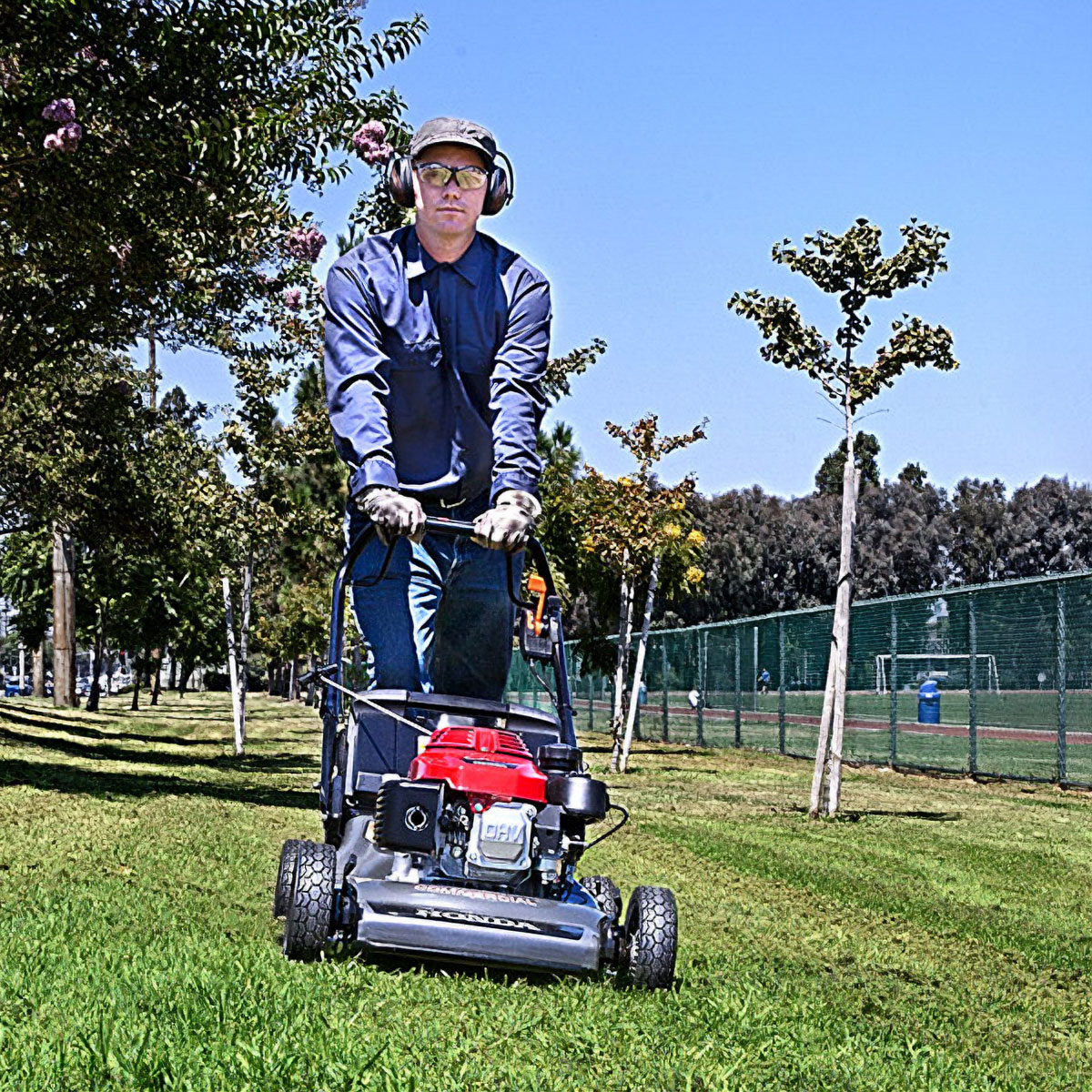
A new sales channel emerges: home improvement stores
In the 1990s, the primary sales channel for lawnmowers in North America began shifting from traditional Power Products specialist dealers to home improvement stores such as The Home Depot and Lowe’s.
In home improvement stores, products from different brands and at different price points were displayed side by side. Customers were no longer choosing products based only on performance or brand image. Their needs had broadened to encompass price, features, design, intended use, and other factors. To be chosen in a highly competitive retail environment, Honda needed a lineup that could meet a wider range of needs rather than relying solely on high-quality products at premium prices.
Honda therefore began shifting its sales strategy toward reaching more lawnmower customers through home improvement stores.
Developing a new model to compete on price
In 1997, Honda introduced the lightweight and compact GC/GCV series of four-stroke engines. Honda then locally developed the HRS216 walk-behind lawnmower at its North American R&D facility and launched it with a 5.5-horsepower GCV160 engine.
In 1998, Honda expanded the lineup into the affordably priced Harmony II series, centered on the HRS216. The series combined lightweight, easy handling with competitive pricing starting in the $300 range.

The Harmony II series helped transform Honda lawnmowers from premium products chosen by a limited group of quality-conscious customers into products that a much broader range of consumers could select according to their needs and budgets.
Developing and manufacturing where there is demand
The foundation for supplying competitively priced products with consistently high quality had been established well before the introduction of Harmony II.
Honda has long followed the principle of “developing and manufacturing products where there is demand.” As a company originating in Japan, this principle cautions against assuming that products must be developed and manufactured in Japan, and it continues to be passed down within Honda today.
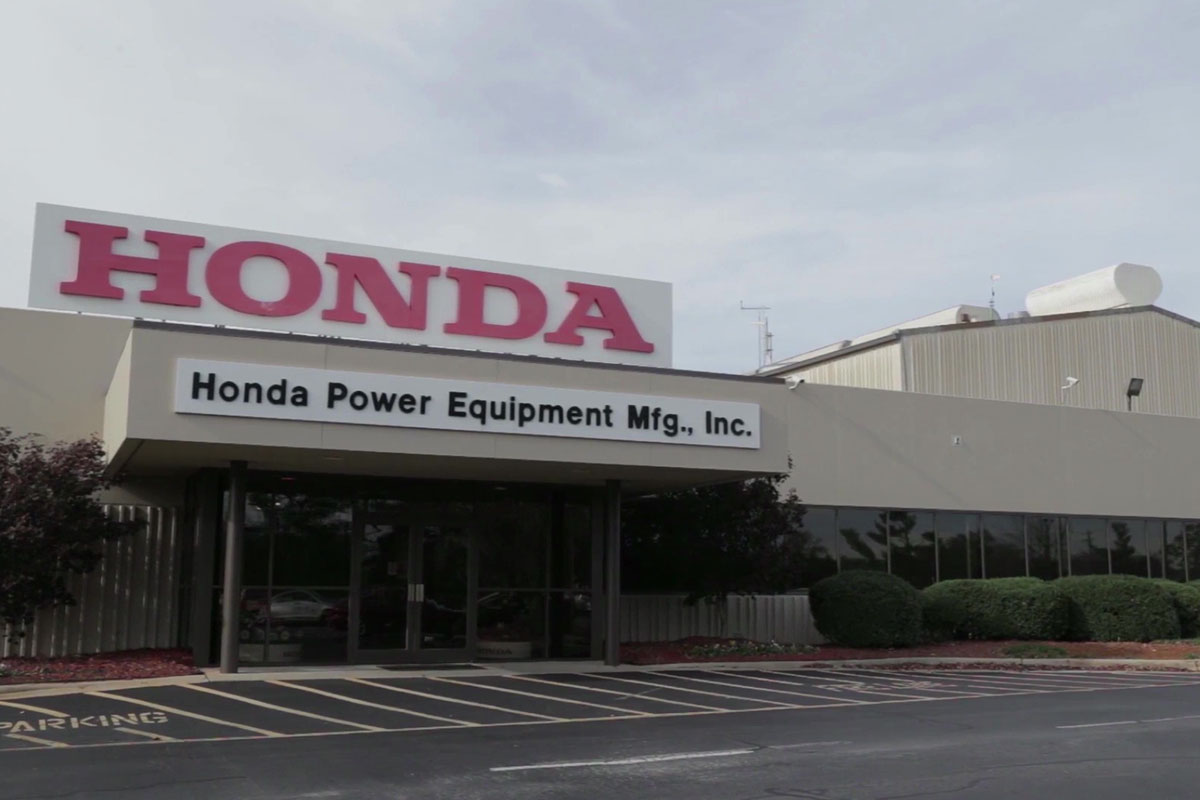
Guided by this principle, Honda began local production of walk-behind lawnmowers in Swepsonville, North Carolina, in August 1984. In 1993, Honda also established an R&D facility there. Developing and manufacturing products in North America, the world’s largest lawnmower market, created a system that enabled Honda to respond closely to local needs while achieving both high quality and competitive pricing.
Changing how lawnmowers were sold, as well as the products themselves
Honda’s expansion into home improvement stores and the introduction of the Harmony II series marked a major turning point for its lawnmower business in North America.
Getting products onto the shelves of home improvement stores required more than simply offering models with clearly defined uses and price points. Honda also needed a sales strategy tailored to these retailers, covering factors such as annual sales volumes, product supply, advertising, and promotion.
As lawnmower sales through home improvement stores expanded, the role of the Power Products specialist dealers that had traditionally sold Honda lawnmowers also changed significantly. They increasingly became service centers responsible for repairing products sold through home improvement stores and providing maintenance such as blade replacement and oil changes.
The HR21 established trust in the Honda brand through lawnmowers that started easily and reliably and could be used for years. Harmony II opened up a market in which that same reliability became accessible to many more people.
Rather than being satisfied with the success achieved by its high-quality premium models, Honda changed its engines, lawnmower bodies, development and manufacturing operations, and even its sales strategy. In doing so, Honda lawnmowers grew into products embraced by a much broader range of customers across the North American market.