Water
Water resources as a form of natural capital are becoming increasingly important globally due to factors such as more frequent floods and droughts caused by the effects of climate change and the increase in water demand associated with the growth of the world’s population. In light of these circumstances, Honda believes that the conservation and sustainable use of water resources are among the important issues in its corporate activities.
Honda recognizes that water withdrawal and discharge associated with its corporate activities have the potential to impact local communities and downstream water resources in areas where Honda draws water. Based on the Honda Environment Statement, the Company is engaged in corporate activities that give due consideration to the conservation of water resources.
In selecting locations for each site and operating them, Honda considers harmony with surrounding water resources and conducts responsible corporate activities.
Particularly in manufacturing processes, where freshwater consumption is high, Honda positions it as a priority management target. With an eye to 2050, Honda has set a vision of aiming for zero industrial water withdrawal and promotes initiatives to minimize water withdrawal.
At each business site, Honda implements measures taking into account local water conditions, such as advancing wastewater recycling and introducing water-saving technologies.
In addition, Honda recognizes as important issues the business continuity risks posed by constraints on water resource supply and the impact of water resource depletion on local communities.
Going forward, Honda will work to reduce the total amount of water withdrawn not only in manufacturing processes but across all Honda corporate activities, thereby contributing to the sustainable use of water resources.
Please refer to Environmental and Safety Vision / Honda’s Environment Statement.
Water Risk Assessment
Because water is a resource that is unevenly distributed by region, season, and other factors, Honda identifies and assesses water risks mainly at its production sites that use a large amount of water. In conducting assessments, Honda verifies and identifies risks such as water resources, groundwater, drought, water quality, and regulations/reputational concerns in the site areas using external assessment tools such as AQUEDUCT and Water Risk Filter.
Based on the assessment results, Honda promotes initiatives tailored to the risk characteristics of each site.
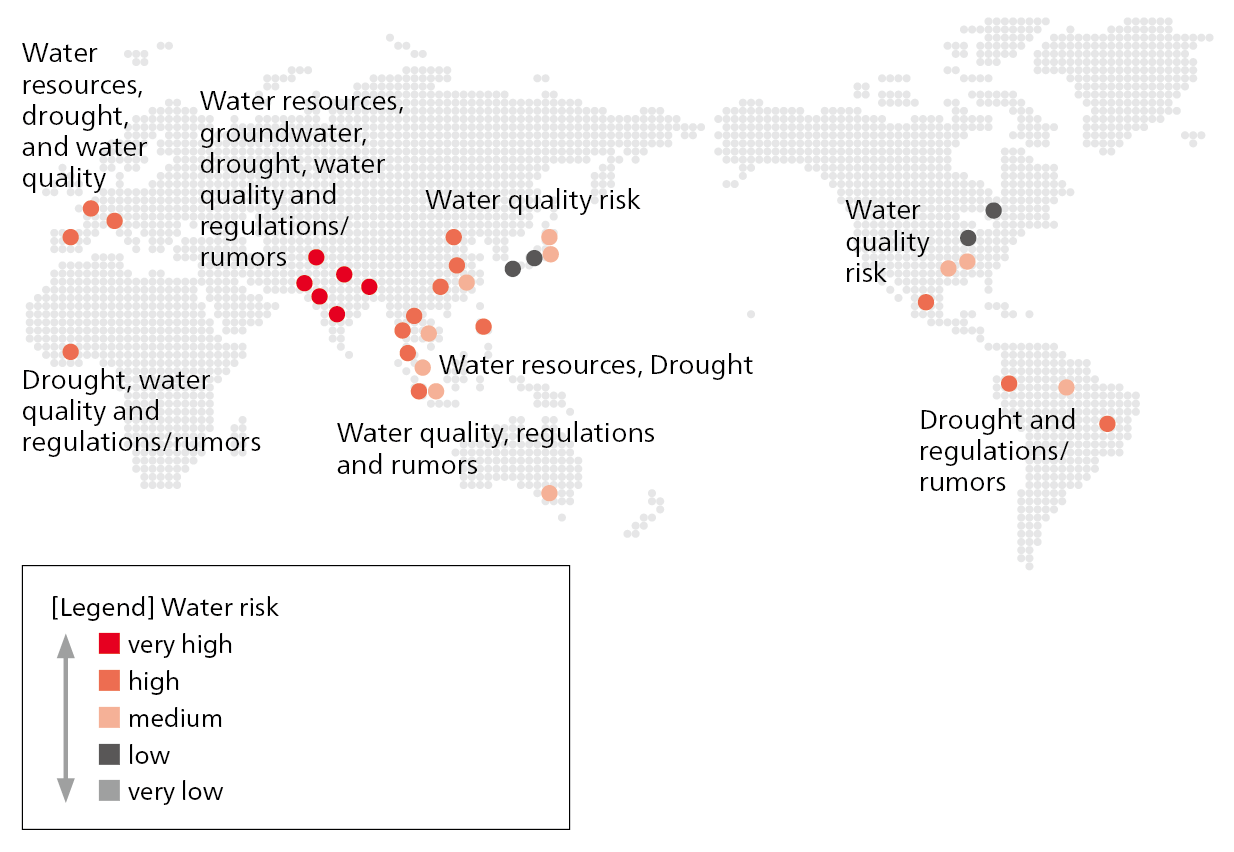
Initiatives in Regions with High Water Risk
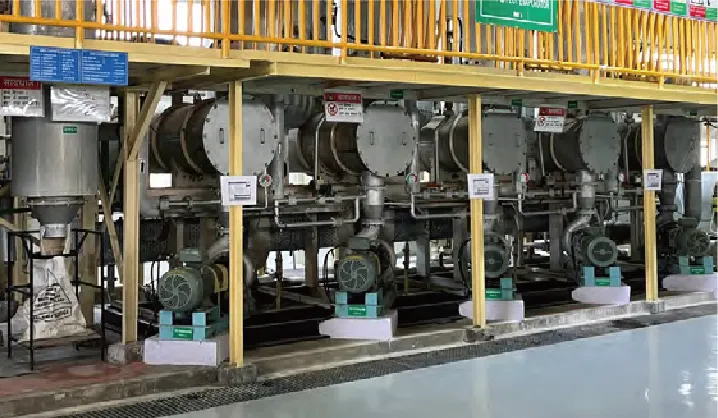
Honda positions minimizing water consumption and discharge as an important issue at product assembly sites located in regions with high dependence on water resources and significant water shortage risk. Honda has introduced a wastewater recycling system at the Celaya Auto Plant of Honda de Mexico S.A. de C.V. in Mexico, the Tapukara Plant of Honda Cars India Ltd. in India, and the No. 2 Plant of GAC Honda Automobile Co., Ltd. in China, working to conserve local water resources.
In particular, at the Tapukara Plant in India, all generated wastewater is collected and treated, and no liquid effluent is discharged outside the premises. Residues generated in the treatment process are recovered as solids containing no free water and are properly treated.
Since January 2026, sludge derived from domestic wastewater has been composted as organic fertilizer and recycled.
In addition, treated water is reused for toilet flushing and greening purposes, while rainwater collected on the premises is returned to groundwater through groundwater recharge facilities. Through these initiatives, the plant has virtually achieved a 100% wastewater recycling rate.
Furthermore, since 2025, a wastewater recycling system has also been introduced at the Manaus Plant of Moto Honda da Amazonia Ltda. in Brazil. Honda will continue introducing its water recycling systems around the world, particularly in regions with high water risk, and strive to reduce the environmental impact and support the sustainable use of water resources.