
A SINGLE-WING DESIGN.
TODAY'S WING MARK
TAKES SHAPE.
A SINGLE-WING DESIGN.
TODAY'S WING MARK
TAKES SHAPE.
Here, we see a large wing with feather detailing.
Wings were fixed to both sides of the tank,
facing in different directions,
as though the bike had grown wings.
In addition to "spreading wings across the world,"
emphasis on the important "movement" of the vehicle also came into focus.


HONDA, THROUGH ITS NEW LOGO
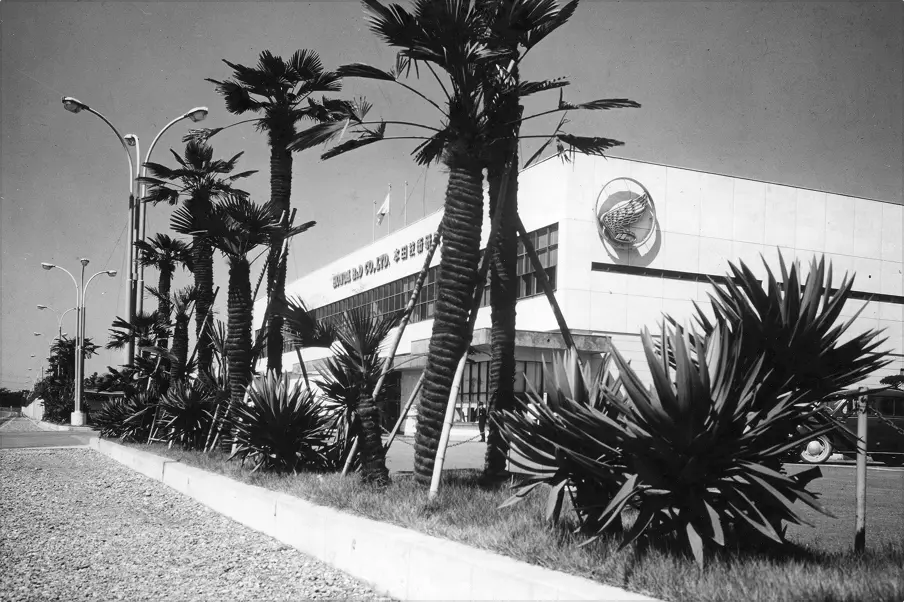
This meaningful, single-winged logo was not only used on motorcycle tanks, it was also adopted as Honda's official symbol, seen in catalogues, advertisements and at car shows. In 1961, it was affixed, loud and proud, onto the outer wall of the Honda Innovative Research Excellence center.
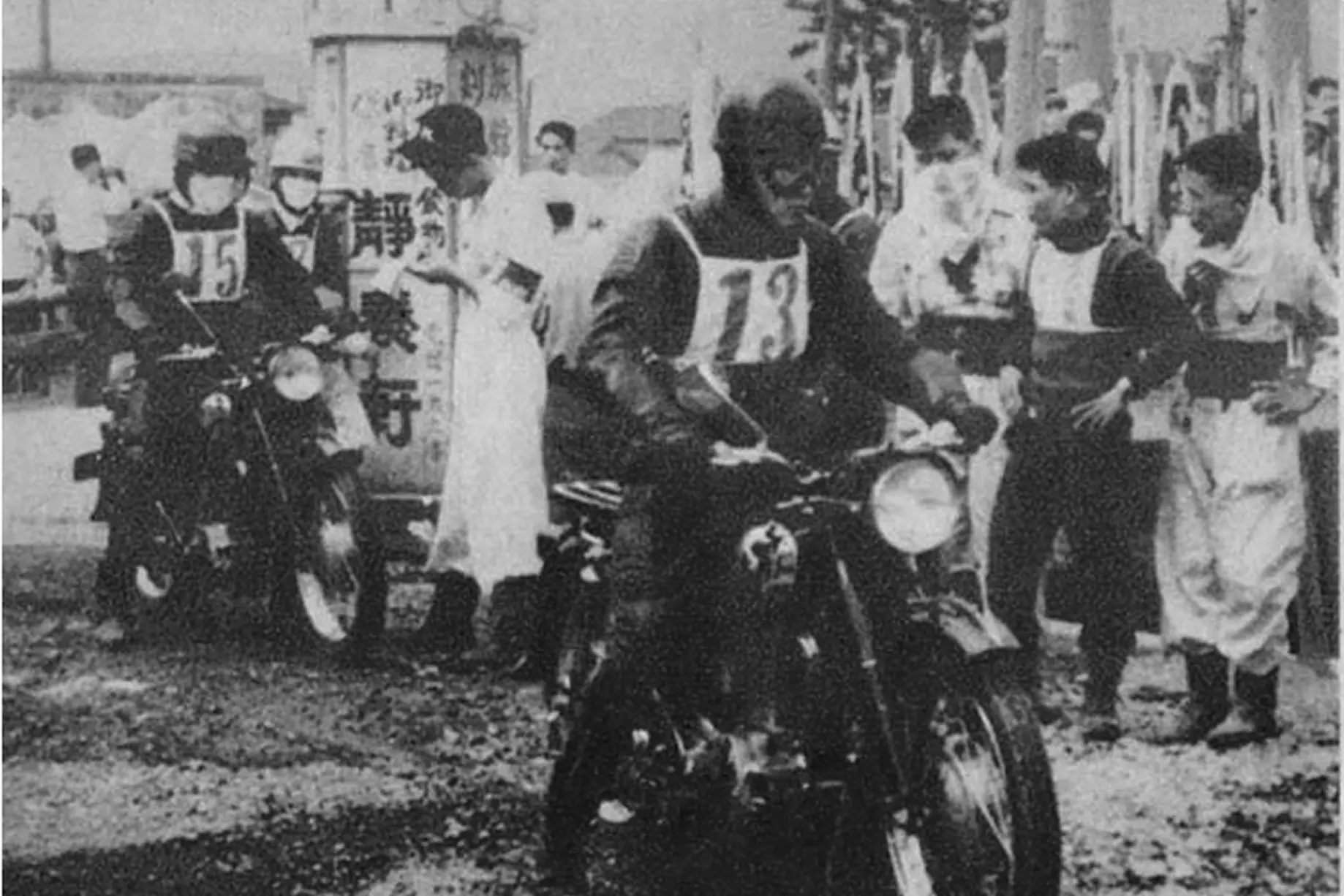
MT. FUJI MOTORCYCLE CLIMBING RACE WINNER
The 1955 Dream SA was the first model featuring the single-winged design. It passed all of its development goals in the first stages and easily won first place in the third Mt. Fuji Motorcycle Climbing Race.
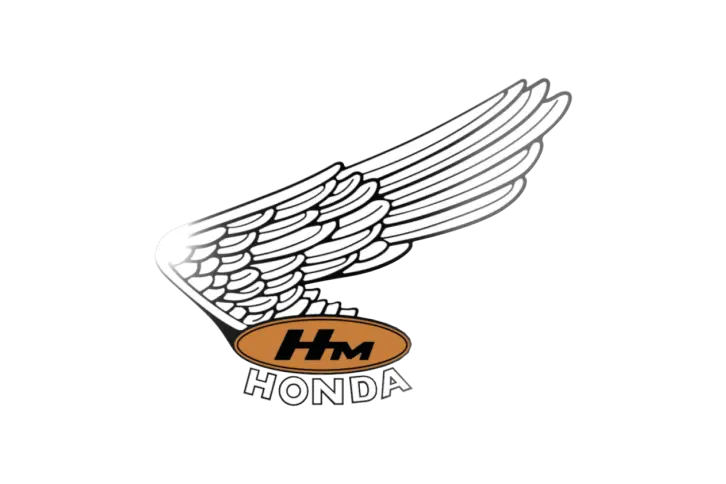
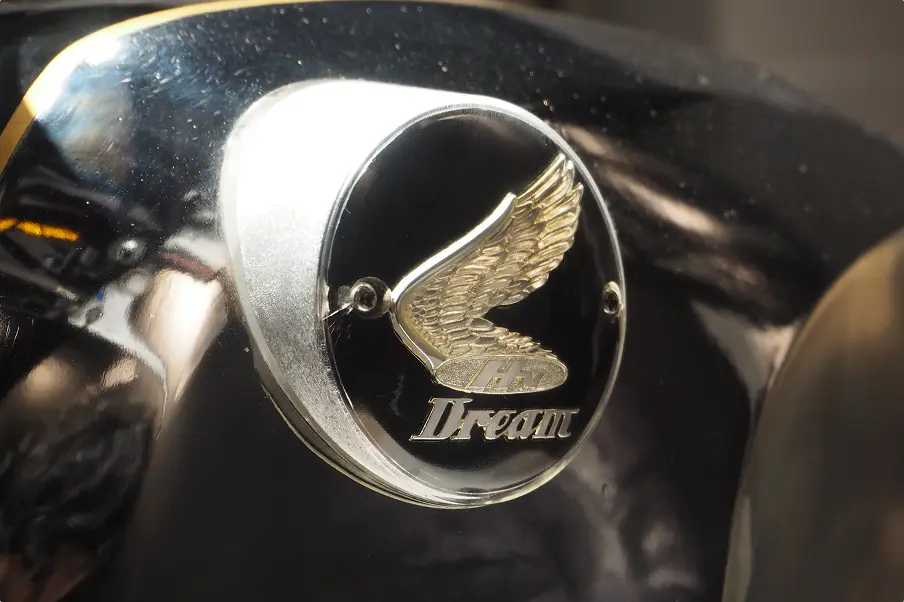
EVERY SINGLE BADGE IS UNIQUE
There was room for extra detail beneath the wing, so the corresponding brand name "Dream," "Benly" etc. was added, according to the model that it was attached to. Even the feathering on every badge was slightly different, so that each ended up with its own special shape. You can see individual characteristics on each one: harking back to a past before everything became standardized.
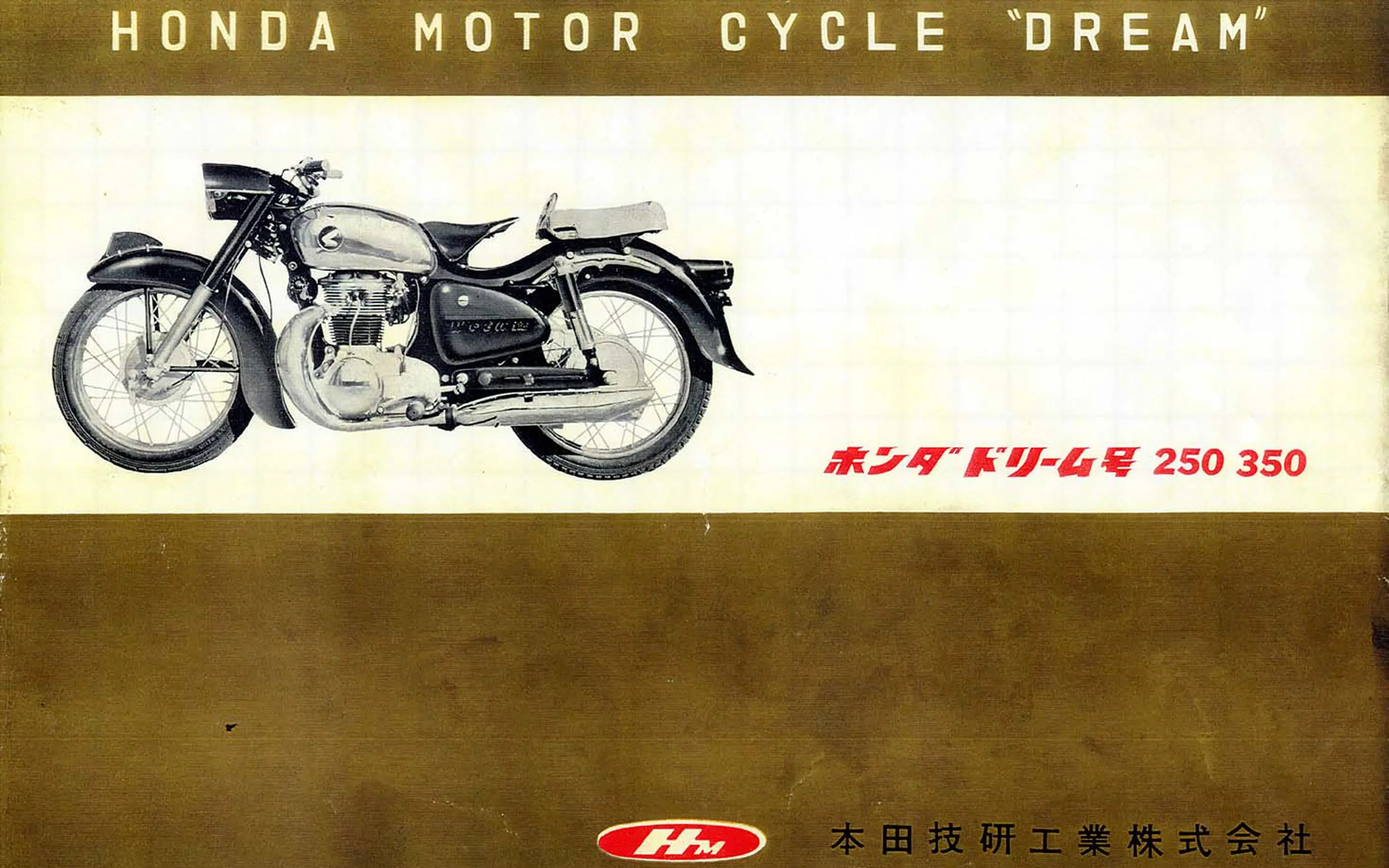
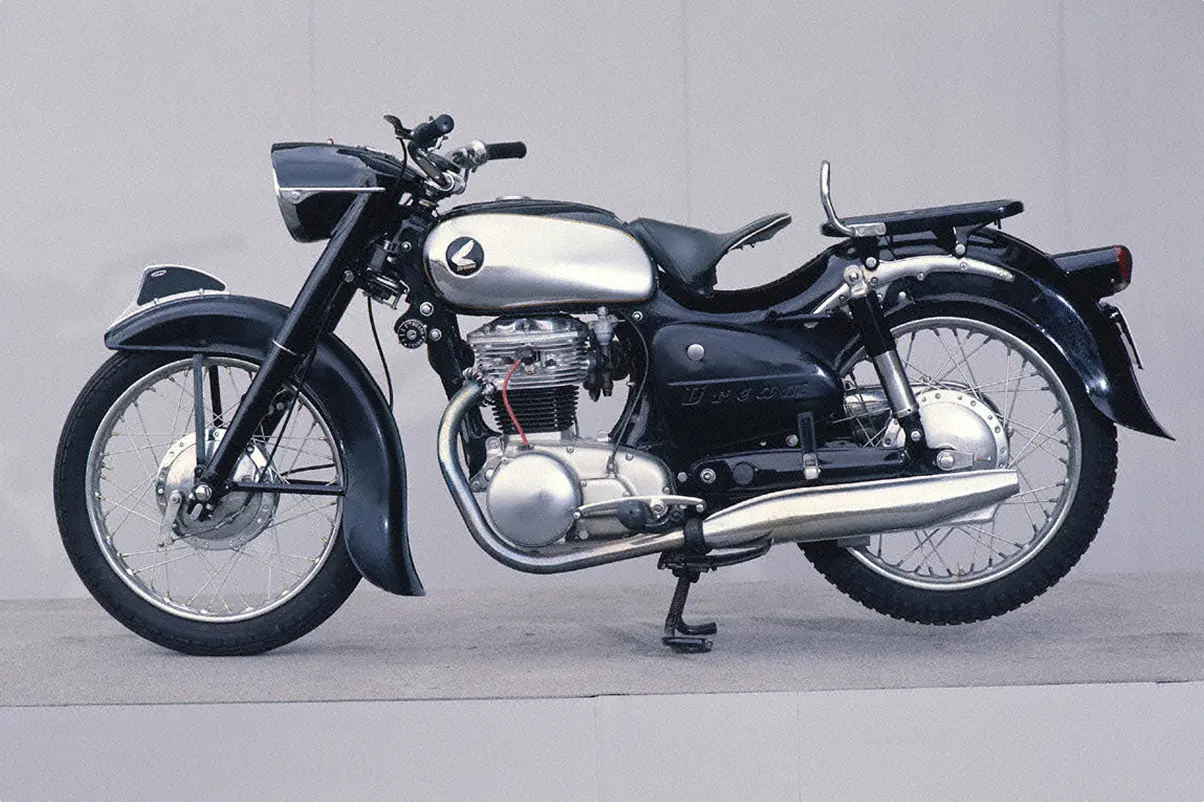
DREAM SA 1955
This 250cc model was equipped with Honda's first OHC engine, developed using technological research and CNC machinery that was able to perform precision cutting. In 1953, new regulations had meant that the engine size for lightweight motorbikes increased from 150cc to 250cc. The new 250cc engine was made, and the Dream SA was released.
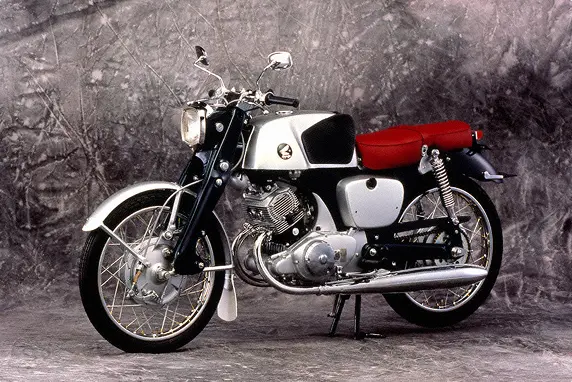
BENLY CB92 SUPER SPORT 1959
This model was developed with the goal of enabling riders to achieve strong results in races, delivering high performance exceeding 100-PS per liter. It won the 125cc class at the third edition of the All Japan Motorcycle Endurance Road Race on Mount Asama (then called the Mount Asama Volcano Race) in 1959, ridden by up-and-comer rider, Moto Kitano.