
Management
Moving Stories and Connecting Communities: The Joy of Mobility Along the Rivers of the Amazon
POINTWhat you can learn from this article
- Honda’s Power Products business based at its Manaus plant in the state of Amazonas marks two major milestones: 25 years of local production in Brazil and cumulative production of 500,000 units.
- In the Amazon’s floating communities, where transportation infrastructure is limited, Honda engines are valued for their fuel efficiency and durability, providing an essential means of transportation that supports both daily life and economic activity.
- Guided by a philosophy dating back to 1953—using technology to help people and enrich their lives—Honda will continue connecting communities and expanding possibilities for people.
As Honda celebrates 25 years of Power Products manufacturing in Brazil and approaches the milestone of 500,000 units produced locally, the company reinforces its commitment to expanding the possibilities for the lives and livelihoods of people living along the Amazon’s rivers.
The Role of Honda Power Products
Since its founding, Honda has believed that mobility has the power to expand opportunities, shorten distances, and transform lives. This vision transcends automobiles and motorcycles. It is also embodied in the Power Products business, created to provide solutions that make work and transportation easier, especially in regions where infrastructure and accessibility present daily challenges.
With this purpose in mind, Honda began production of the Type H engine in Japan in 1953, developing a product designed to support agricultural and fishing workers by reducing physical effort through technology. What started with a single engine evolved into a diverse portfolio that today includes general-purpose engines, generators, water pumps, brush cutters, lawn mowers, and outboard engines.
More than seven decades later, that same mission continues to guide Honda's operations around the world. In Brazil, it gained special significance in the Amazon region, an area with unique geographical characteristics where, in many locations, rivers serve the role that roads play elsewhere.
In 2026, Honda Brazil celebrates two important milestones in this journey: 25 years of local Power Products production at its Manaus plant, located in the state of Amazonas, Brazil, and the achievement of 500,000 cumulative units produced in the country, reaffirming its commitment to creating value for society and expanding the possibilities of everyday life.
A Journey Built for South America
The history of Honda Power Products in Brazil began in 1973 with the import and commercialization of equipment primarily intended for agricultural, professional, and recreational use. Local production started in 2001 at Honda's industrial complex in Manaus, the same facility where the company's motorcycles are produced in Brazil, making the country the only manufacturing hub for this business segment in South America.
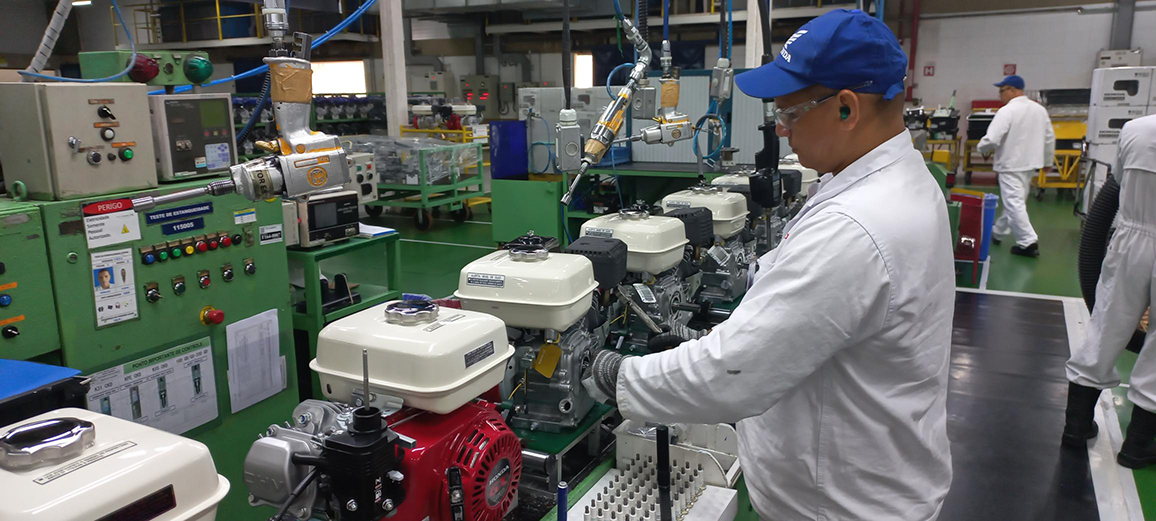 Engine production facility in Manaus.
The first product manufactured locally was the GX160K1 QD engine. Since then, the operation has established itself as a regional benchmark. Today, the facility produces three stationary engine models supplying the Brazilian market.
Over these 25 years of local manufacturing, the product lineup has expanded to meet evolving customer needs. In addition to the engines and water pumps produced in Manaus, Honda also markets generators and brush cutters in Brazil.
![Lourival Barros, Division Head for Production, Quality & Logistics at Moto Honda da Amazônia] Moto Honda da Amazônia](/content/dam/site/global-en/stories/cq_img/206-2609-power-products-in-brazil/LourivalBarros.webp) Lourival Barros, Division Head for Production, Quality & Logistics at Moto Honda da Amazônia] Moto Honda da Amazônia
Lourival Barros, Division Head for Production, Quality & Logistics at Moto Honda da Amazônia] Moto Honda da Amazônia
Yet the numbers behind this journey tell only part of the story. The true impact of Honda Power Products can be seen in the everyday lives of thousands of people who rely on technology to access work, education, healthcare, and daily activities.
Where the River Is the Road
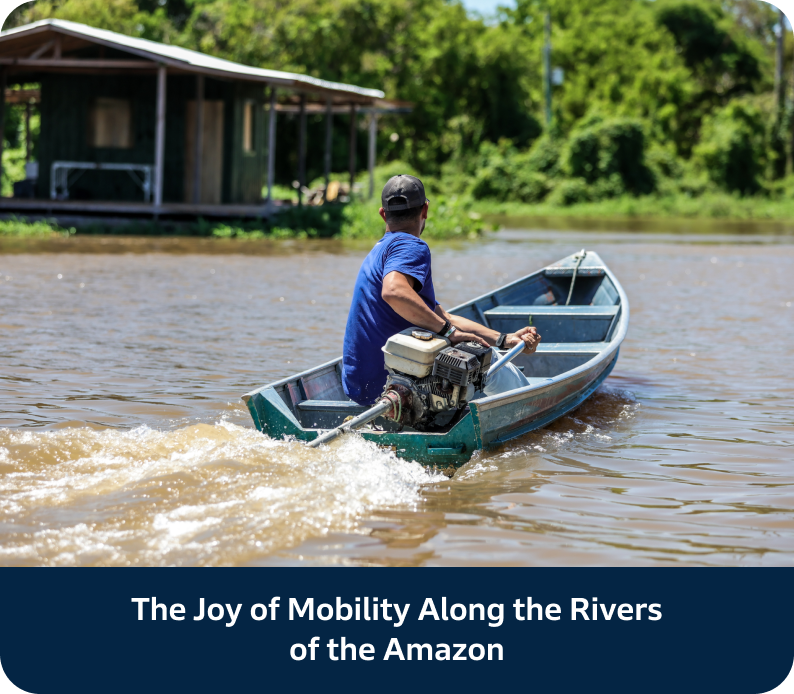
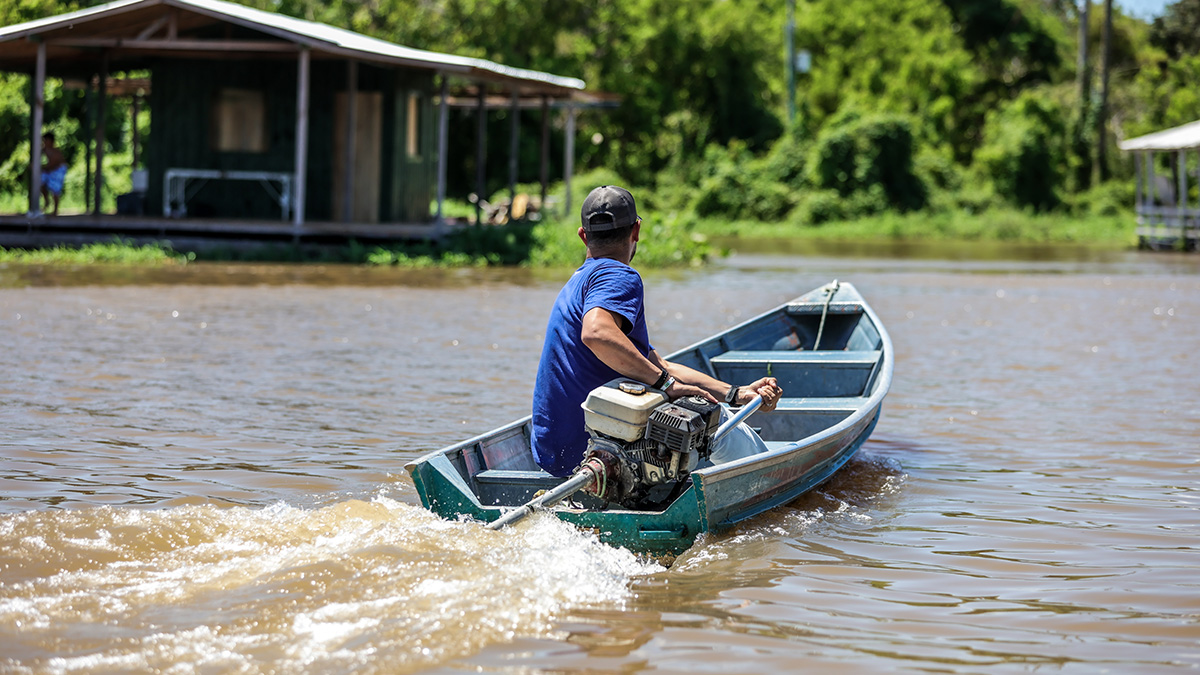
In northern Brazil, especially along the Amazon River and its tributaries, mobility takes a different form. In riverside communities, rivers fulfill the role that roads play in major urban centers.
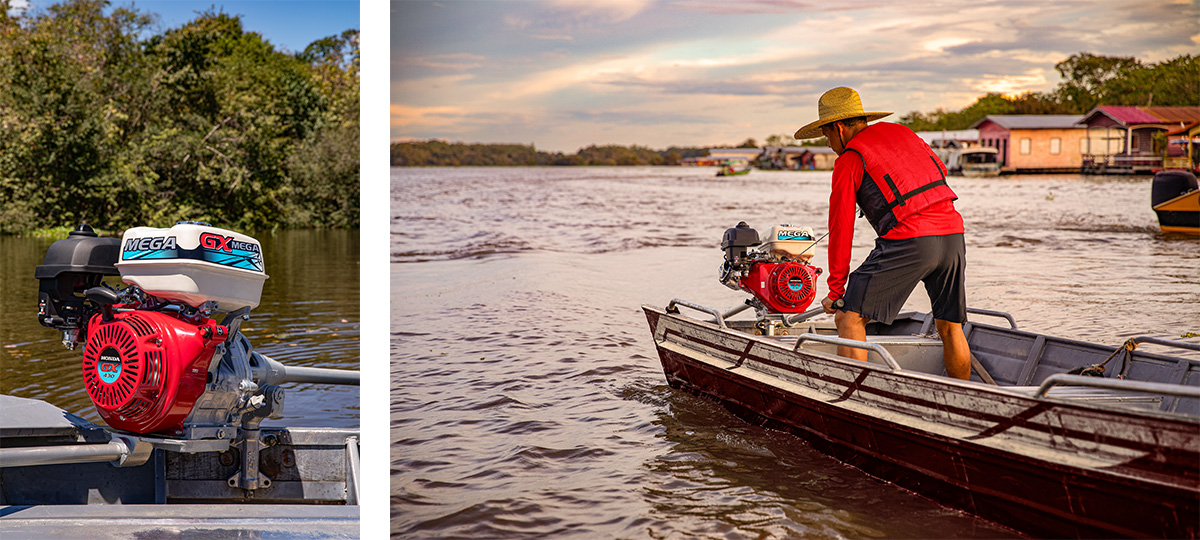
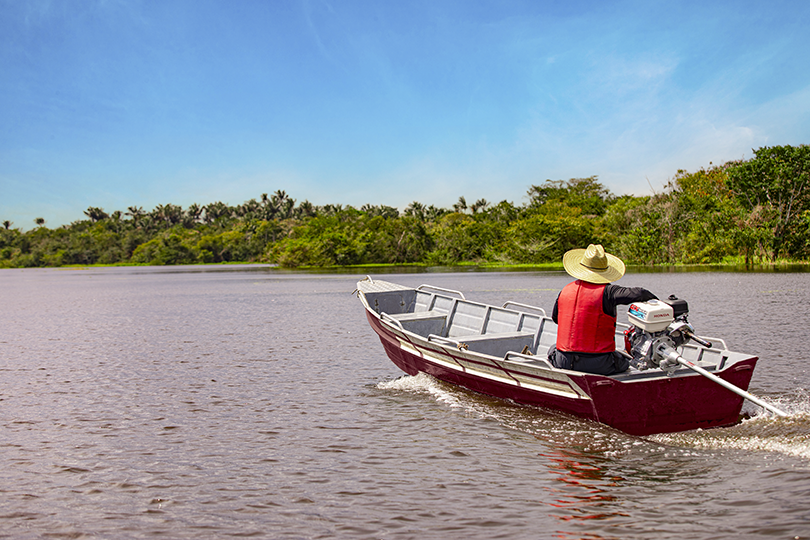
The rivers are how people commute to work, take their children to school, transport goods, and sustain economic activities essential to family livelihoods. In this context, engines used in small boats become fundamental to ensuring safe and efficient transportation.
We strive to stay close to our customers in order to understand their needs and the challenges they face in their daily lives. By working closely with riverine communities, we have learned that an engine is much more than just a piece of equipment. For many people, it is the means that enables access to work, education, healthcare, and new opportunities. This close connection allows us to develop increasingly relevant solutions and strengthen the relationship of trust that Honda has been building with its customers for decades.
 Anderson Meireles, Head Commercial Sales Power Products & Marine
The region's conditions make this challenge even more complex. Seasonal changes in river levels constantly alter navigation conditions. During periods of drought, when water depth decreases significantly, long-tail boat engines often become the only viable option for maintaining community mobility.
Honda engines have earned users' trust by delivering characteristics highly valued in this environment: durability, reliability, low noise levels, reduced fuel consumption, and lower pollutant emissions, thanks to the company's four-stroke engine technology, one of Honda's key differentiators.
Catalão: A Community Living on the Water
One example of this reality is the floating community of Catalão, located near the confluence of the Negro and Solimões rivers, close to the city of Manaus in the heart of the Brazilian Amazon.
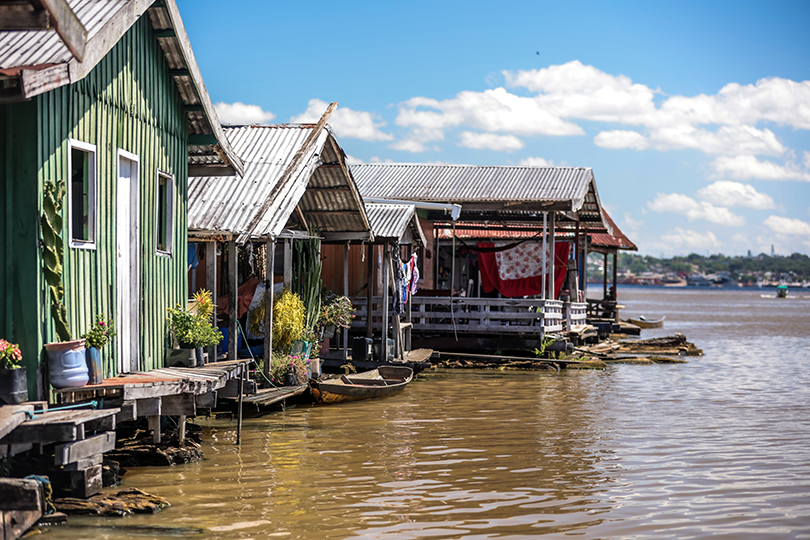
Since the 1960s, Catalão has evolved into an organized community that is now home to approximately 115 families. Every house there floats on the water. The structures naturally rise and fall with seasonal changes in river levels. Beyond being an important tourist attraction in the Amazon region, Catalão reflects how its residents have adapted their lives to the dynamics of nature.
Technology That Is Part of Riverside Life
A resident of the Catalão community for more than 30 years, Raimunda Ferreira Viana has deep knowledge of local reality. A rural producer and community leader, she works to understand residents' needs and seek improvements in quality of life for local families.
In her daily routine, Honda engines are present in various activities, from traveling to the city and taking her grandchildren to school to operating the flour mill that serves as an important source of income. The brand is also present through other equipment, including the Honda water pump she uses every day.
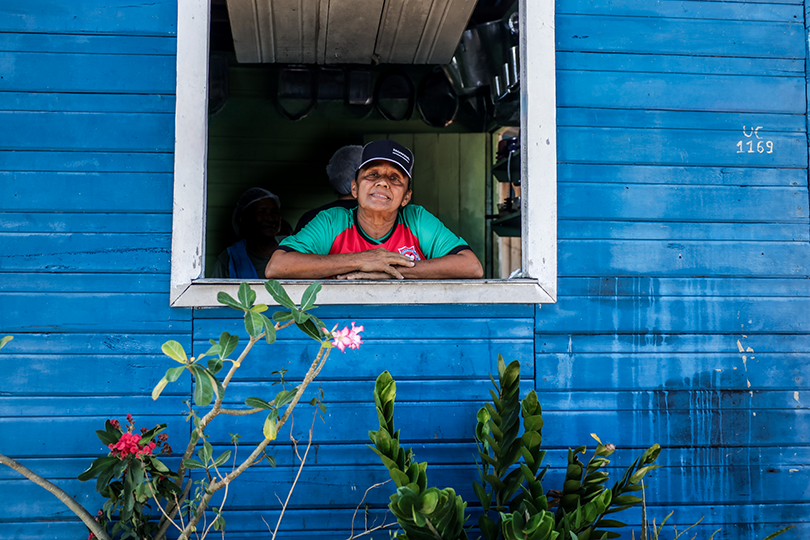
For Raimunda, the mobility provided by engines is essential to life along the river.
There is no life here without a long-tail engine. I need my transportation. I trust my engine.
Over the years, product reliability has become a decisive factor in her relationship with the brand. Accustomed to relying on the river for every aspect of daily life, she highlights the confidence she has in Honda equipment for transportation and work-related activities.
Fisherman José Marinho arrived in the community in 1994. For him, the technology provided by the engines also represents transformation. His day starts before dawn. Around four in the morning, he is already on his boat, heading to fishing areas that provide his family's livelihood.
The engine is an indispensable tool for both fishing and transportation. Equipment reliability allows him to travel long distances on regional waterways and deliver fresh fish to the city. Technology-driven mobility has also generated significant productivity gains: journeys that once required hours of rowing can now be completed in just minutes.
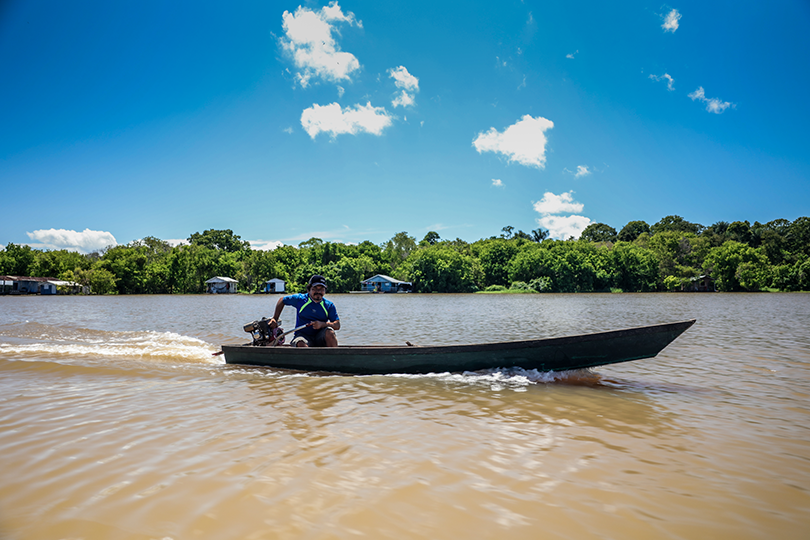
For us, an engine is like a car or motorcycle for someone who lives in the city. We need an engine to get around. My Honda engine has never let me down. We trust the engine.
For merchant and mechanic Lázaro Neto, engines are directly linked to mobility and income generation within the community. Used for transporting goods and daily travel along local rivers, they are essential tools that help ensure uninterrupted operations.
With experience in engine maintenance, Lázaro also appreciates the products from a technical perspective. According to him, durable components and robust construction contribute to user confidence, especially in a region where mechanical failures can mean being stranded for hours far from any support point.
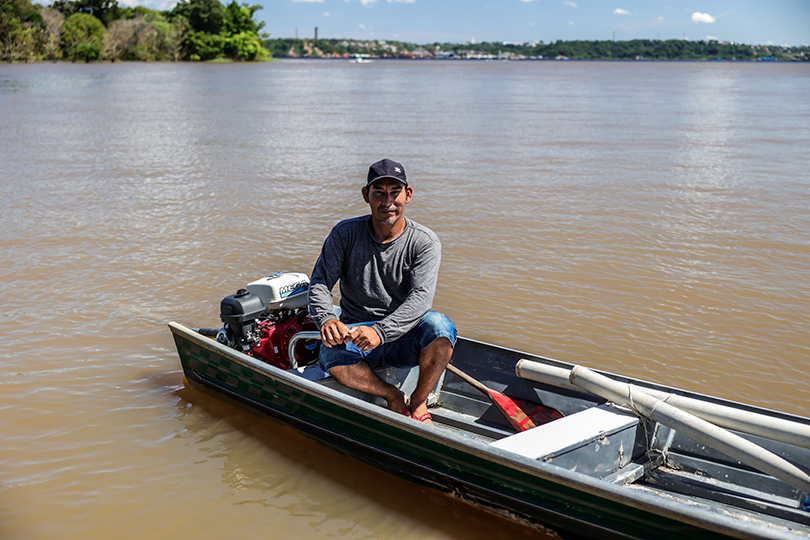
Honda is the best of them all. Its parts are stronger, more durable, and safer. The engine is everything. It's what takes me everywhere. What helps me support my family is my engine.
Expanding Possibilities for Future Generations
As it celebrates 25 years of local production and approaches the milestone of 500,000 units manufactured in Brazil, Honda commemorates a journey built on technological innovation, customer trust, and a continuous commitment to creating value for society.
Produced in Manaus, in the heart of the Amazon, Honda Power Products help farmers, fishermen, merchants, entrepreneurs, and entire communities overcome mobility challenges, improve productivity, and expand opportunities every day.
The future of Honda's operation in South America will continue to be guided by the same principle that inspired the creation of the first Honda engine in 1953: using technology to help people. A commitment that continues to drive development, promote mobility, and create new possibilities for future generations.






Every product that leaves our factory carries a purpose that goes beyond engineering and technology. It is a source of pride to know that the engines produced in Manaus connect communities and support the work of fishers, farmers, and entrepreneurs, helping to generate income. The milestones of 25 years of local Power Products production and 500,000 units manufactured in Brazil represent not only an industrial achievement, but also the continuation of Honda’s commitment to the development of people and the regions where it operates.