The Spark Came from Sony’s President
Honda’s Portable Generator Project Begin
Honda Power Products’ desire to make everyday life easier took a new direction in the 1960s—toward developing products that would make it possible to use electrical appliances even where power outlets were not readily available.
Honda’s Power Products business began in 1959 with the launch of its first tillers. As the 1960s approached, Honda turned its attention to the development of portable generators.
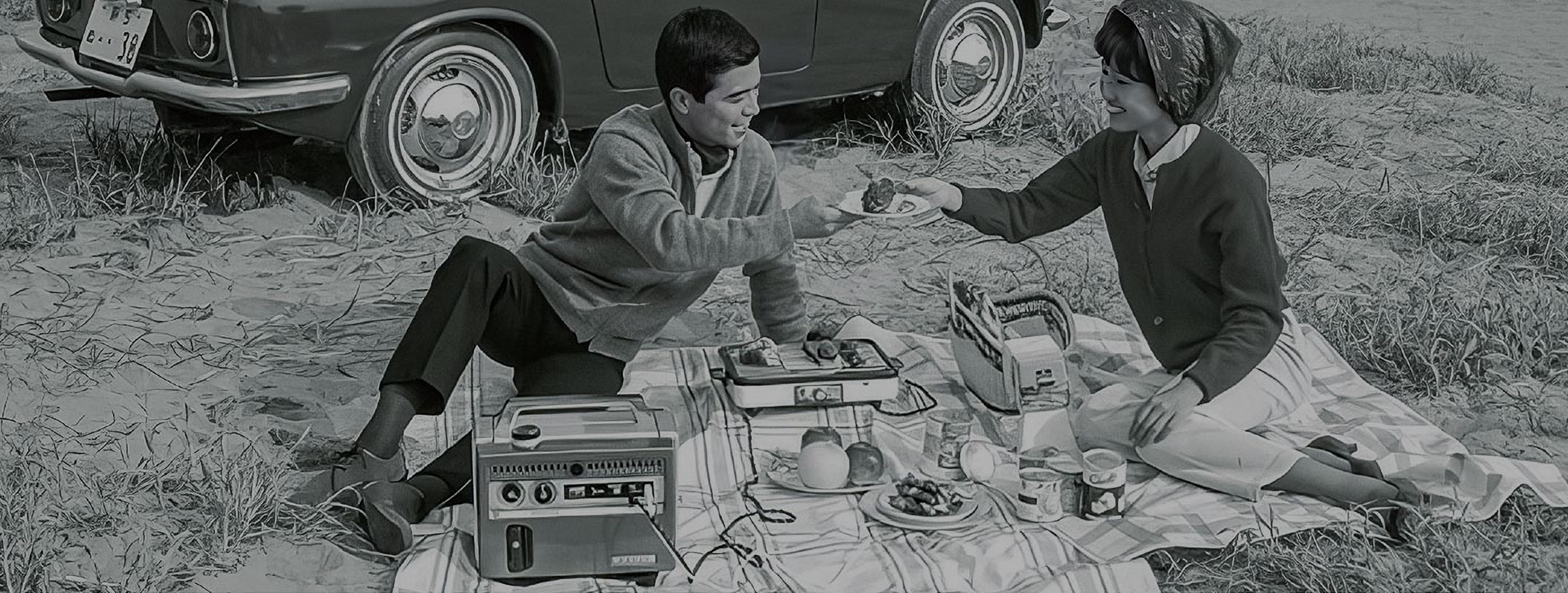
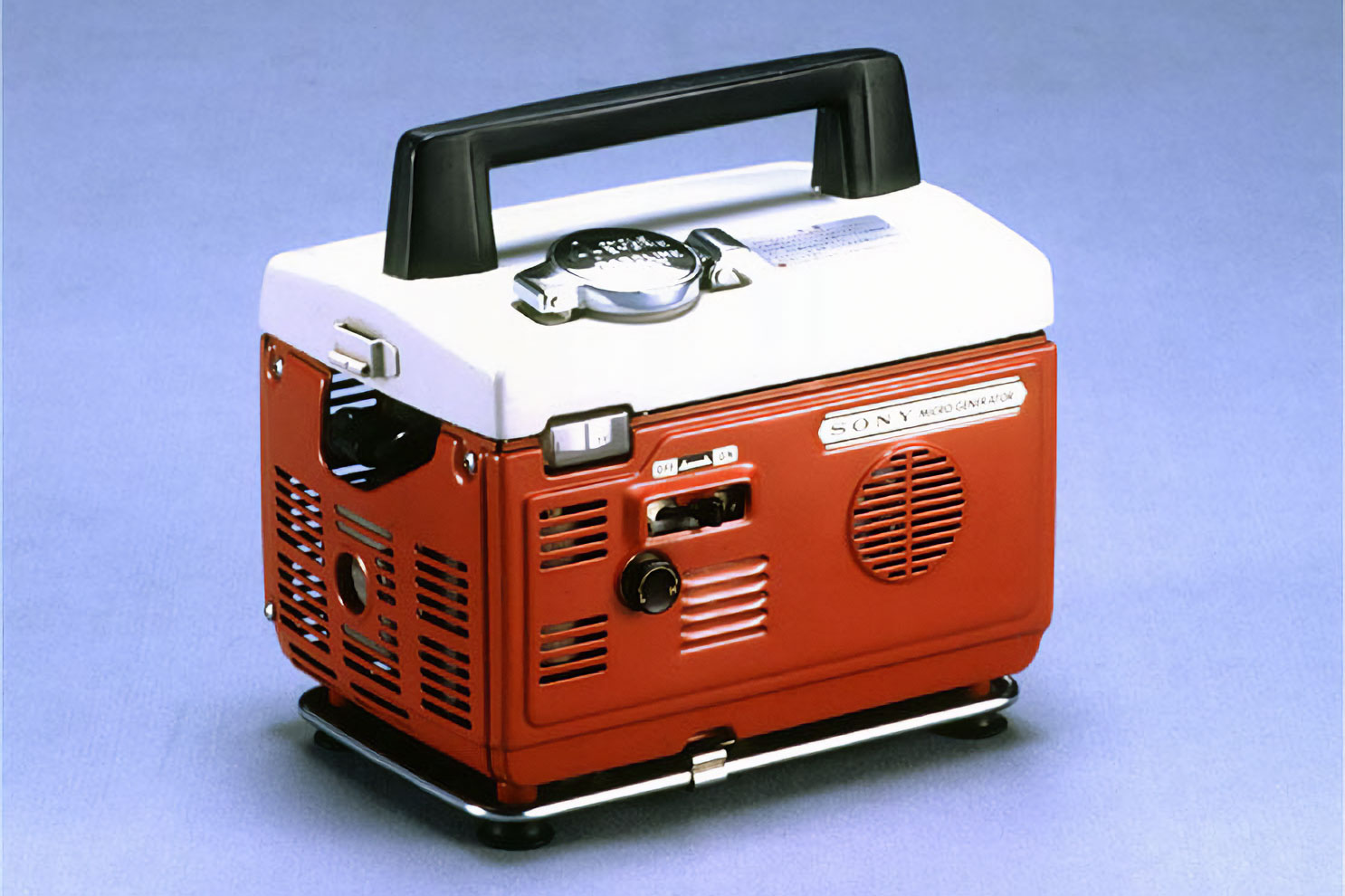
The catalyst was Masaru Ibuka, one of the founders of Sony Corporation and its president at the time. In 1959, Sony had introduced a groundbreaking product: the world’s first truly portable television, known as the Micro TV.
Despite being portable, the television had one major limitation—it could not be used outdoors or in locations without access to an electrical outlet.
This challenge prompted Ibuka, who had a close personal relationship with Soichiro Honda, to turn to Honda, already renowned for its compact general-purpose engines, with a request to develop a compact generator.
“It was the world’s first 5-inch television, but at the time, batteries simply weren’t good enough, so it couldn’t be used where there were no outlets. Even though we called it ‘portable,’ you couldn’t really take it anywhere.
“Around then, Mr. Honda was already working on compact generators driven by small engines. If a small generator could be carried together with the television, the power issue would be solved. That’s why I asked him to supply small generators.”
— From “My Friend, Soichiro Honda” by Masaru Ibuka
The 1960s marked the beginning of Japan’s period of rapid economic growth. Household electrical appliances became increasingly common, with refrigerators, washing machines, and vacuum cleaners known as the “Three Sacred Treasures.” Later, color televisions, air conditioners, and automobiles came to be called the “New Three Sacred Treasures,” or “3C.”
Anticipating both the spread of electrical appliances and the arrival of a leisure-oriented society, Honda had already begun developing compact generators independently. Ibuka’s request accelerated these efforts, and Honda officially began development of a small generator for Sony,
Sony, however, adopted a power system for the Micro TV that combined AC power, dry-cell batteries, and rechargeable batteries. As a result, the plan to supply generators to Sony was discontinued.
The generator Honda had developed in anticipation of this collaboration was the E40—a remarkably compact portable generator with an output of 40 watts. Its 14.8 cc engine required the development of an ultra-compact carburetor and ignition system, created specifically for this application. Despite its small size, the E40 featured a sound-insulated package and incorporated numerous technical challenges. Completed as Honda’s first portable generator, the E40 was sold in North America. However, the market at the time was not yet ready, and the model did not achieve widespread adoption.
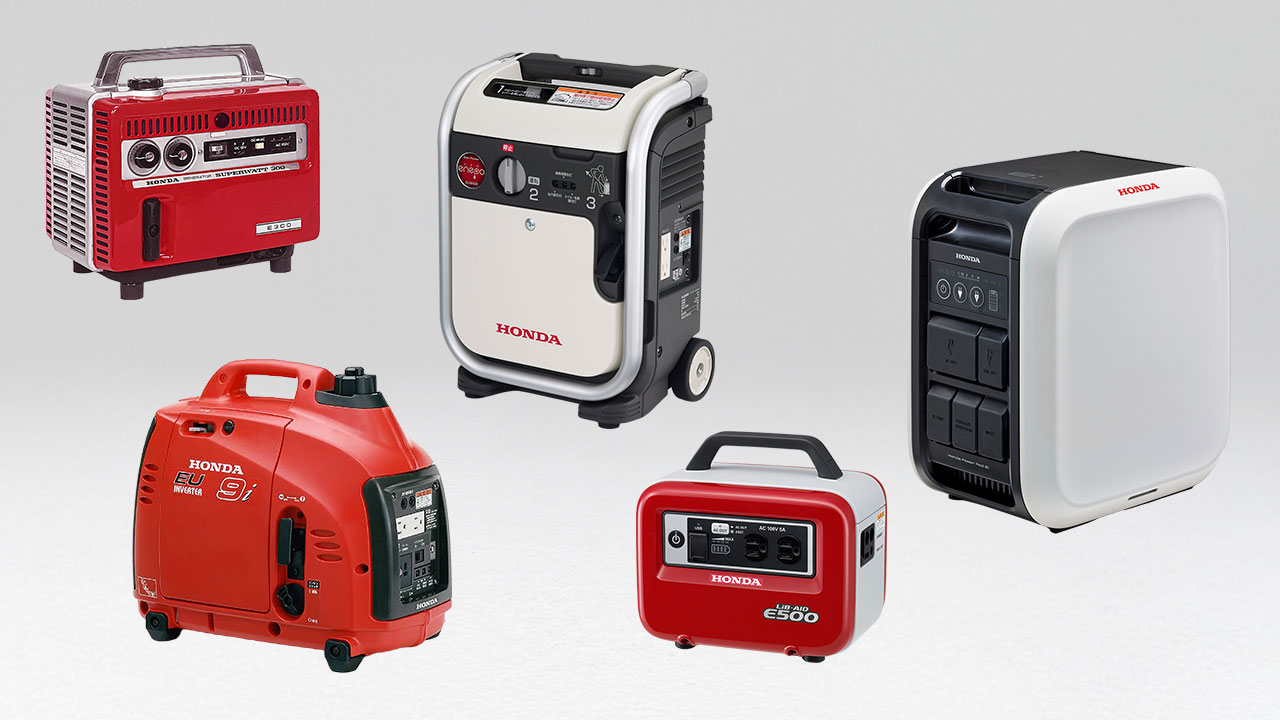
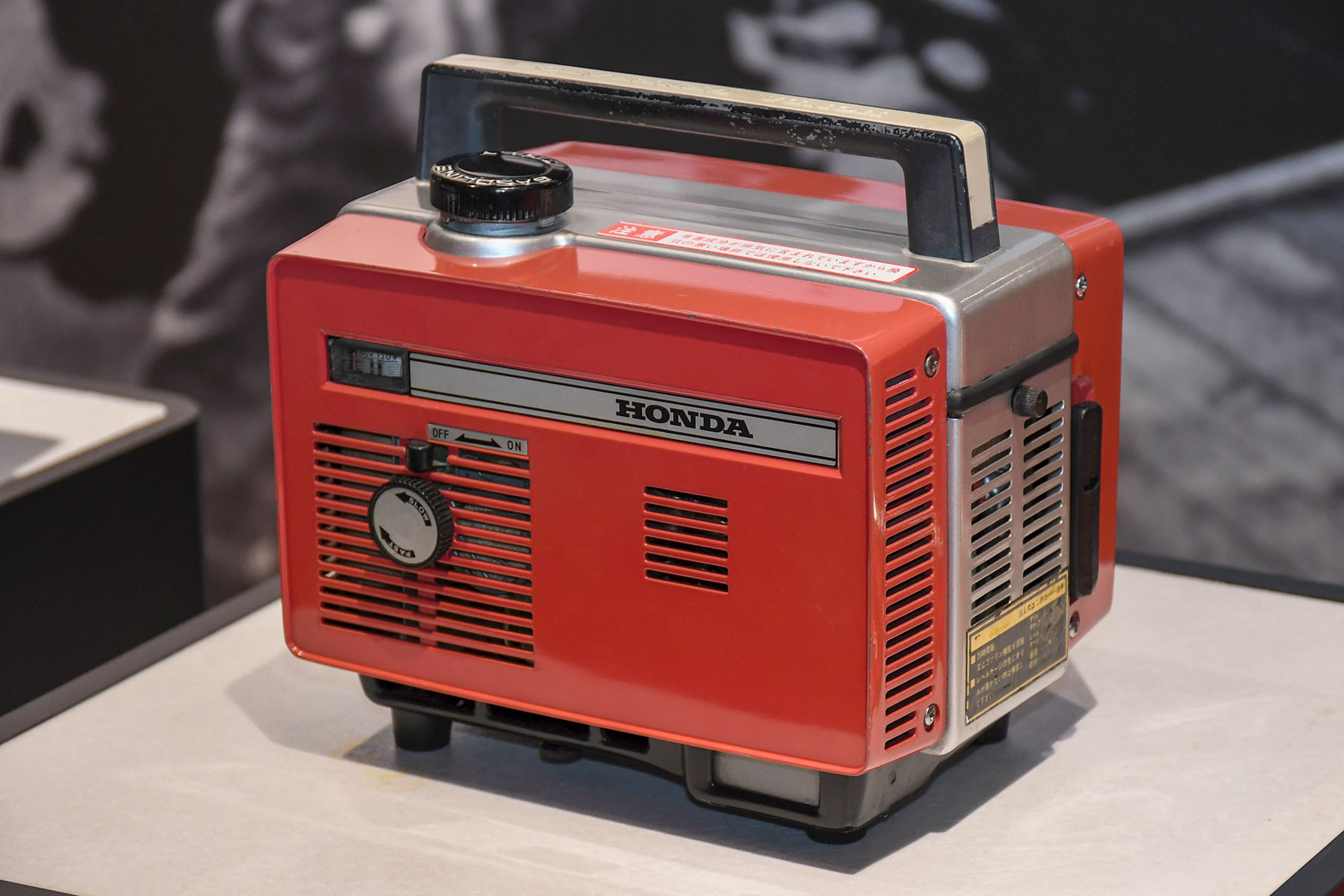
In 1965, Honda completed development of its first portable generator intended for full-scale commercial sales: the E300. With an output of 300 watts, the E300 was conceived as a lightweight, compact, and exceptionally quiet generator that anyone could use with ease. To achieve this compact packaging, Honda adopted a side-valve engine with a displacement of 50 cc. As portability was a key consideration, the generator featured a fully enclosed, cubic design inspired by an attaché case.
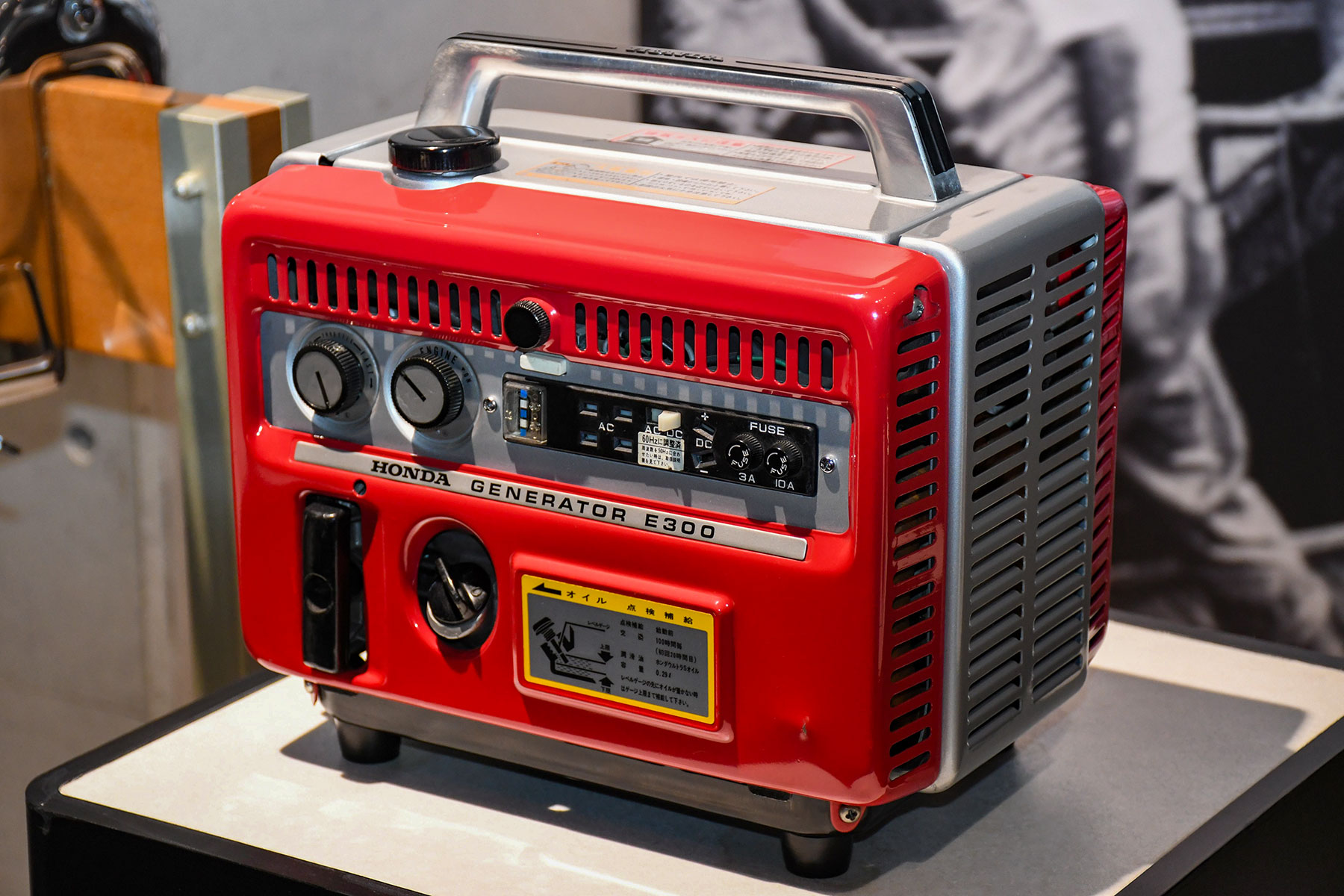
To convey its friendliness and ease of use, switches were rounded. These controls were inspired by radio volume knobs, intentionally avoiding a mechanical appearance while providing users with a sense of familiarity and reassurance.
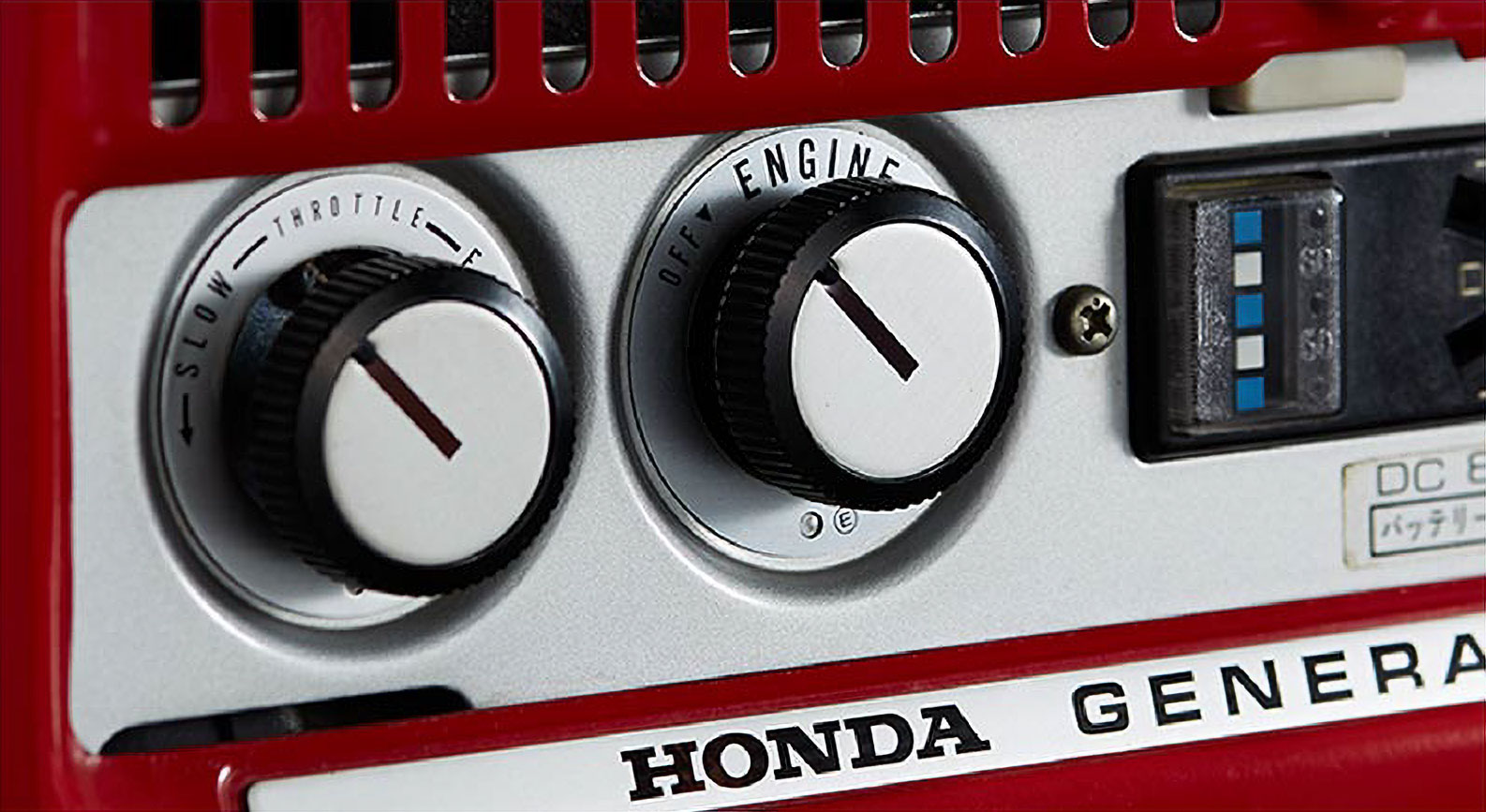
Soichiro Honda frequently visited the E300 development site and offered detailed feedback to the engineering team:
“Pay attention even to the underside—design it properly.”
“Create a feeling of reassurance that anyone can trust, something that doesn’t feel mechanical.”
“Keep the noise low and minimize vibration.”
These demands reflected Soichiro’s unwavering commitment to creating products that had never existed before—and to delivering them with care and purpose.*1
During development, the engine displacement was increased to 55 cc. The E300 supported both DC and AC output up to 300 watts, weighed 17 kg, and was launched as a truly portable generator. It could power outdoor lighting, electric kettles, televisions, and radios, and sales exceeded expectations. The E300 proved especially popular at festivals and street stalls, where it was widely used as a power source for lighting, and demand quickly spread nationwide.
Beyond Japan, the E300 was exported to Europe, Southeast Asia, and Africa, surpassing cumulative sales of 500,000 units by 1980. Its core philosophy—lightweight, compact, and easy to operate—common with Honda’s general-purpose engines and tillers, continues today in the Honda EU series of generators.
In 1966, Honda introduced the E80, which weighed less than half of the E300, at just 8 kg.
With a 21 cc engine and 80-watt AC output, the E80 was embraced as a portable power source for leisure activities.
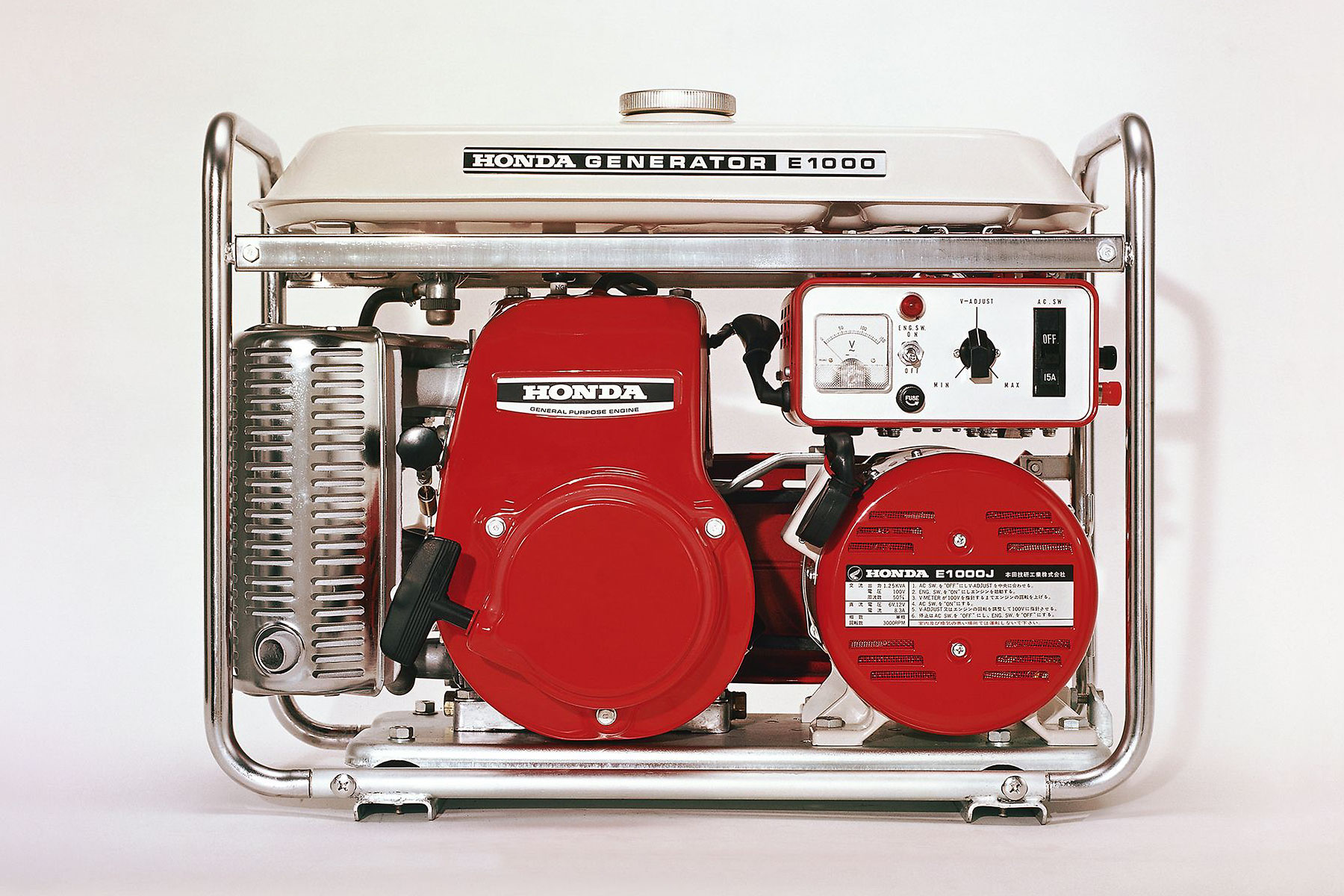
Honda also expanded its lineup with the E1000 in 1965 and the E3000 in 1966. These models were not portable units—the E1000 delivered 1 kW, while the E3000 produced 3 kW—serving as power sources for construction equipment, hospitals, and emergency backup systems for home use.
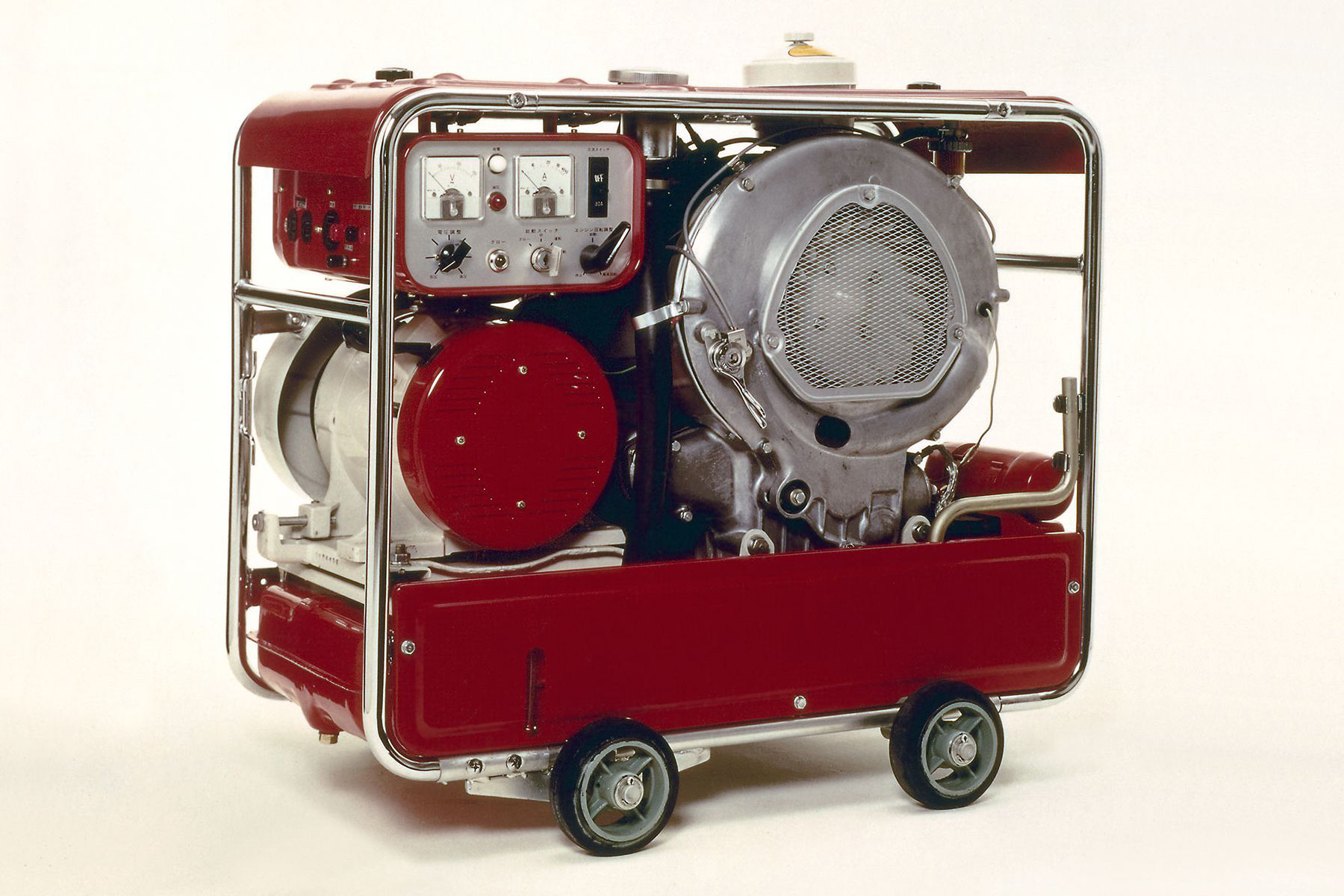
By enabling the use of electrical appliances even where a power source was not available, Honda generators embodied the company’s enduring belief in using technology to make people’s lives easier.
*1 Source: “Stories to Be Passed On: 50 Years of Challenges,” 50 Years of Honda History
A Revolution in Power Generation
Honda’s Inverter Generators
In 1965, Honda Power Products entered the portable generator market, focusing on mobility and ease of use.
At the time, however, the market was dominated by low-cost generators powered by two-stroke engines, and the advantages of Honda generators powered by four-stroke engines were slow to gain widespread recognition.
That changed in 1998 with the launch of the GENE21 series, which opened a new chapter for the future of Honda portable generators.
As Honda began selling portable generators, awareness of generators as products grew steadily. By the 1970s, generators were being widely adopted not only for professional and disaster-response use, but also for leisure applications.
However, in the compact portable generator segment below 1 kVA, Honda faced challenges compared with competitors in terms of price and weight. The reason lay in the engine.
Honda continued to use four-stroke engines, known for excellent fuel efficiency, low noise, and clean emissions. In contrast, many competitors adopted simpler, lower-cost two-stroke engines with fewer components. As a result, Honda generators struggled in terms of weight and pricing. Even so, Honda remained committed to generators powered by four-stroke engines.
In the market for generators with outputs of 1 kVA and above, Honda products earned strong recognition.
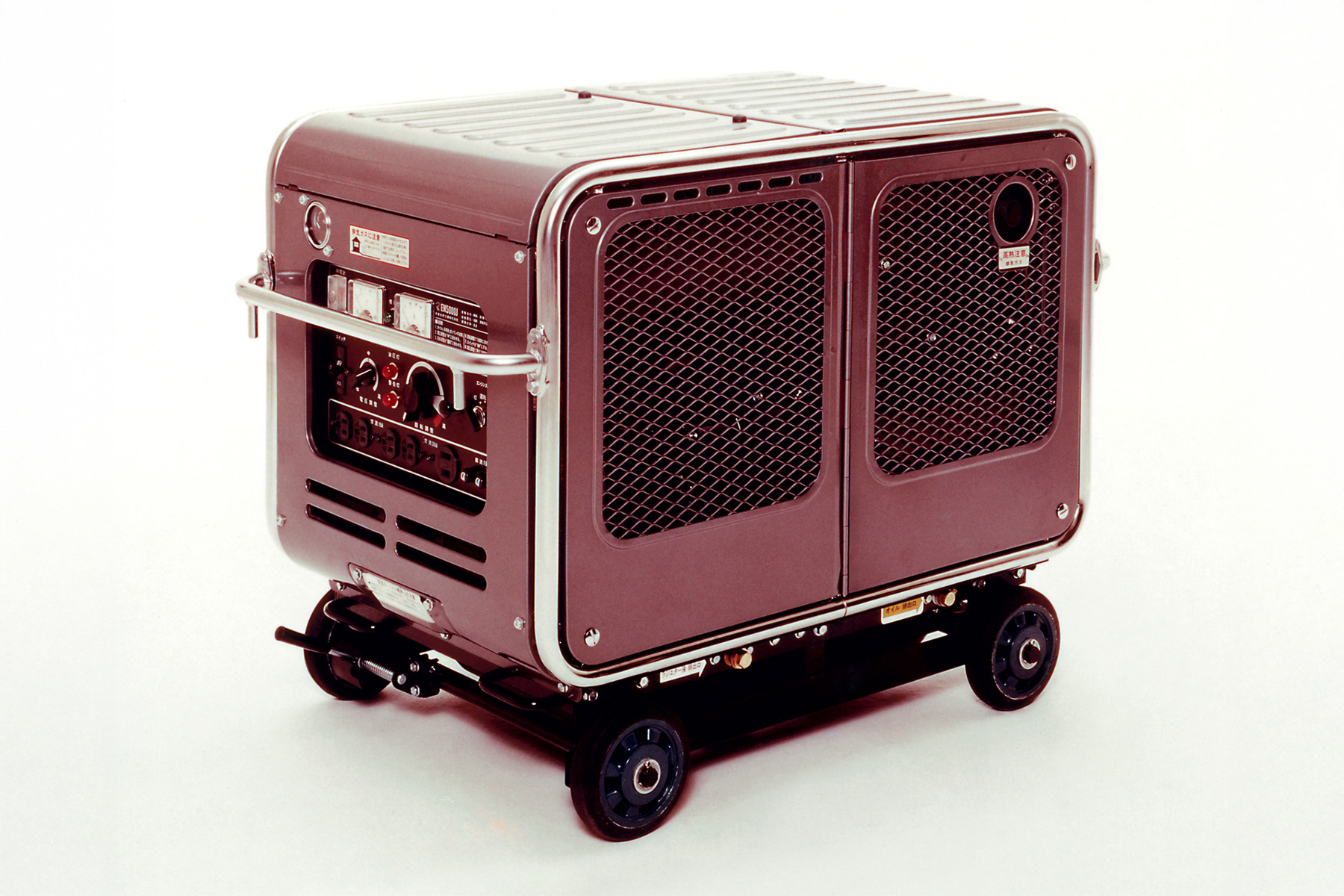
In 1973, Honda launched the EM5000 (5 kVA) and the ET5000 (three-phase 5 kVA) as “sound-insulated portable generators,” powered by a water-cooled four-stroke engine derived from the Honda Life light automobile.
To ensure the generators could be used for nighttime construction work, the development leader conducted late-night test runs in front of his own home during the final stages of development. The noise level was so low that it went unnoticed by neighbors. This quiet performance led to widespread use not only at construction sites, but also at film and television production locations.
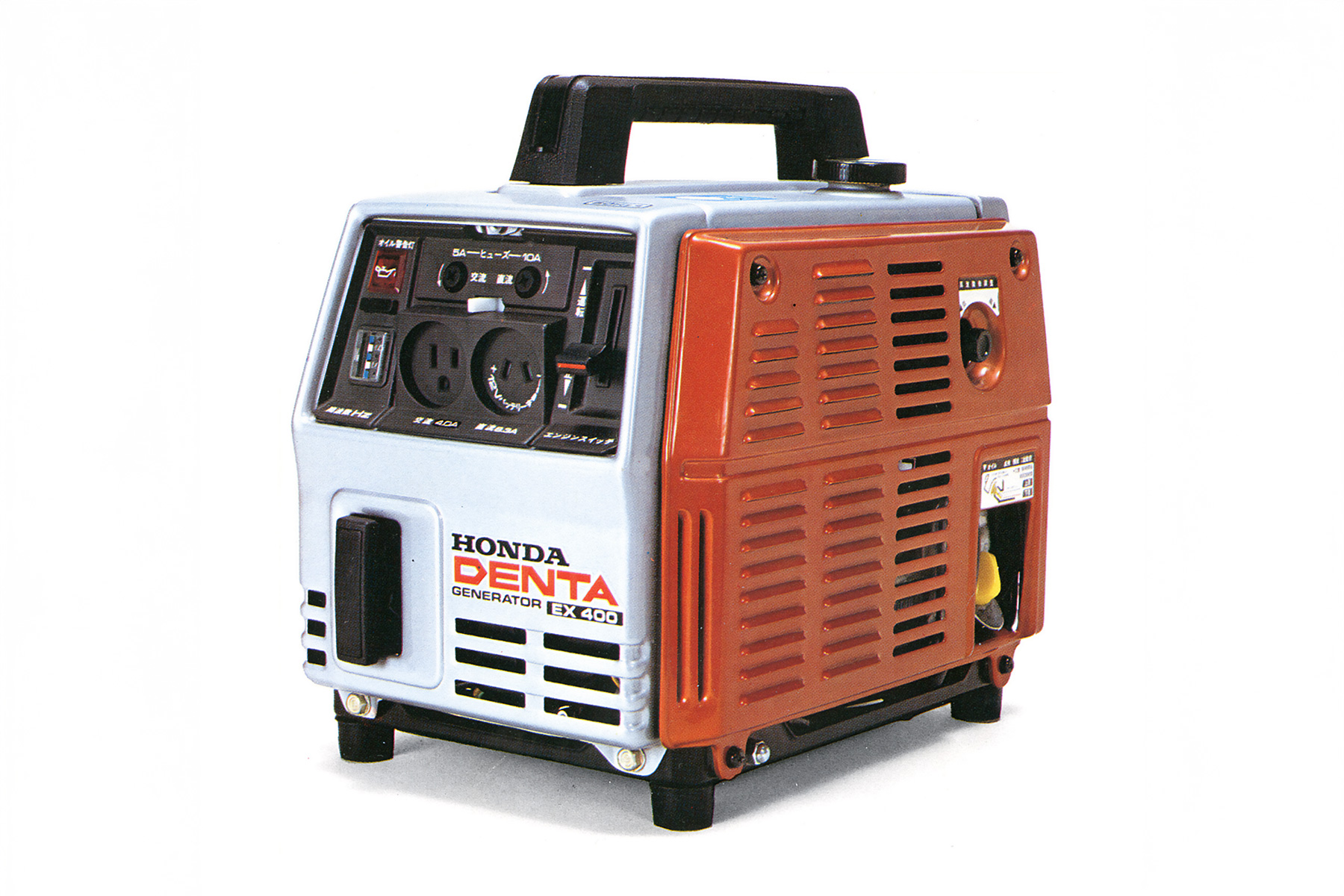
In 1979, Honda introduced a new lineup of compact portable generators—the EX400, EM400, and ED300—nicknamed “Denta.”
Developed with a strong focus on the original E300 concept of “compact and lightweight,” “high quietness,” and “ease of use,” the EX400 became a major success, selling more than 100,000 units annually worldwide.
In 1987, Honda further pursued compactness and lightweight design with the EX300, developed under the concept of a “pochette generator” that anyone could easily carry. At a time when most generators in its output class weighed around 20 kg, the EX300 achieved a remarkable weight of just 8.5 kg.
The EX300 marked the first time Honda adopted a two-stroke engine in a compact portable generator. Despite this, Honda focused on quiet operation, achieving a low noise level of 50 dB (at 150 VA, A-weighted, measured at 7 m)—comparable to everyday household background noise.
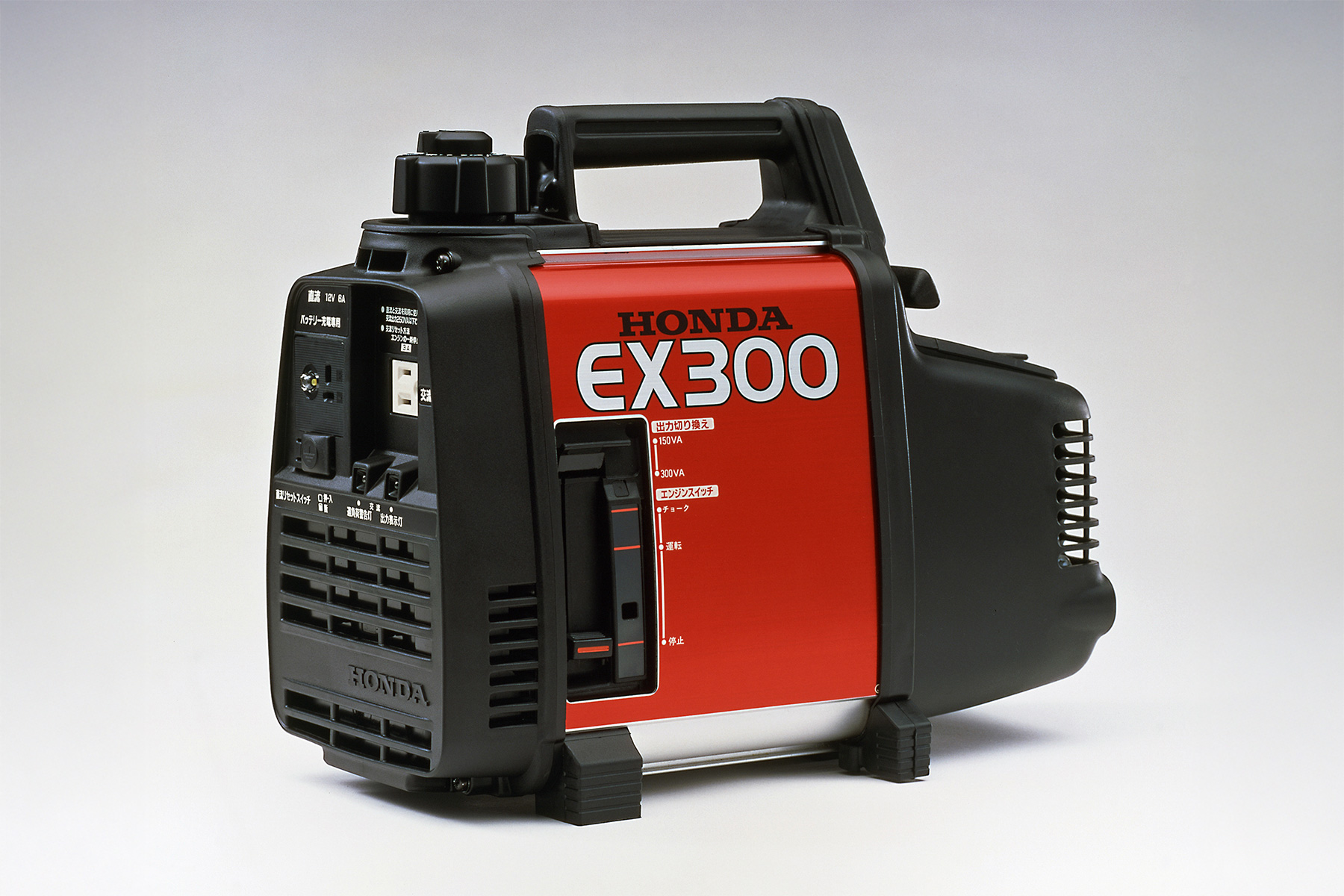
The EX300 also introduced a key technology for Honda: the inverter. By using an inverter circuit, the generator was able to produce electricity with a stable frequency, improving efficiency and usability. However, limitations remained, as certain devices were incompatible due to waveform characteristics.
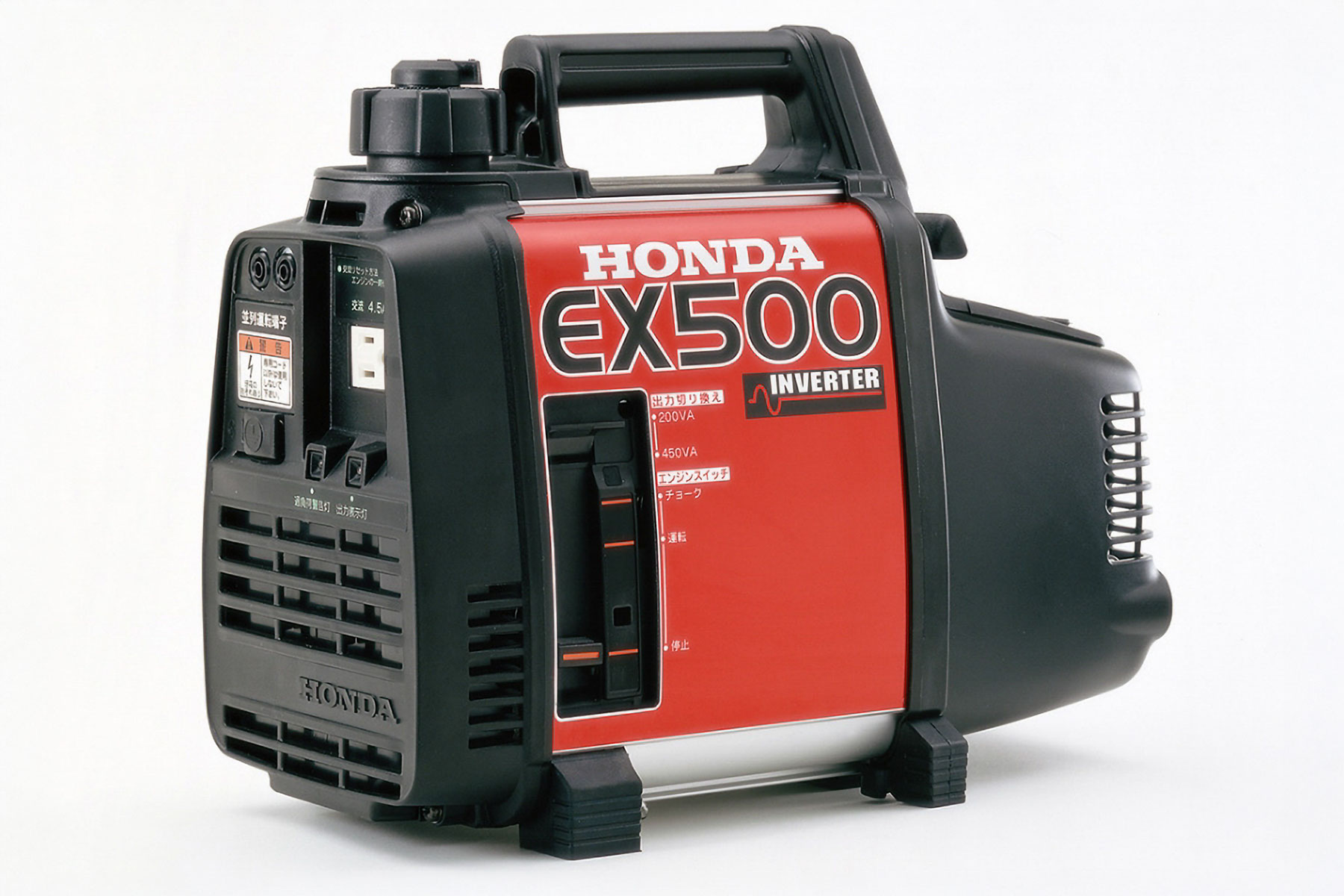
This challenge was addressed in 1996 with the launch of the EX500. By incorporating a custom IC (integrated circuit), Honda developed a sine-wave inverter generation system that resolved these issues.
Honda’s early adoption of inverter technology for portable generators proved to be a groundbreaking innovation—one that would later become an essential feature across the generator market.
In the mid-1990s, the rapid spread of precision electronic devices such as personal computers created demand for higher-quality electrical output from portable generators.
Against this backdrop, Honda began developing its next-generation portable generator, GENE21. The development goal was clear: to generate electricity as clean as household wall outlets.
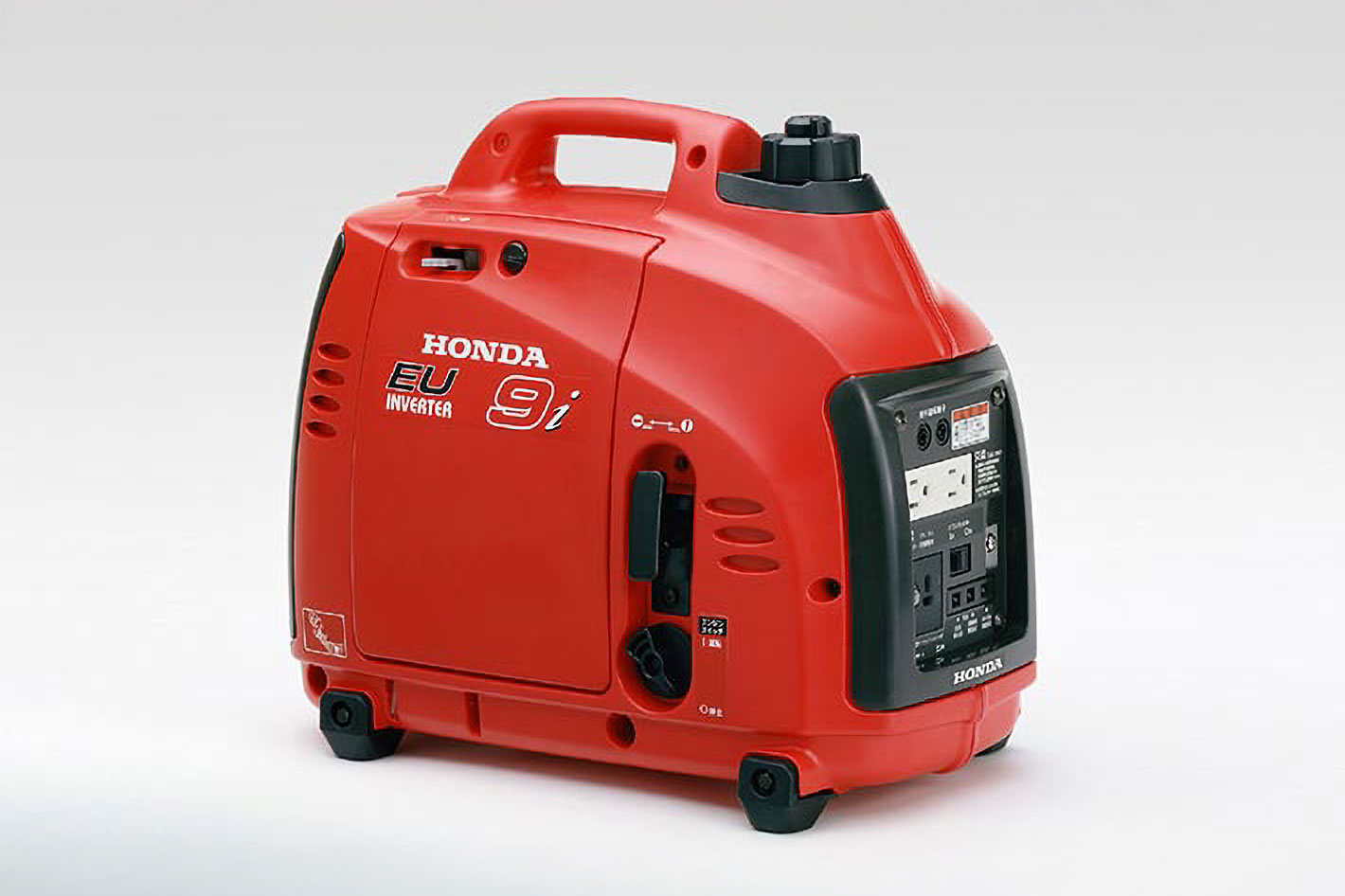
Based on this concept, the GENE21 series was launched in 1998 with the EU9i, EU24i, and EU28is. Equipped with microcomputer-controlled sine-wave inverters, these models delivered high-quality electricity suitable even for precision electronic equipment, presenting a new value proposition in the portable generator market.
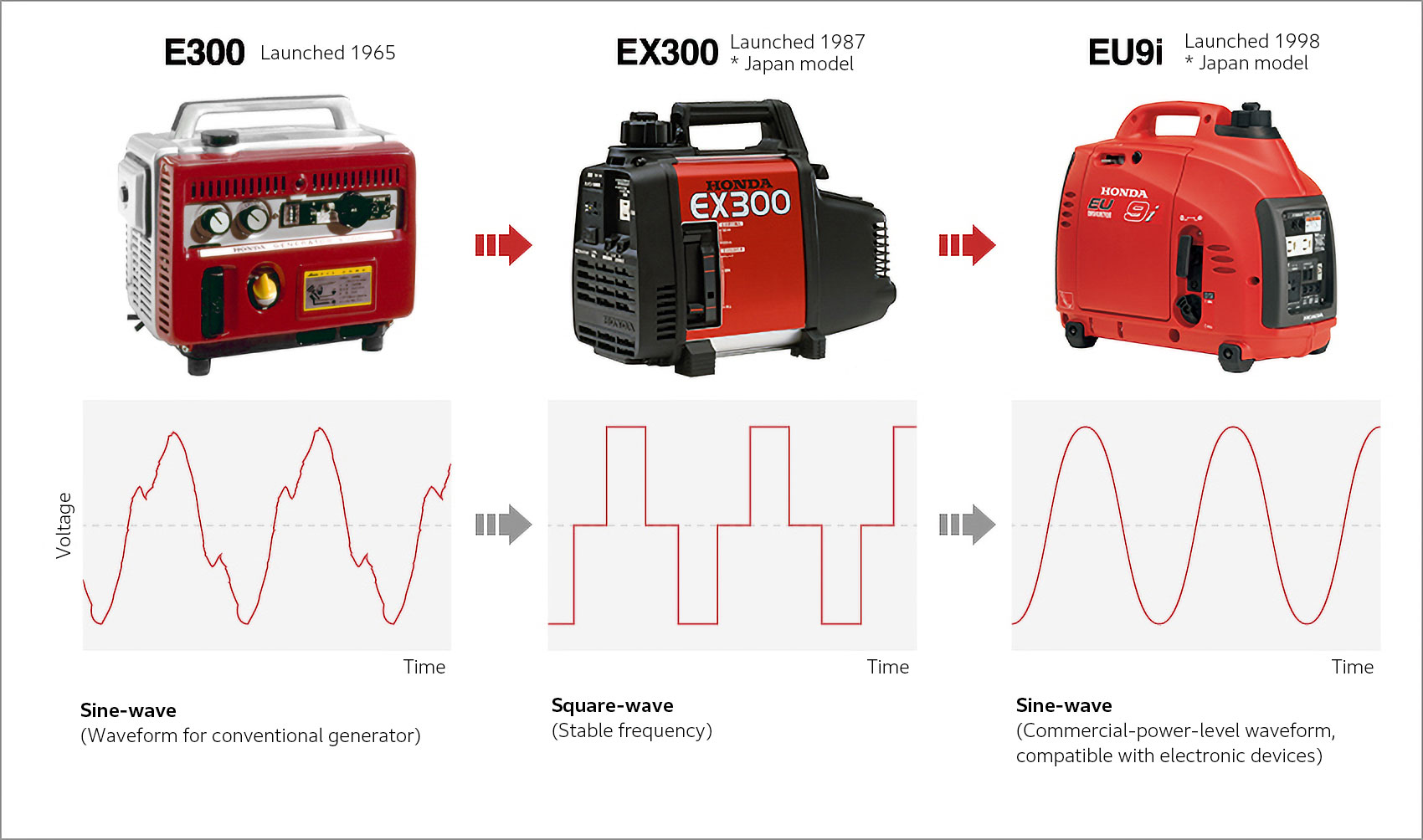
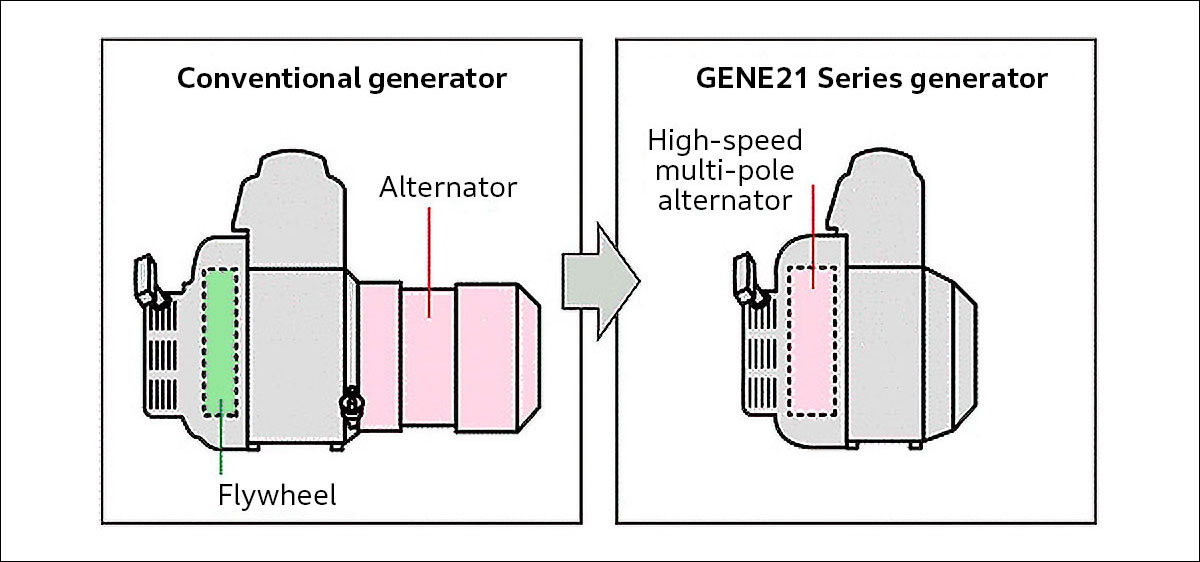
Beyond improving power quality, the GENE21 series also redefined generator structure itself.
As shown in the illustration, Honda eliminated the conventional externally mounted general-purpose alternator and introduced a newly developed high-speed, multi-pole alternator. This resulted in significant reductions in size and weight.
As a result, while the 3 kVA EM3000 released in 1985 weighed 84 kg, the 2.8 kVA EU28is weighs 59 kg. Likewise, whereas the 900 VA EG900 released in 1994 weighed 30.5 kg, the EU9i weighs just 13 kg—achieving a significant reduction in weight at comparable output levels.
The EU series, with its fully enclosed resin body, also earned high praise for its exceptionally quiet operation.
In addition to durability, low noise, fuel efficiency, and compactness—qualities already valued in the 1 kVA-plus generator market—Honda’s ability to deliver clean, high-quality electricity with ease further elevated the reputation of its portable generators.
As a result, Honda portable generators came to be widely recognized for their excellence. The red-bodied Honda generator established itself as a high-quality global brand, achieving broad adoption across markets worldwide.
Expanding the Possibilities of Generators and Carbon Neutrality
By adopting inverter technology, Honda generators came to lead the industry. Their superior performance quickly gained widespread recognition, and market share continued to grow. Today, Honda Power Products continues to take on new challenges, expanding the possibilities of generators.
When the EX300 was launched in 1987, Honda Power Products became the first in the industry to incorporate an inverter into a generator, bringing significant change to the market. Honda’s inverter generator series reached cumulative global production of 1 million units, and surpassed 1.7 million units within approximately 11 years.
The introduction of Honda inverter generators transformed the perception of generators. Previously used primarily for outdoor construction and lighting, generators came to be recognized as essential household power sources during disasters and outages, as well as part of everyday life for leisure and hobbies.
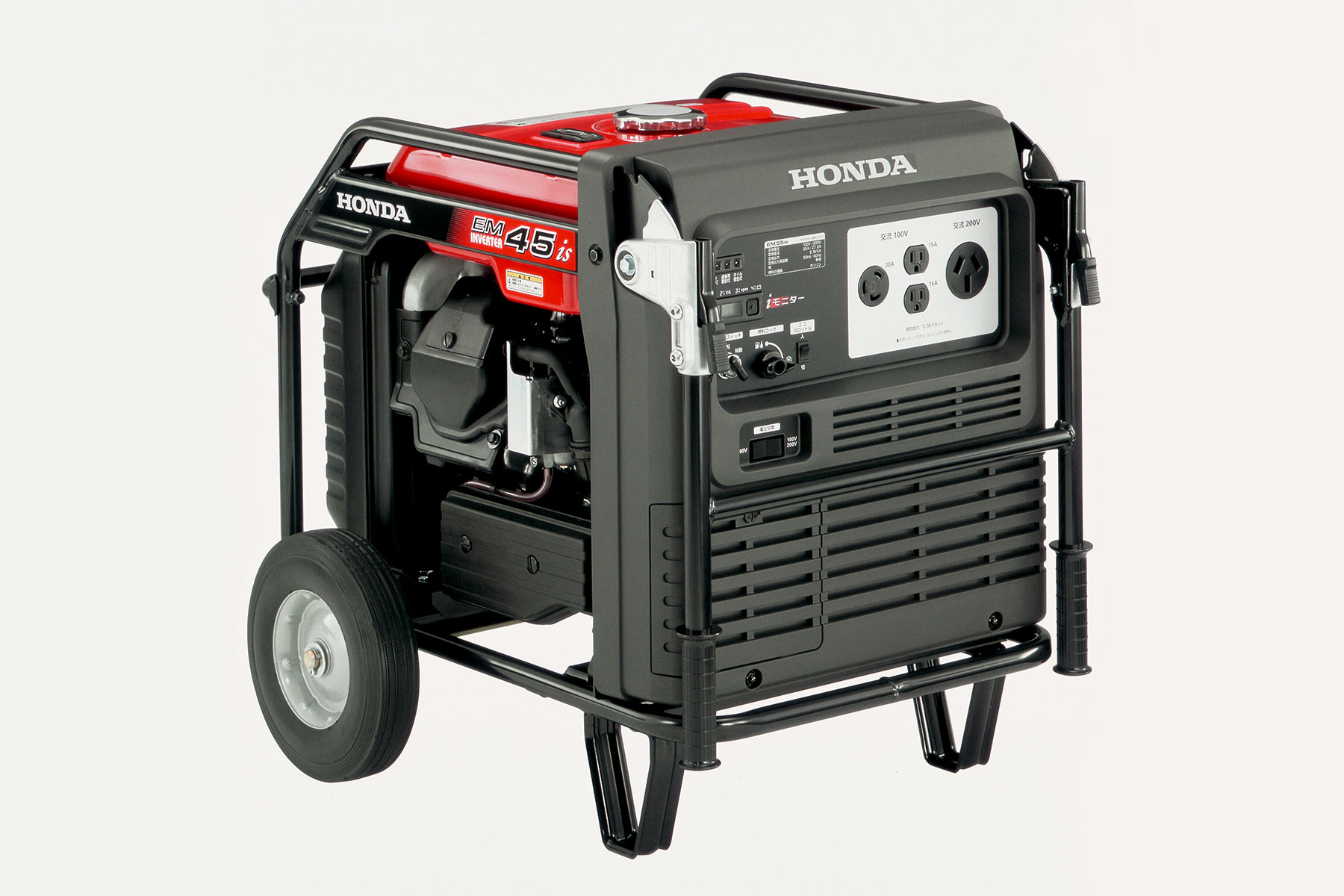
In the United States and Canada, large-scale power outages caused by ice storms and hurricanes are not uncommon during winter. As a result, more households and small offices began adopting generators as backup power sources. To meet diverse needs, Honda Power Products successively introduced high-output models, generators capable of long operating hours, fuel-efficient models, and ultra-quiet generators. In 2004, Honda began sales of the EM45/55is—the world’s first* generator capable of simultaneous 100V/200V output.
*Based on Honda research
In 2010, Honda further expanded generator accessibility by changing the fuel source from gasoline to household cassette gas canisters (LPG butane) with the launch of the Enepo EU9iGB. Instead of visiting a gas station with a dedicated container, fuel could now be easily purchased at convenience stores.
Storage also became more convenient. While gasoline storage is often restricted in apartment buildings—particularly on balconies—butane canisters can be stored indoors. Gasoline is recommended by the Petroleum Association of Japan to be used within six to nine months, whereas butane canisters are generally suitable for use within seven years, offering strong resistance to degradation and advantages for long-term storage.
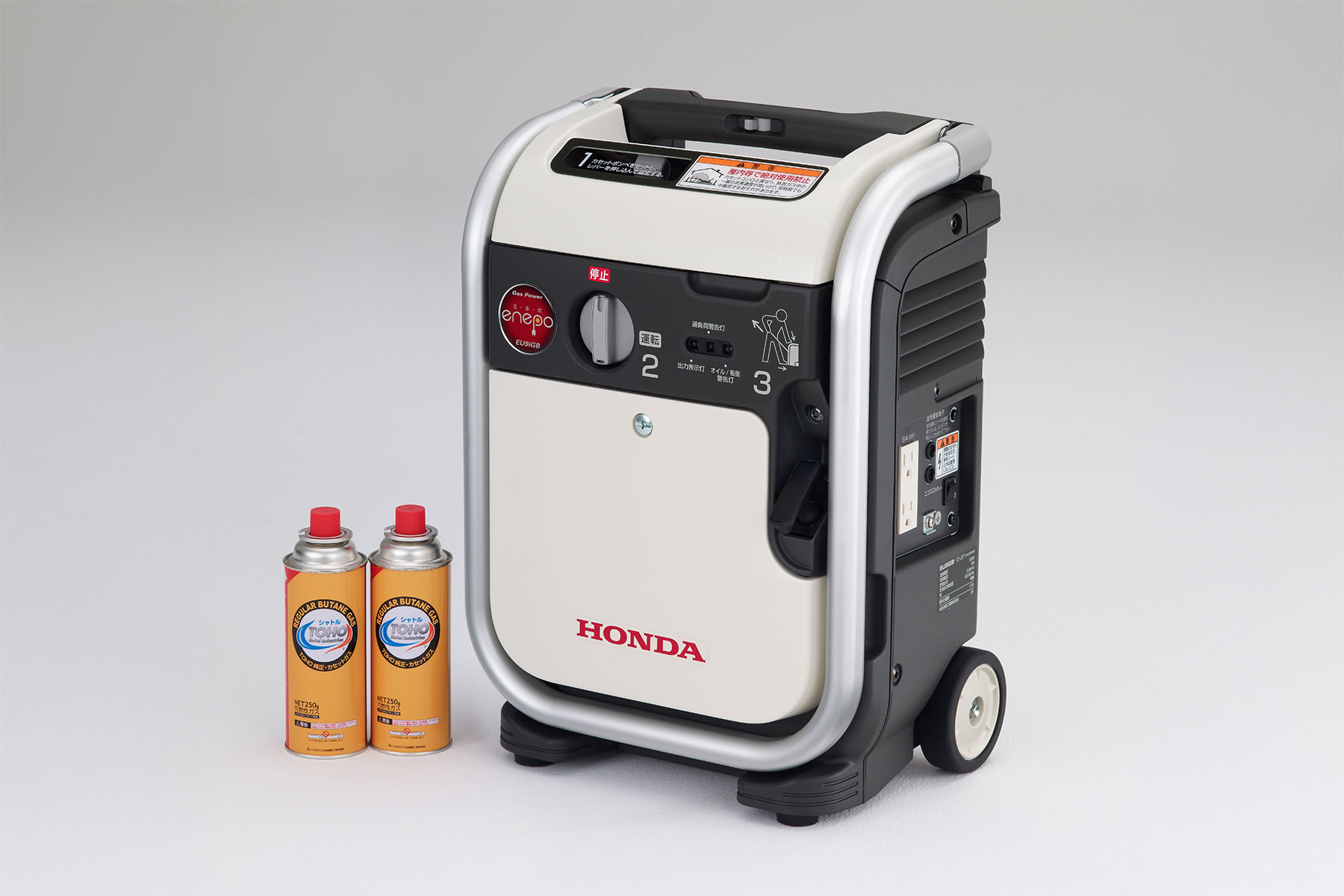
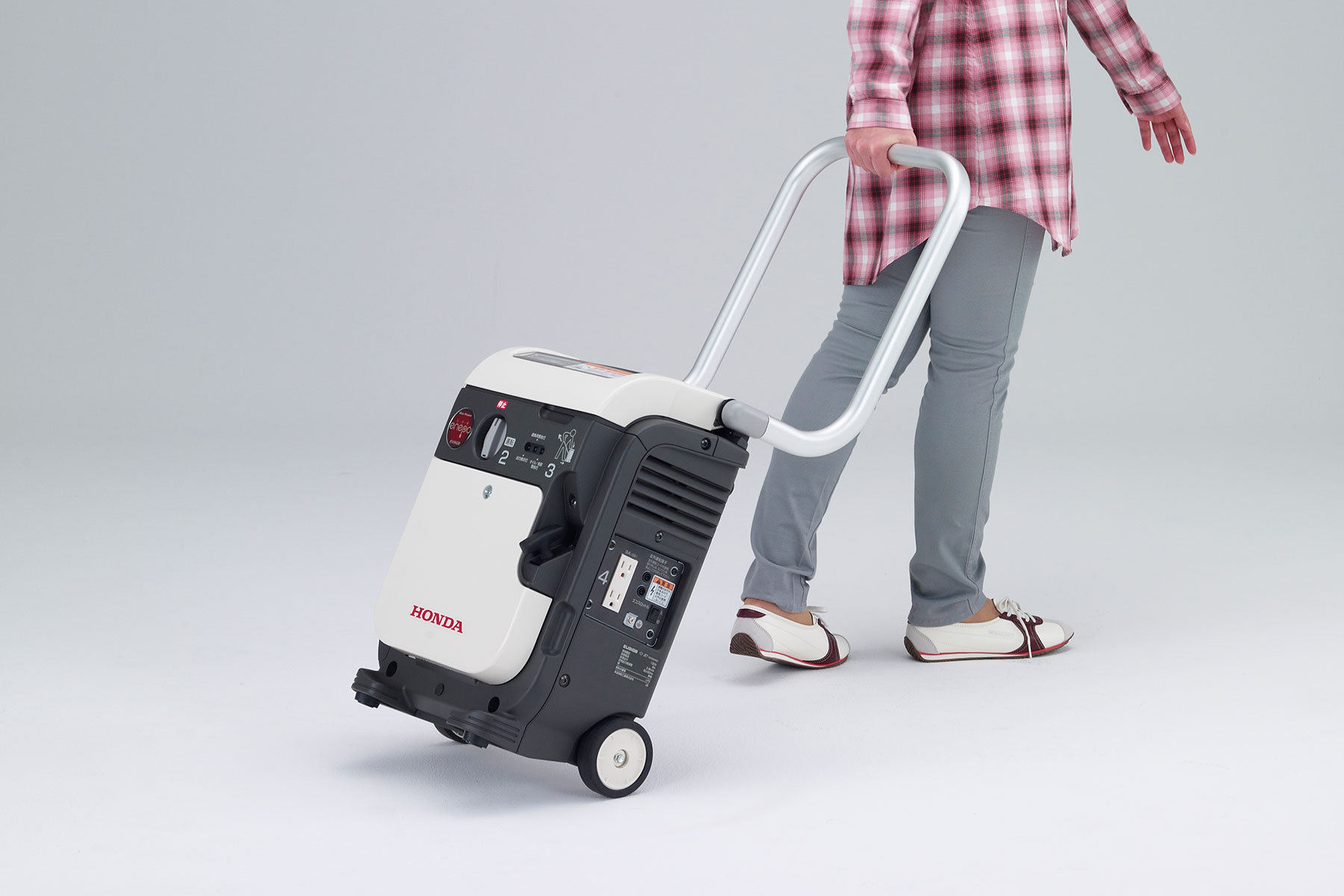
Weighing only 19.5 kg, the Enepo EU9iGB features folding handles and wheels, resembling a carry-on suitcase. Fuel canister attachment and replacement are simple, helping expand generator awareness among general households for leisure use and emergency backup power.
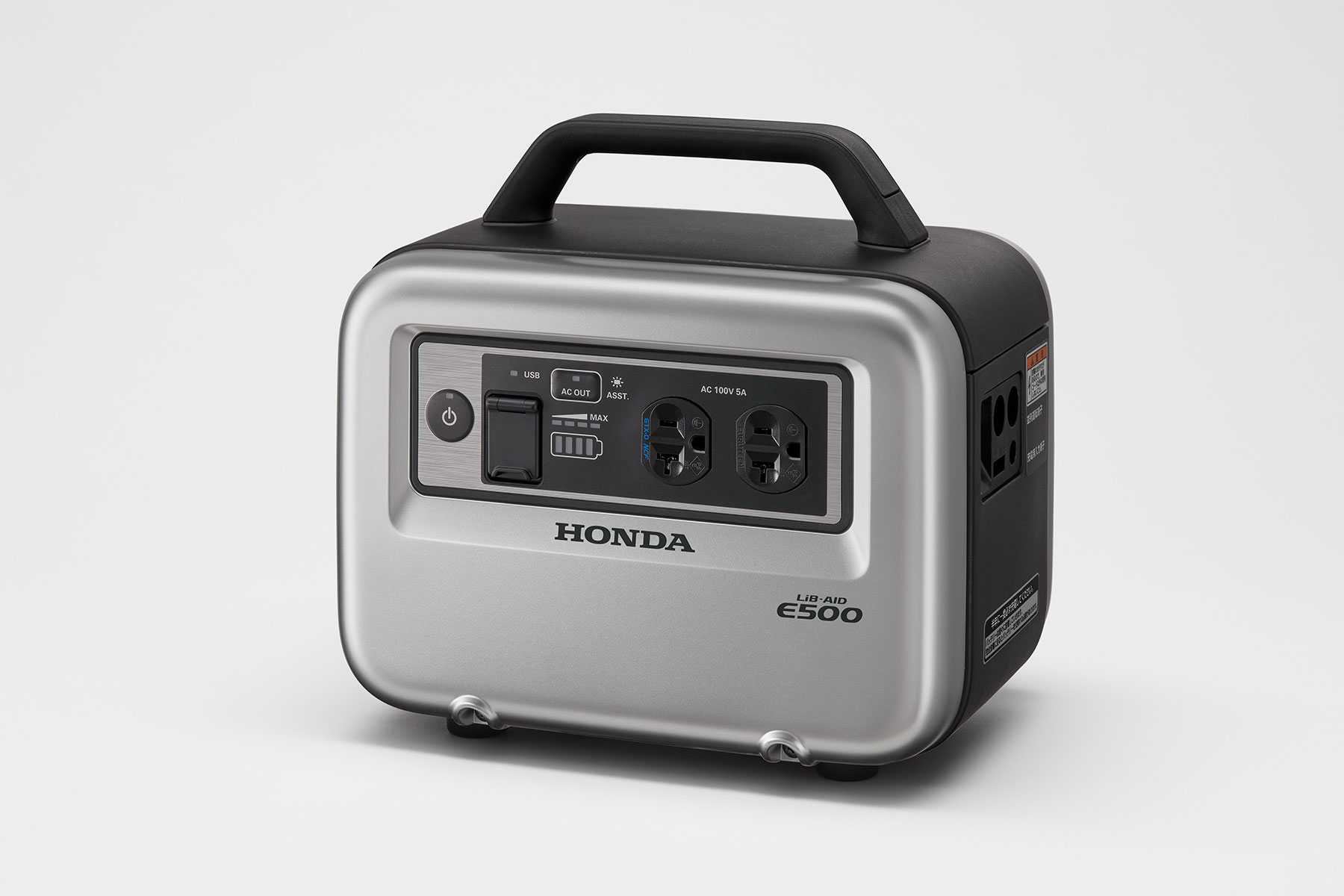
In 2017, Honda advanced the concept of portable electricity even further—not by generating electricity, but by storing it. Honda began sales of the rechargeable portable battery Lib-AID E500.
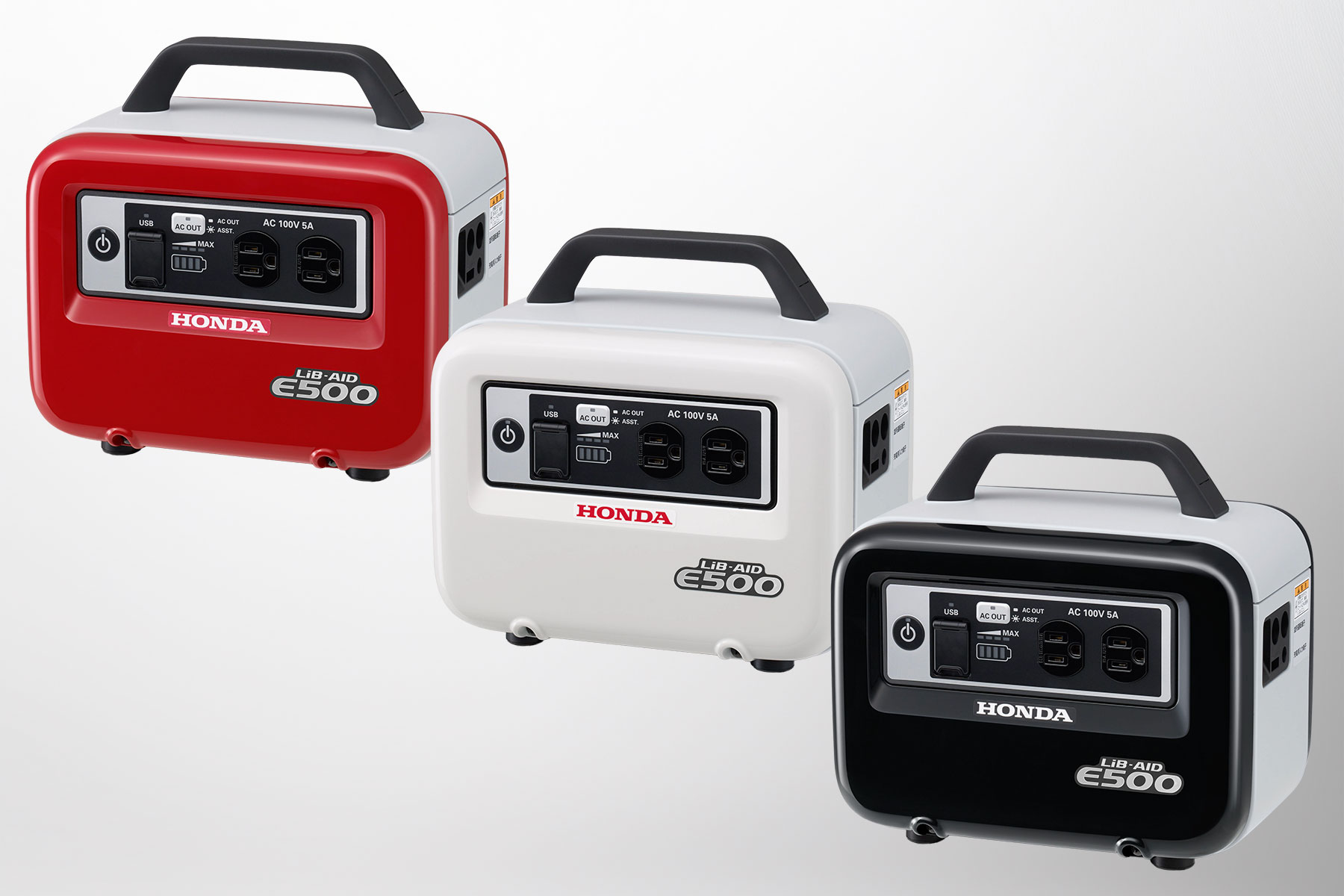
Weighing just 5.3 kg, the Lib-AID E500 is a handheld portable power supply with a maximum output of 500 VA. Rechargeable via household outlets or vehicle accessory sockets, it uses a lithium-ion battery designed for repeated use. Its size and form are inspired by Honda’s first generator, the 1965 E300. By incorporating inverter technology cultivated through generator development, Lib-AID E500 provides high-quality sine wave electricity suitable for home appliances and personal computers.
Ideal for outdoor leisure activities where full generator capacity is unnecessary, Lib-AID E500 allows users to bring electricity from home with ease. With no exhaust emissions, it can also be used indoors. Many customers purchased it as an emergency preparedness measure, particularly for charging smartphones during disasters.
Its portability also made it highly valued by electrical contractors performing wiring work in newly constructed homes and apartments. Because it uses an inverter to provide high-quality sine wave power, Lib-AID E500 attracted attention from audio enthusiasts. In 2019, Honda released the limited-edition Lib-AID E500 for Music, with only 200 units available. Designed for even higher-quality sound, the body was newly engineered to reduce electromagnetic interference and vibration, and premium audio-grade outlets and wiring materials were adopted. The model received 2,000 applications for just 200 units, earning strong acclaim among audio fans.
In 2025, Honda began sales to business users of the Honda Power Pod e:, powered by the detachable, swappable Honda Mobile Power Pack e:.
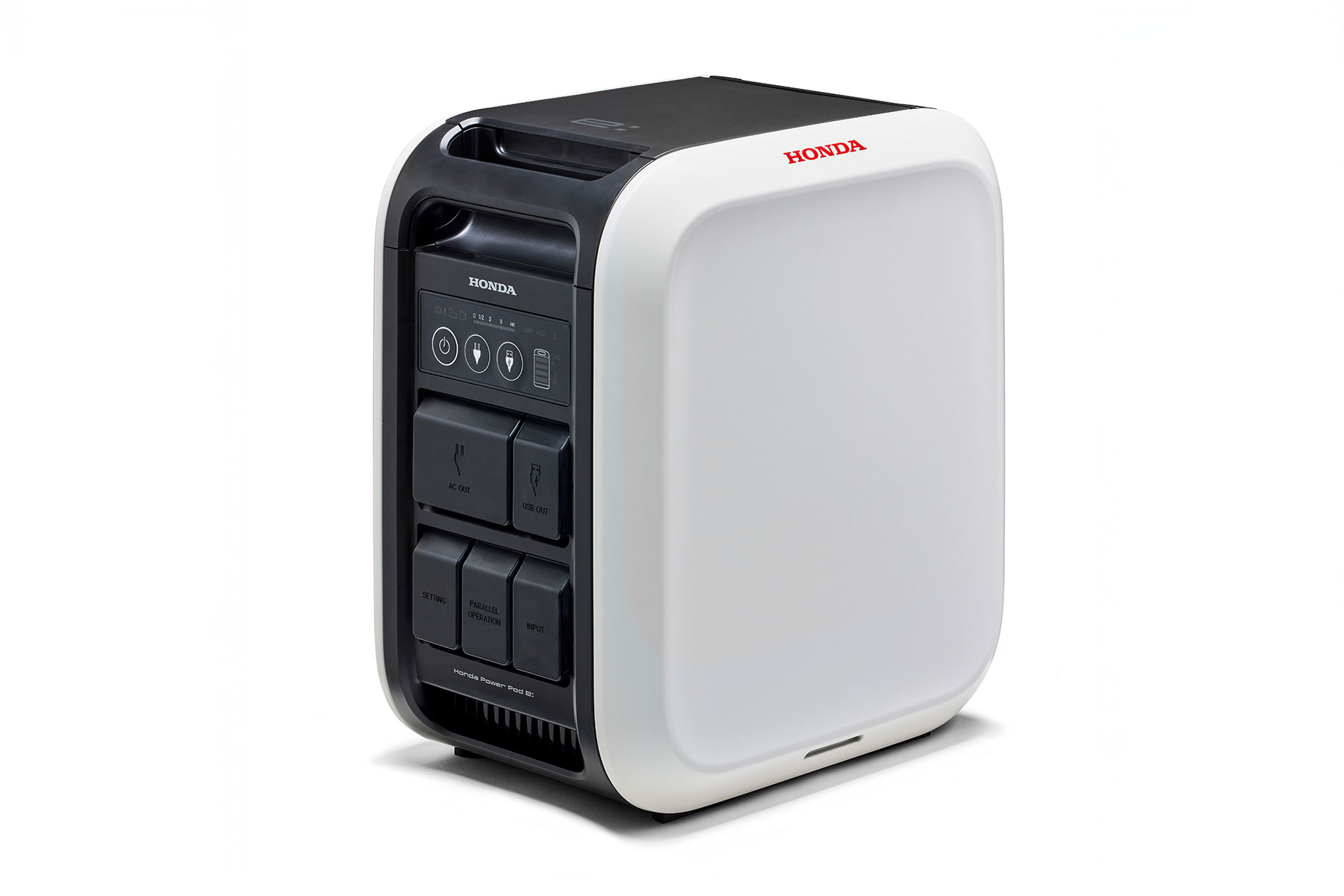
Honda Power Pod e: uses the portable Honda Mobile Power Pack e: as its power source and enables operation of electrical equipment up to 1.5 kVA.
More than 60 years have passed since the 1965 E300 introduced the concept of “portable electricity.” Honda Power Products’ generator business has evolved from generators to rechargeable battery systems such as Lib-AID and the Honda Power Pod e:.