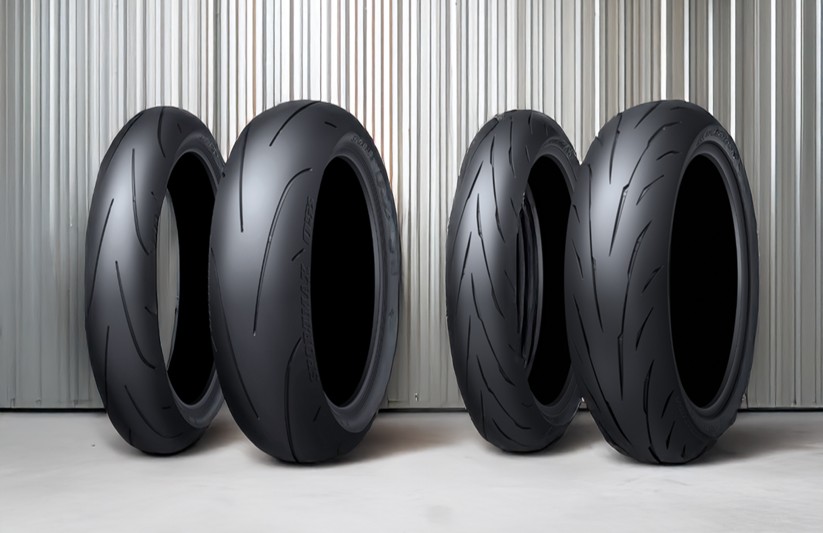
- Safety and Comfort Start at Your Feet -
Tires are a matter of life or death.
Of all the parts of a motorcycle, tires are the only ones in direct contact with the ground.
These two wheels are the lifeline of a bike — supporting driving, turning, and stopping all by themselves.
Despite this, tire maintenance tends to be an afterthought, perhaps because of their simple, unassuming appearance.
However, a little daily care can greatly extend their service life, and knowing when to replace them properly can protect both your safety and comfort.
In addition, it’s important to understand how to “communicate” with your tires based on your riding style.
Let’s start by looking at the four basics to ensure your tires last longer — and your rides stay safer.
Index
1. Four Basics to Ensure Longer-lasting Tires
The key to taking good care of your motorcycle is to give a little attention to your tires.
■ Store Out of Direct Sunlight
Since tires are rubber, they wear down with ultraviolet rays and heat.
In particular, storage on sidestands exposes only the right side to the sun, causing cracks.
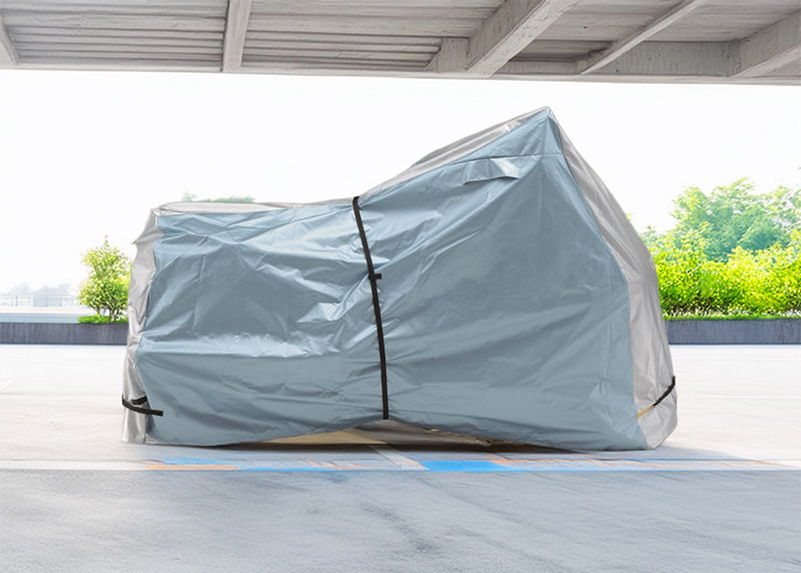
Indoor storage or use of a motorcycle cover will help to avoid direct sunlight and rain and reduce volatilization of anti-aging agents* and oils.
■ Generally, Wash Only with Water
When cleaning tires, strong detergents or parts cleaners may damage the tires, so the general rule is to wash them
with water. Though brushes can be used for stubborn dirt and dirt collected in the tire grooves, we recommend
that you avoid brushes that are too hard as they may damage the tires.
After cleaning, it’s best to wipe off the water and dry the tires thoroughly.
■ Check Air Pressure Regularly
Tires naturally lose air, even without any driving or interaction whatsoever.
Low air pressure makes the bike more sluggish and harder to drive, and also worsens fuel economy. In addition,
it can cause the tires to wear unevenly, shortening their life span.
■ Refrain from Abrupt Maneuvers (Sudden Braking/Turning/Accelerating)
If load is rapidly and suddenly applied to the tires and the grip limit is exceeded, they will slip or lock. The key to a long life is to maneuver in a gentle, gradual manner.
*What is a Tire Anti-aging Agent?
Though tires are rubber products, they are not just made of rubber; to protect them from damage from ultraviolet rays, oxygen, ozone, heat, and other factors, anti-aging agents are kneaded into the rubber.
These anti-aging agents slowly ooze from the middle of the tire to the surface, thereby reducing deterioration.
■ What happens when the anti-aging agent runs out?
Anti-aging agents are shed from the tire over time. The following happens to the tire when the agent runs out.
(1) Rubber Hardens
The tire will no longer firmly affix to the ground, reducing grip.
Even when braking, the bike feels very slippery.
(2) Easier Cracking
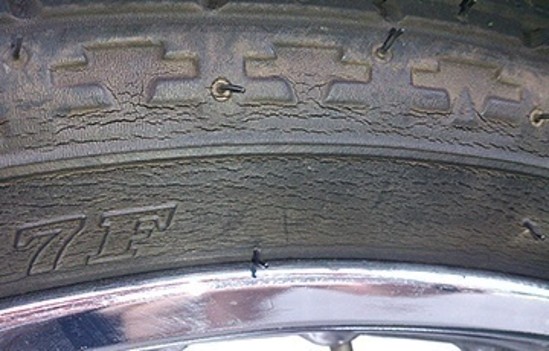
It becomes easier for small cracks to appear, especially on the sidewalls.
Continuing to ride the bike without replacement also increases the risk of tires bursting.
(3) Performance Differences You Can Feel, But Not See
Even if the surface still has grooves, performance is totally unlike a new tire.
Just because your tire has grooves, it doesn’t mean it’s okay.
2. Tire Lifespan and Replacement Timing
■ Tire lifespans are generally three to five years
Deterioration of rubber is not a gradual process.
The performance often suddenly drops off when the anti-aging agents in the tires run out.
According to interviews, it is common for the majority of anti-aging agents to seep out via surface of the tire in about three to five years.
Check the manufacturing year and week on the side of the tire.
Ex: 2825 = 28th week of 2025

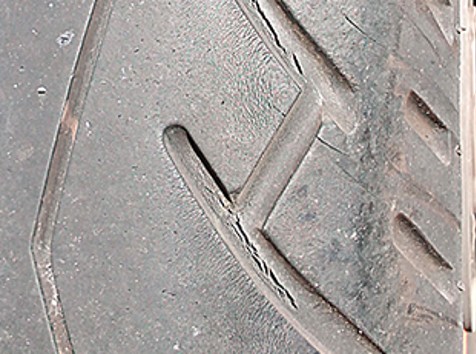
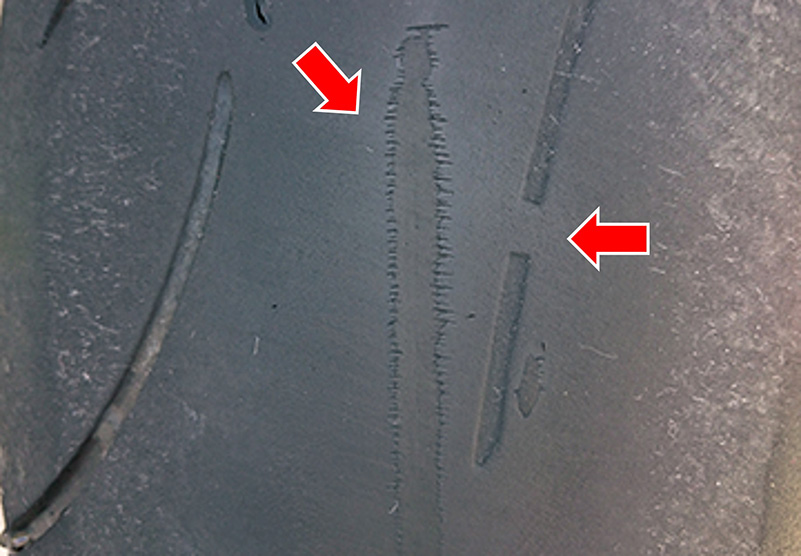
■ Slip Indicator Appears
The slip indicator is a physical sign showing that the remaining groove in the tire has reached its limit. Any further use will significantly reduce grip in wet weather and increase the risk of slipping and hydroplaning.
■ Shallow Groove
Tire grooves serve to drain water and keep the tire in contact with the road surface.
Shallow grooves reduce drainage performance, which increases braking distance and deteriorates handling stability, especially in the rain.
■ Cracking
Cracks may appear on the tire surface as the rubber deteriorates over time, under ultraviolet light, or due to temperature changes.
Danger: If cracks develop, tires can burst while driving, which is very dangerous.
3. Smart Tire Care Based on Your Driving
■ New Tires
The surface of a new tire is slippery because of the release agent (like wax) from the manufacturing process, as well as oil and anti-aging agents that have seeped into the surface.
→ Avoid sudden acceleration/deceleration and sharp turns for the first 50 to 100 km, breaking the tires in by driving gently on winding roads and in town.
■ Cold Days and Quick Starts
When tires are cold, the rubber hardens, reducing grip.
Especially immediately after setting off, these tires are less flexible, impeding adherence to the road surface.
(1) Acts to Avoid
On a race track, you can occasionally see cars swerving back and forth to warm up the tires; however, this kind of driving does not warm up the tires on a motorcycle. Since the bike will only touch the ground on part of the edge when swerving around, the tire will not warm up evenly, making the practice not only unhelpful, but also unstable and dangerous.
(2) How to Safely Warm Up Motorcycle Tires
・Run gently at a constant speed (5-10 minutes)
・Repeated starting, stopping, and loose cornering generates frictional heat, which gradually warms the entire tire
・Be gentle with the throttle and brake for the most effectiveness
Let the tires warm up gradually, and then start your usual riding.

4. Summary
Tires are not just black rubber.
They are delicate parts that can determine the safety, longevity, and ride quality of your motorcycle depending on how they are used.
A little knowledge and care can make a big difference in your riding comfort.
We hope this helps provide you a motorcycle life with greater comfort and peace of mind.
*Interviewed at: Sumitomo Rubber Industries, Ltd.