Reduction of CO₂ Emissions from Product Use
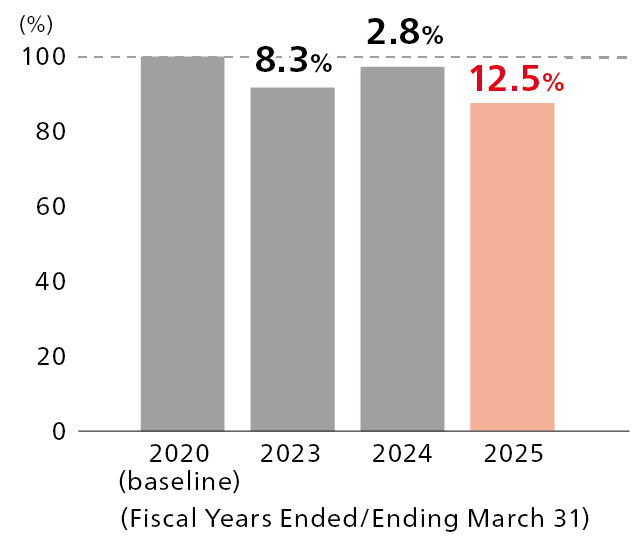
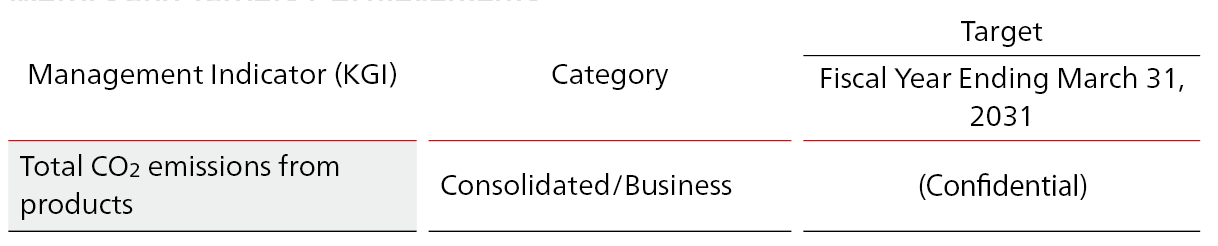
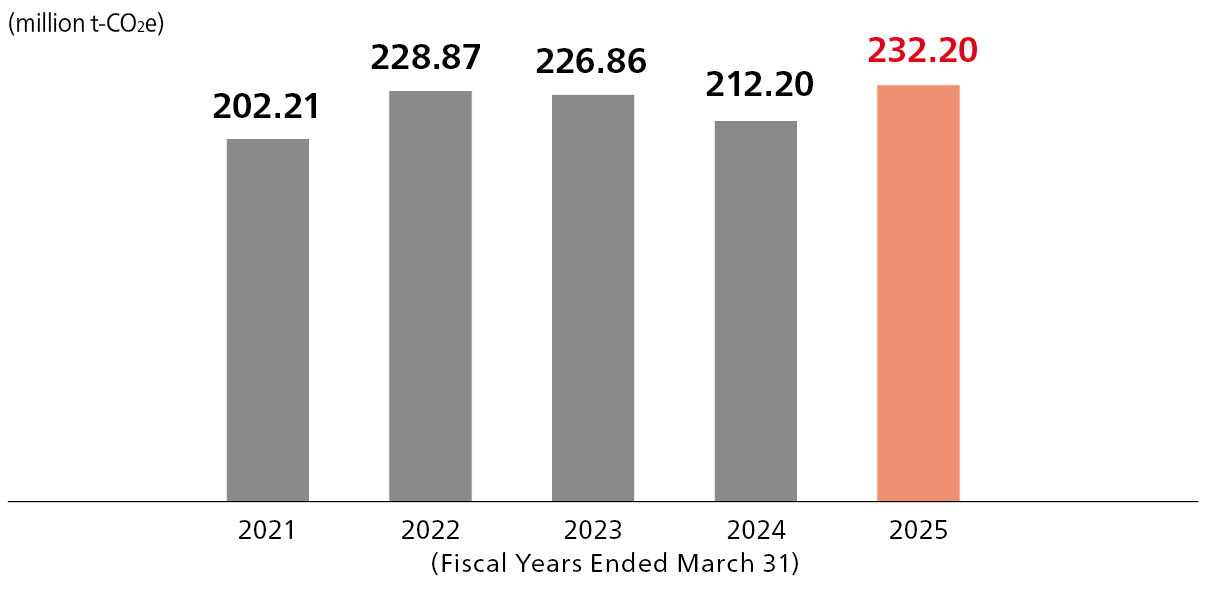
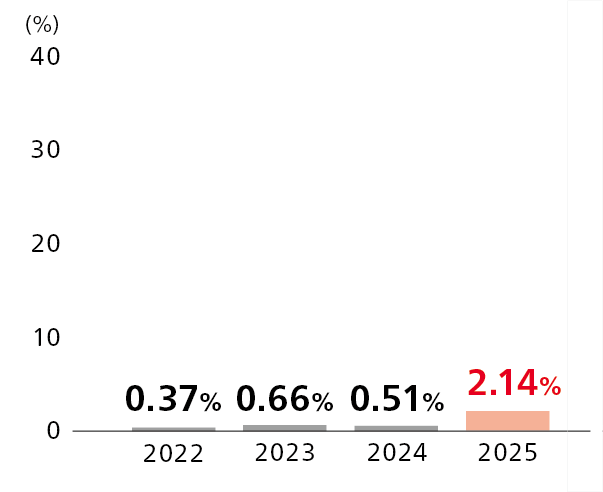
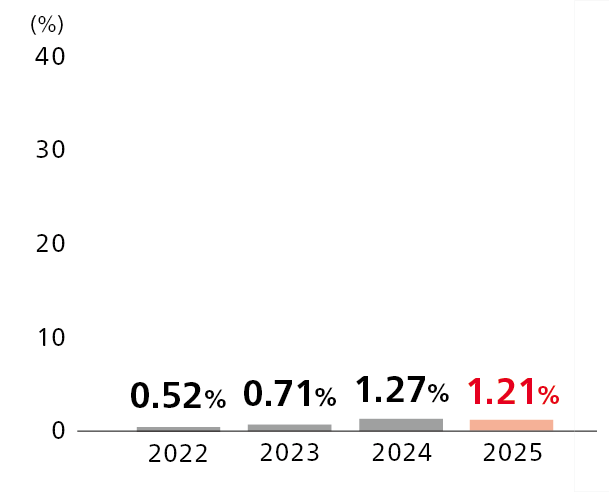
CO₂ emissions from product use (Scope 3 Category 11) primarily result from the combustion of fossil fuels in ICE and HEVs. Honda considers the expansion and proliferation of electric products as an effective measure to reduce CO₂ emissions from product use. By increasing the sales ratio of electric products, Honda aims to achieve reductions in CO₂ emissions for Scope 3 Category 11.
In the short to medium term, Honda plans to continue selling ICE products. We will also maintain our efforts to improve the environmental performance of our motorcycles, automobiles, and power products, actively working to reduce current CO₂ emissions.
While the electrification of products will contribute to reducing CO₂ emissions, some emissions from the use of electric products may remain depending on the availability and adoption of renewable energy in different countries and regions.Therefore, Honda is committed not only to utilizing renewable energy within its own operations but also to engaging in advocacy efforts to promote and accelerate the transition to clean energy.
Honda will work towards contributing to the promotion and expansion of clean energy across society, while also exploring direct involvement in supplying clean energy to customers, with the aim of reducing CO₂ emissions from the use of electric products.
Key Initiative 1: Expansion and Promotion of Electric Products
Expanding the Range of Attractive Electric Products
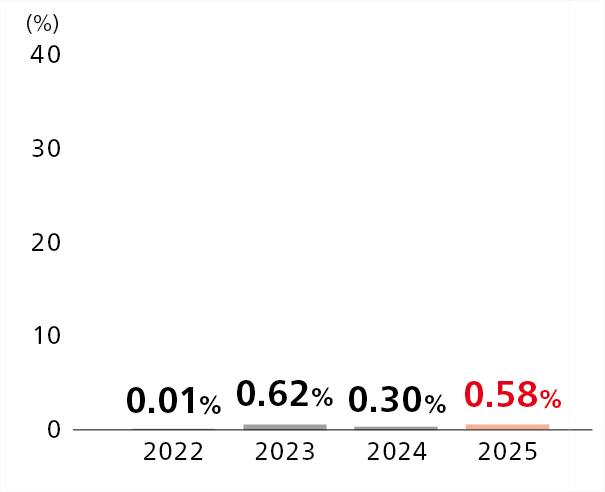
For its motorcycles, Honda will expand its product lineup and promote the market launch of electric motorcycles
In October 2024, Honda launched the electric motorcycle personal commuter “CUV e:” in Indonesia, powered by two replaceable “Honda Mobile Power Pack e:”batteries, followed by the “Activa e:” in India in November 2024, also powered by two replaceable batteries. Additionally, models equipped with fixed batteries were announced. This demonstrates Honda’s steady progress in expanding its lineup of electric motorcycles.
In the power products business, Honda is positioning the power unit and garden sectors as key domains for electric products and will accelerate its efforts towards electrification.
Honda, whose products encompass motorcycles, automobiles, and power products, is enhancing its product development capabilities and cost competitiveness through synergies among different business segments. This includes improving technological capabilities through horizontal deployment of technologies and increasing production efficiency by sharing product parts. This approach is also true for the electrification of its products, and Honda will continue to leverage its strength in having a diverse range of mobility products.

Motorcycles
Automobiles
Power products
Key Initiative 2: Enhancing Product Environmental Performance
Reduction of CO₂ Emissions through Improved Environmental Performance
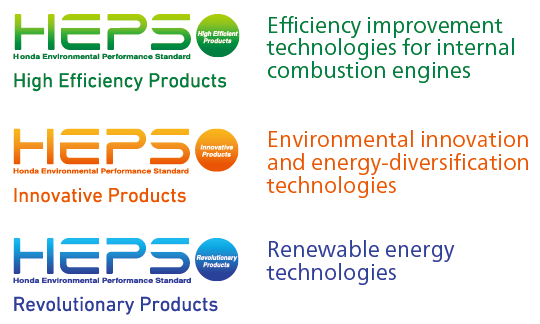
Honda is advancing product electrification while also reducing CO₂ emissions during use by enhancing the environmental performance of various products, including ICE, HEV, and EV. To guide its efforts in improving environmental performance, Honda utilizes its proprietary “Honda Environmental Performance Standards (HEPS)”.
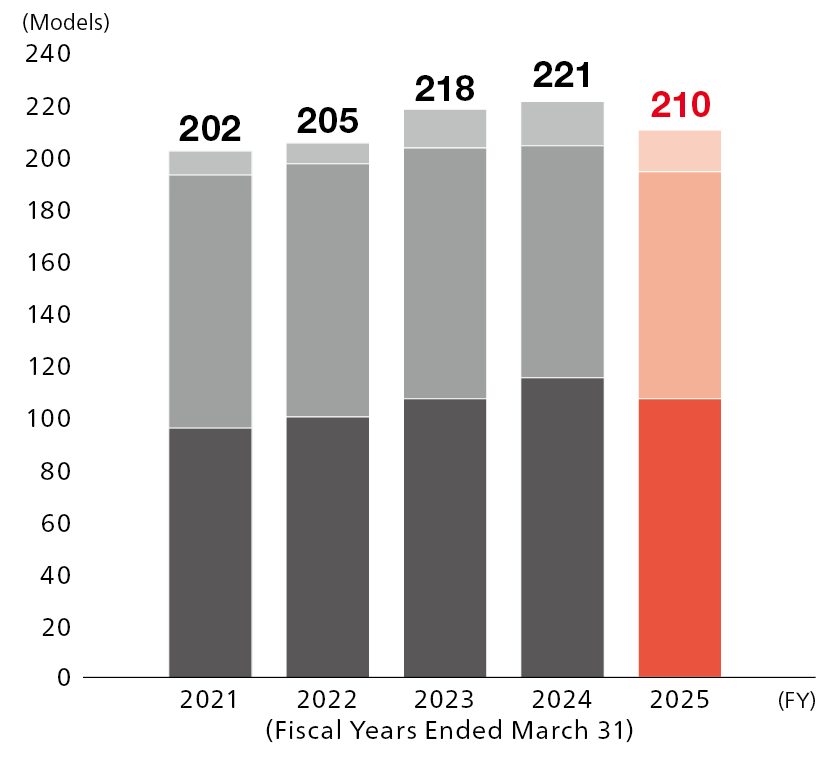
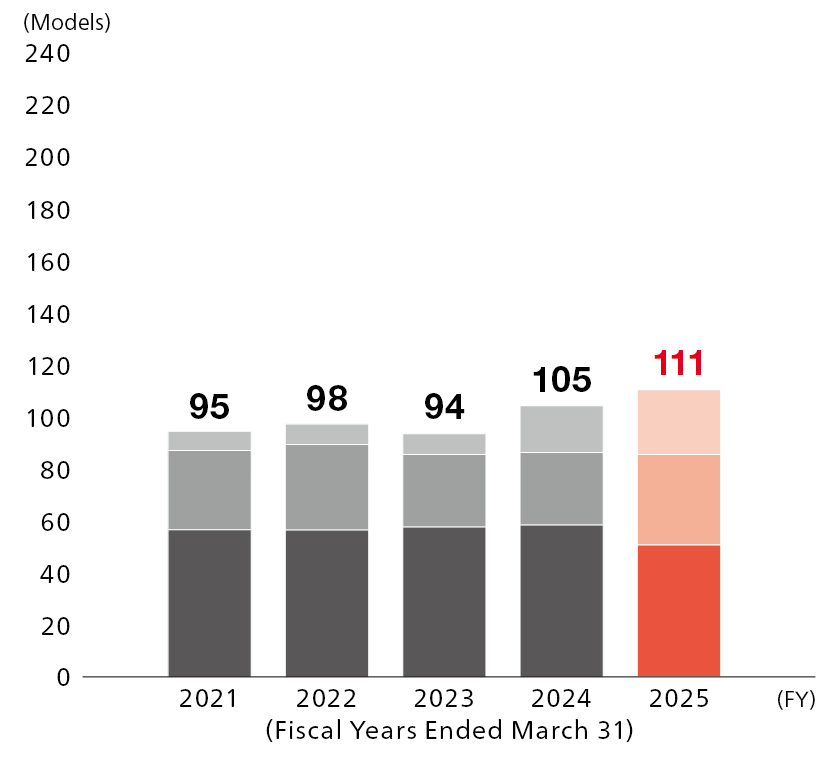
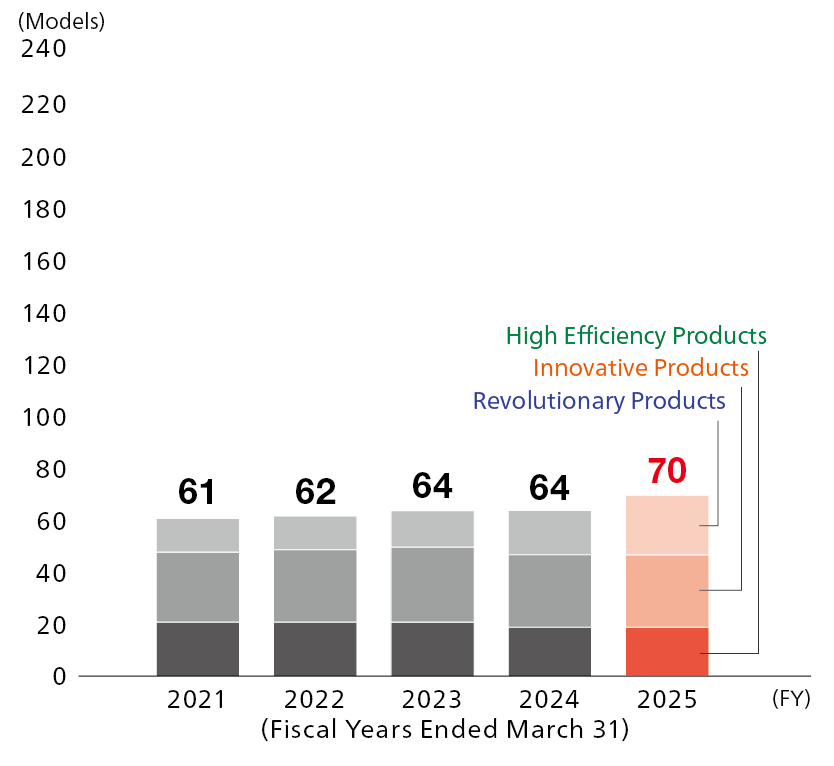
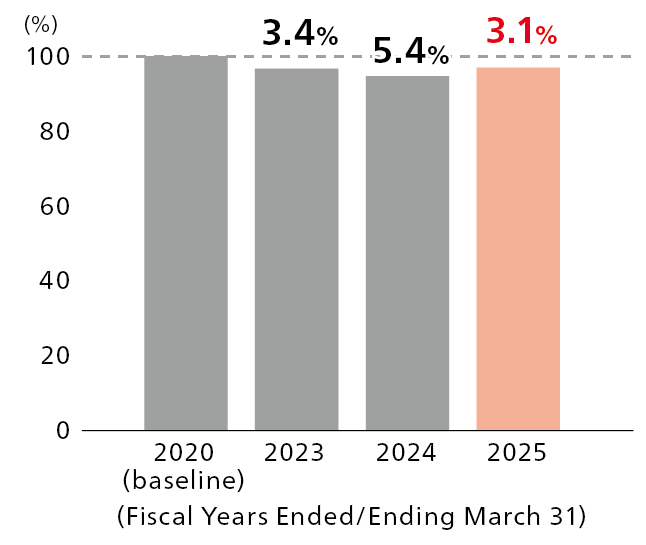
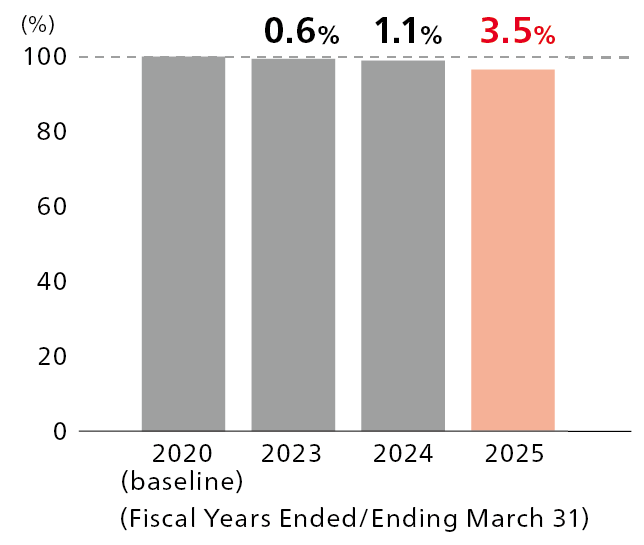
In 2011, Honda established the “Honda Environmental Performance Standards (HEPS)” and set operational guidelines to ensure continuous efforts in this area. The number of HEPS-compliant models across various business sectors was increasing in the fiscal year ended March 31, 2024, indicating steady progress in improving the efficiency of internal combustion engine products, among other advancements.
The results of certifying the products launched in the fiscal year ended March 31, 2025, showed no violations of product and service information or labeling in general.
Honda Environmental Performance Standards (HEPS)
-
Improving the efficiency of internal combustion engines
Applying environmental innovation technologies and adapting to diversifying energy sources
Utilizing renewable energy and total energy management systems
-
Global Number of HEPS-compliant models
Motorcycles
Automobiles
Power Products*※
- ※ The figures for the fiscal year ended March 31, 2024 have been corrected due to an error.

Motorcycles
Automobiles
Power products