Biodiversity Conservation Activities
Biodiversity Conservation Activities
In April 2022, Honda joined the “30by30 Alliance for Biodiversity,” led by the Ministry of the Environment in Japan, and is working towards obtaining certification for areas recognized as “Nature Symbiosis Sites*,” where biodiversity conservation is achieved.
Since its opening in 1997, Mobility Resort Motegi has been conducting corporate activities in harmony with the environment under the theme of symbiosis between people, nature, and mobility, and was certified as a Nature Symbiosis Site in October 2023.
In addition, Saitama Factory Automobile Plant, (Yorii Factory), which has been maintaining a natural environment in consideration of biodiversity and preserving endangered species by installing a biotope on the plant site, was also certified as a Nature Symbiosis Site in September 2024.
Moving forward, in addition to the above two locations, Honda aims to obtain Nature Symbiosis Site certification at other priority domestic sites based on biodiversity assessments, and to promote biodiversity restoration and regeneration activities.
In the future, we plan to establish internal standards equivalent to the Nature Symbiosis Site certification and expand these efforts to our overseas facilities.
Natural Symbiosis Sites: Areas that the government certifies as “areas where biodiversity is being conserved through private sector efforts, etc.”
-

30by30 Alliance Logo -
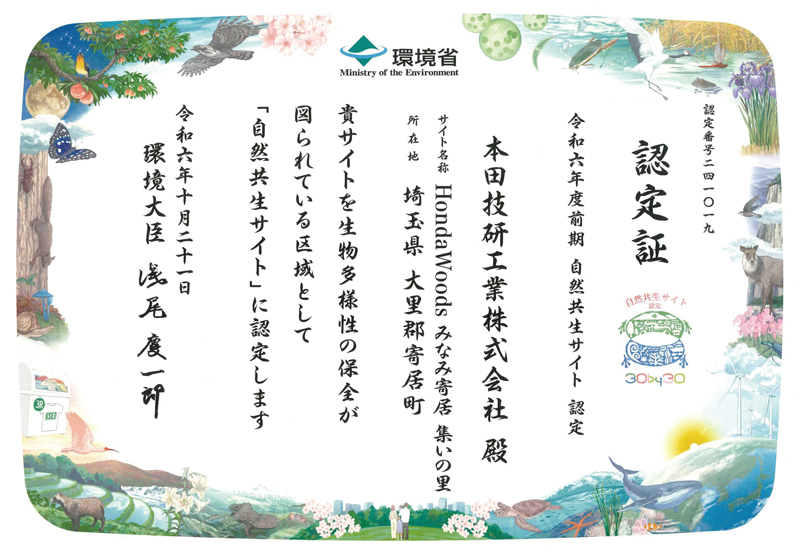
Saitama Factory Automobile Plant(Yorii Plant)Nature Symbiosis Site Certification -
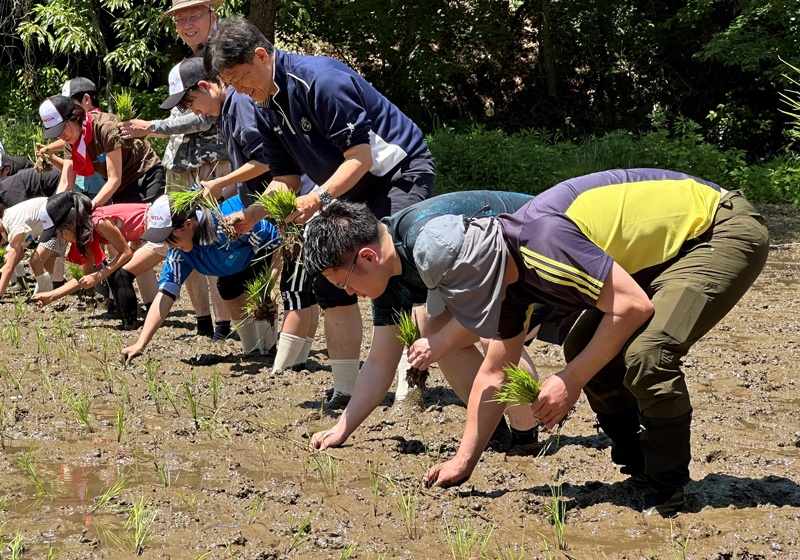
Rice planting activity by local residents and associates (Yorii Factory)
U.S.A.: Honda Power of Dreams Forest
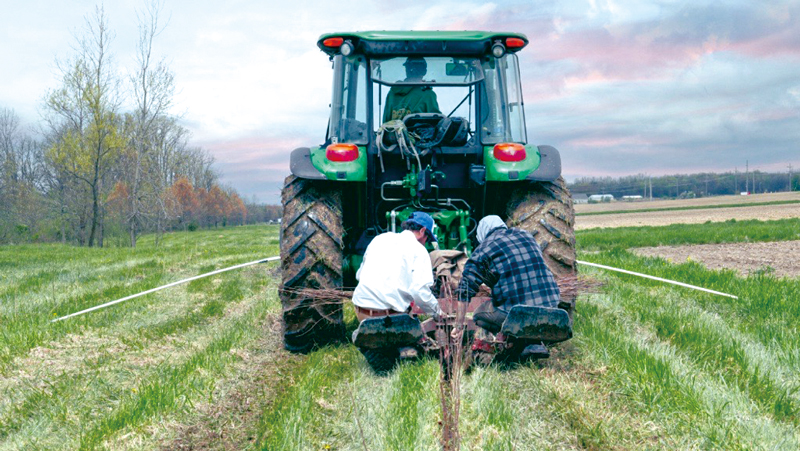
On the premises of our production site in Union County, Ohio (Honda Development & Mfg. of America, LLC), we planted 85,000 trees in April 2024 to establish the “Honda Power of Dreams Forest.” This is an extensive 40.5 hectares project along Flat Branch Creek near Honda’s Marysville Factory and East Liberty Automobile Plant. It is intended to improve riparian buffers and increase biodiversity by providing habitat for a variety of animals, birds, insects, and plants.
Belgium: Conserving Biodiversity at a Logistics Base
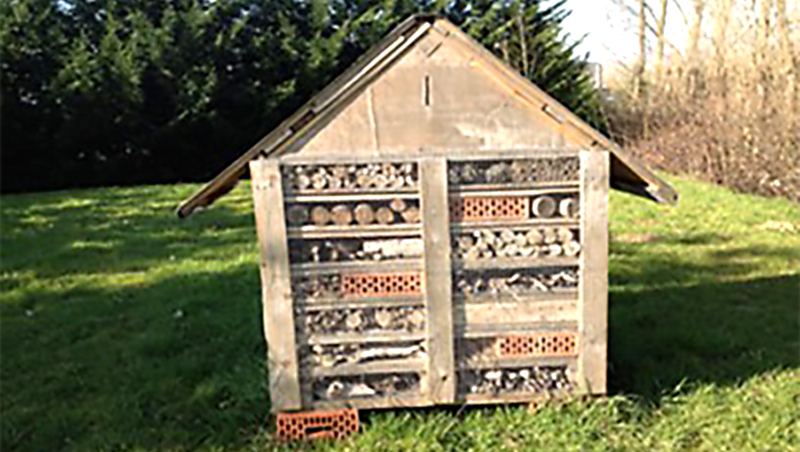
At Honda Motor Europe Logistics NV’s logistics base in Aalst, the Company has expanded its greenbelt by planting black poplars, which are threatened due to habitat degradation and a lack of genetic diversity. The Company is also contributing to the maintenance of biodiversity by creating habitats such as ponds, insect hotels, and feeding stations for living creatures.
Brazil: Nature Conservation at a Test Course
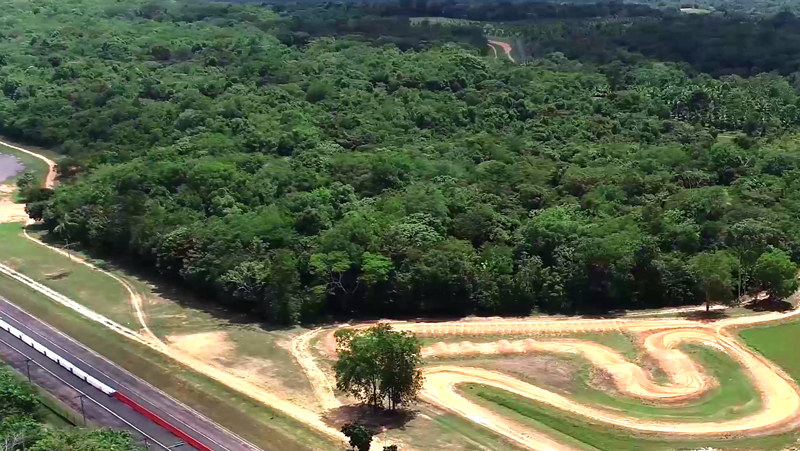
Moto Honda da Amazonia Ltda’s motorcycle test course in Rio Preto da Eva is in the Amazon rainforest. In harmony with the environment, approximately 80% (802 hectares) of the site is maintained as a legally protected area. Agricultural projects here include the planting of fruits and vegetables as well as the restoration of endangered species such as mahogany, rosewood, and Brazil nuts.
Indonesia: Conservation of Flora and Fauna with Emphasis on Biodiversity
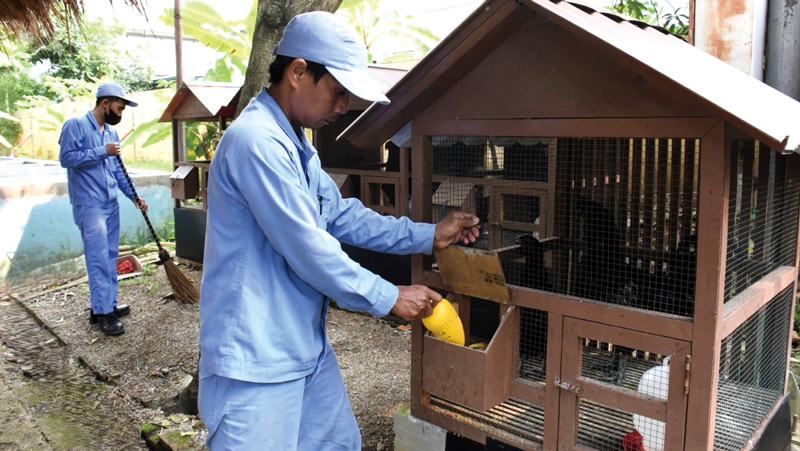
P.T. Honda Prospect Motor, an automobile production plant, is working with the local community to conserve biodiversity on its premises.
Sixty-five animal species have been identified, including native species such as the Javanese black chicken and a variety of endangered species. In addition, as part of its plant conservation efforts, the company has established a plant nursery on its premises to cultivate and conserve local plant species, further strengthening the efforts to conserve the rich biodiversity of the region.
Conserving Water Resources
Recognizing the potential for its business activities to impact biodiversity and water resources, Honda is also committed to the conservation of water resources.
Since Honda seeks out communities where harmonious coexistence with nearby water sources is viable as potential plant locations and builds plants in compliance with host countries’ environmental assessment laws and regulations, no water sources are significantly impacted by the Company’s water use.
In addition, no water sources are affected by wastewater from Honda facilities since it treats wastewater and discharges treated water in accordance with applicable laws and regulations of each country and region-specific rules, etc.
Honda appropriately manages the amount of water used and works to manage and provide information on wastewater, which includes thorough quality control and the disclosure of water quality test findings.
Honda has also continuously undertaken conservation activities for forest watersheds since 1999 as part of its social contribution program. In the activities, production sites protect and manage the forest watersheds from which they receive benefits and implement optimal initiatives tailored to each region.
Aware of the fact that water is an indispensable resource supporting its business, Honda will continue implementing the activities.
The Company’s lineup of engines for outboard motors consists solely of four-stroke engines, with the aim of reducing water contamination by outboard motors around the world. Honda is also conducting demonstration tests of electric propulsion systems to reduce the environmental impact during product usage.
Forest Conservation Activities (Japanese only) | https://global.honda/jp/philanthropy/forest/