
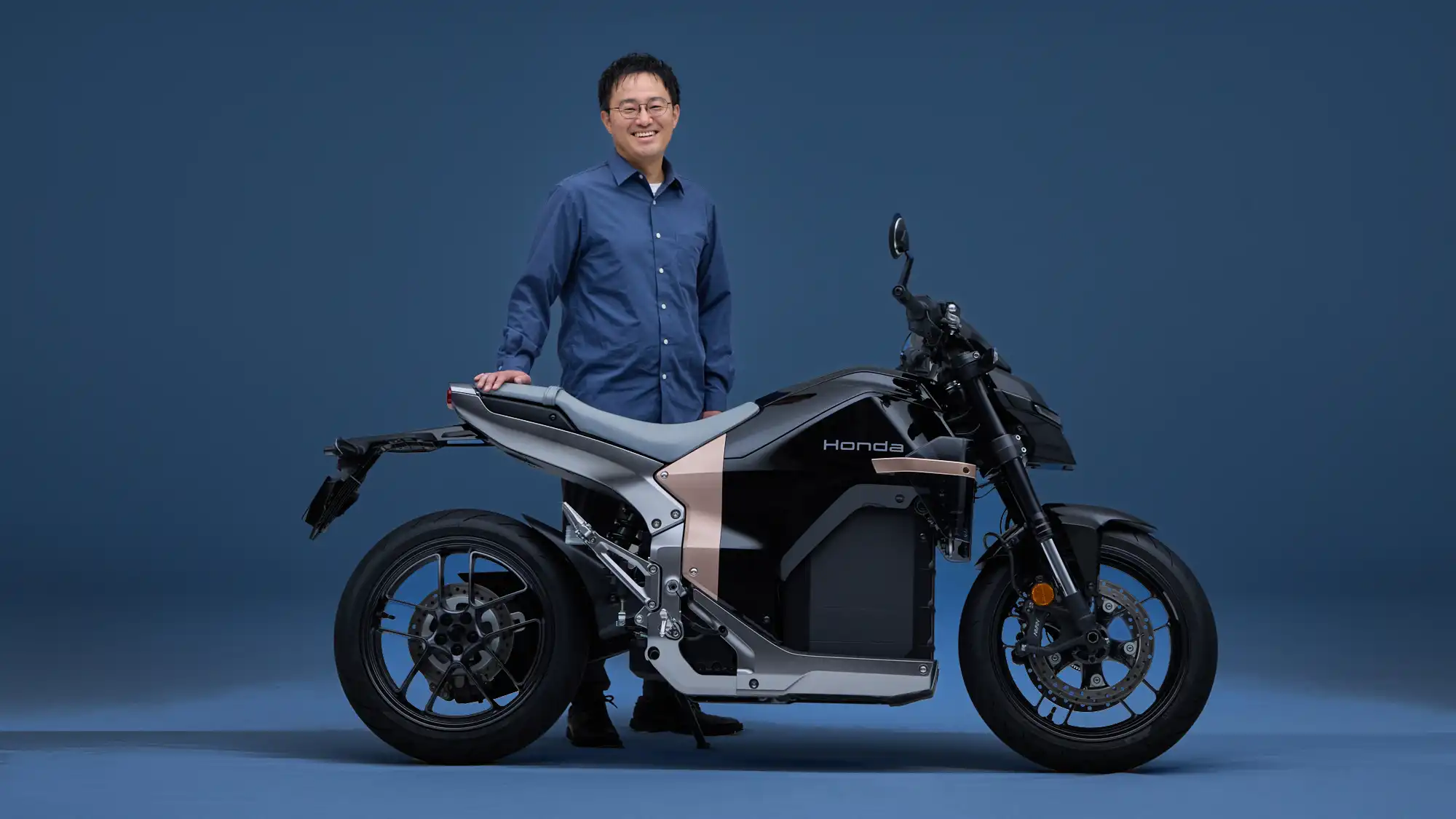
What is the Honda WN7, the first mass-produced EV Fun model?
Mass-produced EV design takes a different approach from ICE
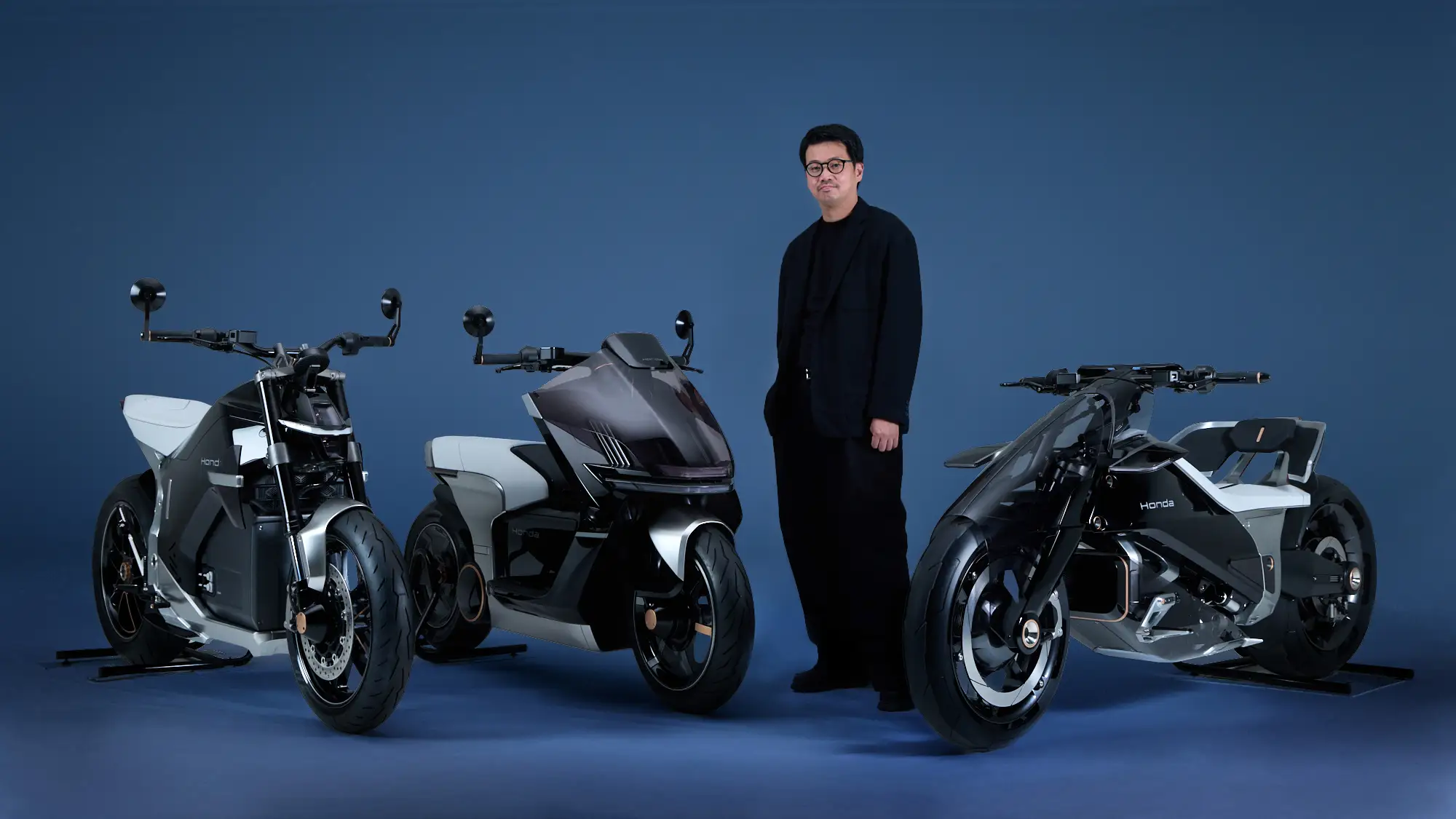
The Honda WN7 (“WN7”) was announced as the production model of the “EV FUN Concept” exhibited at EICMA 2024 (Milan). What were the target users and usage scenarios you envisioned during its development?
Ohashi
The WN7 was developed with everyday mobility in mind, such as commuting to work and school, targeting early adopters living in urban environments. It is the first Honda model to feature a fixed battery, and its expanded battery capacity delivers sufficient range for daily mobility while also providing ample power and torque for sporty riding.
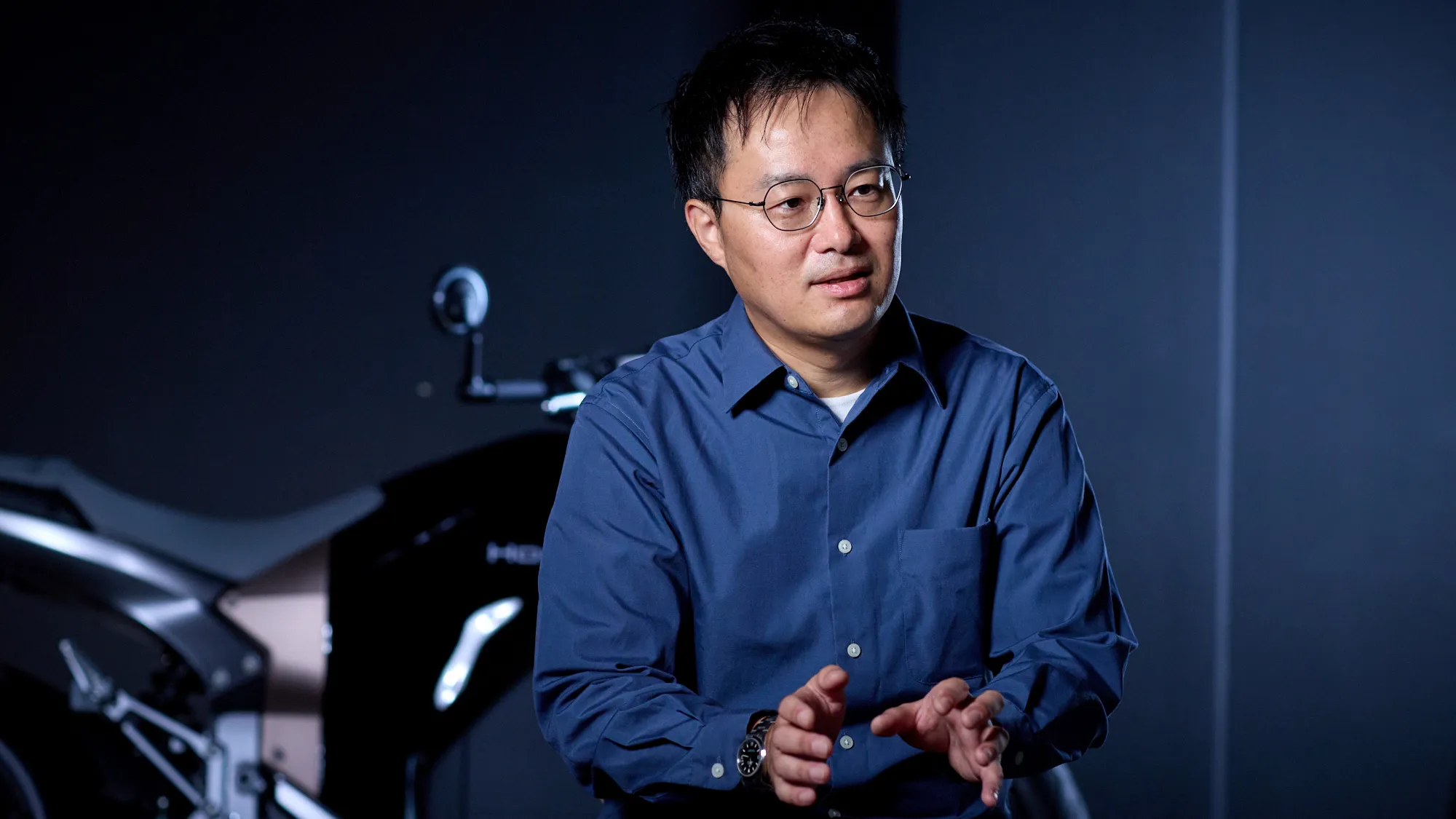
As a designer, did you have a particular mindset when taking on the challenge of creating the production model for the EV Fun model?
Ohashi
The process of transforming the concept model into a production model presented different challenges from those faced in internal combustion engine (ICE) development. The primary challenge was determining an approach that would distinguish it from ICE motorcycles.
ICE motorcycles feature numerous components that define their character, such as fuel tanks, engines, and exhaust pipes. EVs, however, have only a few of these elements. Nevertheless, the fundamental essence of being a vehicle that people ride remains unchanged. The greatest challenge in designing the WN7 was achieving the ideal body balance of a motorcycle while also designing components like the battery and motor as a part of the structure itself.
How would you describe the product concept?
Ohashi
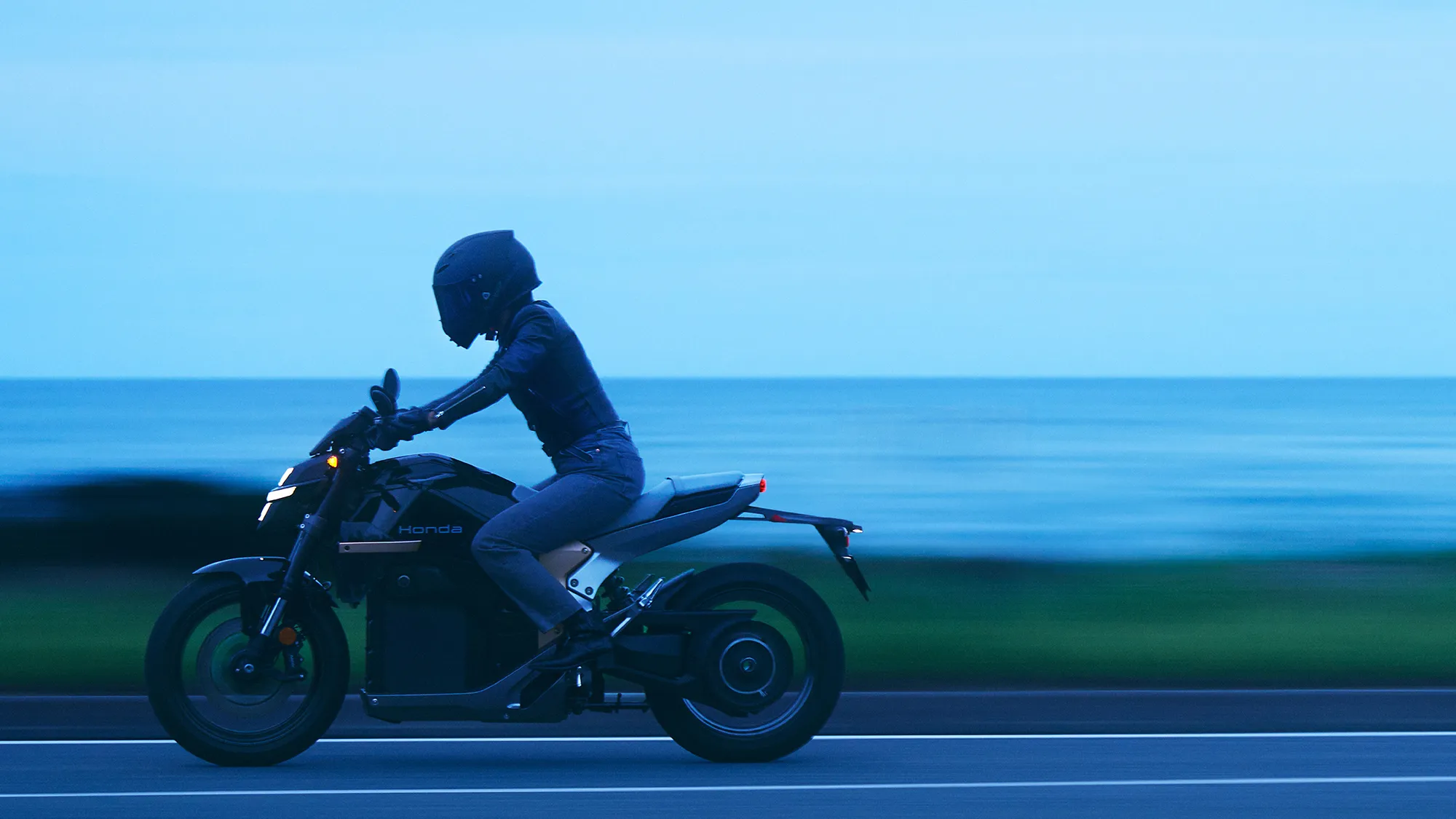
The product concept is “Be the Wind.” The rustling of leaves in the trees and the conversations and laughter of people in the city—these are things that cannot be experienced on an ICE motorcycle, and are only possible with an electric vehicle. It embodies the developer’s wish for riders to experience the joy of riding freely almost as if the wind through the smooth, torquey ride and agile handling while feeling nature, the surrounding sounds, and the air.
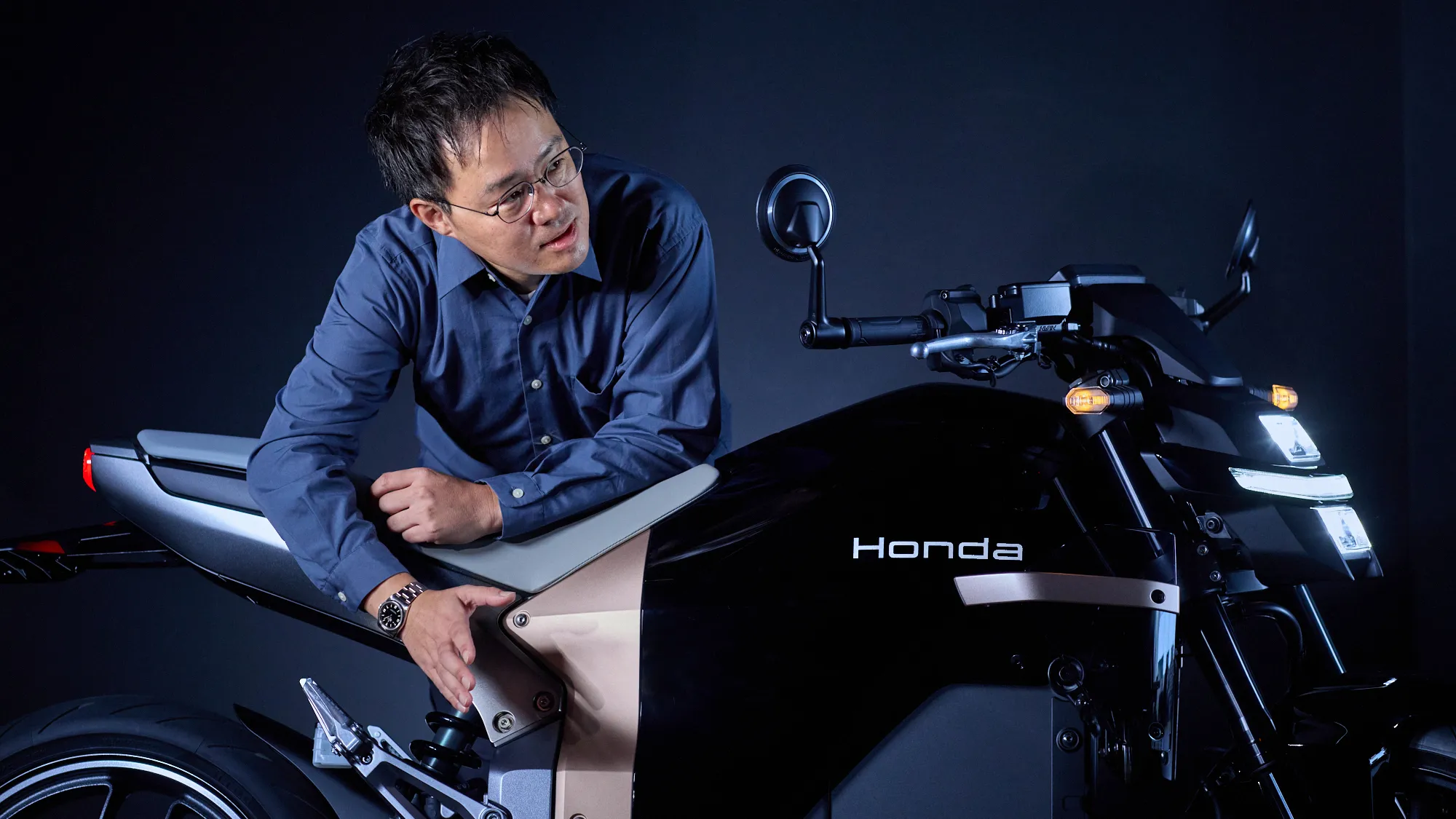
Shaping the “Be the Wind” Concept Through Design
Aiming for sophisticated functionality through design
How did you incorporate the “Be the Wind” concept into the design?
Ohashi
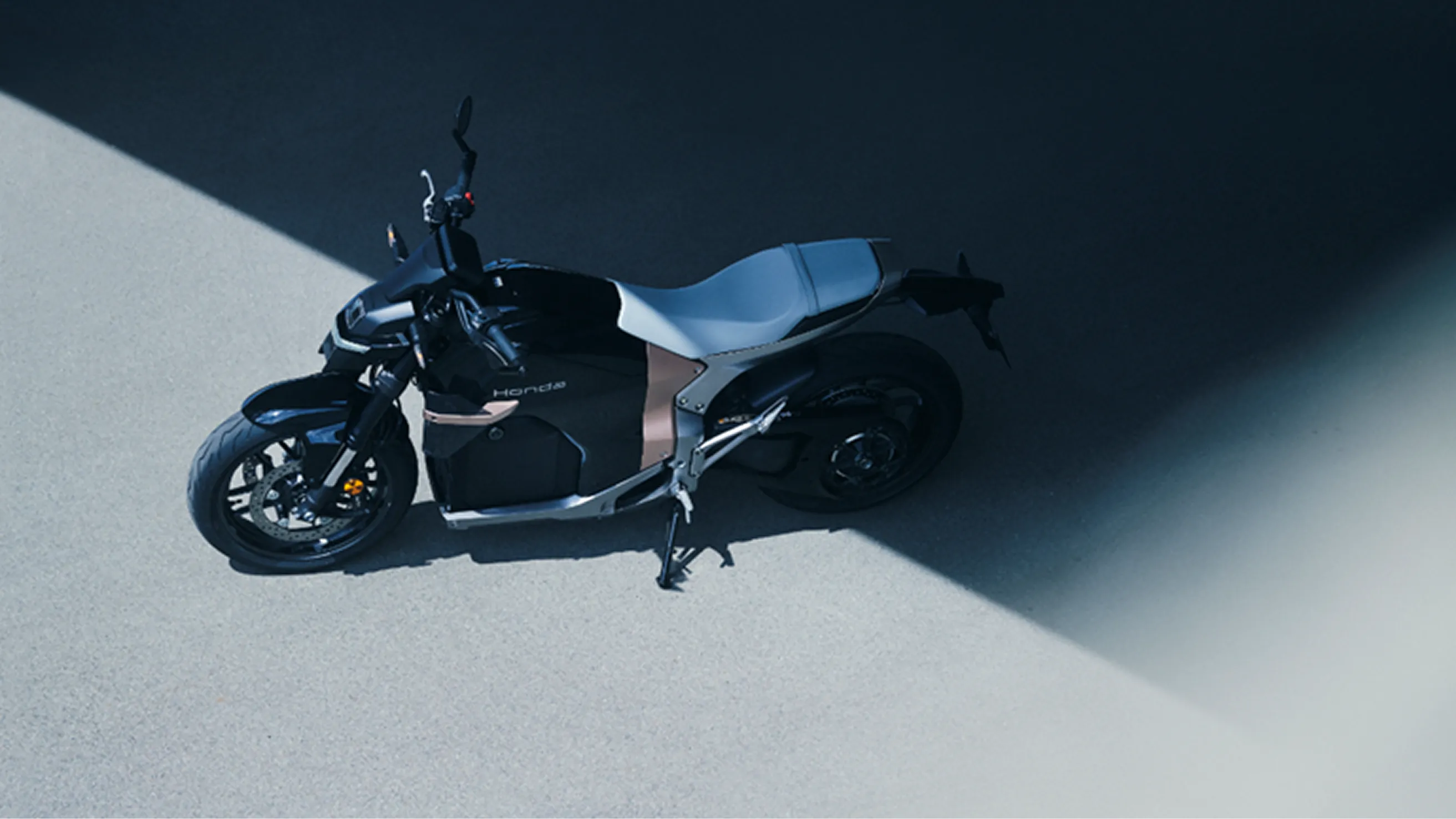
Keeping with the overall design direction for the electric motorcycle brand, “Precision of Intrinsic Design,” we defined the styling concept for the WN7 as “Sophisticated Functionality.” The design was crafted around three styling keys: “Seamless Feel,” “Clear Impression,” and “Dynamic Stance.” We eliminated as much noise as possible, resulting in a seamless expression that conveys universal, powerful beauty while offering the rider a sense of freedom and liberation.
The WN7 aims for and refines functionality to achieve essential design. This design concept is reflected in the styling, CMF*, and the meter GUI* design. What are the standout points in each of these areas?
Ohashi
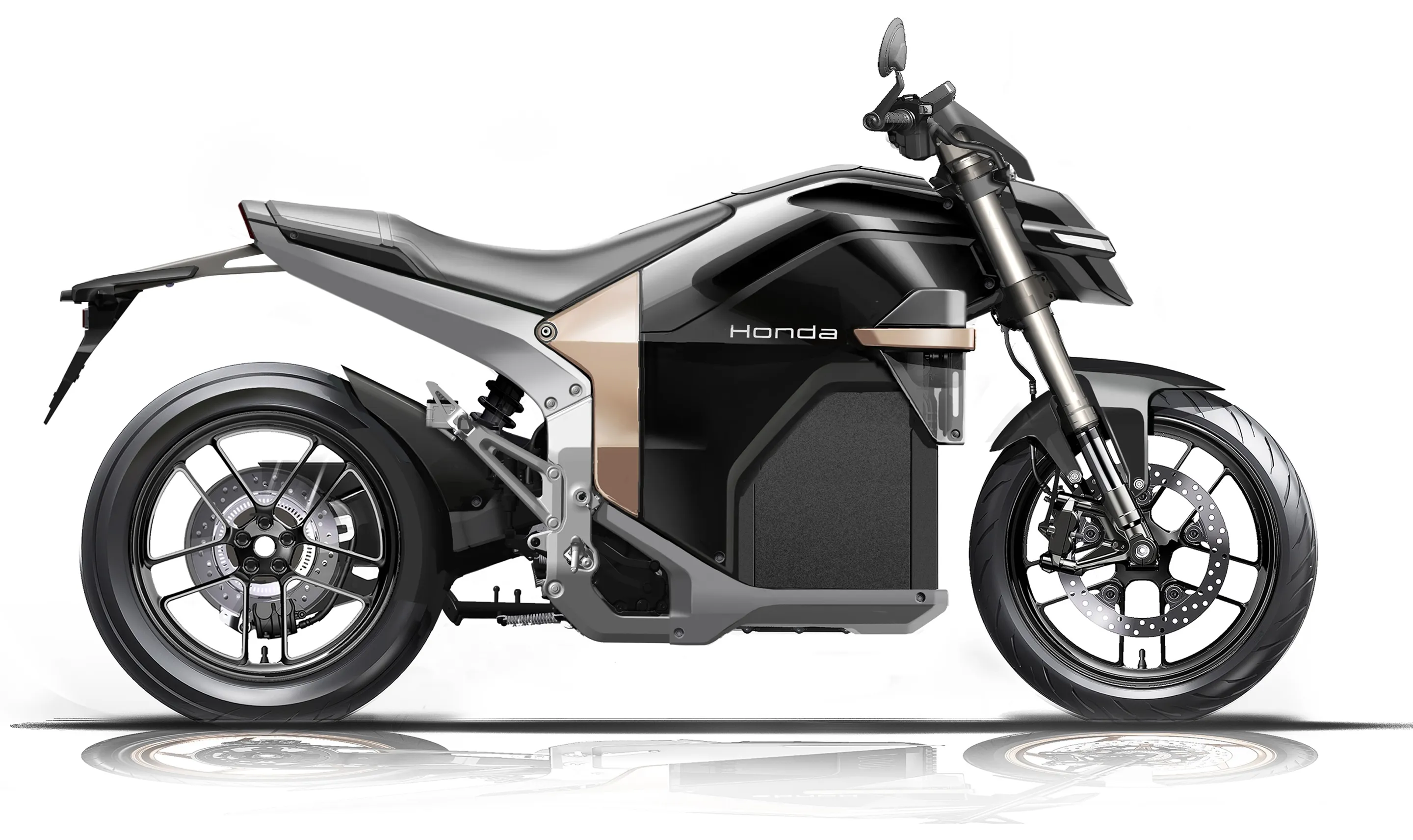
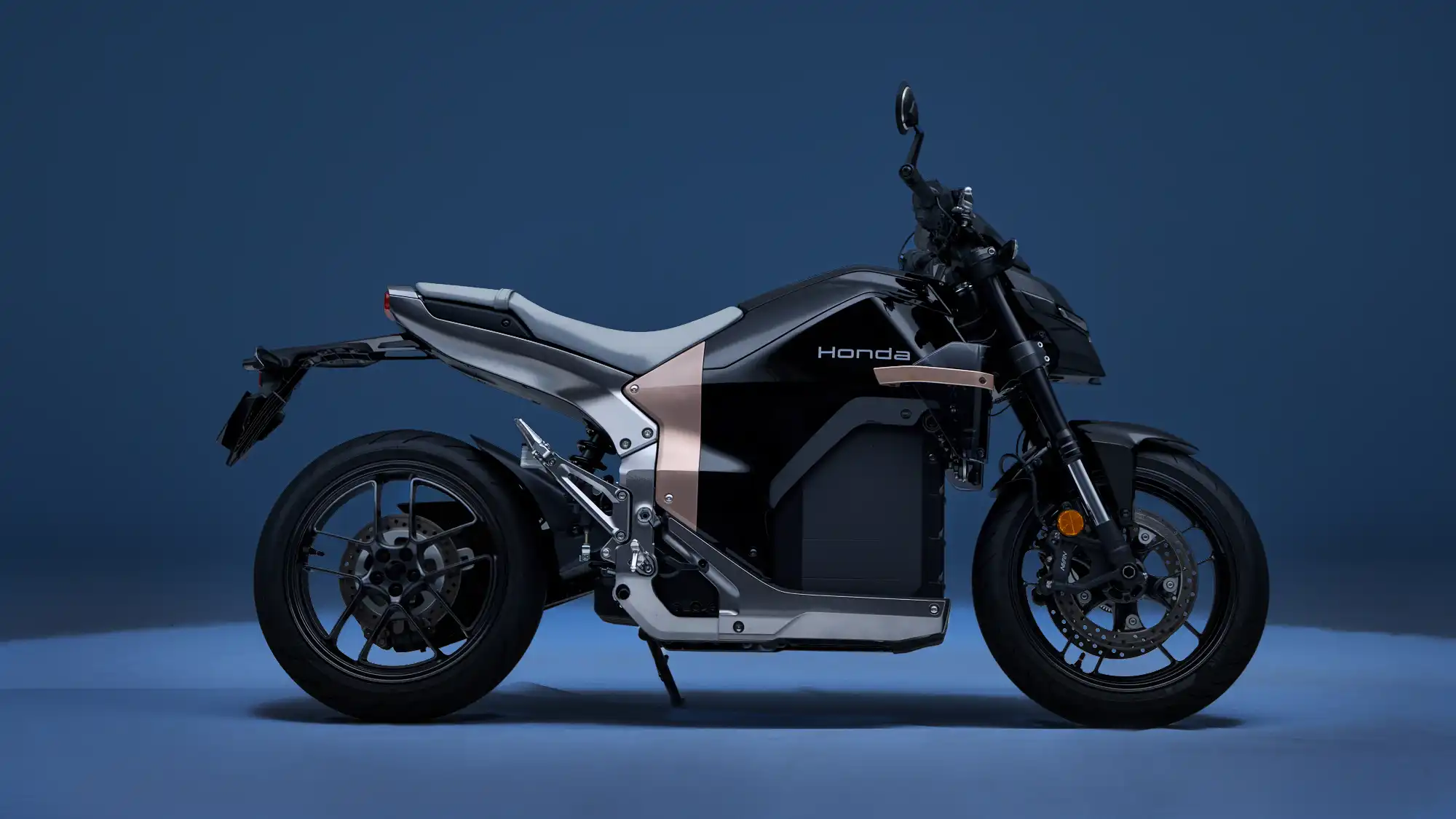
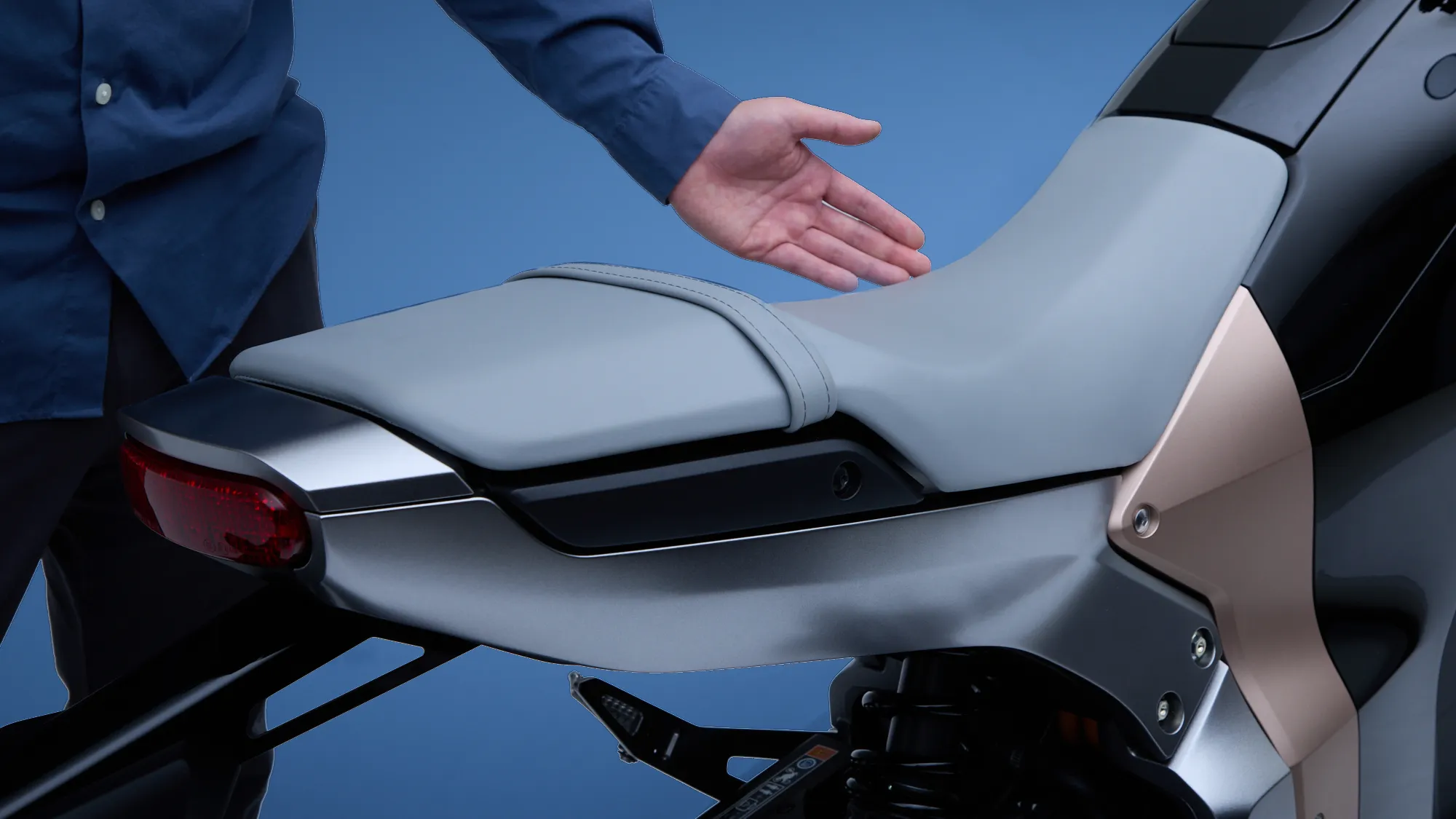
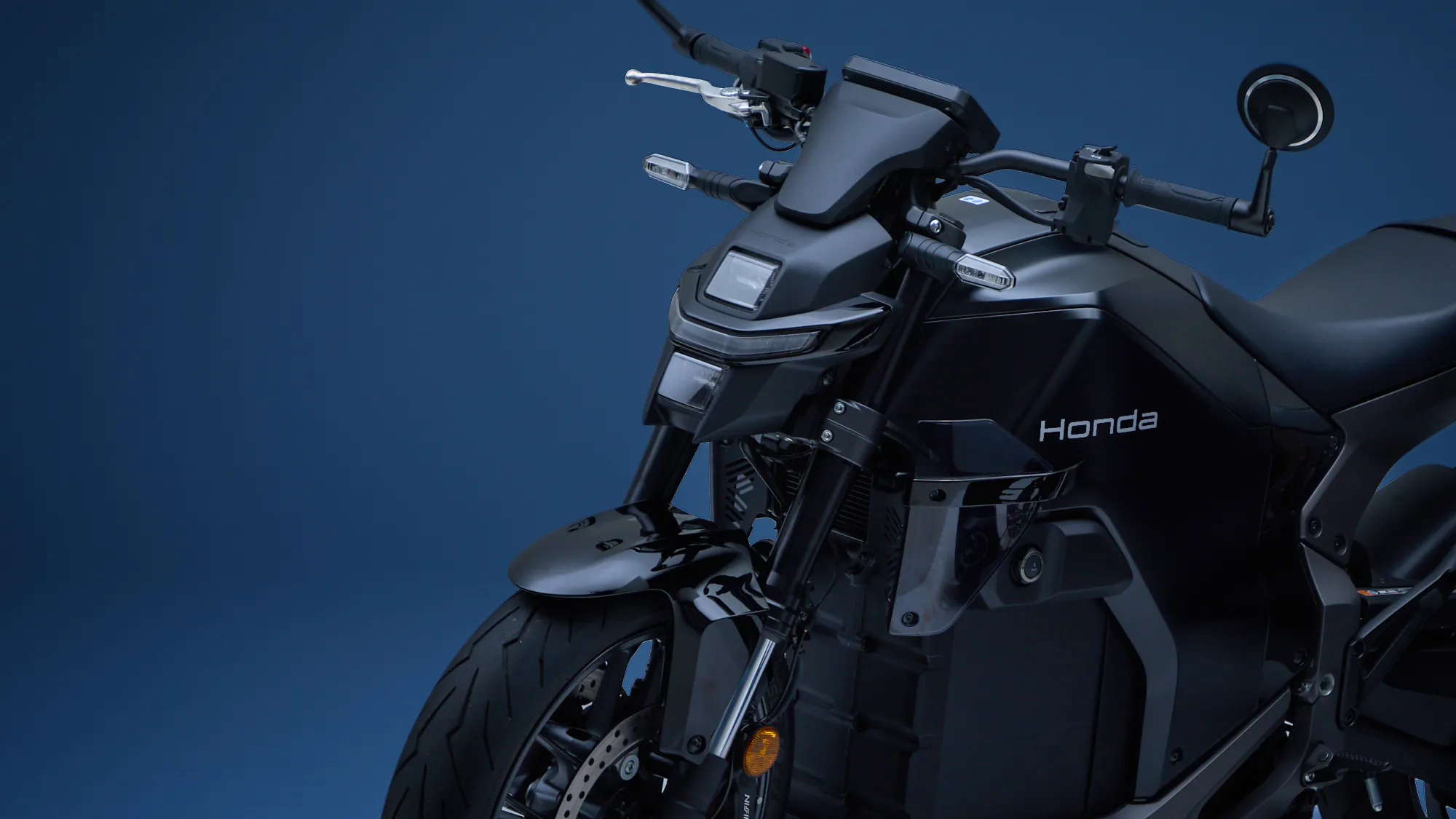
The most distinctive styling feature of the WN7 is the reduction of body protrusions and grooves for a seamless finish. Furthermore, we leveraged the tankless nature of an electric motorcycle to achieve a slim body while retaining its powerful presence. In addition, the seat’s front-to-back length is longer than that of a typical naked model, allowing riders to find their ideal riding position for a free and liberating riding experience. The slim, seamless body also provides good footing when straddling the bike, making it easy to handle even for smaller riders.
Ohashi
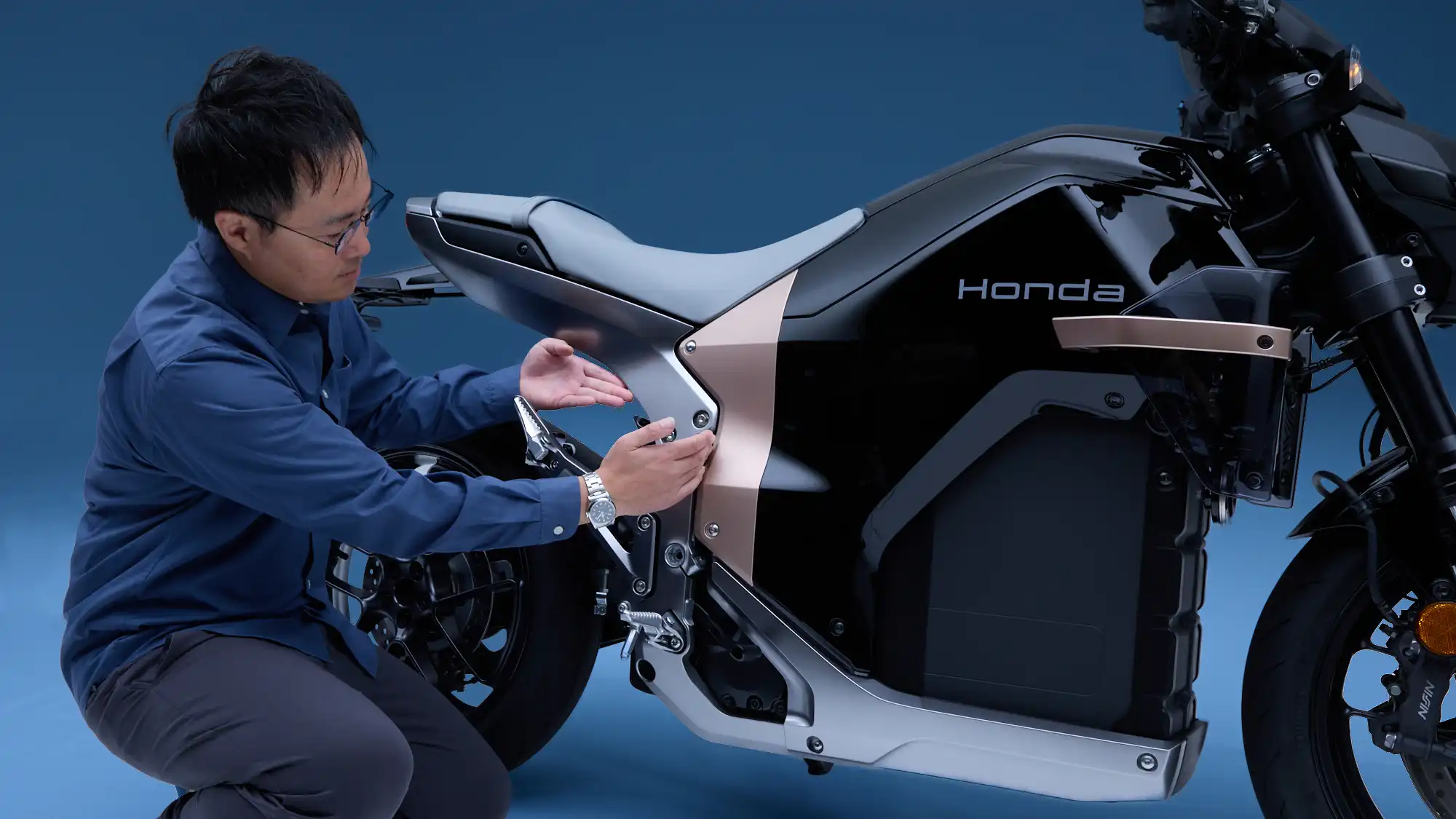
The WN7 features an exposed battery and is composed of flat surfaces not seen in ICE vehicles. Many team members found this design somewhat jarring early in development, and there was discussion about whether it would be better to add elements like heat dissipation fins to create a more three-dimensional appearance, similar to ICE vehicles. However, that approach would not align with the vision we have for electric vehicles. Ultimately, we chose to eliminate unnecessary elements and focus on refining the core functionality.
The glossy surface of the body cover is a distinctive feature. What was the thinking behind this decision?
Ohashi
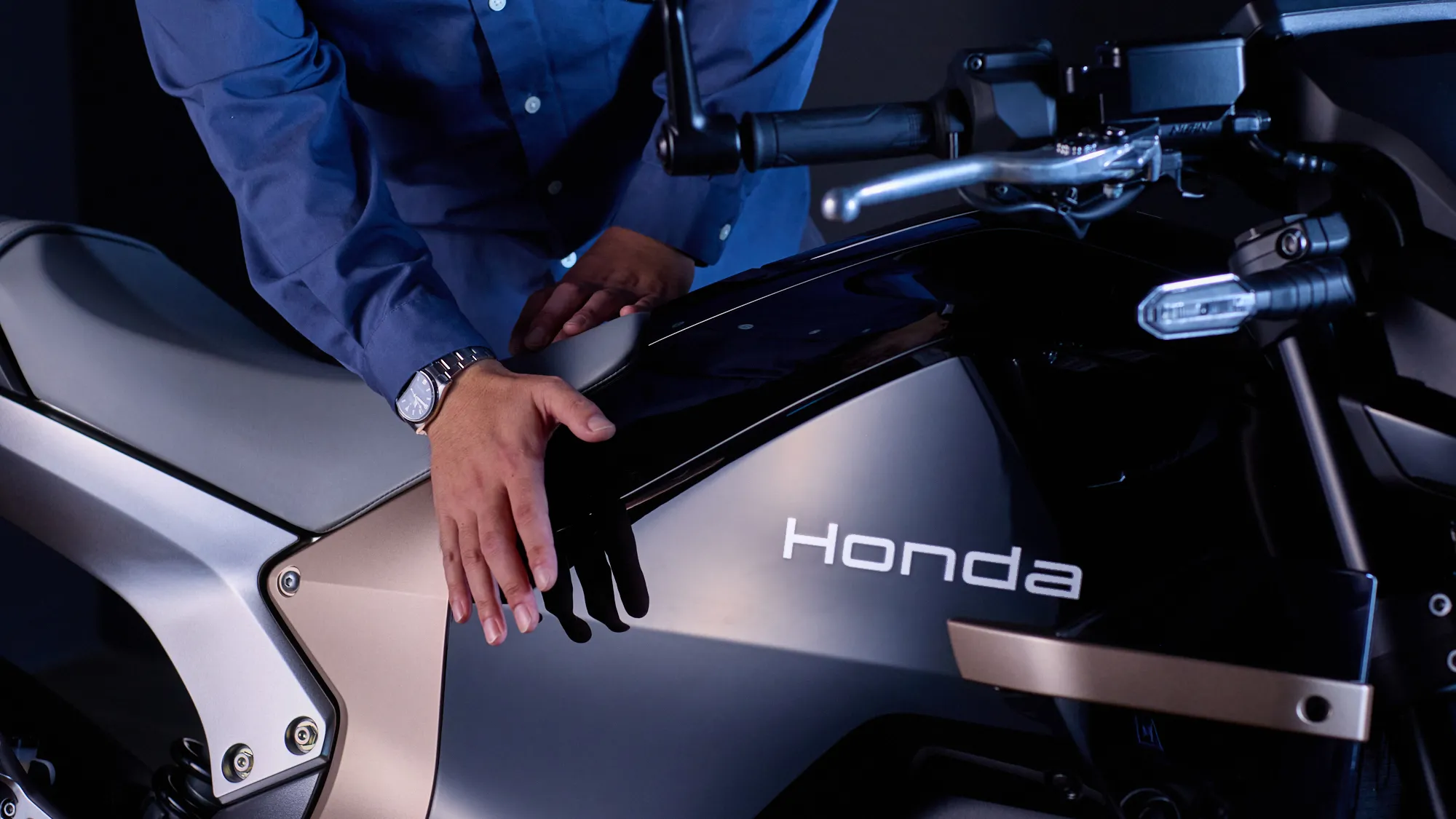
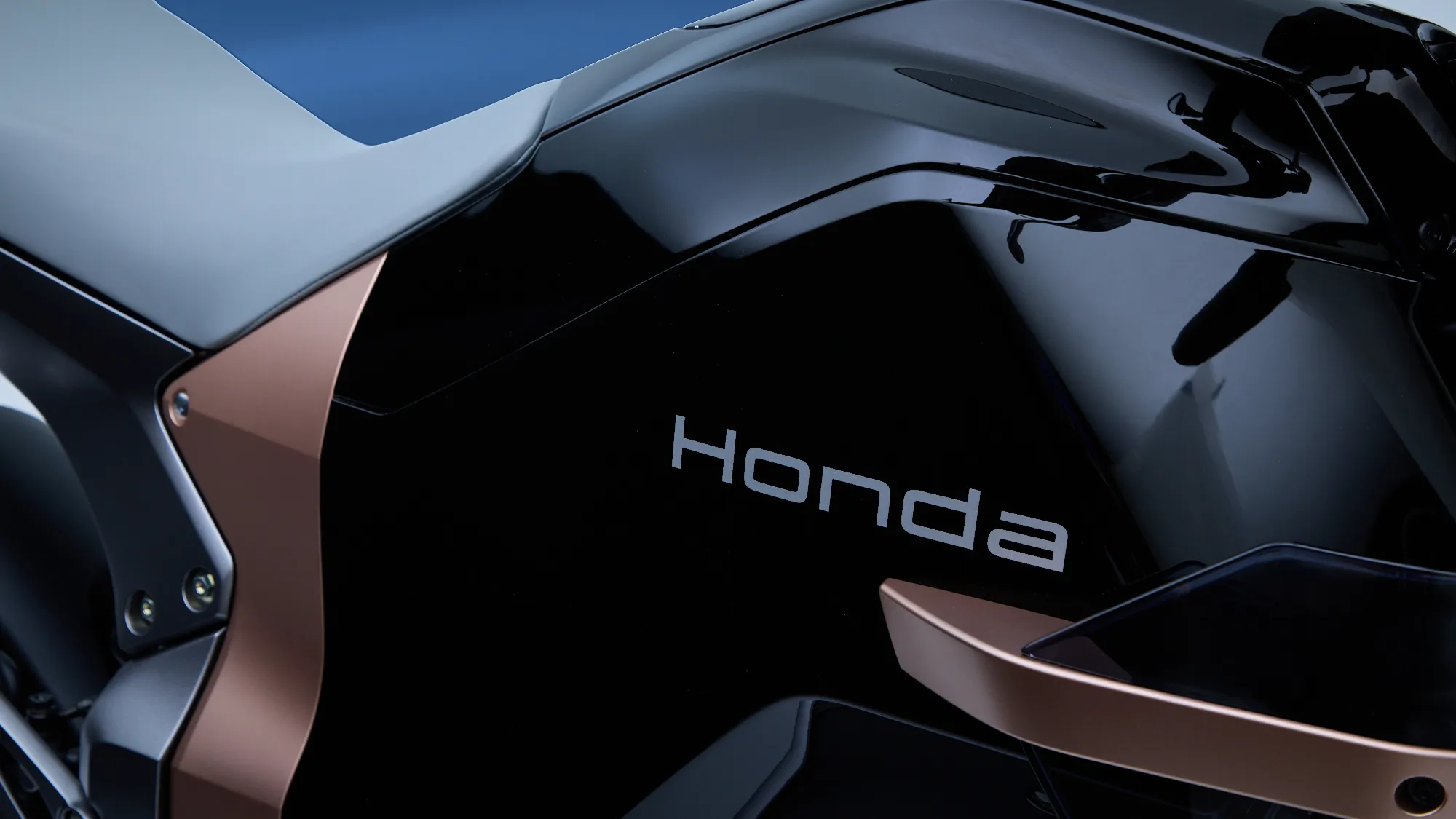
The WN7’s design is based on horizontal and vertical lines, giving it a quiet, composed presence that blends naturally into cityscapes. We also gave it lustrous and delicate surface undulations. These gentle undulations softly capture ambient light from the city at night, reflecting buildings and streetlights as highlights that flow smoothly across the surface. We refined the surface expression with modelers to achieve the emotional expression of strength that breathes within stillness.
A concept embodied in every detail
What innovations did you incorporate to express the “Be the Wind” concept?
Ohashi
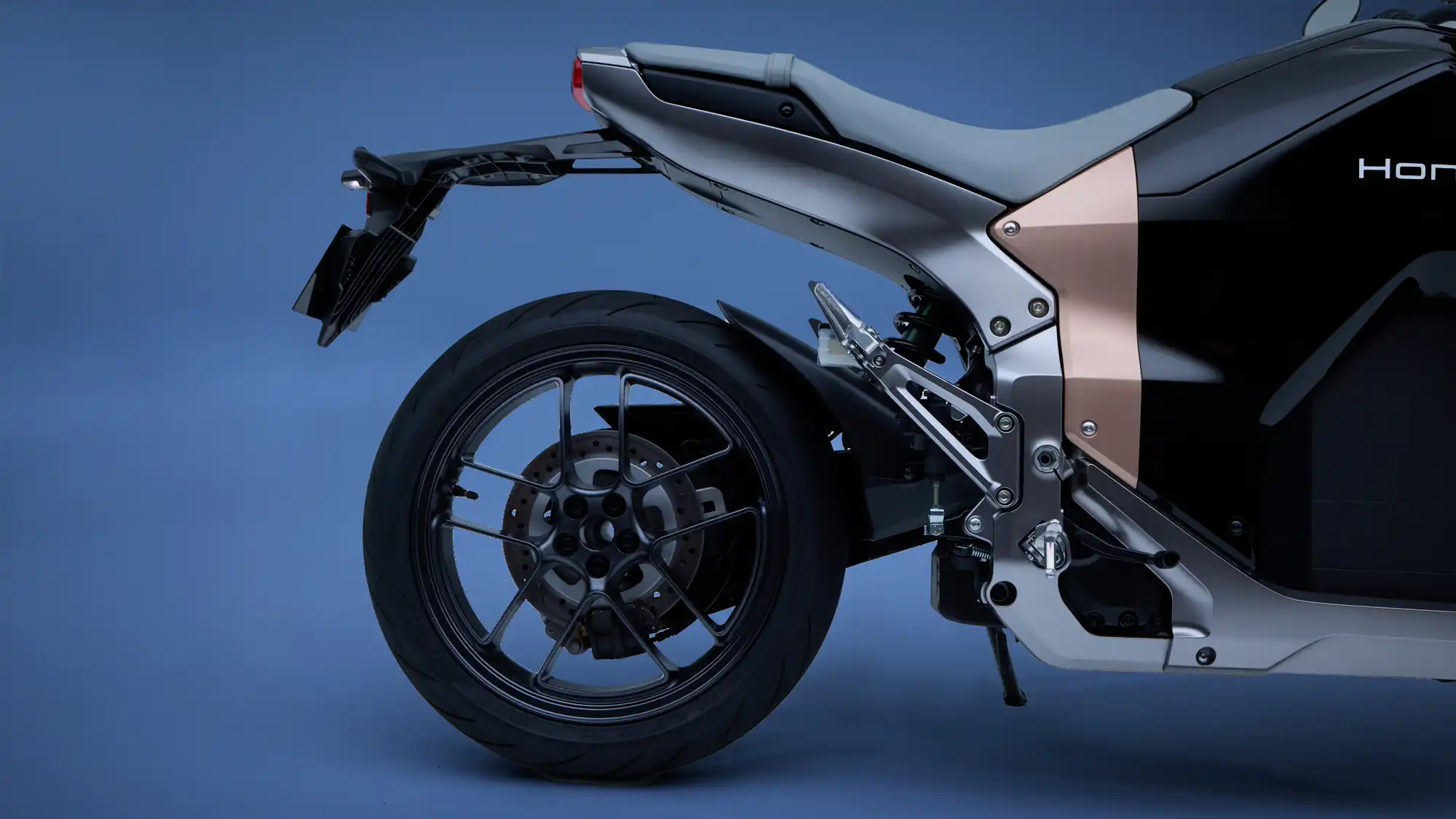
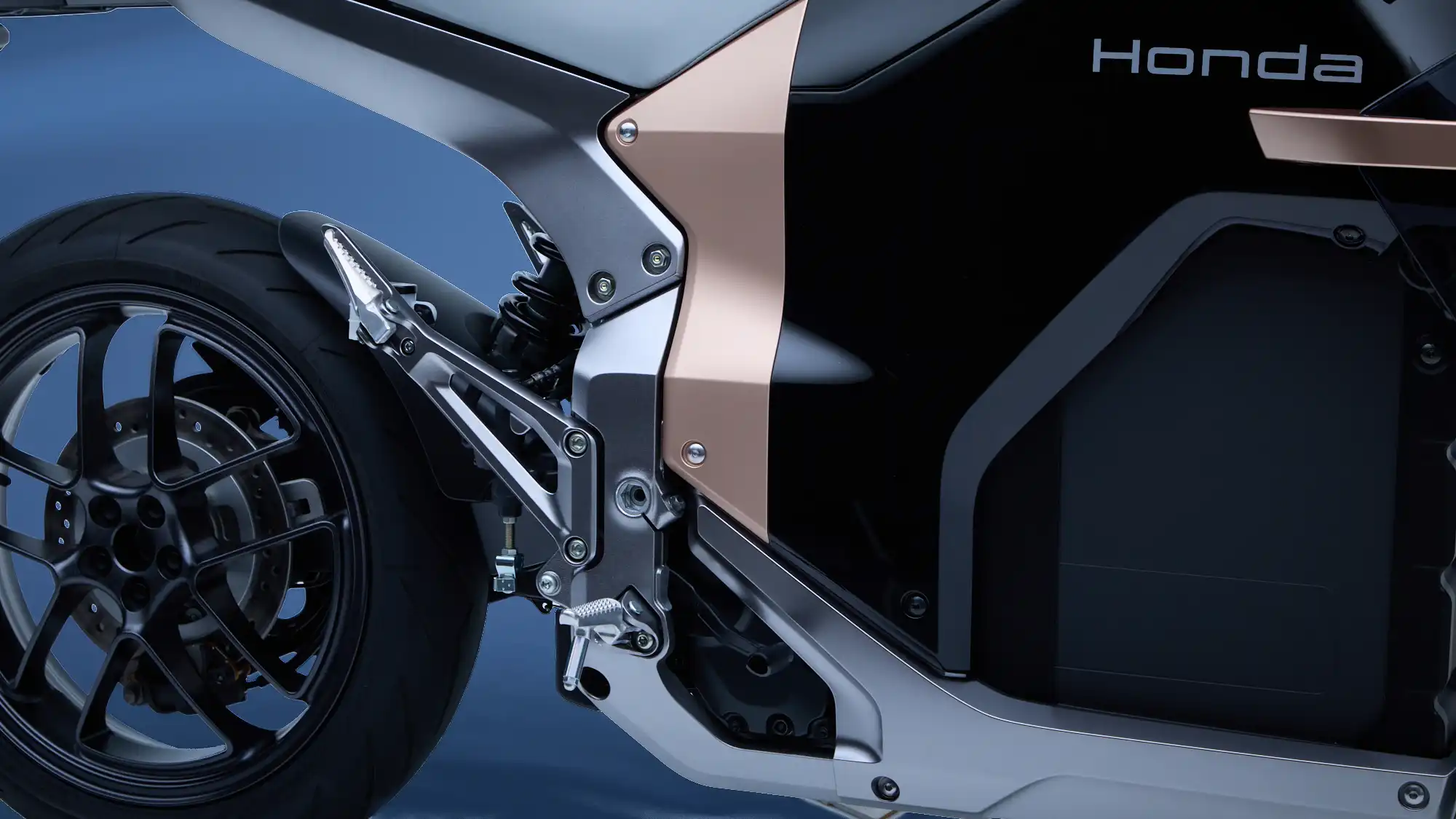
One such innovation is the seat rail section. The design of the seat rail section has a significant impact on expressing lightness. This section houses the unit for rapid charging, but the high-voltage wiring connected to the unit is extremely rigid and cannot be freely bent, making the internal layout very challenging. Furthermore, it must also possess the strength to withstand the weight of the rider, passenger, top box, and other cargo. We worked closely with engineers to devise a frame cross-section that minimized additional weight while achieving the most compact possible design, successfully conveying a sense of lightness.
Ohashi
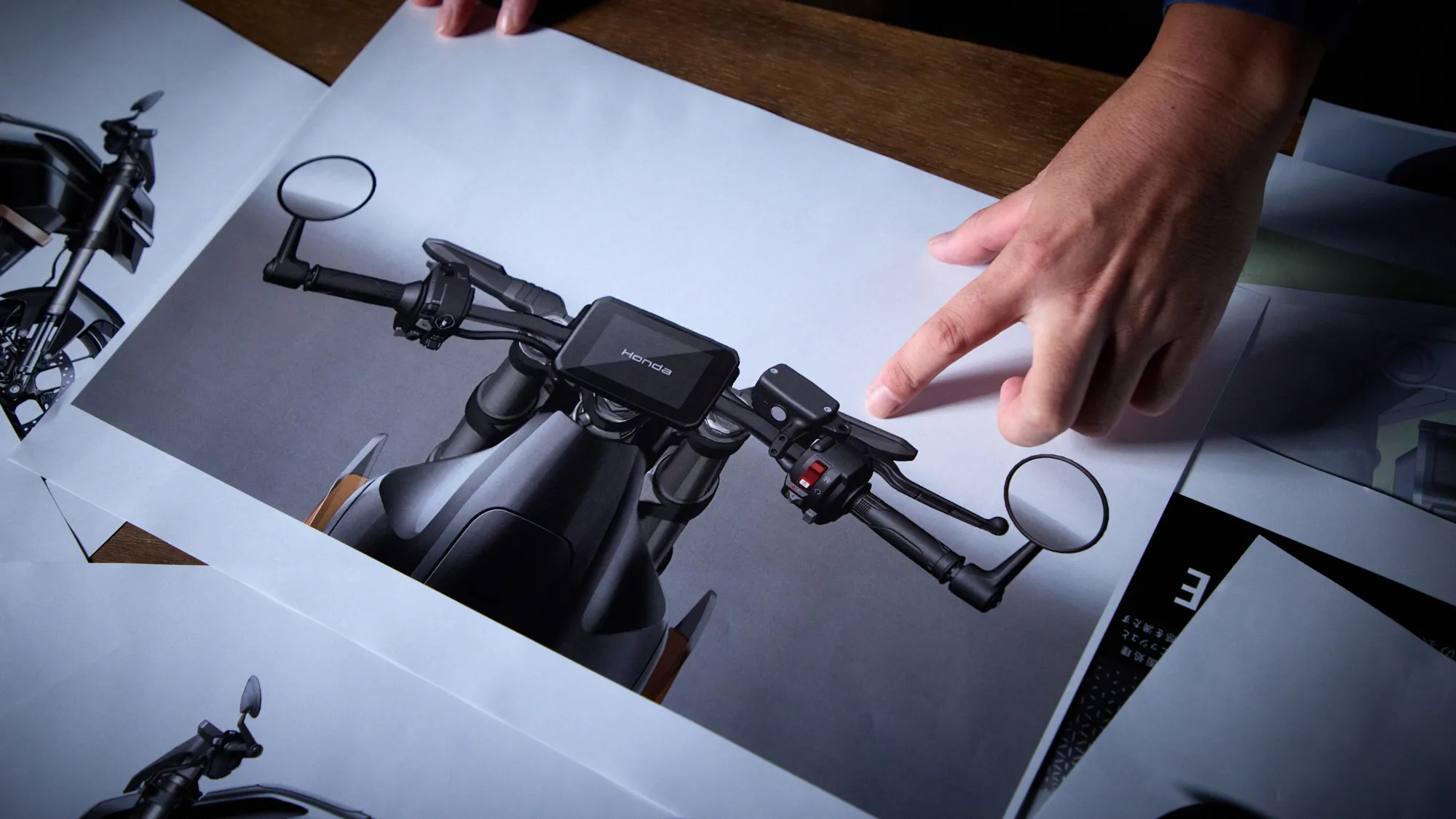
In the EV FUN Concept, the display for the meters was positioned in front of the handlebars, but in the WN7, it is now located closer to the rider. In addition, the bar-end mirrors further open up the field of view, achieving a panoramic and expansive rider view with no obstructions.
Ohashi
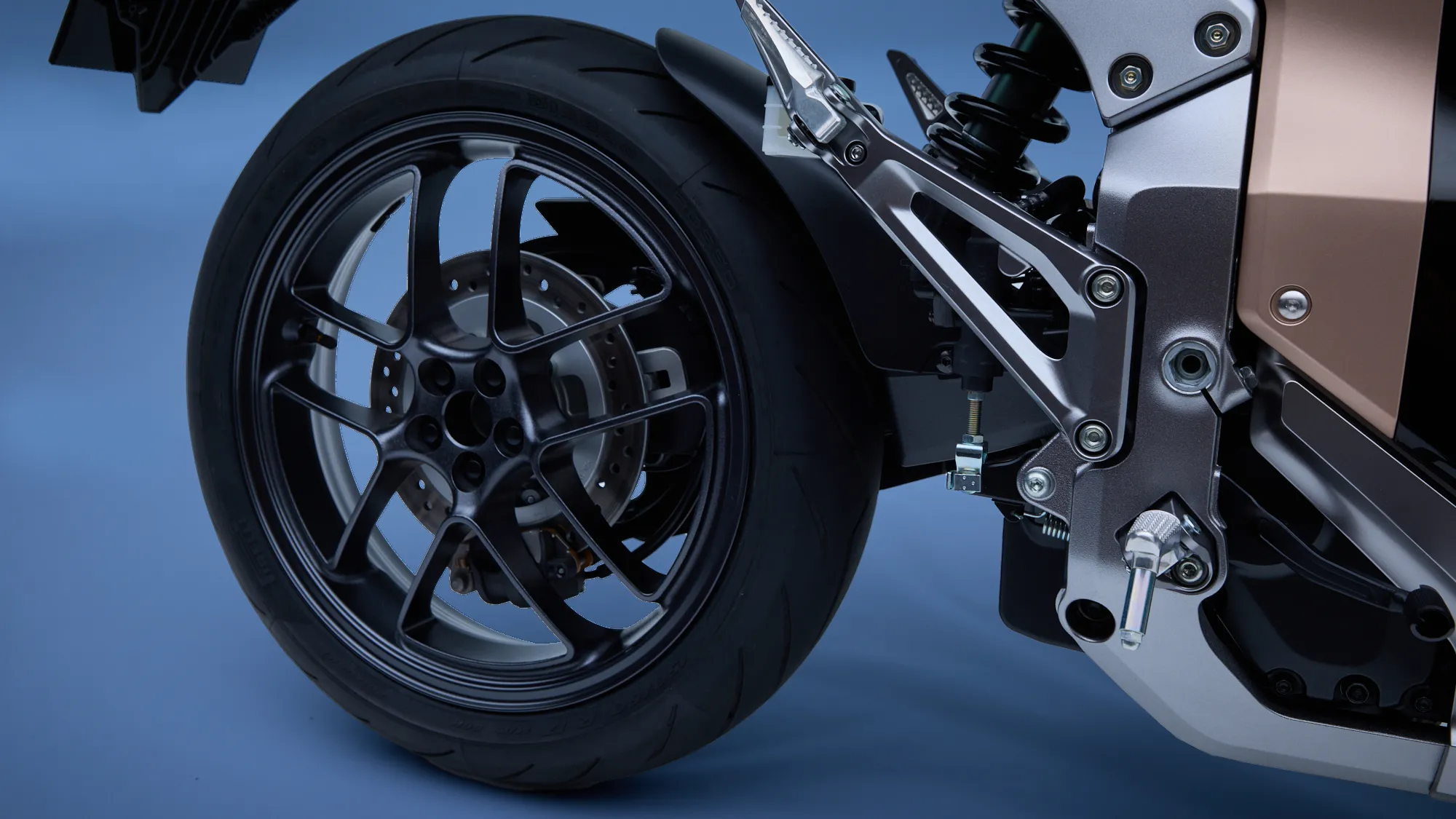
Expressing the powerful ride that is typical of a motorcycle was also a key point we aimed for in the design. We used a single-sided swingarm to accentuate the presence of the rear tire, emphasizing the powerful acceleration unique to EVs and the dynamic performance expected of a sports model. We also used a belt drive for the first time in a Honda motorcycle, eliminating the friction noise of a chain to enhance quietness. In keeping with the “Be the Wind” concept, this eliminates unnecessary noise and vibration, delivering a pure riding experience where the rider can experience the sounds of nature and cutting through the wind directly.
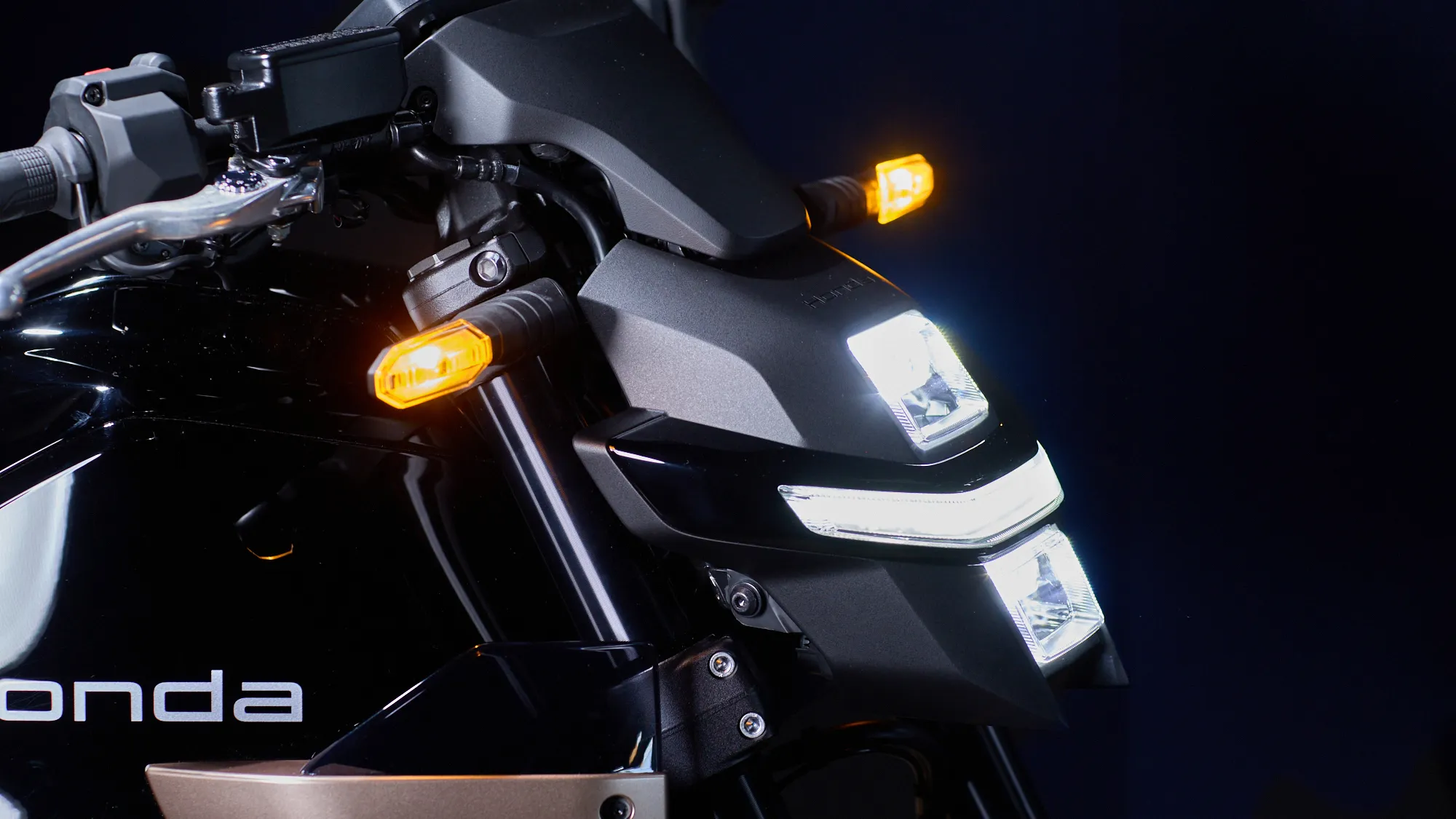
The front end is also distinctive, conveying the identity of an electric motorcycle brand.
Ohashi
The daytime running lights (DRL) feature a simple, single-line design. As urban mobility, it achieves an extremely neutral expression that conveys an iconic presence befitting an electric motorcycle and does not intimidate onlookers.
CMF aiming for harmony and eminence
Ohashi
The CMF design was based on the theme of “Harmonize and Eminence.” The color palette features subdued tones that blend harmoniously with cityscapes, while distinct textures convey a sense of quality. We paid particular attention to the gold accent color. This shade, chosen to express the premium quality and individuality of Honda’s electric motorcycle brand, is a slightly reddish and subdued hue reminiscent of dawn. We worked with a large team of CMF designers to create dozens of color samples, repeatedly experimenting until we achieved the ideal shade.
Ohashi
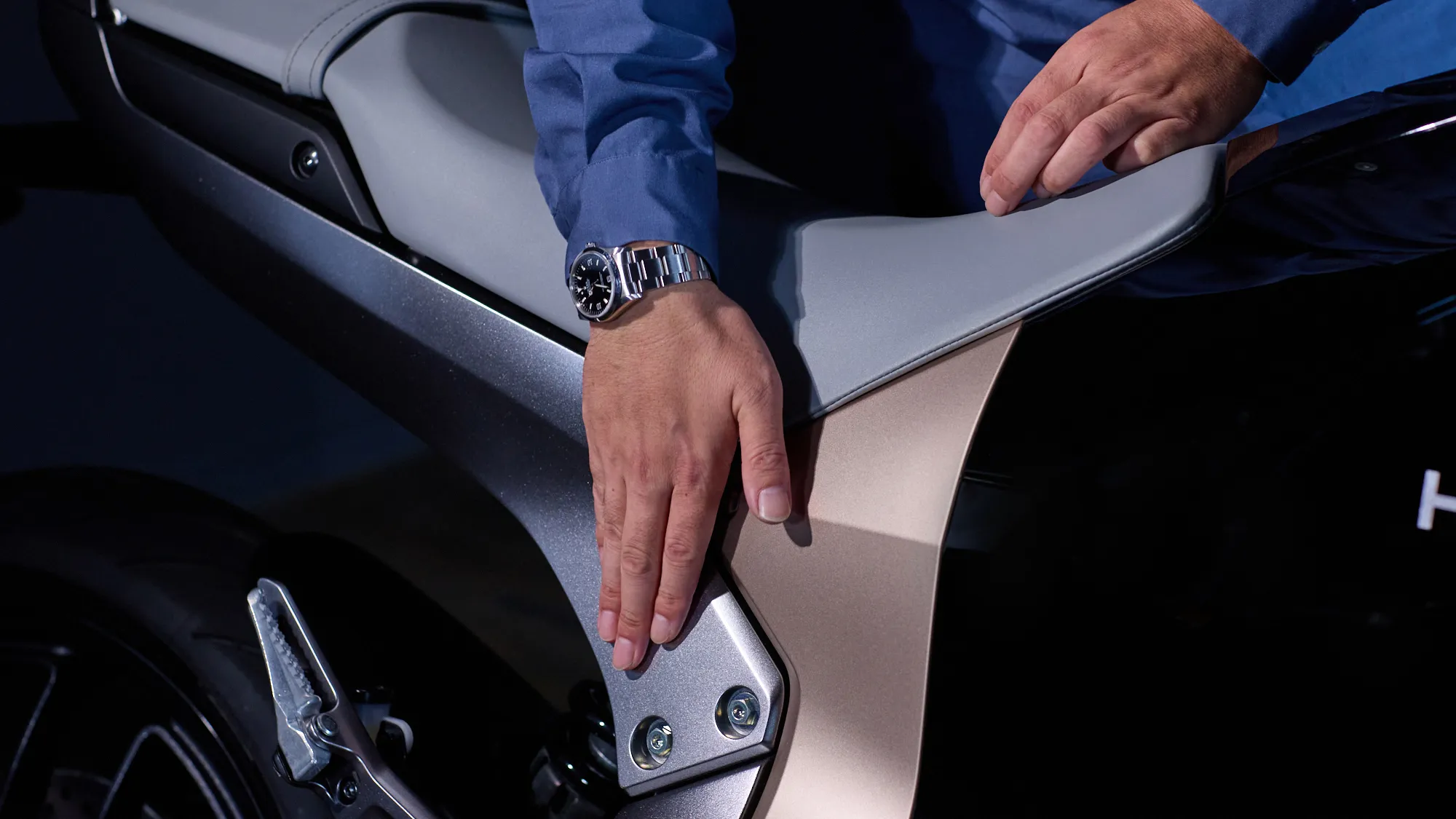
The battery features a simple matte black metallic finish. The silver parts, such as the seat rails, were developed in a color exclusive to this electric motorcycle. The paint reflects light strongly on its surface, creating a pronounced contrast between light and shadow. In addition, even with the same paint color, the texture subtly changes between the aluminum and resin parts. We balanced contrast and harmony by separating the aluminum parts, which give a mechanical look, from the resin parts that people touch.
How did you develop the color variations?
Ohashi
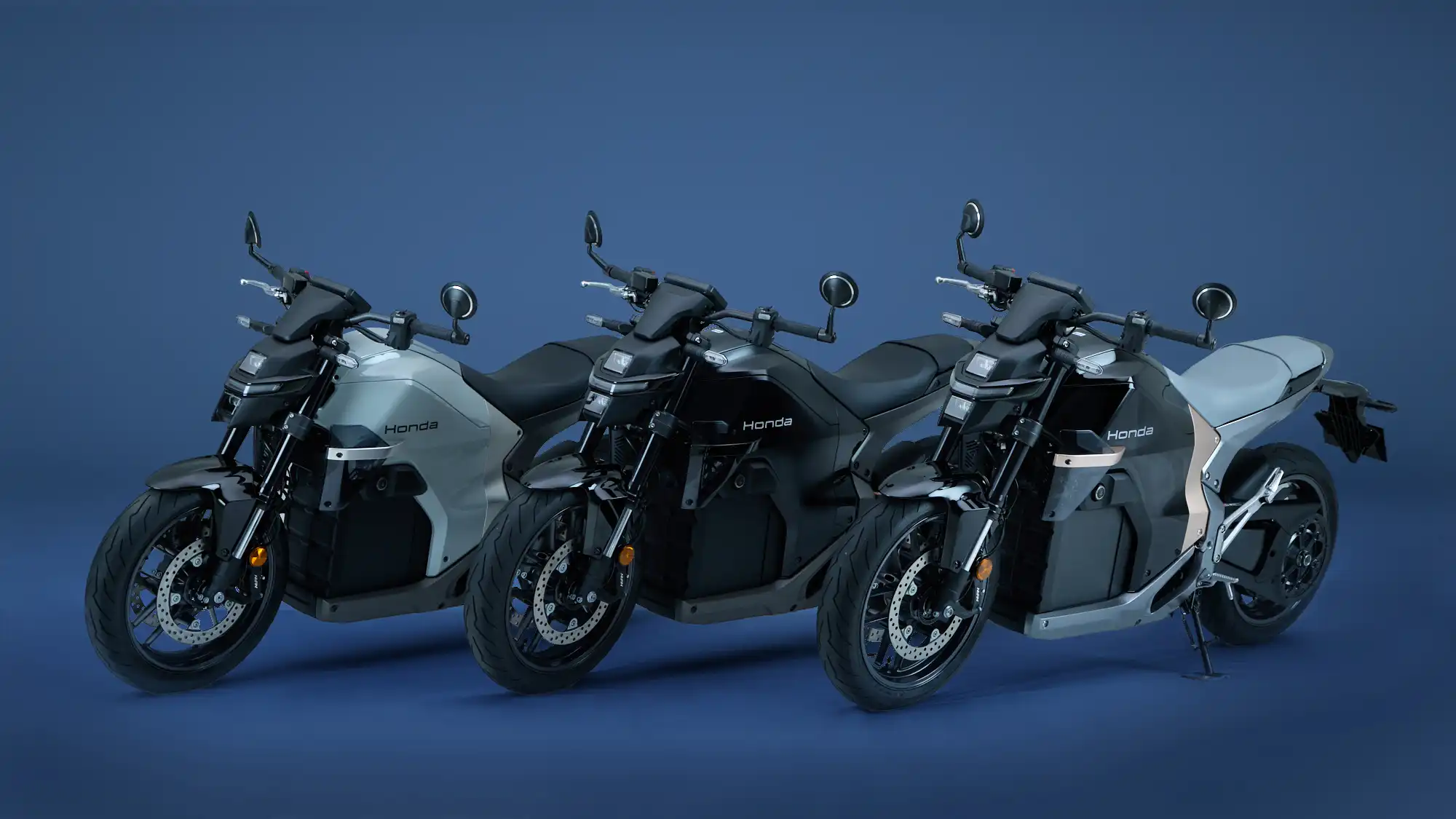
The WN7 is available in three color variations: black and gold, matte black, and gray. These variations were designed to harmonize with daily commutes to work and school, as well as cityscapes, while emphasizing sophisticated tones and textures. The matte black finish in particular makes the body’s distinctive surface undulations and shadows appear more pronounced.
HMI foreshadowing the next generation
Are there any differences in the meter design compared to existing motorcycles?
Ohashi
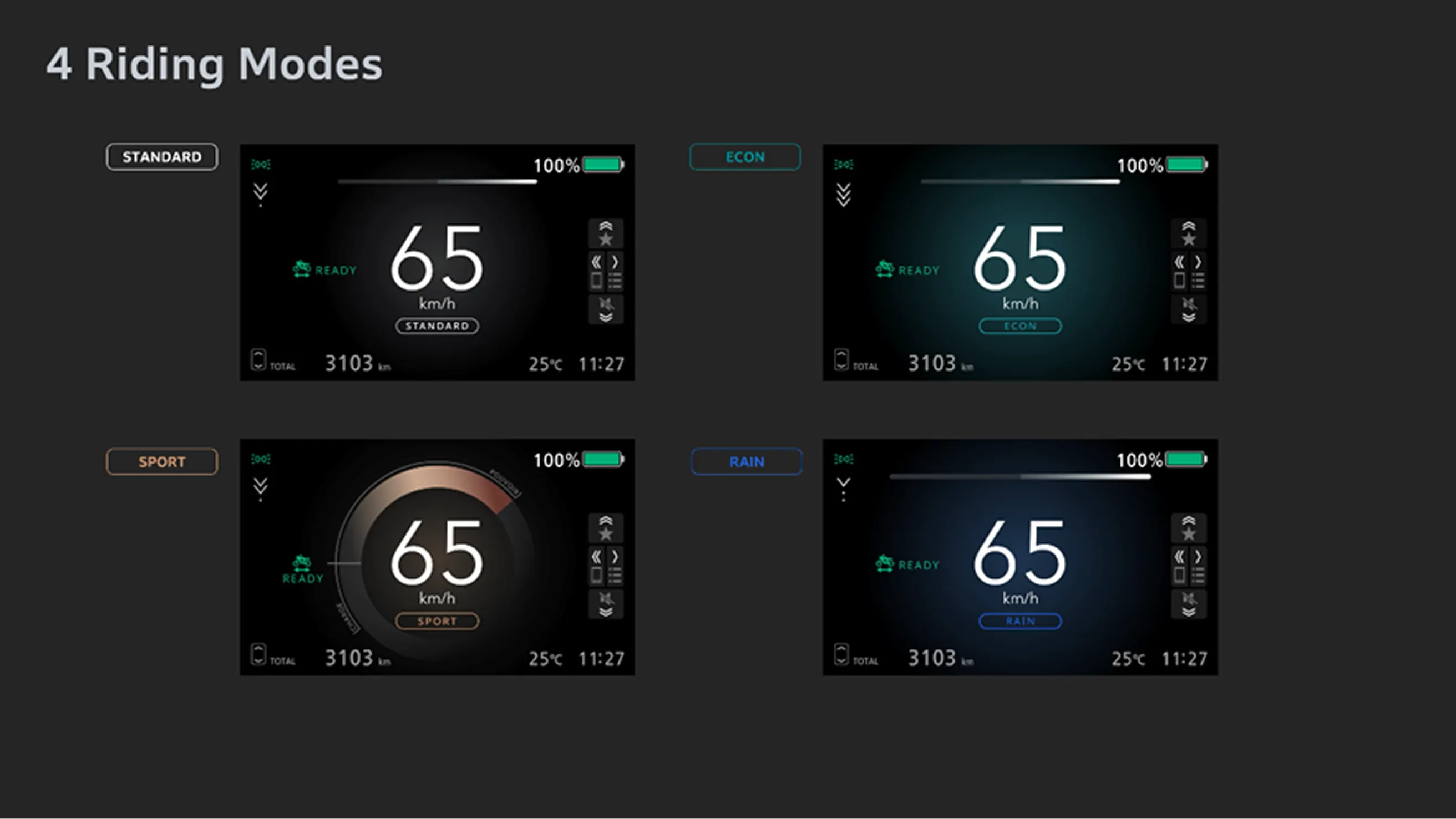
The WN7 does not feature a tachometer like ICE vehicles. The speed display is positioned centrally for easy visibility, while motor output and regenerative energy are shown as bar-shaped indicators at the top of the screen. Turning the throttle increases the power gauge.
Ohashi
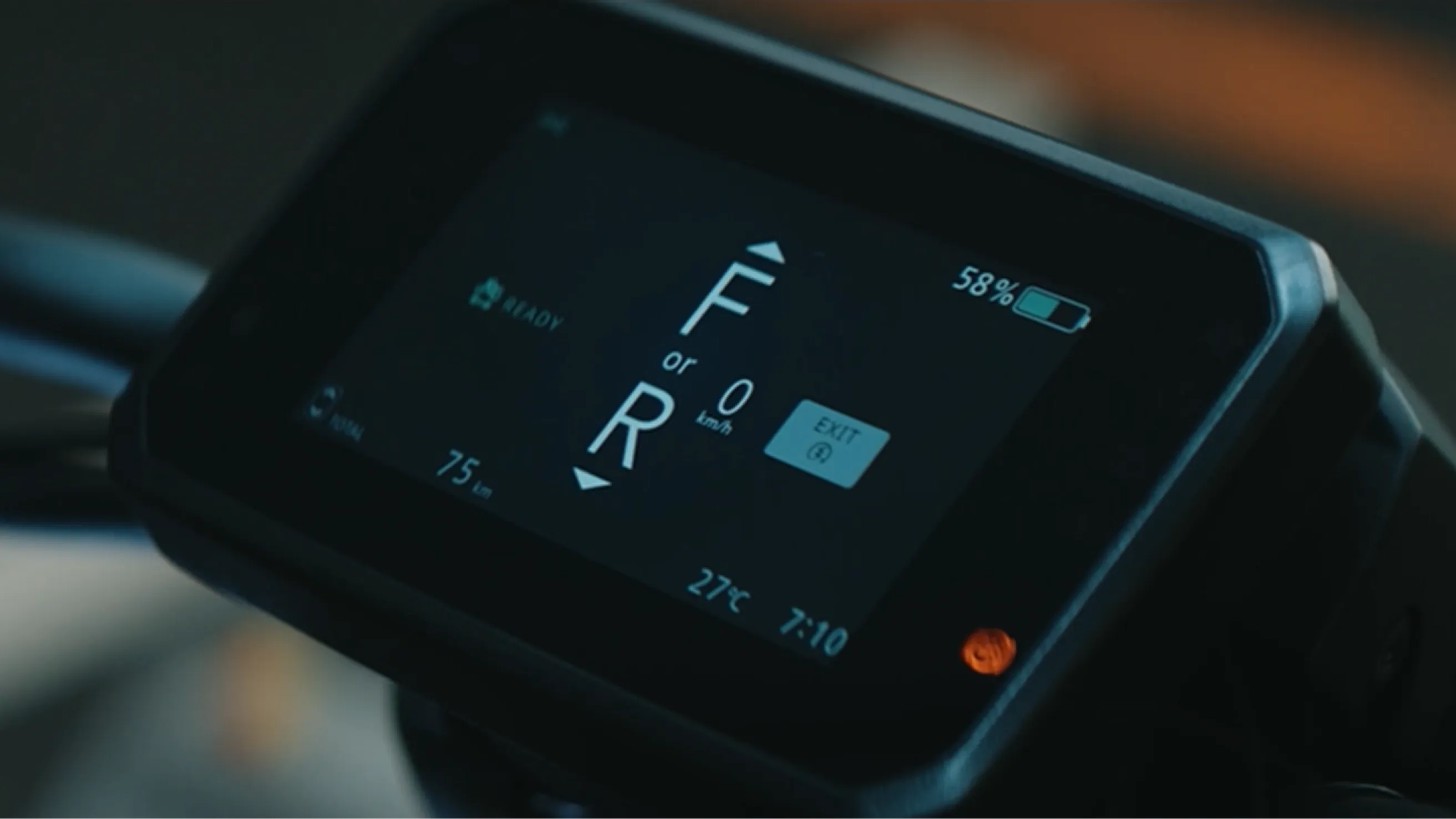
We designed it with a focus on simplicity and readability, carefully considering the placement, font weight, and size of displayed information. Meanwhile, in Sport mode, it can display circular output reminiscent of ICE’s analog tachometer, enabling an emotional expression appropriate for a sport model. Another distinctive feature is the Walking Speed mode, which allows for slow forward and reverse movement. This mode allows forward and reverse movement using motor drive to adjust speed, assisting with turning and maneuvering in tight urban spaces to reduce burden and anxiety.
The WN7: Honda’s Vision for Electric Motorcycles
Striving to achieve Honda uniqueness in an EV
Are there any aspects of Honda uniqueness that emerged through the design of the WN7?
Ohashi
We role-played the daily lives of our target users to pinpoint truly essential features and thoroughly eliminate unnecessary elements. This process embodies Honda’s unique development philosophy. For this project, it was particularly important to focus on what works best in terms of daily usability rather than specs, balancing performance, price, and comfort. The result is a Honda motorcycle with a good balance of necessary features.
Profiles

Tomoya Ohashi
Motorcycles and Power Products
Product Designer