Transparent and Light Fastport eQuad Offers a New Design Concept for Delivery Mobility
“Transparent Mobility”
To be accepted as a member of the community
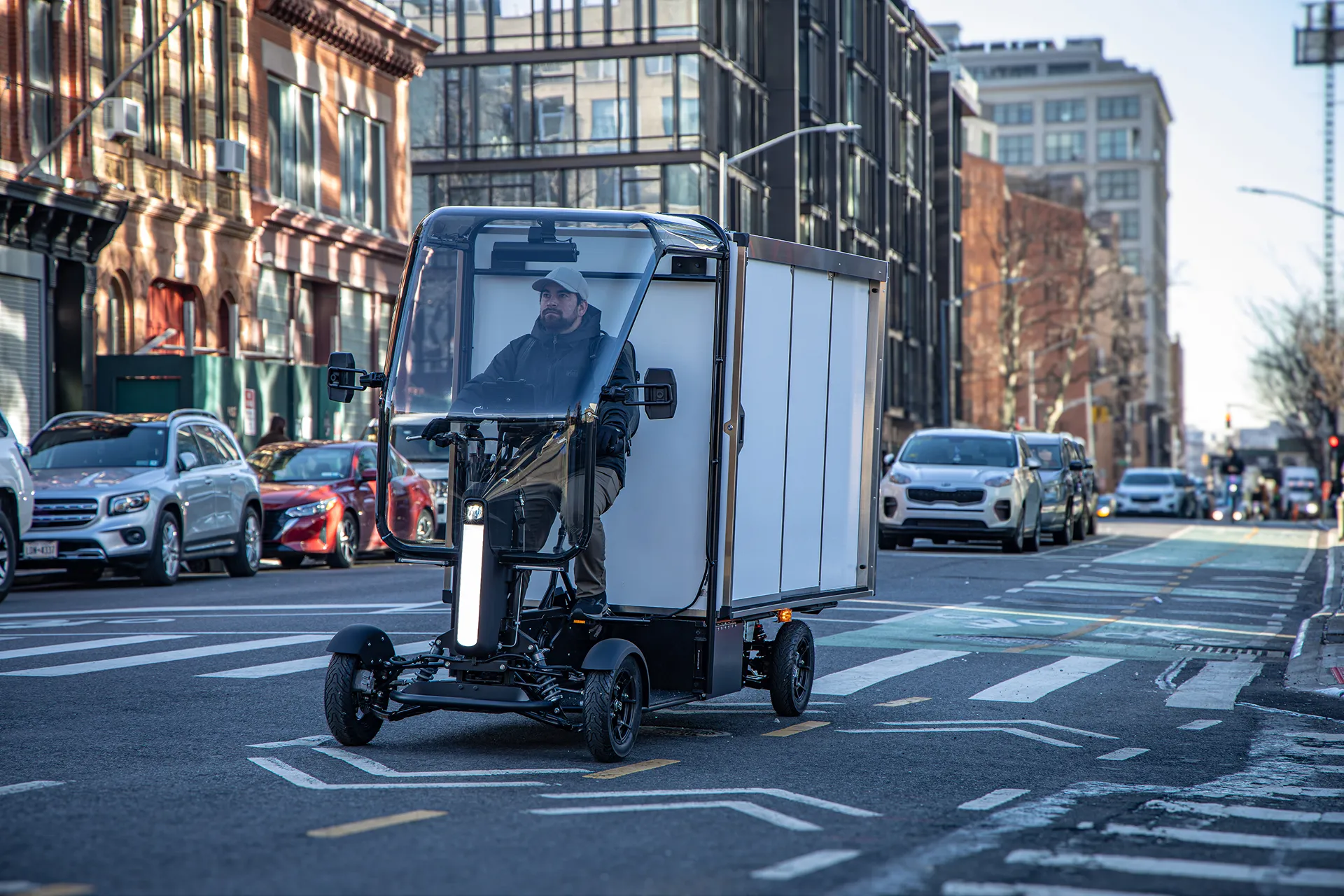
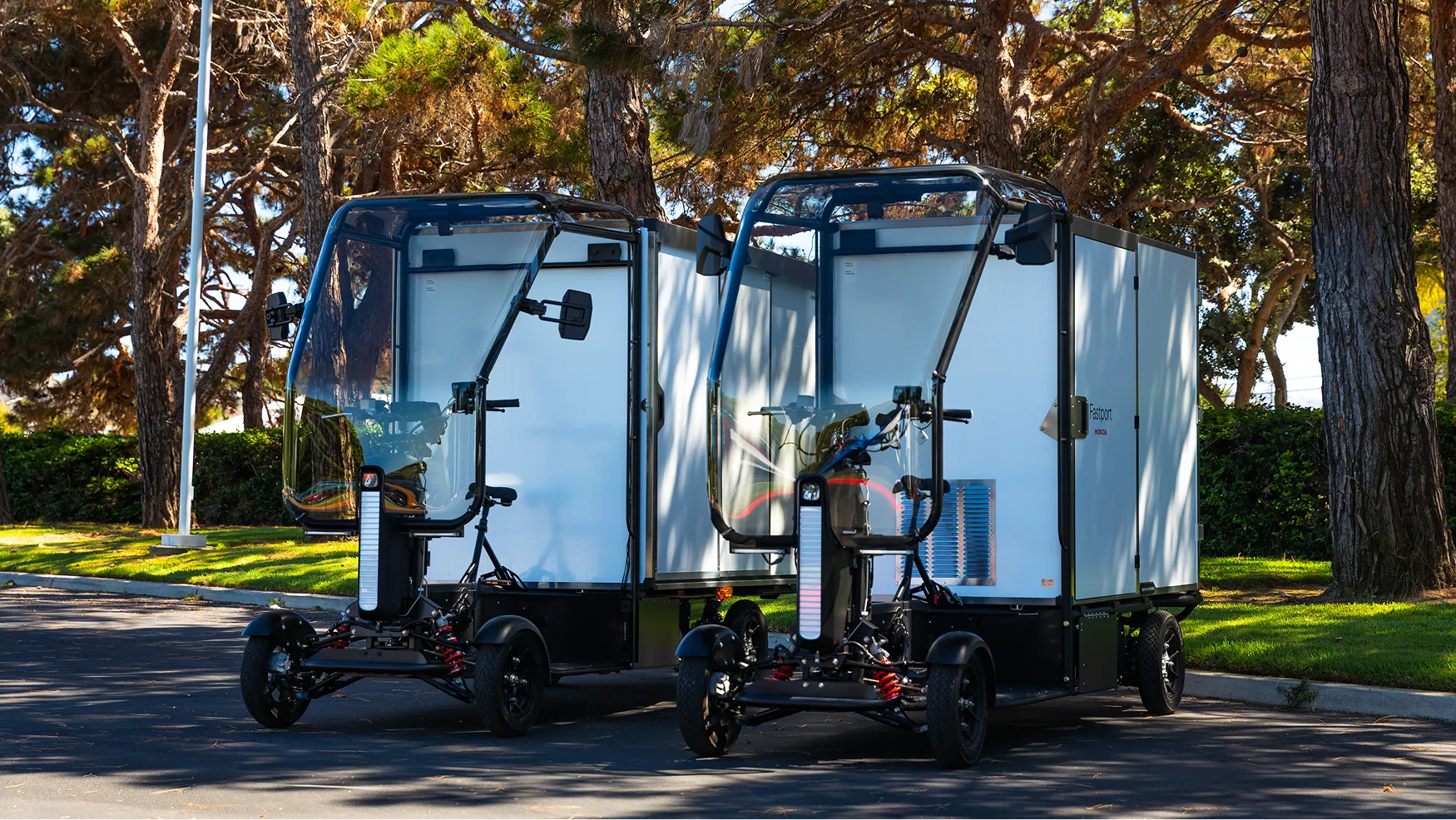
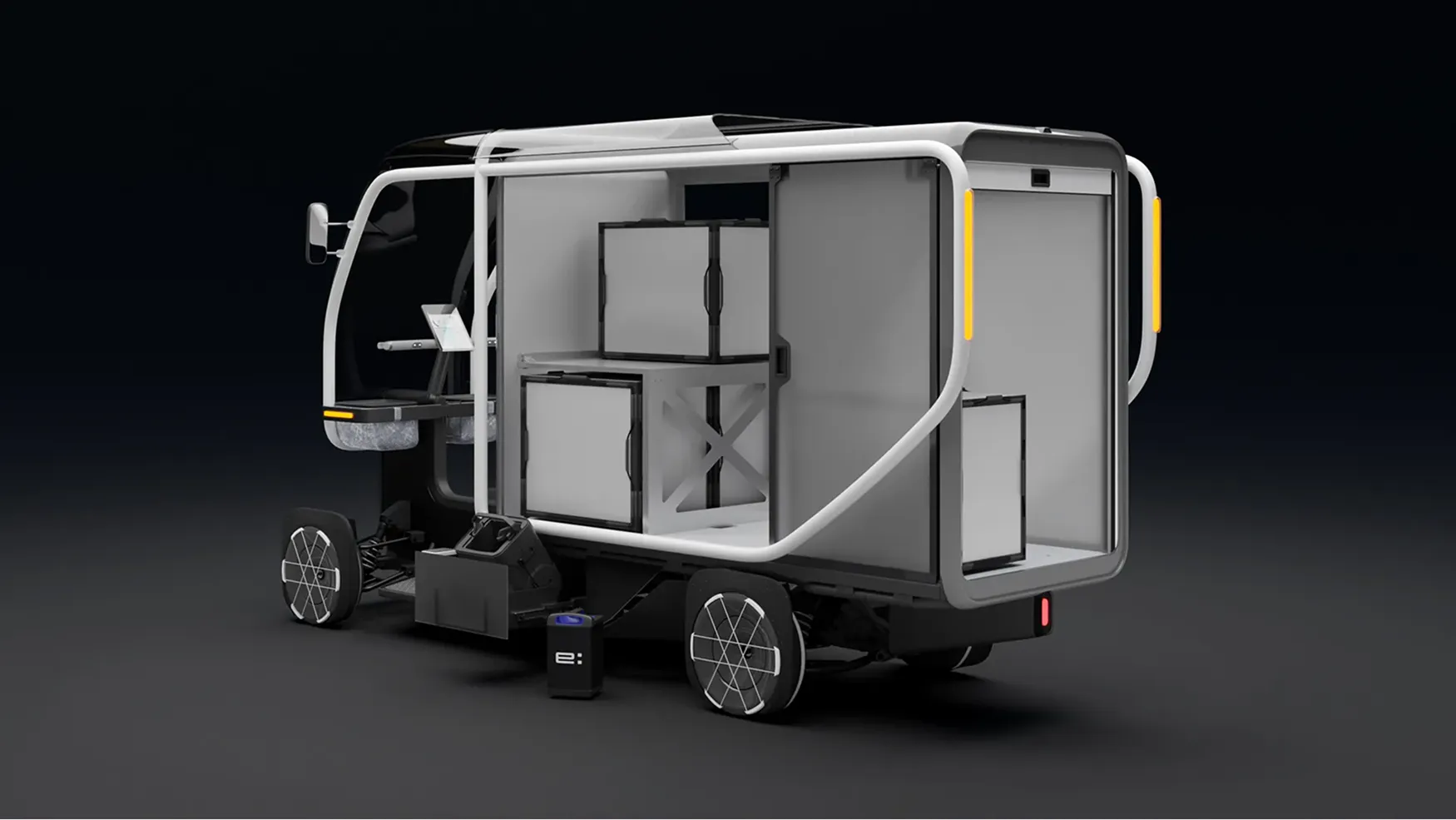
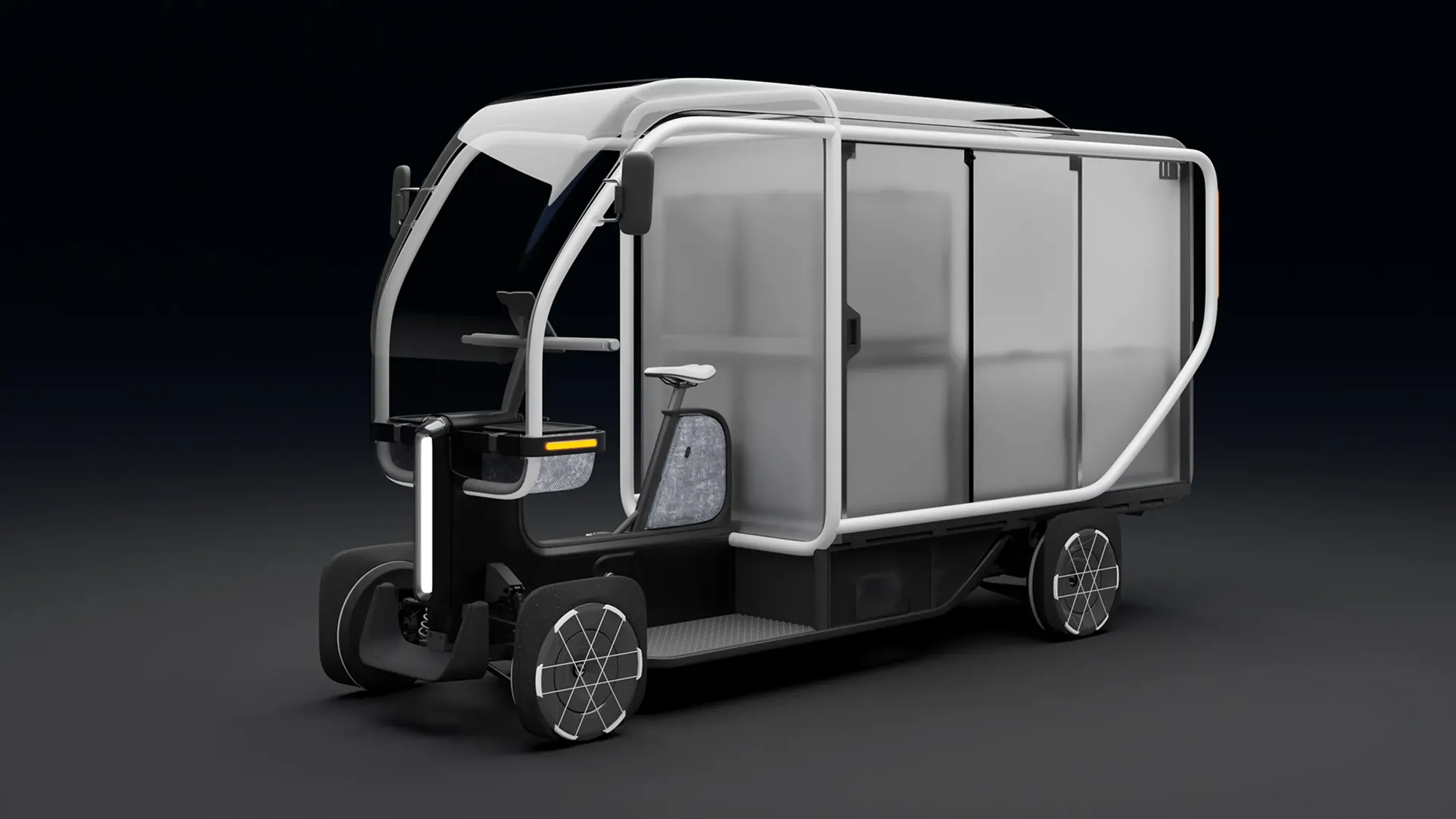
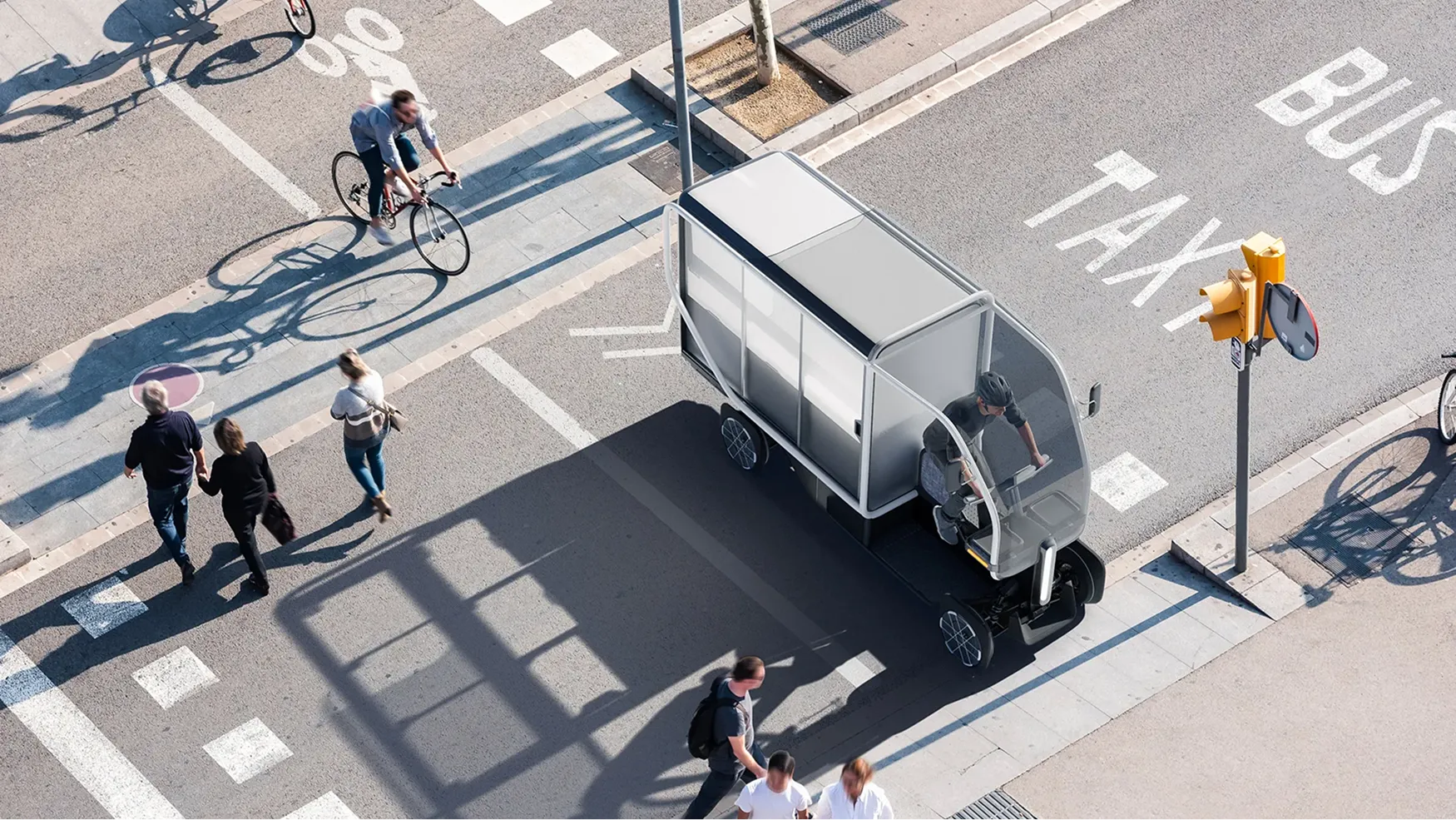
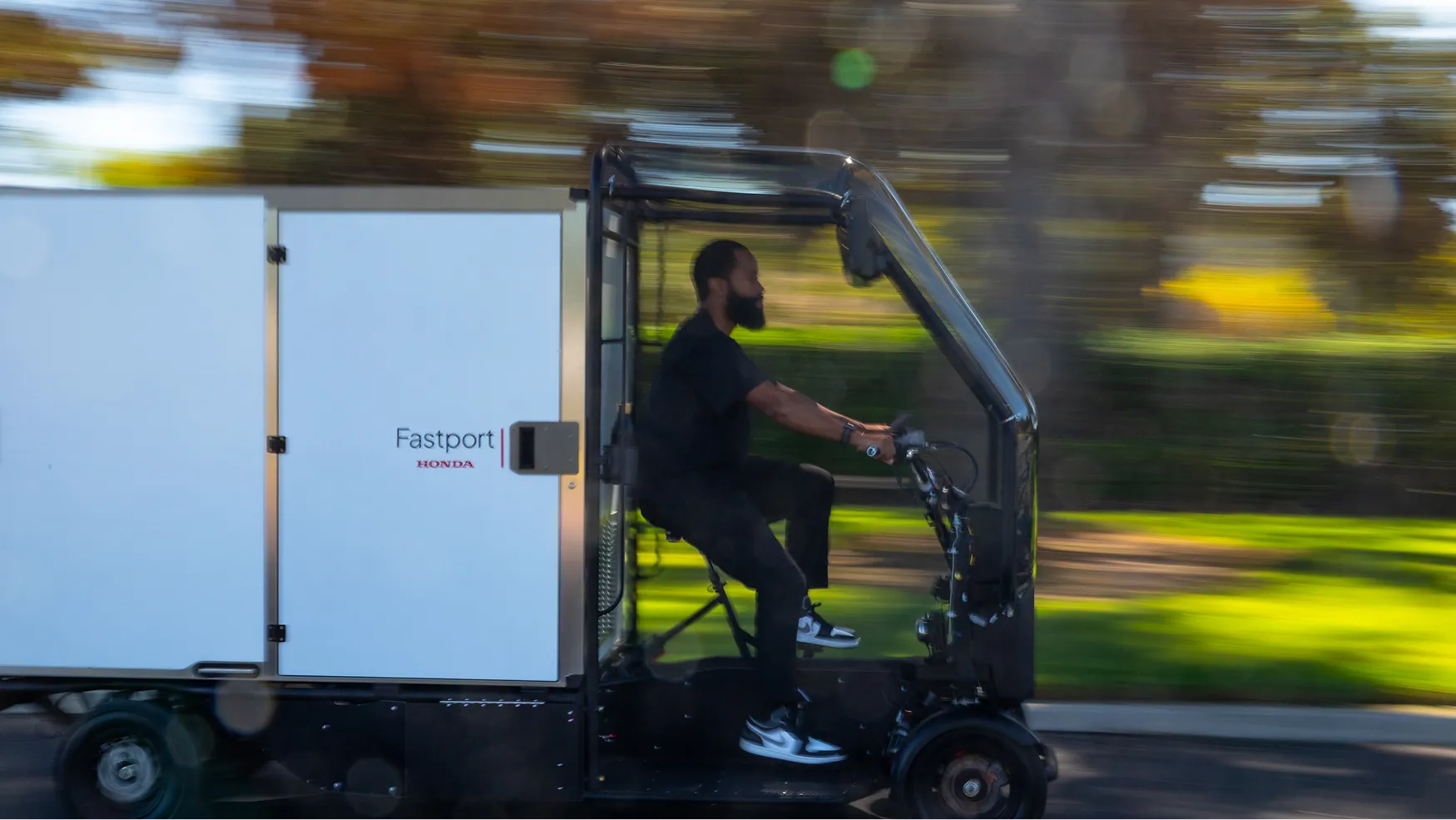
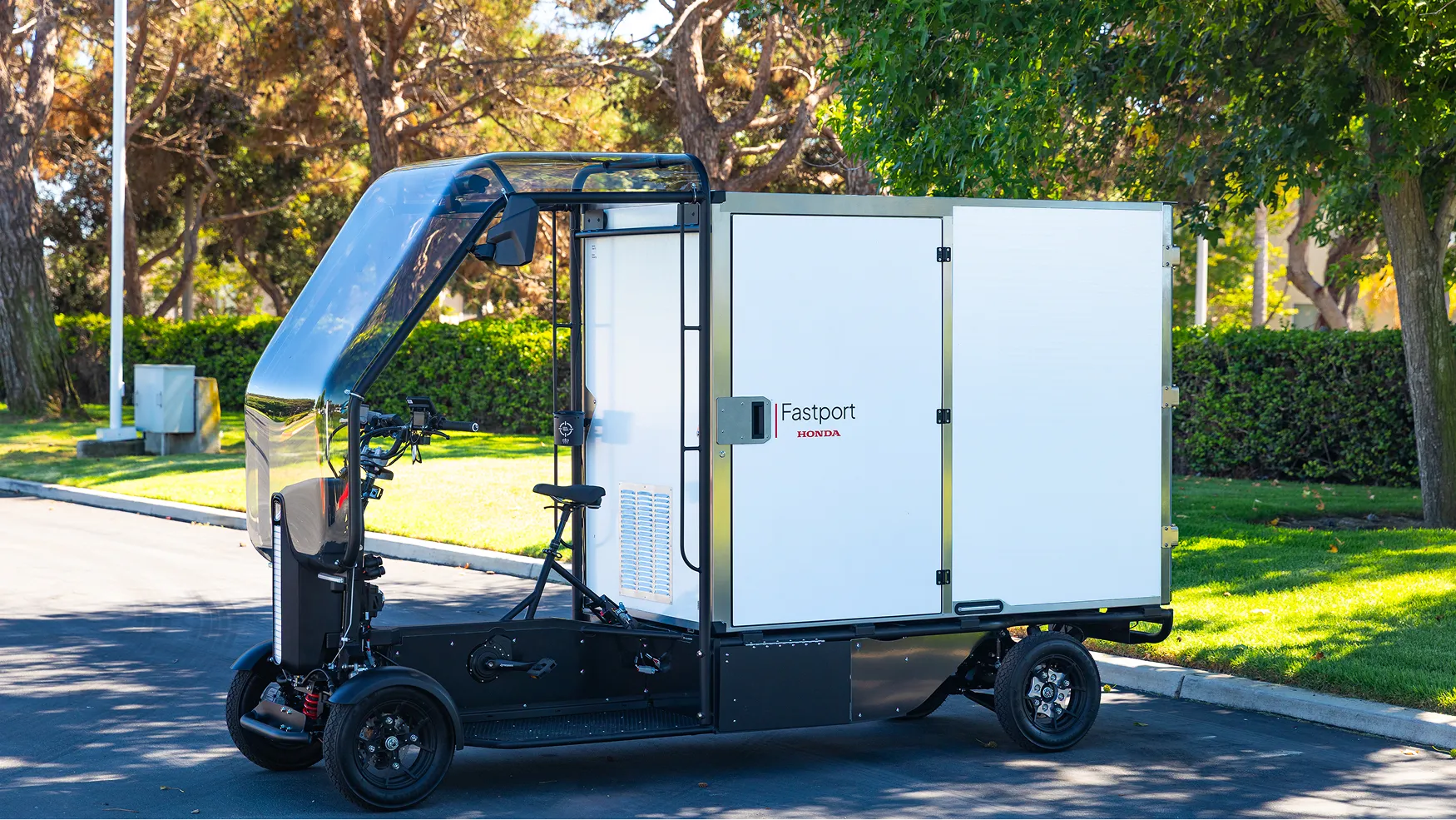
All-electric micromobility delivery vehicles are still unfamiliar in Japan. The most important design feature of the Fastport eQuad is transparency, with the intention to not hide the rider. In particular, the rider is visible from the outside to facilitate immediate recognition by cyclists and drivers in the surrounding area. The aim of the design is to be accepted naturally as a member of the community, sharing the roads and bike lanes with other users.
Structurally, the focus is on being lightweight in addition to being transparent, so design incorporates various bicycle elements throughout. The simple frame structure is also deliberately exposed to create a different impression from the usual van-type micromobility options, and an almost bike-like friendly appearance.
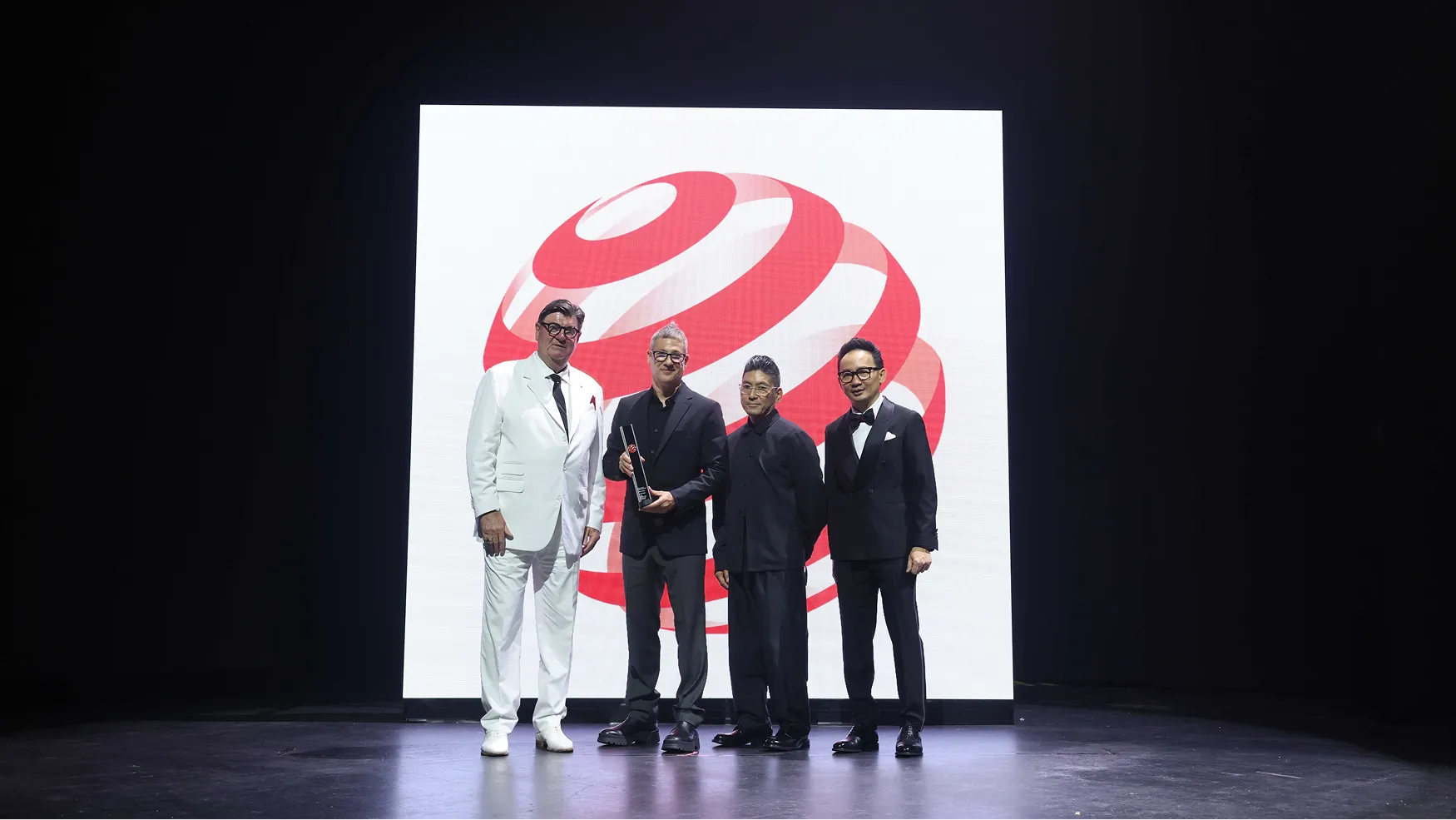
The Fastport eQuad earned high recognition at the Red Dot Design Award and was also nominated for the Red Dot: Luminary, an honor given to a select project chosen from among the Red Dot: Best of the Best winners. Meanwhile, Honda is now working on demonstration testing with logistics and delivery companies in North America and Europe ahead of the start of mass production in 2026.
This required an approach that was completely unlike that of existing automobiles.
U.S. Traffic Conditions Behind Development of a New Solution for the Last Mile
Respect for Cyclists Needed in New Mobility
――To start with, we understand that traffic conditions are vastly different between Japan and the U.S. Can you explain?
Devon
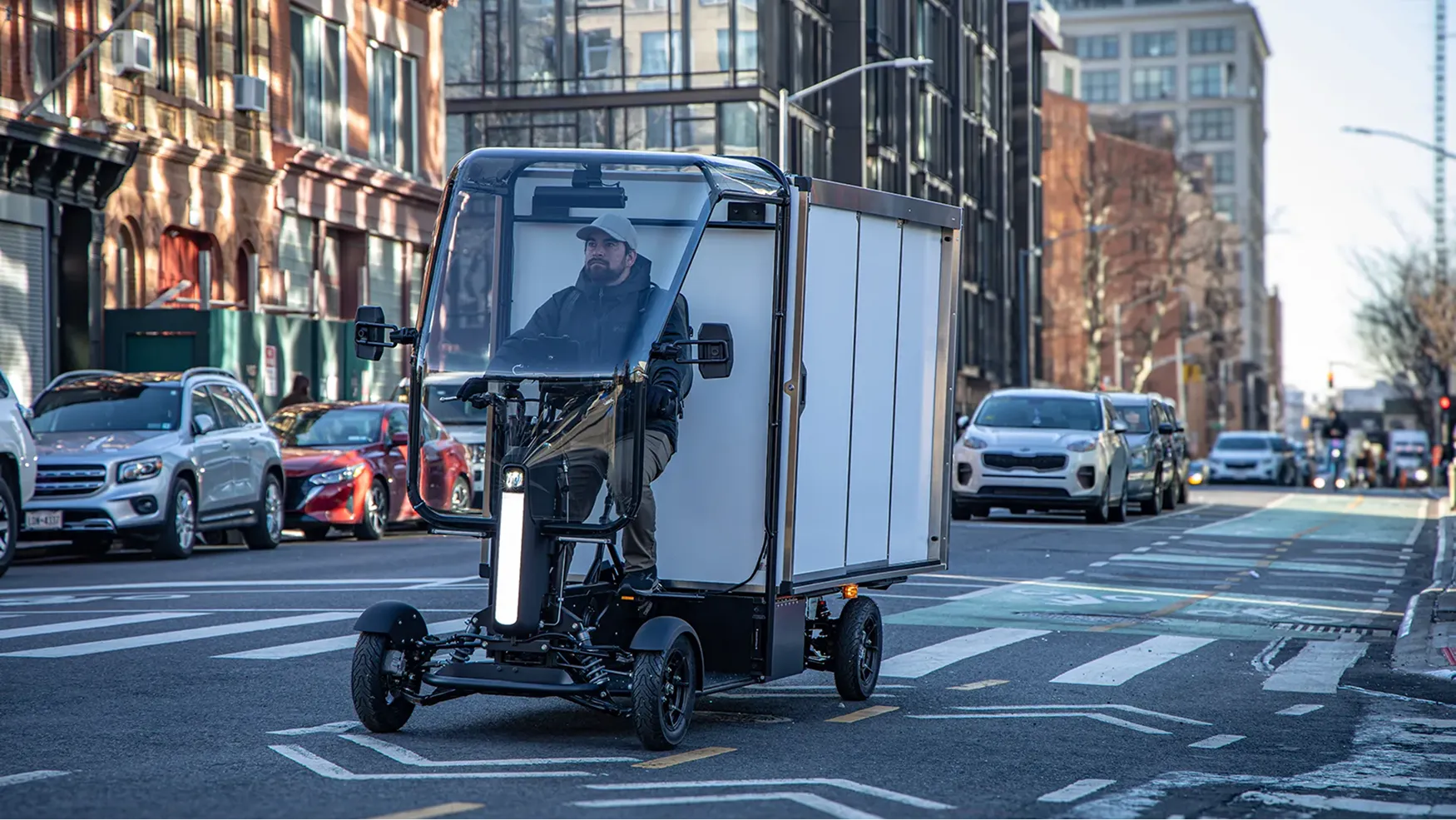
American society is centered on the car. Parking lots are huge, so many people use their own vehicles instead of the sparse public transportation options, and bicycle riders are in the minority. A lack of infrastructure is behind this trend. Regional government bodies have not paid it much attention, and instead push it off into the future. It is not unusual for some areas to have no bike lanes at all, and even if they exist, lanes separated by curbing are extremely rare. Most of the time, they are separated by lines painted on the road, and they are on average about 1.2 meters wide, putting them in close proximity to the normal traffic lanes, which makes it hard to describe them as safe.
Koo
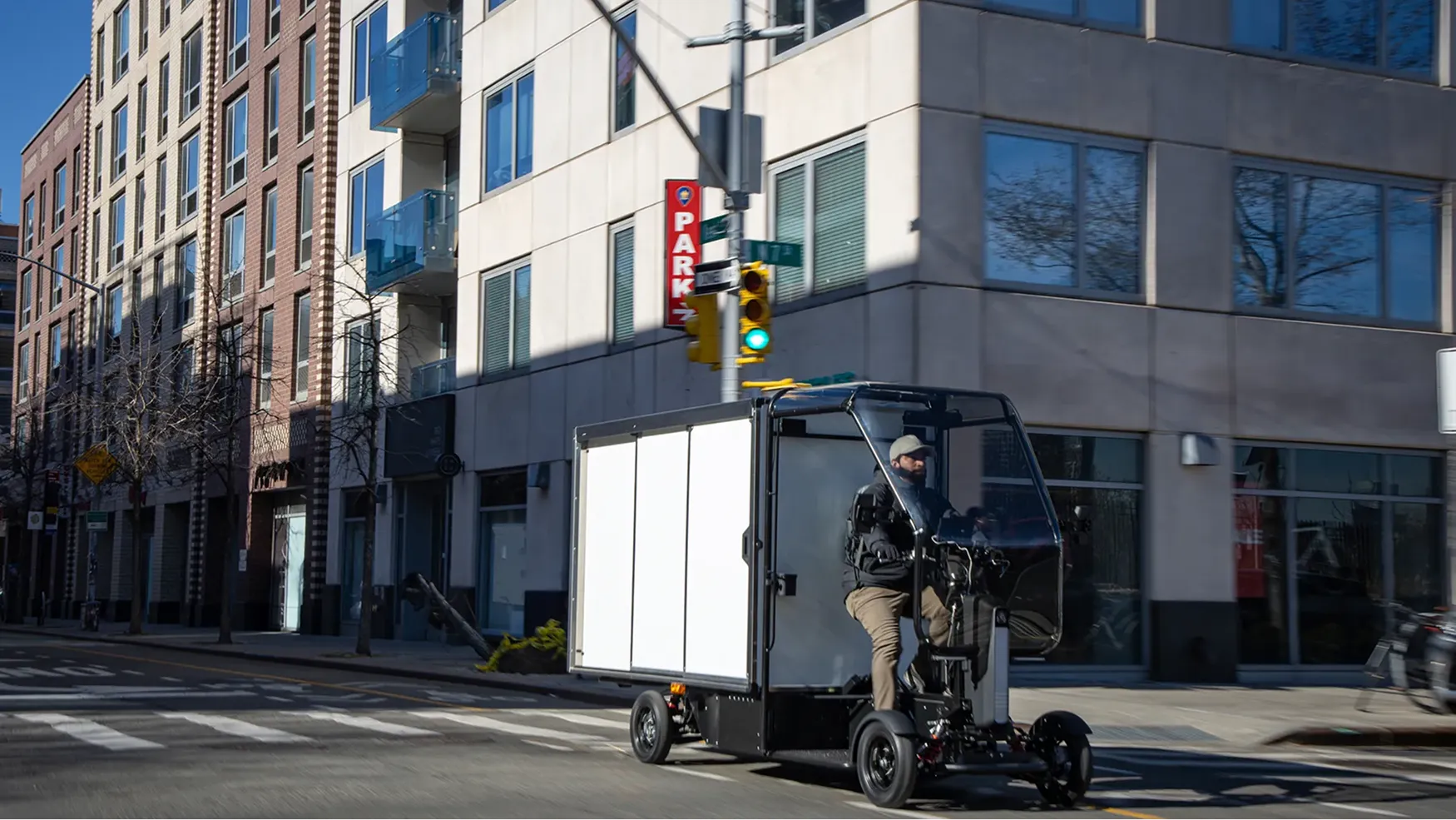
On the other hand, cyclists are increasingly considering bicycles to be a healthy and sustainable means of transportation. With continuing grassroots campaigns to improve the safety of bike lanes and to raise driver awareness, a cycling culture is gradually developing. While safety challenges have remained in many cities over recent years, New York and a number of other cities have made efforts toward improving the situation with dedicated bike lanes and clear signage.
――Given such traffic conditions, what led to the creation of the Fastport eQuad as a mobility option for using bike lanes?
Devon
In major cities such as New York, Chicago, Boston, and Los Angeles, severe traffic congestion has become a significant social issue. Last-mile delivery* in particular is a bottleneck for the entire logistics chain. Congestion in New York for example is intense, taking 30 minutes for a car to travel five miles. However, on a bicycle, the same distance can take a more predictable amount of time, as bikes do not get stuck in gridlock traffic and may even allow for a faster arrival than by car. New government regulations are also creating more zones where trucks cannot enter or park. Delivery vehicles are also blocking bike lanes and contributing to crashes, making the situation on the ground increasingly confusing. Rising insurance premiums and other costs are also increasing the burden on business operators. So, we wondered how Honda could provide a new mobility option to solve this last-mile challenge, which led to us entering this field of mobility.
Koo
The decision was also in line with Honda’s directions for its “second founding” (zero environmental impact, zero traffic fatalities, and embracing electrification). We focused on the following when developing the Fastport eQuad.
・Using bike lanes and making deliveries without disrupting city traffic
・Respecting the cyclist culture and existing harmoniously within that community
・Improving the road environment and promoting social collaboration to improve safety
・Contributing to cleaner delivery through electrification
In this way, we aimed to solve logistics challenges in large cities while paying respect to a culture built up over many years by the cycling community. That was the starting point for the Fastport eQuad.
Fastport eQuad Design Process Embodies Safety Through Visibility
Cultural Insights & Strategic Design
――What was the design process that gave birth to the Fastport eQuad?
Devon
We started with cultural insights about the cyclist community. From that understanding, we considered how to go about business communication, conducted research, and then determined the necessary elements in the layout. Finally, we settled on the design direction that would embody that concept.
Koo
At the initial cultural insight stage, we clarified our fundamental goal by asking why we would develop the Fastport eQuad. Our jumping off point had a double focus; to not obstruct the natural flow of existing bike lanes, and to be naturally accepted by cyclists by respecting the existing cyclist culture.
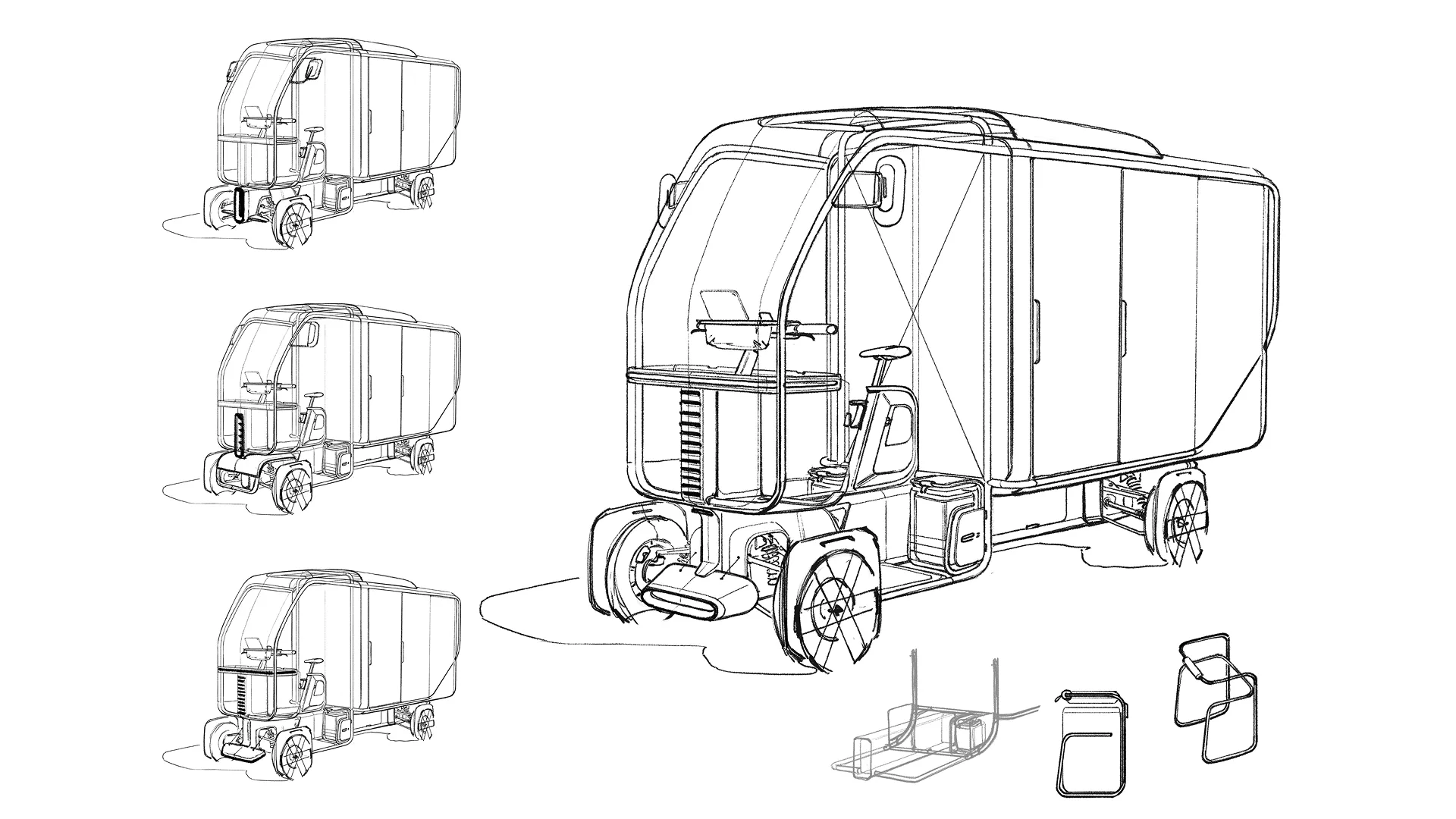
Koo
We then took a deep dive into risks and challenges. Our greatest concern was being rejected by cyclists as intruders. Avid bicyclists had spent years protecting and developing the infrastructure from the grassroots level. We therefore wanted a harmonious design that would be part of but not disrupt those flows. For this reason, we pursued a form that would blend into the urban landscape and culture, and focused on designing the Fastport eQuad to be accepted as a member of the community, while still maintaining the reliability of Honda.
Koo
In considering how to approach the existing market, we had to understand the reasons behind their passion for protecting bike lanes and their resistance to non-bicycle forms of mobility entering those lanes. Cyclists use hand signals to indicate turns or stopping, and split-second reactions are needed to ensure safety. In other words, the ability to instantly communicate the Fastport eQuad’s movements was directly linked to safety and acceptance.
Using these insights, we looked into communication approaches employed by other industries, including AR glasses and meeting pods, and established the following four strategies.
①Ensure transparency
②Engage with clear intent
③Contribute to community safety
④Foster emotional connection
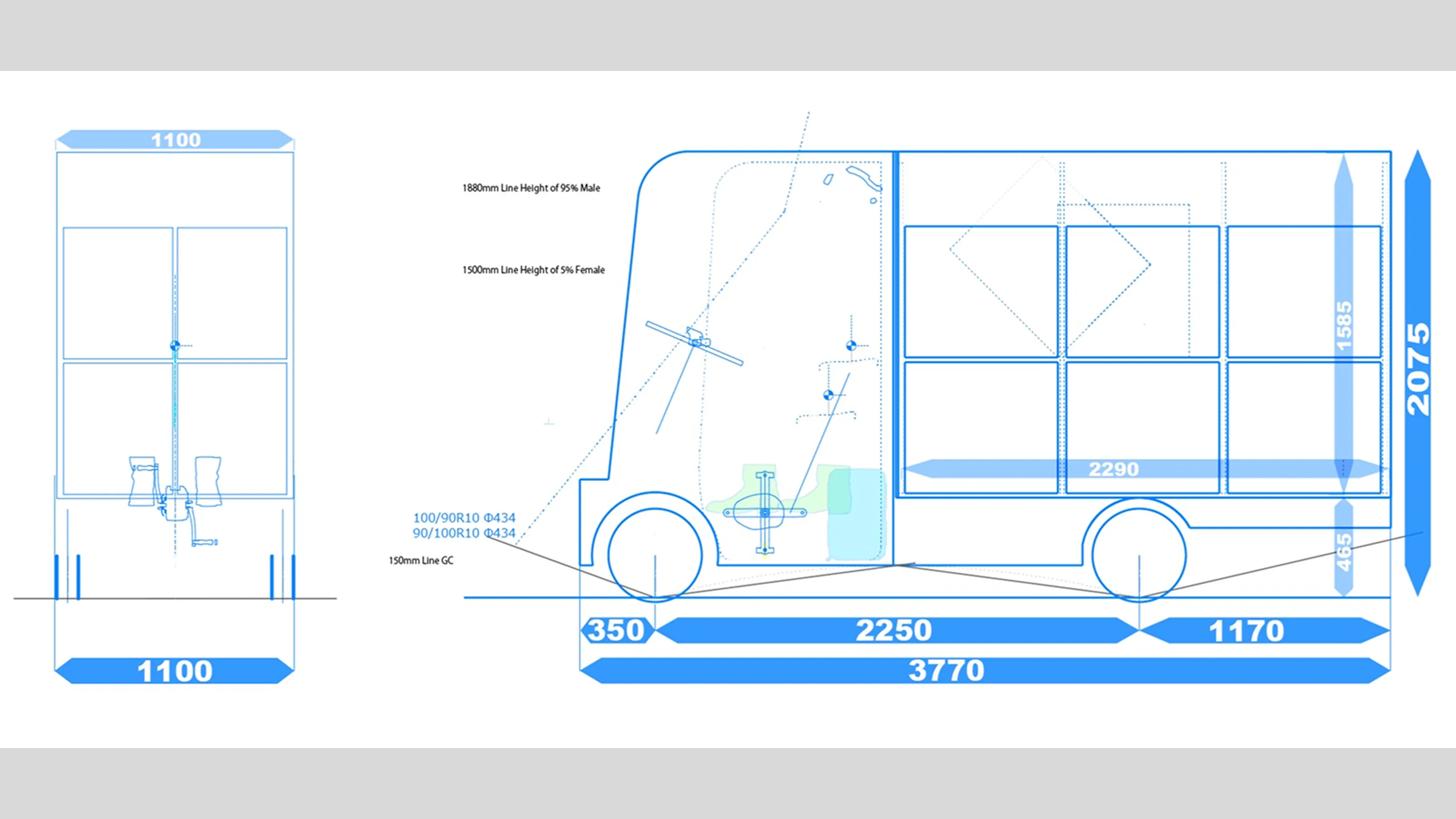
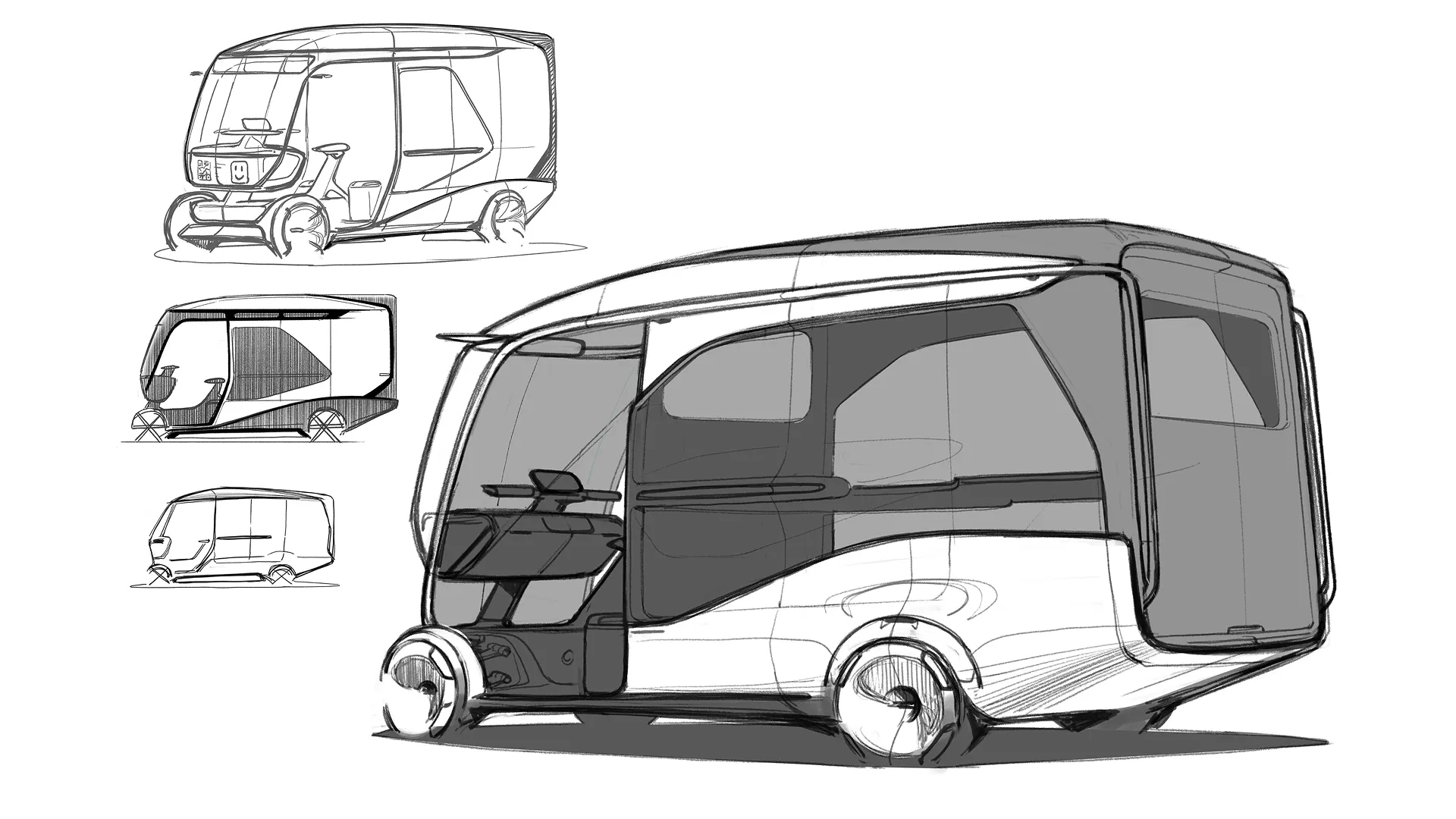
Determining Necessary Elements in the Layout
Devon
Our next step was to consider the specific design layout. As it travels in bike lanes, it is extremely important that the Fastport eQuad blends naturally into that environment. We focused on ensuring great visibility for the rider for their safety, and good visibility of the rider to earn the trust of the community.
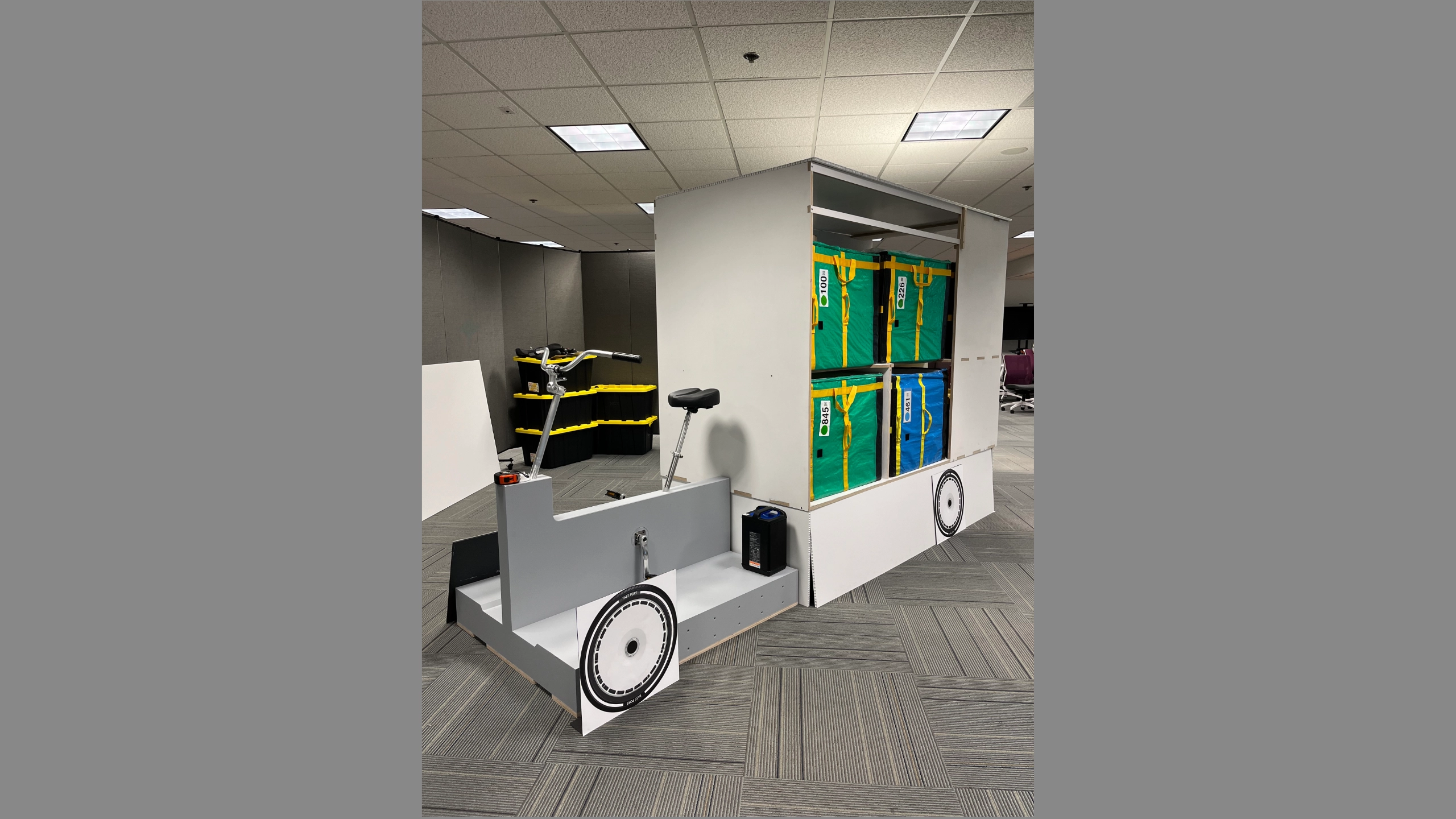
Furthermore, this project was not just a design development, but also a co-creation initiative with the world’s logistics and delivery companies. With delivery workers in mind, the team examined the layout of the saddle, handlebars, and pedals in detail. We then factored in the more tangible elements of how many parcels would be carried, the balance between the rider position and cabin/cargo space, and battery (using the swappable Honda Mobile Power Pack e: as the power source for electric assist) location and weight, to establish the optimal packaging.
Exterior Design Embodies the Concept
Hengyi
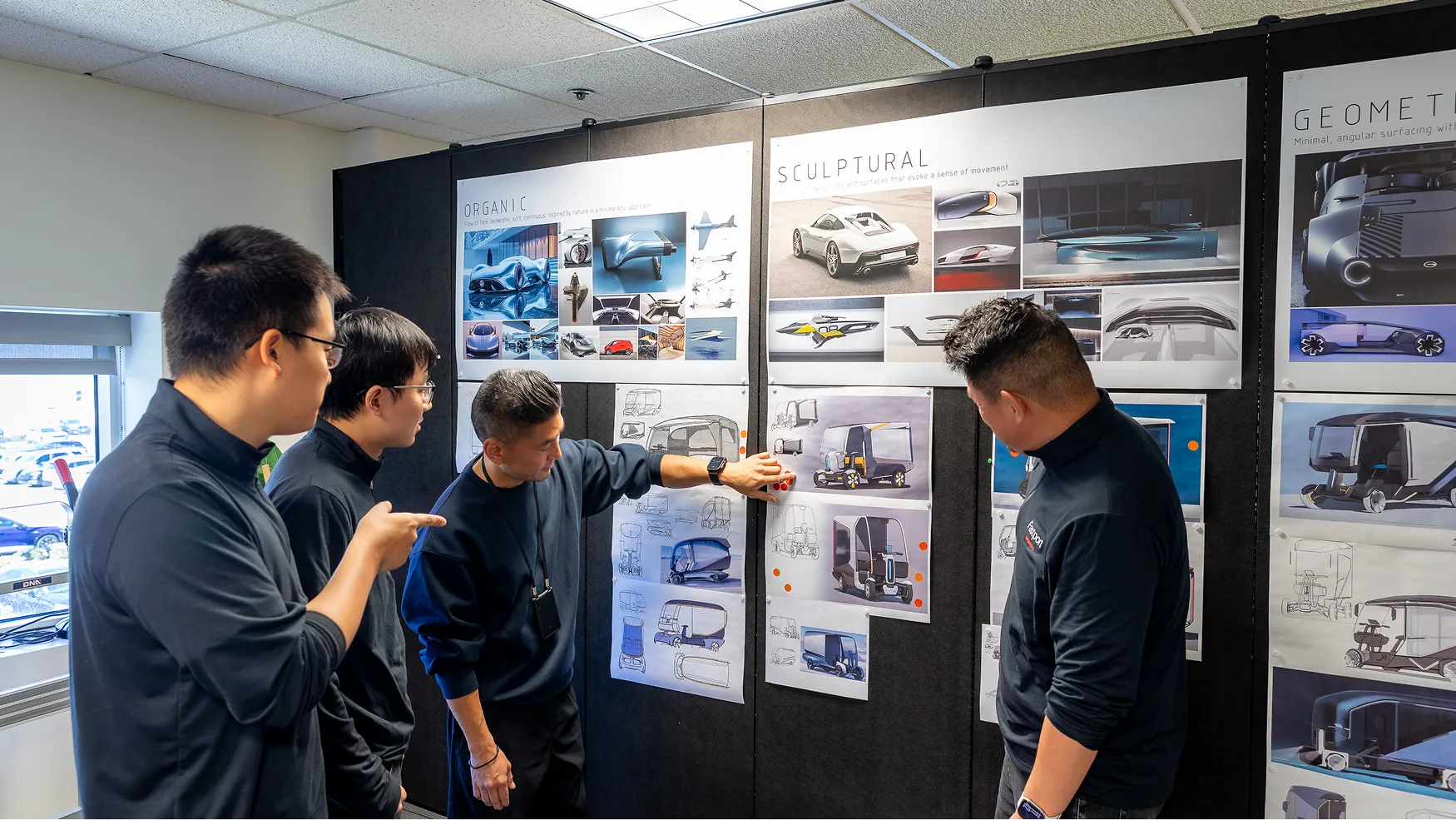
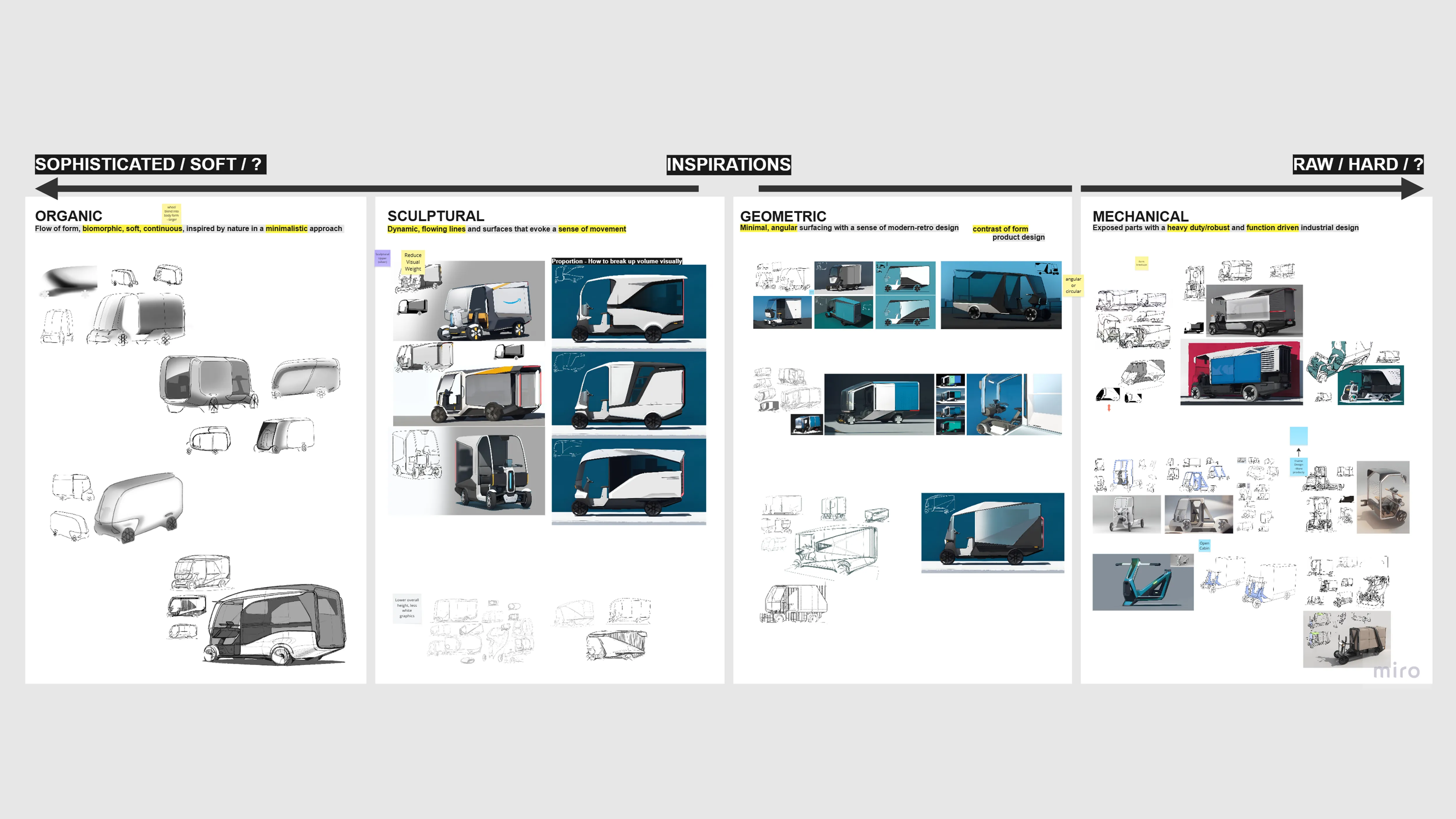
For exterior design, we started from four different inspirations.
・ORGANIC: A form that is soft, rounded, and natural
・SCULPTURAL: A form that emphasizes surface movement and flow
・GEOMETRIC: A form that has minimal angular surface using geometric shapes
・MECHANICAL: A form driven by function with exposed structure
Hengyi
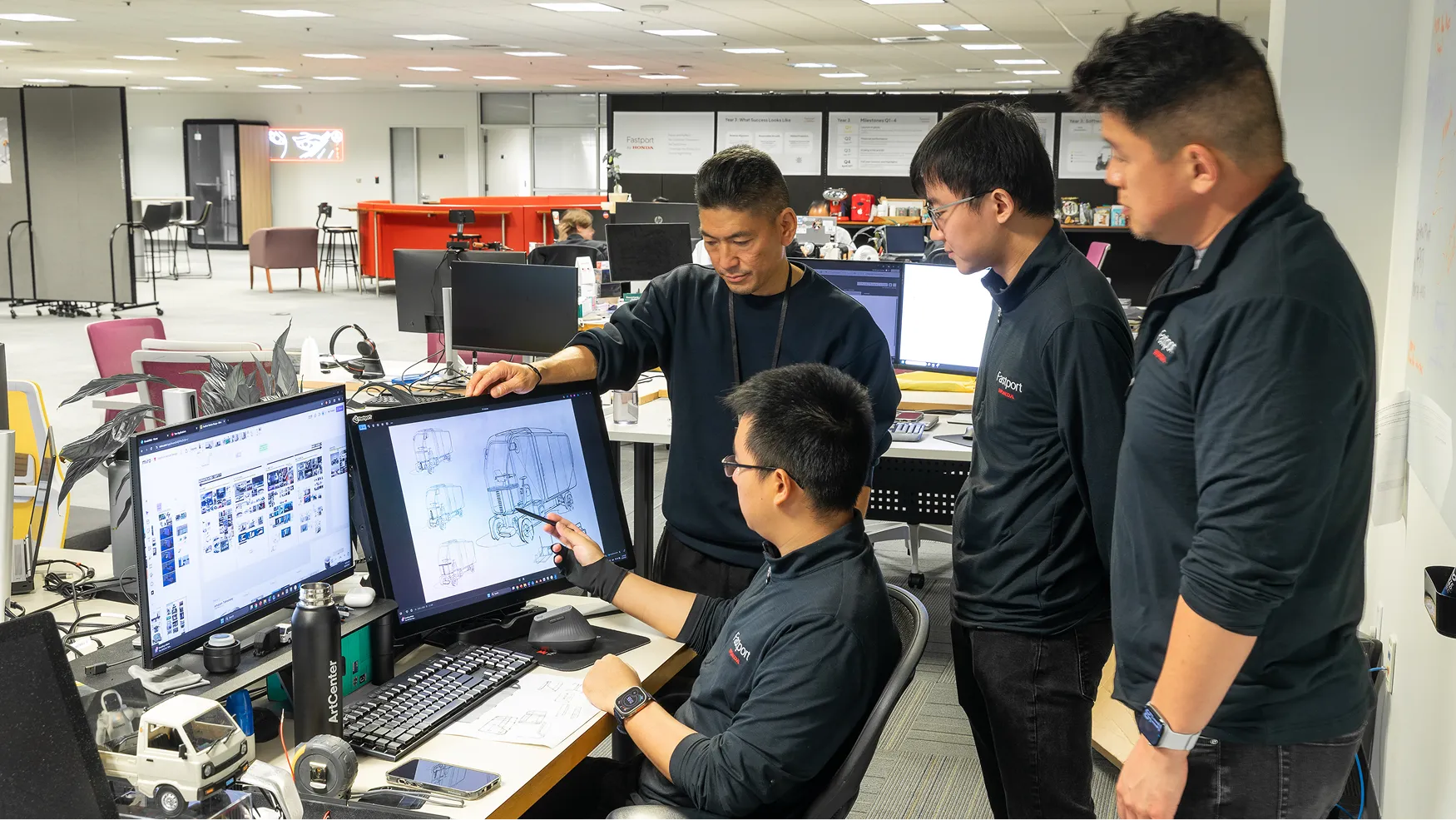
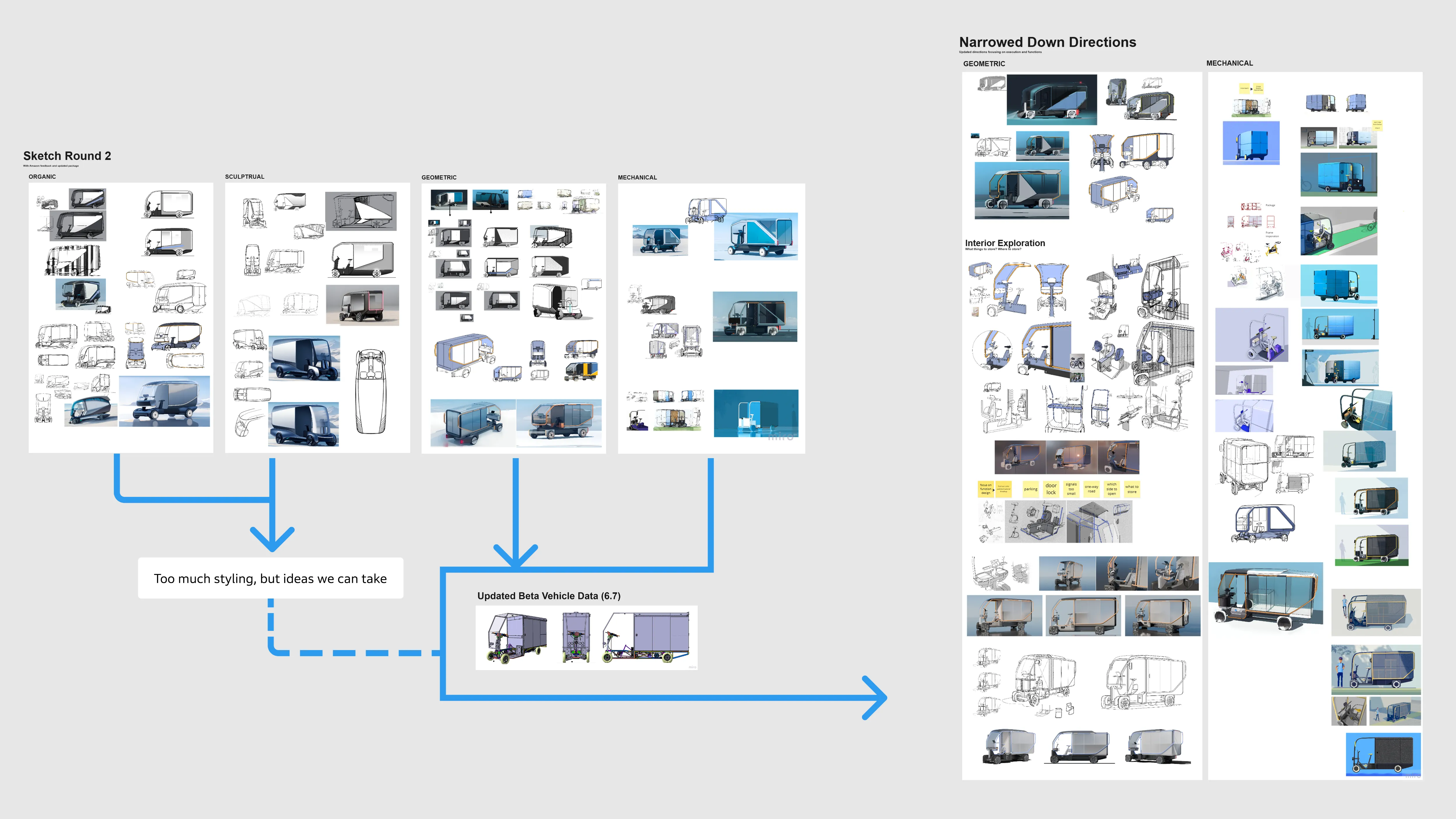
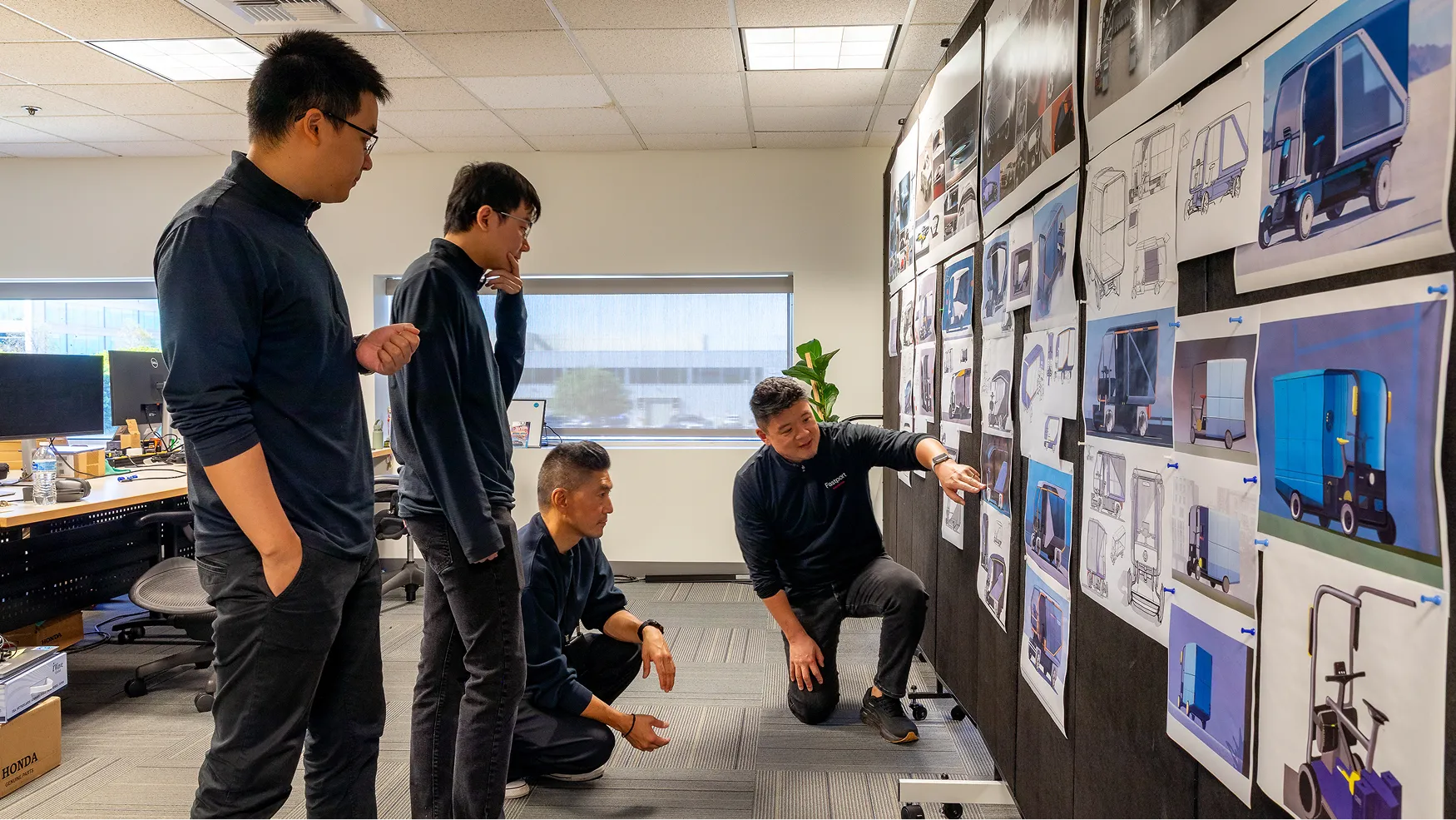
Using an online workboard, we worked with a leading global logistics and package delivery company to create ideation sketches and refine, and find a design that was most in harmony with the intended application and packaging. These co-creation partners had a preference for a friendly look from “organic” form. Structurally, though, “geometric” and “mechanical” forms seem to work better for this project. We looked into the strengths of all four forms and narrowed them down into a design that offered a balance between form and function.
Devon
The main priority of our co-creation partners was practicality. Their focus in particular was on how efficiently parcels could be delivered and how user-friendly the design was. The reason they preferred the “organic” shape was also because they felt a soft and accessible impression would be more easily accepted in the field.
Hengyi
As Devon previously stated, the Fastport eQuad is a containerized mobility option, carrying a large box, so it was essential that it is not oppressive to other cyclists using the bike lane. Accordingly, we kept a sense of floating and bike-like agility in mind as we developed a structure that appeared to lift the large volume upward while using a light supporting structure below. The resulting visual effect was lightness despite its size.
Interior Design Applies a User Perspective
King
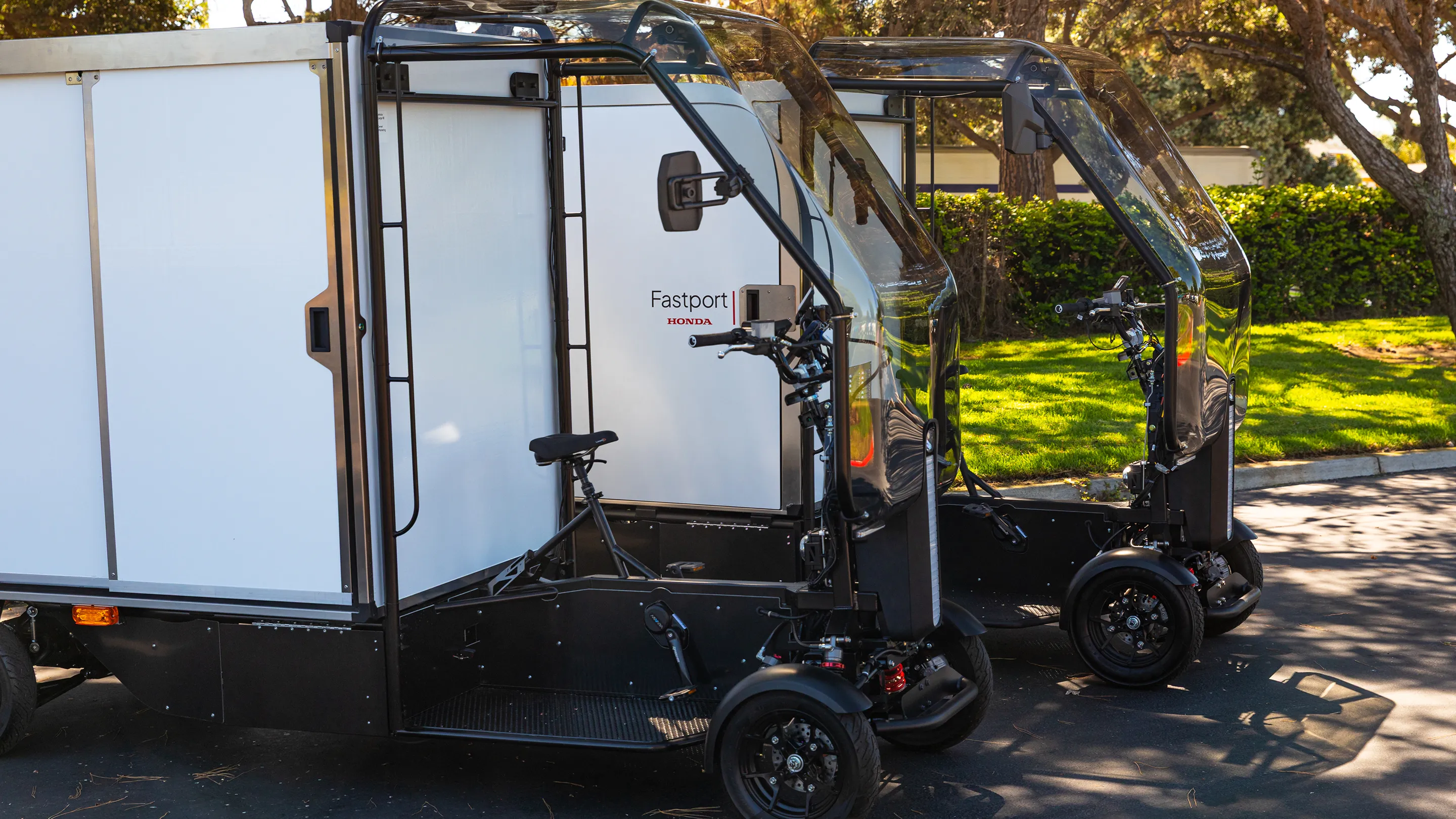
My job is vehicle interior design. The open-cabin structure for mobility design was a new challenge for me. The major theme was how to keep the feeling of openness while complying with laws and regulations. It was also important that the cycling community intuitively accept the Fastport eQuad as a bicycle. We therefore adopted a transparent cabin and a structure that makes the pedal operation visible.
In terms of design, we were particularly conscious of achieving a balance of ease of use and sophistication. While aiming for halfway between the stability of an automobile and the agility of a bicycle, we created a delivery mobility design that was both practical and beautiful. Reflecting the wishes of our co-creation partners, we refined the design to improve the feeling of openness while maintaining safety. In the end, the final design had the psychological effect of feeling easy to handle for users while softening the heavy appearance.
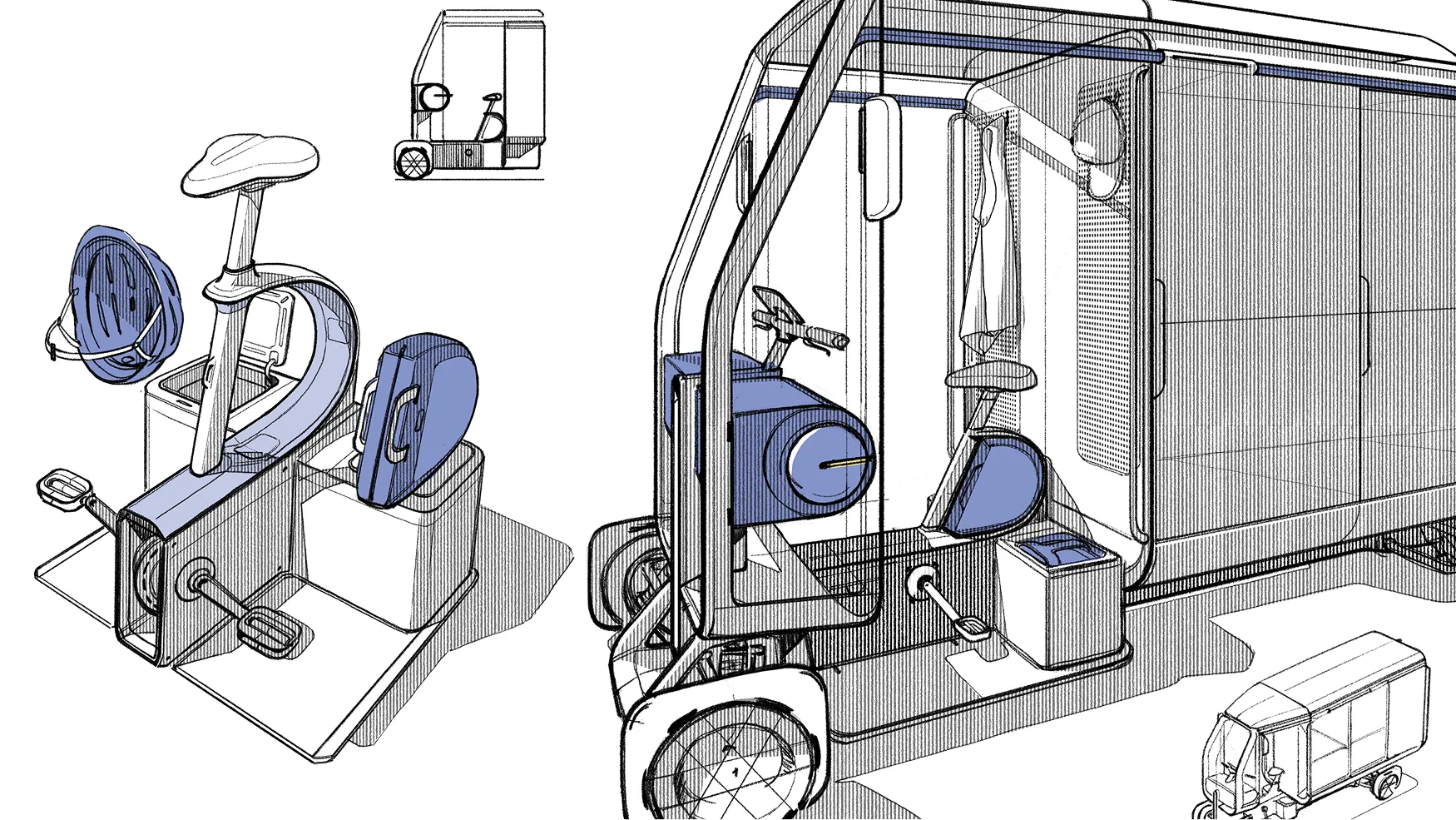
Prototype model: white cabin for security and privacy.
Hengyi
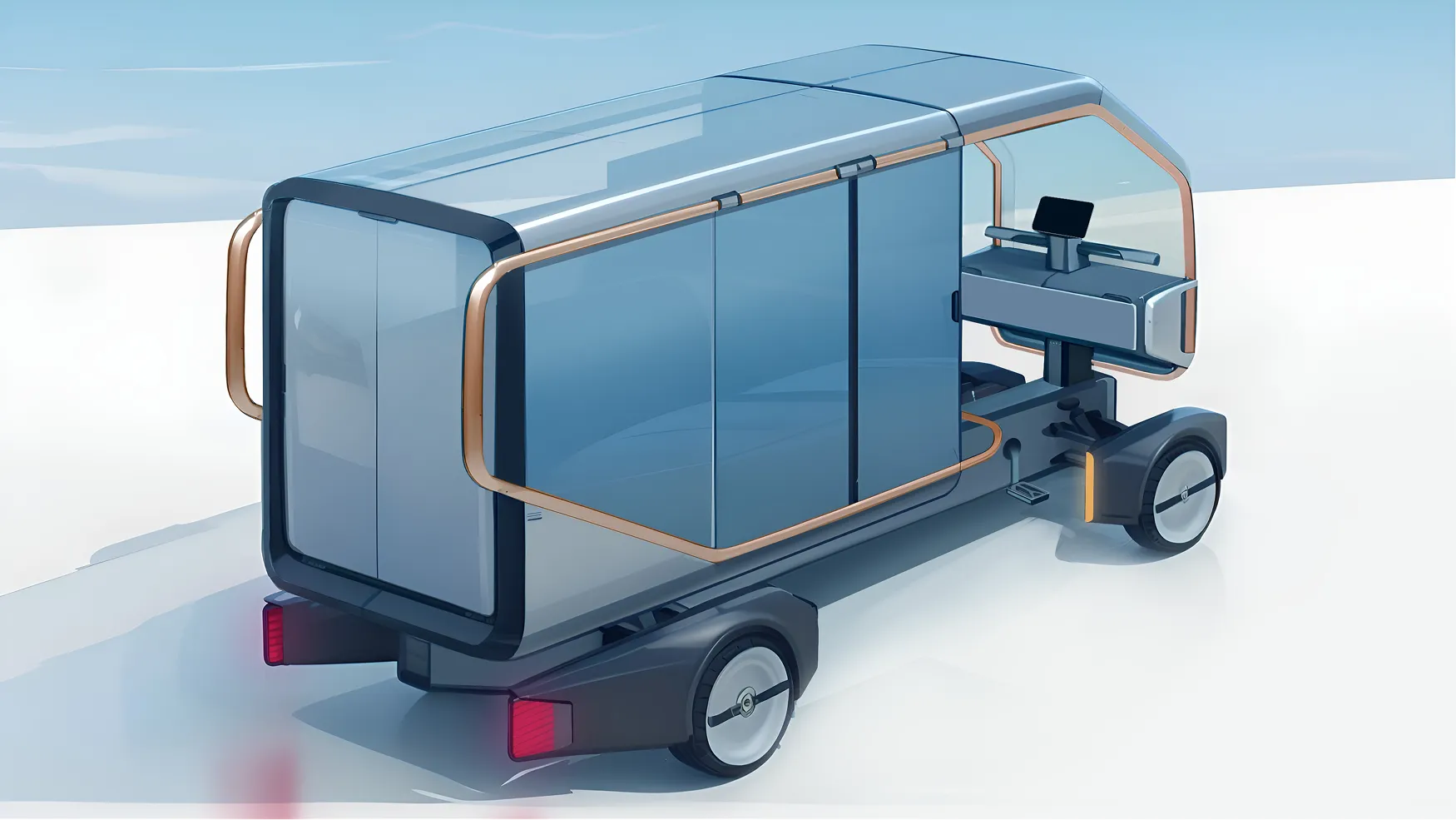
During the final stage of concept model design, we gave even more emphasis to transparency. We created a more visual expression of the design transparency using the play between light and shade by showing, for example, how it would look in the bike lanes when viewed from above.
Hengyi
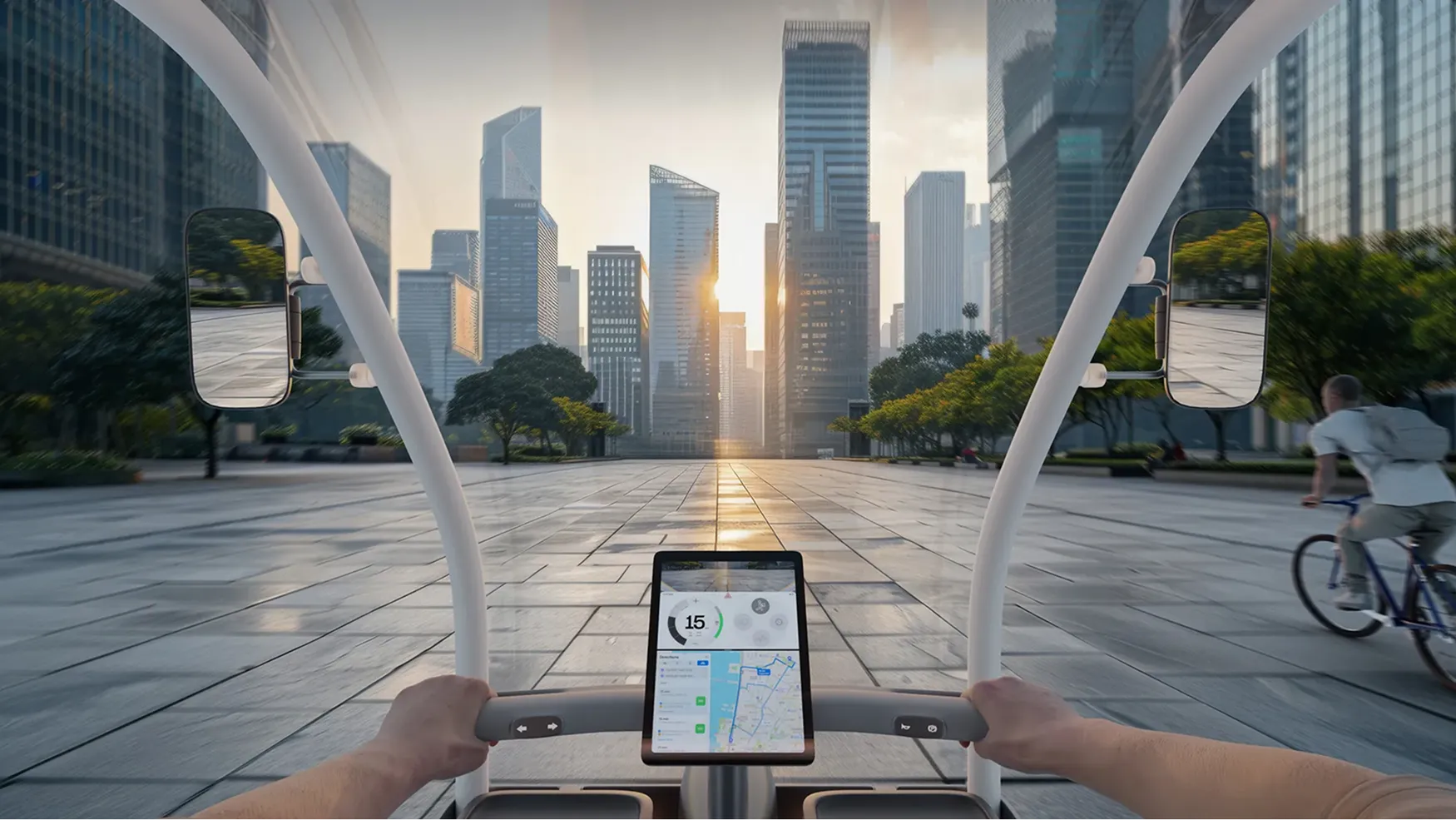
We also focused on UI/UX design. We continued refining the design by placing a tablet device on the handlebars, which achieves intuitive operation and a new mobility experience at the same time.
Fastport eQuad Prototype Completed with Practicality for Production
Fastport eQuad Prototype: Distinctive and Part of the Community
――What do you think is the appeal of the final Fastport eQuad prototype model?
King
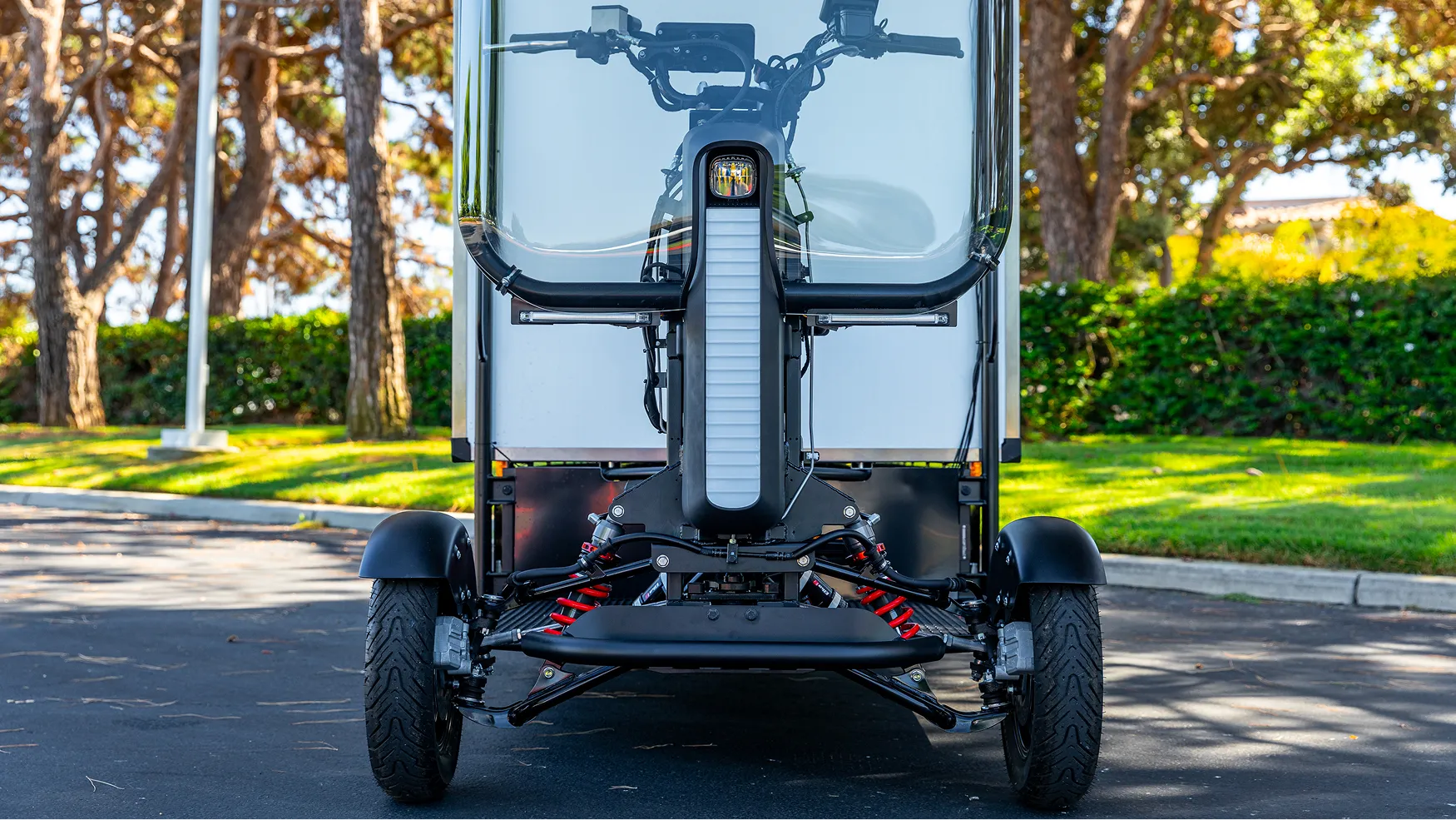
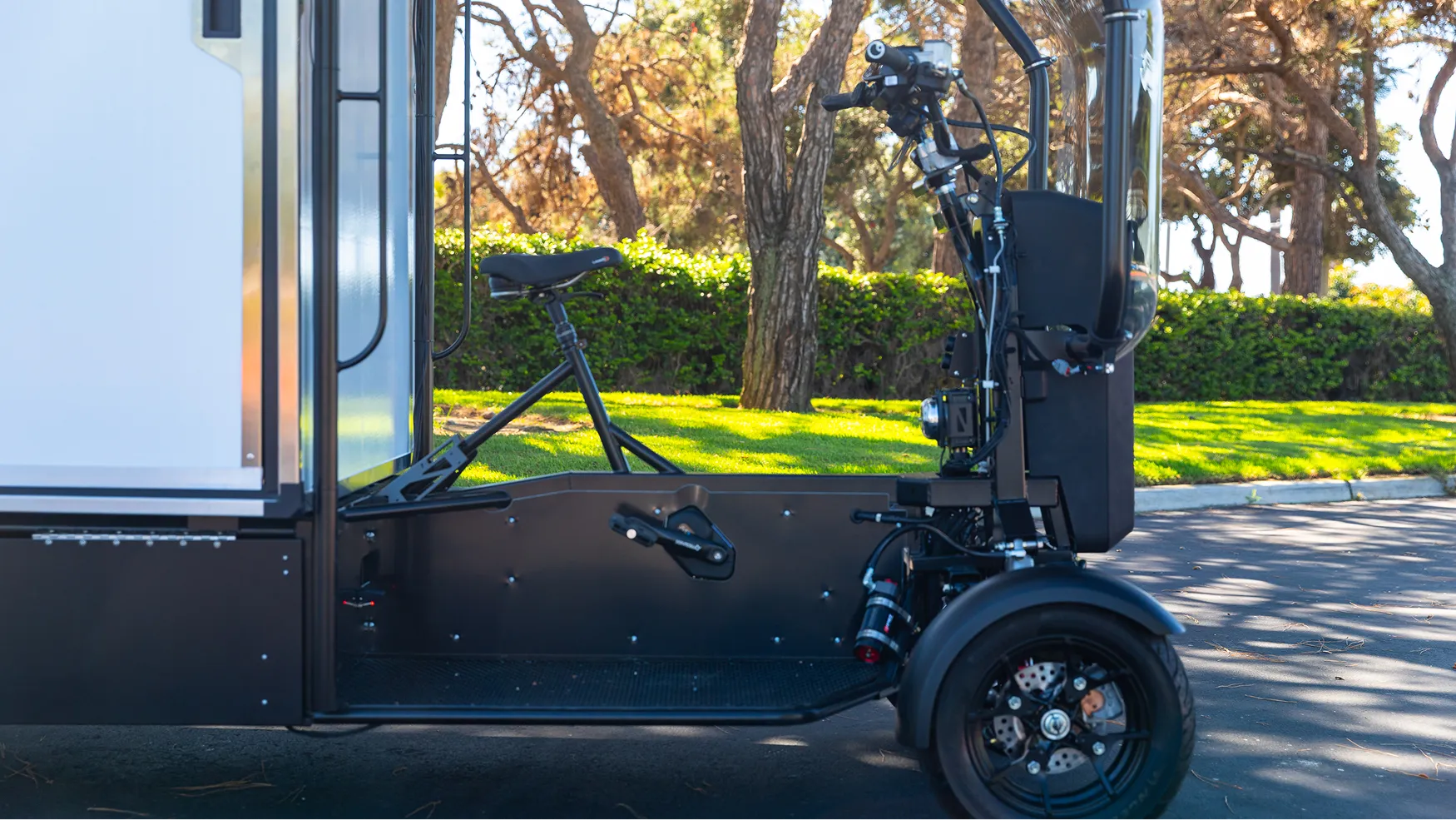
Due to our commitment to a lightweight, bike-like approach, we achieved a simple frame structure that is just like a bicycle, with every element serving a clear purpose. While being functional parts, the seat post and handlebars are also part of the visual identity. The structural design is honest and transparent, making it a product that will connect naturally with cyclists.
Hengyi
We also used vertical elements in the headlight design to create an instantly recognizable silhouette and friendly expression. The headlight design offers a new look that is different from the headlights of automobiles, echoing traditional bicycle appearance. With the popularity of this design among co-creation partners as well, we decided to keep this design in the prototype model.
――As designers, what challenges did this project pose, and what learnings did you take from it?
Koo
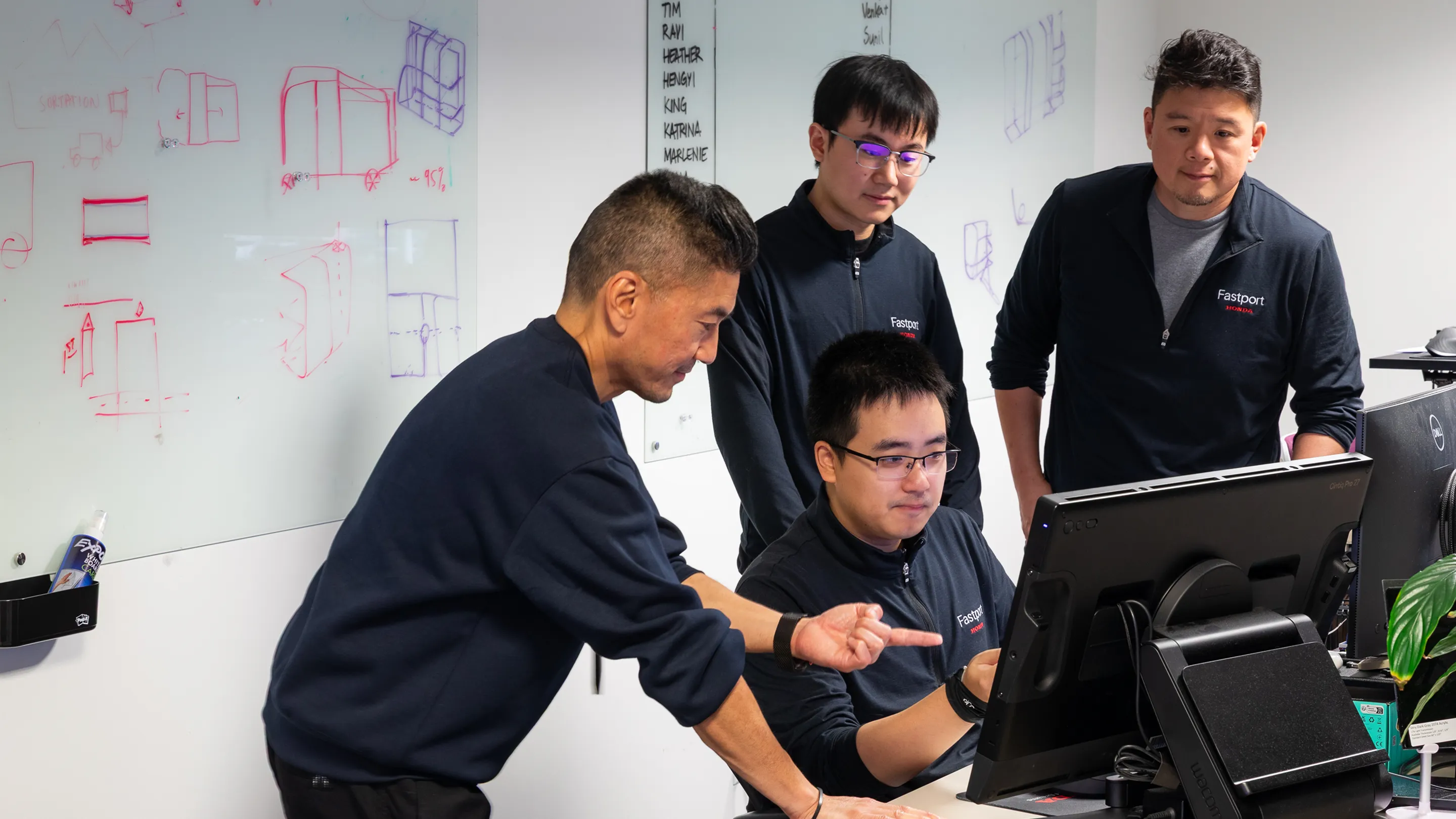
I have been involved in automobile interface design for about 12 years. When developing production models, we have to work within boundaries, such as display size and hardware restrictions. However, with the Fastport eQuad, each of us had to take on multiple roles due to limited resources, like a start-up. That enabled us to intuitively feel any small user inconvenience and quickly reflect them straight away in the design. It was a project that allowed us to build a relationship between people and mobility from scratch, taking cultural and social aspects into account.
As a commercial vehicle for companies, it was also important to decide what to prioritize and where to make compromises. There were many specification changes along the way, and we needed the flexibility to respond quickly to each of them as they occurred. The lesson I learned is that speed, flexibility, and an open mind are essential when developing a brand.
Hengyi
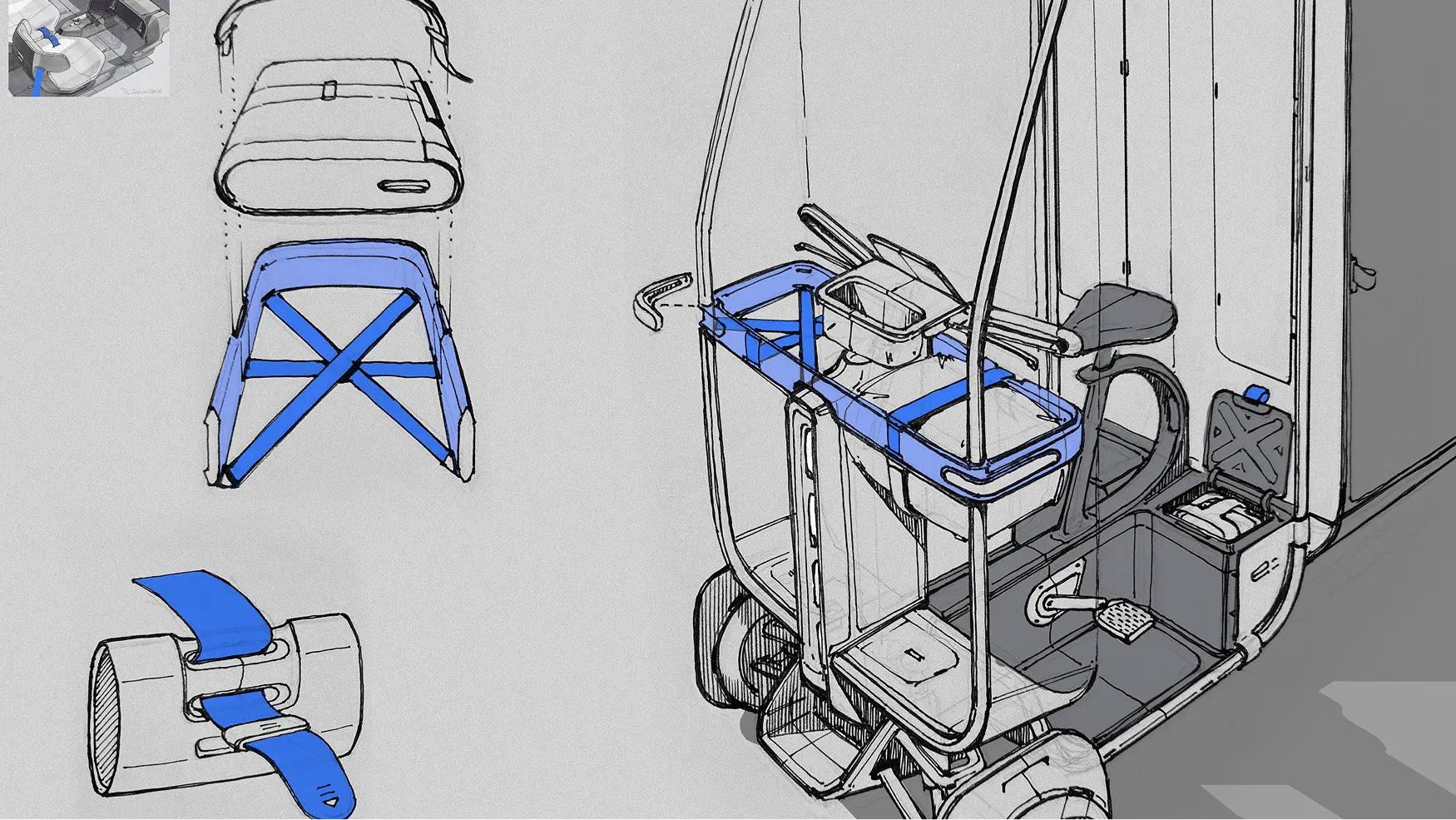
For me, I was a student before I joined this project. I was a classmate of King’s. I studied interior design for passenger vehicles, making delivery mobility design is a new challenge for me. What particularly impressed me was the fact that the exterior and interior are parts of the same integrated structure. For example, the ambiguous nature of the boundary between inside and outside, such as the roll cage also serving as the interior storage structure, was extremely stimulating.
Good design always starts with good research. This project helped me realize the importance of the process, from understanding what the customer really wants, to developing a list of requirements. In the next step, we would ideate and refine our product based on the requirements and customer feedback.
King
This was my first project as well. As a student, I studied luxurious, sophisticated automotive interiors, but this time I had to change my mindset and give practicality the highest priority instead. Our focus was on stress-free everyday use rather than a beautiful finish. Ease of entry and exit, room to place parcels, visibility that does not obstruct hand signals—all of these things provide the user with peace of mind.
Designers need to always have a deep understanding of people, such as how they move and what moments give them peace of mind. I feel that being able to observe all of that, and imagine what actual use looks like, is what enables that balance between function and emotion.
Devon
For over 20 years, I have been engaged in automotive interior design, and have had extensive involvement in mass production development of Odyssey, Civic, and Pilot models in particular. Even with that background, the Fastport eQuad has been a completely new challenge for me. With automobile development, the target users and suppliers are clear. But with the Fastport eQuad, the market itself represents a segment that is still immature.
Bit by bit, we had to explore what was needed and what the desired experience would look like, while thinking about how to achieve them at the same time. When there were no correct answers, I could really depend on the young members of our team to flexibly expand their imagination and drive the project forward.
Future of Delivery Mobility as Envisioned Through the Fastport eQuad
Envisioning the Future
From Mobility to Solutions
――What possibilities does the Fastport eQuad offer for business?
Koo
While our main focus has been on logistics applications with the Fastport eQuad, we consider it to be a highly expandable platform rather than just a delivery vehicle. It is like a blank canvas, allowing functionality to be freely optimized depending on the intended application.
Instead of optimizing specifications separately for each client, our design concept was to start by clarifying common core functions and then expanding them through options and accessories according to individual needs. Not yet having established parts networks and systems, like we have with automobiles, we are able to develop relationships and promote standardization at the same time. I think we will be able to develop multipurpose variants of the Fastport eQuad going forward.
Devon
We think of ourselves as a solutions company, not just a company that develops mobility products. In fact, the name “Fastport” also incorporates our desire to create new value starting from mobility.
And the Fastport eQuad is just one part of those solutions. We are also incorporating software solutions to offer a more comprehensive mobility service. For example, we create value that goes beyond the vehicles themselves, including utilizing virtual dashboards to visualize vehicle condition and operating status to provide management and support services.
At the end of the day, our aim is to offer integrated mobility solutions such as energy management and Mobility as a Service (MaaS). We are considering multifaceted offerings that connect with many other technologies as well. The Fastport eQuad has enormous potential to become the foundation for that future.
――After this project is over, what approach do you want to take with product creation, as members of Honda, going forward?
Devon
The automotive industry is undergoing a major transformation at present. Within that context, it has been an extremely valuable experience for us to have created one possible pathway as Honda, a major company, drives such a challenging project. The lessons learned from the Fastport eQuad are not just a new category of knowledge. I think we will be able to make use of everything in future development as well, from user understandings to urban challenges, cultural harmony, and speedy development.
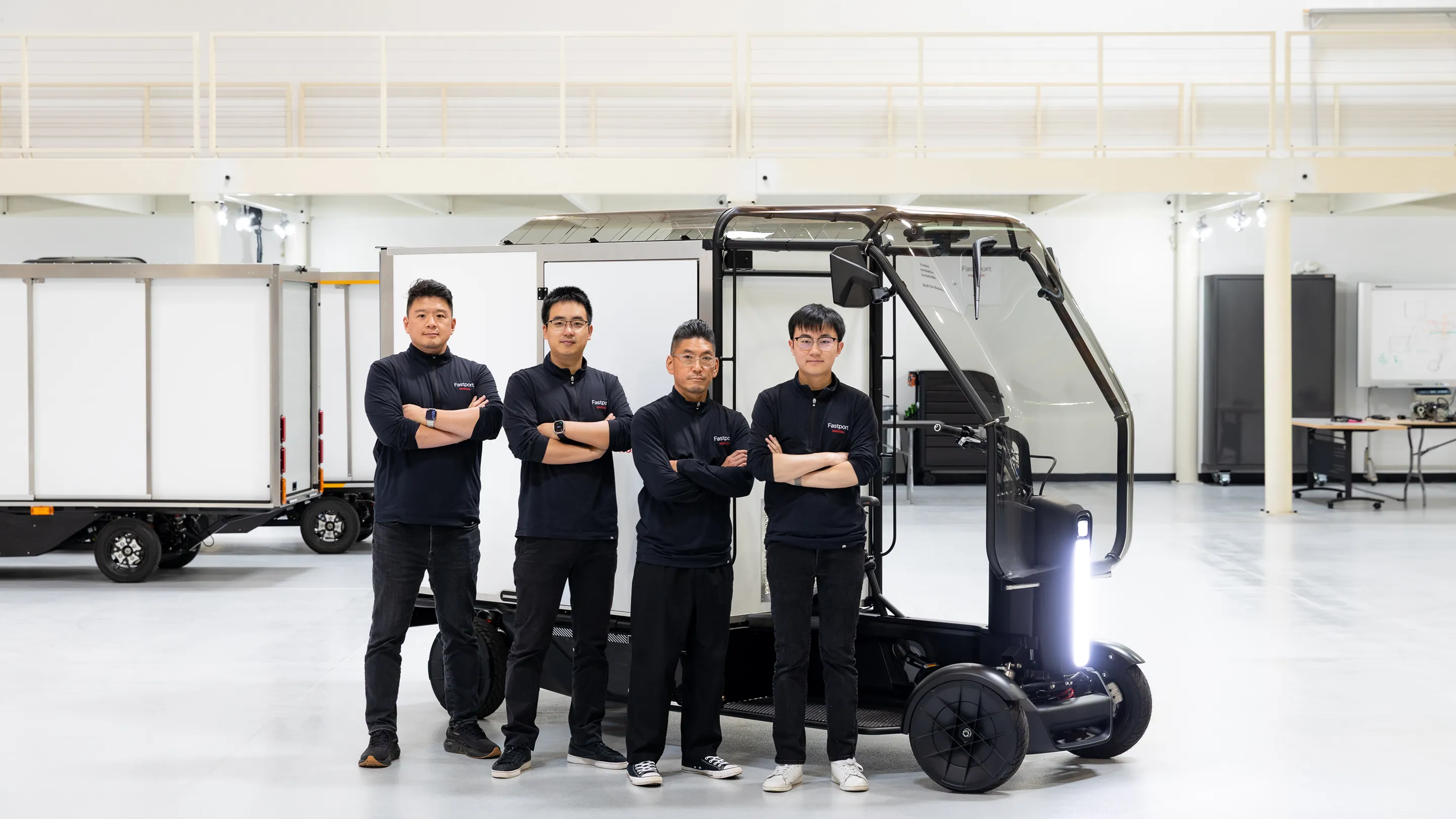
Profiles
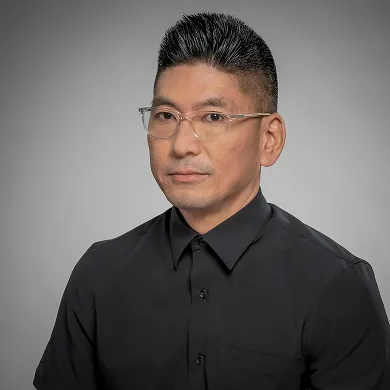
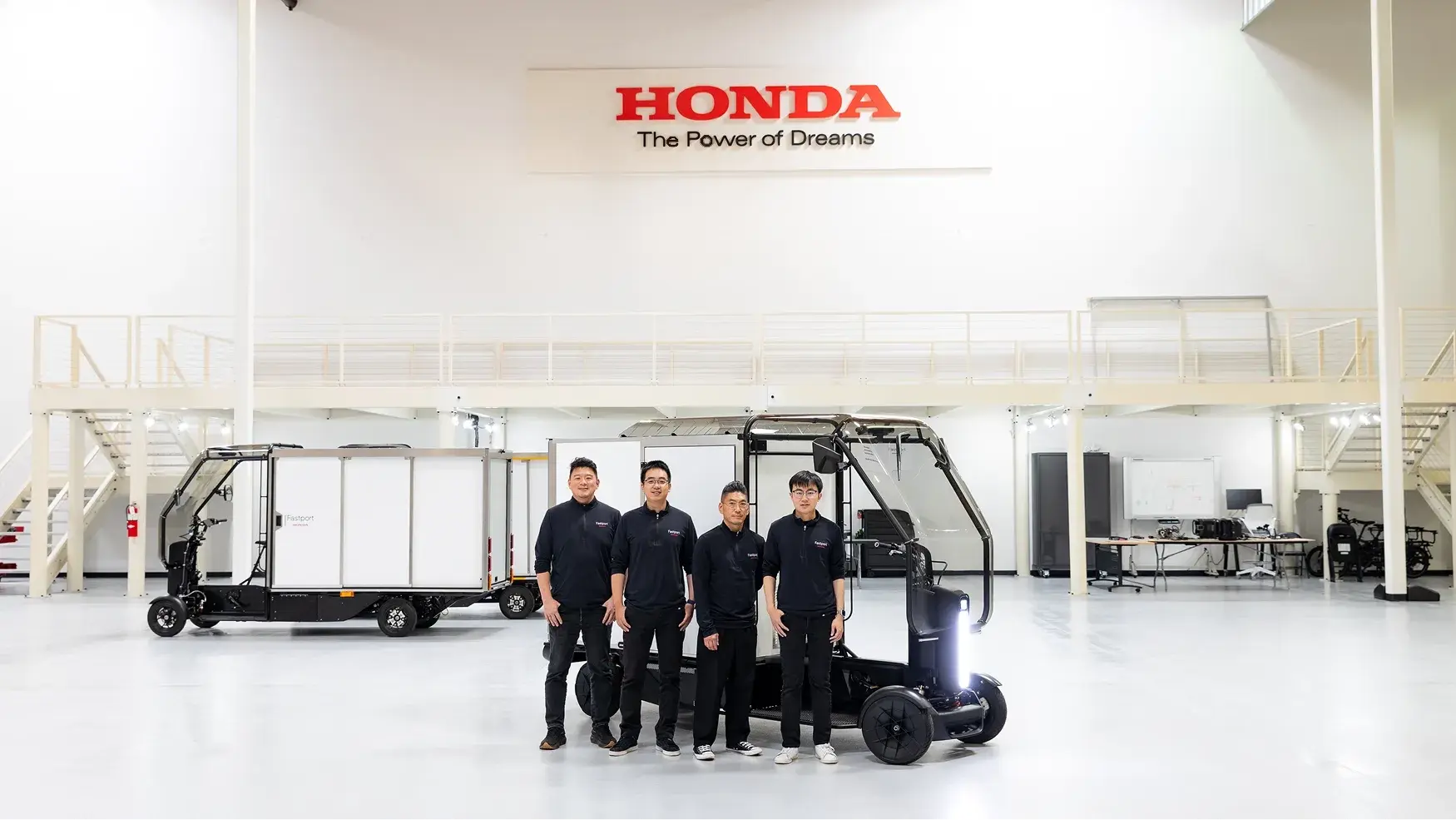
Devon Fujioka
American Honda Motor
Product Designer
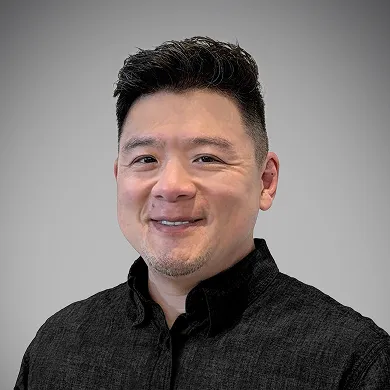
Koo Shin
American Honda Motor
Product Designer
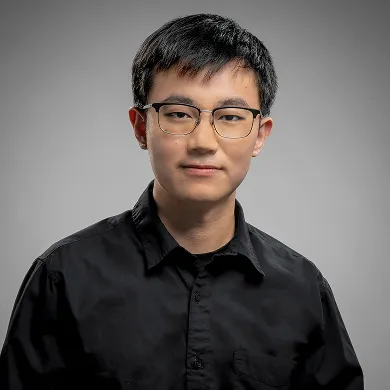
Hengyi Tang
American Honda Motor
Product Designer
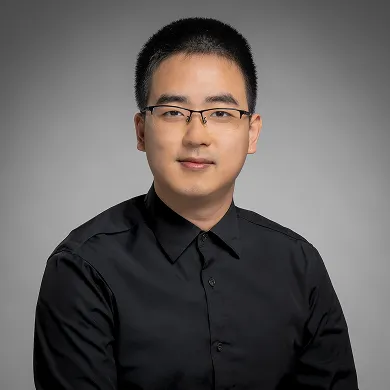
Tiandi “King” Gu
American Honda Motor
Product Designer