The 47th Honda Prize 2026 to Be Awarded to
Professor Graeme M. Clark and Dr. Ingeborg Hochmair
TOKYO, Japan, September 15, 2026 – The Honda Foundation, a public interest incorporated foundation established by Soichiro Honda and his younger brother Benjiro and currently led by its president, Hiroto Ishida, has decided to jointly award the 47th Honda Prize 2026 to Professor Graeme M. Clark AC, an Australian medical doctor and neuroscientist and Laureate Professor Emeritus at the University of Melbourne, and Dr. Ingeborg Hochmair, an Austrian electrical engineer, co-founder and CEO of MED-EL, for spearheading the research and development, clinical application and worldwide adoption of the multichannel cochlear implant.
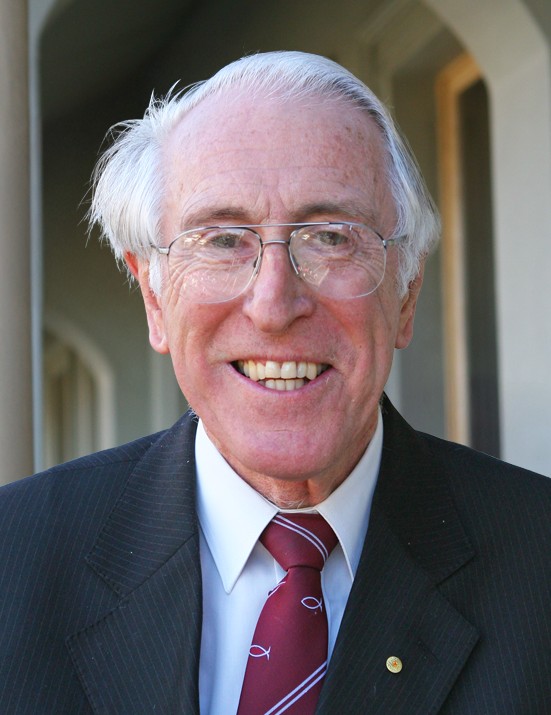
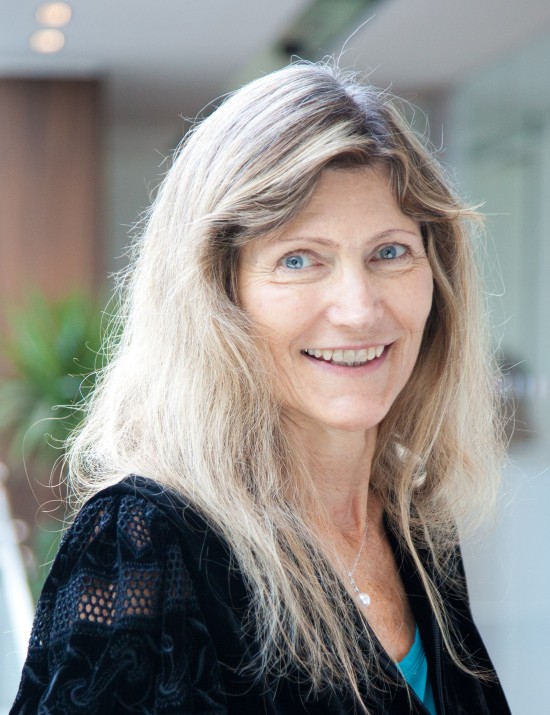
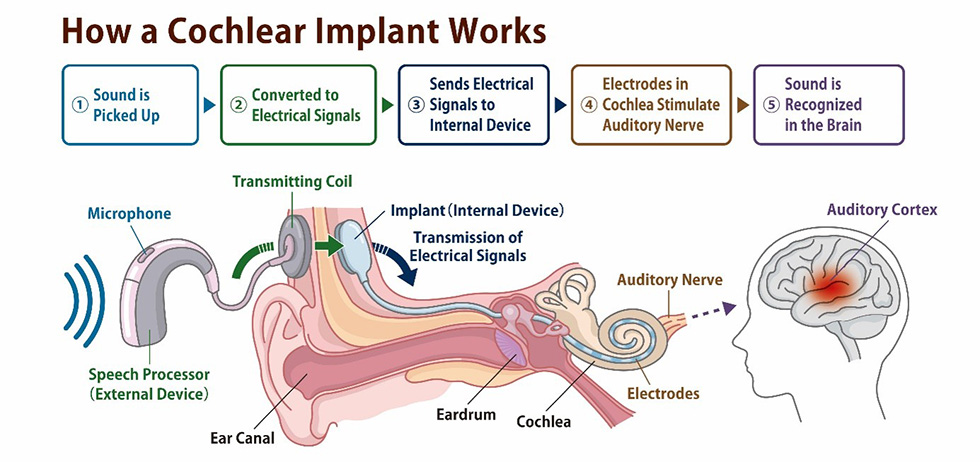
A cochlear implant is a medical device for individuals with severe hearing loss who have difficulty understanding speech adequately even with the use of hearing aids. It transmits sound to the brain by converting it into electrical signals and directly stimulating the auditory nerve through electrodes inserted into the cochlea,* the sensory organ for hearing located in the inner ear.
In the 1970s, Professor Clark and Dr. Hochmair independently pursued research in Australia and Austria, respectively. Conventional single-channel cochlear implants had only enabled users to perceive the presence and intensity of sound and its rhythm. In contrast, the multichannel cochlear implants they developed were capable of transmitting more complex sound information to the brain. By dividing sound into multiple frequency bands and transmitting the information from each through different electrodes to the auditory nerve, the technology enabled users to understand sound as speech, making a major contribution to spoken communication for people with hearing loss.
Cochlear implants began to be commercially available in the 1980s and, to date, more than one million people worldwide have received them, supporting the hearing of people across a wide range of ages, from young children to the elderly. They have opened up new possibilities in the lives of many people, enabling language acquisition and education for children, employment and participation in society for adults, and improved quality of life (QOL) for the elderly.
* Cochlea: a snail-shell-shaped organ in the inner ear that converts sound into electrical signals and transmits them to the brain.
Reason for selection
Professor Clark and Dr. Hochmair tackled the issues that needed to be overcome to make cochlear implants for clinical use from scientific, medical and engineering perspectives in such areas as electrode design, signal conversion, nerve stimulation, surgical methods and safety, which resulted in numerous improvements. Further, Professor Clark worked with industry on the development of a commercial product, as well as its approval and adoption in various countries. Meanwhile, Dr. Hochmair co-founded a company related to cochlear implants with her husband, an electrical engineer, and spearheaded continued technological development and the global adoption of the devices.
The cochlear implant is a pioneering technology that connects humans and machines by converting external information into electrical signals and transmitting them to the nerve pathways in the brain. The resulting knowledge and technology are serving as a foundation for human-machine interaction (HMI) and the evolution of other medical devices. In recognition of these achievements as worthy of the Honda Prize, the decision was made to present Professor Clark and Dr. Hochmair with this year’s award.
The Honda Prize award ceremony is scheduled to be held at the Imperial Hotel, Tokyo, on Monday, November 16, 2026, at which Professor Clark and Dr. Hochmair will be presented with medals, certificates, and a total cash prize of ten million yen.
For more information, please see the links below.
Official Website
https://www.hondafoundation.jp/en/index.html
Honda Foundation “Achievement Commentary”
https://www.hondafoundation.jp/commemoration/index_en/285
Honda Prize Laureates
https://www.hondafoundation.jp/en/winner.html