
Management
We Challenge, because we dream. - Honda’s Passion and Technology Support World Athletics Championships-
POINTWhat you can learn from this article
- Honda aims to support the WCH Tokyo 25 with diverse mobility solutions, spreading a “circle of dreams and challenges” around the world.
- Honda took on the challenge of developing a remote control (RC) car to rapidly retrieve throwing event equipment. By pooling its manufacturing expertise, Honda created an RC car that minimizes impact on the turf.
- Two athletes from Honda Running Team will compete in WCH Tokyo 25. Fueled by the joy of pursuing their dreams, and the support of those around them, these athletes will challenge themselves on the world’s highest stage.
Honda will participate as an Official Partner in the World Athletics Championships Tokyo 25(WCH Tokyo 25), the first time the event returns to Tokyo in 34 years. Why is Honda participating? How will it support the event with diverse mobility solutions and technology? And what are the aspirations of Honda Running Team athletes competing in the championships?
This issue of Honda Stories shares Honda’s passion for the WCH Tokyo 25through interviews with the World Athletics Project Leader, Honda Running Team athletes, and the R&D engineer of Remote-Control (RC) vehicles supporting throwing events.
Manager
Sports Promotion Division, Corporate Panning Unit, Honda Motor, Co., Ltd.
View More
Close
Yasuko Matsuura
Read More
Assistant Chief Engineer
Corporate Development Center, Prototype Fabrication Division, Saitama Prototype Fabrication Department
Honda R&D Co., Ltd.
View More
Close
Tomohiro Tsukamoto
Read More
Aiming to support athletes through diverse mobility, and share “the power to challenging” with spectators
Why did Honda decide to participate as a partner in the WCH Tokyo 25?
What do you value most in supporting this event?
The theme of this event is “Realizing a compact, environmentally responsible, and sustainable event.” Addressing social challenges such as the environment and safety aligns directly with Honda’s ongoing initiatives. We aim to contribute to the event’s success by providing diverse mobility solutions incorporating the various technologies Honda has cultivated, such as environmental and safety technologies.
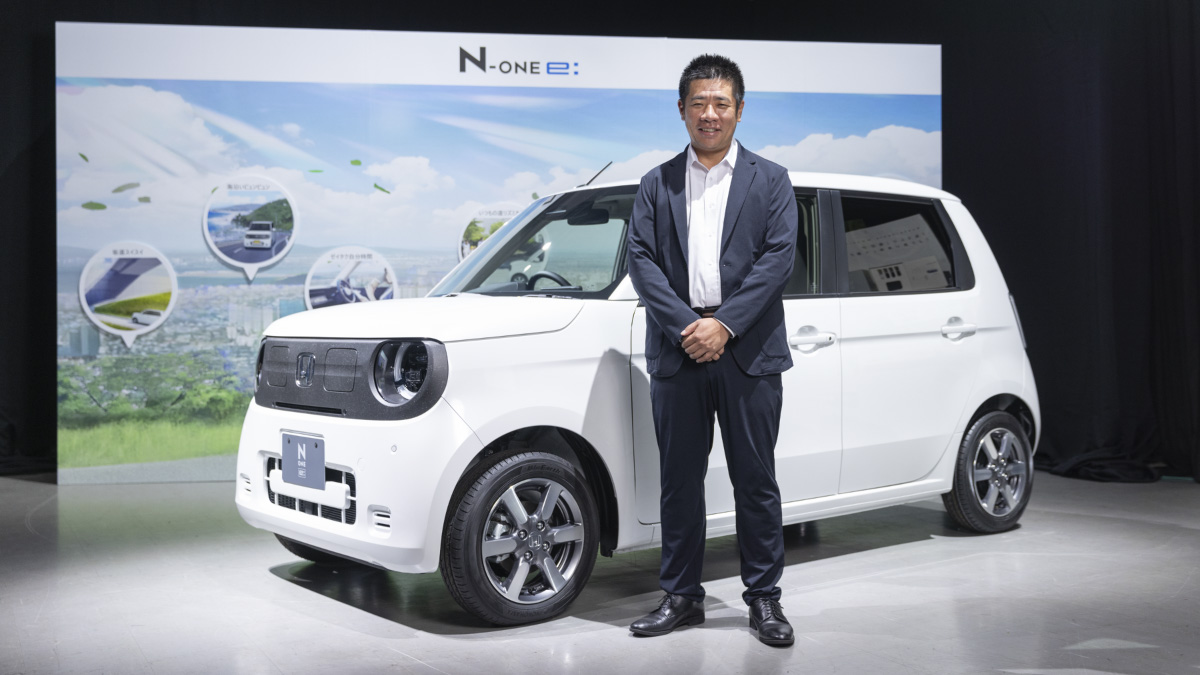
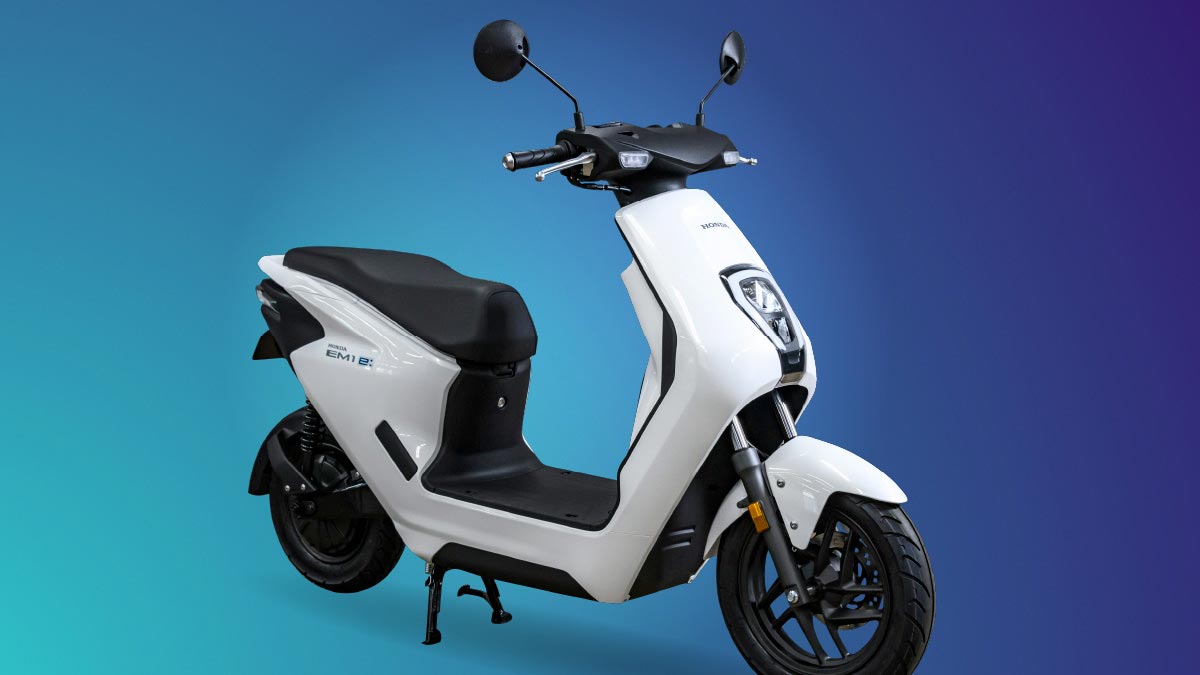
For example, we will provide the CR-V e:FCEV hydrogen-powered fuel cell vehicle as the head umpire vehicle of the men’s and women’s marathons. We will also provide the all-new Prelude, scheduled for release in autumn 2025, and all-new N-ONE e: mini-EV as course check vehicles. For camera bikes, we have prepared the CUV e: electric personal commuter that realizes quiet and clean mobility. We will also provide the UNI-ONE, a hands-free seated personal mobility device the user can steer simply by shifting body weight while sitting, to reduce the workload of event staff and enable them to work throughout the day. Furthermore, we are developing RC vehicles to support throwing events like the javelin throw, hammer throw and discus throw for this event.
In addition, Koyama and Mori from Honda Running Team will compete in this event. We believe their determination to overcome challenges and boldly compete against world-class athletes embodies the challenging spirit Honda values. We hope they will do their best, even in harsh weather conditions, and help energize the event through their performances.
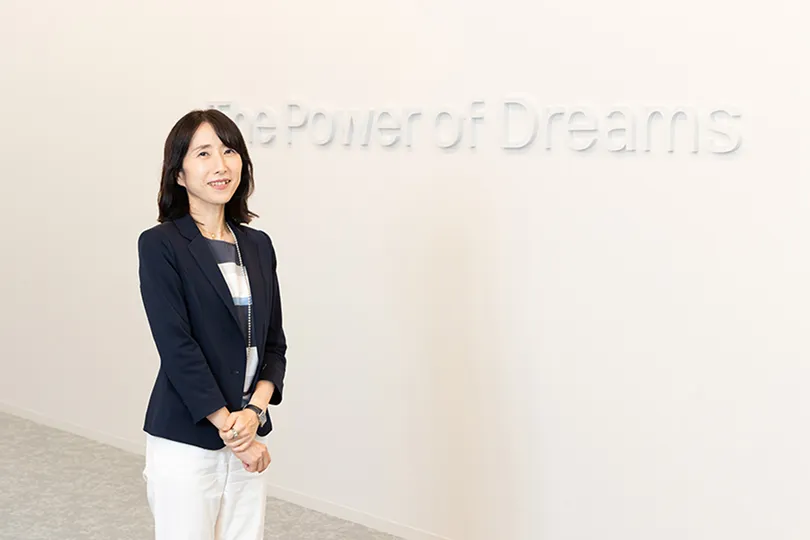
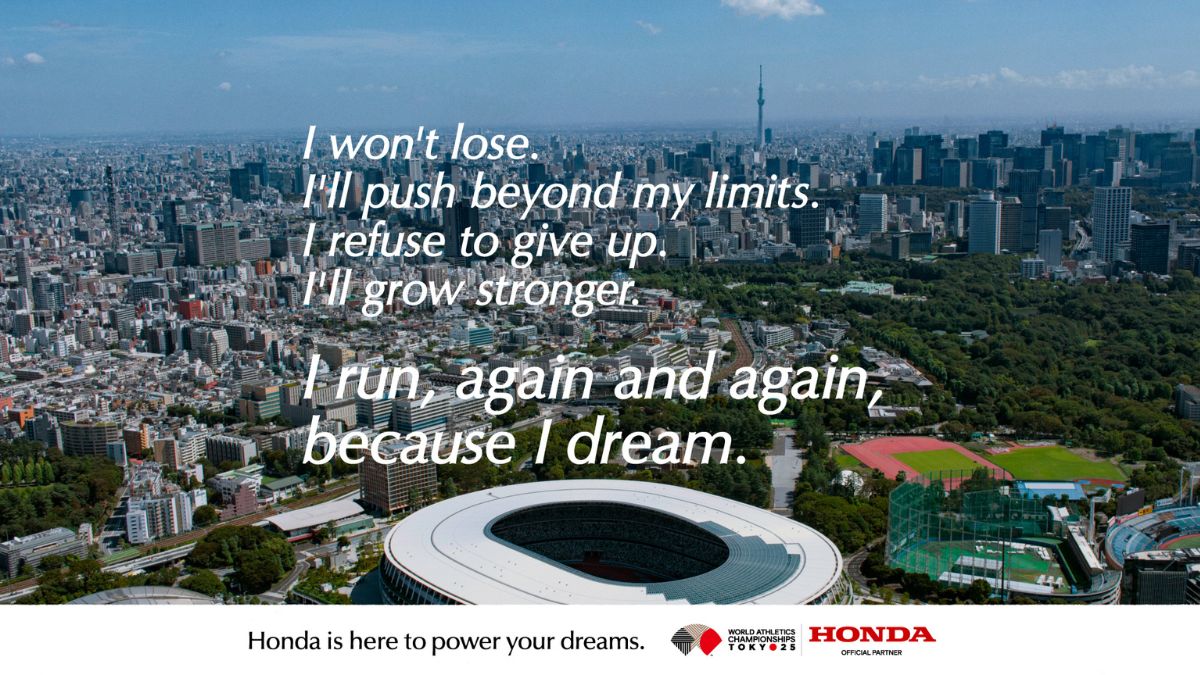
What are the thoughts behind the words featured in Honda’s WCH Tokyo 25 advertisement: “I run, again and again, because I dream. Honda is here to power your dreams”?
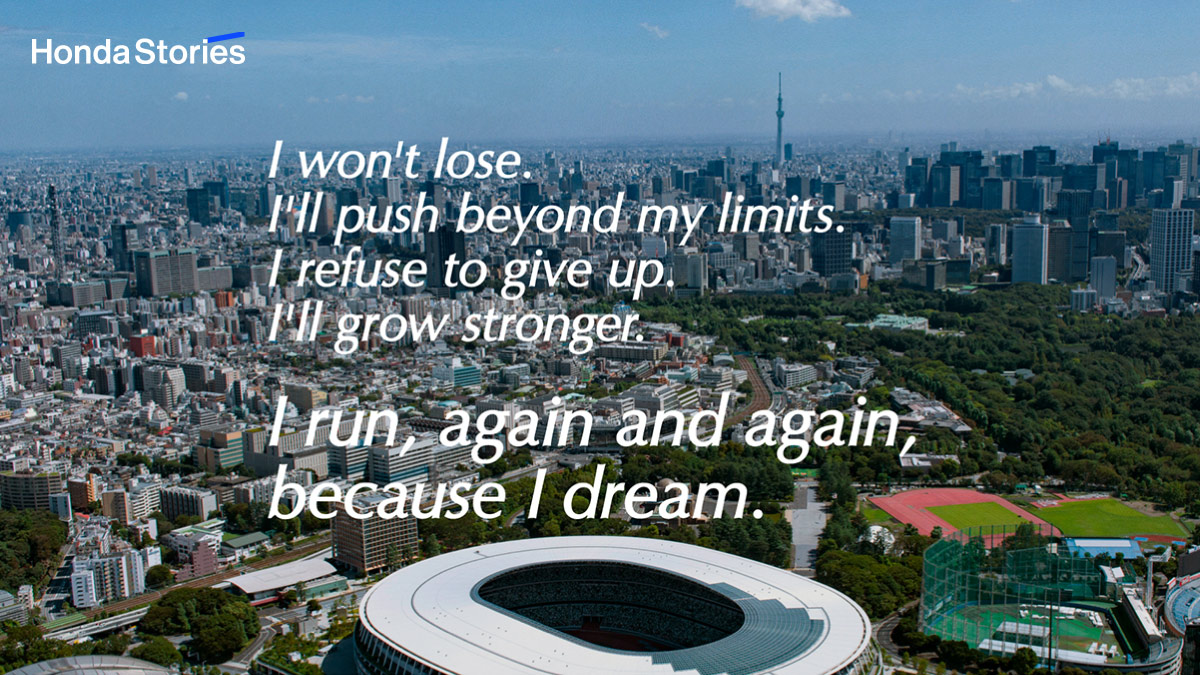
Honda has always valued “challenging your dreams.” We want to expand the circle of challenge: individuals striving toward their dreams, inspiring others who see them to take on their own challenges. This statement is a message not only for the athletes, the stars of the World Athletics, but for everyone who aspires to challenge themselves.
By supporting WCH, on the world’s premier stage, Honda aims to spread a “circle of dreams and challenges” across the world.
Furthermore, the automotive industry is currently undergoing a once-in-a-century transformation. In this fiercely competitive environment, Honda employees are striving hard across various operations. We believe our involvement with the World Championships can also empower our colleagues who are challenging themselves right now.
In addition, our WCH efforts allow us to share Honda’s vision and initiatives with people who do not usually interact with Honda. This is a tremendous asset for us. I believe nurturing these new connections and bonds will lead to our next challenge.
Unsung hero supporting athletes’ challenges ― Honda’s Remote Control Vehicle, harnessing the power to create something from nothing ―
As part of the WCH Tokyo 25 support initiatives, you developed an electric RC vehicle to retrieve throwing event equipment. What were your initial thoughts when this development was decided?
I felt pride and joy that Honda’s manufacturing capabilities would be utilized on the field where top athletes compete. The WCH are the athletes’ premier stage. We committed ourselves fully to supporting them.
Considering we have to operate the RC vehicles live amidst multiple concurrent events, the responsibility was daunting, but everyone in our prototype lab loves a challenge, so a “Let’s do this!” spirit naturally spread throughout the team.
How did development proceed?
Centered around five or six core members, dozens of people were involved; from young to seasoned engineers and management staff. Our development schedule was much shorter than usual, posing a significant challenge. We used widely available parts for the battery and motor, while applying Honda’s R&D expertise to the frame. We proceeded with agile development, rapidly cycling through design, prototyping, improvement, and field testing.
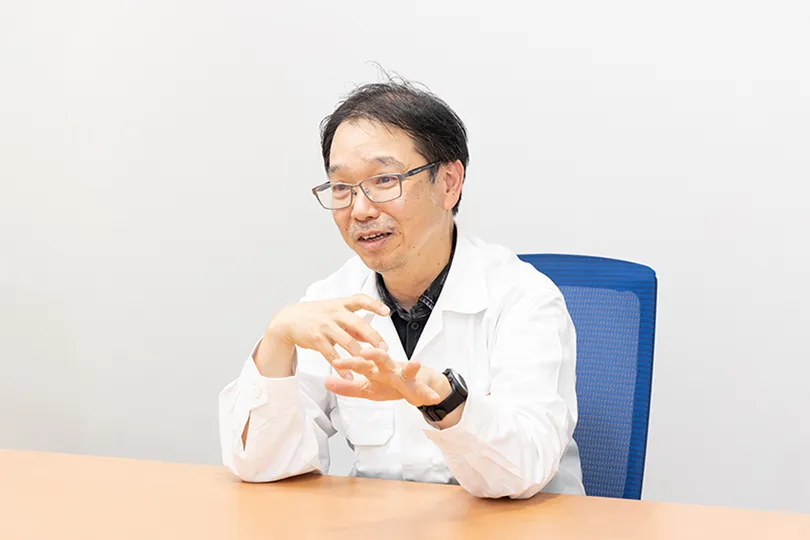 Tsukamoto oversaw and drove RC vehicle development
What was the most difficult part of development?
During field tests at the National Stadium in mid-June, the turf manager told us that the weight of the RC vehicles could cause damage to the turf, affecting events scheduled after WCH Tokyo 25. We had not considered turf impact in our initial weight requirements, so we had to start from scratch. My mind went blank.
How did you overcome this challenge?
We researched literature on turf impact, formulated hypotheses, simulated turf recovery conditions to meet the next event’s schedule, and presented this to the turf managers, who then gave us the green light. However, we had to reduce the weight to less than half of the original chassis, which was another major challenge.
To do this, we first searched for commercially available lightweight batteries that met the voltage and current requirements we calculated from our tests. Our biggest breakthrough, however, was the chassis. We switched from steel, which we had selected for its robustness, to aluminum.
Aluminum is lightweight but difficult to handle; tending to warp easily even after welding. To overcome this, we paired a seasoned engineer with extensive experience in aluminum forming and welding with our design engineer. Within about two weeks, they achieved the optimal structure and weight. It was precisely because we were in the prototyping department that we could make numerous on-the-spot decisions and immediate improvements, allowing us to overcome this difficulty. I am deeply grateful to the team members.
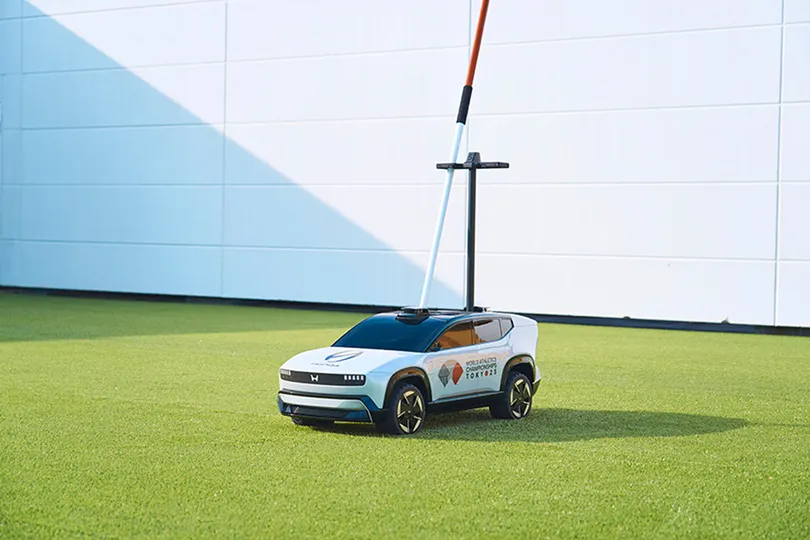 1/4 scale remote control vehicle of the Honda 0 SUV Prototype
What enabled you to accomplish this challenge within the limited timeframe?
Honda’s strength lies in how experts from many fields immediately gather, when we have a serious issue. We can think together across departments about what needs to be done, and by when, to overcome the challenge. This dynamic was crucial within our tight schedule.
As challenges are central to the company, the joy of seeing everyone smile after overcoming problems is something all members share. I felt this power to unite and drive toward realization is truly unique to Honda.
We believe accumulating these experiences leads to the implementation of various ideas. So, we want to continue challenging ourselves, treating the support for WCH Tokyo 25 as important knowhow for the future.
[Column] Honda Running Team athletes driven by dreams, challenging the world stage
WCH Tokyo 25 is your first world championship event. What are your current thoughts?
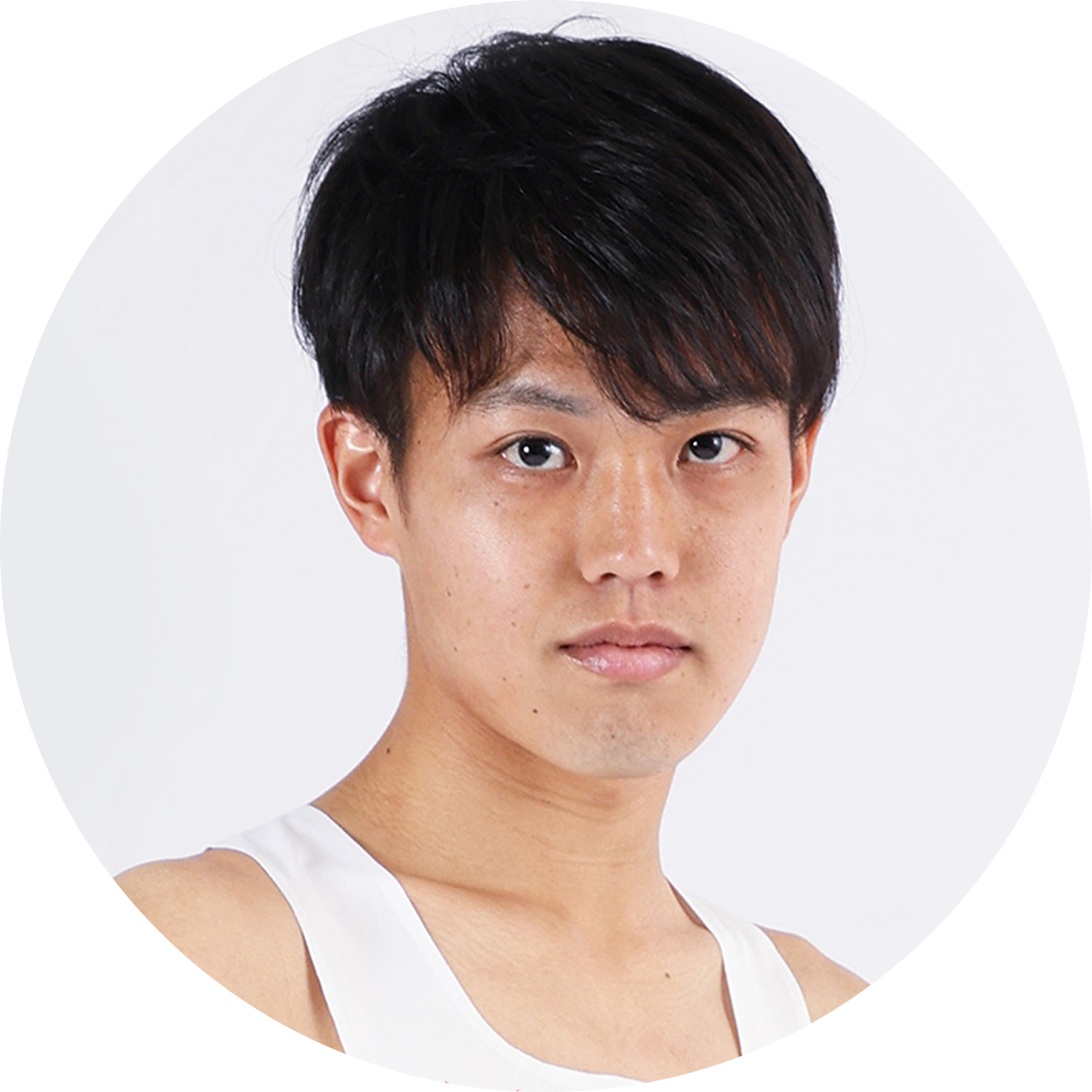
Honda Running Team View More Close Nagiya Mori
Read More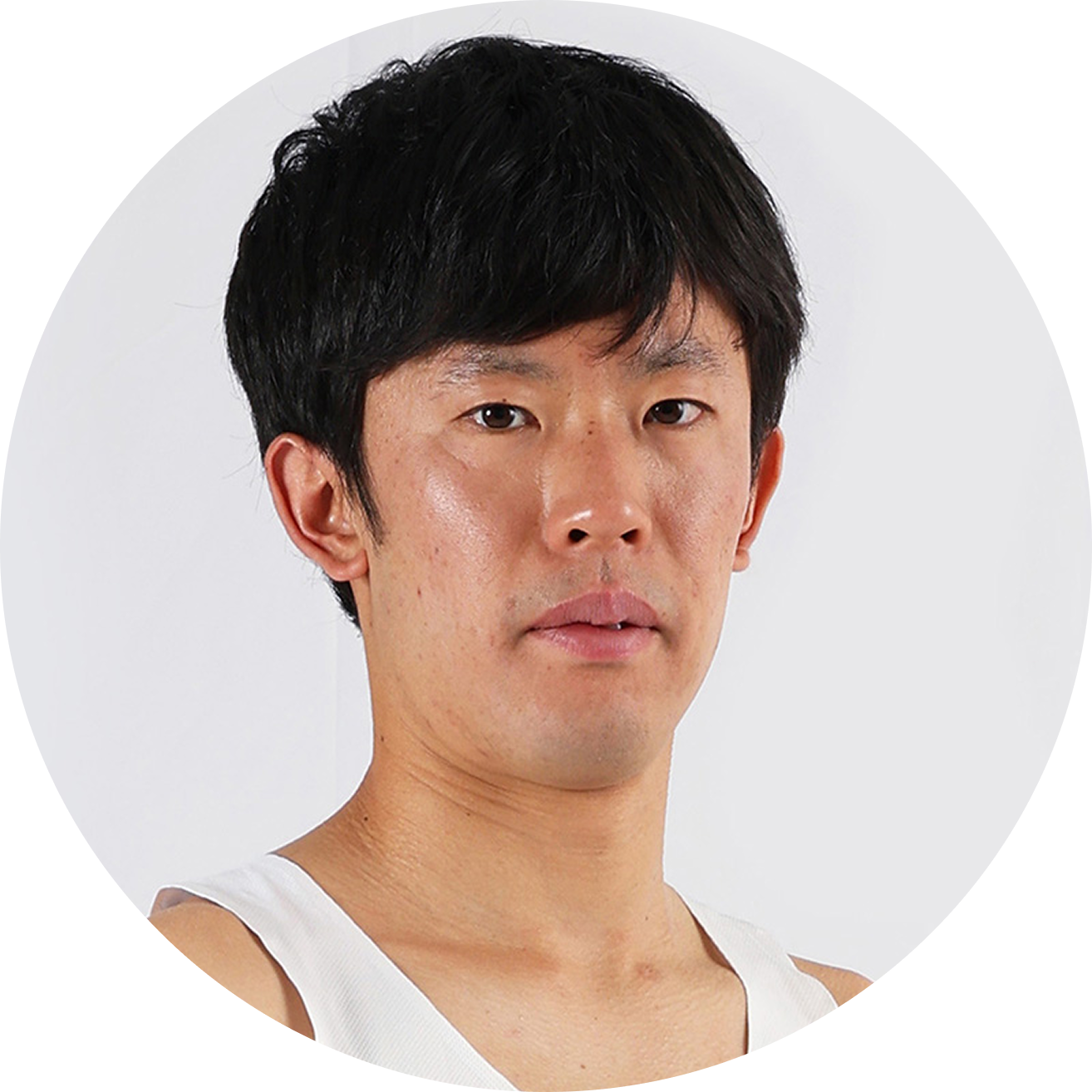
Honda Running team View More Close Naoki Koyama
Read More
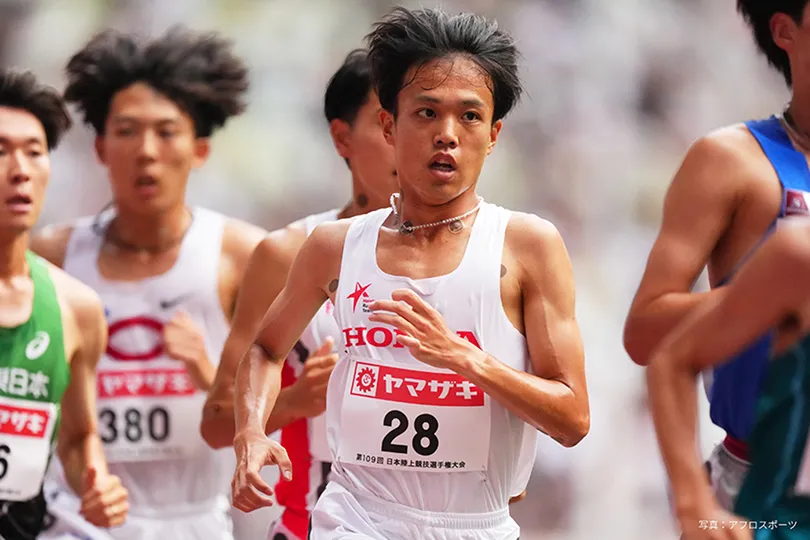
Honestly, it still doesn’t feel real. I joined Honda feeling I was weak, as during my university days, I could not run the way I wanted to. I even felt pushed to the point of thinking that it was my limit. When I joined Honda Running Team, I was aware of my lack of ability, so I approached it with the mindset that I would not get results immediately, but I would take on each race with care. Through the accumulation of my efforts, I suddenly realized the stage of my dreams was approaching. The fun of steadily building myself up and the enjoyment of getting closer to my dream are what athletics offers me, and it is my driving force.
How do you feel about the support and encouragement from the people around you?
The support from those around me has always been a source of strength. When I first joined Honda, my attitude was to run for my own goals and convictions, but it shifted to wanting to run for the sake of others. At WCH Tokyo 25, I hope to run in a way that gives back, even a little, to all the people who support me!
After joining Honda, you steadily built your career and competed in your first world championship event in 2024. Looking back, how do you feel about this journey?
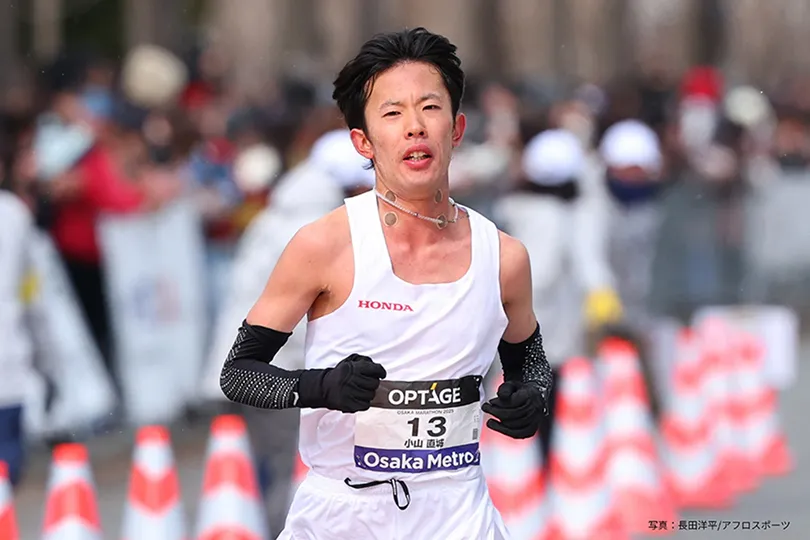
Before joining Honda, I never imagined I would run on the world stage. But training alongside teammates competing globally strengthened my desire to challenge myself to compete internationally. Last year, I finally got my first chance at the world’s highest level. My goal was eigth, but I finished 23rd. I was extremely disappointed because I had prepared more thoroughly than ever before, including my first training camp in the U.S. and my intense running drills, and I felt I had the potential to do better. However, I think I managed to shift my mindset quickly by immediately focusing on my next goal which was to win in the New Year Ekiden.
The WCH Tokyo 25 will be held in your home country. How do you feel about that? What is your approach to the event?
For Japanese athletes, Japan’s hot weather can be an advantage if I use it right. So, for the WCH Tokyo 25, I am focusing intensely on getting myself used to the heat. I am doing training runs during the hottest parts of the day, deliberately keeping indoor spaces hot, and even using saunas. I want to harness the heat, not fear failure, and boldly challenge the world stage.
Also, having the event in our home country means many people will come out to cheer us on, which is a huge boost. Last year at the world championship event, my boss came all the way from Japan to support me, which made me incredibly happy. I would be thrilled if lots of people lined the roads to cheer me on.
Since Honda is an official partner for WCH Tokyo 25, seeing its products used as head umpire vehicle for marathon and motorcycles will really energize me. The highlight of the WCH is undoubtedly seeing the world’s top athletes in action right in front of you. This is a precious opportunity to host the event at home, and I truly hope many people will come to watch us.






The sight of athletes challenging themselves toward their dreams can give immense power to spectators. Honda’s global brand slogan, “The Power of Dreams - How we move you,” embodies the idea of moving people, society, and hearts through the power of dreams. We believe we share a common spirit. Honda believes in the infinite power of sports and has been involved for over 60 years through operating official corporate sports clubs, sponsoring athletes, and supporting events.
The WCH is a special stage of challenging that captivates and thrills even people unfamiliar with track and field, showcasing the extraordinary skills of top athletes. We decided to participate as a partner because we want to help create this event together, where the excitement and emotion generated by athletes’ performances deliver immense power to the audience.