Honda Power Products Supporting Suzuka 8 Hours
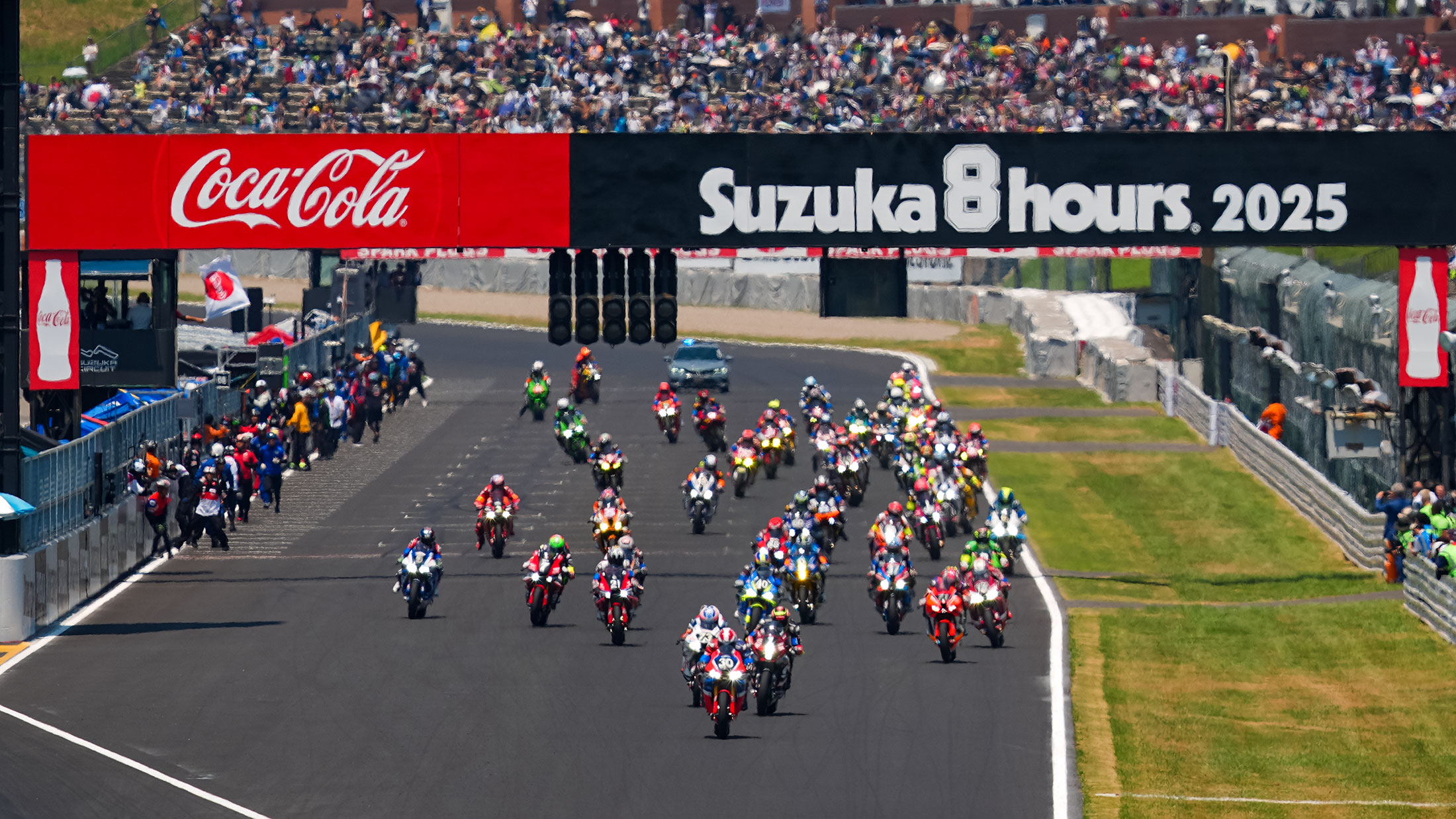
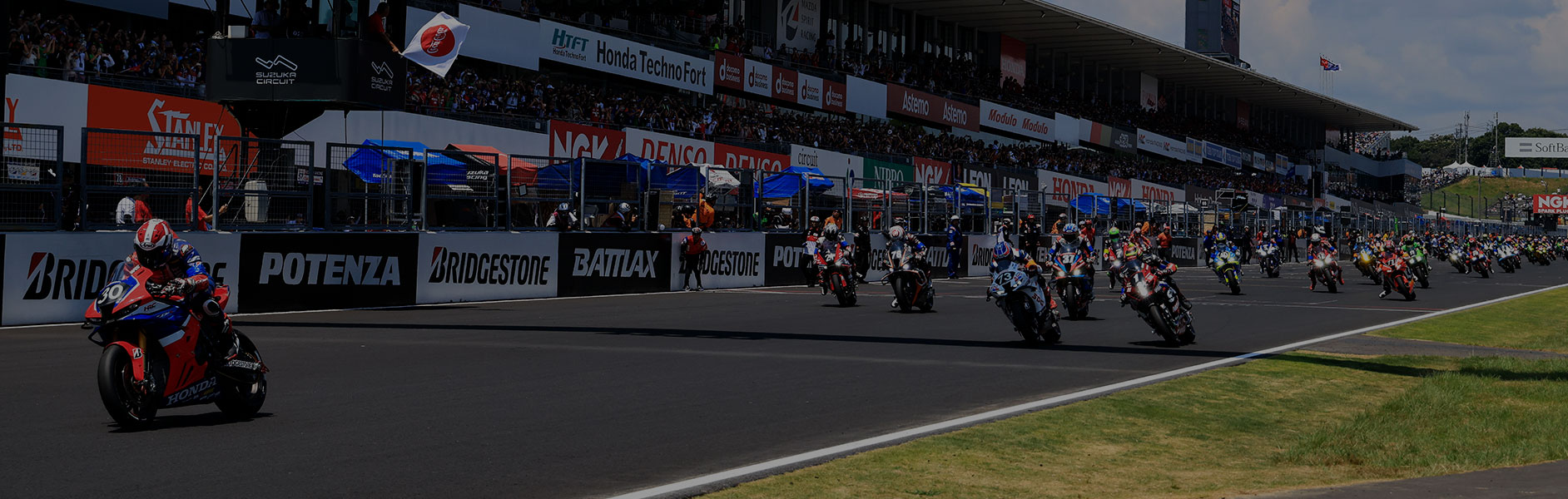
The “Coca-Cola” Suzuka 8 Hours Endurance Road Race, arguably Japan’s biggest motorcycle race, is held as part of the FIM Endurance World Championship (EWC) series. Held in the midst of intense, scorching heat, this midsummer motorcycle racing festival is a grueling battle not only for the riders but also for the teams and organizer staff.
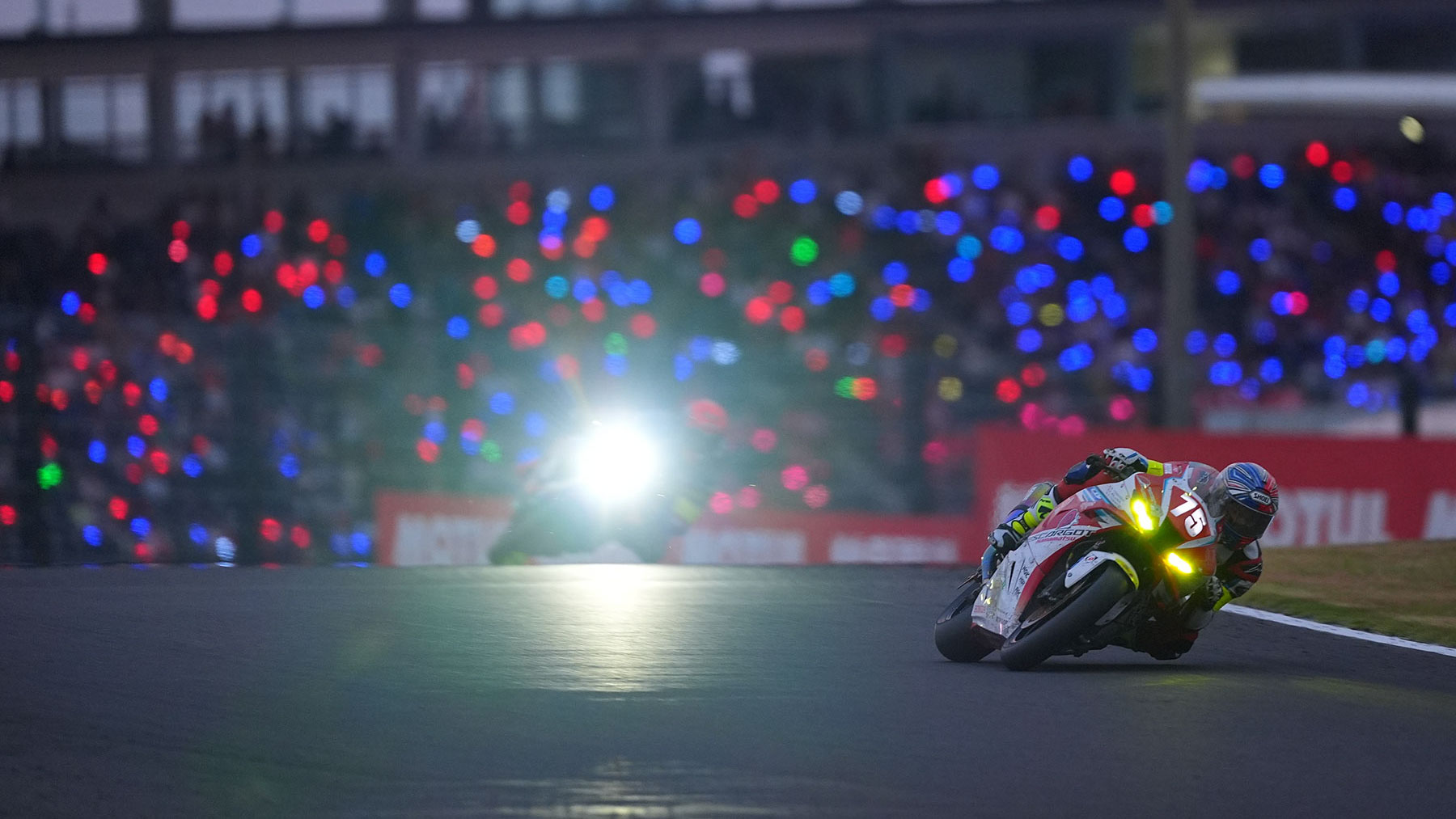
First held in 1978, the Suzuka 8 Hours is an annual motorcycle endurance race held every July or August. Affectionately known as the “Midsummer Festival,” the Suzuka 8 Hours is Japan’s largest race. Air temperature approaches 40°C (104°F), with track temperatures exceeding 60°C (140°F), as two or three riders for each team take turns on their bike not only to complete the race, but win. Currently, the only motorcycle road racing world championship events held in Japan are MotoGP and the Suzuka 8 Hours.
Honda Power Products Supporting Suzuka 8 Hours Track Officials
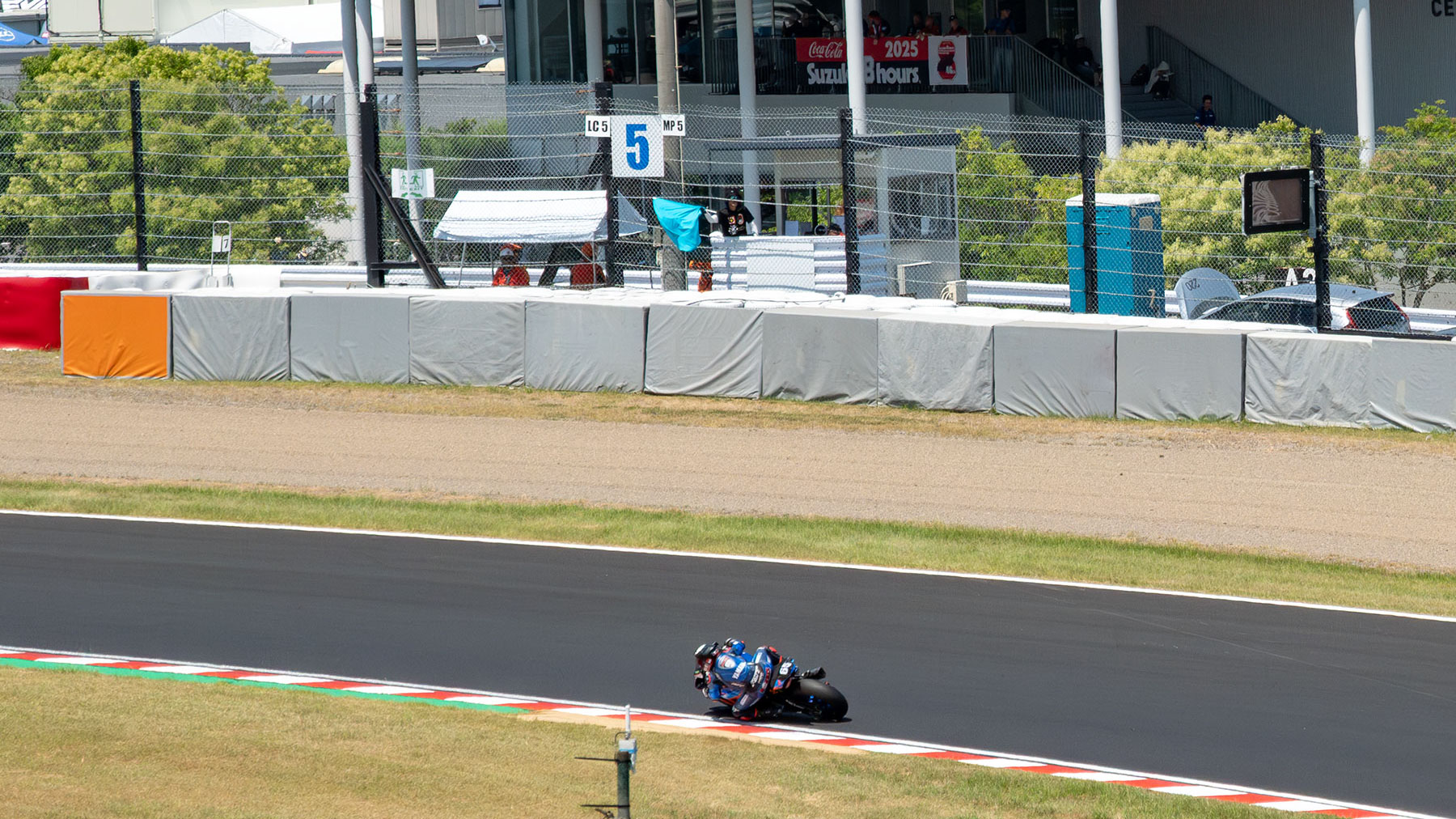
The stars of the event are, undoubtedly, the riders and team battling for Suzuka 8 Hours victory. But, so are the officials responsible for race operations and safety management, who are up in the control tower, or in the pit lane, making sure that any problem is swiftly dealt with.
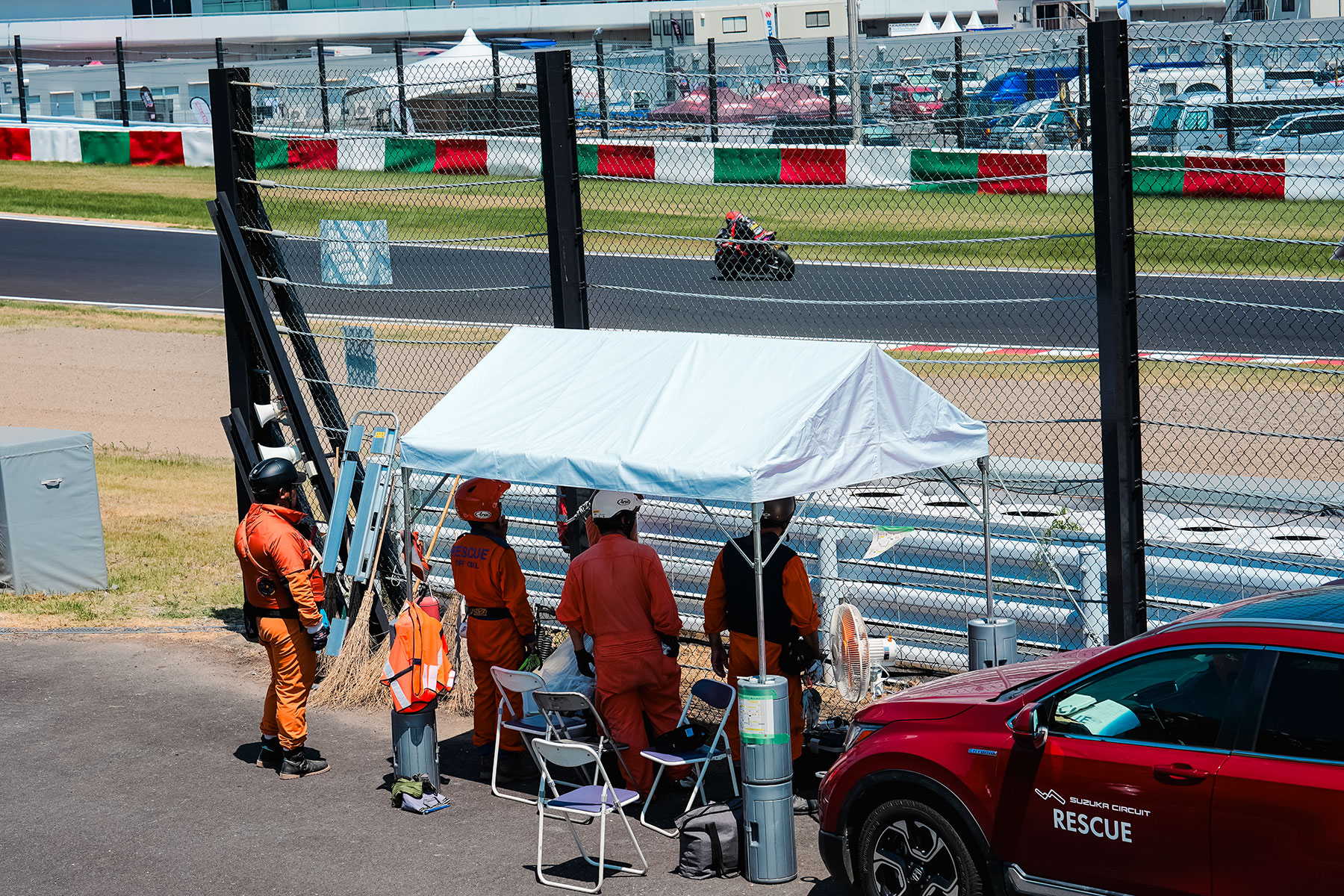
Among the official, the most demanding roles are arguably handled by the track officials. They stand by the course, constantly monitoring the behavior of passing motorcycles. If a crash or incident occurs, they signal the danger to aproaching riders with their flags. They then move the crashed rider and bike to a safe location and clear debris from the track.
-
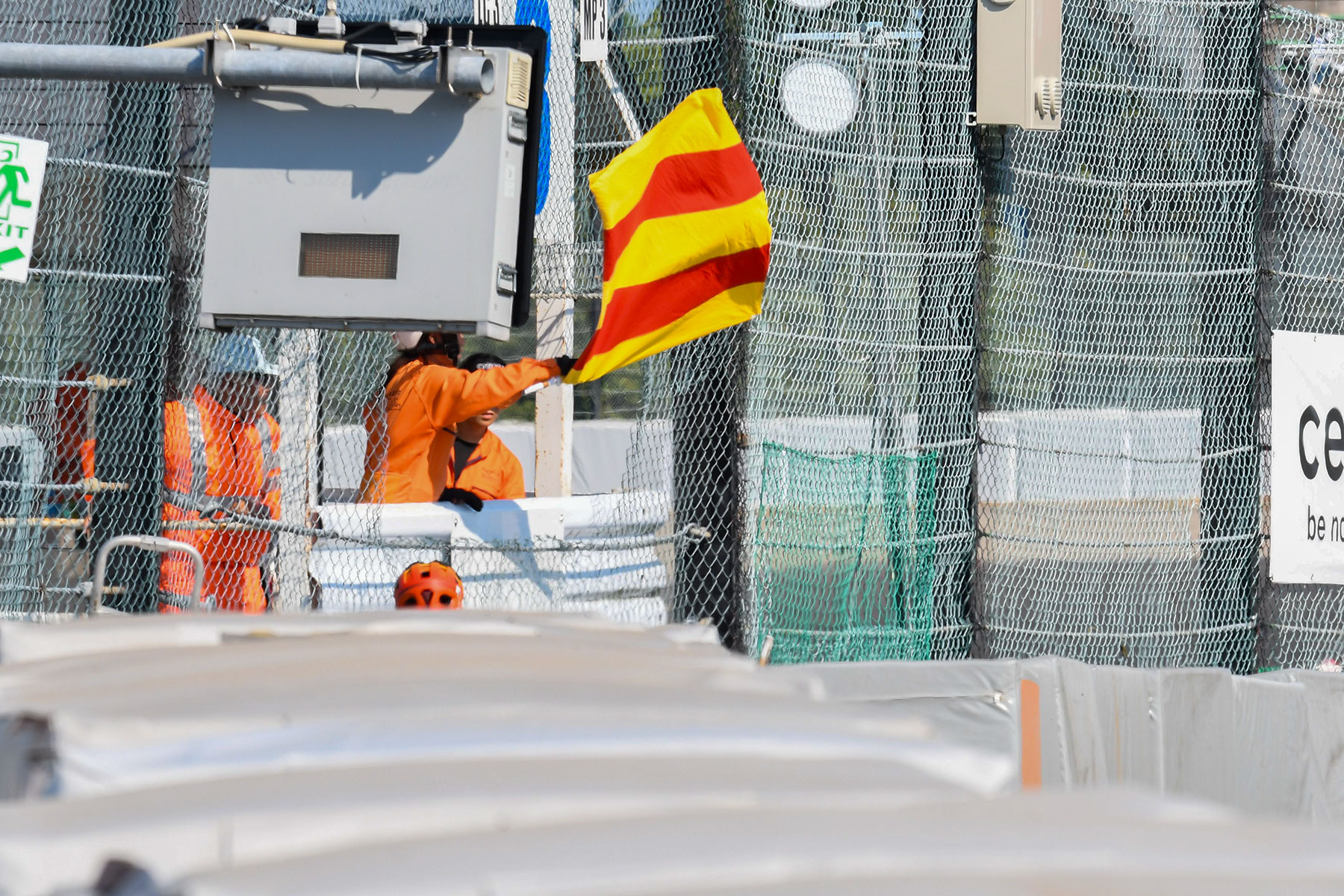
Besides signaling riders about track conditions with their flags, track officials perform other vital tasks including cleaning the track surface between sessions. -
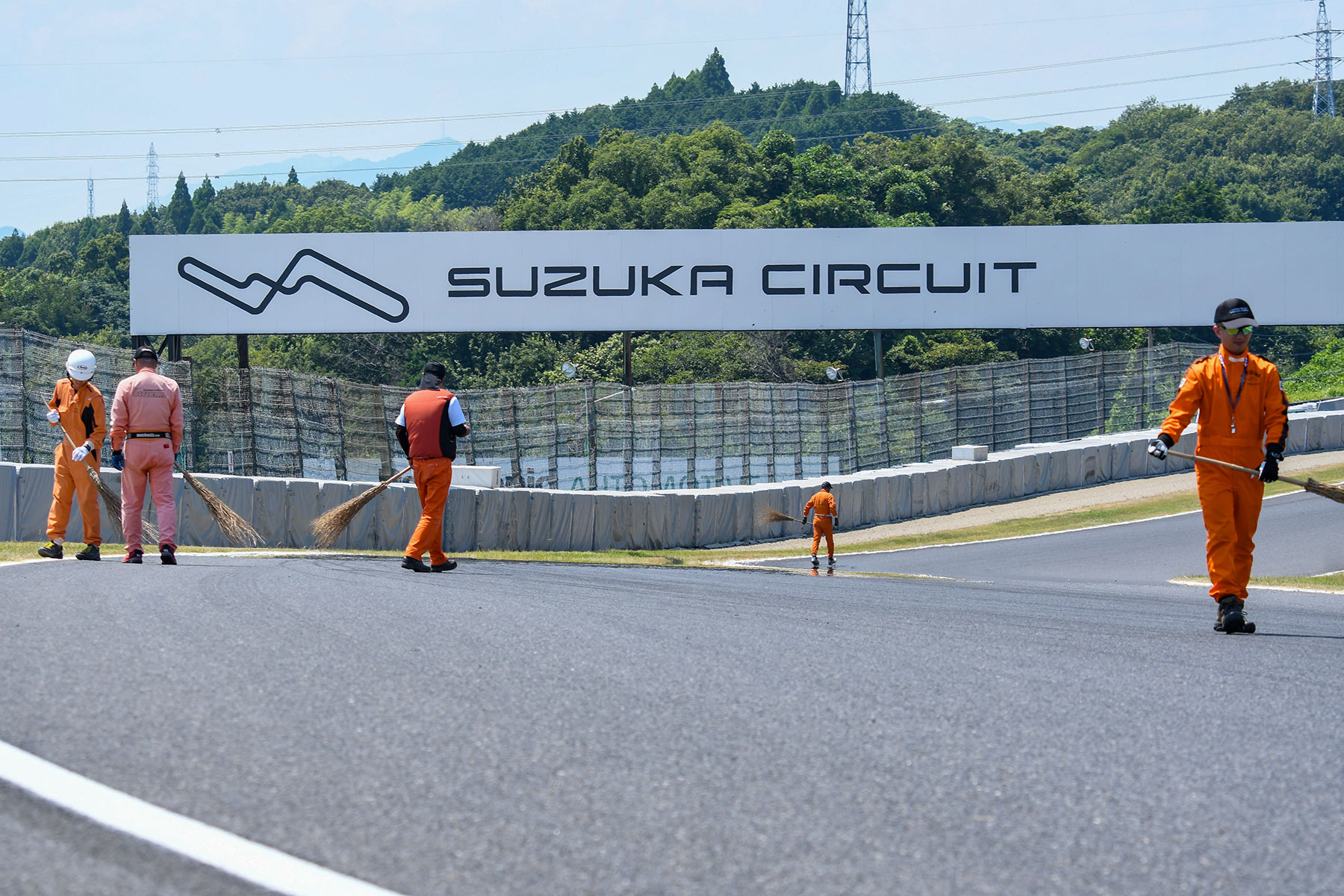
At the Suzuka 8 Hours, track officials stand by the trackside at 7:30 am, four hours before the race starts at 11:30 am. They remain stationed at there for over 12 hours, until well past 7:30 pm when the race ends, under the unrelenting blazing sun, to ensure rider safety.
At various locations beside the track, track officials are stationed in posts (simple-structured buildings) or tents.
Track officials at posts display flags to alert incoming riders of abnormalities or hazards, while officials stationed in tents respond to bike issues and crashes.
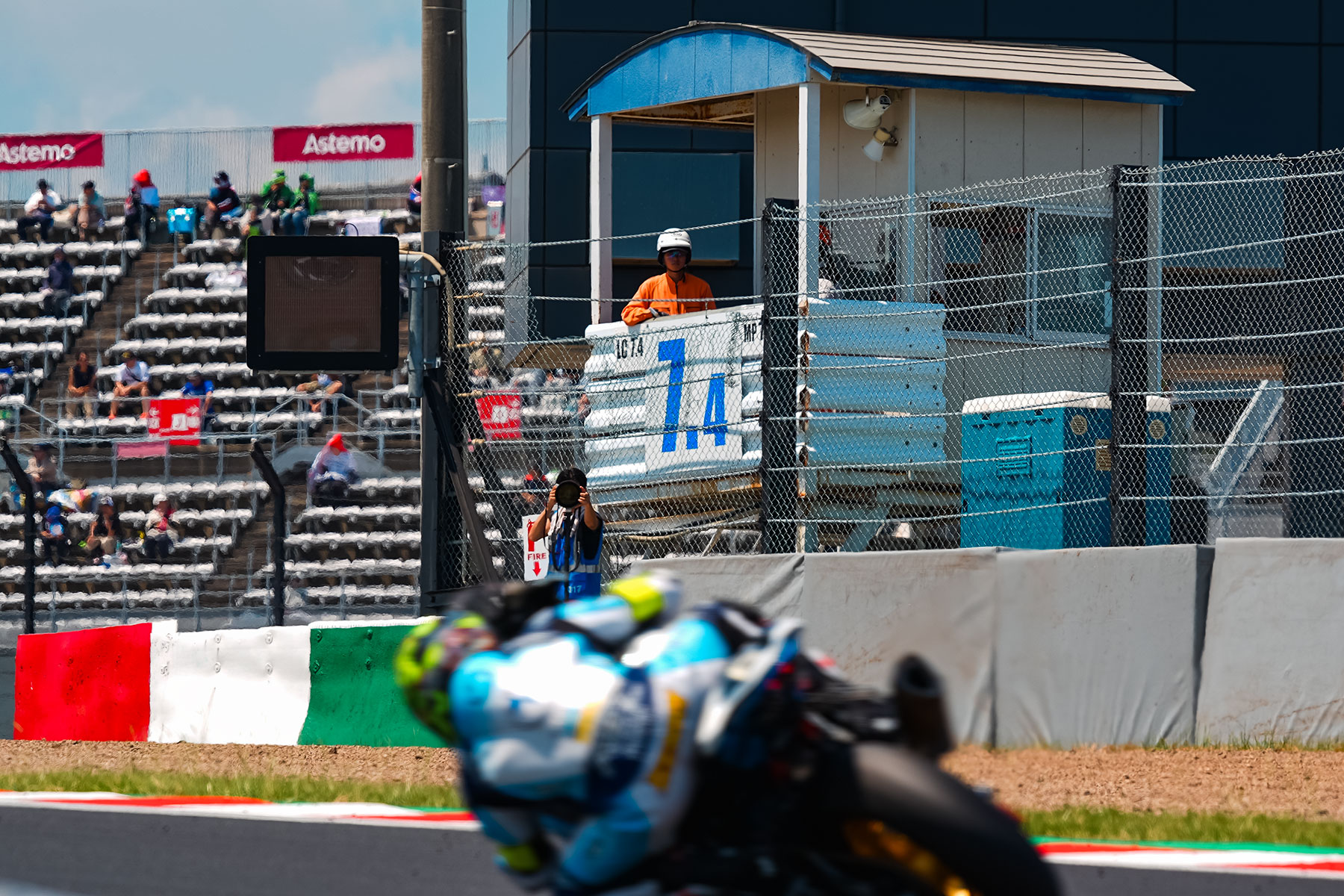
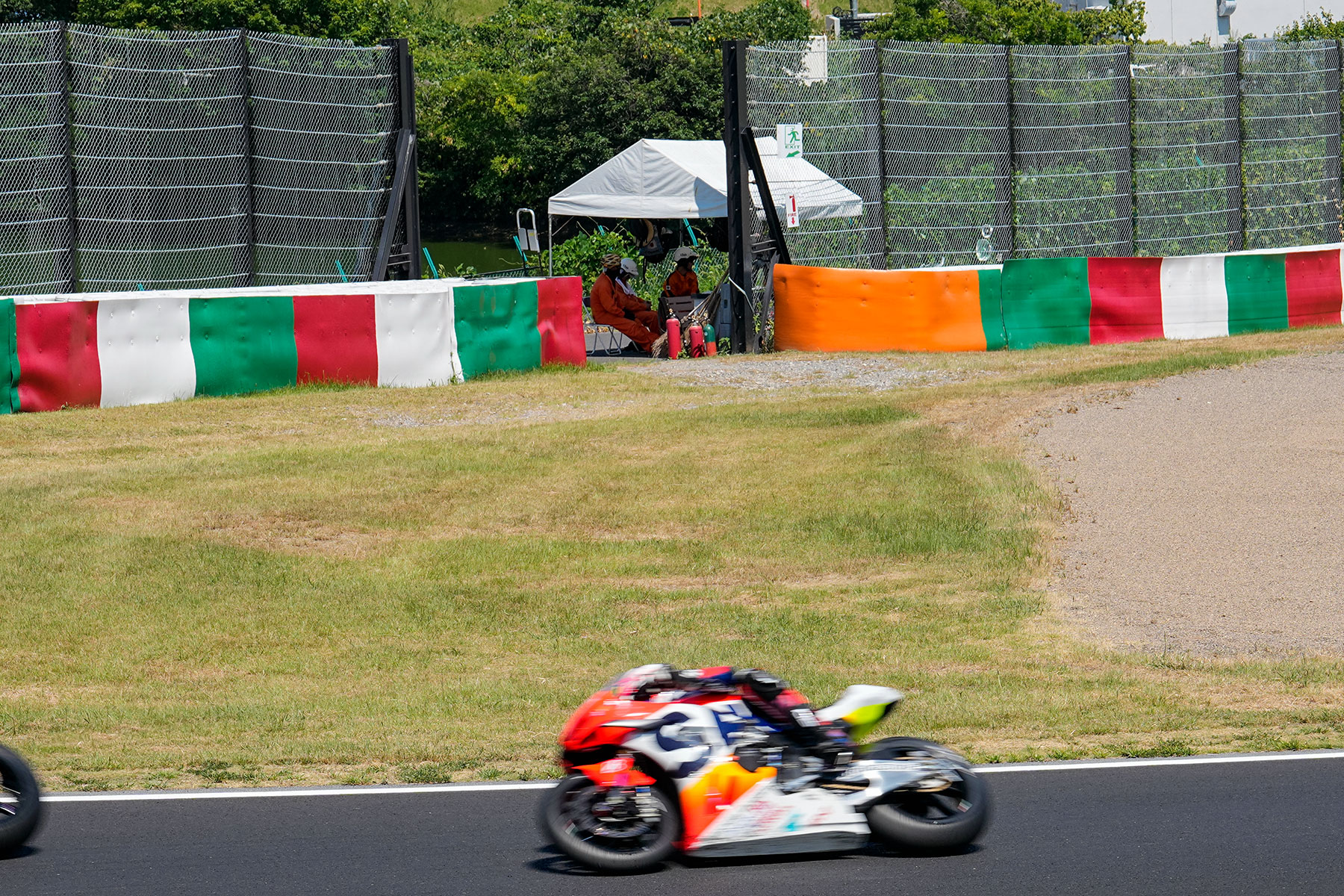
Track officials are required to wear flame-resistant coveralls and helmets for safety reasons, making them sweat even while standing still.
Posts and tents for the officials are exposed to the blazing sun. To make the officials’ work more comfortable, organizers install generators and fans in the tents. During the Suzuka 8 Hours, this equipment is indispensable.
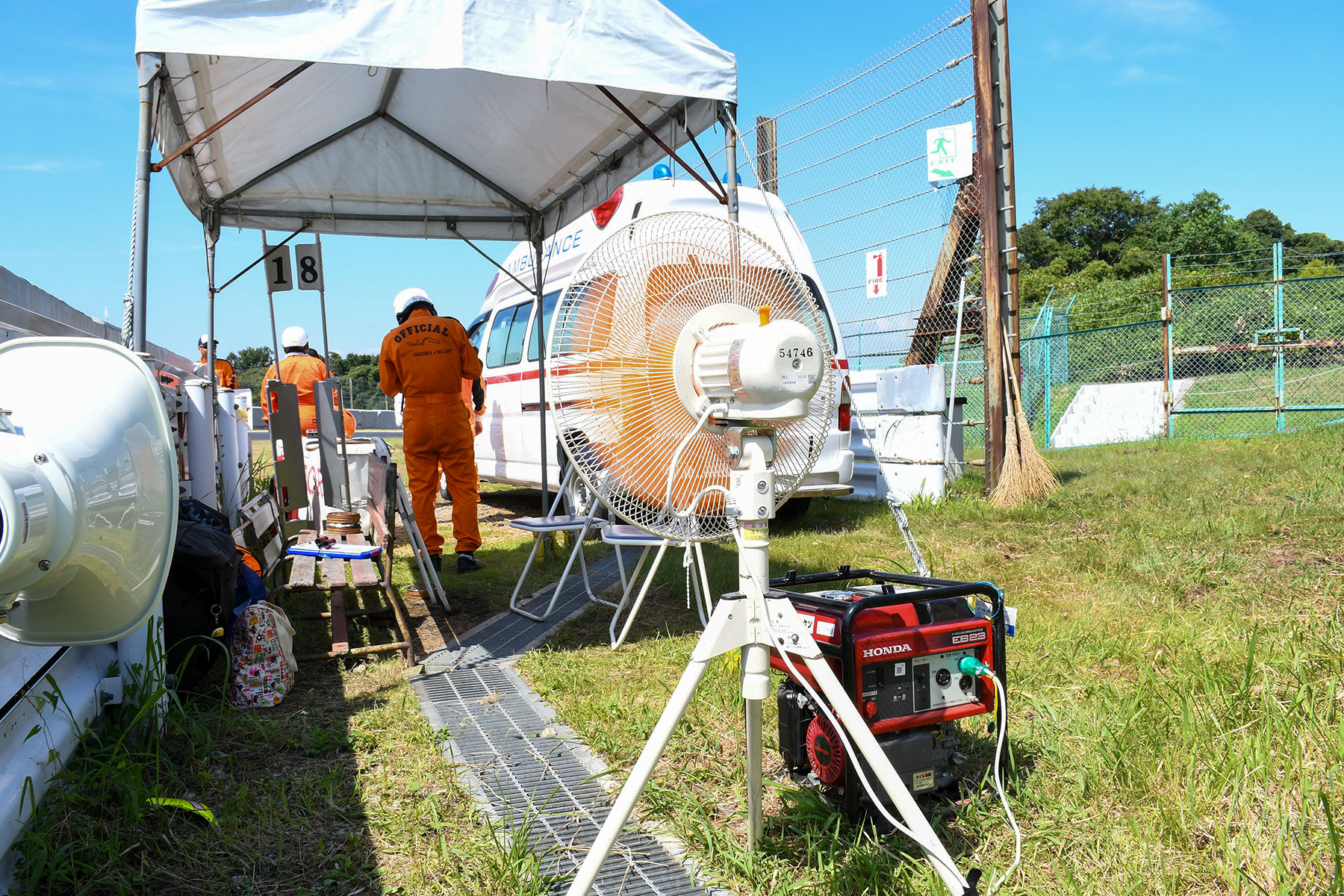
At first, the track officials were mildly grateful, considering it a nice gesture. However, in the past few years, as temperatures rose to the extent where it was unbearable for officials just to stand up straight during the Suzuka 8 Hours, they began to consider the generators and electric fans as life-saving.
At the posts, with a primary role of flagging riders to alert them on dangers on track, power outlets are installed, but since these are mainly used to power the monitors displaying track conditions, a separate generator is installed for the fans and spot coolers to ensure the track monitors stay online.
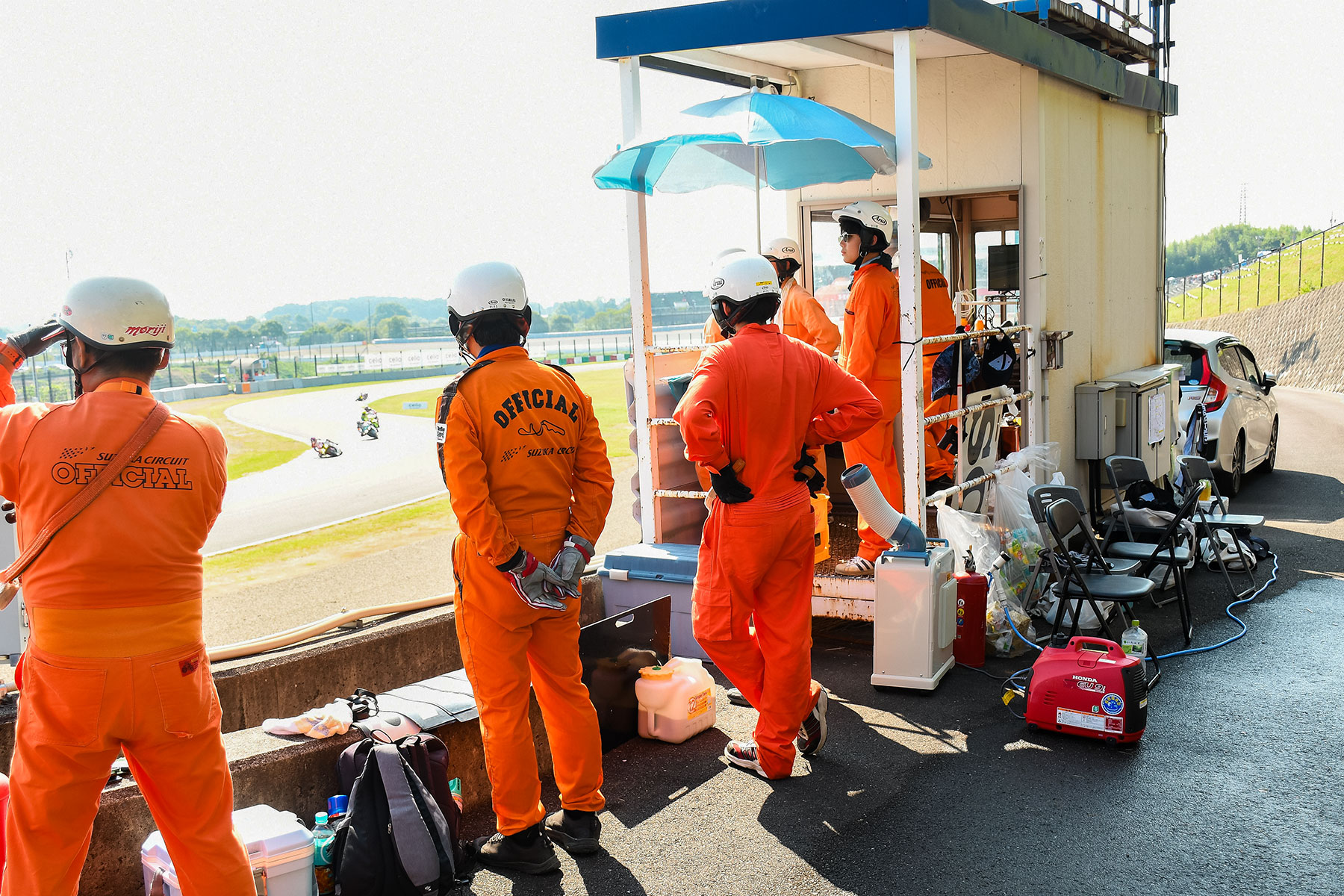
One track official stationed at a post said, “I’m not exaggerating. Our lives would be in danger without these spot coolers.”
Track officials stationed at posts are often perceived as having an easier job than the marshals who rush to the scene of a crash. However, they constantly monitor approaching and passing bikes, ready to wave flags while waiting track-side.
During t the Suzuka 8 Hours, faster riders often lap slower riders. In these situations, marshalls display the blue flag to signal a fast rider is approaching from behind, meaning the lapped rider should avoid sudden sideway moves to allow the faster rider to pass safely. Marshall essentially wave blue flags throughout the race. In addition, the yellow flag, signifying danger ahead, is waved countless times during the race.
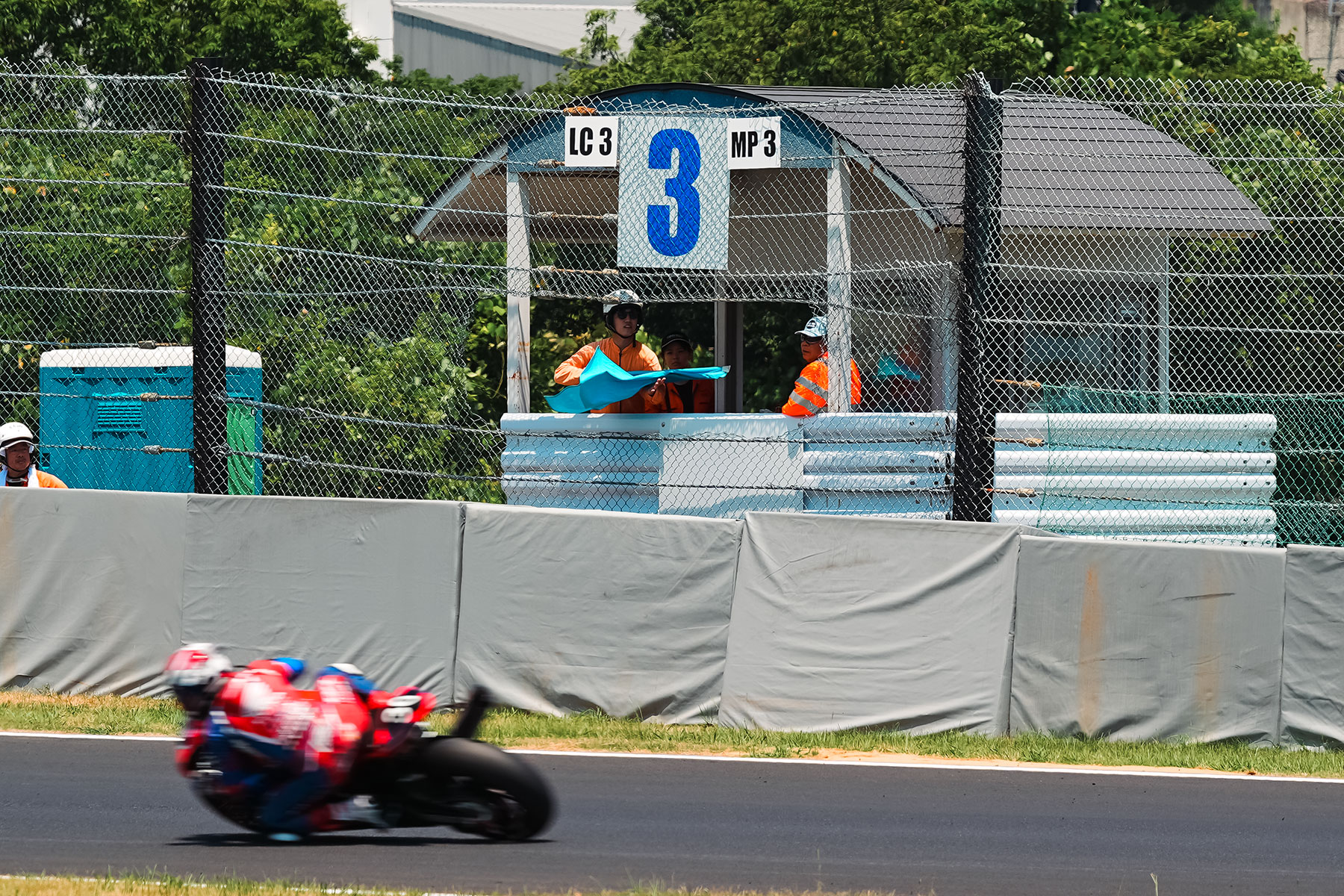
A safe Suzuka 8 Hours is only possible because track officials maintain a comprehensive system to ensure safety. For these officials, fans and spot coolers are essential. Honda generators supply power to these fans and spot coolers, meaning Honda supports the Suzuka 8 Hours not only by providing motorcycles but also with its power products.
Honda Power Products Support Racing Teams
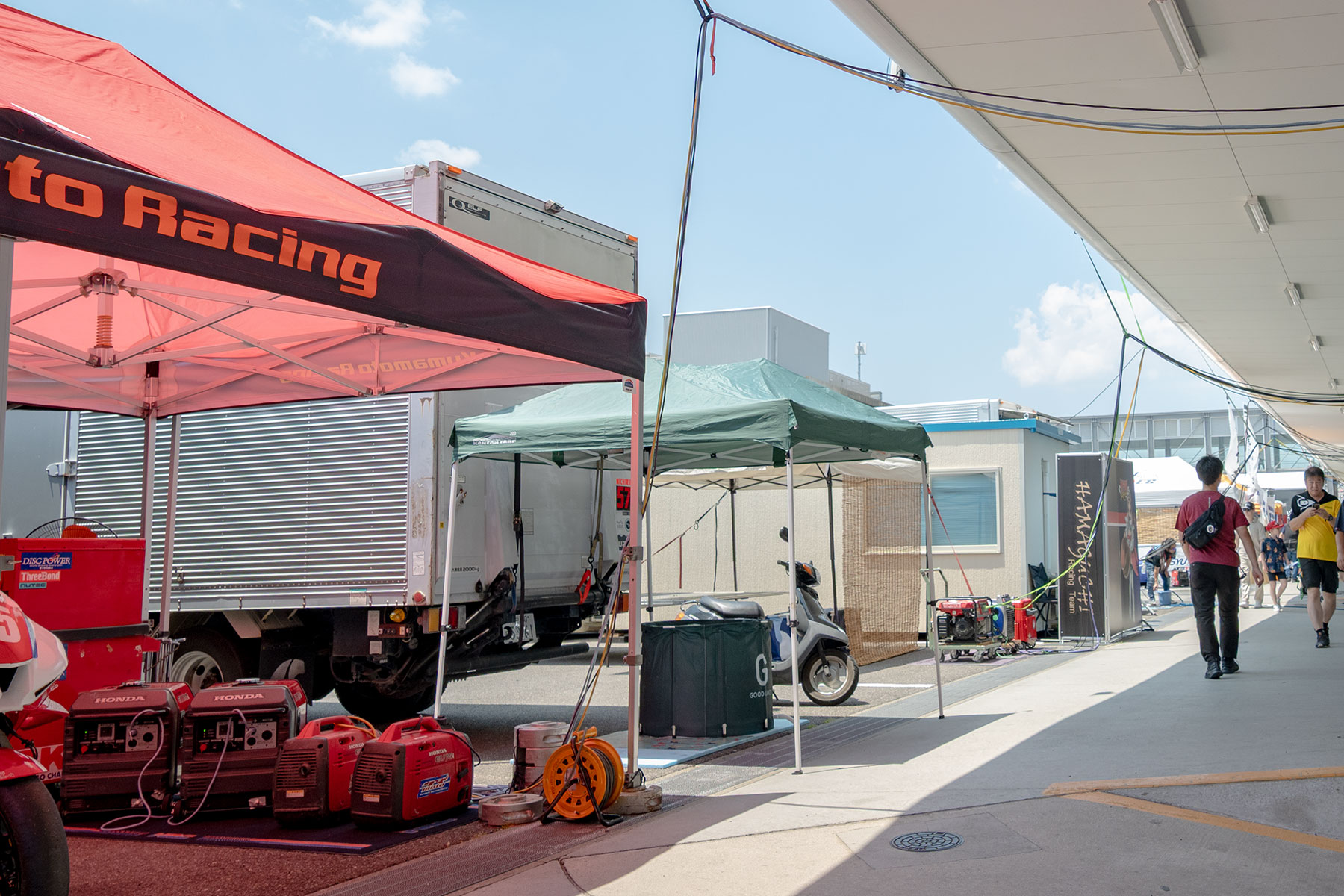
Suzuka Circuit, where the Suzuka 8 Hours is held, has various facilities, including power sources for each pit box. However, capacity is limited. Teams competing in the EWC and factory teams run by manufacturers often pay the organizers for 200-or 400-volt power to their pit boxes. However, private teams looking to save costs typically use the standard 100-volt power outlets while relying on generators for additional power.
During the Suzuka 8 Hours, the pits are crowded with around 60 teams and nearly 1,000 staff coming and going, with countless electrical devices connected.
Among these devices, tire warmers are arguably the most critical for the race. Racing tires are designed to require constant temperature maintenance for safe operation. Consequently, not only at Suzuka 8 Hours but for all motorcycle races, tires are always prepared and covered with belt-like tire warmers before a race.
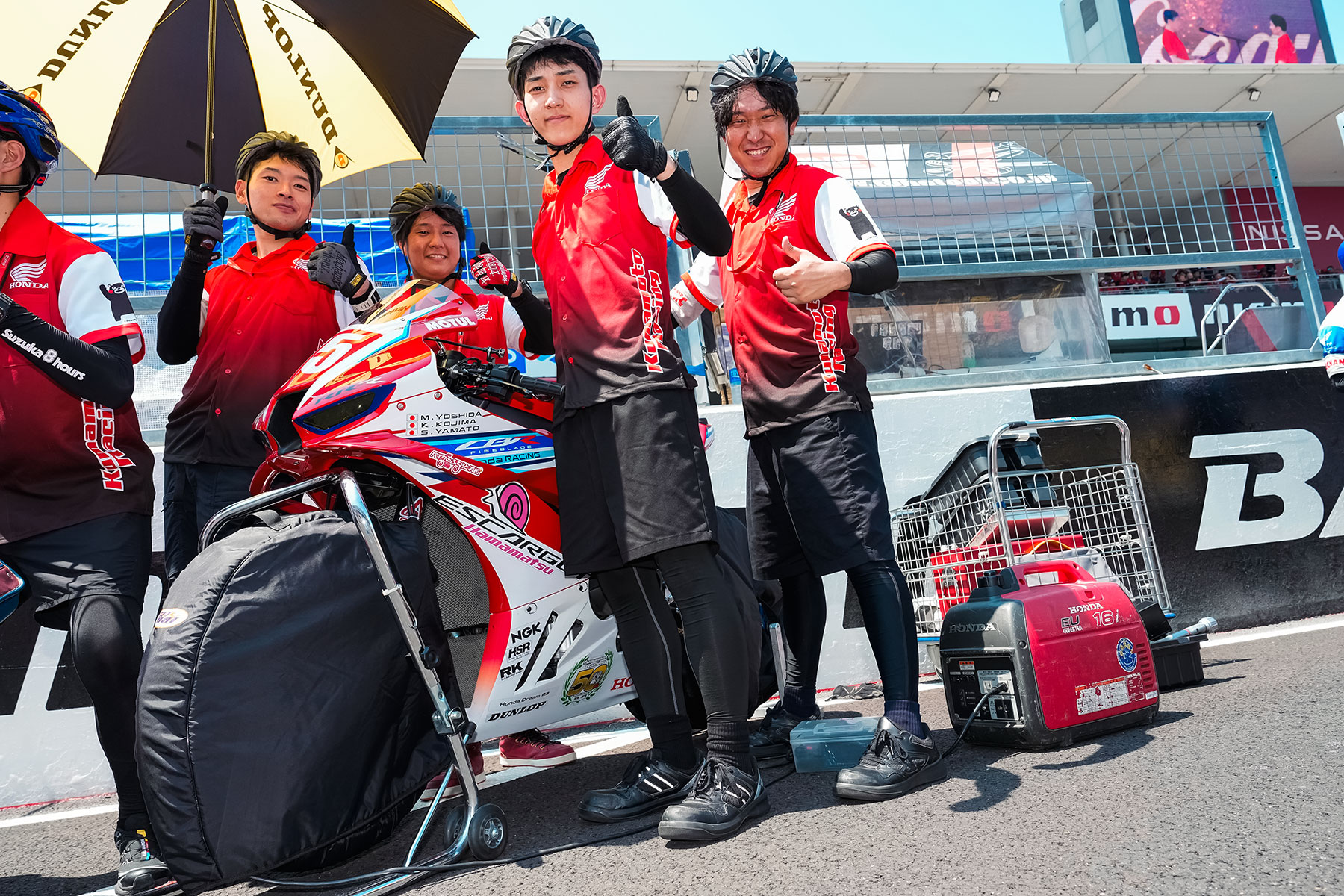
Honda Kumamoto Racing & Hamamatsu ESCARGOT, a privateer team regularly competing in the Suzuka 8 Hours, uses a dedicated generator just for its tire warmers. This ensures the generator’s operation is unaffected by the electric and electronic equipment used in the pit. This setup makes it easy for staff to check the generator’s status whenever they enter or exit the pit, ensuring the tire warmer power supply remains active without fail.
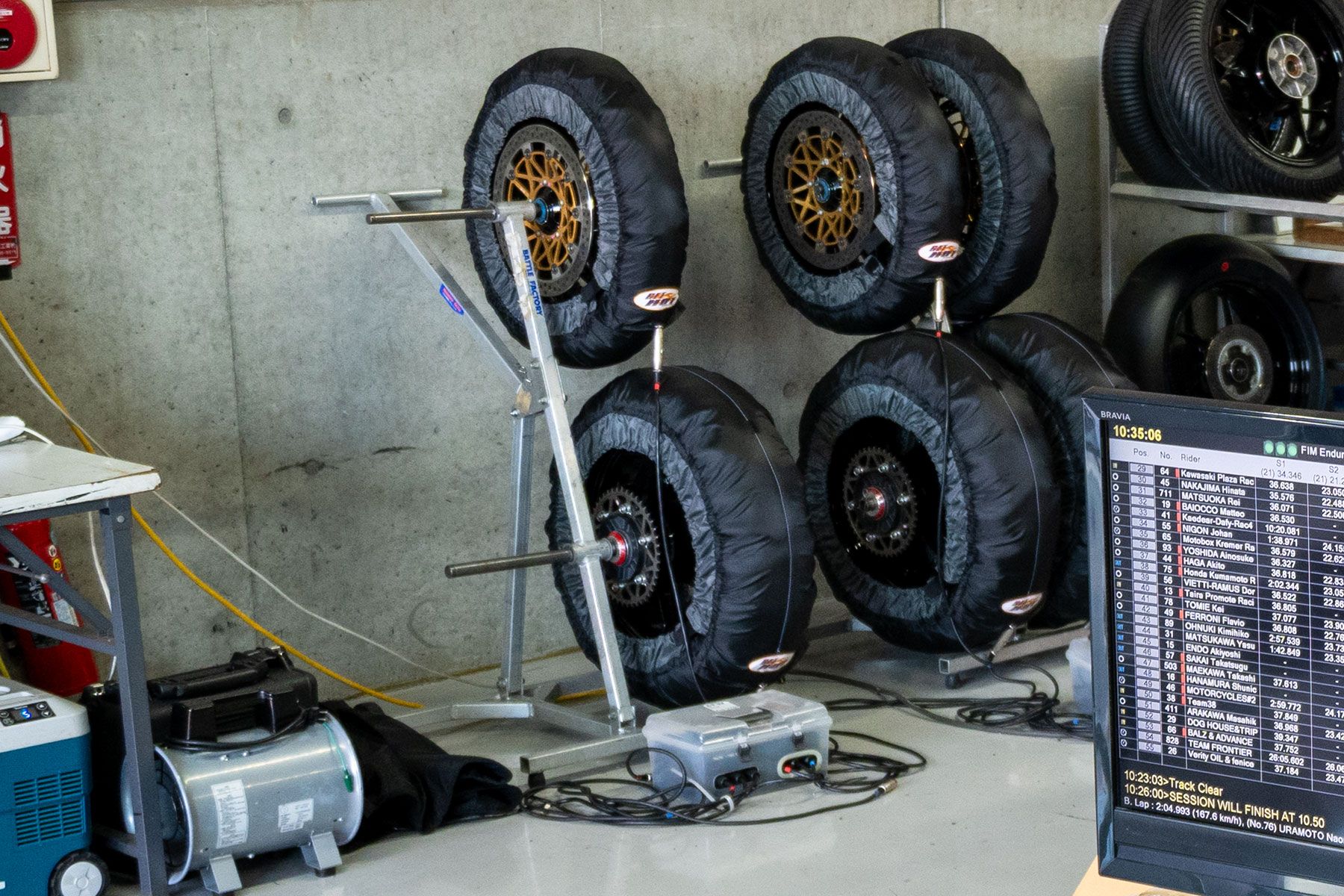
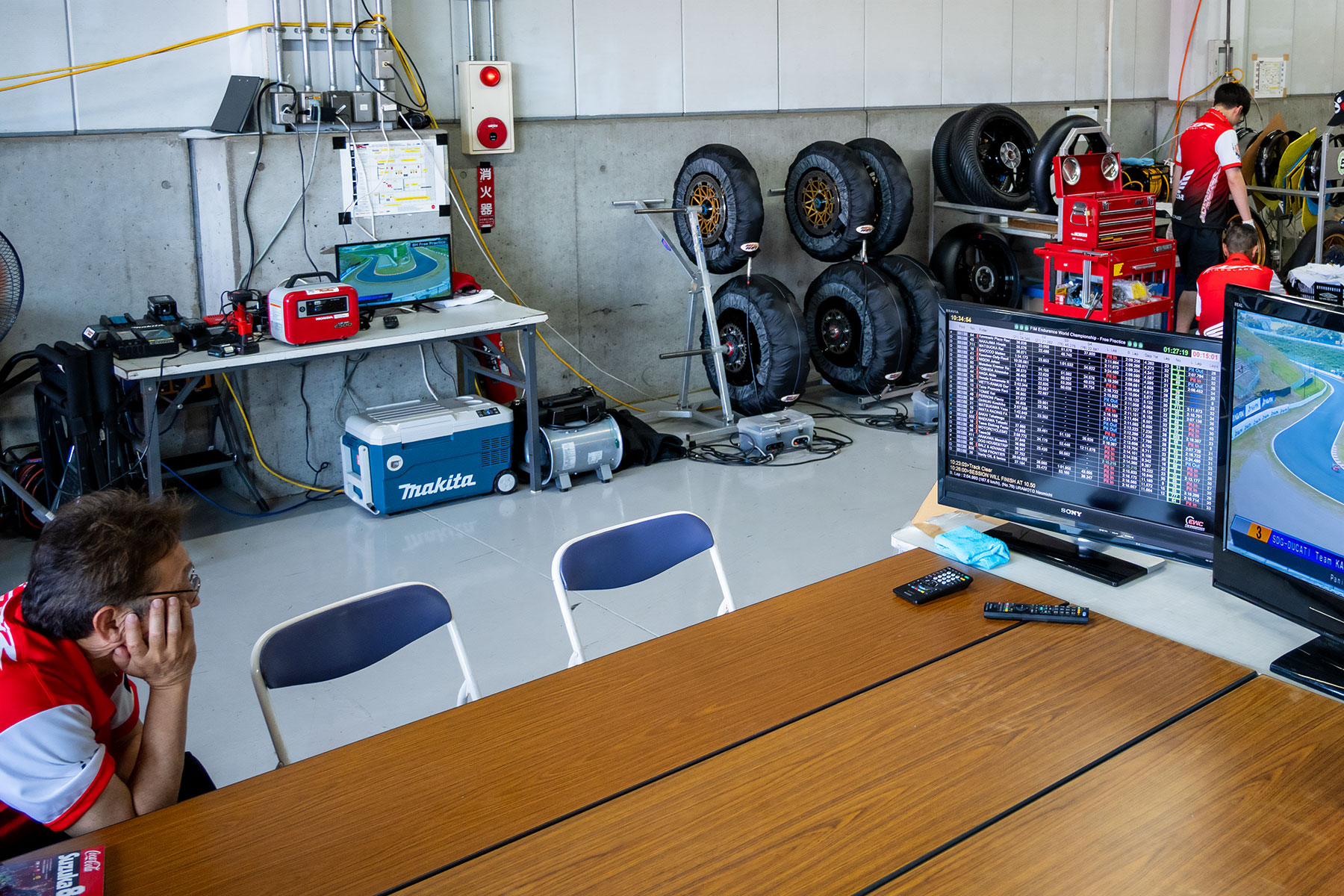
Other equipment requiring electricity include computers for monitoring and managing the bikes’ status, handheld lights for bike maintenance, chargers for radios used for communication between the pit and pit lane, and of course, chargers for mobile phones staff use for communication. There are also monitors set up in the pit where staff watch the race progress. Naturally, power is also essential for the air circulators set up to provide cool air for riders pitting in the intense heat, even if only for a brief moment. Generators are also indispensable for the refrigerators storing riders’ drinks and rice cookers and hot plates in the tents behind the pits, which serve as a rest area for riders and staff.
Another essential appliance unique to the Suzuka 8 Hours is the racing suit dryer.
With a 3-rider team, each rider will race for a one-hour stint and rest for two hours before their next stint. Racing suits are drenched after an hour of racing, and need to be forcibly dried within two hours.
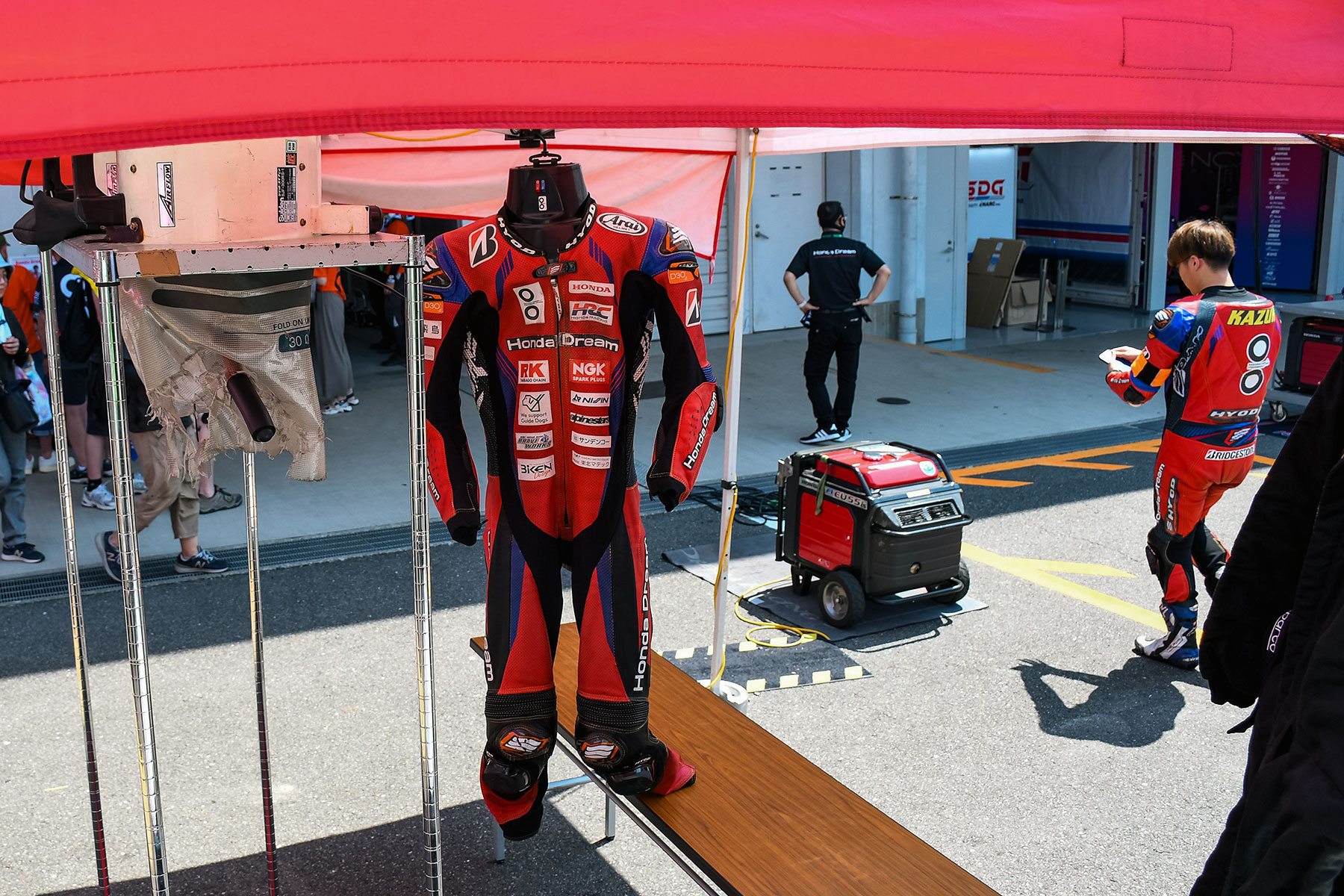
Even if riders have multiple racing suits, some riders use the same racing suit for multiple stints due to fit, so team staff need to perfectly maintain many racing suits. For this reason, many team use racing suite dryers, and many teams power these dryers with dedicated power sources.
For racing teams competing in the Suzuka 8 Hours, Honda’s generators are indispensable.
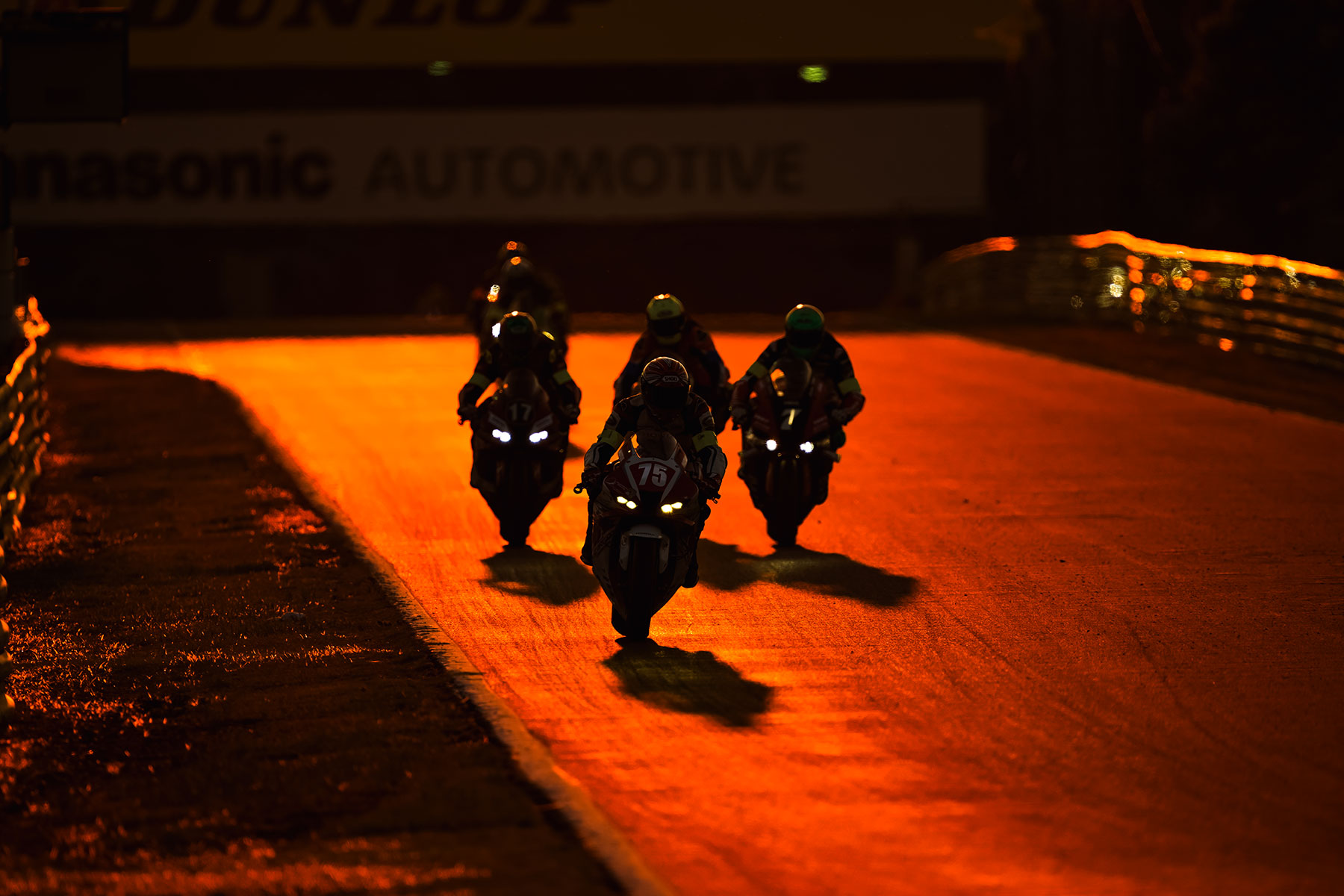
During the Suzuka 8 Hours race week, many events entertain spectators at facilities outside the course, even while the race is underway.
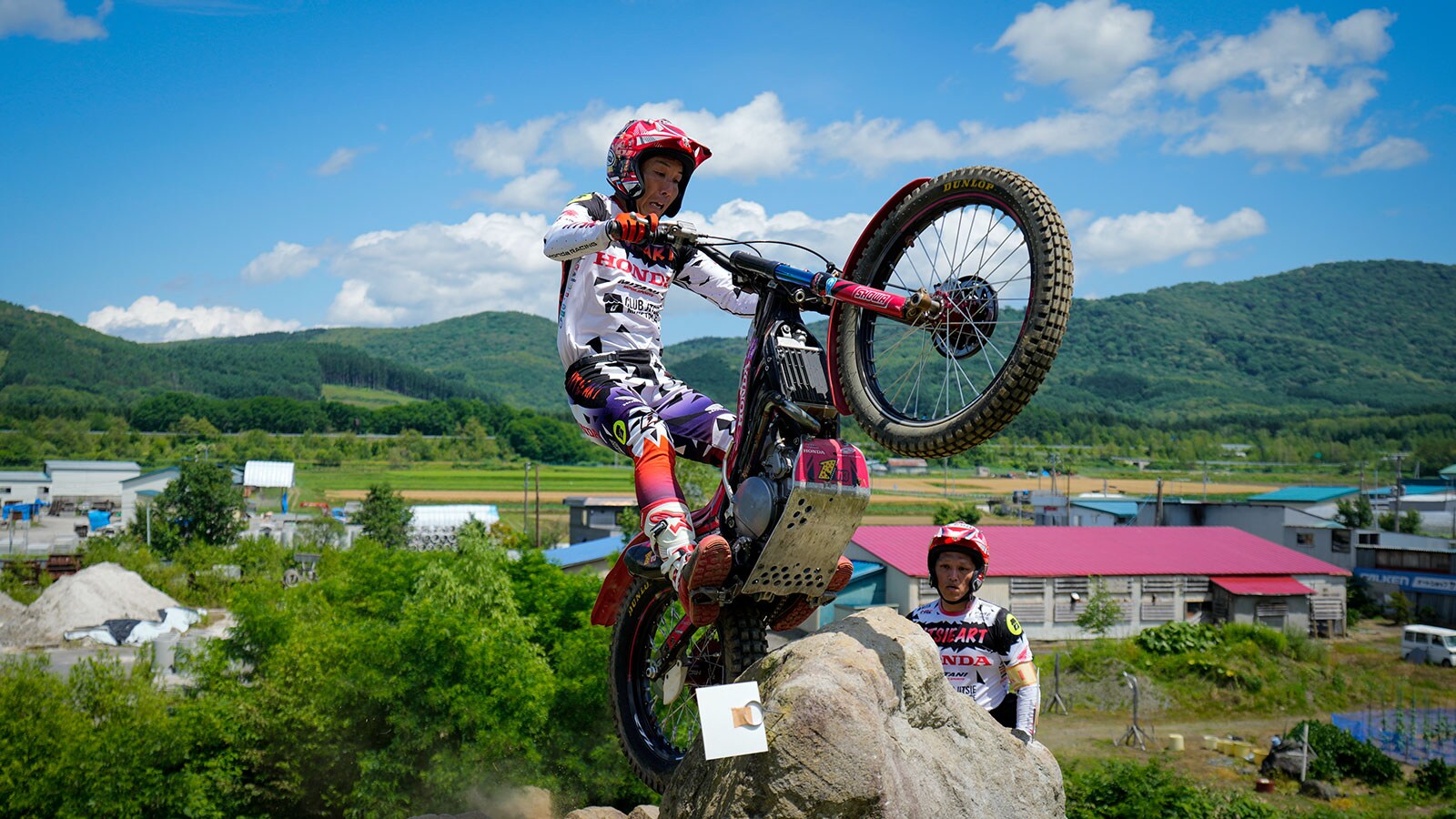
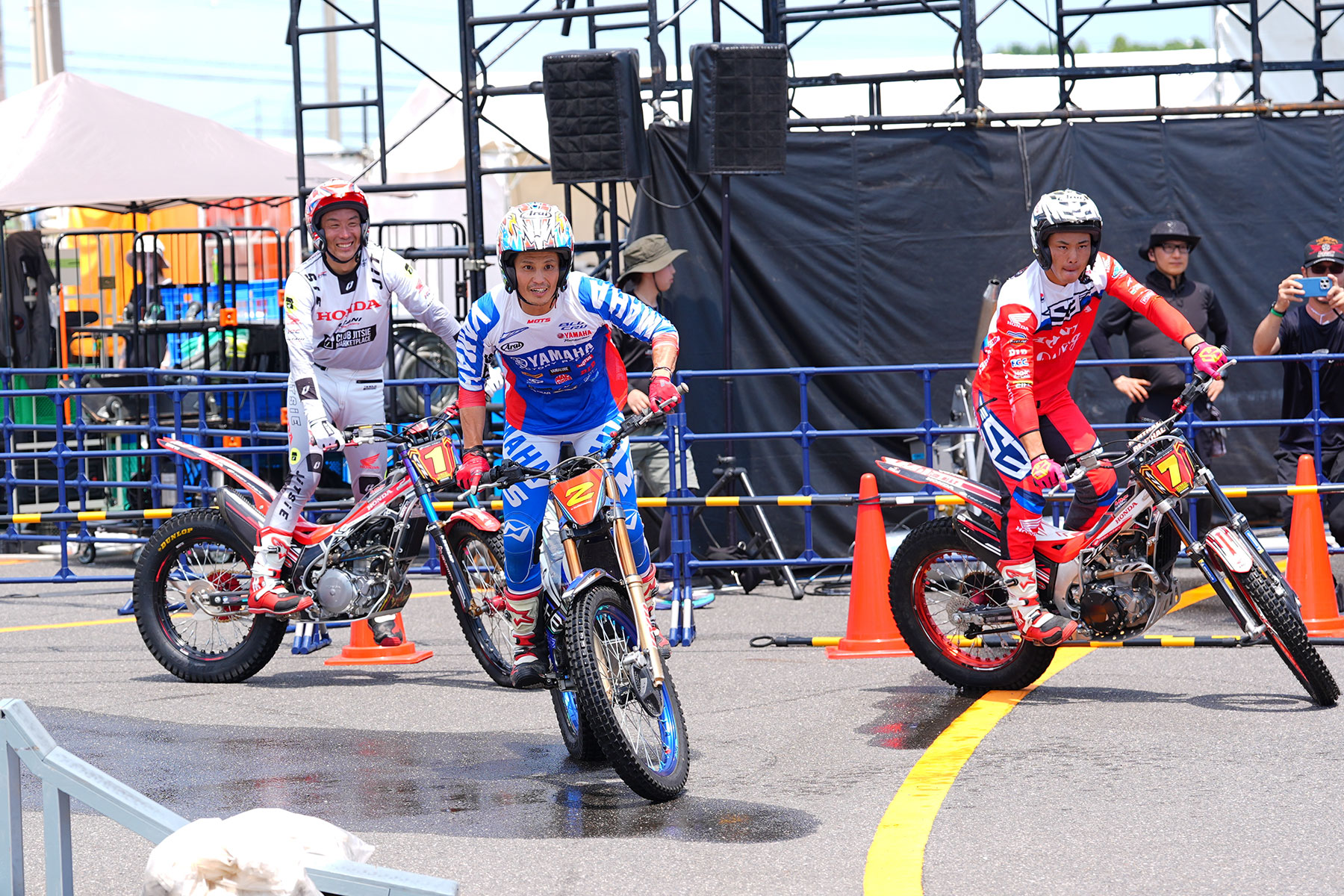
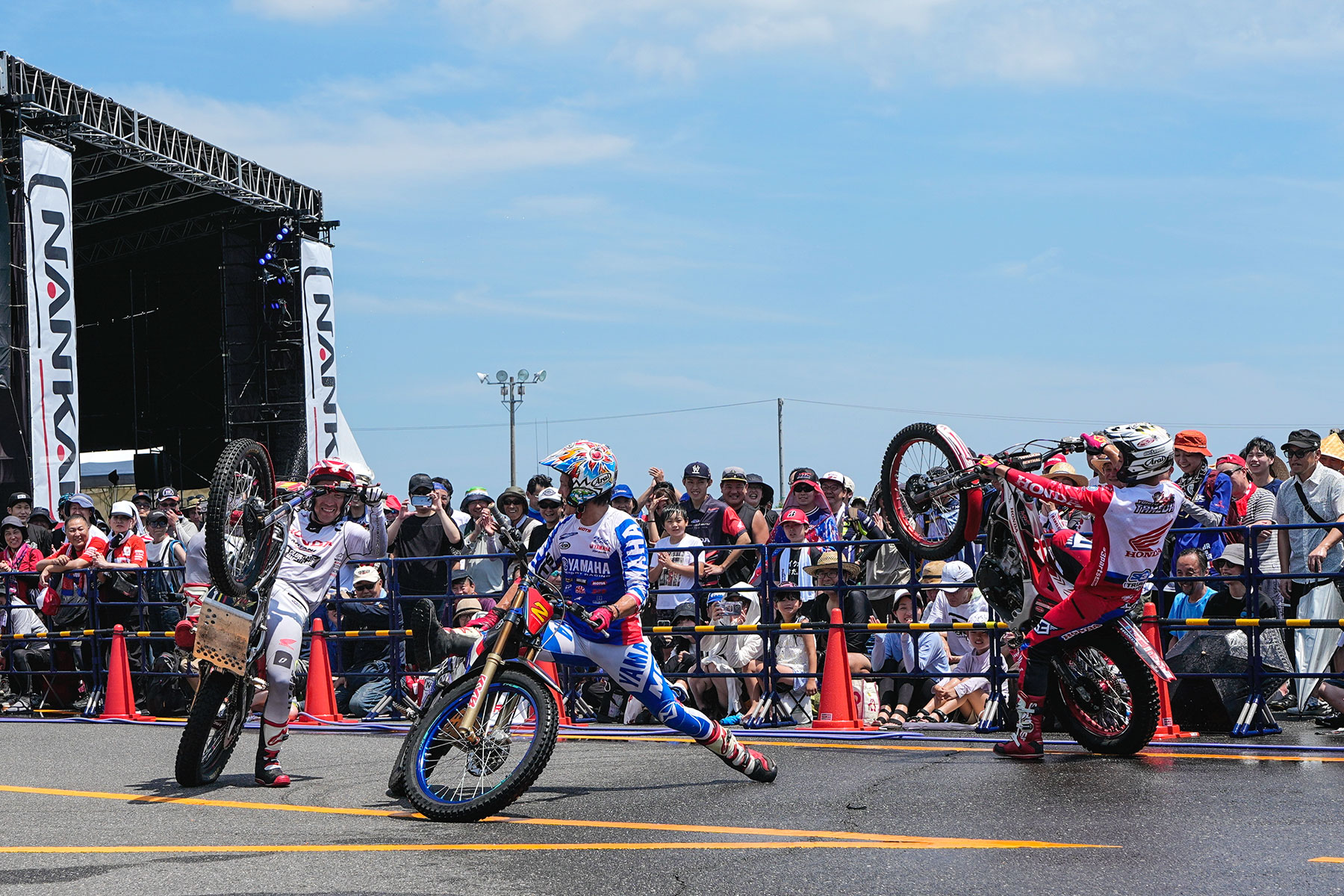
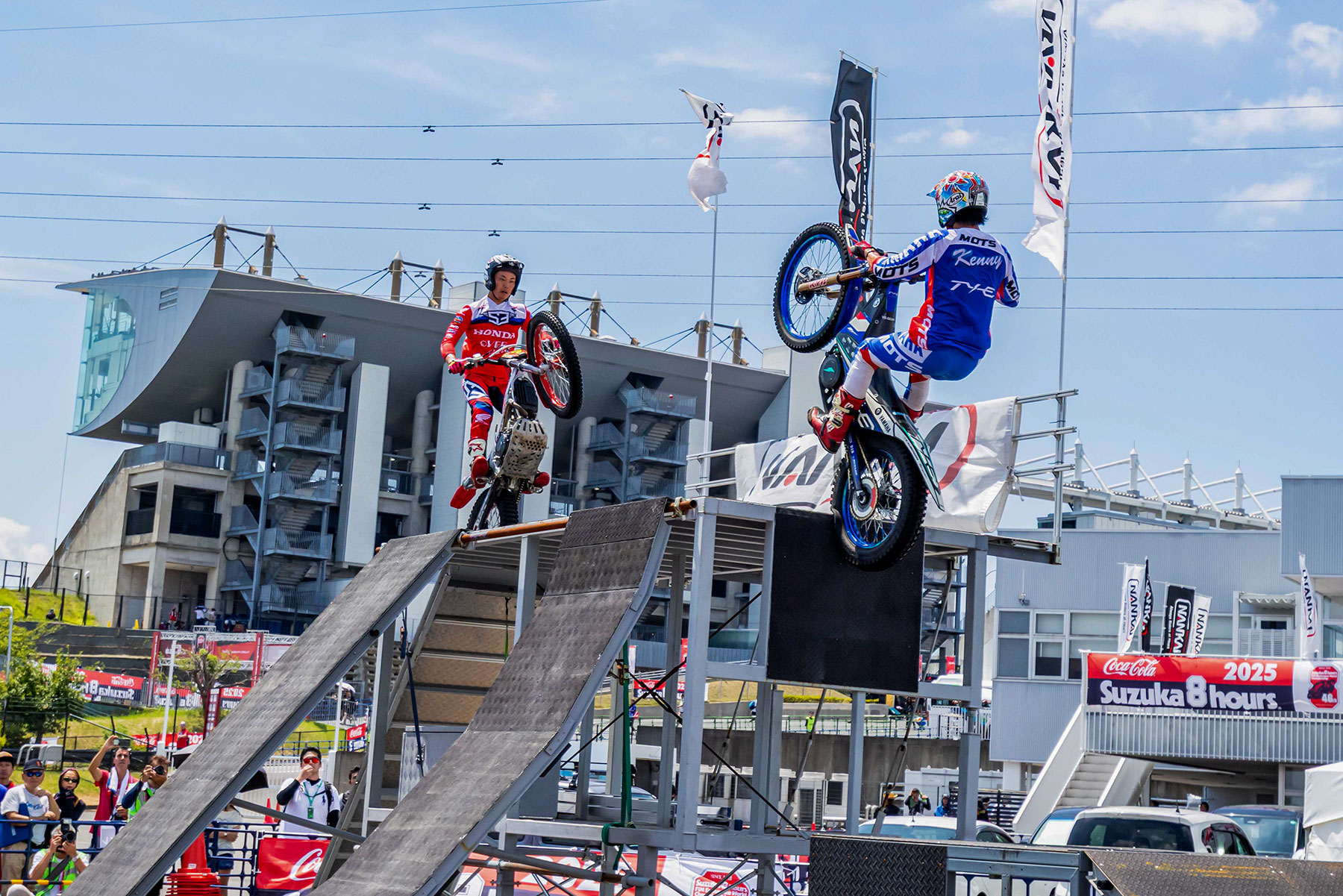
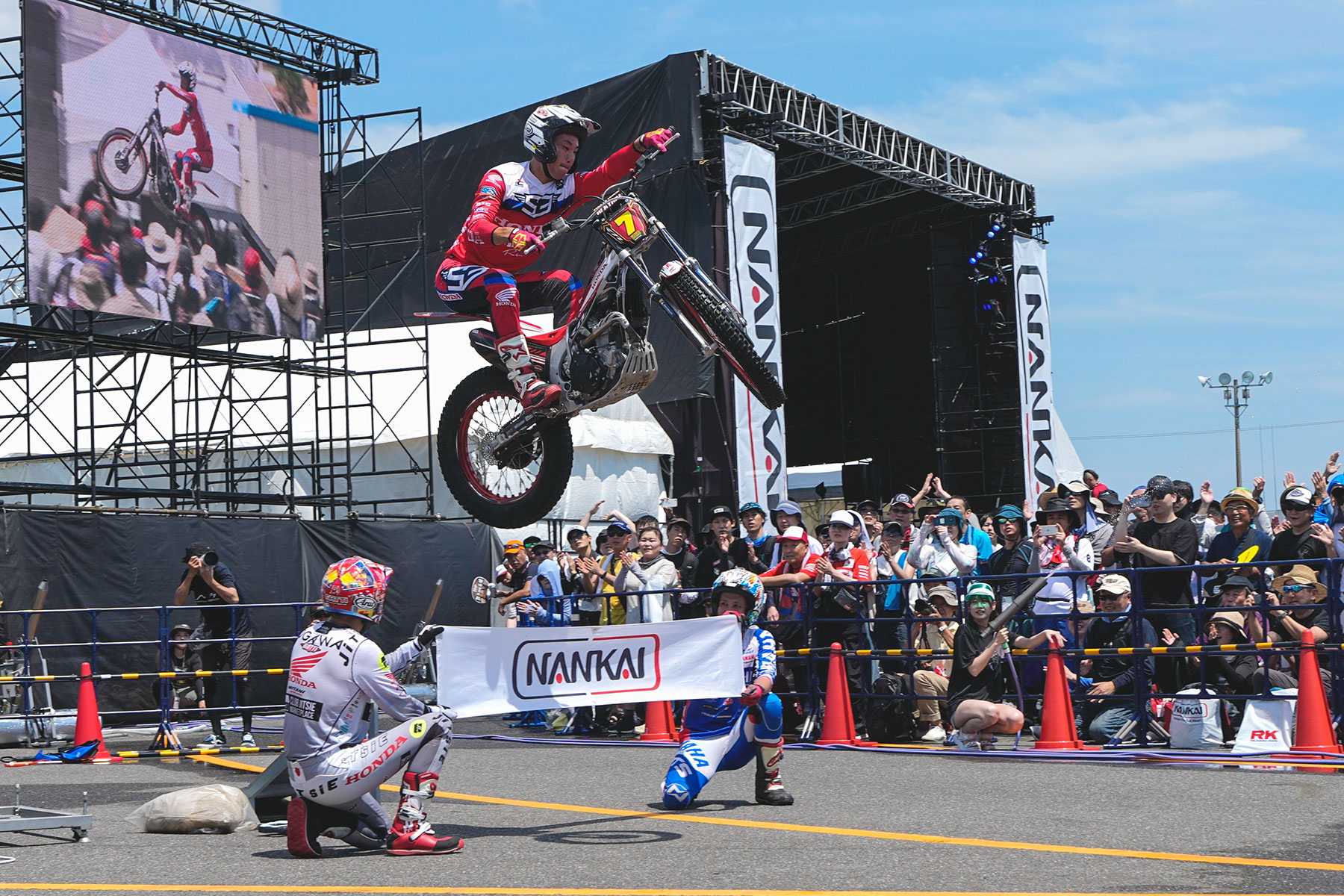
A popular attraction at this year’s Suzuka 8 Hours was the trial bike demonstration, NANKAI Trial Performance, held at the event venue. Team MITANI Honda rider Tomoyuki Ogawa, along with close ally and biggest rival in the All Japan Trial Championship Series, Kenichi Kuroyama (Yamaha), and his Team MITANI Honda teammate, Yohito Takeda, received thunderous applause from the large crowd.
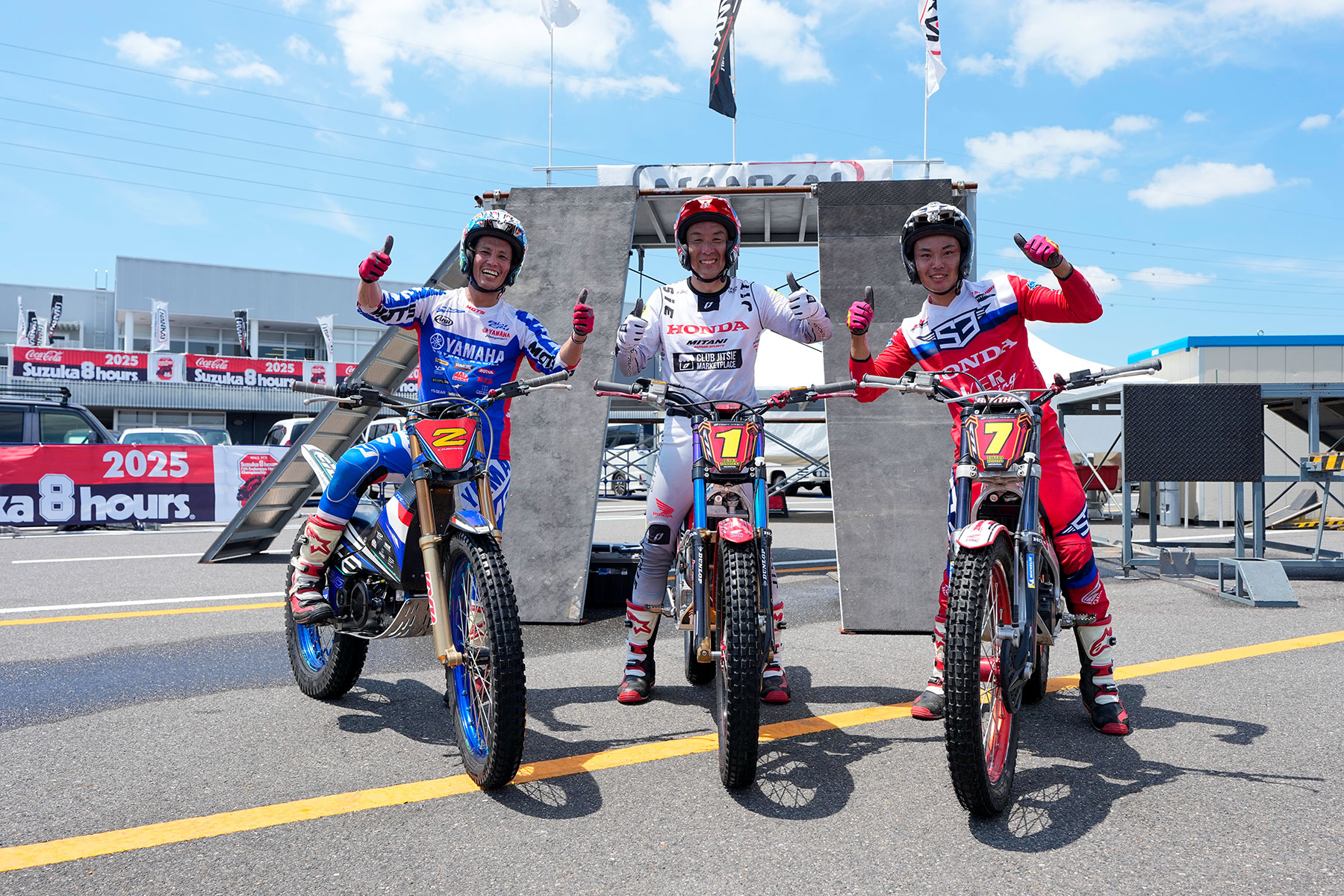
The Suzuka 8 Hours, Japan’s biggest summer motorcycle festival, is made possible by over 60,000 spectators, riders, team personnel, track officials, event vendors, and participants. Honda Power Products are indispensable in supporting the Suzuka 8 Hours.