Japan Airline’s New Business Makes New Wave in Agriculture
- Honda Power Products Supporting JAL Agriport -
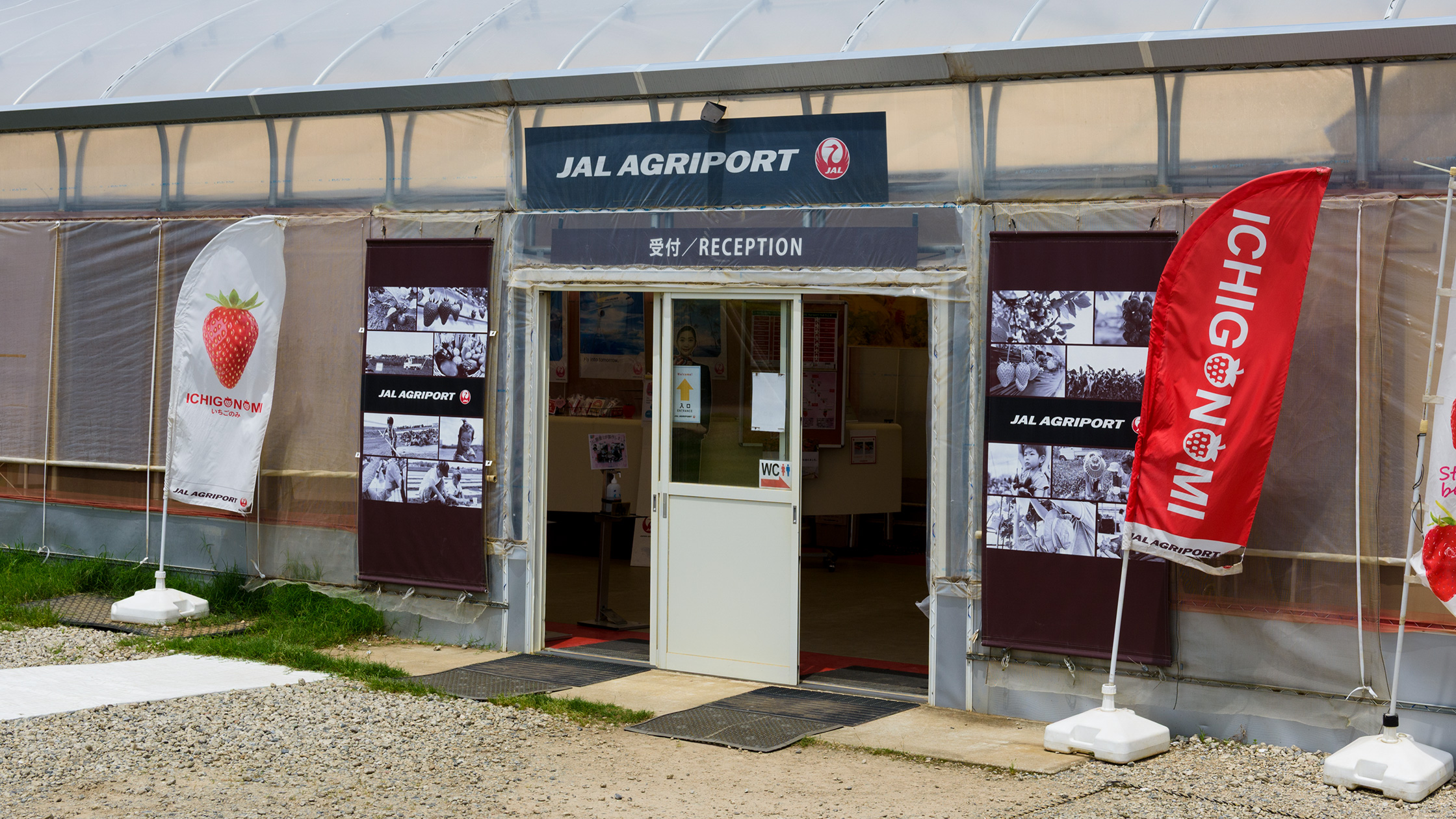
Only a short distance from Narita Airport, in a serene countryside, stands a familiar Crane logo, marking the site of JAL Agriport, a new venture operated by Japan Airlines, comprising a farm, tourist farm, and restaurant. Among the manicured lawns, the presence of Honda Power Products could be seen.
Japan Airline’s new project to utilize abandoned farmland
JAL Agriport is business venture that Japan Airlines launched in 2018. The complex includes a tourist farm growing strawberries, sweet potatoes, and blueberries, as well as a traditional-style restaurant which is a renovated house rented from local farmers. The menu includes in-flight meals served on JAL aircraft. Japan Airlines leased the vast land, including the restaurant lawn, fields, and strawberry greenhouses, which was originally abandoned farmland. Japan Airlines renovated and developed this land into fields and a restaurant, forming JAL Agriport.
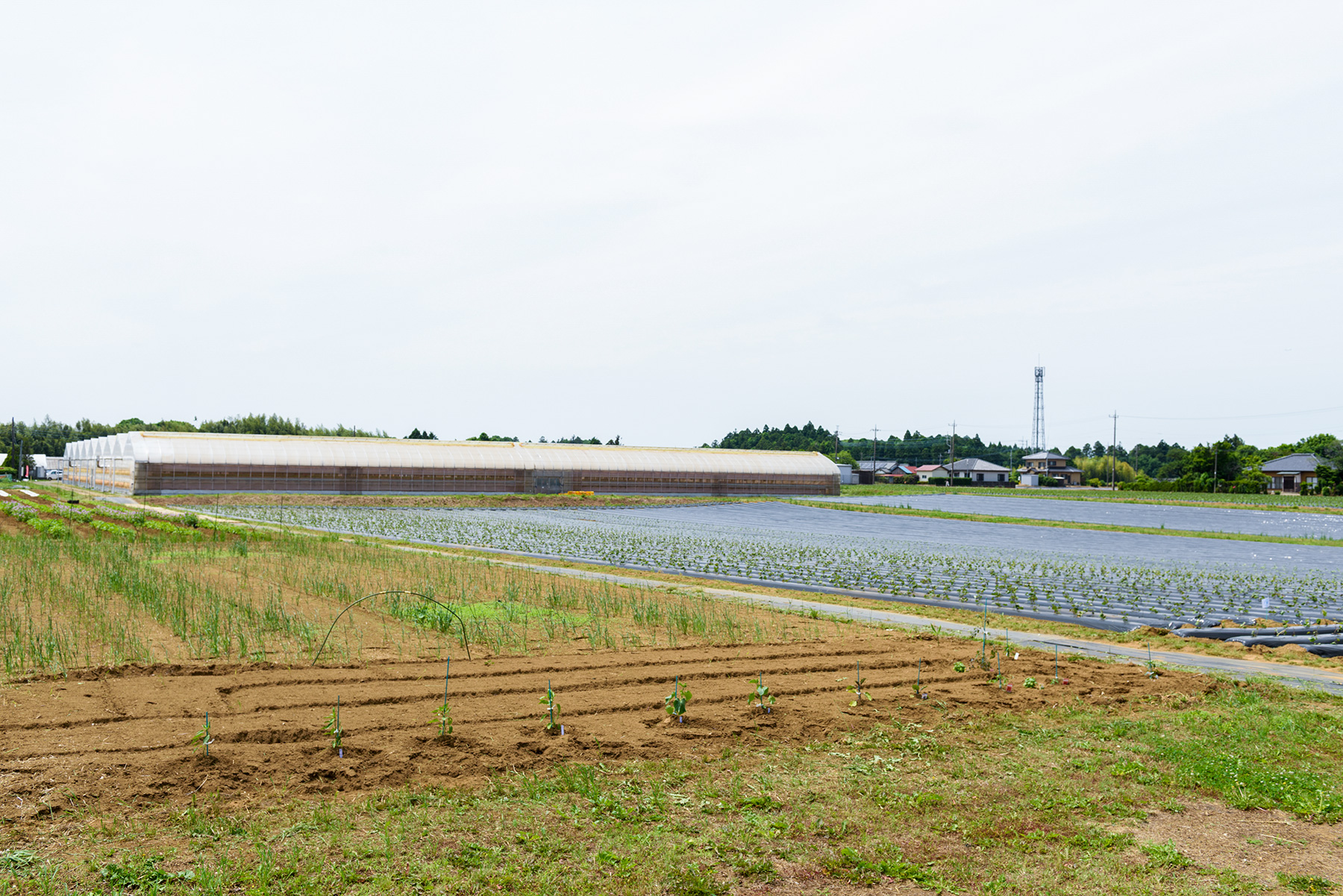
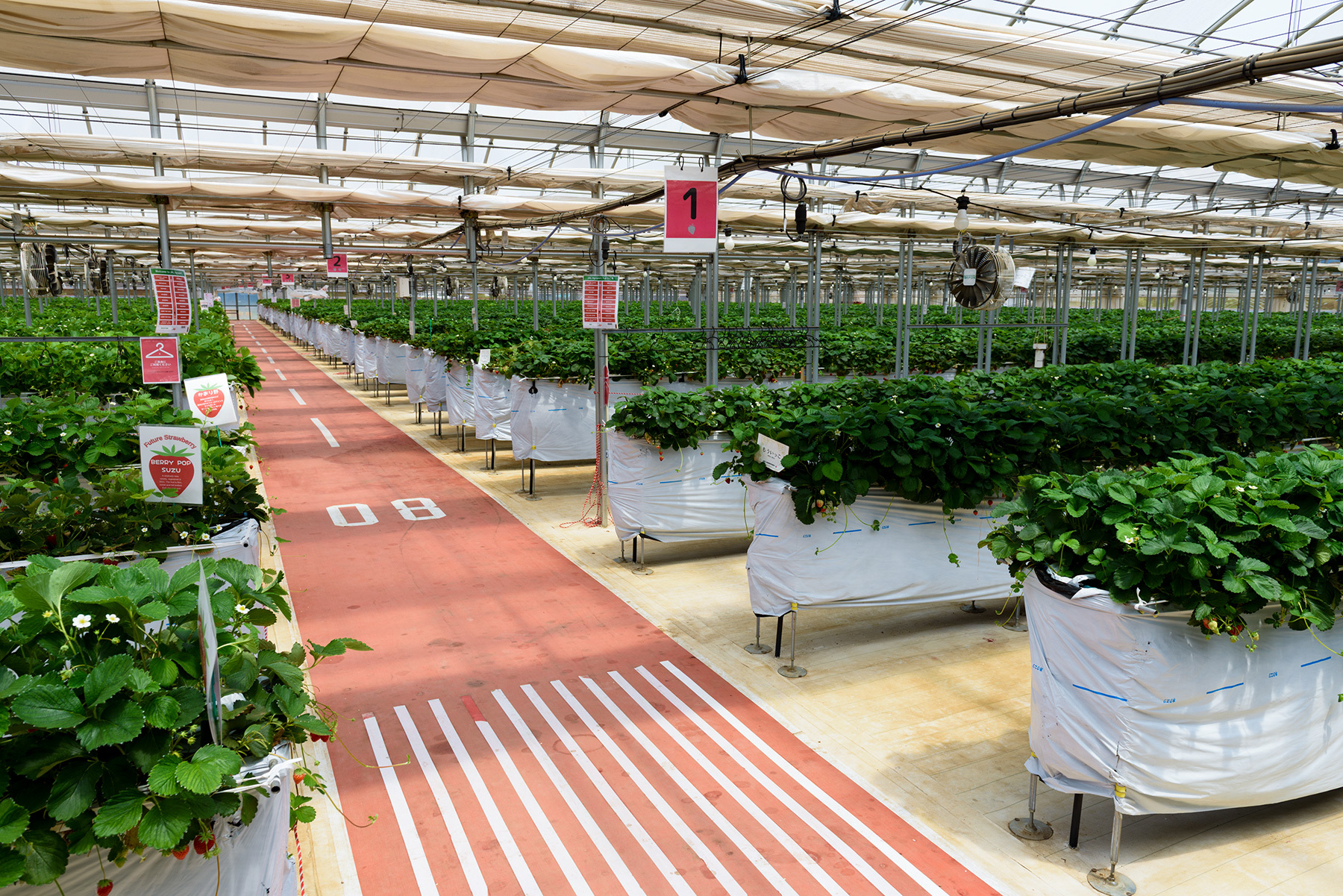
Japan Airlines’ new venture, JAL Agriport, is aimed at attracting foreign visitors to Japan. Its tourist farm near Narita Airport was launched as part of Japan Airline’s New JAPAN PROJECT initiative. Japanese fruits and other agricultural products are highly regarded overseas for their quality and taste, and this farm serves as one of the activities to attract foreign tourists.
While Japan Airlines’ role has traditionally been to transport passengers from abroad, JAL Agriport’s role is to create a farm in Narita that people would want to visit, as one of the reasons to choose Japan as a destination. Additionally, the location in Narita was chosen for its strategic position for exporting overseas the farm’s produce.
JAL Agriport aims to achieve a “one plus two plus three” model of agriculture (primary industry (farming), secondary (processing and cooking), and tertiary (delivery)) to create a “six-generation” agricultural industry. This initiative also seeks to revitalize abandoned farmland and promote regional development, aligning with Japan Airlines’ objectives.
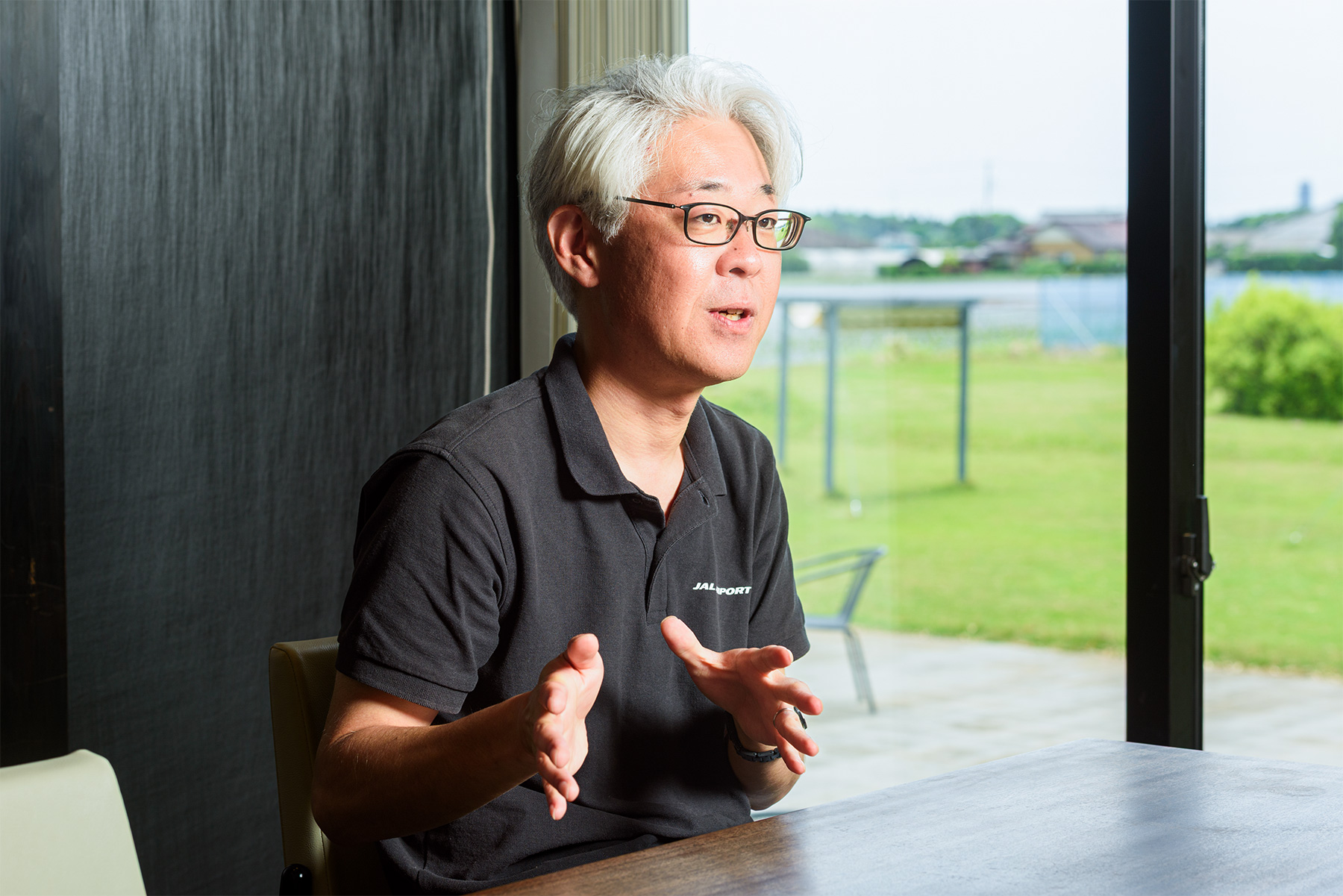
“JAL Agriport not only exports agricultural products produced at its own facilities, but also serves as a trading company, exporting agricultural products from farmers across Japan,” explains JAL Agriport’s Management Director Toru Saito.
The connection between Japan Airlines and Honda Power Products
JAL Agriport and Honda Power Products’ relationship began at the end of 2024. While Japan Airlines and Honda had some interaction through ticket arrangements, there was no direct connection between the airline company and Honda Power Products, let alone their knowledge that Honda manufactured power products.
This relationship changed at the end of 2024. A Honda employee social club planned an event at JAL Agriport and visited the site for inspection before the event. During this visit, a JAL employee approached the club members about collaboration, which brought Honda Power Products to the attention of JAL employees.
The club representative, associating JAL Agriport with agriculture, proposed the use of Honda tillers, leading to the first meeting. It became apparent during the meeting that JAL Agriport outsourced its agricultural work, and it had a well-equipped fleet of agricultural machinery. Other areas of potential collaboration were discussed.
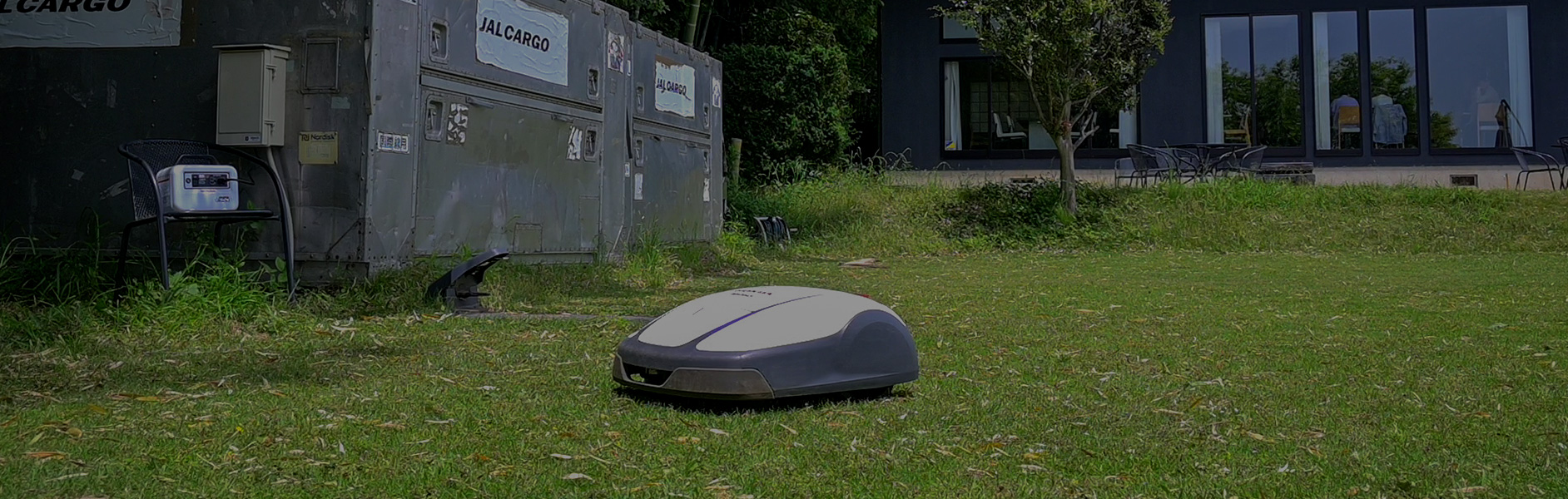
Club members then discovered that JAL Agriport was using a manual lawn mower to maintain the lawn of its traditional Japanese-style restaurant, DINING PORT Goryo Kaku. The lawn, which is part of the landscape facing customers, required constant maintenance, particularly during the summer, with mowing taking 3–4 hours a week. This was a significant burden for JAL Agriport. In response, Honda proposed introducing its Miimo robotic lawn mower for the barbecue lawn area, as a promotional pilot project for the restaurant visitors.
The effects of Miimo on the restaurant’s lawn garden
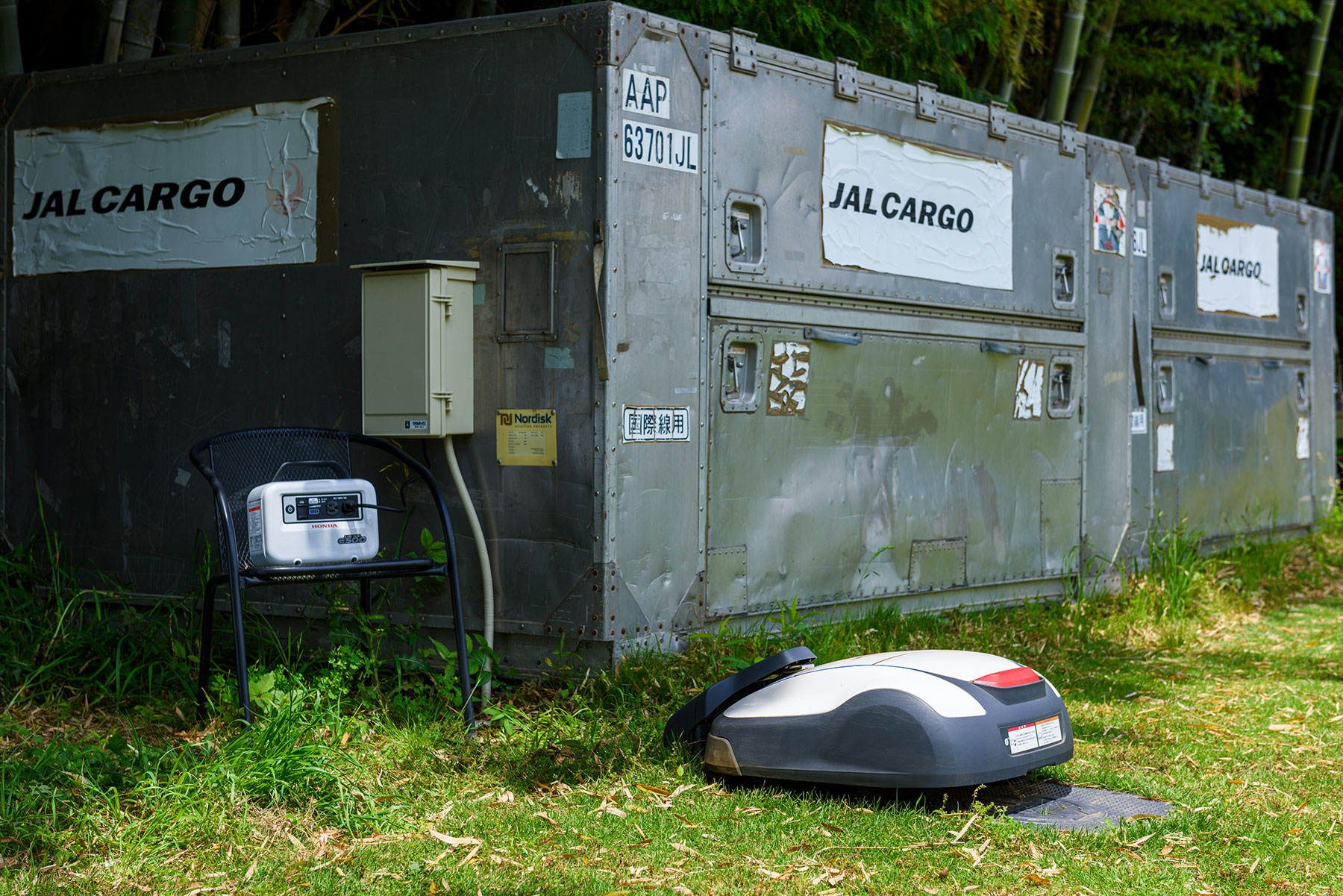
In February 2025, construction began to install a Miimo station and the LiB-AID E500 power source, which provides power to the barbecue lawn area on the restaurant’s lawn which lacked access to the power grid. Area wires were buried at a depth of approximately 5 cm around the barbecue area. By connecting the area wires to the station, preparations for Miimo were complete. During this process, two groups of customers expressed interest and asked questions about Miimo, leading to JAL Agriport asking Honda to place Miimo catalogs at restaurant the following week.
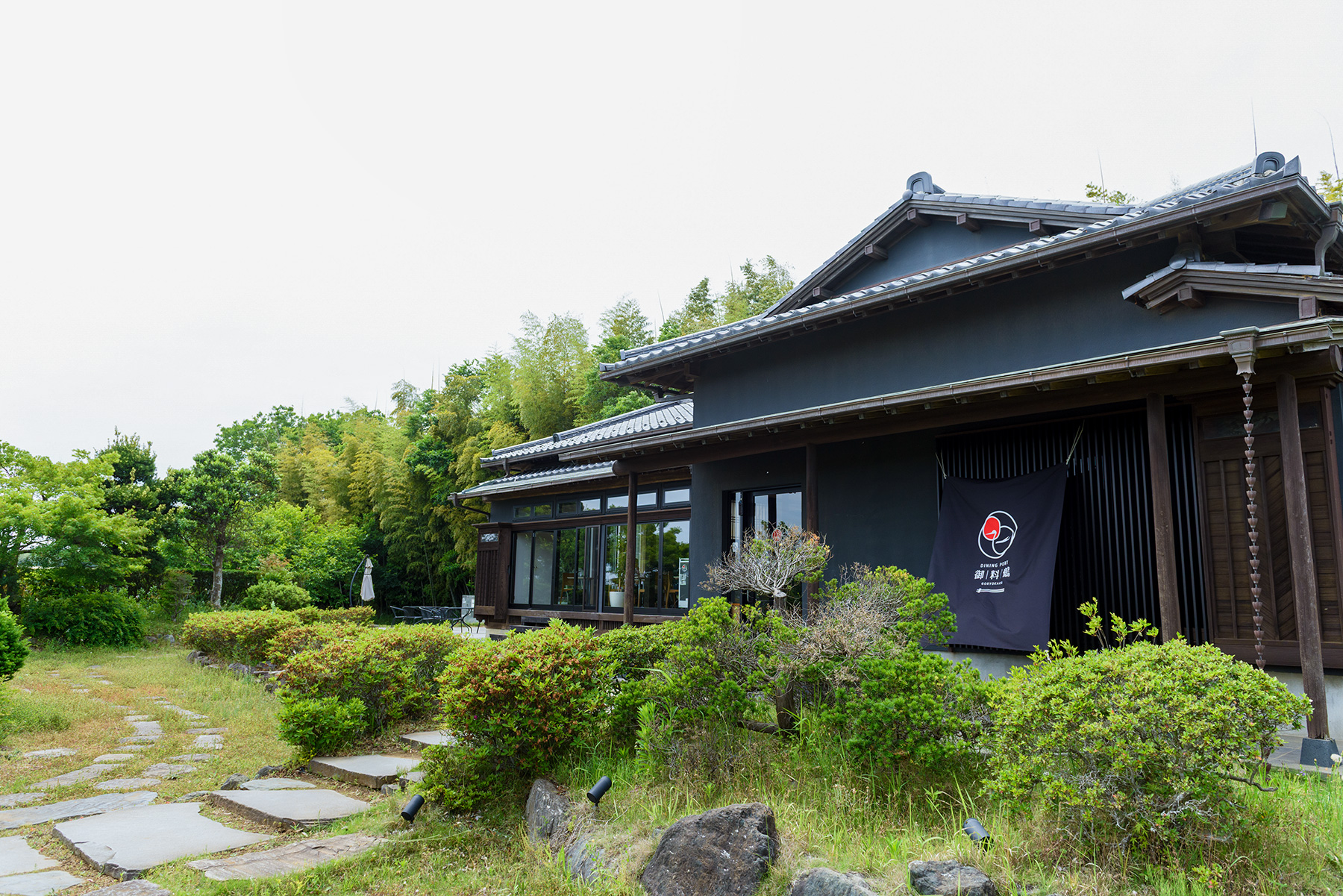
DINING PORT Goryo Kaku is a renovated traditional Japanese house with large windows, and one of its unique features is the picturesque view of airplanes landing in the distance and the farm and barbecue area. Many customers asked the restaurant staff what Miimo was, as it went about mowing the barbeque area lawn. This confirmed that Miimo was not only effective for promoting Honda Power Products, but also for promoting Honda.
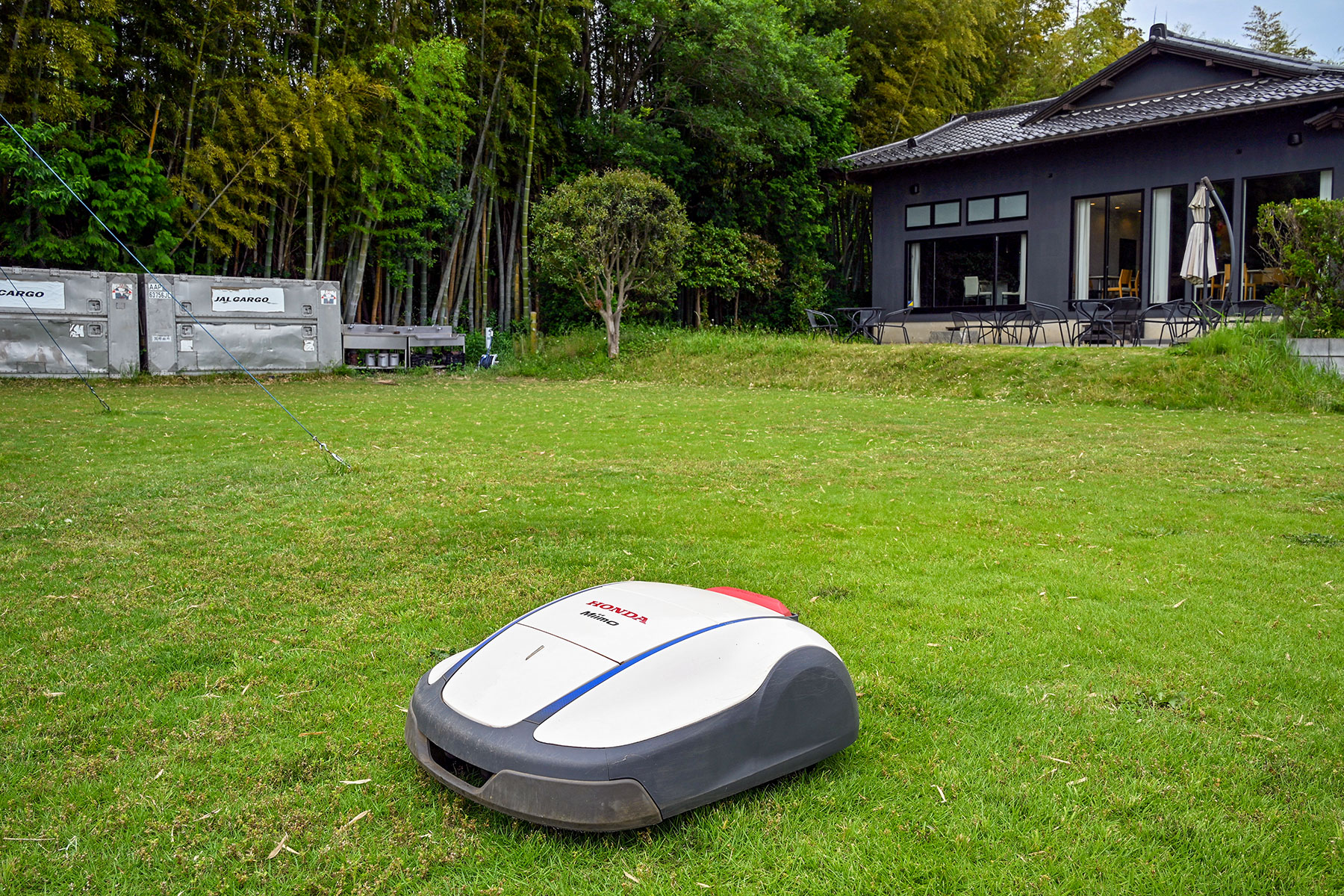
Grass grows toward the sun. Constant trimming by Miimo causes the grass to perceive a threat to its survival and, instead of growing upward, develops roots to sustain life. The trimmed grass also serves as fertilizer for the lawn, resulting in a thick, soft, and lush lawn. This is a major feature of Miimo.
“Miimo is perfect for the barbeque area’s grass. The lush lawn’s soft surface trimmed by Miimo welcomes families who visit on the weekends for barbecues, with a gentle feel under their feet.” (Saito)
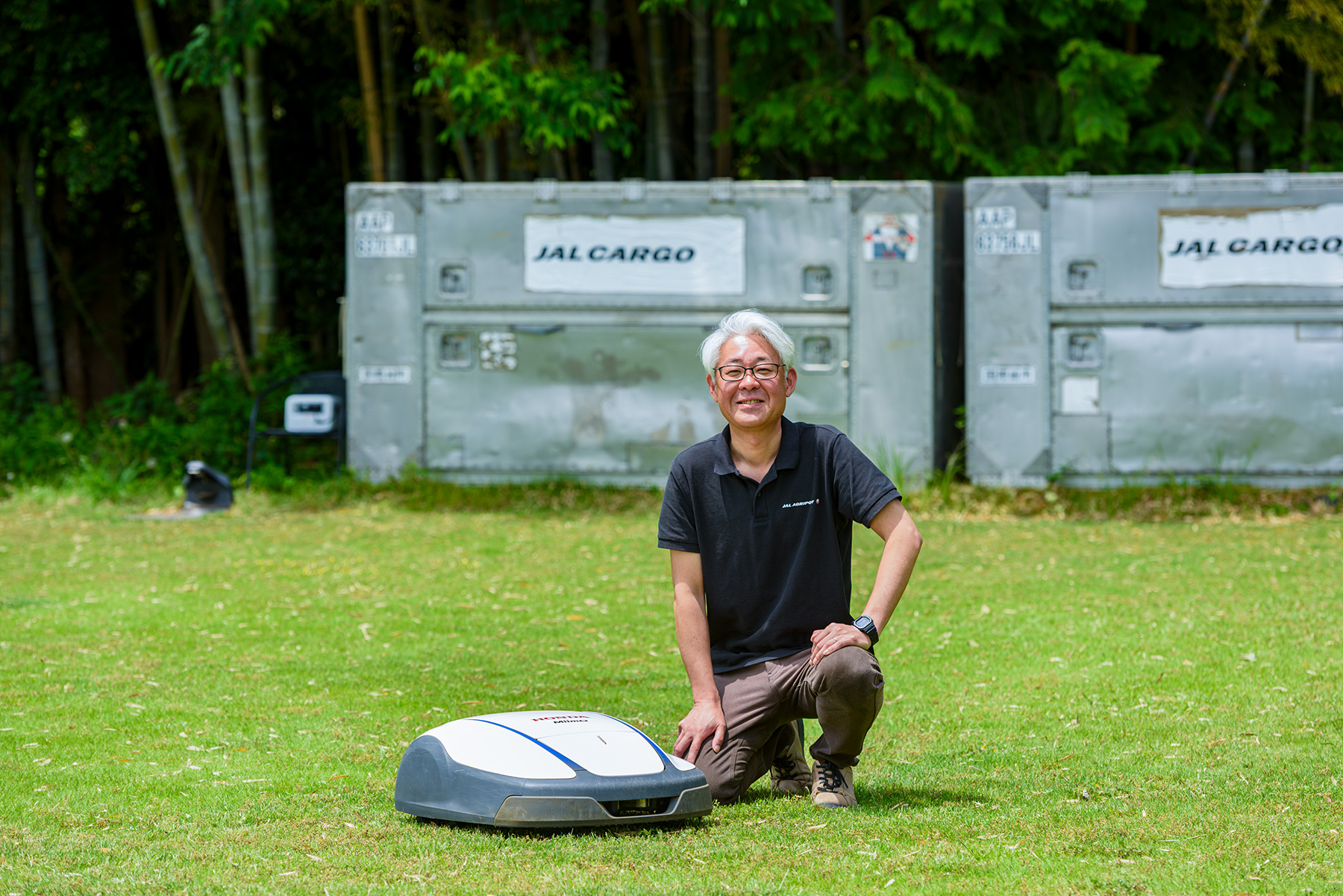
While the Miimo robotic lawn mower can occasionally be seen in live demos at events such as Enjoy Honda, it is rare to see it installed and in use elsewhere.
At DINIG PORT Goryo Kaku in JAL Agriport, visitors can see Miimo mowing the lawn. Honda invites you to visit JAL Agriport and witness Miimo in action.