Honda Sun Takes On Agriculture Challenge
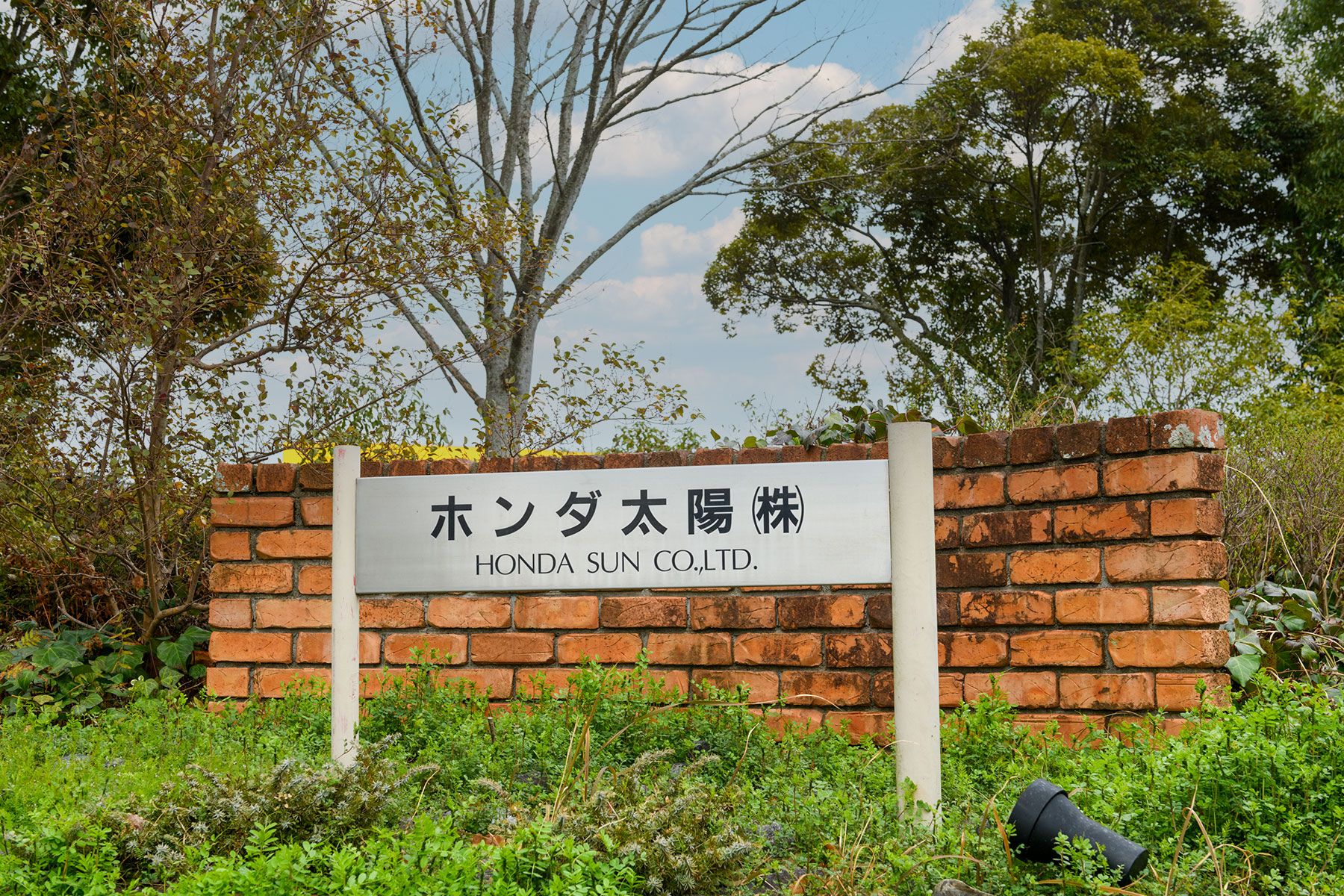
Honda Sun Co., Ltd., headquartered in Hiji Town, Hayami District, Oita Prefecture, is a special subsidiary of Honda Motor Co., Ltd. established to support the social independence of people with disabilities. Founded on September 25, 1981, the company marks its 45th anniversary this year.
Honda Sun is now preparing to take on a new challenge—venturing into agriculture as its own business initiative.
Honda Sun traces its origins to an encounter between Soichiro Honda, founder of Honda, and Dr. Hiroshi Nakamura, who established “Taiyo no Ie” (House of the Sun) in 1965 as Japan’s first employment support facility for people with disabilities.
In 1975, invited by Masaru Ibuka, one of the founders of Sony Corporation, Soichiro Honda visited Taiyo no Ie. Deeply moved, he reportedly said, “What is this… I can’t stop the tears. What’s happening to me?” followed by, “Let’s do it. Honda must take on this kind of work as well.” This moment led to the establishment of Honda Sun.
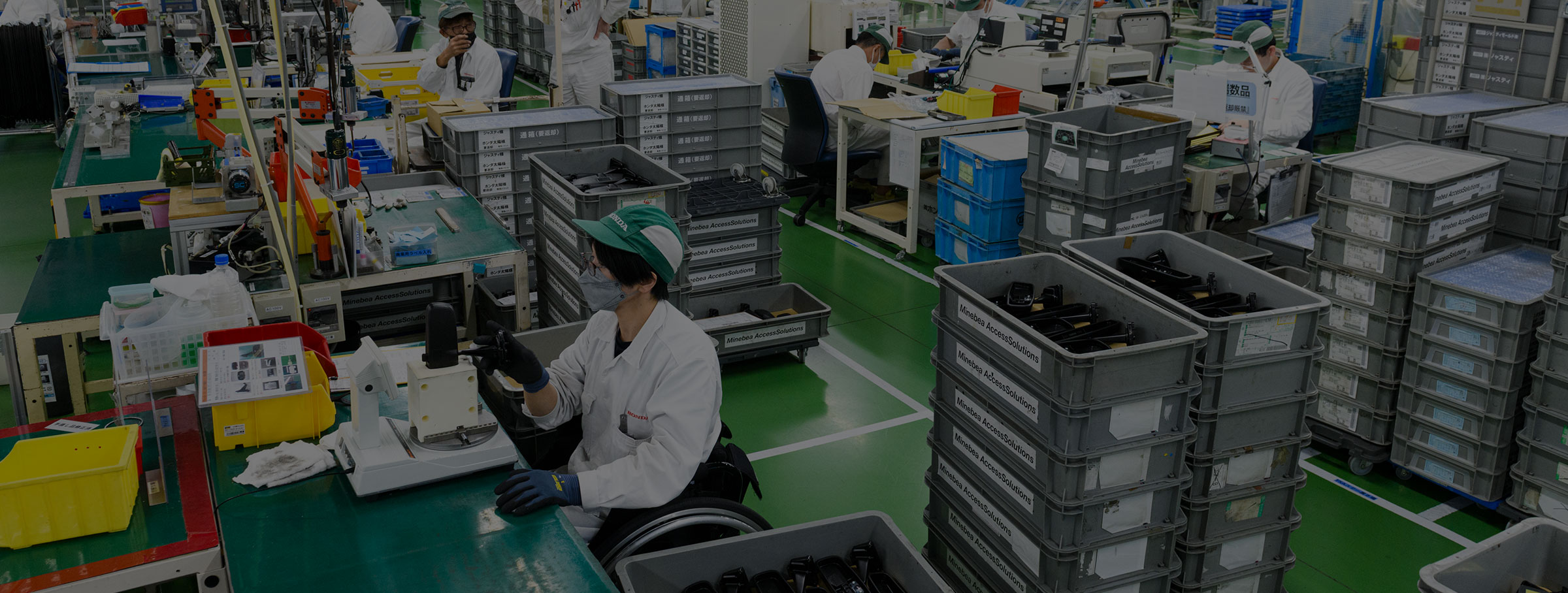
Honda Sun’s business began with the assembly of motorcycle instrument clusters. Today, its operations have expanded significantly to include parts assembly for motorcycles, automobiles, and power products; data creation using CATIA; business card production; procurement services; digitization; 3D modeling; image annotation; commemorative item production; and consulting services for employee retention among people with disabilities.
As of March 2026, the company employs 380 people, including 227 employees with disabilities, representing an employment ratio of 59.7%. As a special subsidiary, Honda Sun contributes directly to Honda’s overall employment rate for people with disabilities.
“Because this is a workplace where people with disabilities are employed, many people tend to view it as something special. But I believe that a disability is simply one of a person’s unique characteristics,” says President Masahito Kamata of Honda Sun.
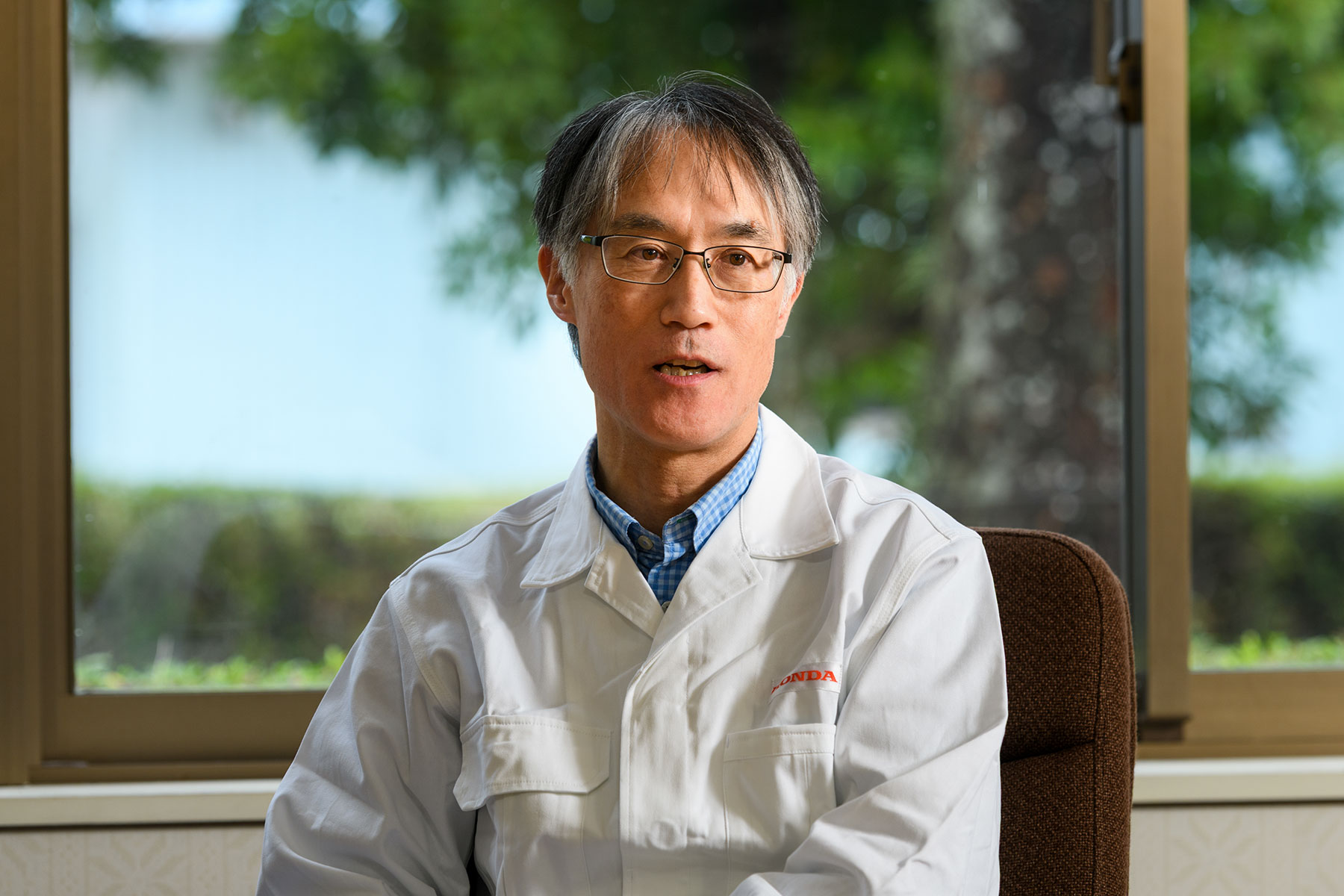
Kamata assumed his role as the seventh president in June 2020.
“Before taking on this position, I was aware of Honda Sun, but I didn’t have a deep understanding of workplaces for people with disabilities. What struck me most when I arrived was that people with disabilities were not treated as ‘special.’ Even if there are challenges in daily life, work and communication proceed naturally, regardless of whether someone has a disability. I was concerned that, as the new president, I might be viewed from a distance—but I was quickly welcomed in. It left a strong impression on me that this is a workplace where people are seen for who they are, not defined by disabilities or titles.”
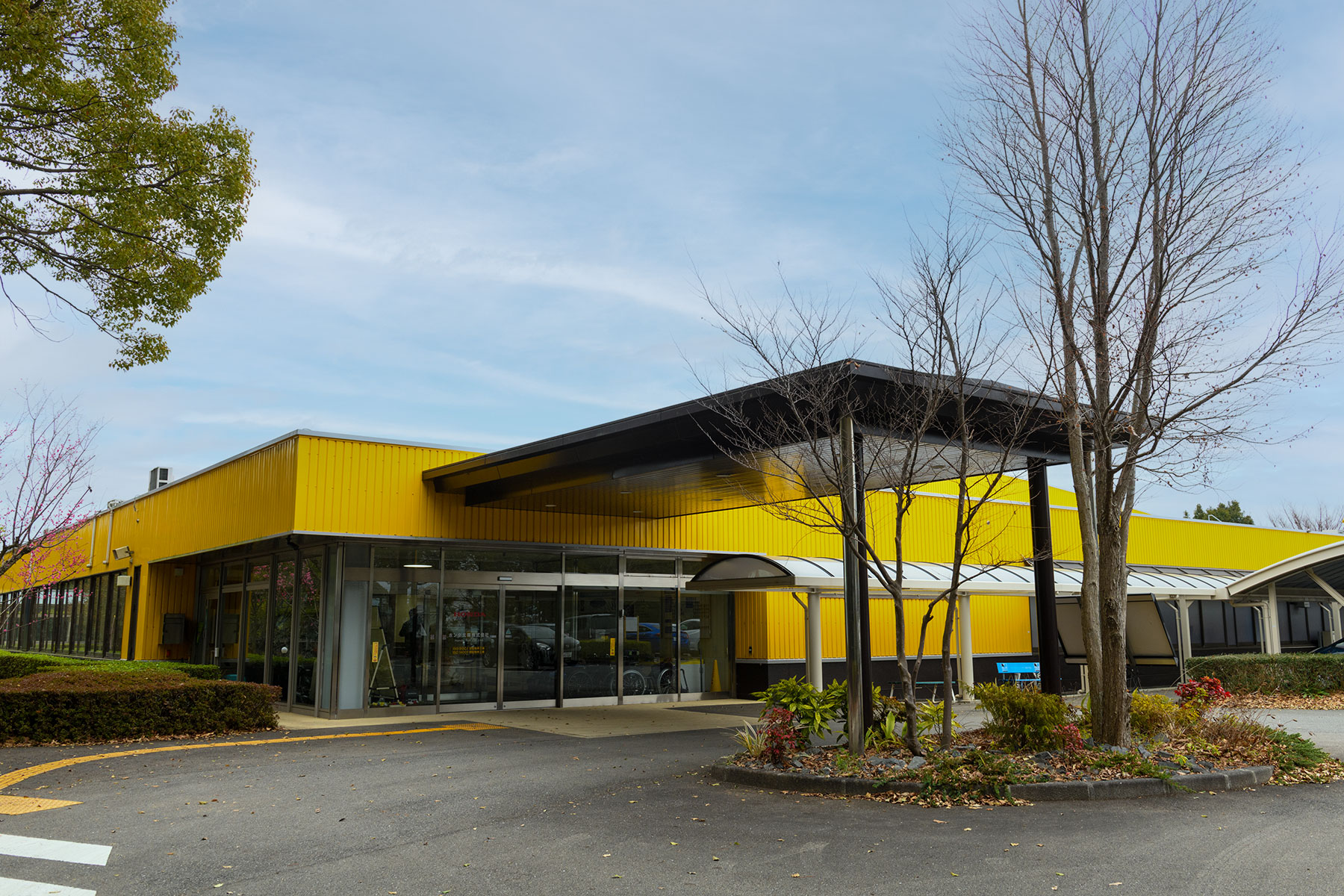
The facility consists of Plant No.1, Plant No.2, a Data Business Building, and a Welfare Building.
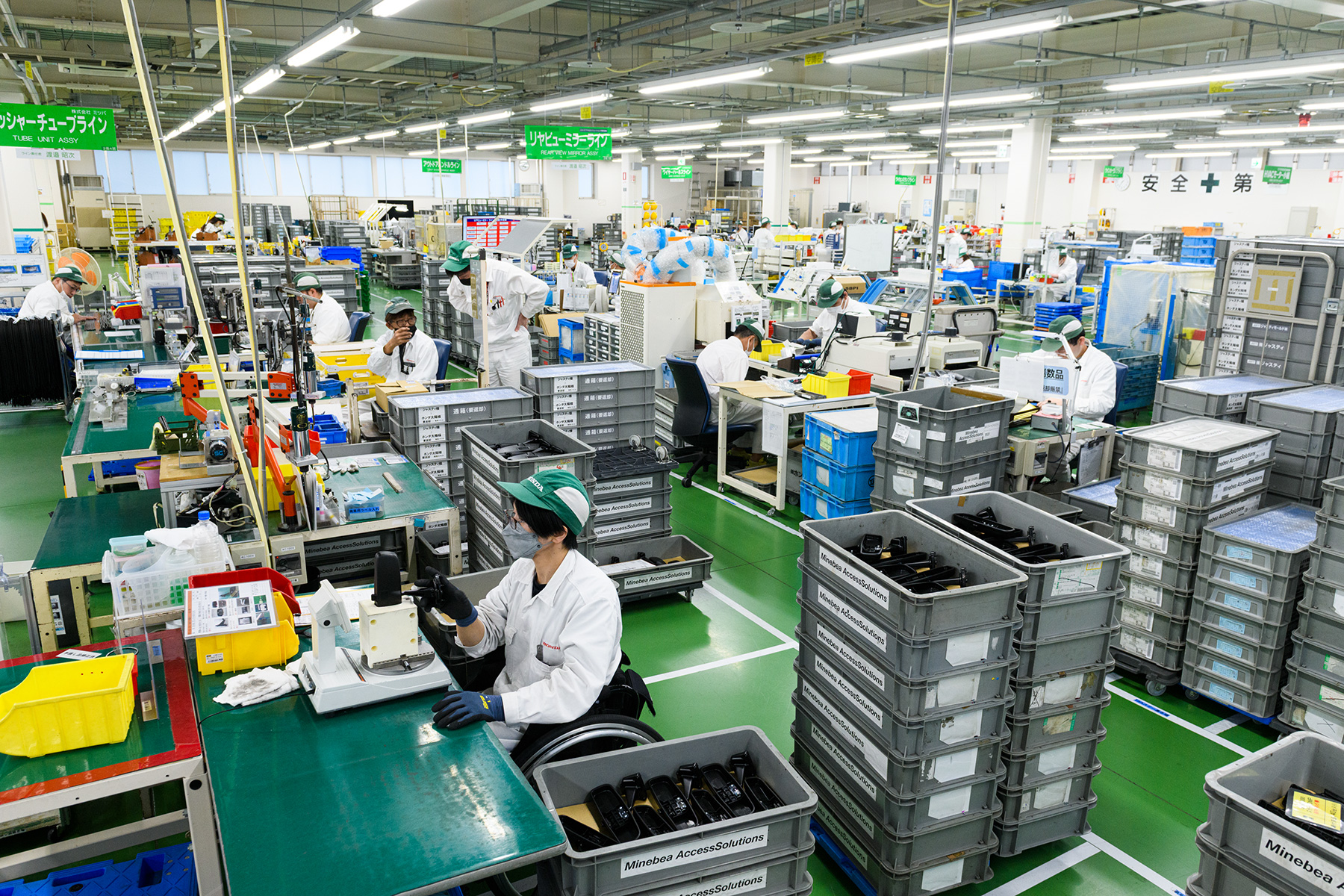
At Plants No.1 and No.2, the primary operations involve production lines for Honda automobile, motorcycle, and power product components, as well as business card and commemorative item production, digitization of paper documents, 3D modeling, and procurement services. Honda Sun also independently plans and produces apparel and goods.
Meanwhile, the Data Business Building handles part of Honda’s research and development work for motorcycles, automobiles, and power products.
-
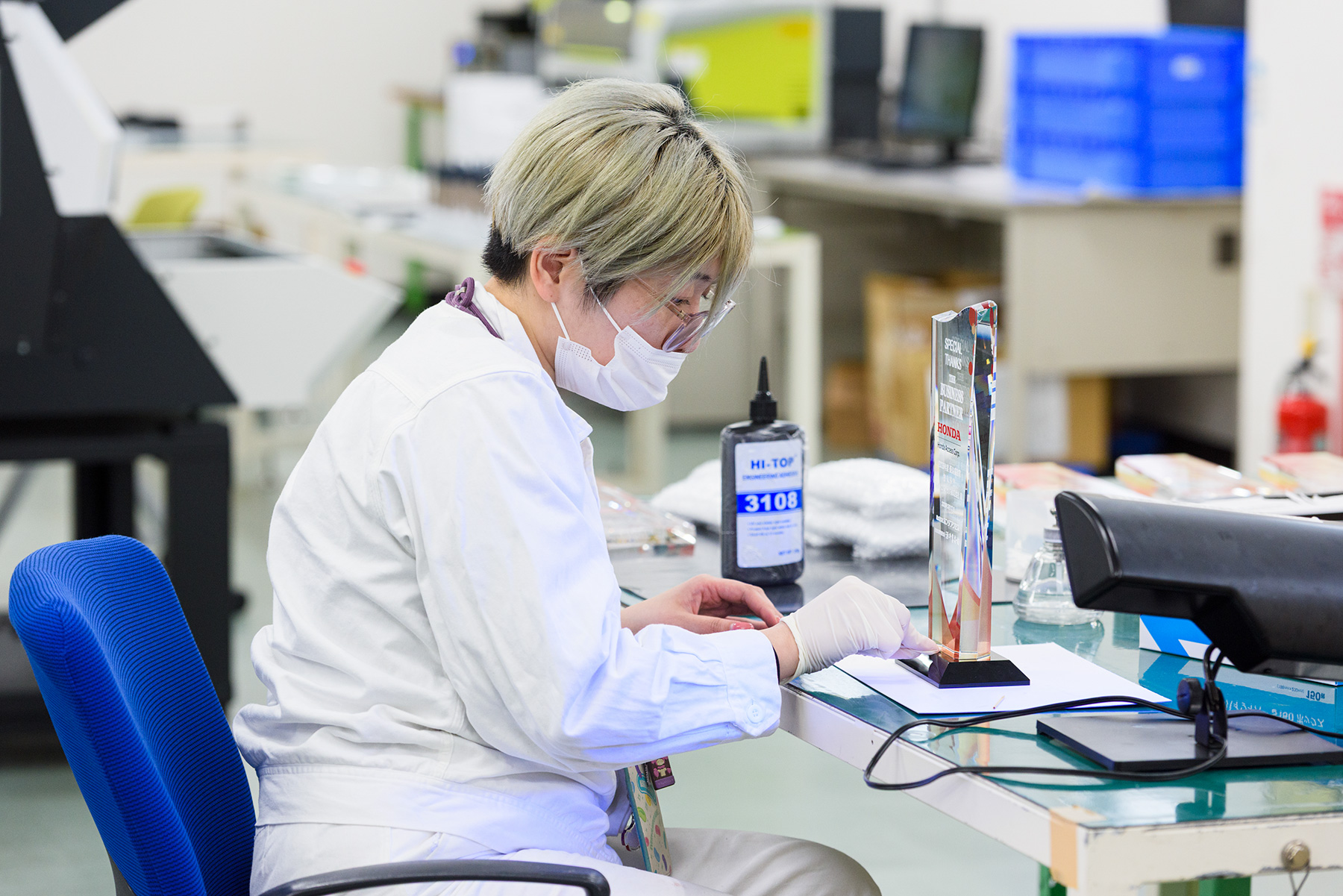
Production of Honda commemorative items and business cards, along with internal procurement services -
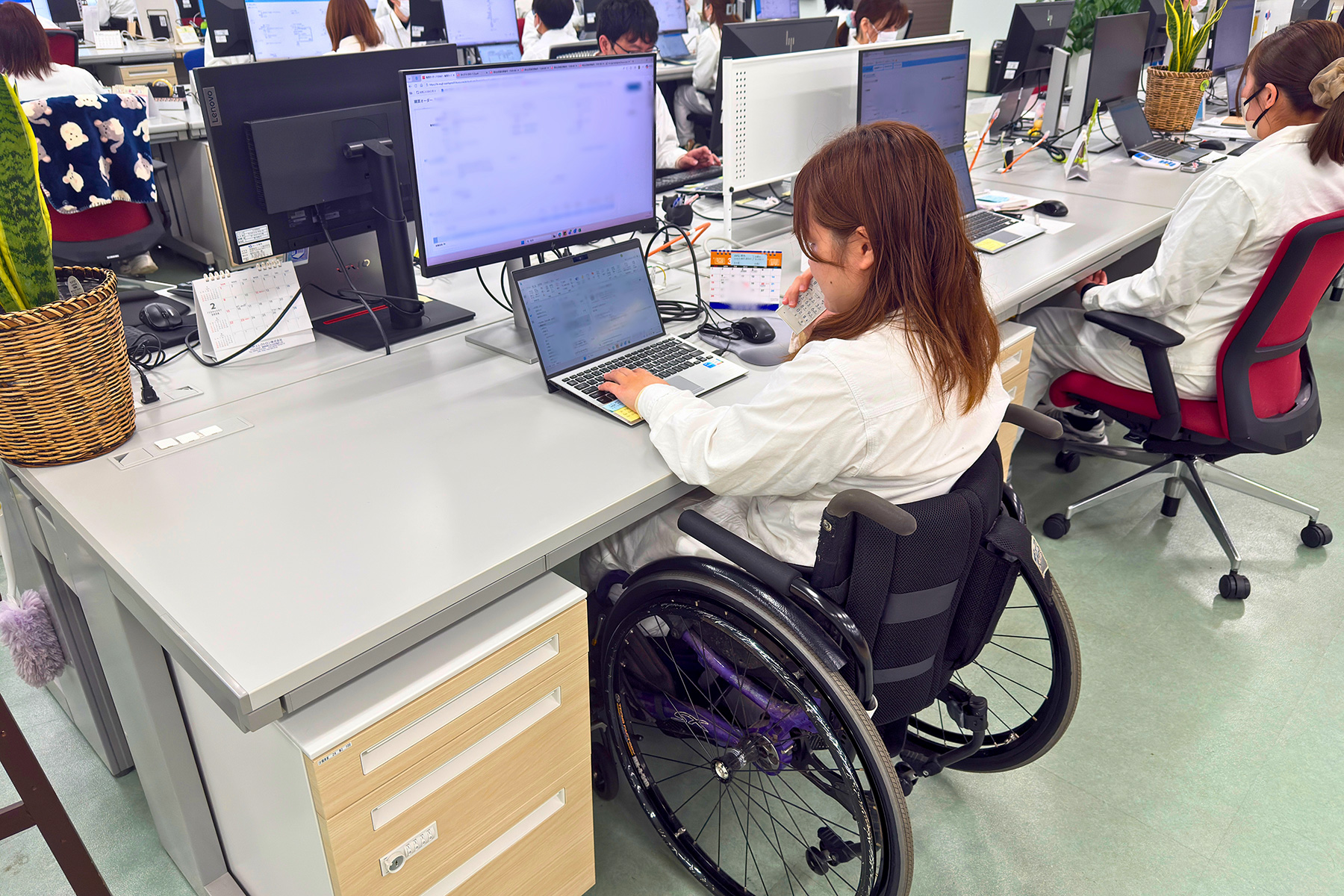
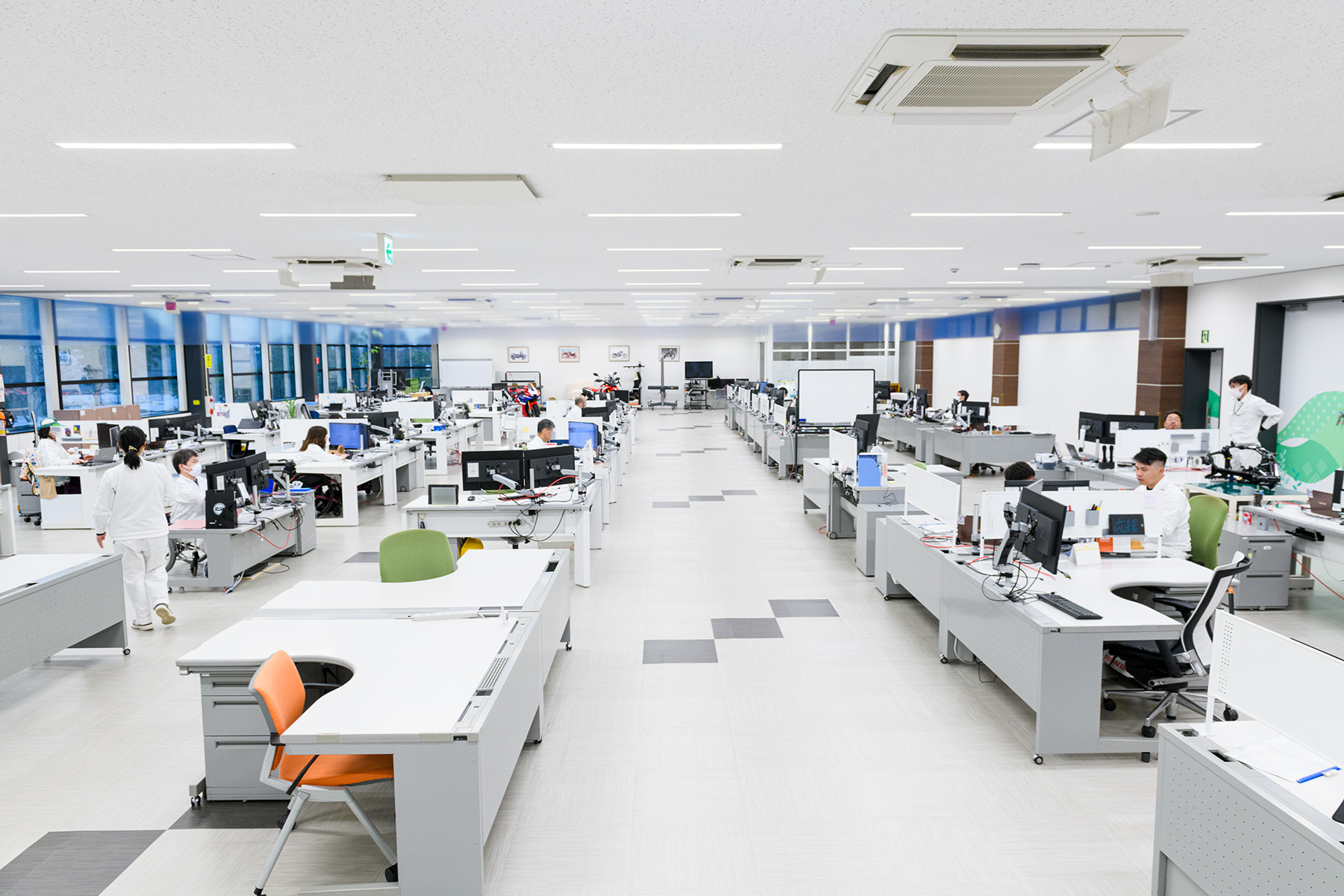
Employees with disabilities working in the factory are broadly categorized into those with physical, intellectual, and mental disabilities, with tasks assigned according to the nature and degree of each individual’s condition.
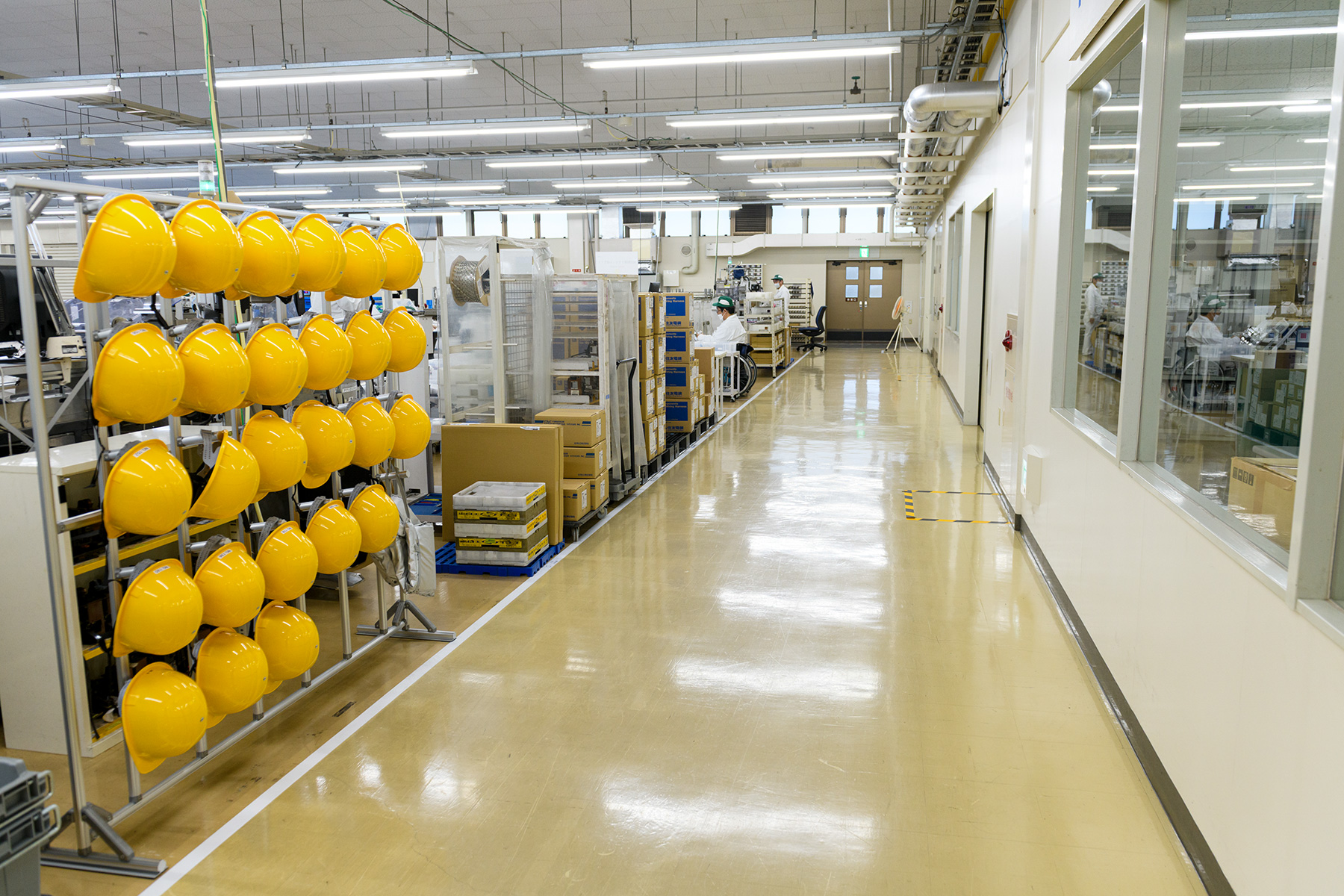
To support accessibility, desks in both the factory and Data Business Building are standardized at a height of 70 cm for ease of use by wheelchair users. This standard extends to cafeteria tables and restroom sinks. Aisles are wide enough for wheelchairs to pass comfortably, computer monitors are positioned to avoid obstructing sightlines, and alert lights are installed to communicate emergencies to employees with hearing impairments. Cafeteria serving counters are also designed at a lower height for ease of access from a seated position.
-
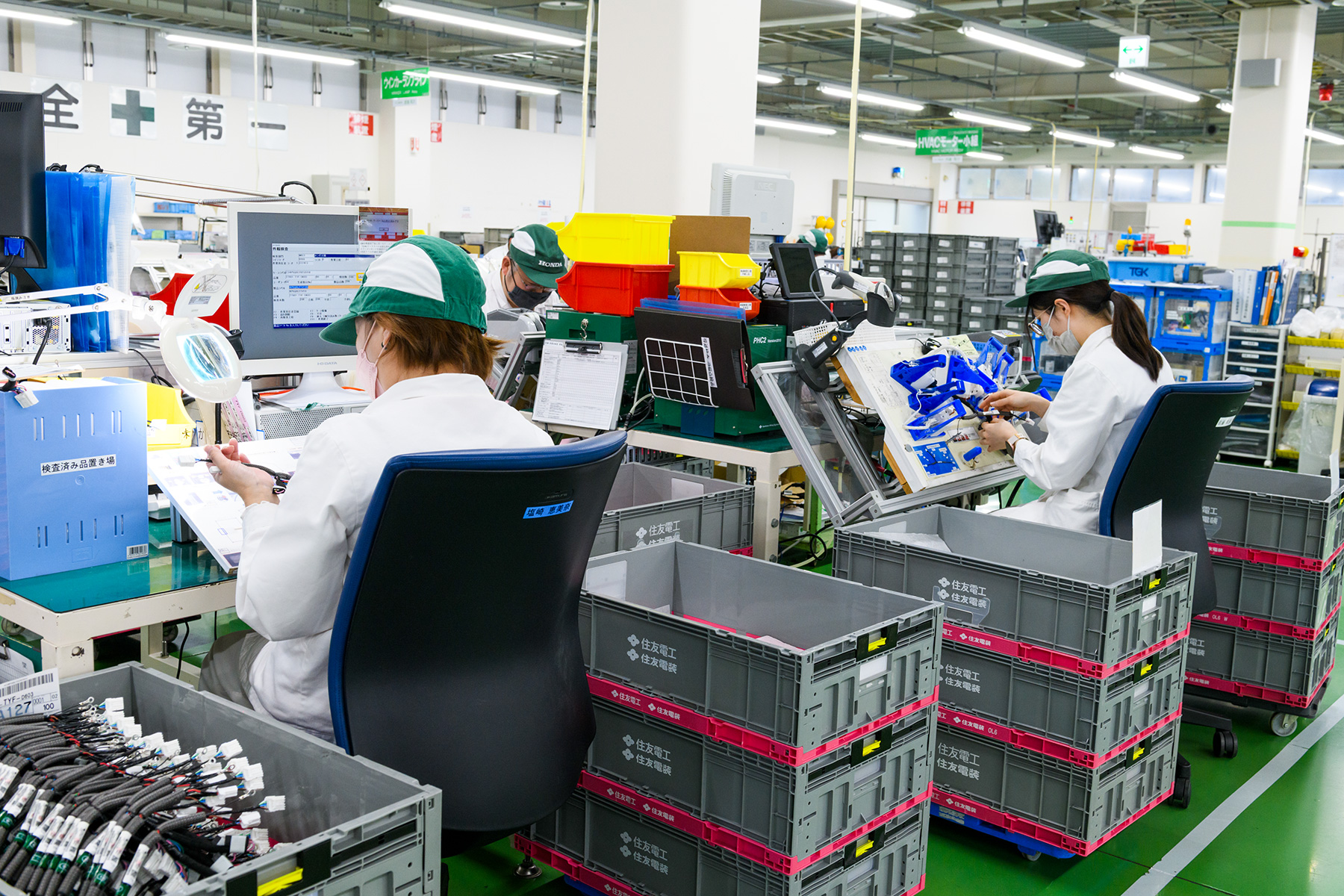
Workbench heights and jigs are custom-made and finely adjusted for each employee -

-
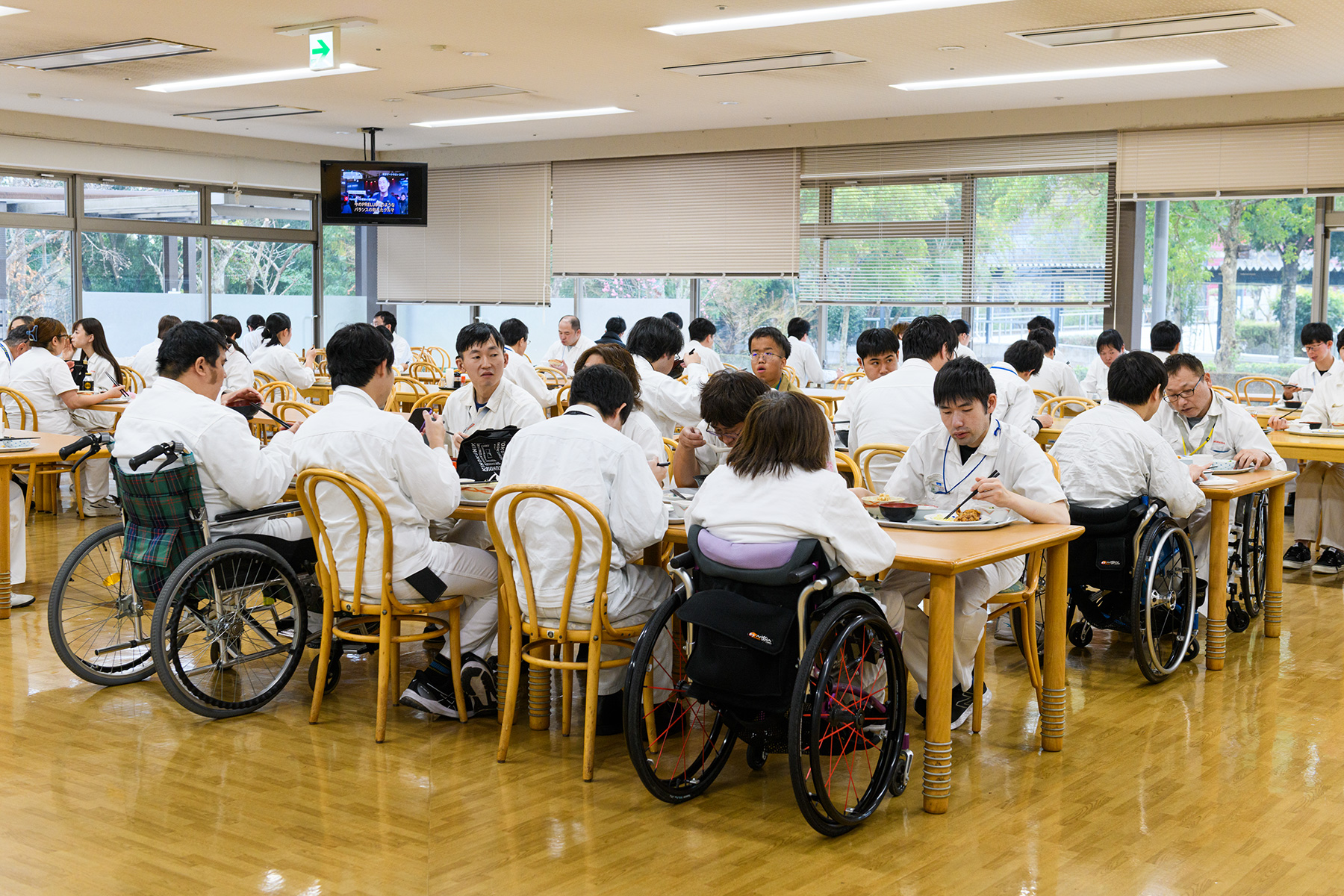
Employee cafeteria designed for accessibility, including wheelchair users -
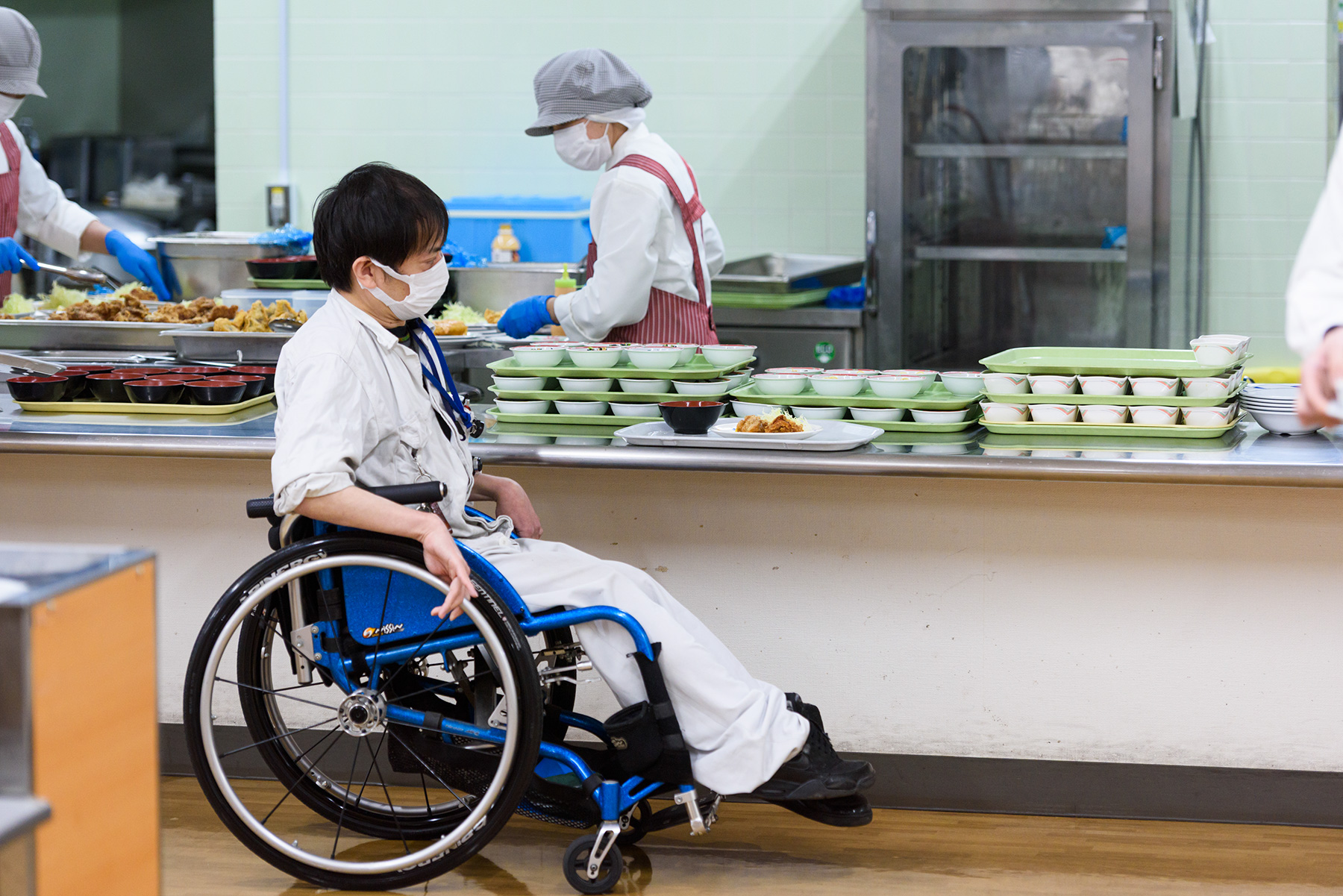
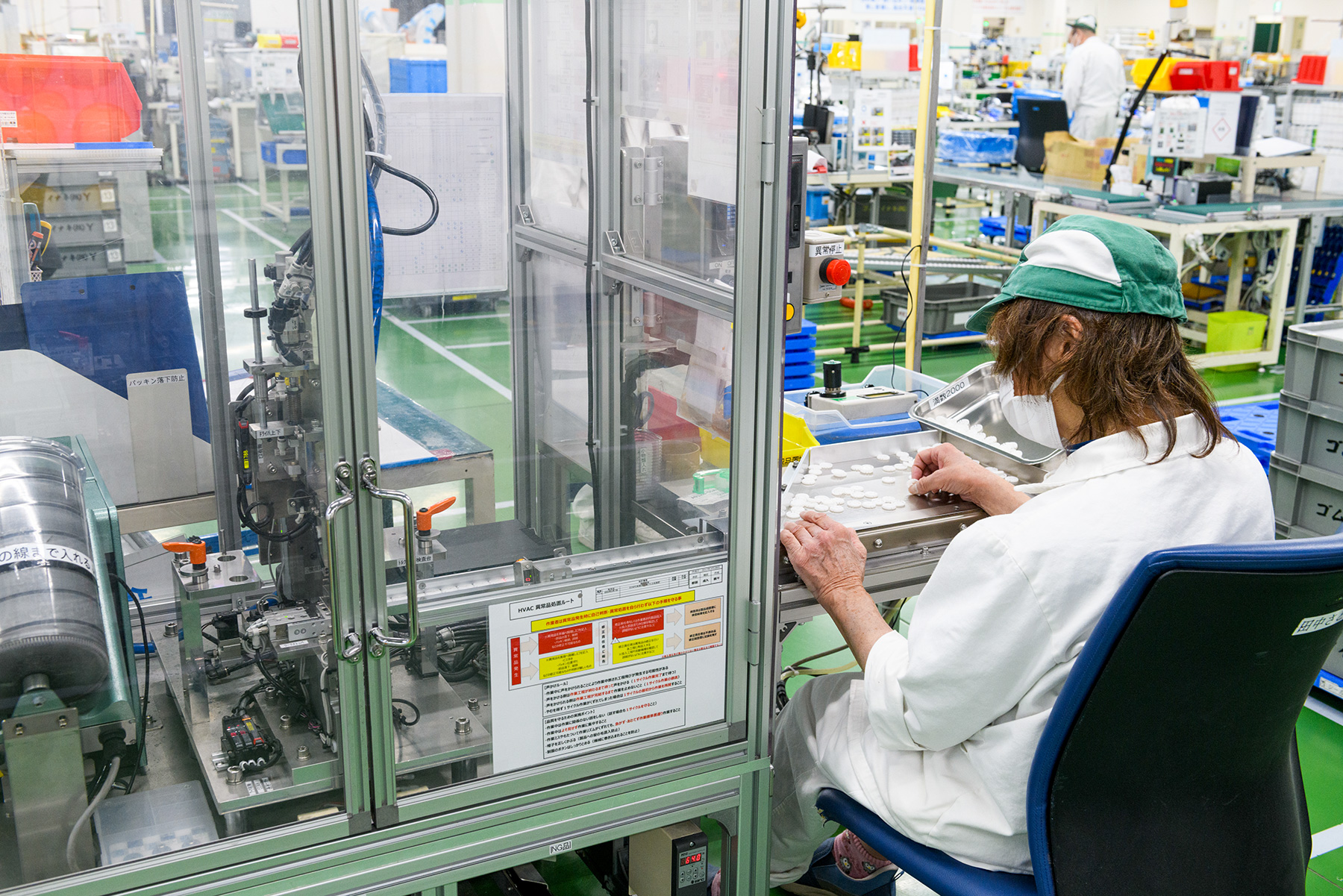
“One distinctive feature of Honda Sun is the way each department and equipment team devises various improvements to ensure tasks are as easy as possible, tailored to the degree of disability and the nature of the work.”
On-site observation reveals that even the placement of parts and tools is optimized for operator efficiency. Custom equipment—such as dedicated systems for transporting finished products on pallets—is also developed in-house to improve workflow.
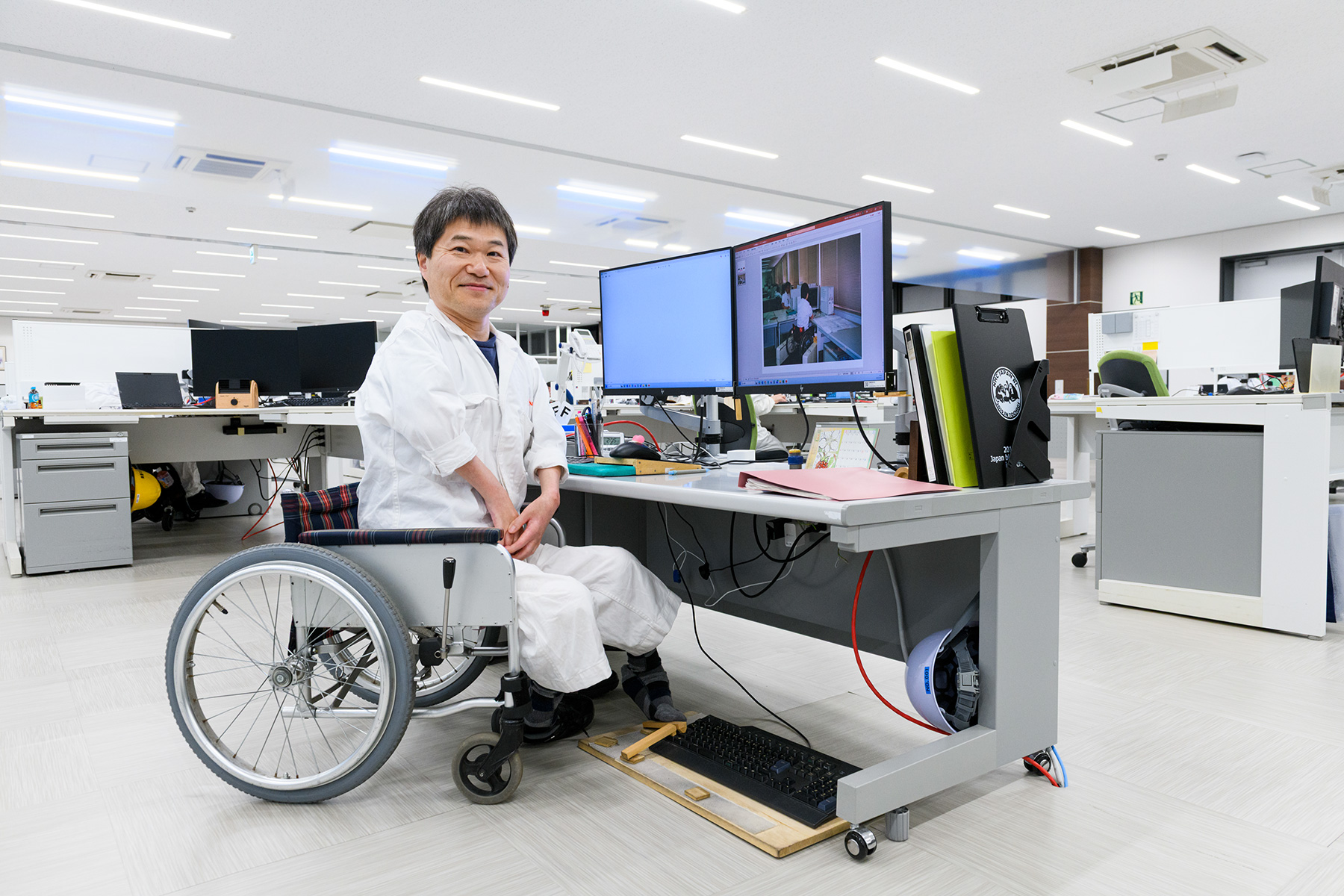
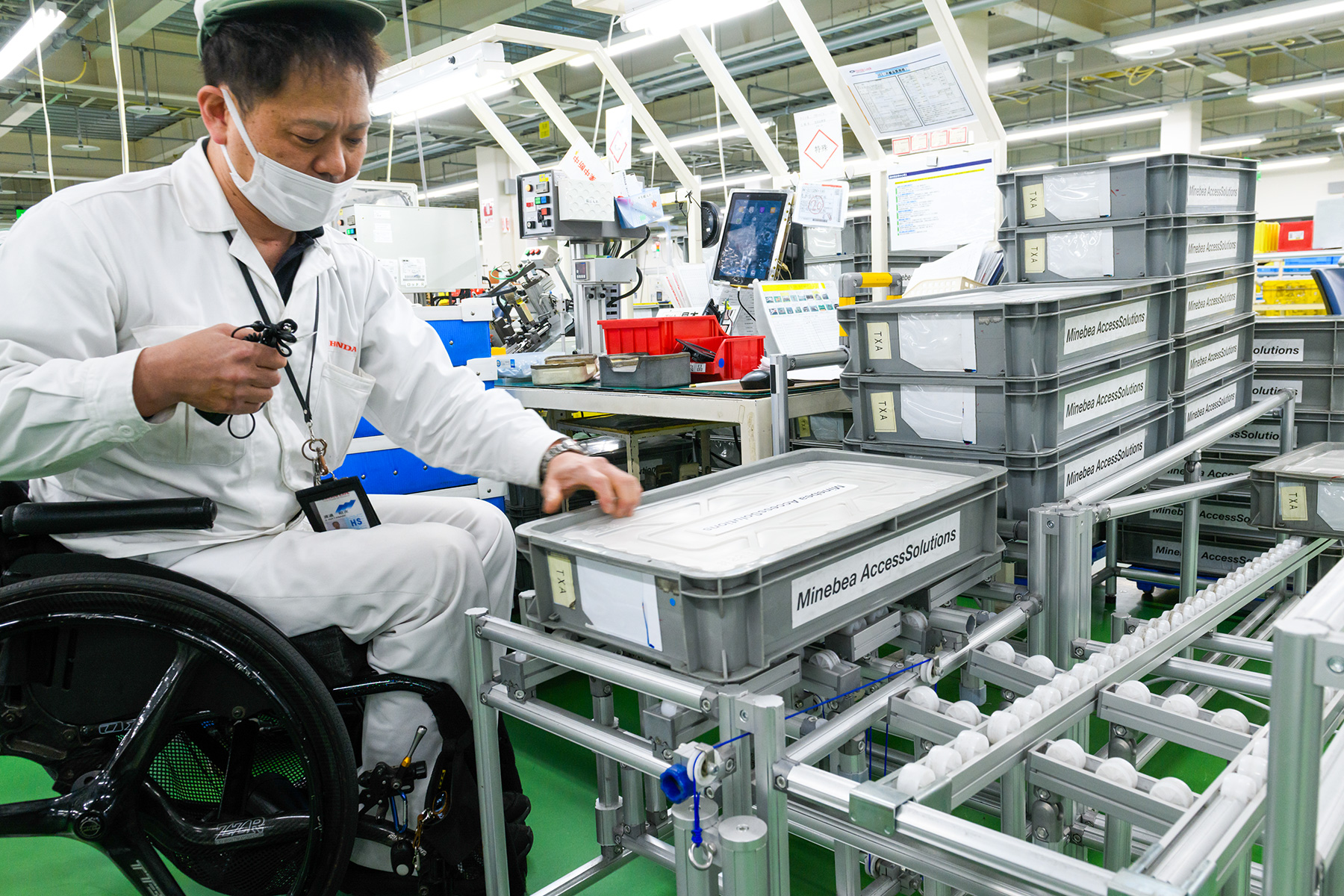
Honda Sun has accumulated expertise in creating inclusive workplaces and employment systems for people with disabilities, contributing to Honda’s employment efforts while undertaking commissioned work from the parent company.
However, Kamata explains that, in managing the company, he began to feel the need to establish a new business pillar for the future of Honda Sun.
“Honda Sun’s business is built on work provided by our parent company, Honda. As a result, there is a tendency to become overly reliant on that support. Additionally, fluctuations in Honda’s performance can affect our workload. To break away from that dependency and improve business stability, we decided to take a step forward.”
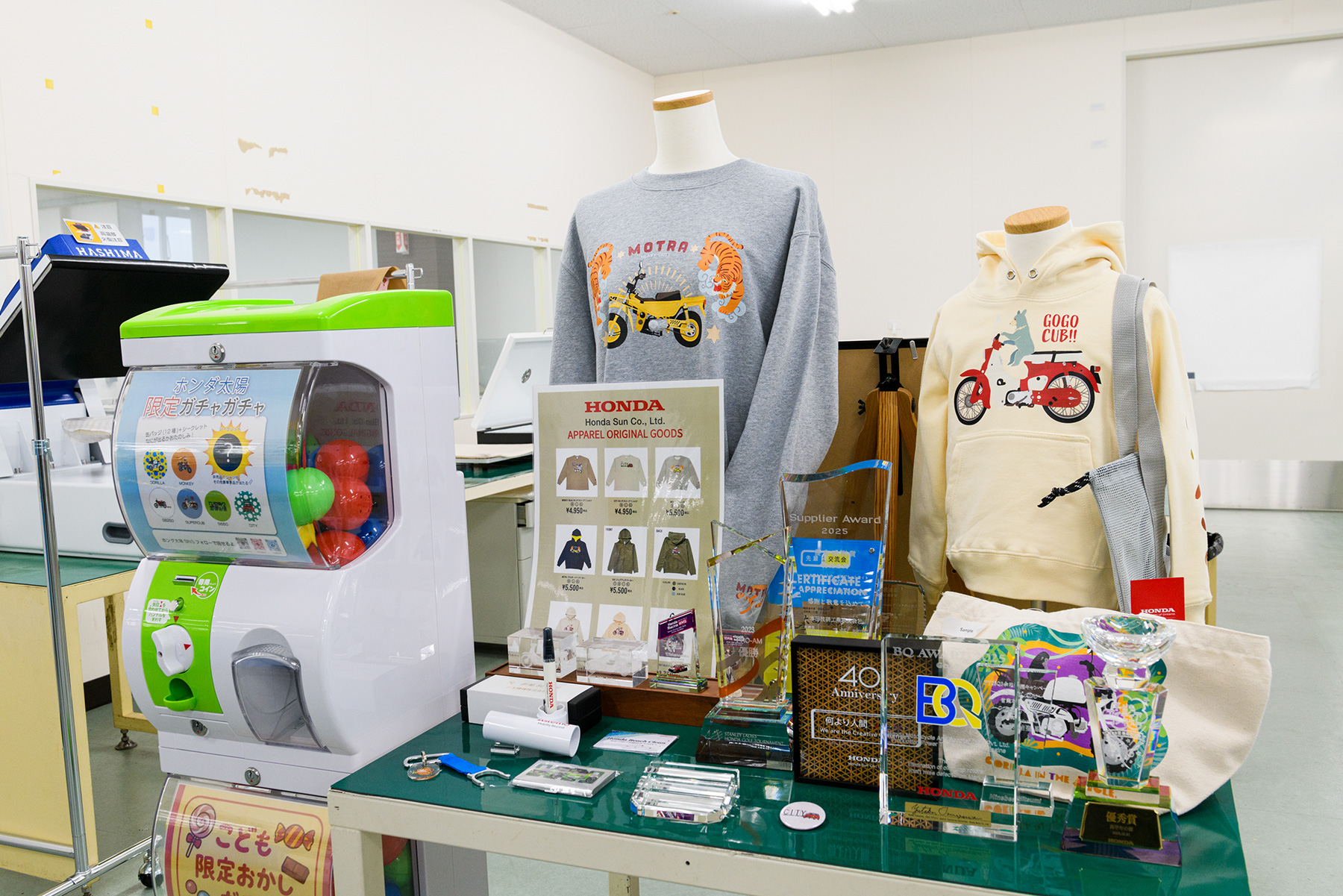
To that end, Honda Sun launched its own planning, production, and sales of apparel and commemorative items, selling them at Honda-related facilities as well as through its own online channels. These products have also been adopted as hometown tax return gifts in Hiji Town and are sold at local festivals and music events.
In addition, the company has begun offering consulting services leveraging its 45 years of experience in hiring and retaining employees with disabilities. Beyond supporting Honda itself, Honda Sun has also acted as an advisor for partner companies establishing their own special subsidiaries for disability employment.
The next challenge Honda Sun is preparing to take on is agriculture.
Oita Prefecture, where Honda Sun is located, is known not only for its rich forestry resources but also for its fisheries—such as fugu, Seki-aji, and Seki-saba—as well as distinctive agricultural products like kabosu citrus and shiitake mushrooms.
“My family background in farming, along with recent issues such as rising rice prices and food self-sufficiency, led me to take an interest in agriculture as a social issue. When I came to Hiji Town, I was also surprised by the amount of idle farmland. Since becoming president, my interest in agriculture has steadily grown. In fact, agriculture is highly compatible with people with disabilities—especially those with intellectual or mental disabilities. Tasks can be broken down into smaller steps, roles can be adjusted to individual understanding and condition, processes are relatively simple and repetitive, making them easier to master, and interaction with nature can help stabilize emotions and reduce stress. Moreover, the visible outcomes of growth and harvest foster a sense of achievement and self-worth. However, the challenge has always been profitability.”
While agriculture is highly compatible with people with disabilities, achieving profitability remains a significant challenge.
The background behind Honda Sun’s decision to take on agriculture as a new business will be introduced in the next installment, on the Honda Power Products website.