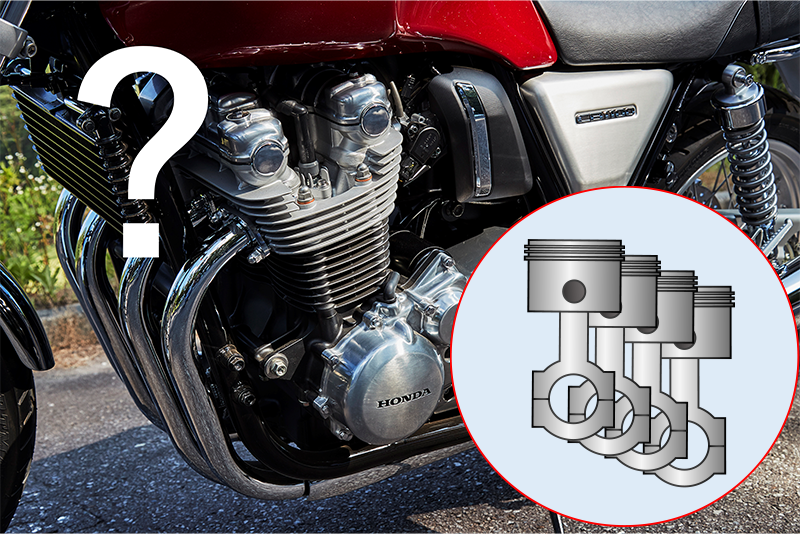
The engine is the most critical part of your motorcycle.
Are you aware of the different kinds of motorcycle engines?
In this issue, we’ll take a look at how many cylinders different engines have and how they are configured.
Index
1.What is an Engine?
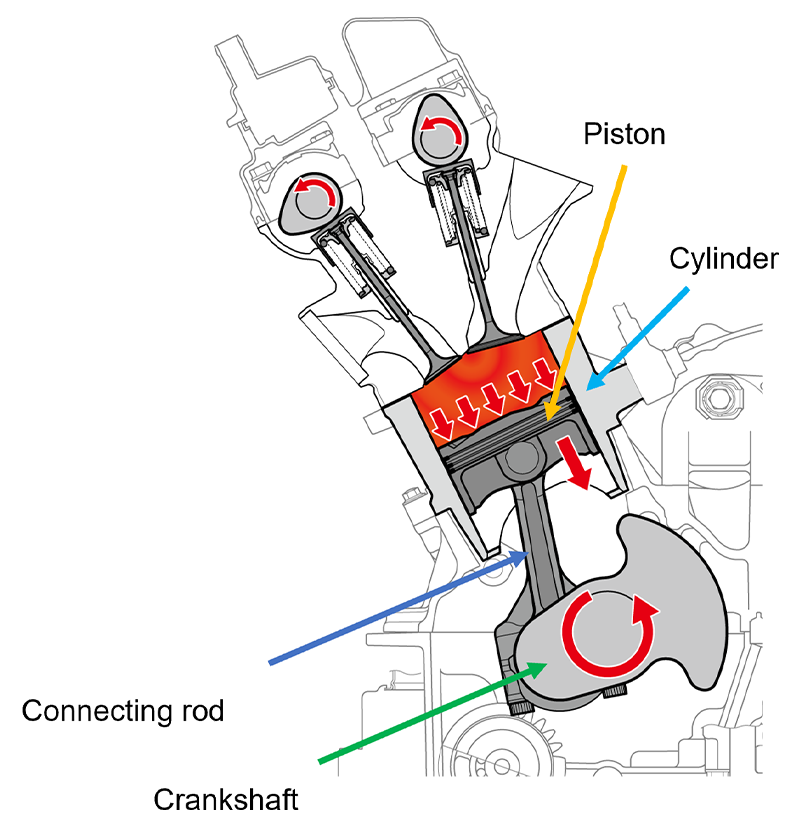
The gasoline engine that powers a motorcycle generates power by burning fuel.
Inside the engine, fuel and air are combusted inside a cylinder, and the resulting energy moves pistons up and down.
The reciprocating motion of these pistons is converted into rotational motion by the crankshaft, which in turn generates the force that turns the wheel.
2.Types of Engines (By Number of Cylinders)
First, let's look at the differences based on the engine's number of cylinders.
Motorcycle engines are either single-cylinder or multi-cylinder engines.
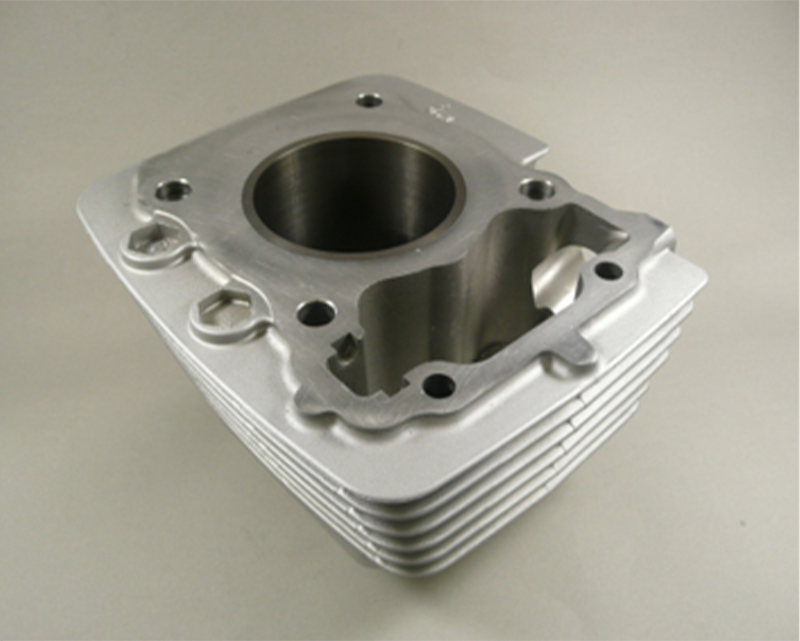
(1) Single-cylinder
This refers to an engine with only one cylinder.
Because each combustion cycle produces a large amount of power, riders can enjoy a strong "thumping"
engine feel. This type of engine is commonly used in traditional motorcycles and off-road motorcycles.
In addition, because of their simple design, they tend to be lightweight, easy to handle, and easy
to maintain, and they also tend to have good fuel economy.
They are notable for:
- Riders can enjoy a strong engine pulse
- Being lightweight, simple, and easy to maintain
- Generally lower manufacturing costs
- Generally good fuel economy
- Vibrating significantly when RPMs are high
- Offering more gradual power delivery at high RPMs versus multi-cylinder engines
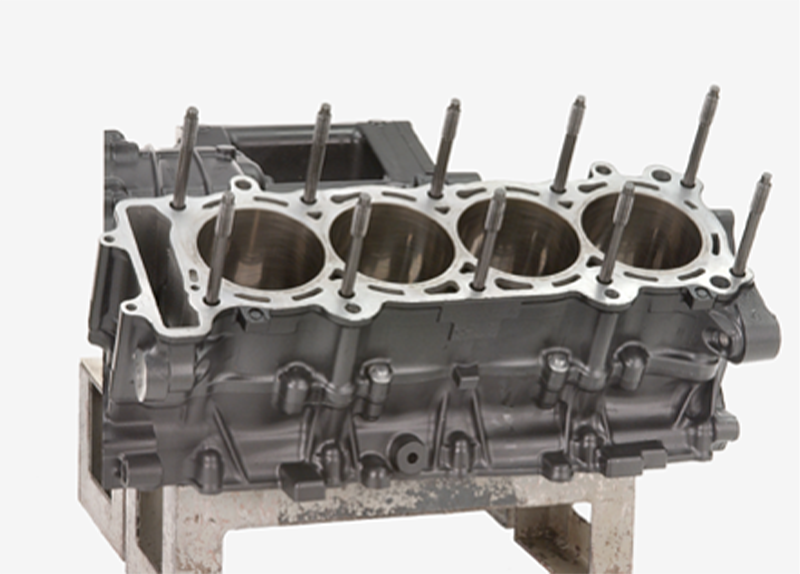
(2) Multi-cylinder
This refers to an engine with two or more cylinders.
As the number of cylinders increases, combustion is distributed more evenly, resulting in less shock
and a smoother, lower-vibration ride.
They are notable for:
- Smooth and quiet rotation
- Delivers strong power all the way to high engine speeds
- Tending to be heavier due to their complex structure
- Having more components, increasing the time required for maintenance and repairs
- Generally worse fuel economy as the number of cylinders increases
3.Types of Engines (By Cylinder Arrangement)
Motorcycles are equipped with engines of various configurations.
In this section, we will introduce the cylinder arrangements of multi-cylinder engines.
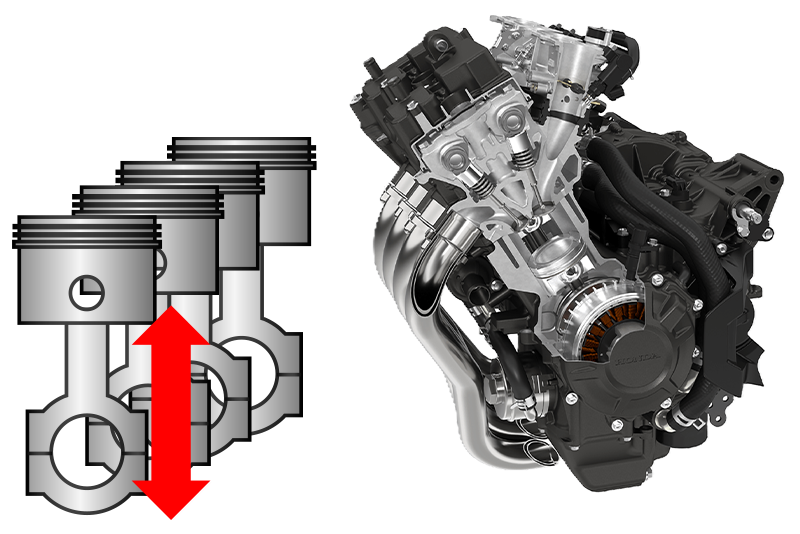
(1) Inline
A layout where cylinders and pistons are arranged in a line.
The most orthodox layout, used on many motorcycles.
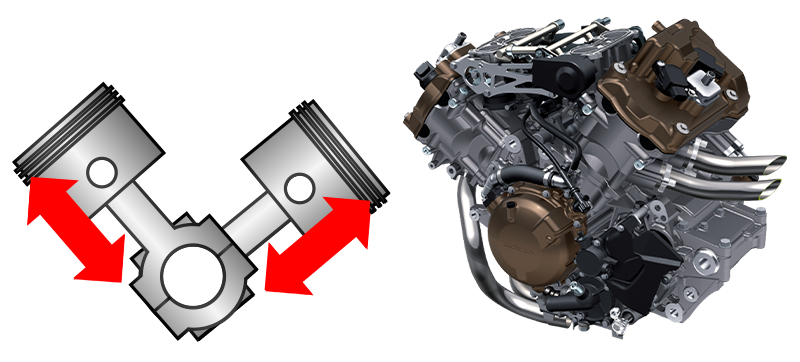
(2) V-type
A layout in which the cylinders are arranged in a V-shape.
This helps to keep the overall engine width down, resulting in a more compact bike.
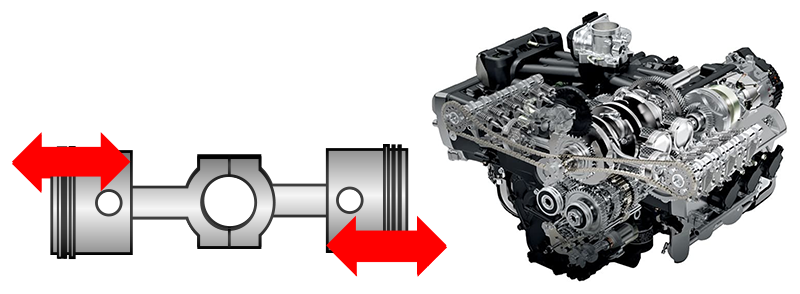
(3) Horizontally-opposed (boxer)
A layout where cylinders face each other from the left and right sides.
Mutual movement cancels out vibration, resulting in less overall engine vibration.
4.Engines Found in Popular Motorcycle Models
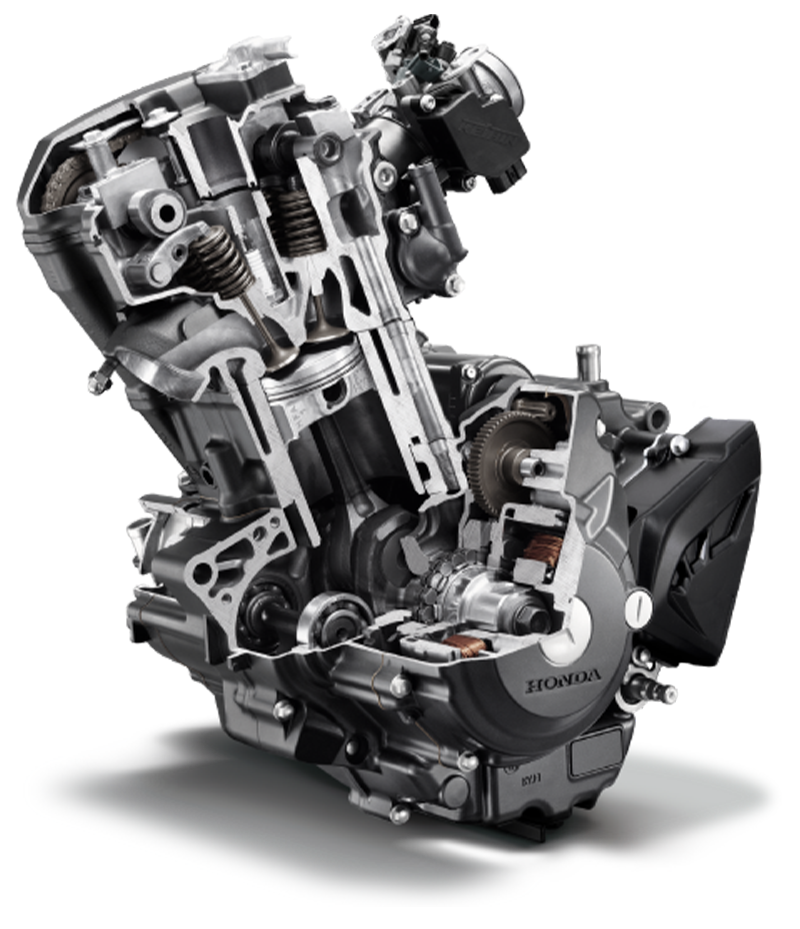
Below are some of the more common engine and motorcycle pairings found in Honda bikes.
・Single-cylinder
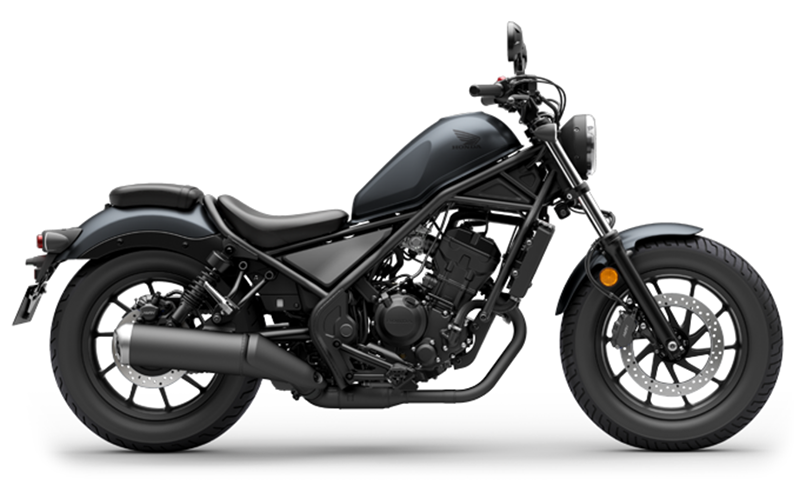
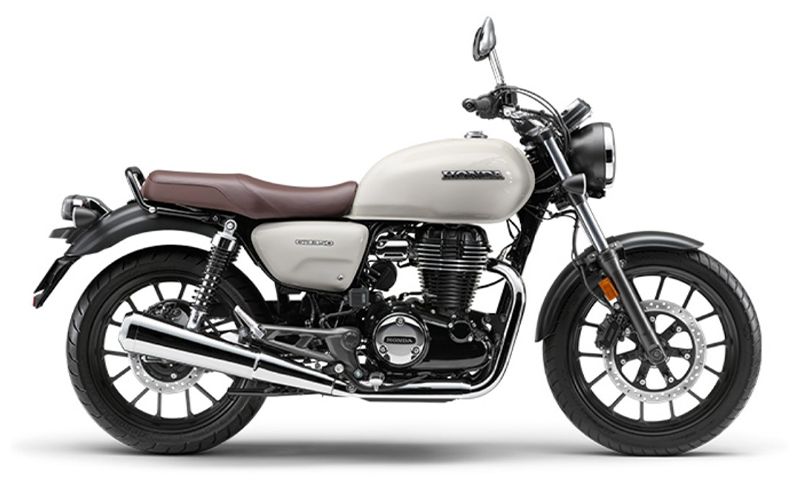
・V-twin
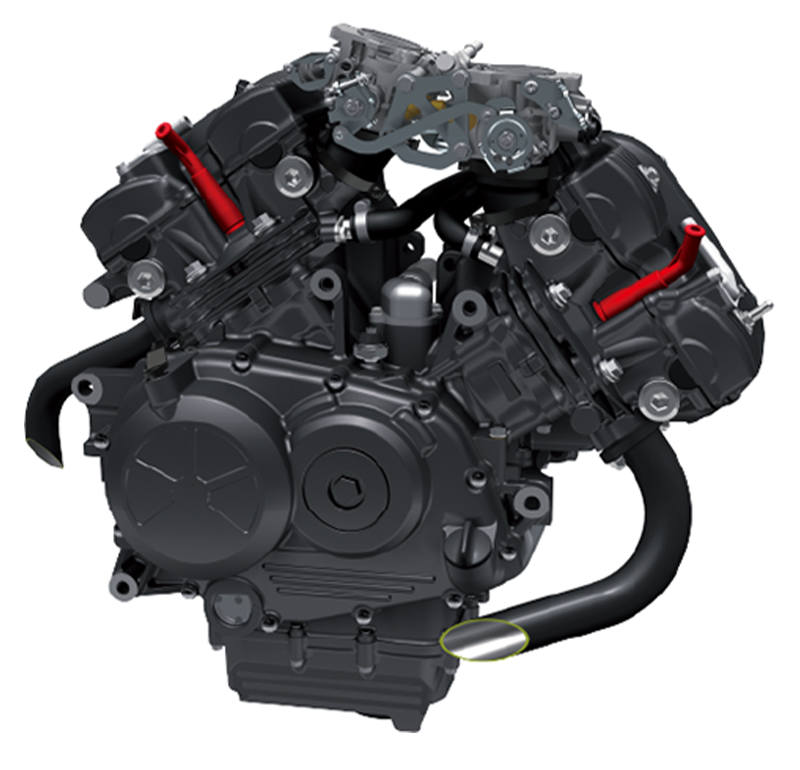
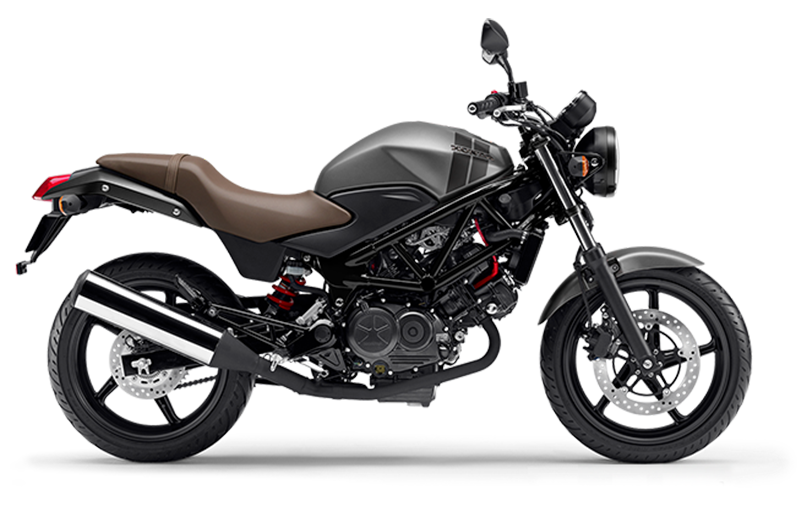
*Model no longer in production
・Inline four-cylinder
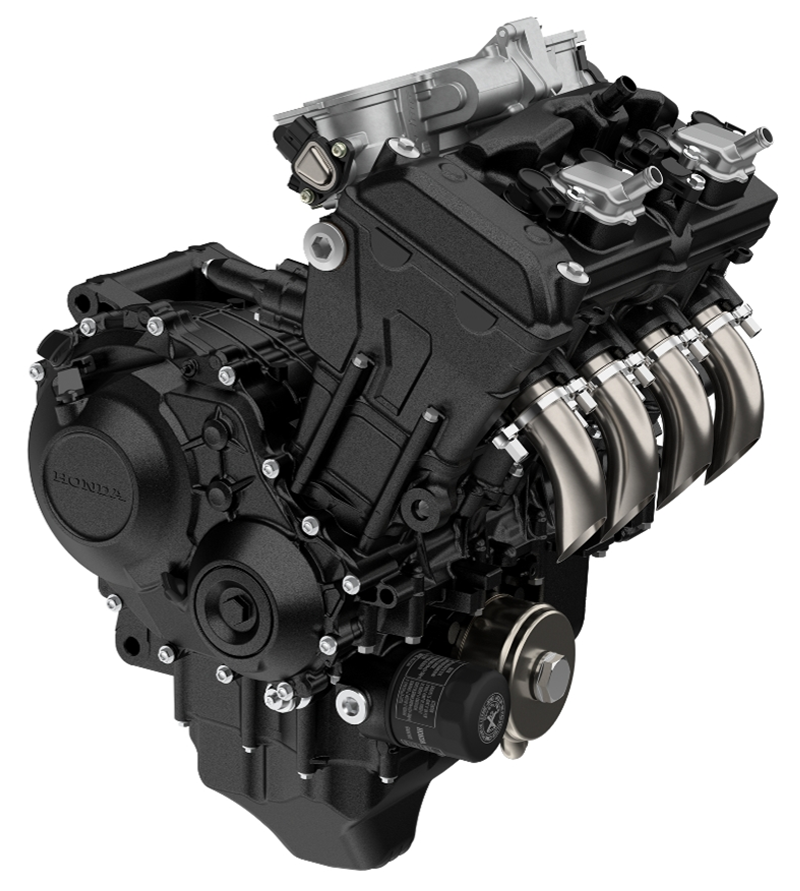
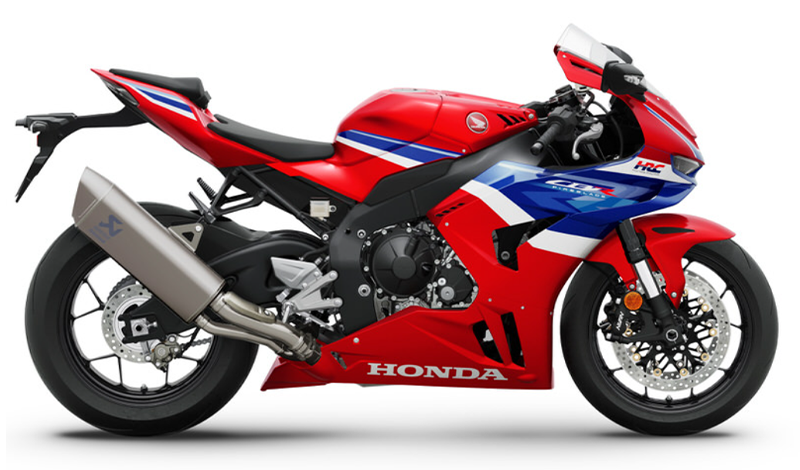
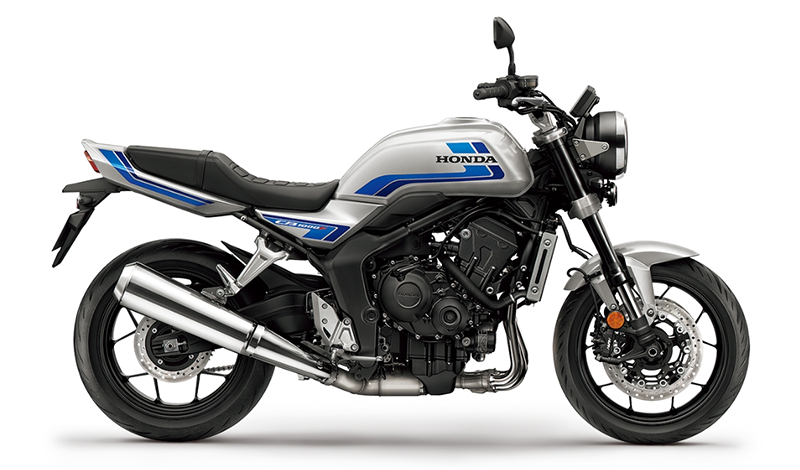
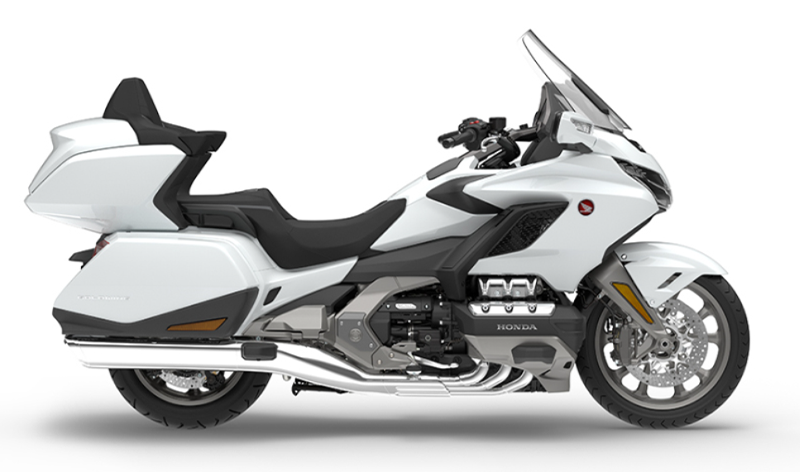
・Horizontally-opposed six-cylinder
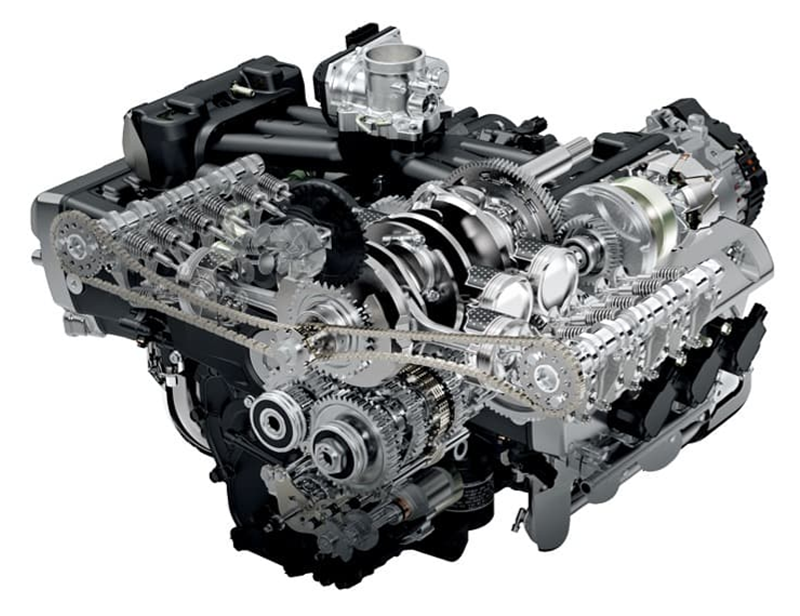
5.Summary
As we've seen in this article, the characteristics of a motorcycle engine vary significantly depending on the number of cylinders and their configuration.
Some engines let riders enjoy a strong engine pulse, while others deliver smooth performance all the way to high engine speeds. Each type has its own unique appeal.
When choosing a motorcycle, paying attention to these differences in engines might make it easier to find the one that’s right for you!
In addition, the methods for inspecting and maintaining a motorcycle vary significantly depending on the type and design of the engine.
You can trust your local Honda dealer to make sure your motorcycle is properly inspected and maintained!