First Contributor to Honda’s Second F1 Era
Honda and Mansell began with F2
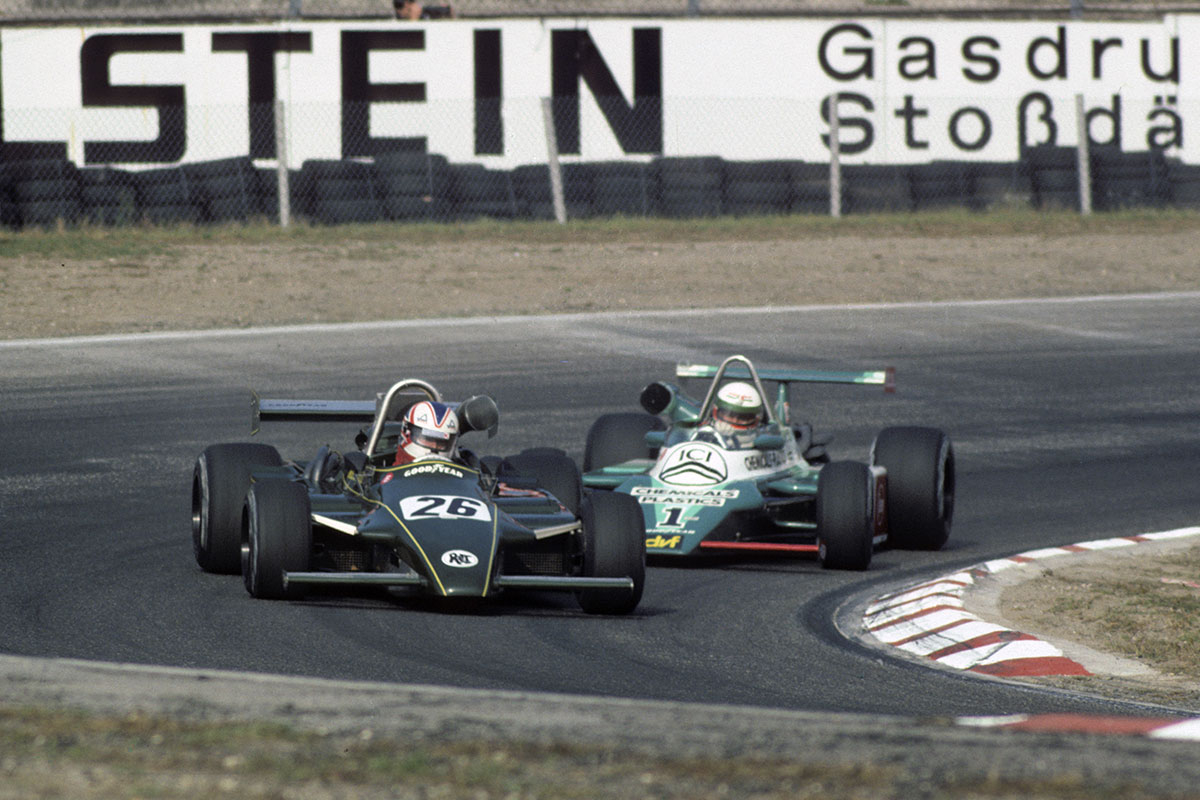
Honda had withdrawn from F1 activities in 1968, but returned to the international stage 12 years later. Not F1, but the European Formula Two Championship, one step below. In 1966, Brabham Honda achieved 12 consecutive wins in F2. Later in the mid-1970s, Ron Tauranac, who had designed the Brabham chassis, founded chassis constructor Ralt. Honda, on advise by Yoshio Nakamura, who had served as team director during its first F1 era, chose to partner with Ralt for its F2 return. At the time, March and the upcoming Toleman were dominant in F2. In terms of engines, BMW and Hart’s inline-four cylinders dominated. Honda, which aimed to enter F1 in the future, developed the RA260E, an 80-degree V6 engine. Nigel Mansell, who was then an unknown driver, was chosen as the test driver for the Ralt car powered by this engine, and went on to become team driver for the 1980 season.
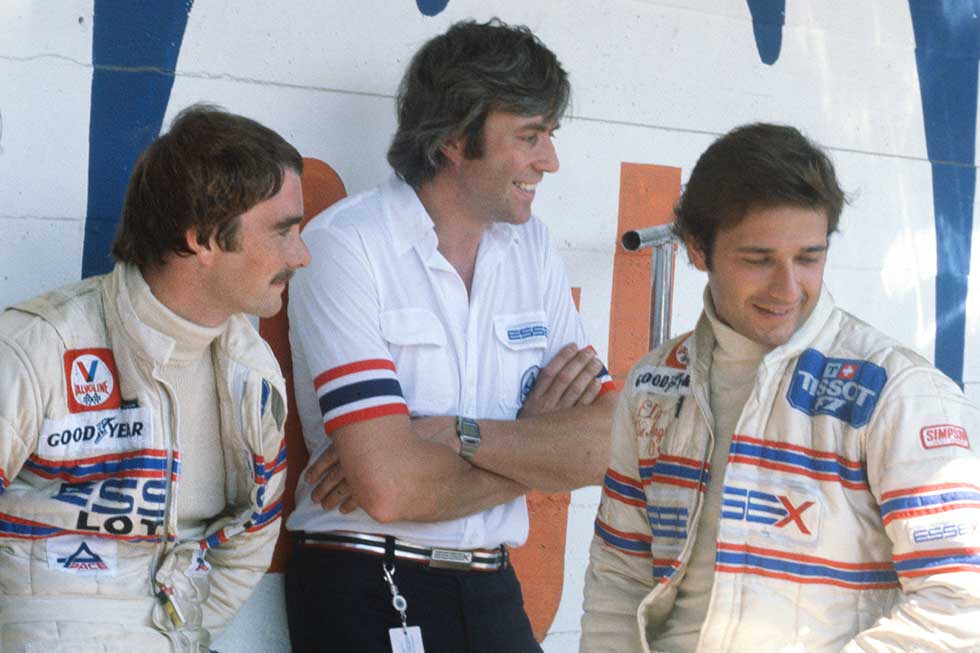
In September of the previous year, Colin Chapman, the genius behind Team Lotus, auditioned five young newcomers for F1 audition at Le Castellet (Paul Ricard) in France, one of which was Mansell. His performance in the British F3 Championship, where he often showed promise despite driving a car with an underpowered Triumph engine, had been recognized. However, in 1980, Elio de Angelis was chosen as a team driver for Lotus F1, while Mansell was selected as test driver. While the experience of test driving with Lotus F1 was an honor, opportunities to race were rare. Funding for his self-funded British F3 Championship campaign was also running out. At that critical moment, the Ralt Honda team offered Mansell an F2 seat, which he eagerly took.
Walking a tightrope to gain F1 seat
Ralt Honda had competed in four races as a wildcard entry in the latter half of the year. In its first race, Round 6 of the Marlboro Trophy in June, the team qualified 14th and finished 11th, due to teething problems with the engine’s electrical and fuel systems. Mansell’s driving had however impressed Chapman, leading to an opportunity to debut in F1 with Lotus. With momentum building and the RA260E maturing, Mansell qualified and finished second in last round of the season, Round 12, the Baden-Württemberg Formula 2 Grand Prix, Hockenheim in September, laying the groundwork for his 1981 F2 title. Honda engineers commented that Mansell’s concise feedback contributed to the development of the car.
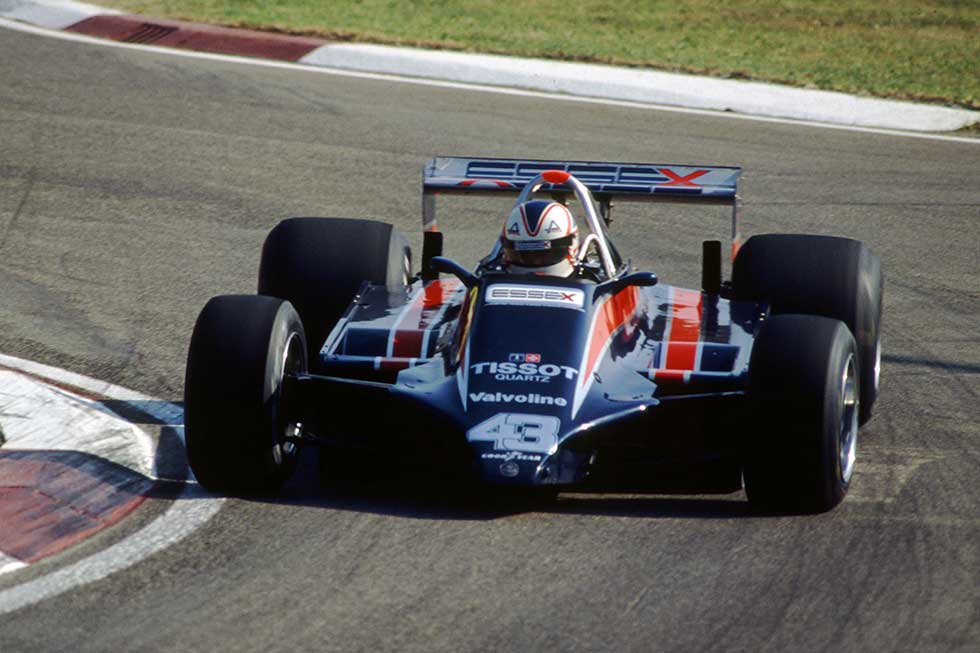
In August 1980, with 1978 world champion Mario Andretti’s departure from Lotus confirmed, Mansell made his F1 debut in the Austrian GP, driving the third Lotus car. From 1981 onwards, he secured his F1 seat alongside De Angelis.
Chapman’s passing, and Mansell’s move to Williams
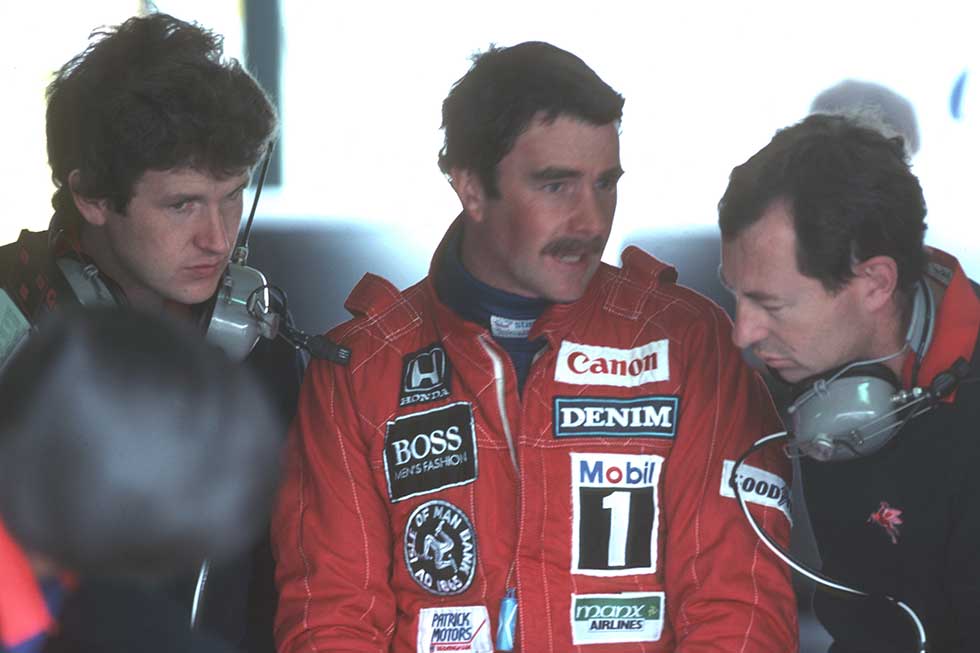
Since then, however, Mansell was unable to achieve good results. When Chapman suddenly passed at the age of 54 at the end of 1982, his protégé Peter Warth took over the team. Warth was more interested in signing Ayrton Senna, a rookie who had been attracting attention with his remarkable performance since his F1 debut, than Mansell, who had been unable to achieve results for a long time. Mansell had crashed out of the 1984 Monaco Grand Prix while leading in heavy rain. At a scorching Dallas GP, he led early on but fainted while desperately pushing his car which had stopped just before the finish line, leaving a lasting negative impression. The news that Mansell, already over 30 and still without a win in F1, was moving to Williams Honda in 1985, did not generate much attention at the time.
Mansell joining Williams, however, was his first reunion with Honda since his 1980 F2 wildcard appearances, and was the first step toward becoming a top driver.