The Awakening: First Victory in Fifth Year
Move to Williams marks turning point in F1 career
Honda’s second era of F1 activities, which began in 1983, morphed to the exclusive supply of engines to Williams the following year, leading to its long-awaited first victory at Round 9, Dallas. Initially plagued by unforeseen problems and performance issues with the newly developed turbo engine, Honda leveraged these experiences to intensify technical development, introducing the newly designed RA165E in 1985. This engine, known as the E-spec, laid the foundation for Honda’s subsequent F1 success. The RA165E did not arrive in time for the start of the season due to development delays, however, forcing the team to use the previous year’s RA164E in the early races.
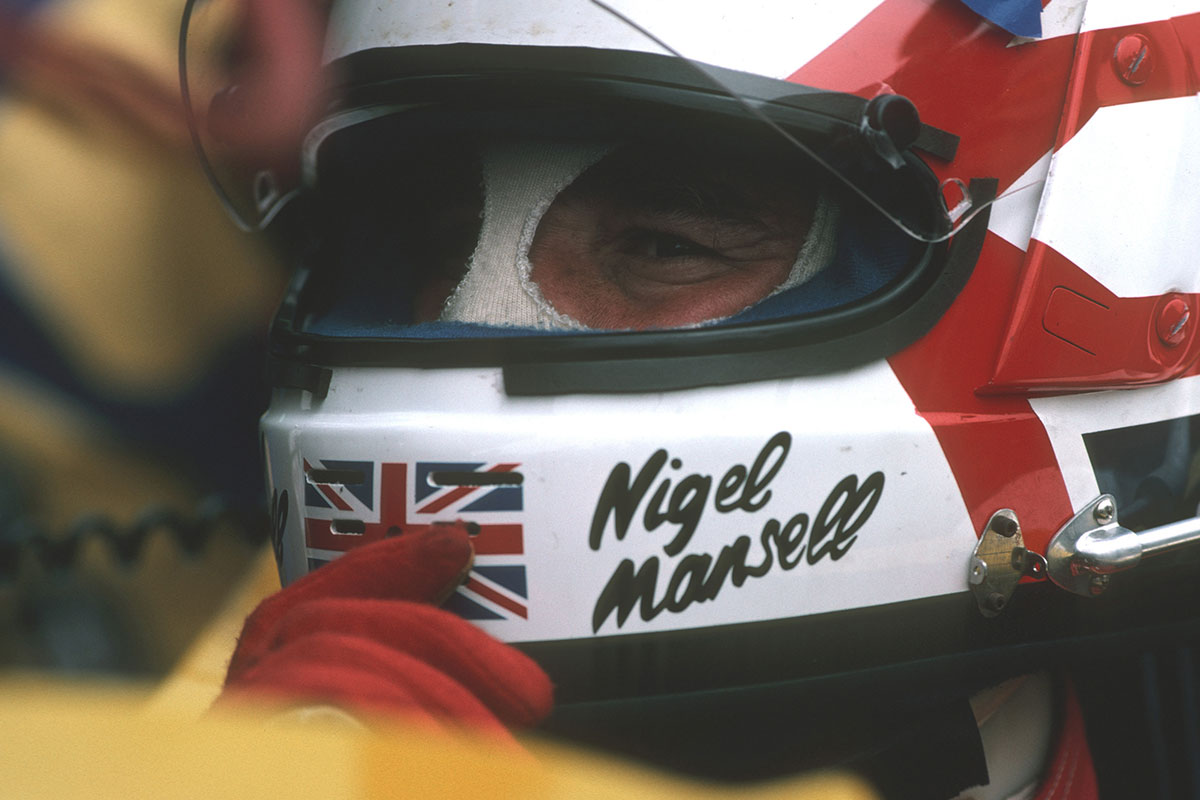
At this time, Nigel Mansell joined the Williams team in 1985. After making his F1 debut with Lotus in 1980, Mansell had struggled with both the car and the team. Williams team principal Frank Williams, who had been impressed by Mansell’s speed, invited him to join. Rosberg, who had been the team’s number one driver, initially opposed Mansell’s signing due to a rivalry from the previous year’s Dallas GP and Mansell’s poor reputation from his Lotus days. However, the two team drivers quickly developed a rapport and excellent teammate relationship. The change in team morale was obvious, and Mansell was highly motivated in his new environment and satisfied with the fast car.
The 1985 season, which began with high expectations, was off to a tough start, but Honda finally introduced the RA165E in Round 5, Canada. Keke Rosberg won the following round in Detroit, proving the car’s competitiveness. Team morale rose, and Honda was also buoyed by the success of its newly developed engine.
Mansell, who had been demonstrating his speed with the upgraded machine, suffered a right thumb injury in a crash during the Detroit GP, and in the Saturday free practice session of the French GP that followed, he was involved in a major crash at over 320 km/h after a tire burst on the Mistral Straight. He crashed into the barrier after mowing down the catch fence, and a detached tire struck his head, rendering him unconscious. Mansell was immediately transported to a hospital and missed the race, but fortunately suffered only a concussion. However, in the following British GP, Mansell endured headaches and bruises, determined not to miss the race in his home country.
Grasping the winning formula to become a top driver
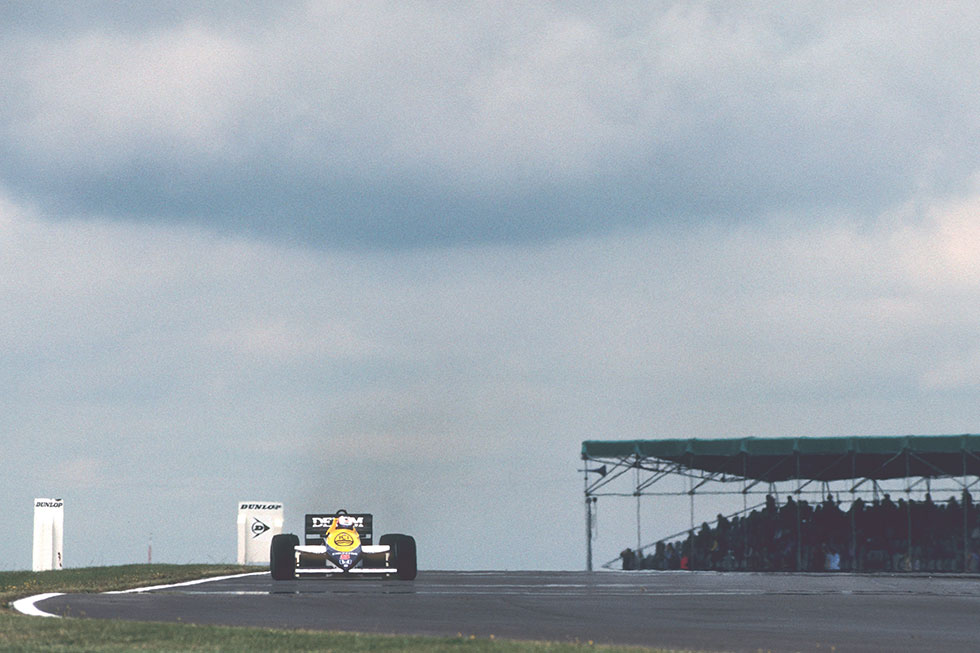
Rosberg had secured consecutive poles in France and the U.K., proving the potential of the RA165E. However, frequent early-race issues continued to hinder the team in subsequent European rounds. While Rosberg showed little interest in machine development, Mansell actively participated in discussions with Honda engineers, and Honda worked hard to improve engine stability and durability. The RA165E incorporated advanced technologies such as electronic fuel injection developed from production engines, and a unique data logger technology that later evolved into a telemetry system, with development being rushed to maturation. Additionally, the FW10 underwent modifications to reduce rear tire wear. By the time the team and the car were competitive, the season had already entered its final stages.
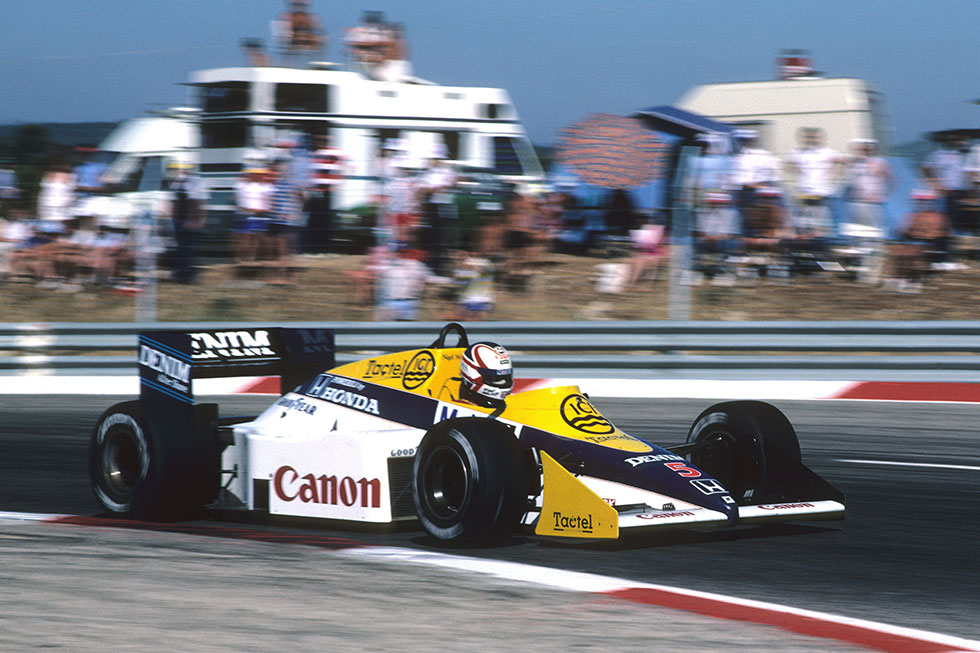
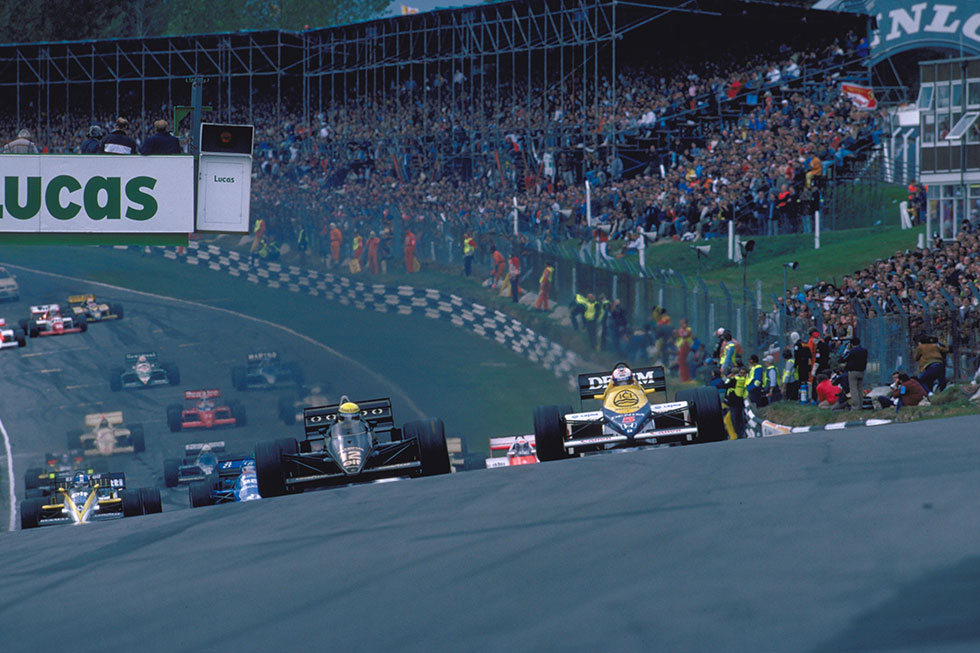
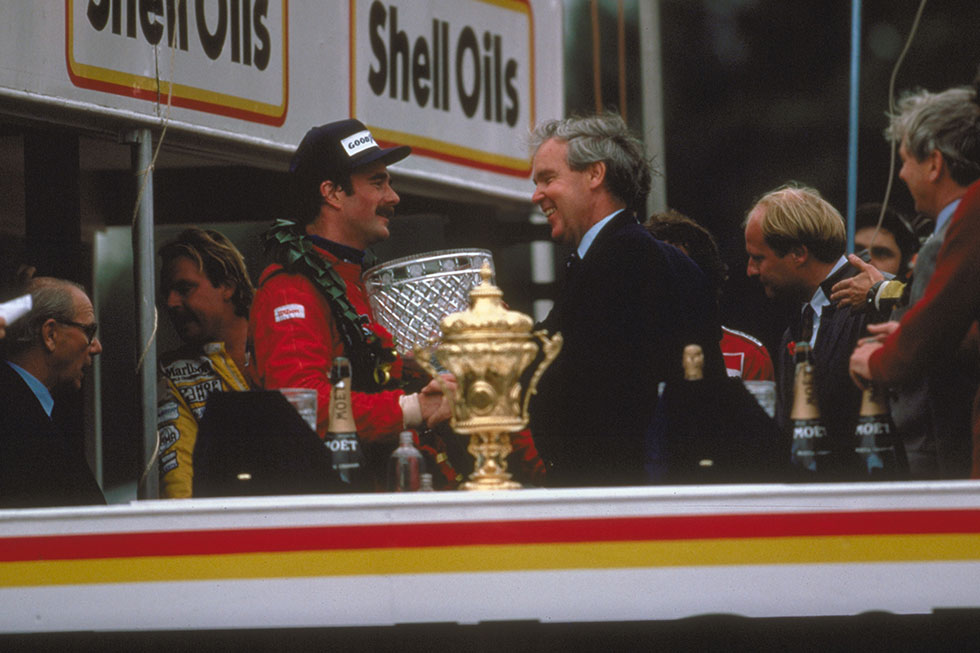
Round 14, the European Grand Prix, was held at Brands Hatch, the team’s home track. Here, Mansell claimed his first F1 victory. It was a team effort, with Rosberg and Mansell working together to outmaneuver Ayrton Senna (Lotus Renault). Mansell’s first victory, in his 72nd F1 race, set the record as the latest maiden victory at the time, but it was befitting of his hardworking nature. Having learned the formula of victory, Mansell continued his winning streak at the following South African GP. Rosberg finished second, and Honda achieved its first 1-2 finish since entering F1. In the final round, the Australian GP, Mansell qualified in second place and was the clear favorite to win. Unfortunately, he retired from the race due to an accident shortly after the start, but his teammate Rosberg claimed the victory, and Williams Honda finished the season with three consecutive wins, heralding the team’s dominance in the following season.