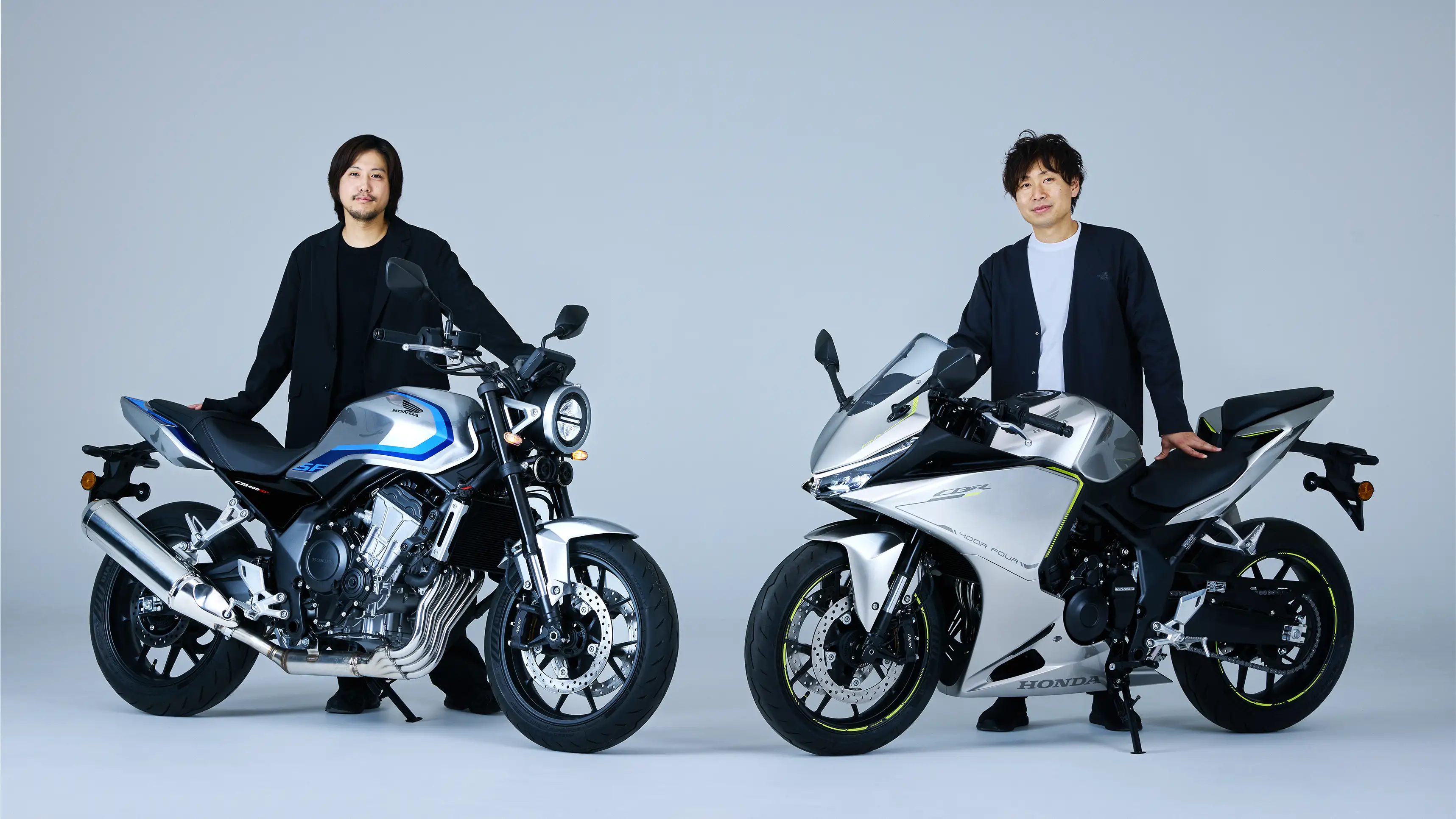
The New Standard Set by the CB400 SUPER FOUR E-Clutch Concept
The significance of deliberately defining a “standard motorcycle” today
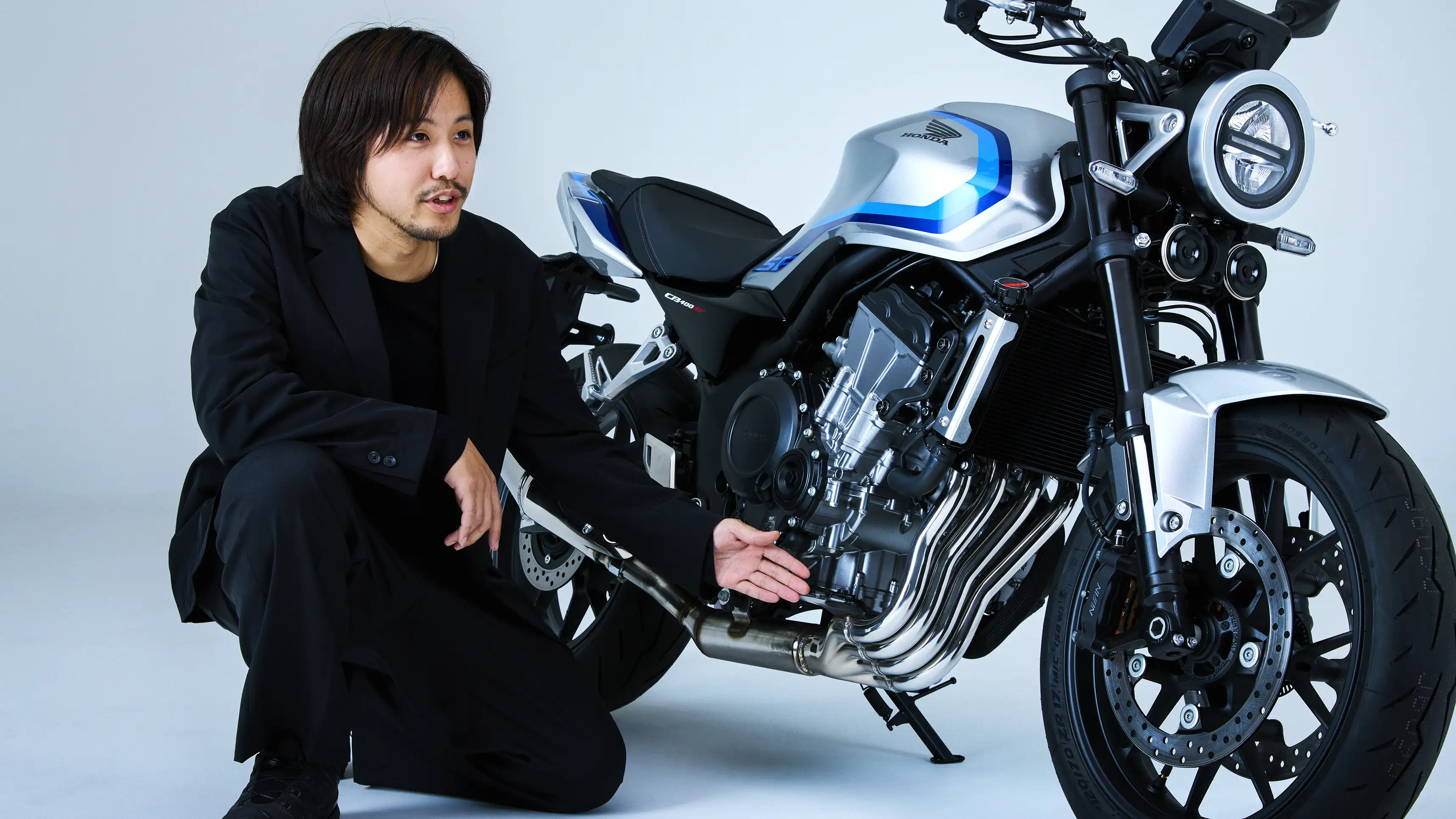
―The CB400 SUPER FOUR, which has led the Japanese naked road sport motorcycle segment since its arrival in 1992, is a symbol of the standard in the Japanese motorcycle market. Modeler Asato Kato, who had admired the CB since high school, volunteered to take on this project and the challenge of redefining it. What were the thoughts he incorporated into the new CB400 SUPER FOUR?
The first question Kato faced in developing the new CB400 SUPER FOUR was, “What defines the standard in today’s world?”
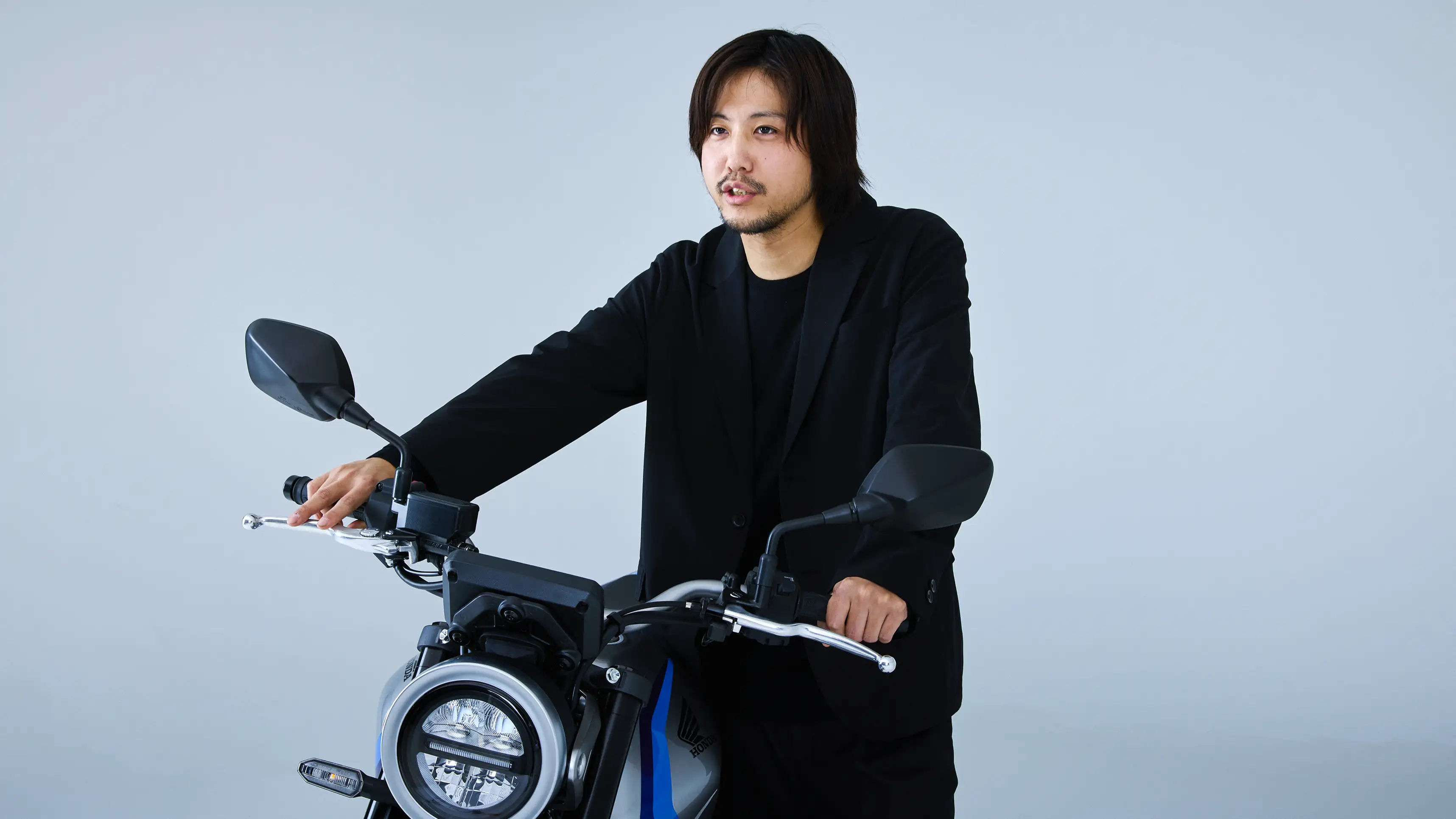
Kato
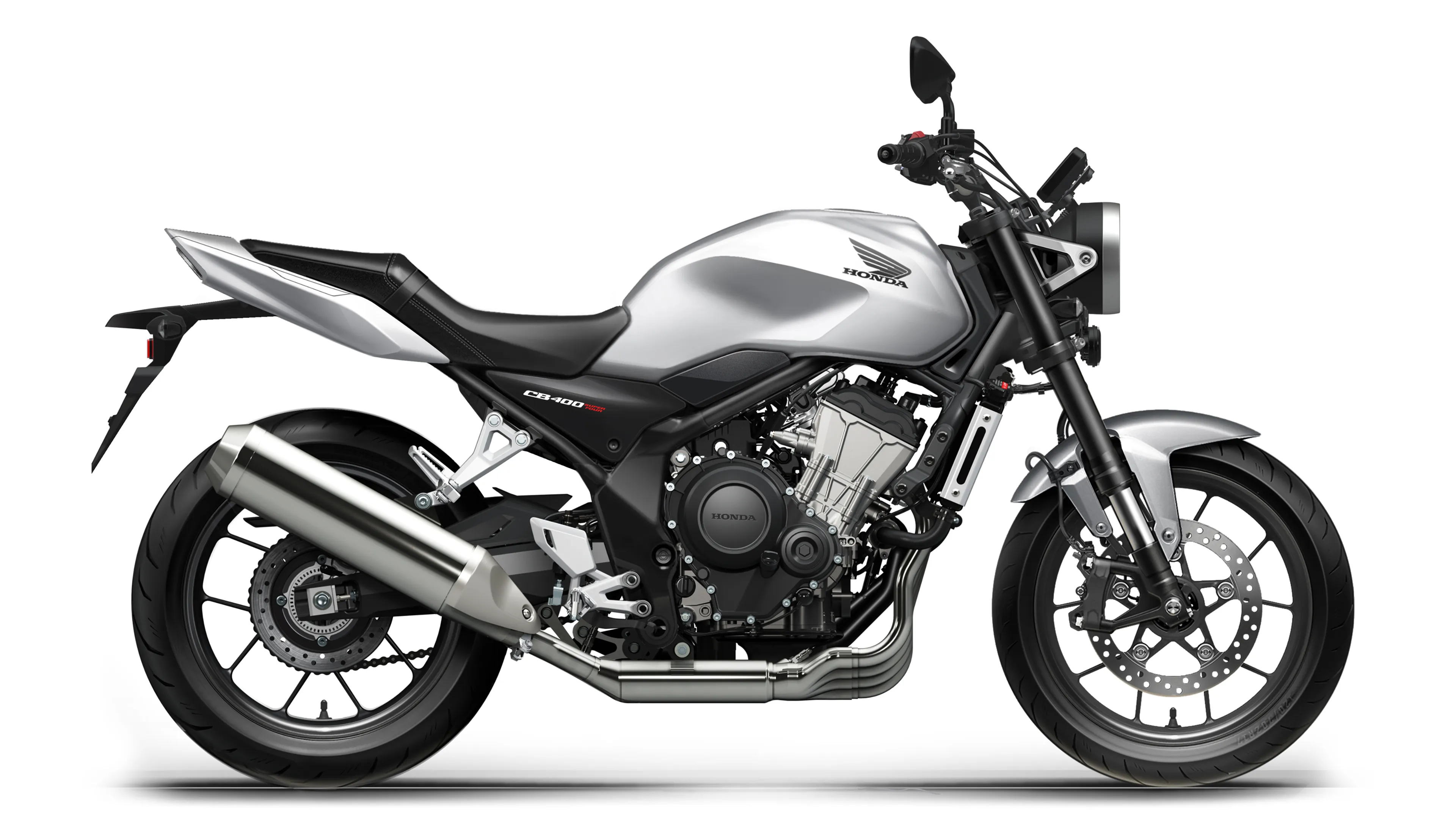
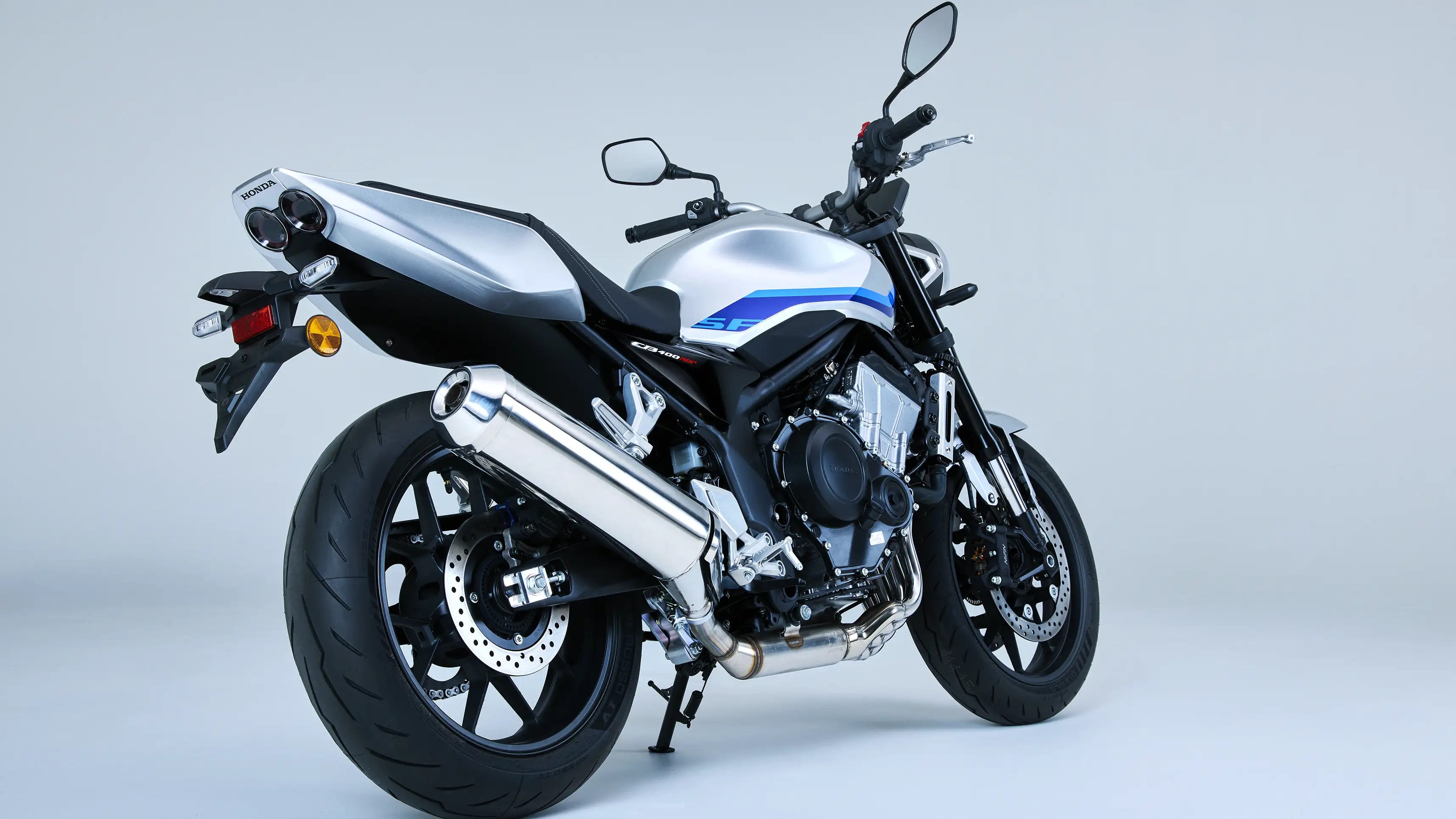
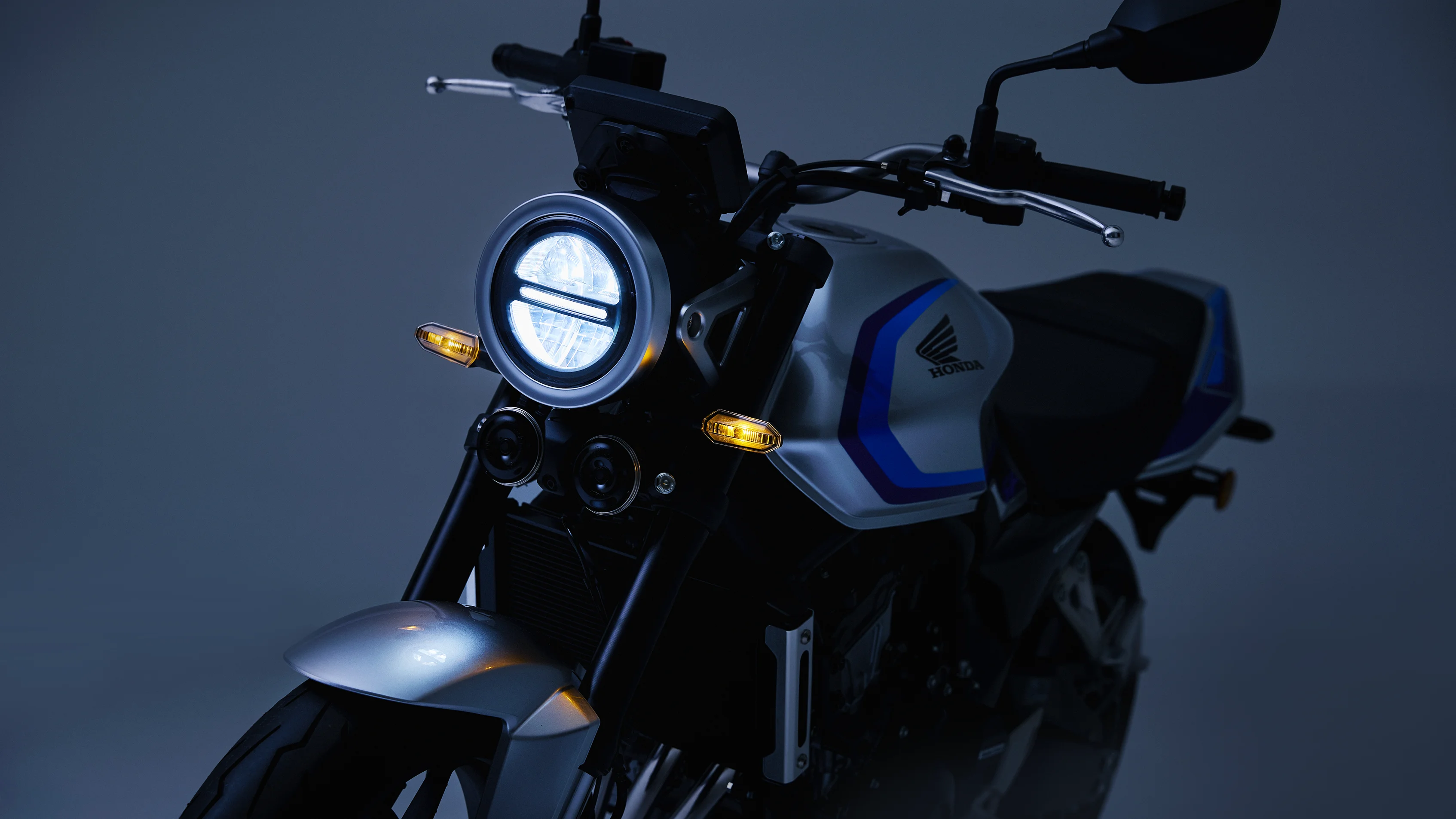
In recent years, motorcycle design has tended to feature increasingly sharp edges in the pursuit of new forms of expression. I felt that the classic shape of a motorcycle―with a round headlight, a steel fuel tank sitting firmly in place, and a rear fairing stretching out smoothly that make everyone think, “Ah, this is a motorcycle” at a glance―was, in fact, disappearing from the world. That’s why I believed that deliberately redefining a “standard motorcycle” in today’s world would appear fresh to people and leave a major impact.
Turning a high school aspiration into a passion for development
―The CB400 is a historic model that has been around since the time Kato was born. When he heard that this project would involve developing even the engine from scratch, he was overcome by the urge to take it on himself.
Kato
Actually, I was almost asked to take charge of developing a different model at one point. However, there aren’t many opportunities in a modeler’s career to create a new 400cc four-cylinder engine, so I repeatedly begged my boss to let me do it. Honda has always had a corporate culture where it’s easy to pursue what you want to do, and this time, my boss understood my passion.
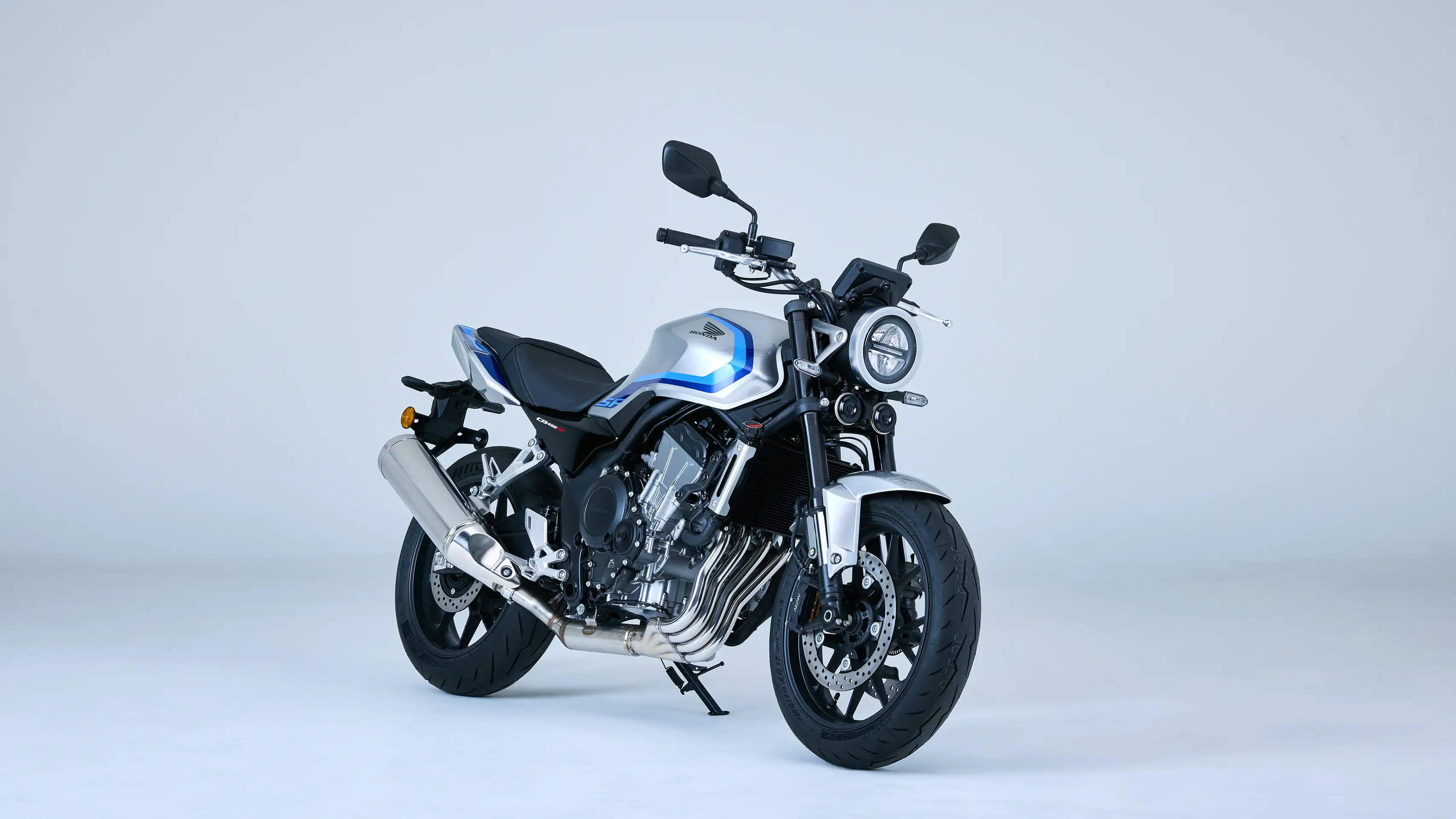
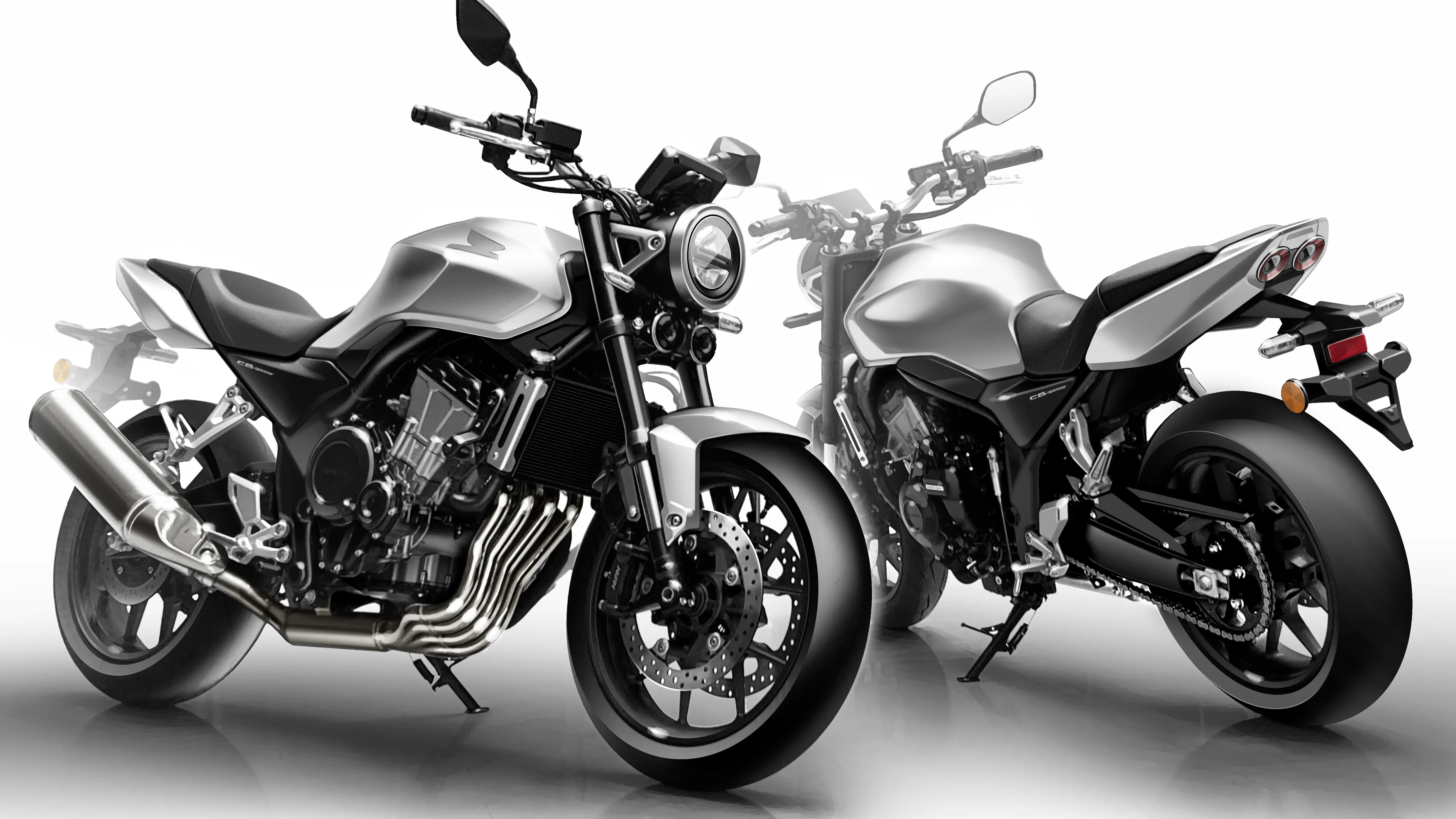
―Soon after, Kato, having finally landed his dream position taking on the CB project, found himself grappling with the never-ending question: “What defines the essence of a CB?” When he conducted internal research, he discovered that opinions varied widely depending on age and position, with some citing the CB750FOUR while others cited the Dream CB400 Four. This revealed that the image of the CB was fragmented.
Although these different models might seem disconnected, there is a common sense of dignity and balance that embodies the essence of the CB. While listening to the insights of many senior colleagues, Kato gradually shaped his own vision of the CB.
Kato
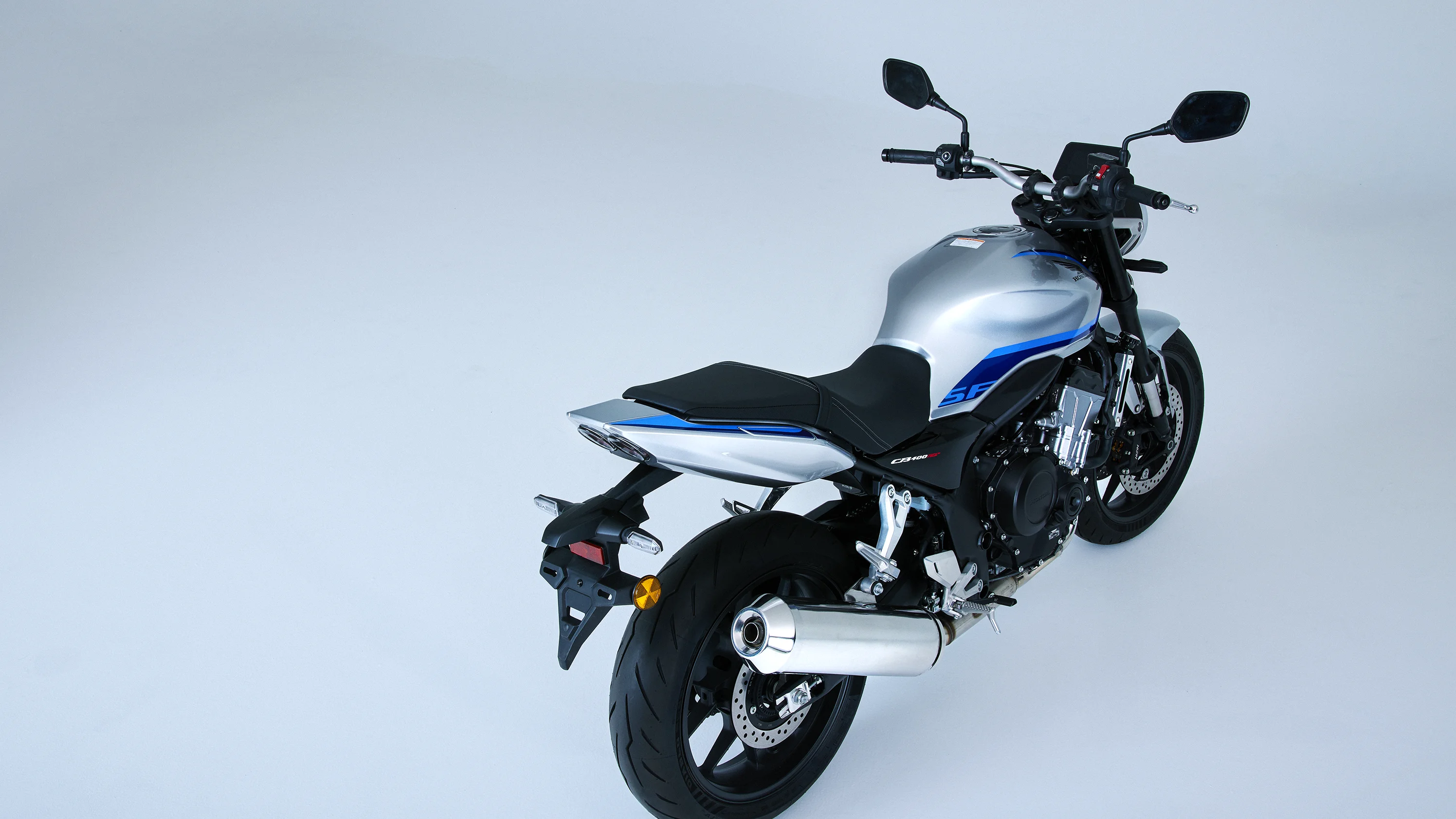
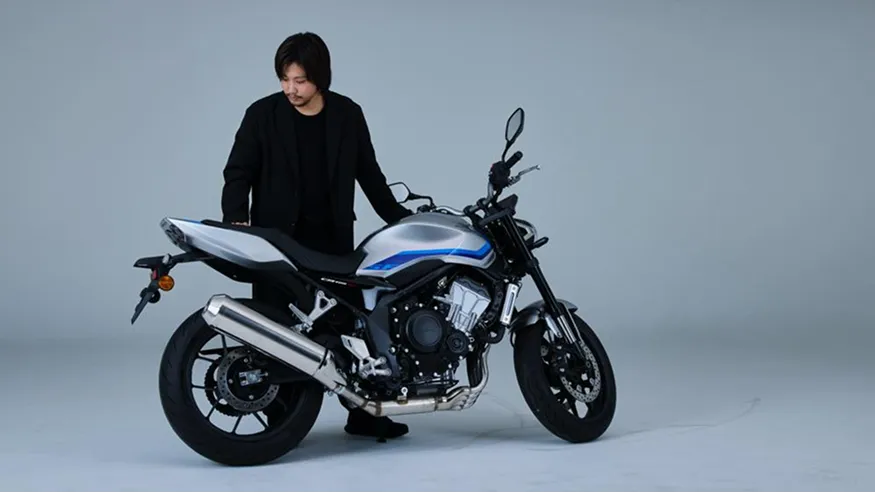
The CB400 SUPER FOUR has a rich history and a distinctive character, and the new model must embody that. The tank of the 400cc is large, creating a specific balance with the rider that looks cool when they’re straddling the motorcycle. For me, a steel tank was absolutely essential to beautifully express that balance. It was difficult to pull off, but I wasn’t willing to give up on it.
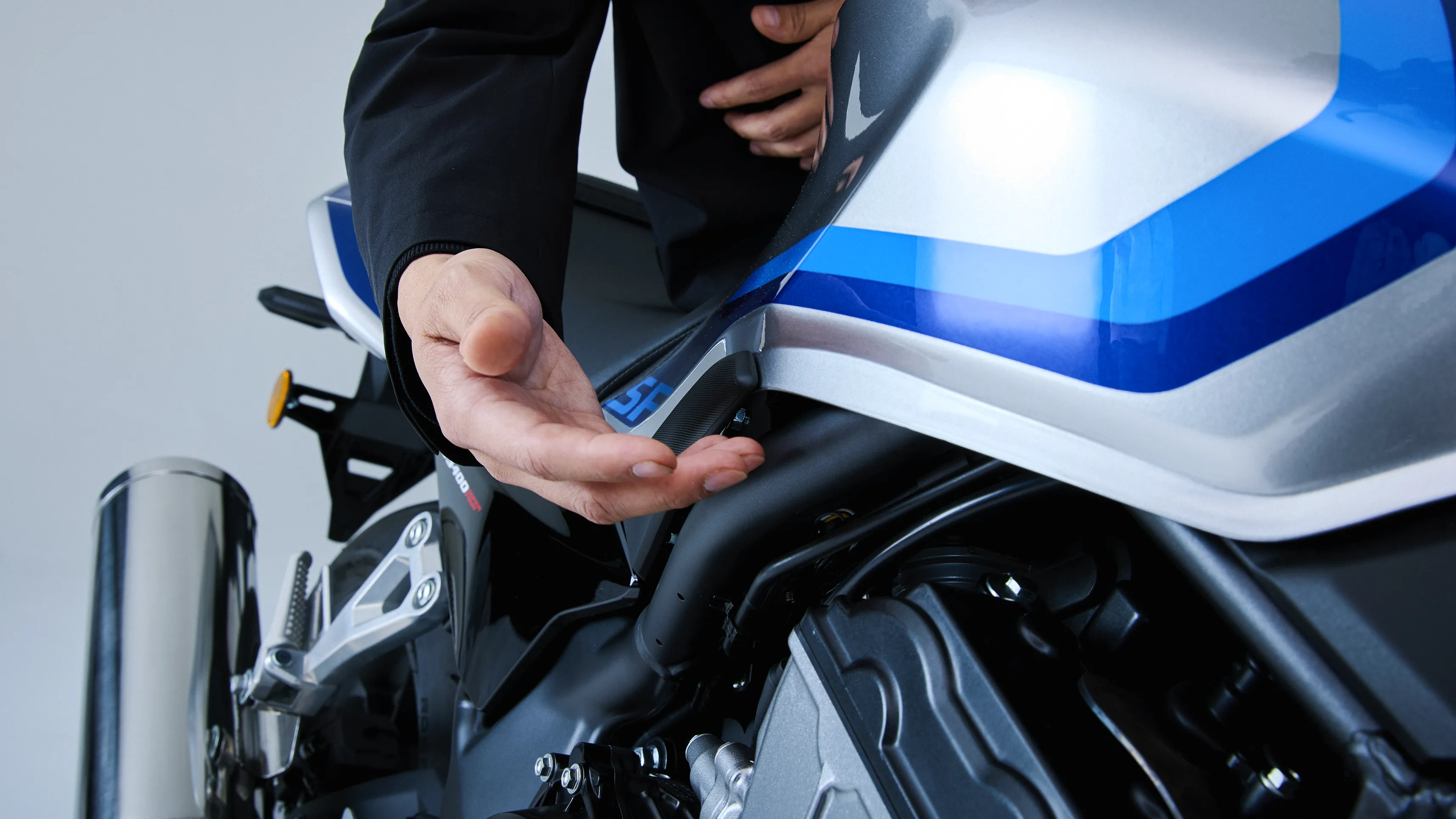
―This is where Kato’s skills as a modeler proved invaluable. He personally carved away at clay, making adjustments down to the millimeter that couldn’t be fully explored through sketches alone, and gradually demonstrated the feasibility of the steel tank.
Kato
It is extremely difficult to achieve both beauty and functionality solely through sheet metal fabrication without relying on plastic covers. Initially, even the engineering team told me it would be impossible, but I was convinced that the CB400 SUPER FOUR absolutely had to have a steel tank. Where should the weld lines be placed to look beautiful? Would the rider’s fingers get caught when turning the handlebars? Would there be enough clearance for the roller welding machine on the production line? We conducted detailed studies using clay models to create a beautiful tank shape that was true to the essence of the CB while ensuring practicality and mass-producibility. Giving physical shape to these ideas allowed the entire team to reach a shared understanding that it would work.
―For Kato, using the power of design to overcome the limitations of industrial products was also a matter of pride as a modeler who masterfully shaped three-dimensional forms.
Inspiration born from a 50-year-old advertisement: The functional beauty of a four-cylinder engine
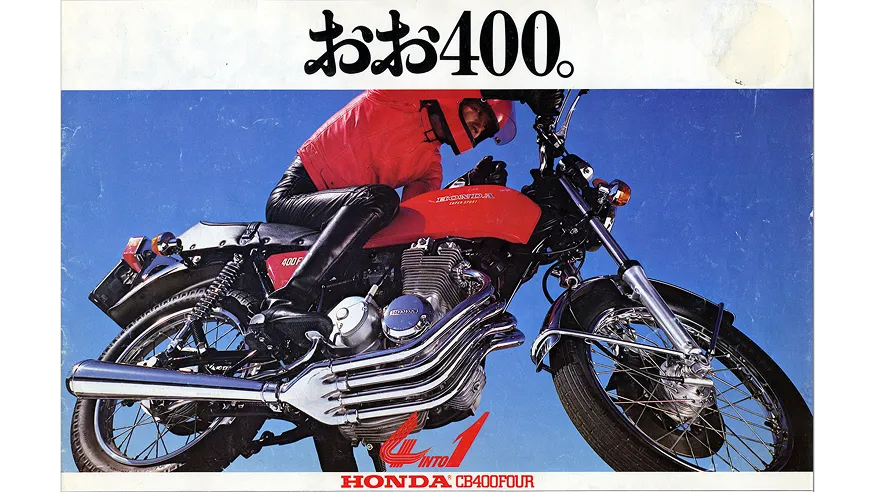
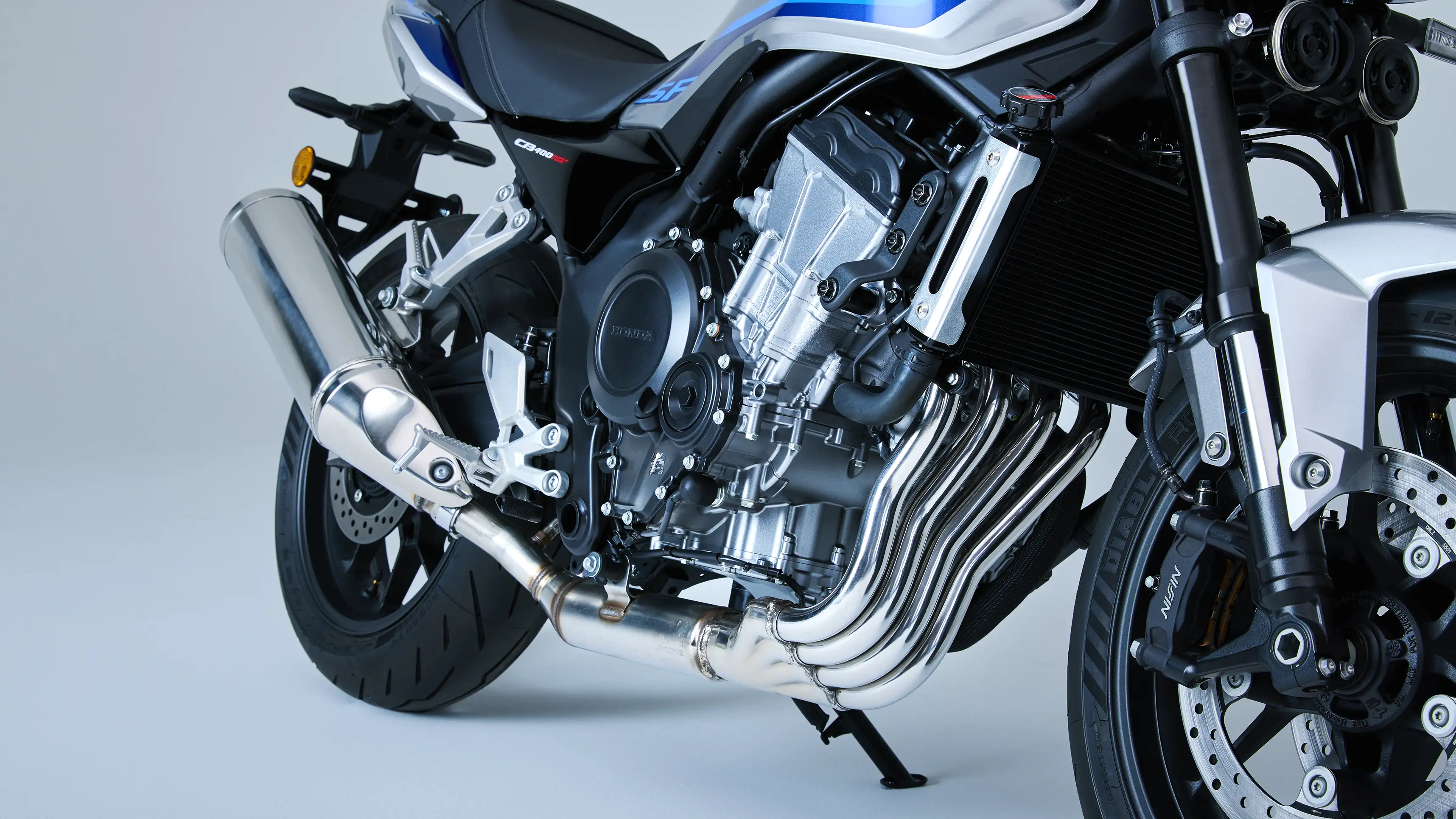
―Another key feature of the new CB400 SUPER FOUR is its newly developed four-cylinder engine. Kato honored Honda’s history as “the engine company” by pursuing functional beauty free of excessive embellishments. His source of inspiration was the legendary 1970s model, the Dream CB400 Four.
Kato
The Dream CB400 Four is a motorcycle from over 50 years ago, featured in an ad with the famous tagline, “Oh, 400.” Even today, its sleek silhouette with its prominent exhaust pipes looks incredibly cool. I wanted to ensure that this new model, also a 400cc motorcycle, would hold its own when compared to that historic beauty.
Convinced it was the “best motorcycle” during test rides
―While the new CB400 SUPER FOUR carries on the tradition, its performance has evolved significantly, weighing less than its predecessor and offering dramatically improved handling. Kato describes having unforgettable memories of working with the team during the process of creating a “motorcycle that’s fun to ride.”
Kato
This development team included many young members, making for an incredibly vibrant project. Toward the end of development, the entire team stayed at a traditional inn and spent time riding on external test tracks. Opportunities for the entire development team to ride a nearly finished motorcycle together are rare, so being able to straddle the motorcycle we’d worked so hard to create and ride together as if on a road trip is a memory I truly cherish.
―Designers, engineers, and test riders stayed at the same inn and rode on the same roads, sharing their excitement and joy. The conviction gained during this test that it was “the best motorcycle” became the final touch that brought the new CB400 SUPER FOUR to completion.
The CB400 SUPER FOUR E-Clutch Concept is not merely a rehash of the past; it is the 21st-century standard, embodying the responsibility of carrying the historic CB legacy into the next generation, the technical dedication upheld as a modeler, and the “joy of riding” that the entire team strived to achieve. In an era where it has become difficult to be ordinary, Honda presents “the most beautiful standard motorcycle.” The entire team eagerly awaits the day it takes to the streets.
New Ground Broken by the CBR400R FOUR E-Clutch Concept
The “Aesthetics of Subtraction” That Captivates Digital Natives
Seamless design that stands out in a highly competitive global market
―This article introduces another Honda 400cc model with a distinct character. In the global market, the 400–500cc fully faired sports motorcycle category is a fiercely competitive arena where manufacturers worldwide are launching their latest models. The current global design trend favors designs rich in intricate details. Fueled by the global surge in interest in mechanical hobbies, powerful, mechanically inspired styling has become the trend.
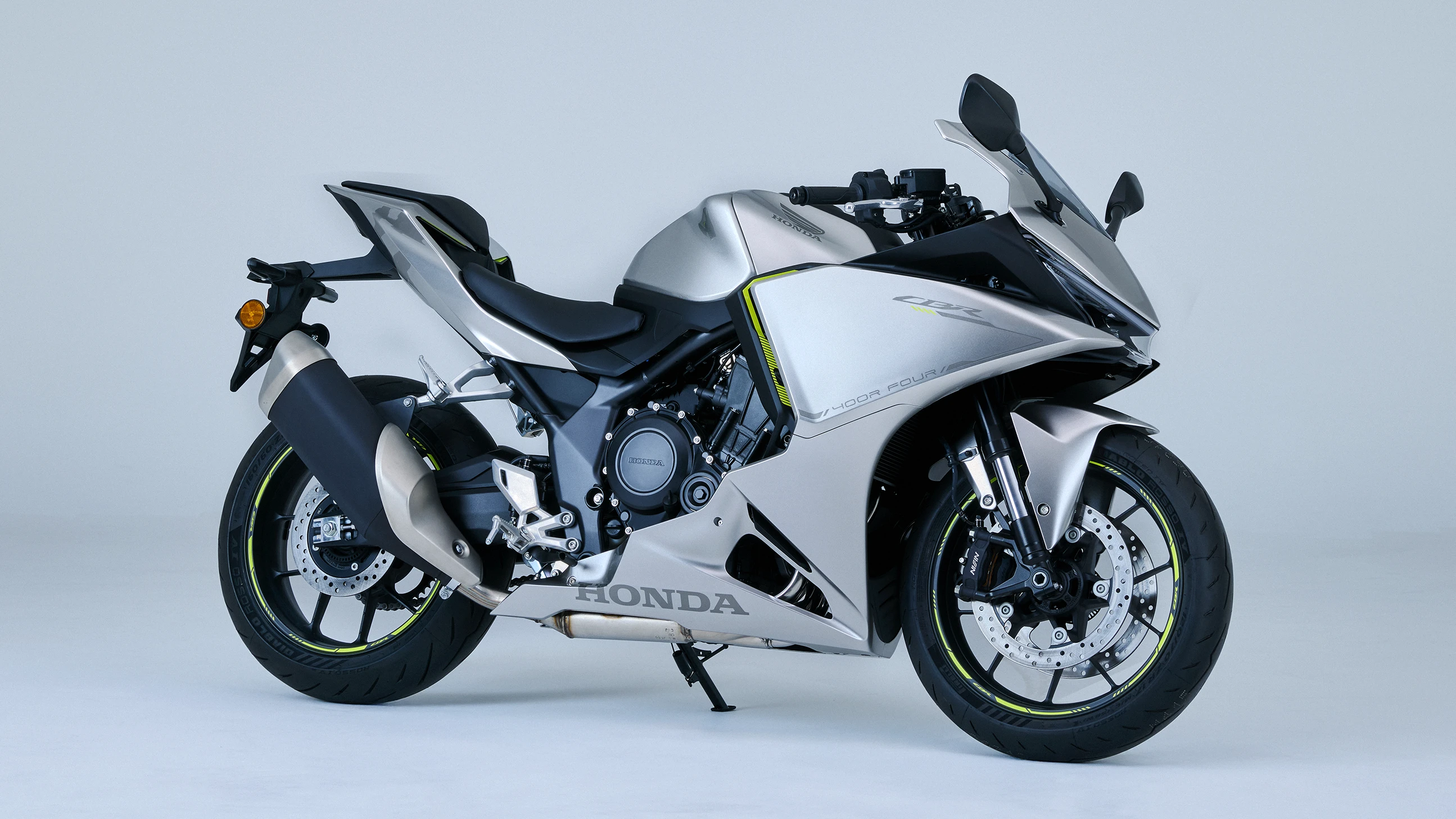
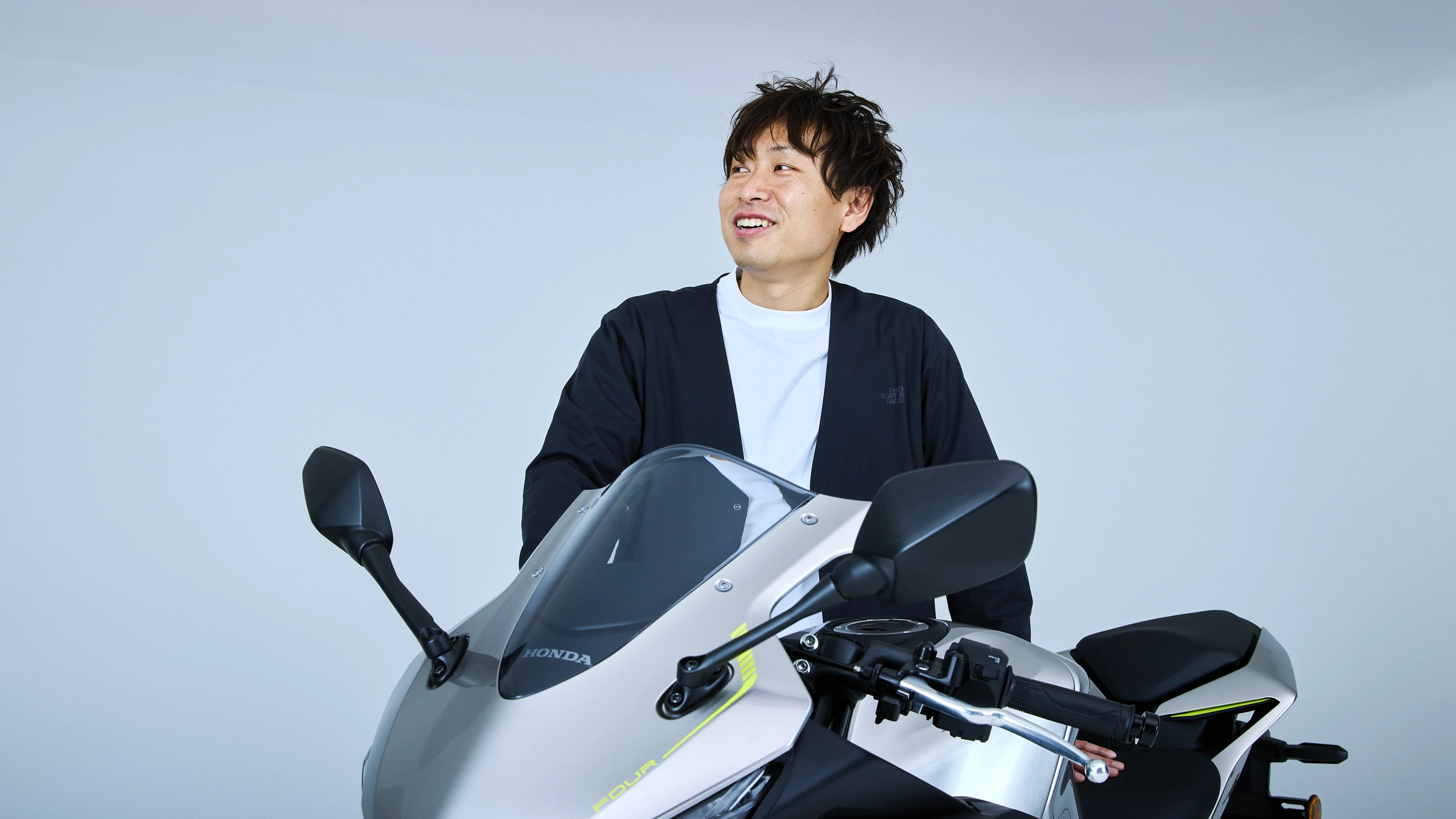
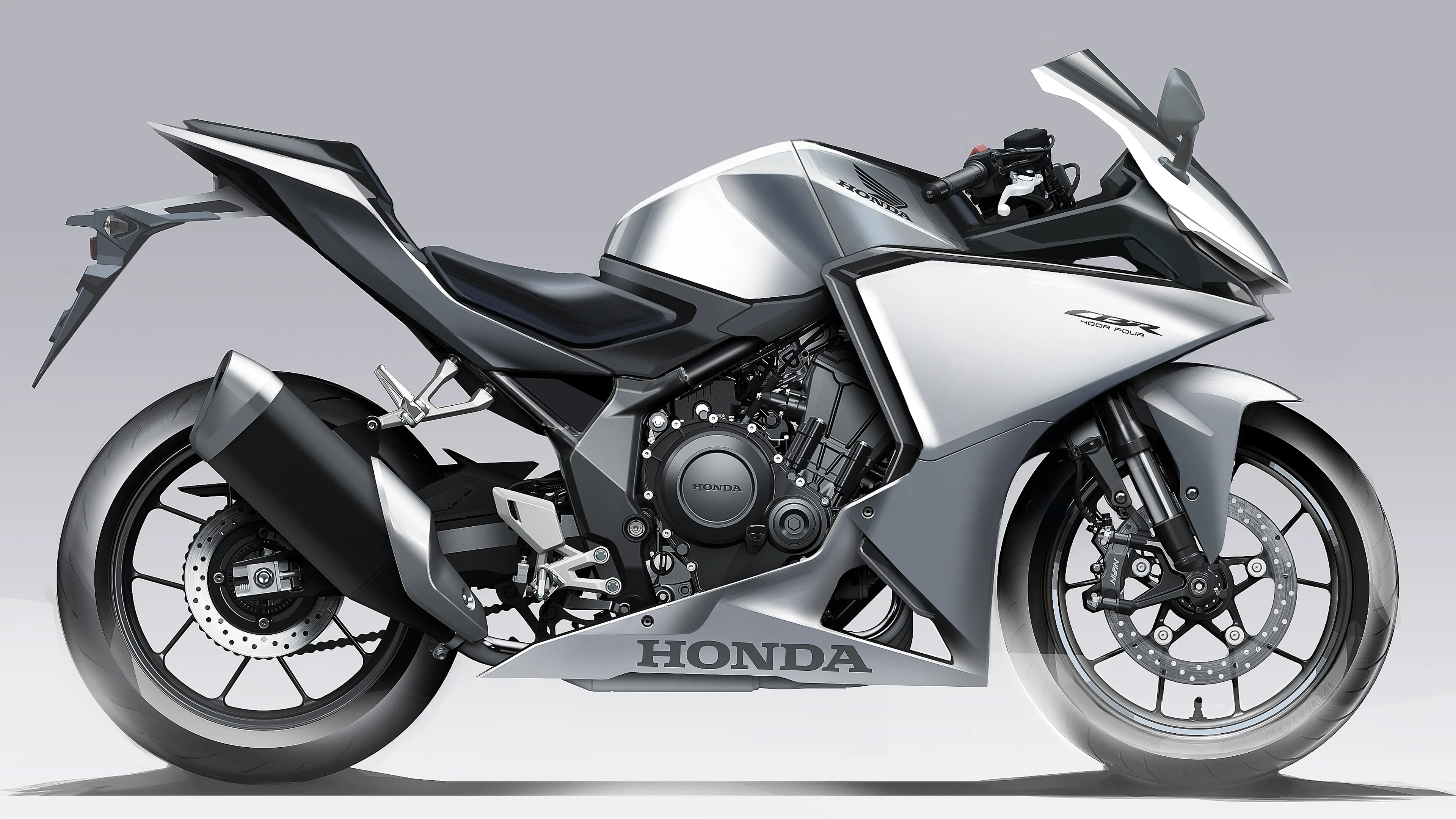
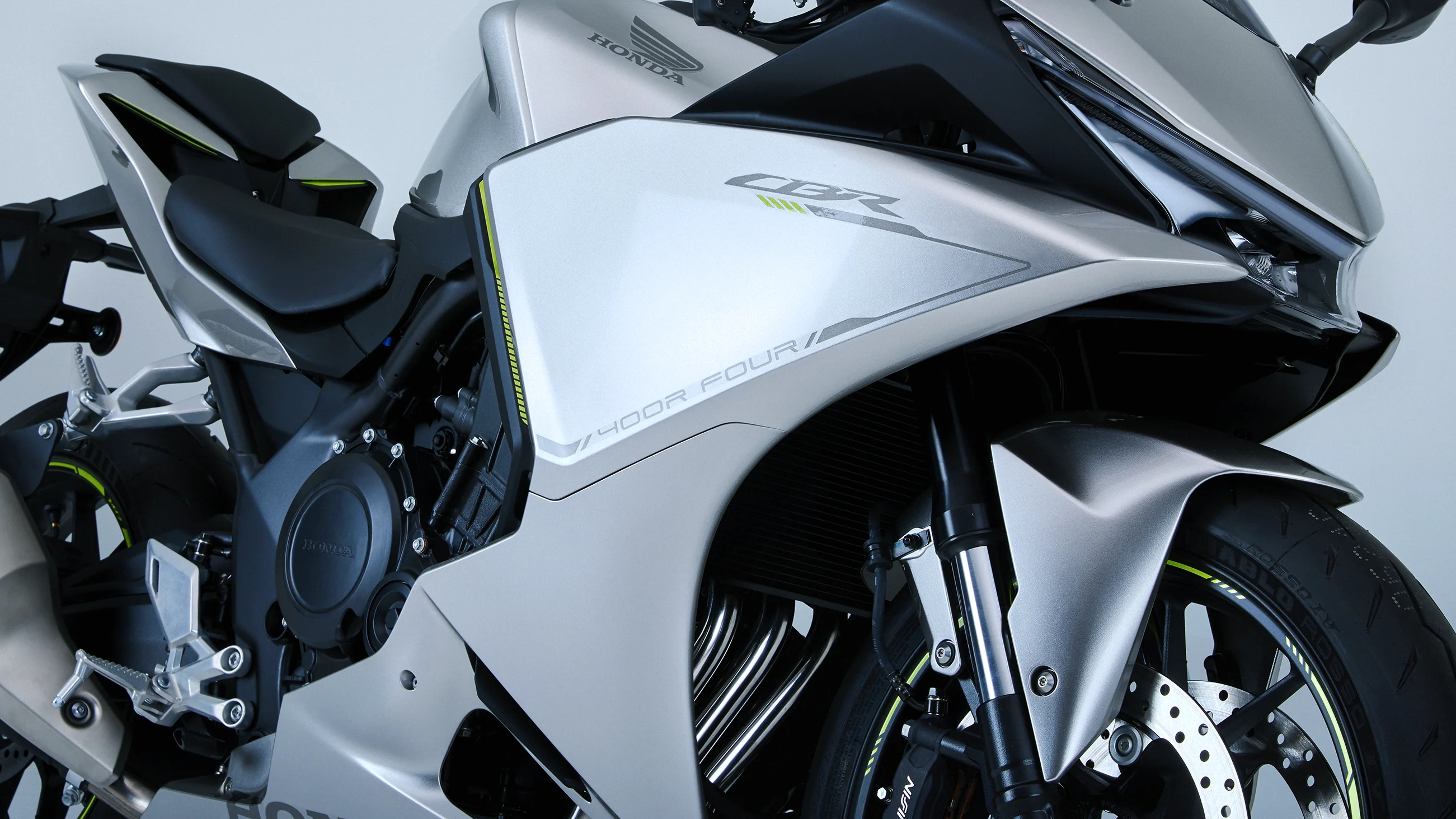
―In this environment, Kazuki Watanabe, the designer of the CBR400R FOUR E-Clutch Concept, arrived at a solution that broke away from current trends: solid surfaces that looked as if they had been carved with a knife, combined with a seamless surface composition woven from minimal lines. It’s a clean aesthetic where surfaces flow smoothly into one another, reminiscent of the latest automotive EVs. By bringing this “aesthetics of subtraction” to the world of motorcycles, he sought to create a truly one-of-a-kind presence.
Watanabe
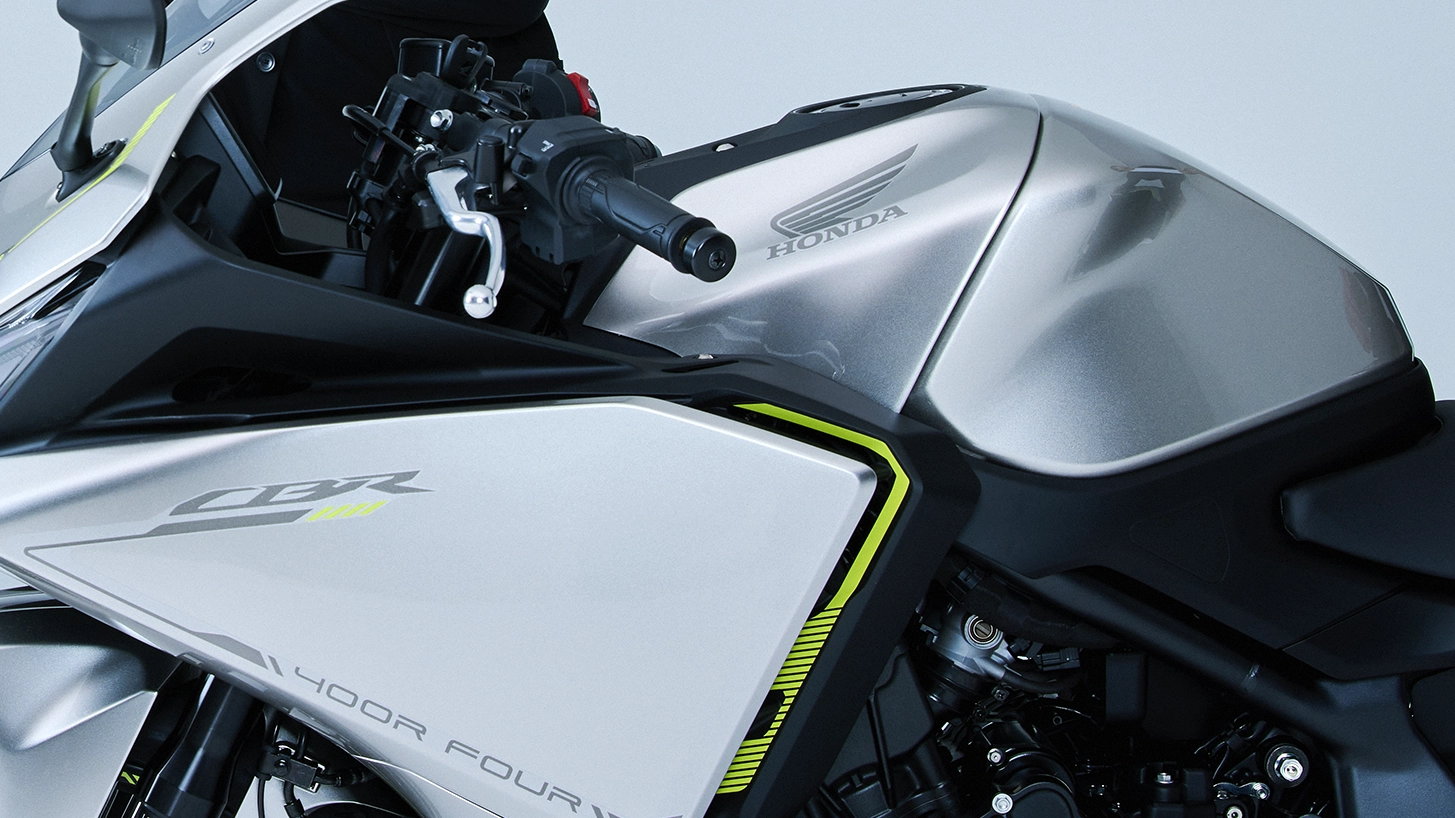
Creating a seamless surface composition carried the risk of appearing too plain if even the slightest mistake were made. That’s why I focused on creating powerful character lines that immediately capture the eye. I was particularly insistent on aligning the outlines of the tank cover and the middle fairing at the same angle and height, bringing out a single line that runs through the entire motorcycle. This approach deliberately avoids complex sculpting and instead uses minimal character lines to sharply emphasize the surfaces, thereby conveying a sense of speed and power.
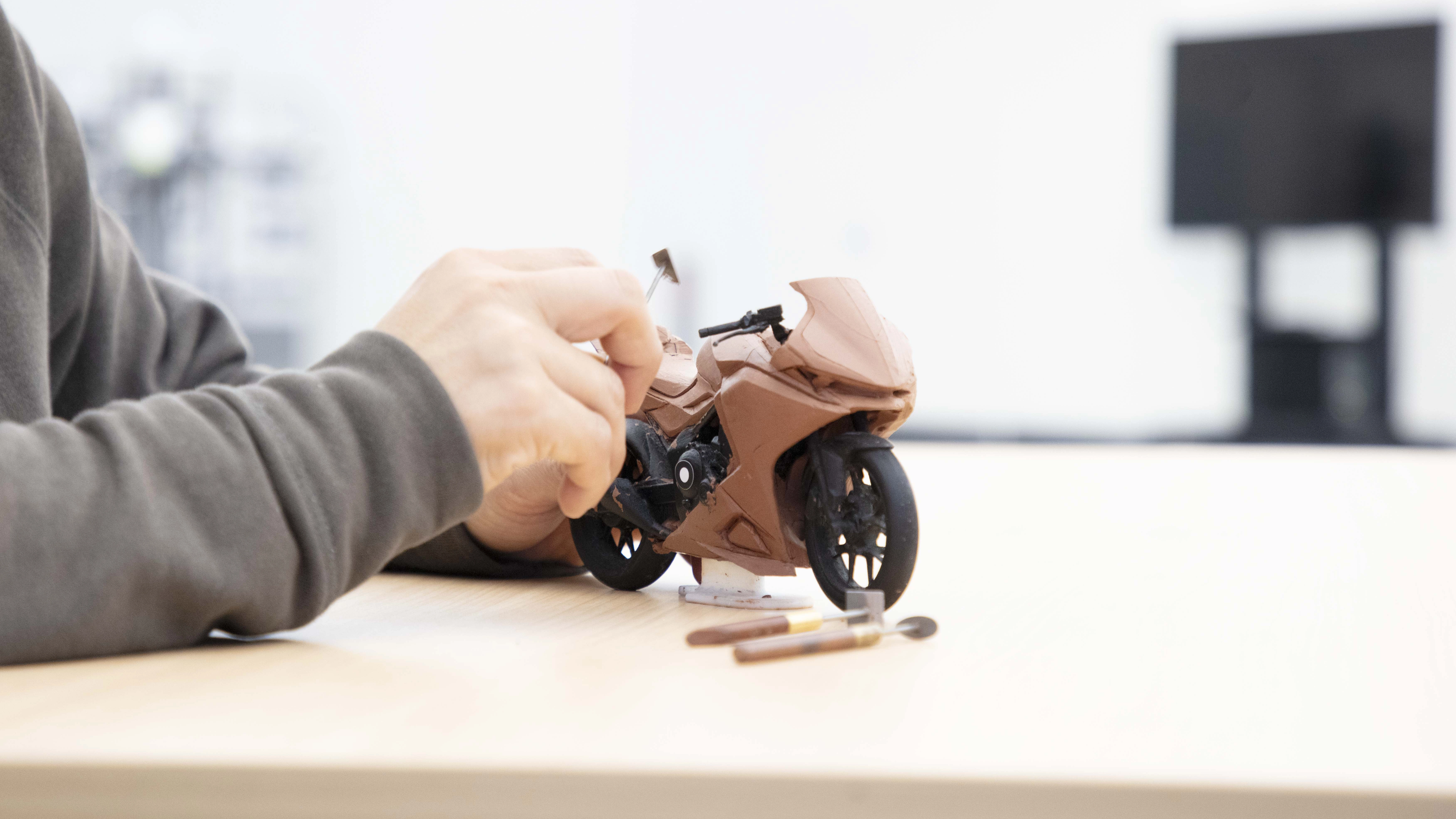
The theme is “digital influencer”
What design makes riders want to share it themselves?
―The styling theme is “Digital Influencer,” conceived to create a strong impact that inspires CBR400R FOUR E-Clutch Concept riders to share their experiences on social media and become influencers themselves. In today’s world, how people present themselves on social media and the trends that emerge through these platforms are extremely important. The team conducted thorough research on social media to create a design that riders would “want to share with the world.”
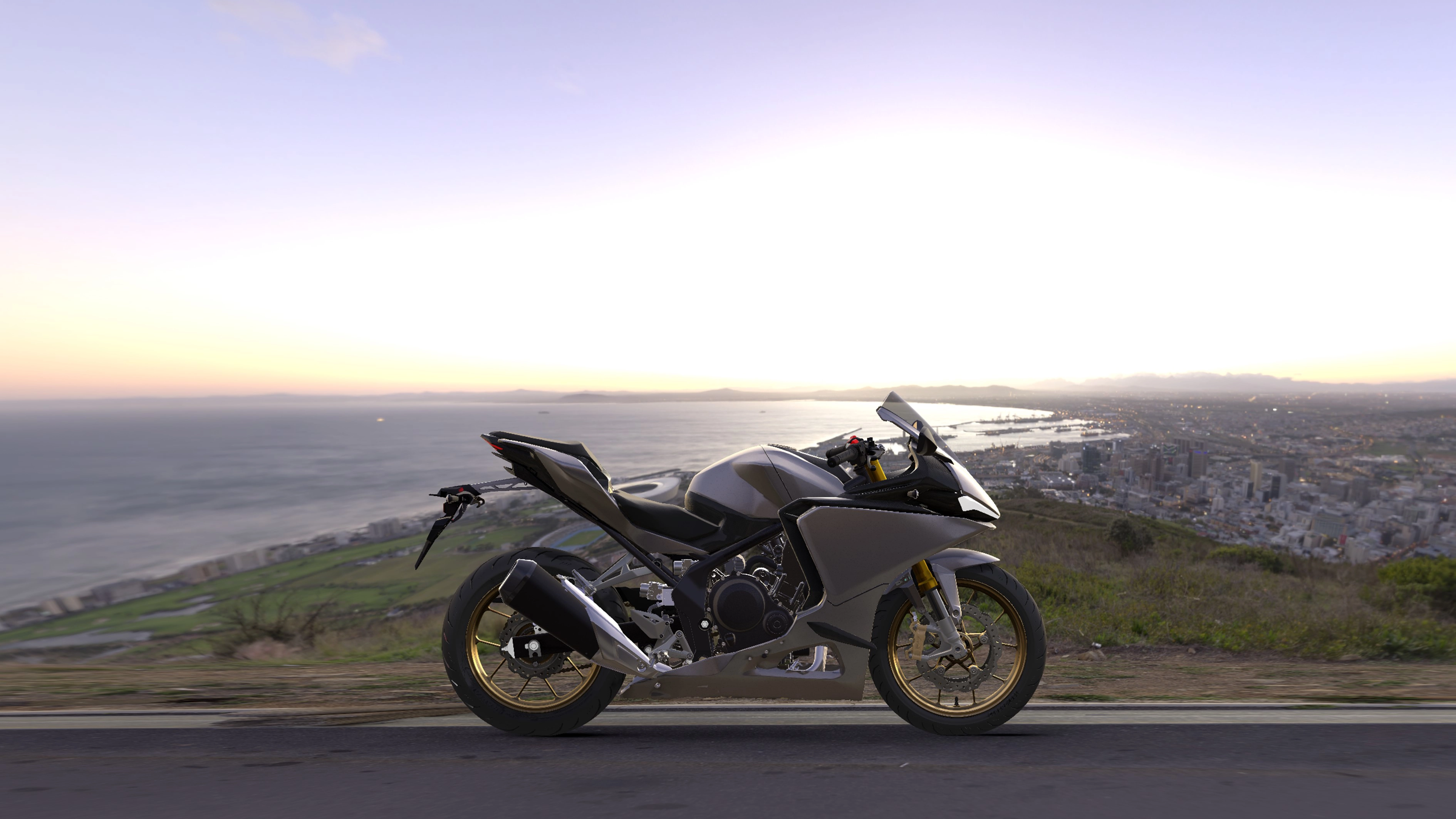
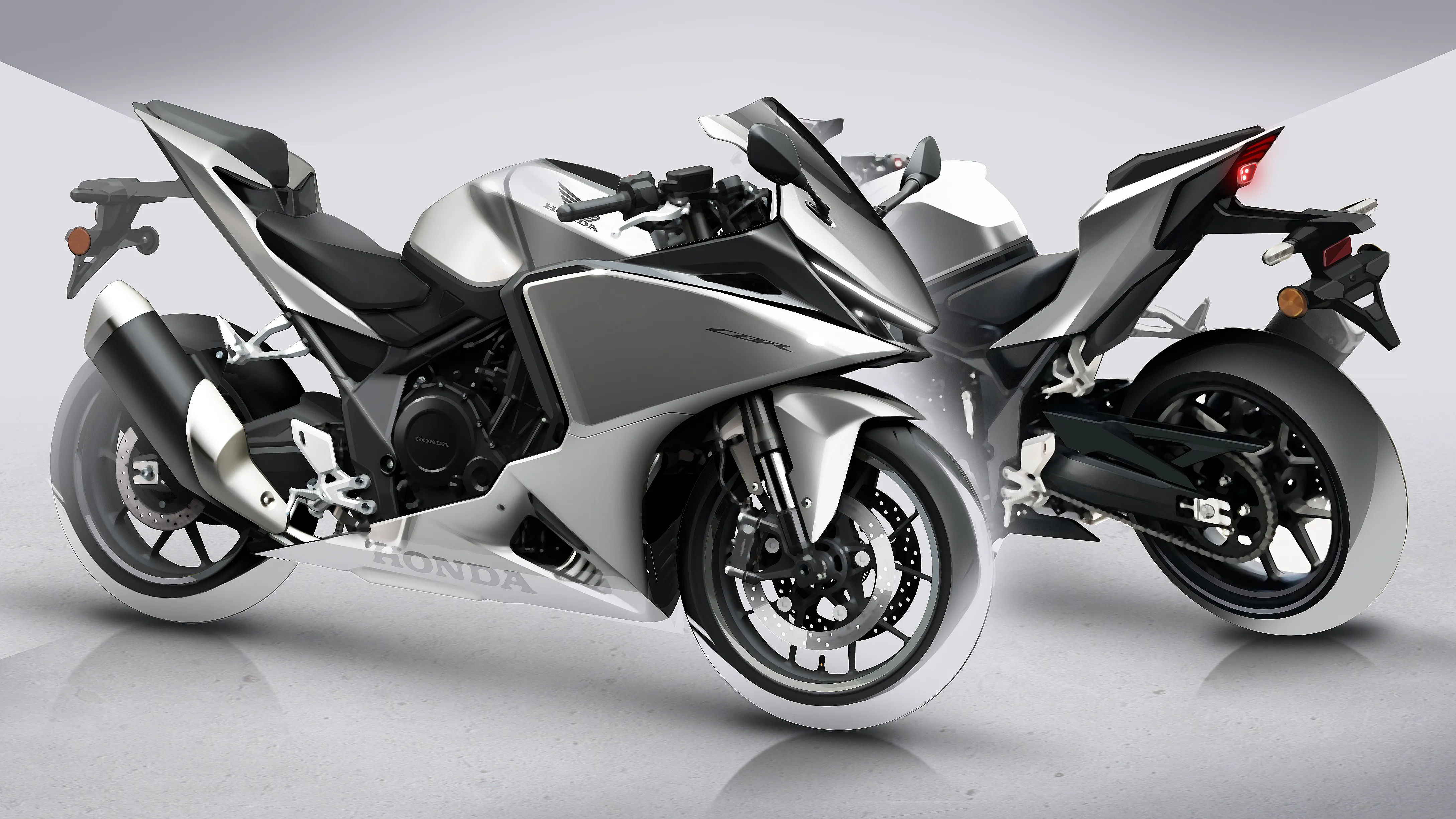
―This strategy is reflected in the color scheme and graphics as well. A metallic silver was chosen for the body color, which is rare for the CBR series.
Watanabe
We finished the motorcycle in a single shade of silver to further highlight the surface composition, which is the key design element. The star of the CBR400R FOUR E-Clutch Concept is its surfaces, so we limited the color palette to accent colors that bring out their appeal, aiming to maximize the attractiveness of the design. I believe this has enhanced the mechanical impression and created a unique, futuristic presence.
The fusion of functionality and identity
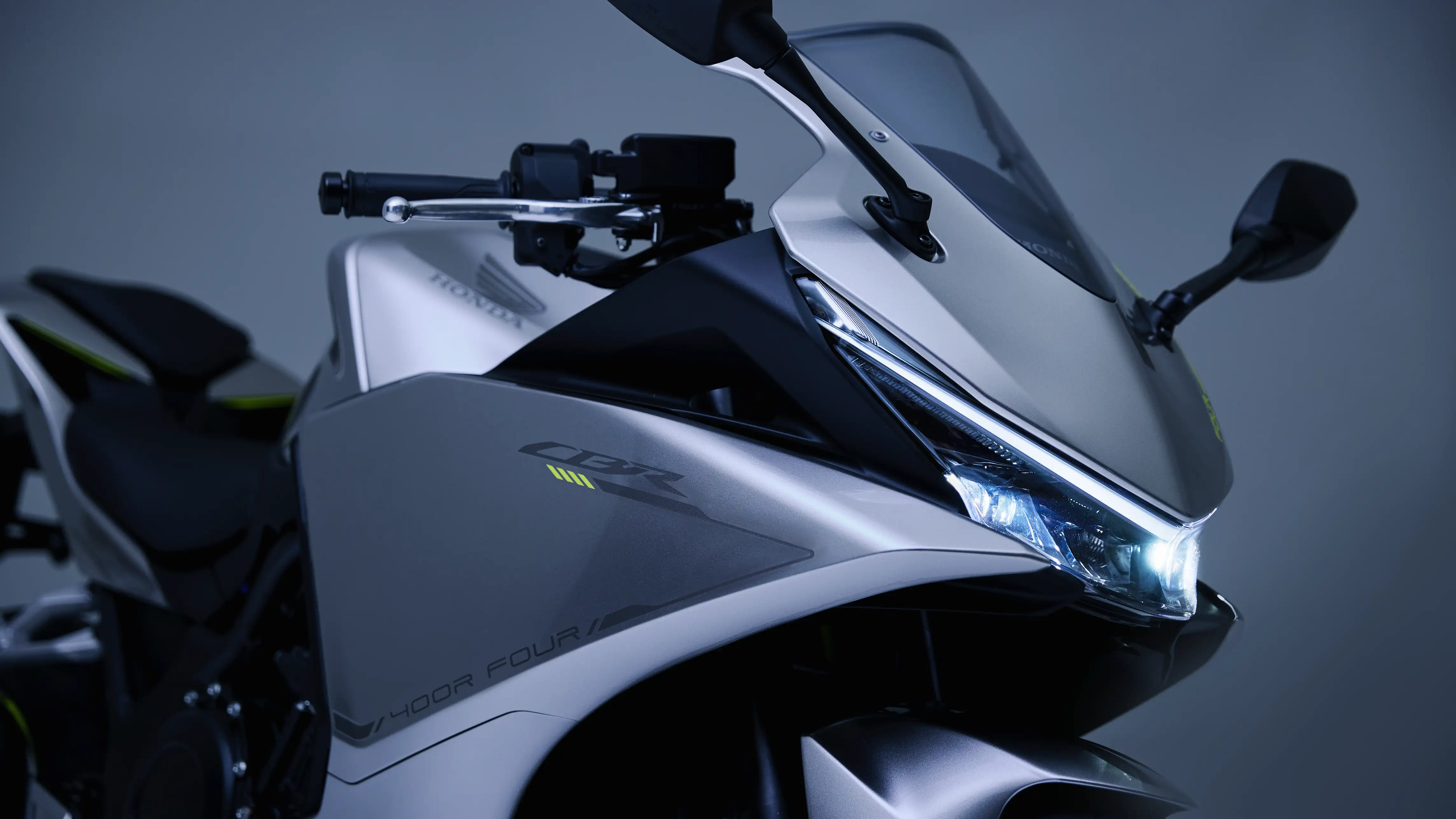
―For the headlights, the team deliberately broke away from the CBR’s traditional design of menacing twin headlights and developed a new V-shaped signature light that spans horizontally across the front. The aim was to create a new image for the CBR while carrying forward its identity.
Rather than a lifelike, expressive look, the team aimed for an inorganic, digital aesthetic and decided to go with a custom design. However, the twin-headlight design that defines the CBR’s identity is preserved through projector lights positioned within the V-shaped line.
Watanabe
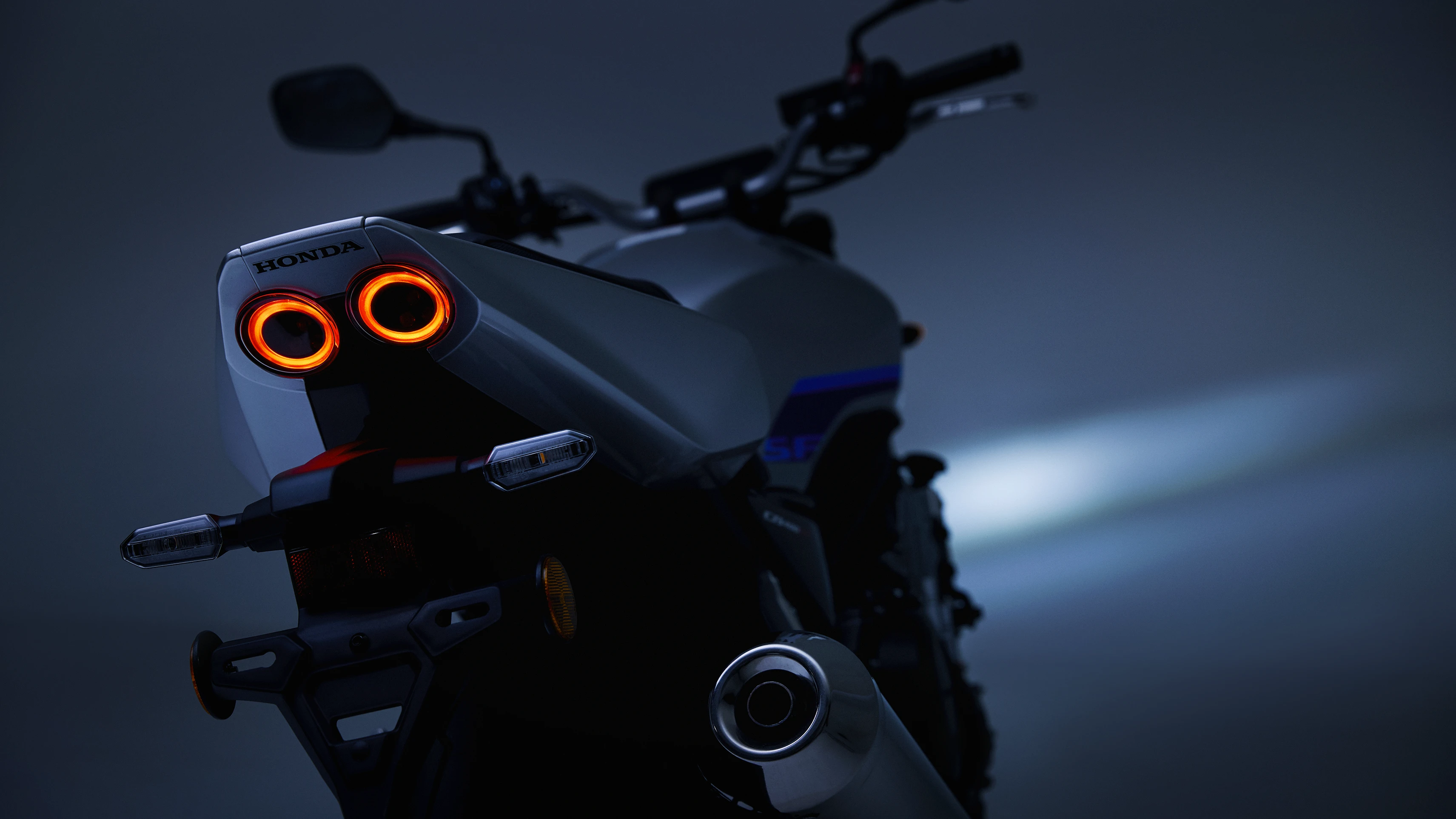
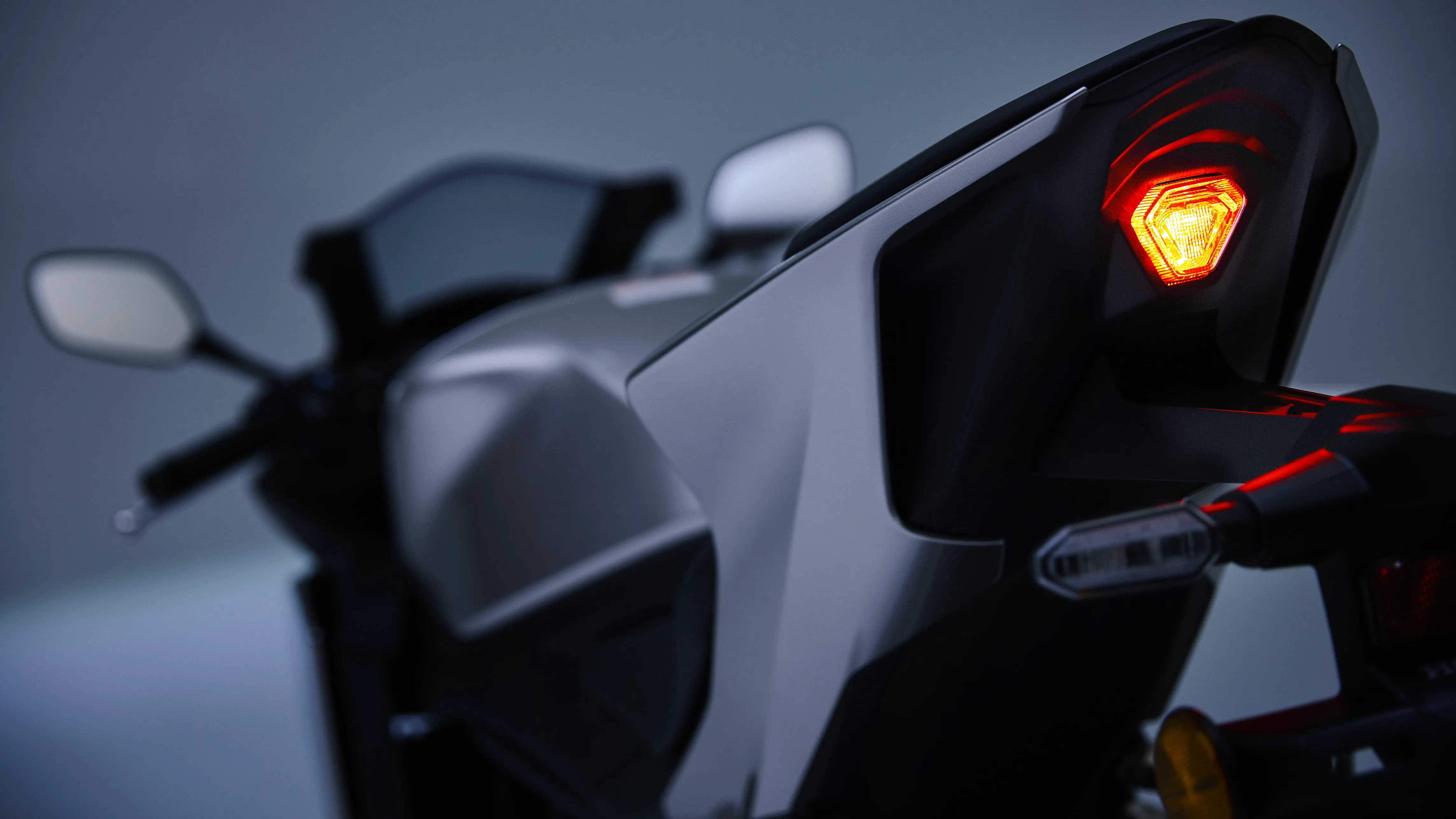
We also strove to create a distinctive look for the taillights not by showcasing the lights themselves, but by having them reflect off the surrounding bodywork. We went through repeated trial and error, paying meticulous attention even to how the light reflects when viewed from the rear.
Honda’s culture of passion driving the organization and bringing ideals to life
Watanabe
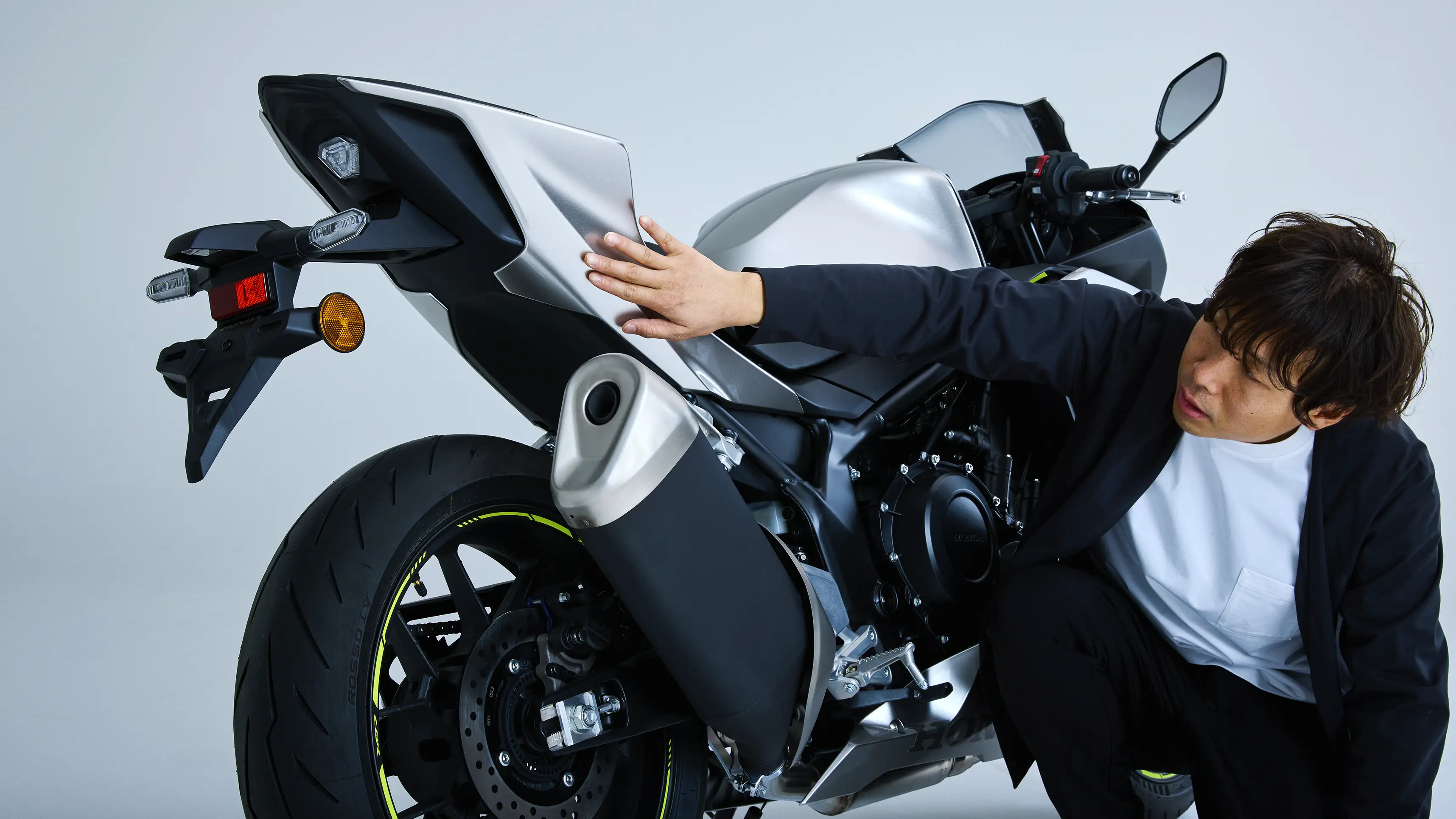
-The CBR400R FOUR E-Clutch Concept features a custom design from its exterior to its rear frame. Developing a custom design for a mass-produced vehicle presents significant hurdles in terms of both development and cost; however, Watanabe refused to compromise based on his conviction that “we can’t win by creating something half-baked.” An individual’s conviction can drive an organization and bring an ideal to life. This embodies the bottom-up culture that has been passed down at Honda.
Watanabe
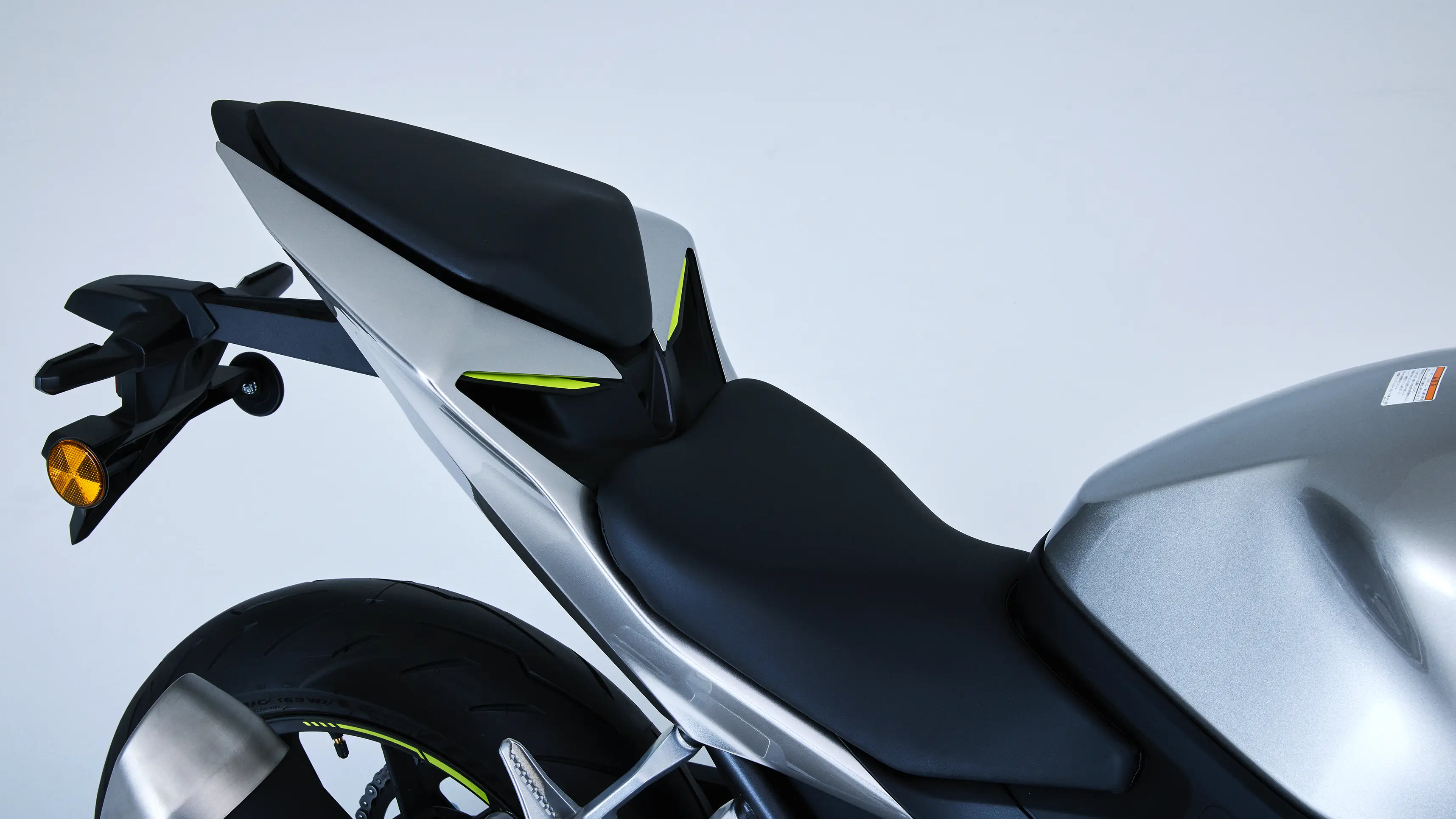
For young riders and beginners, being able to touch the ground with both feet provides a sense of absolute security. However, lowering the seat height risks making the silhouette look bulky, which could detract from its sporty appeal. With the CBR400R FOUR E-Clutch Concept, a custom rear frame design maintains a high-riding, aggressive look while ensuring that riders sink into the seat and can firmly plant both feet on the ground when straddling the motorcycle. Early in the planning phase, while options like using shared parts were being considered, we prepared concept sketches for the development and sales teams to visualize and propose the unique appeal that could only be achieved through custom development. Rather than relying on emotional arguments, we presented the value that could only be attained through a custom design as facts, thereby building consensus within the team. The friendly footing hidden behind its futuristic visuals creates a “contrast between aggressive styling and rider-friendliness,” which is one of the true appeals of the CBR400R FOUR E-Clutch Concept.
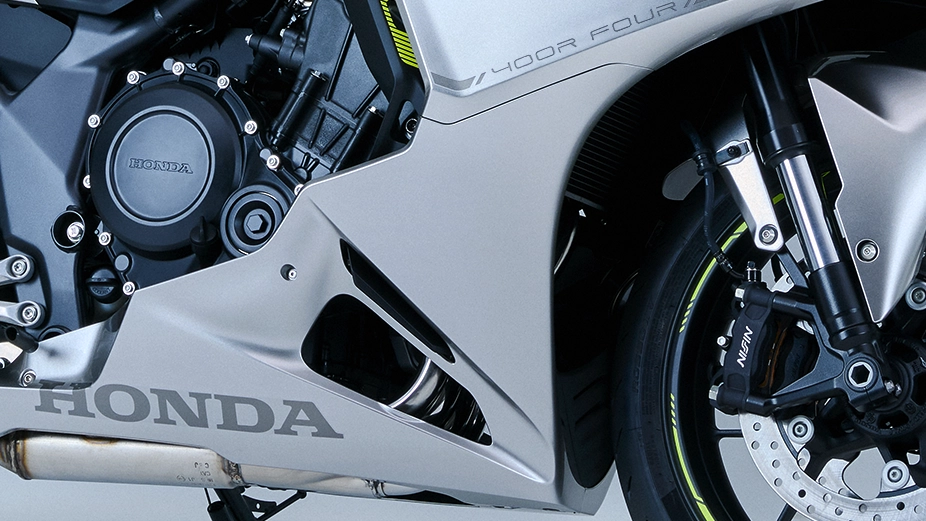
―There are absolutely no compromises when it comes to functional beauty. The engine is a completely new design, the first in about 30 years. In particular, the arrangement of the four exhaust pipes was crafted in pursuit of beauty that cannot be achieved by prioritizing performance alone. After numerous exchanges with the engineers, the fairing shape was meticulously refined so that the beauty of those exhaust pipes is visible even through the gaps in the fairing. “I want people to ride it a lot, polish it up, take photos, and show it off proudly,” said Watanabe with a smile. “I want to continue creating designs that balance function and beauty and make riders’ hearts race,” he added, revealing his determination as a designer leading the next generation.
Opposing approaches with the same goal: “The joy of riding”
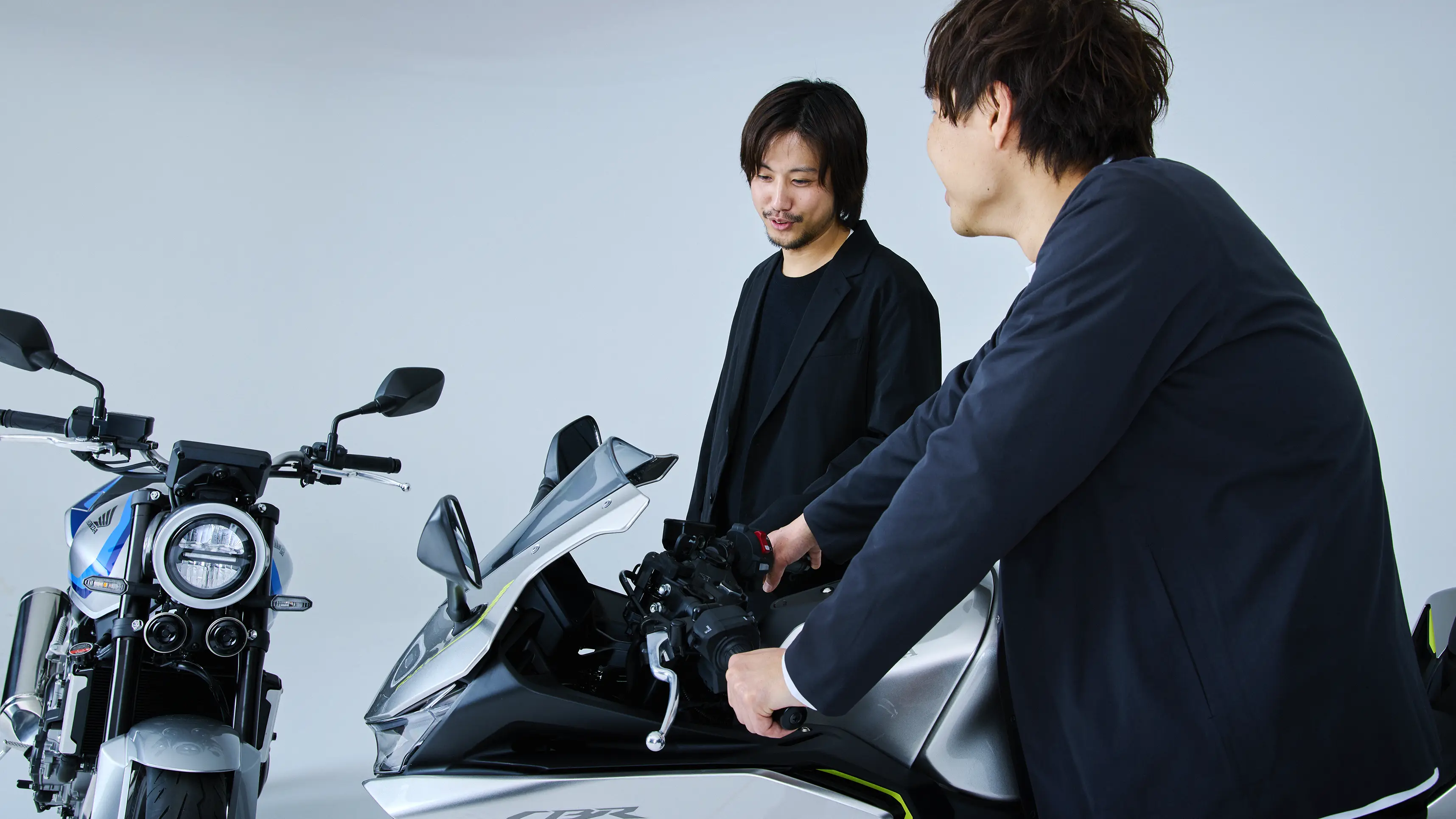
―Kato carried forward tradition and pursued the ultimate standard, while Watanabe forged a new-generation identity through unique surface composition. These two approaches to the unique 400cc class may be complete opposites, but at their core lies Honda’s shared passion: “to move the hearts of riders.”
Profiles
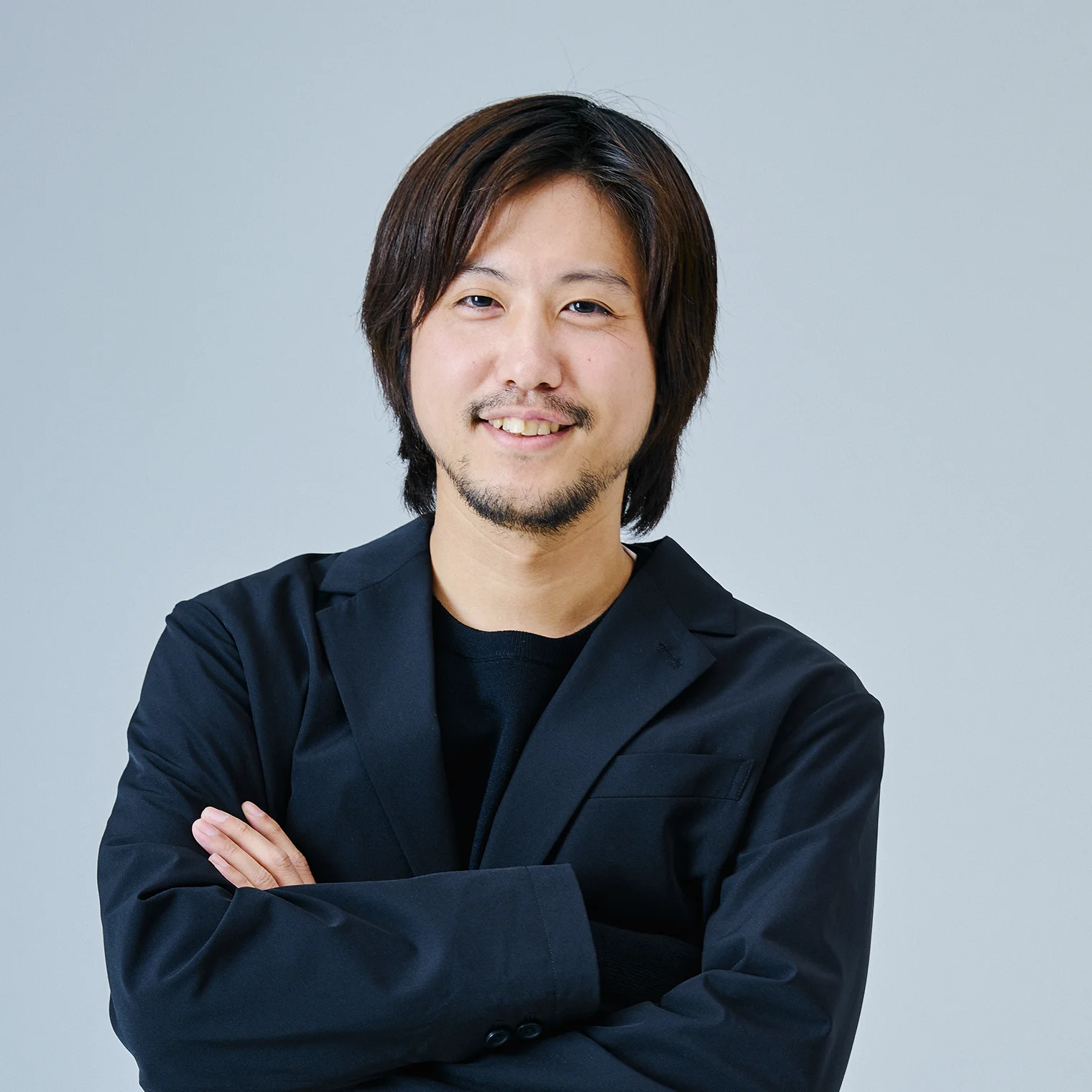
Asato Kato
Motorcycle & Power Products
Modeler
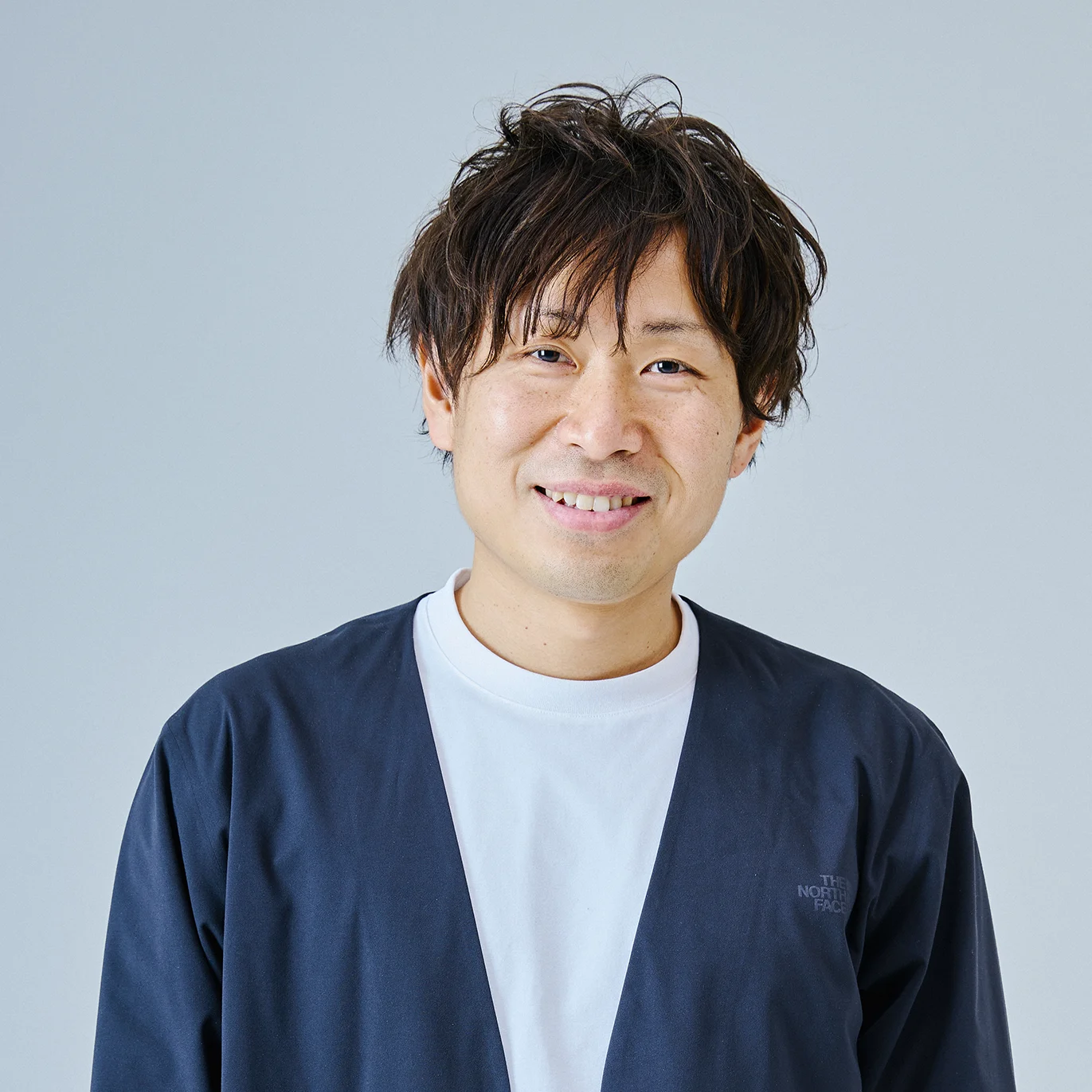
Kazuki Watanabe
Motorcycle & Power Products
Product Designer