History From its founding vision to its latest initiatives, explore the path of Honda’s challenges.
The 1950s
Honda Takes on Brave Challenges
with Dreams and Passion
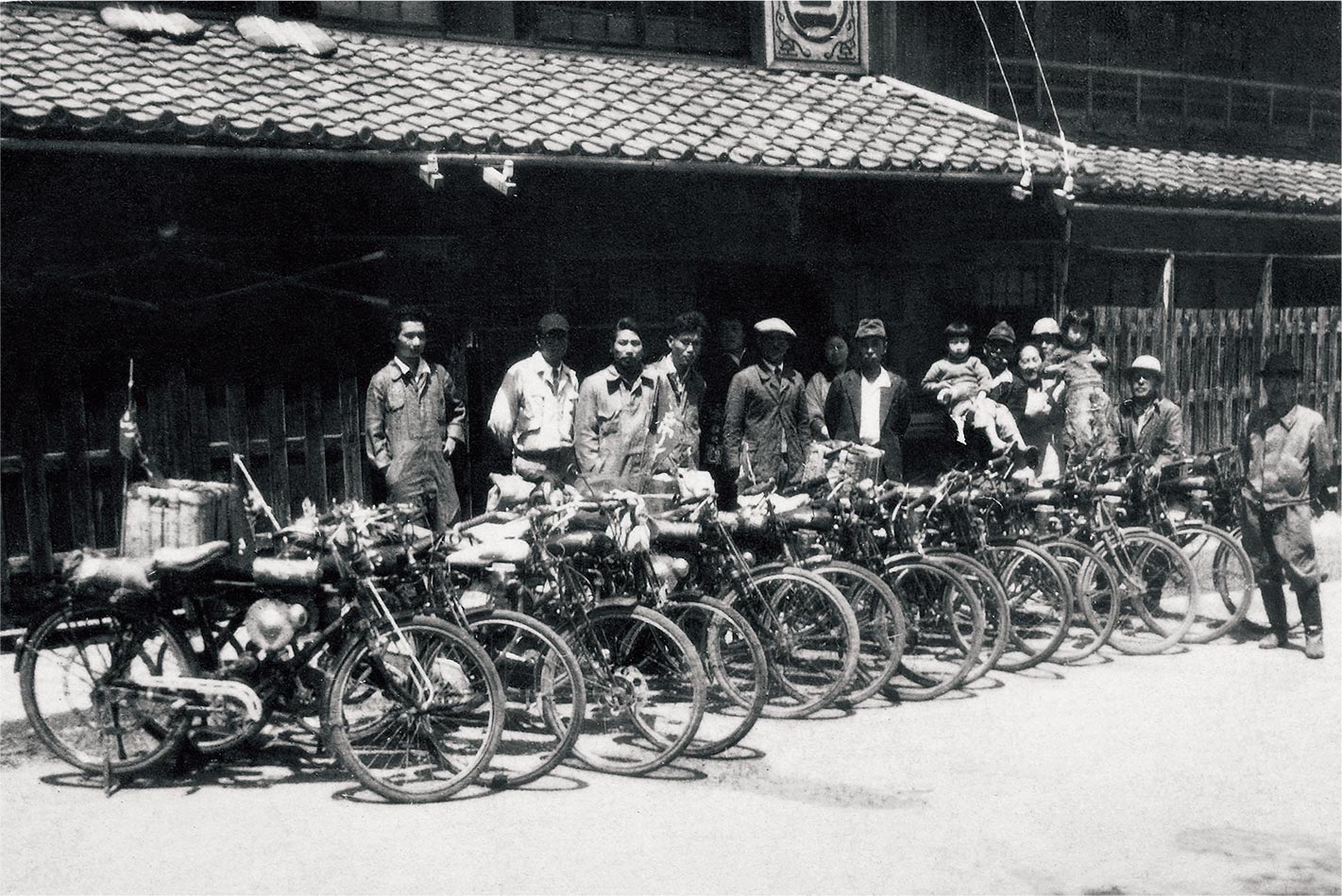
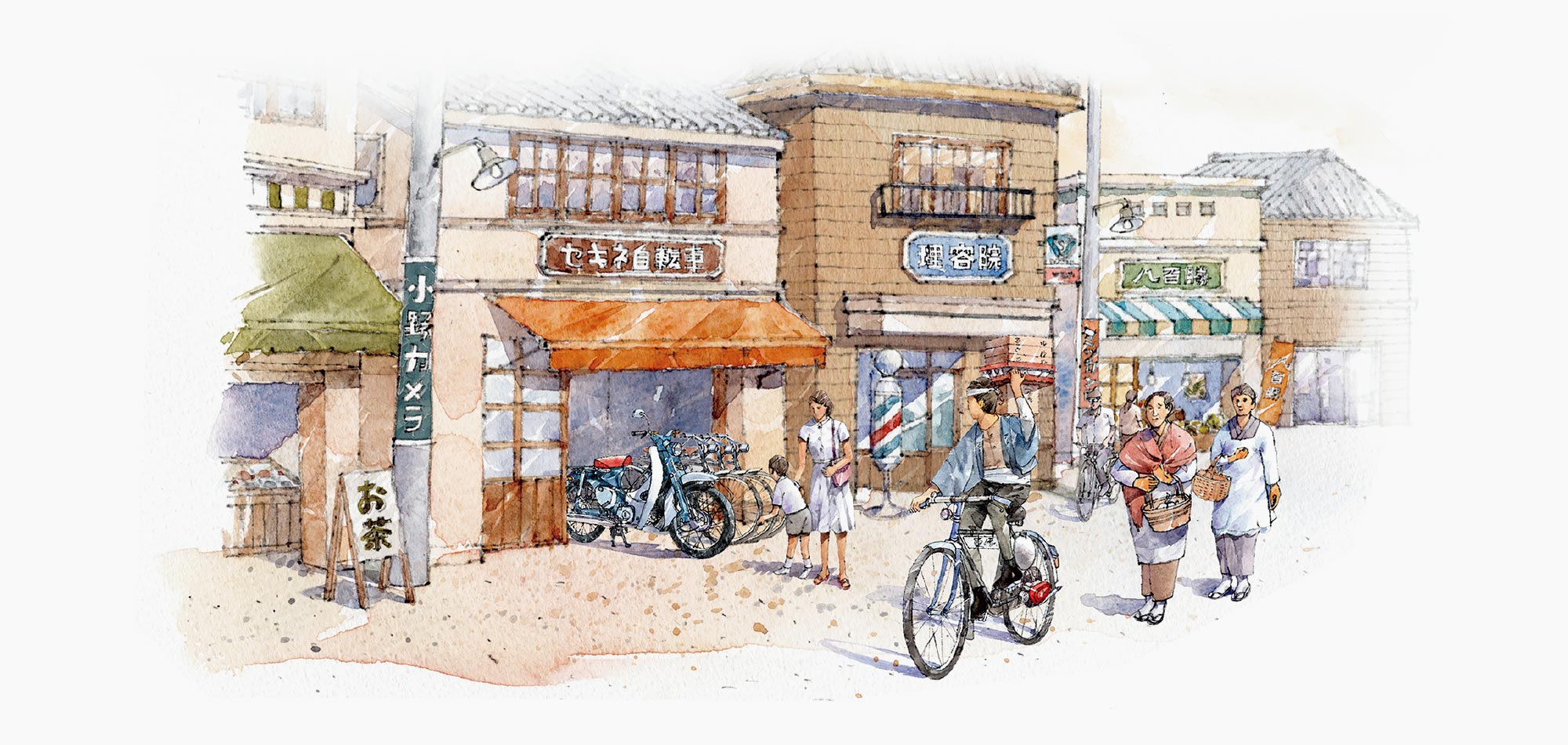
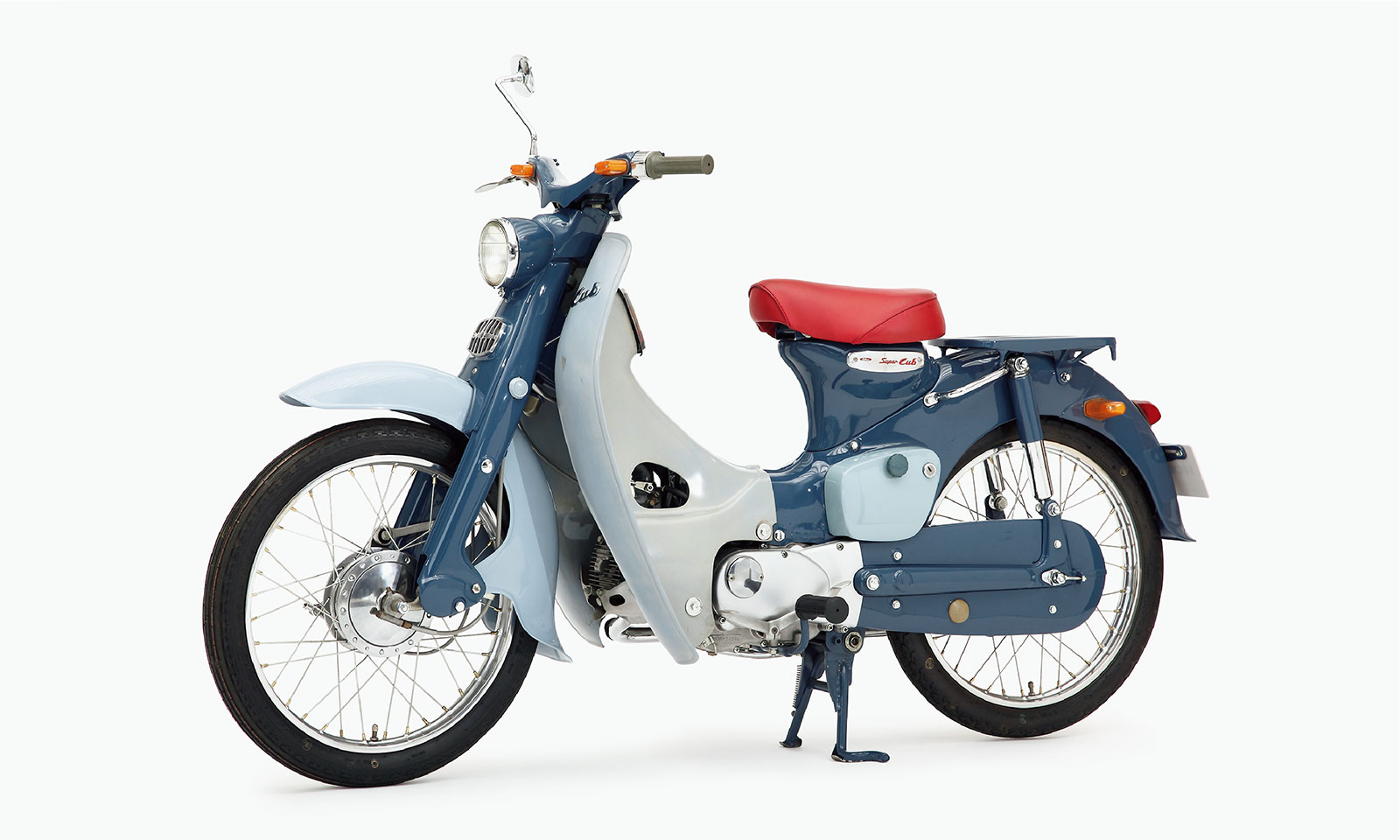
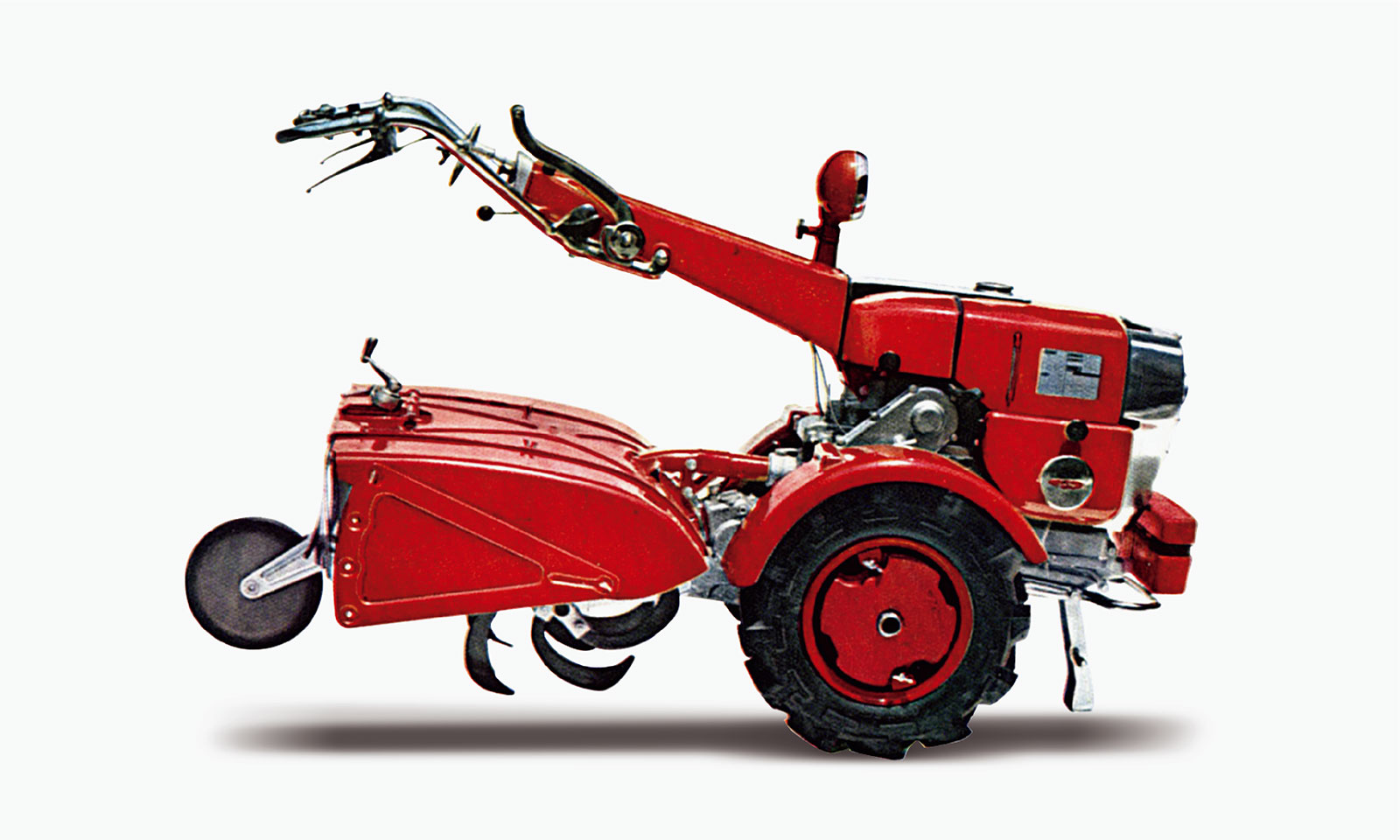
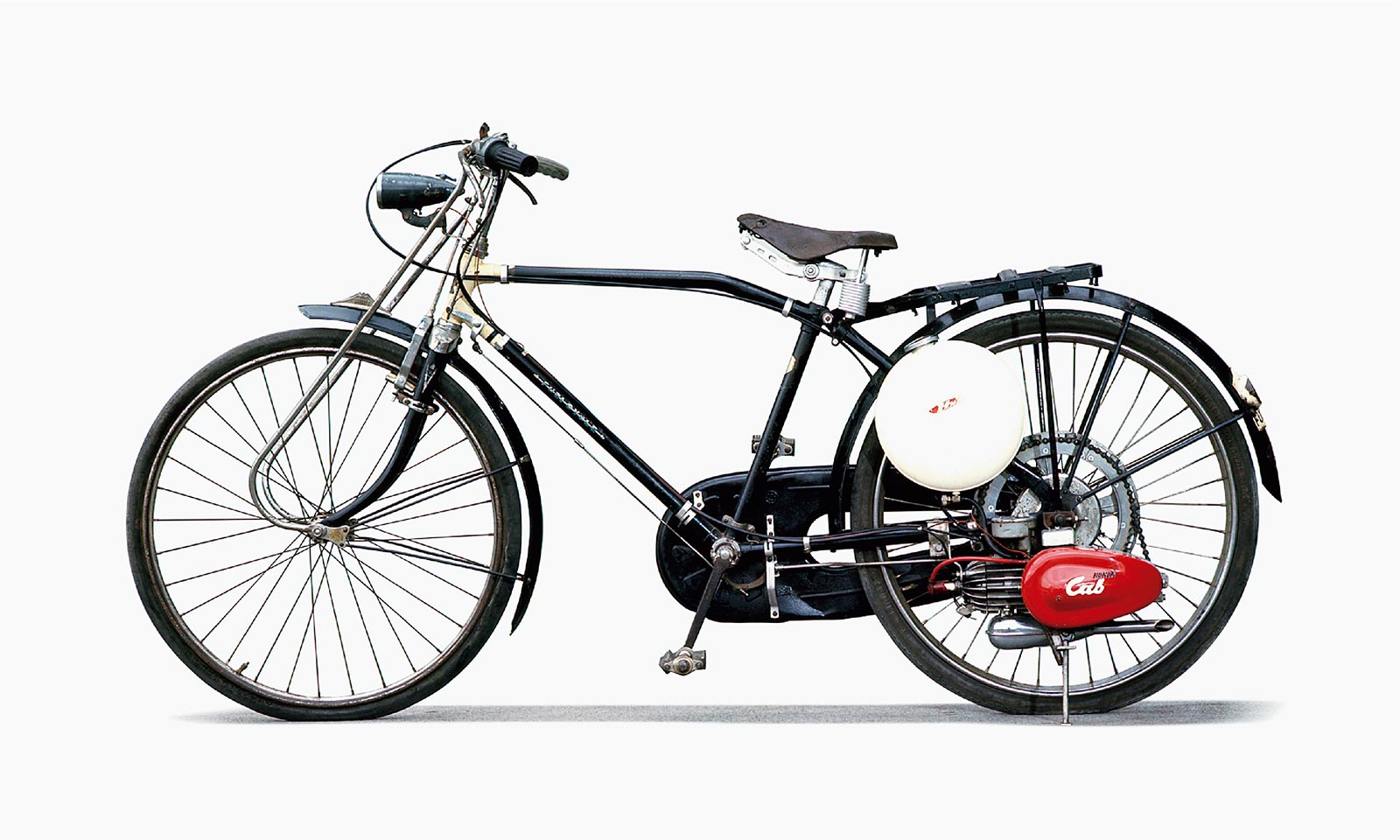
With 34 associates and 1 million yen in capital, Honda started out as a small town factory in Hamamatsu. The company ran with passion toward its dream. After the launch of the Cub F-Type, business grew rapidly with its unique sales network and excellent motorcycle products. Honda gained a firm position in the motorcycle industry after the Super Cub C100 became a hit in Japan and the U.S., and the company participated in the Isle of Man TT races.
The 1960s
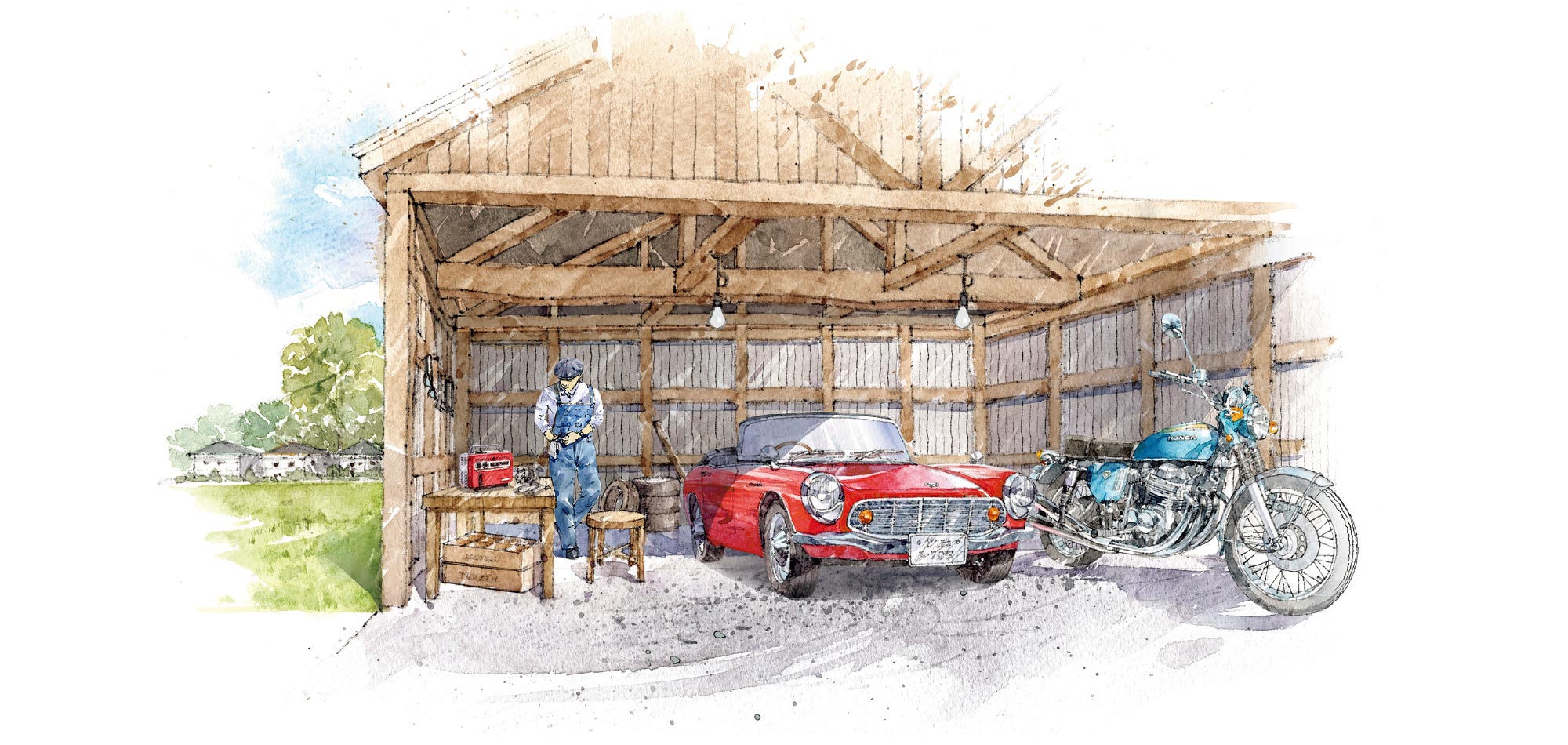
Entering the Automobile Market. Motorcycles Go Global
Against the backdrop of a strong economy, interest in, and expectations for, motorization were on the rise in Japan. Honda was building a framework to enter the automobile market, and in 1963 it launched its first k-truck, the T360. This marked Honda's start as an auto manufacturer. Meanwhile, Honda took on the challenge to take its' motorcycle business global in search of a larger market.
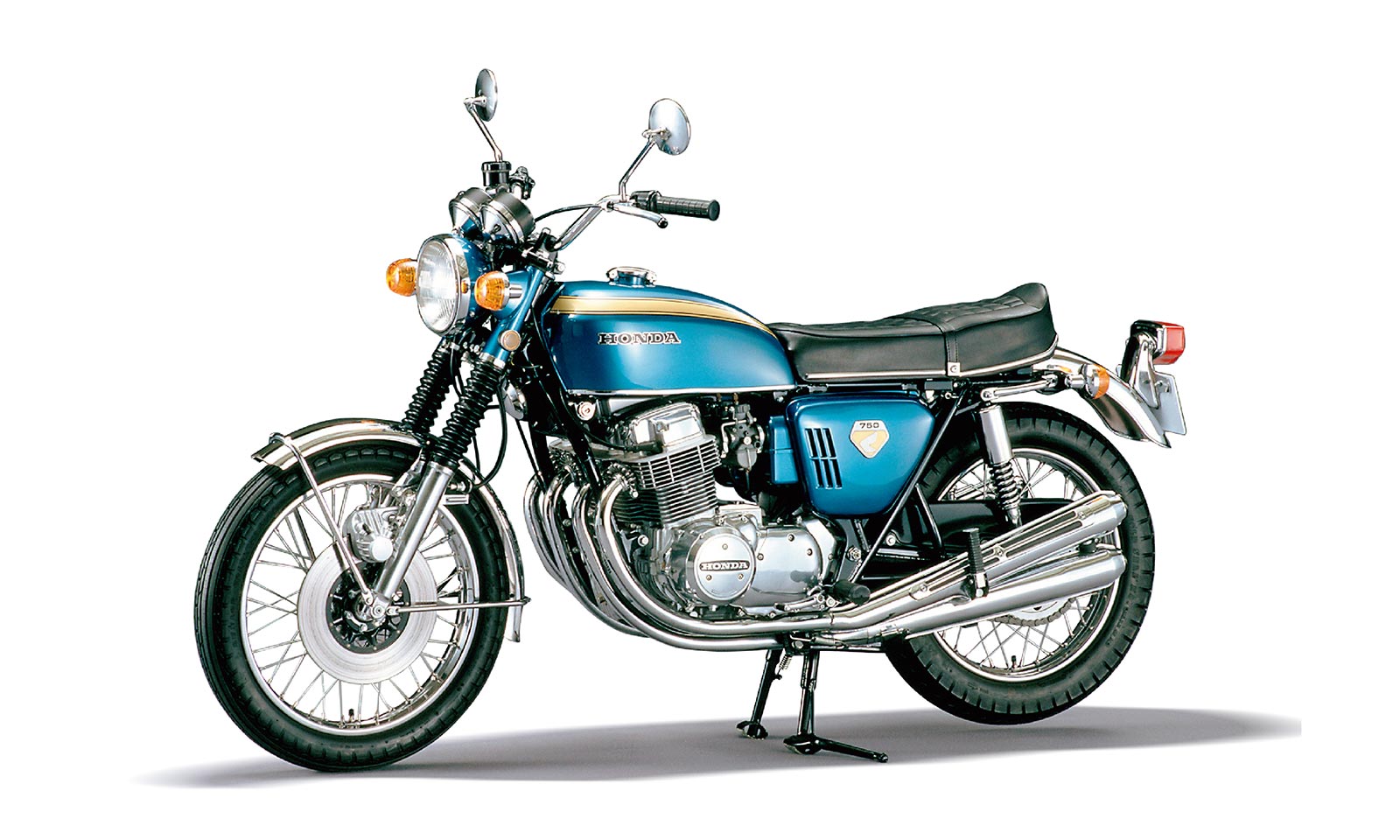
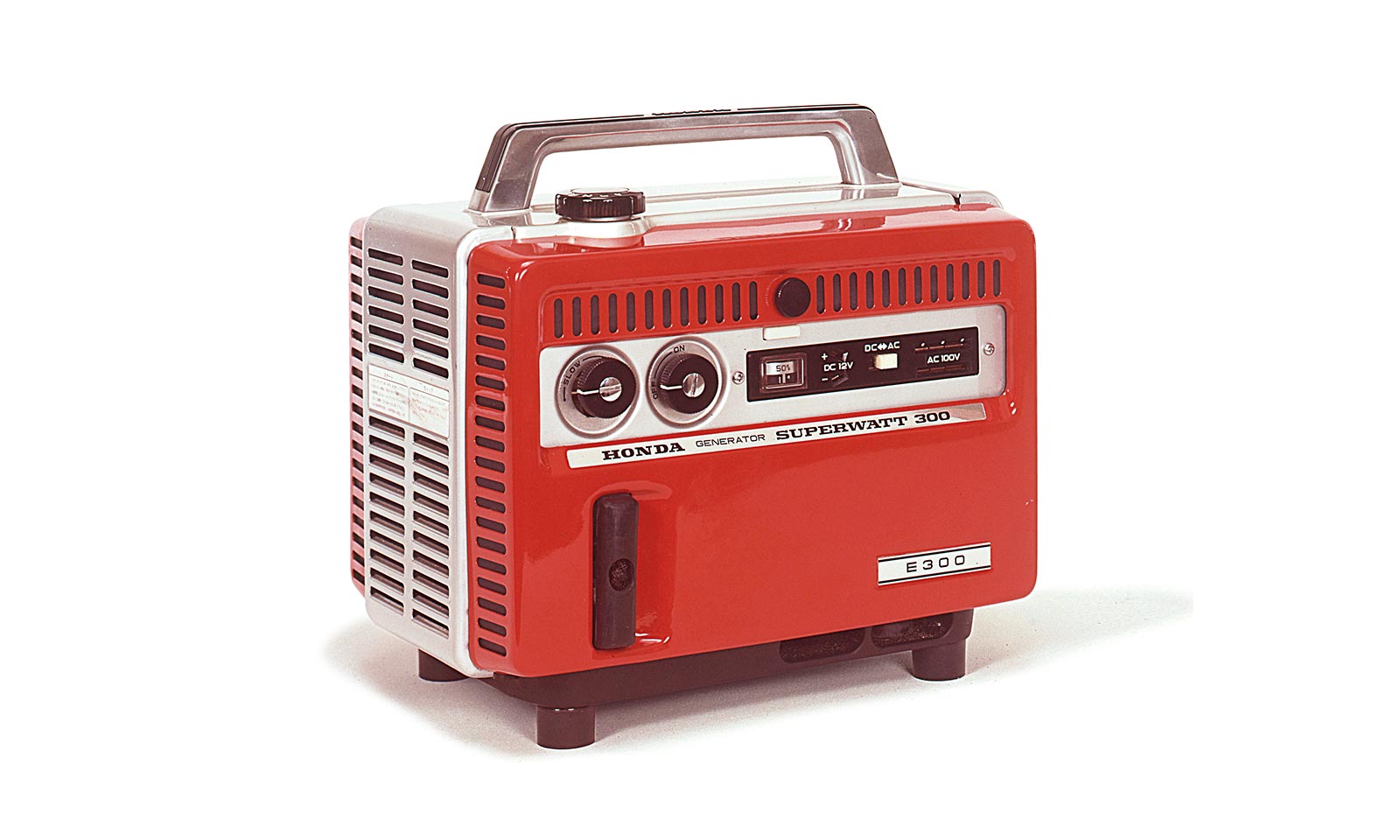
The 1970s
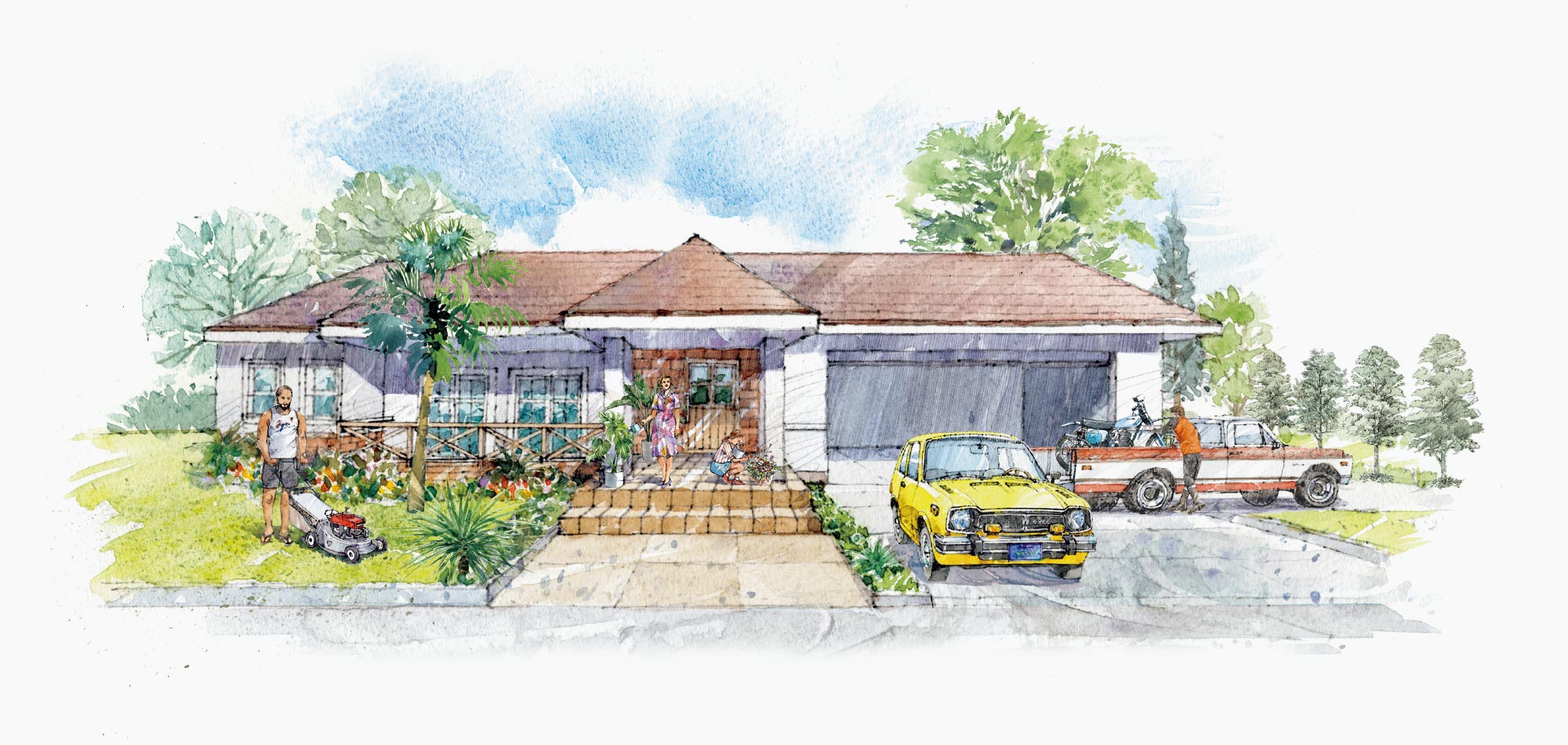
Inheriting the Passion and Principles from the Founding Era to Take on New Challenges in the New Era
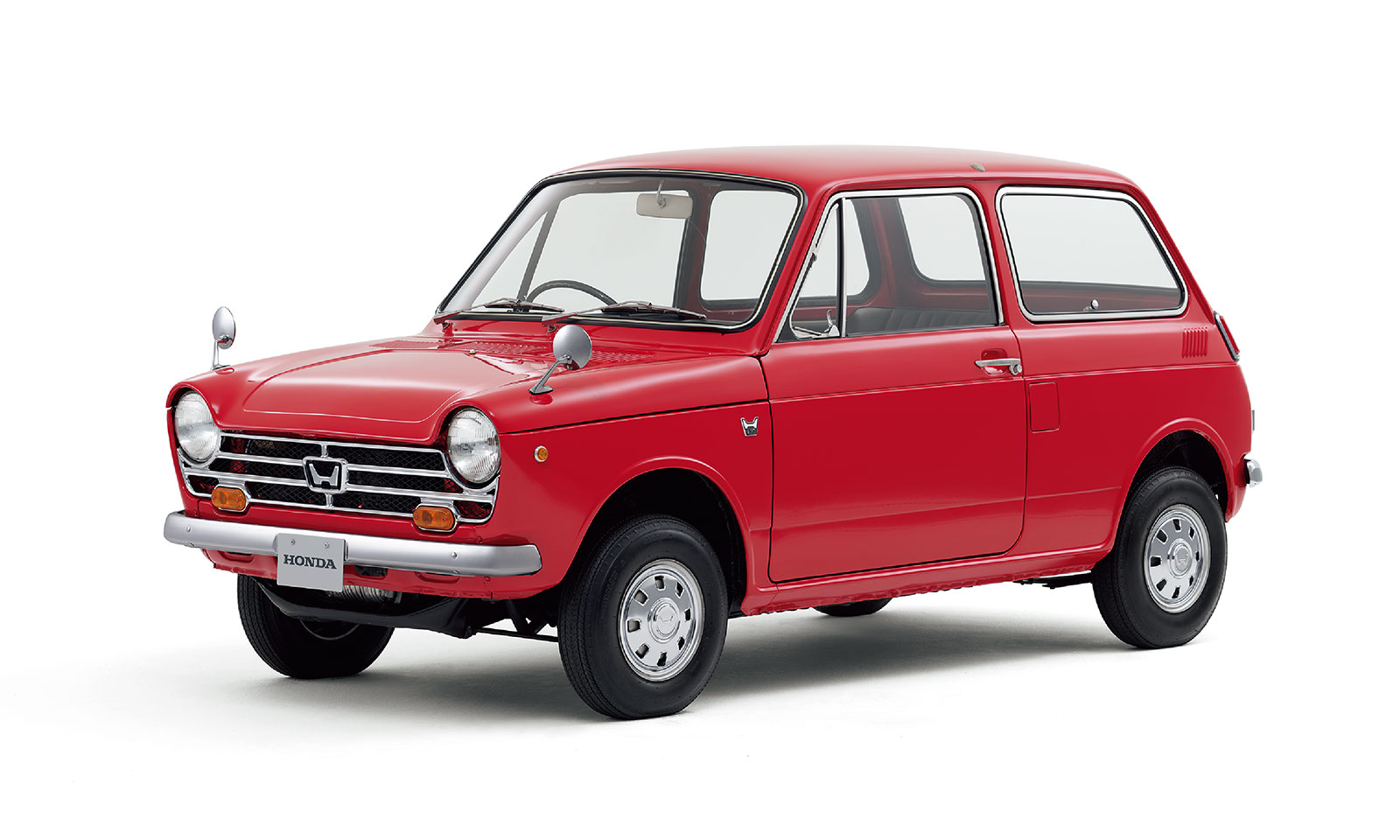
At a time when emission regulations and oil crises created the need for clean and fuel-efficient vehicles, Honda succeeded in developing the CVCC, a revolutionary low-emission engine. The Civic equipped with CVCC became a huge hit in Japan and the United States.
In 1973, both Soichiro Honda and Takeo Fujisawa retired from their posts, triggering the company to move on from its founding phase, to its expansion phase.
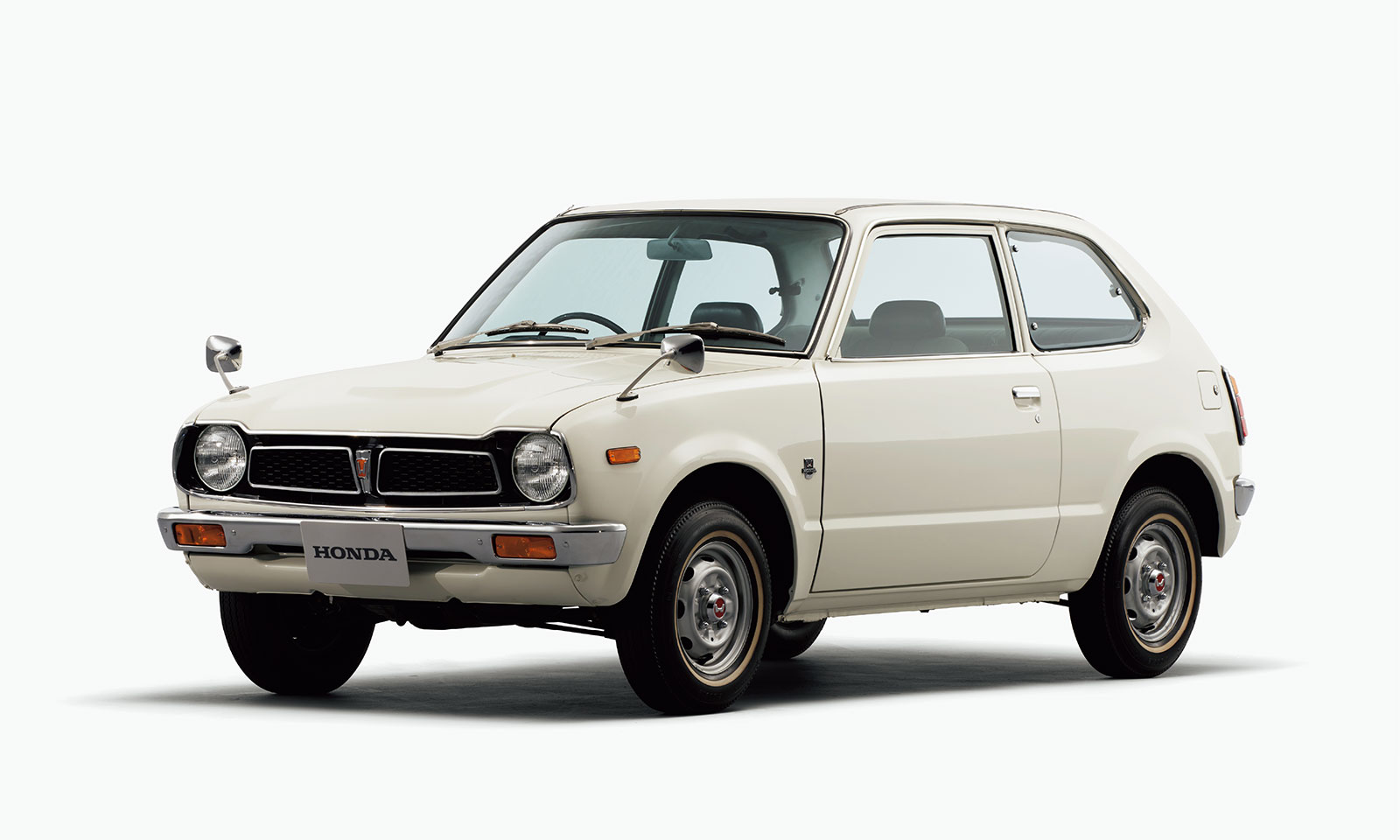
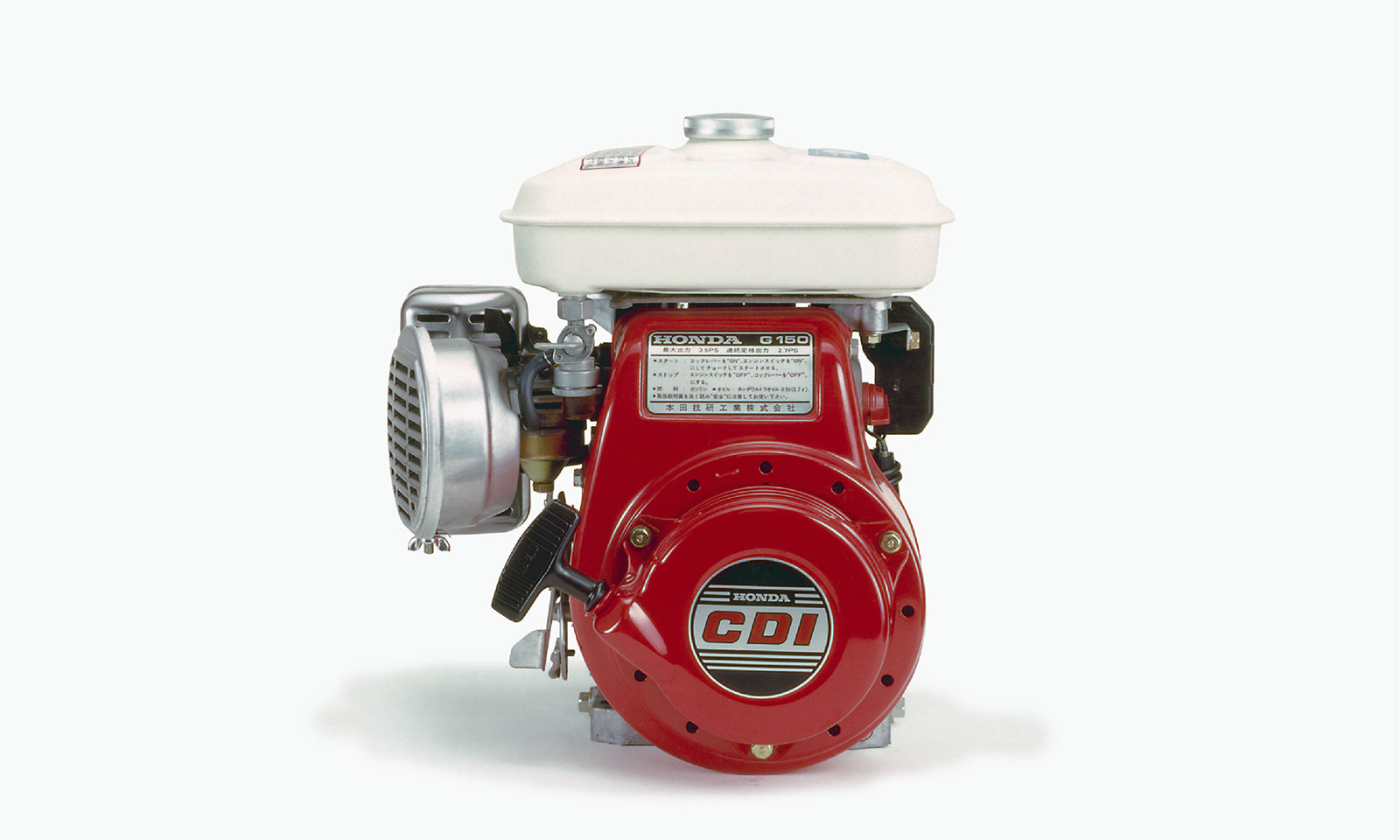
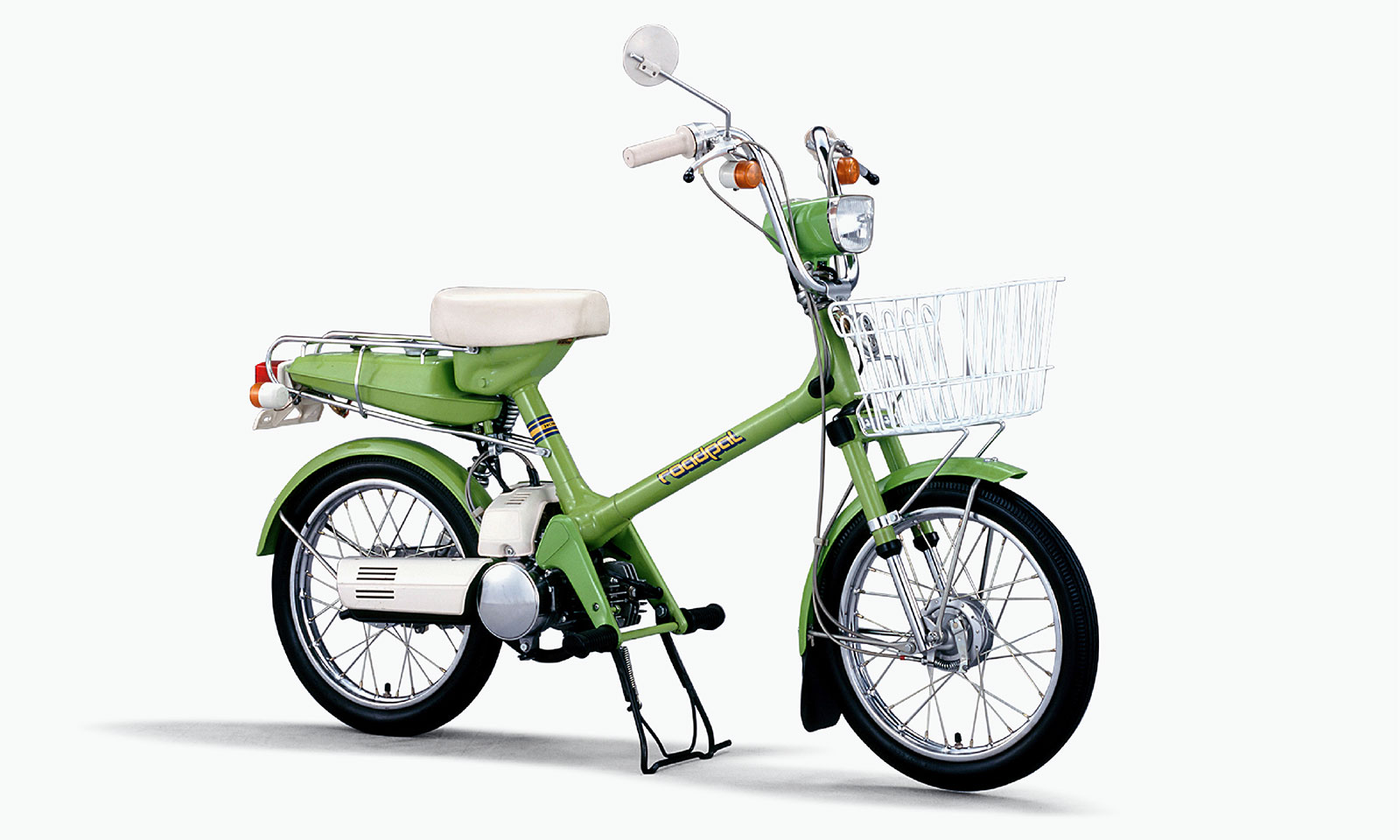
The 1980s
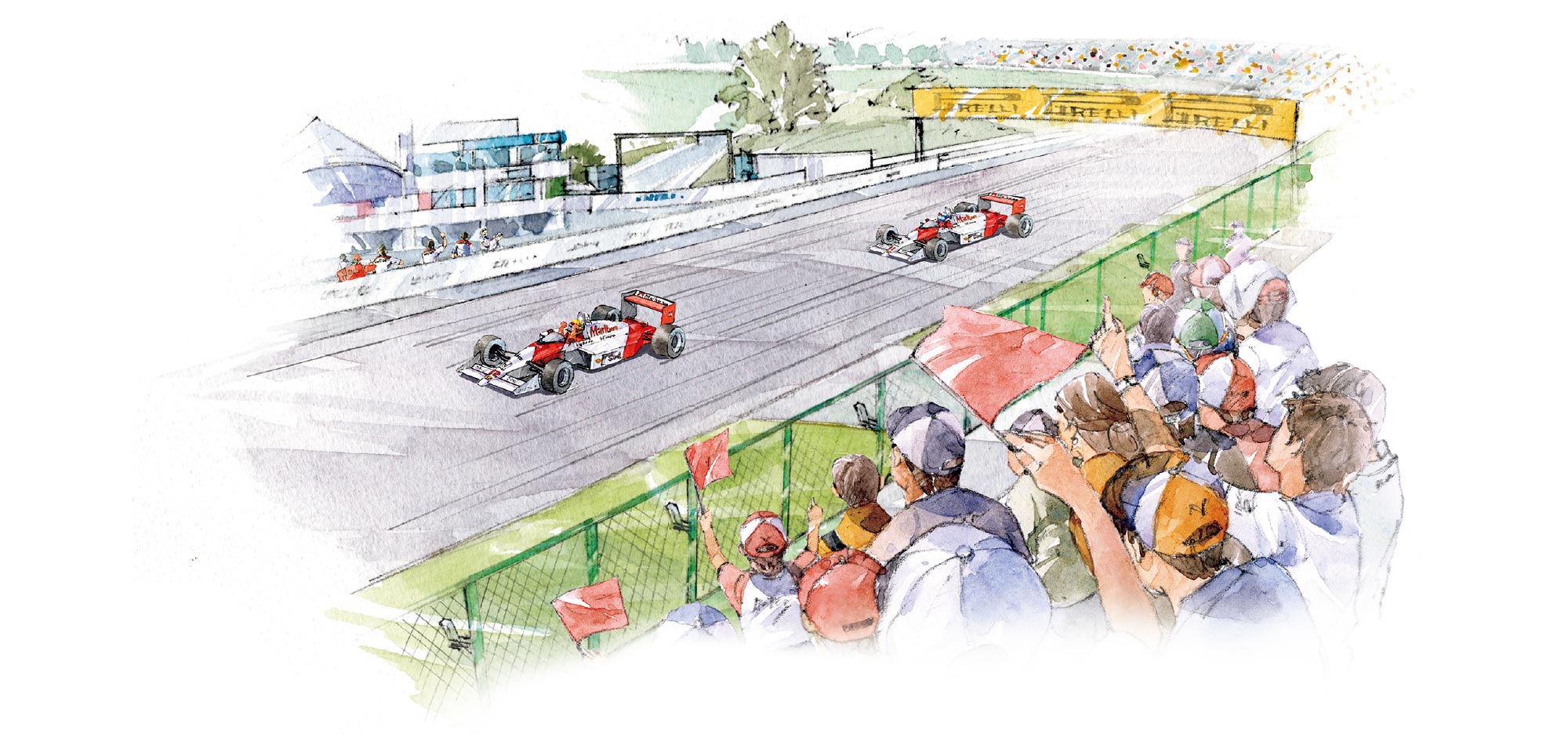
Growth into a Global Company. Expansion in the New Era
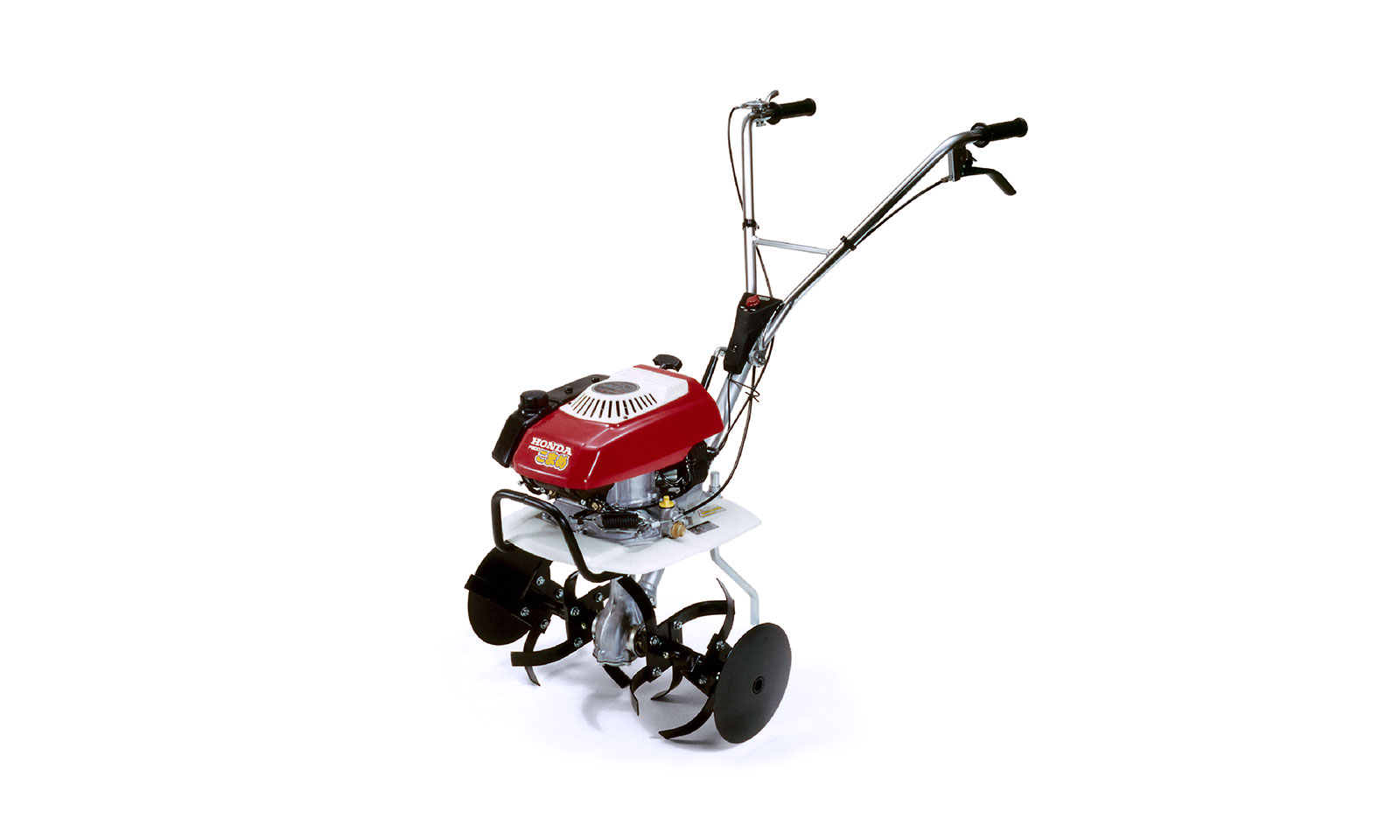
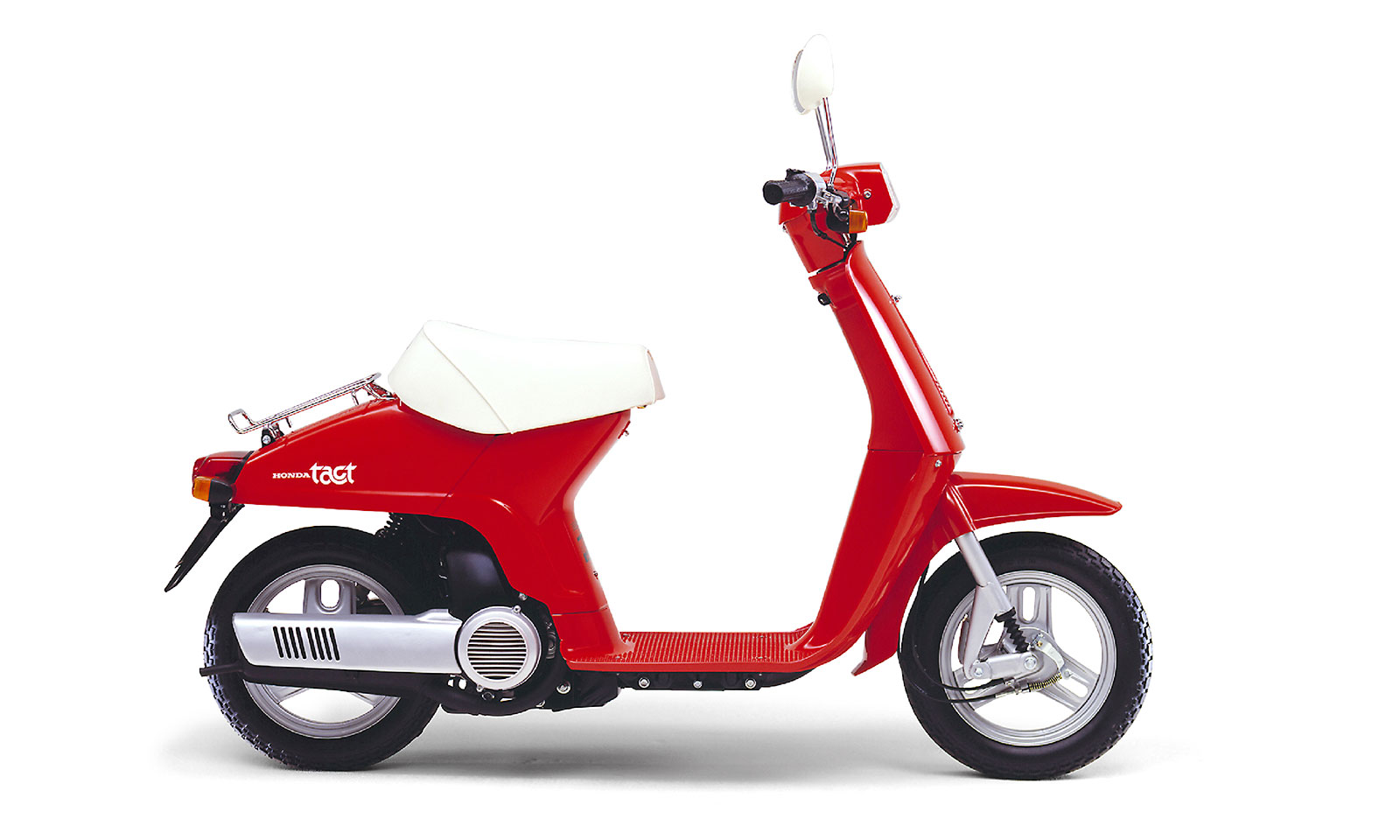
The City, among other major Honda models, had become best-sellers. Honda's overseas manufacturing was accelerating. With motorcycles, fierce competition for market share in the family bike market continued. In this period, Honda was also preparing to make the leap toward becoming a global company, and it proceeded to build a system that complemented its characteristics by connecting countries around the world through its network.
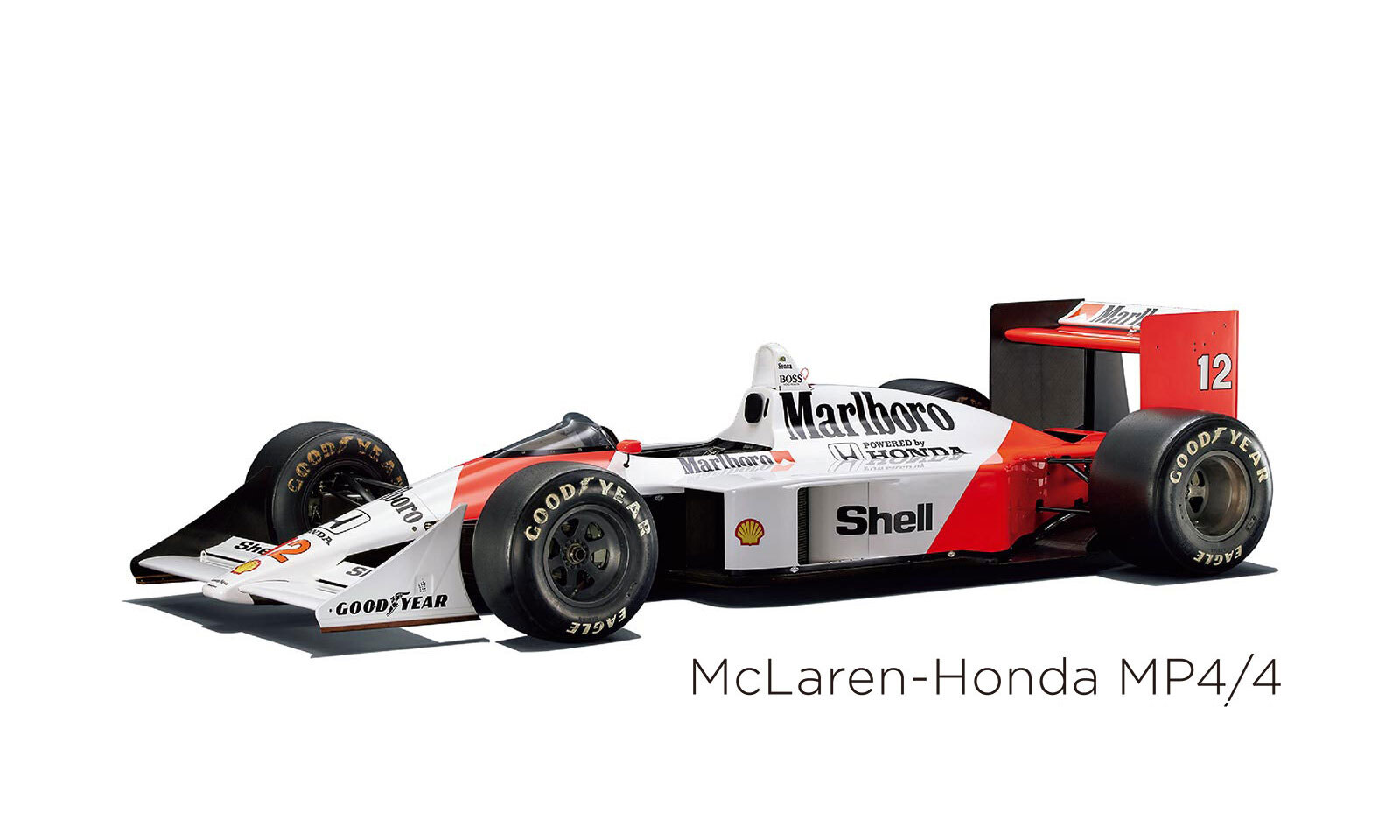
The 1990s
Overcoming Crisis Through Reforms and Market Challenges
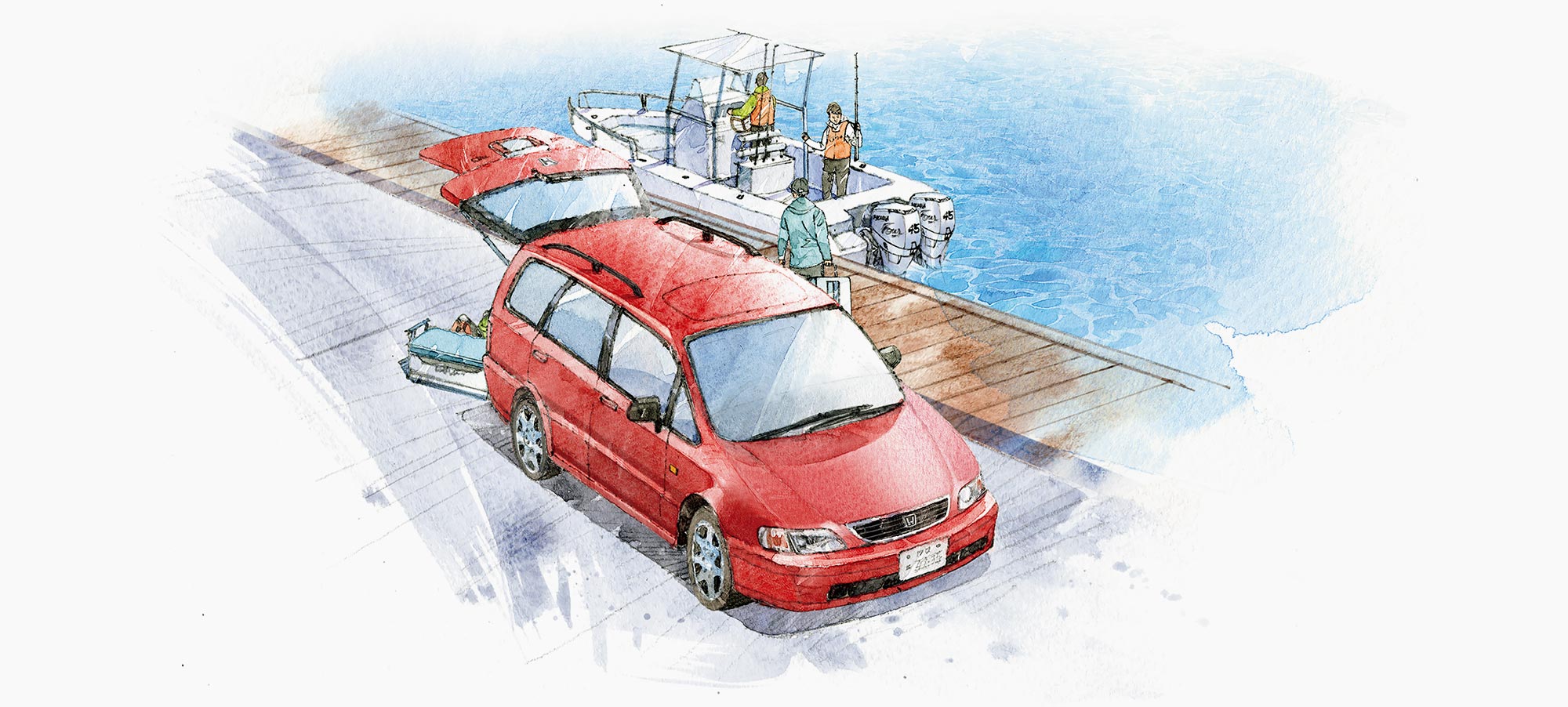
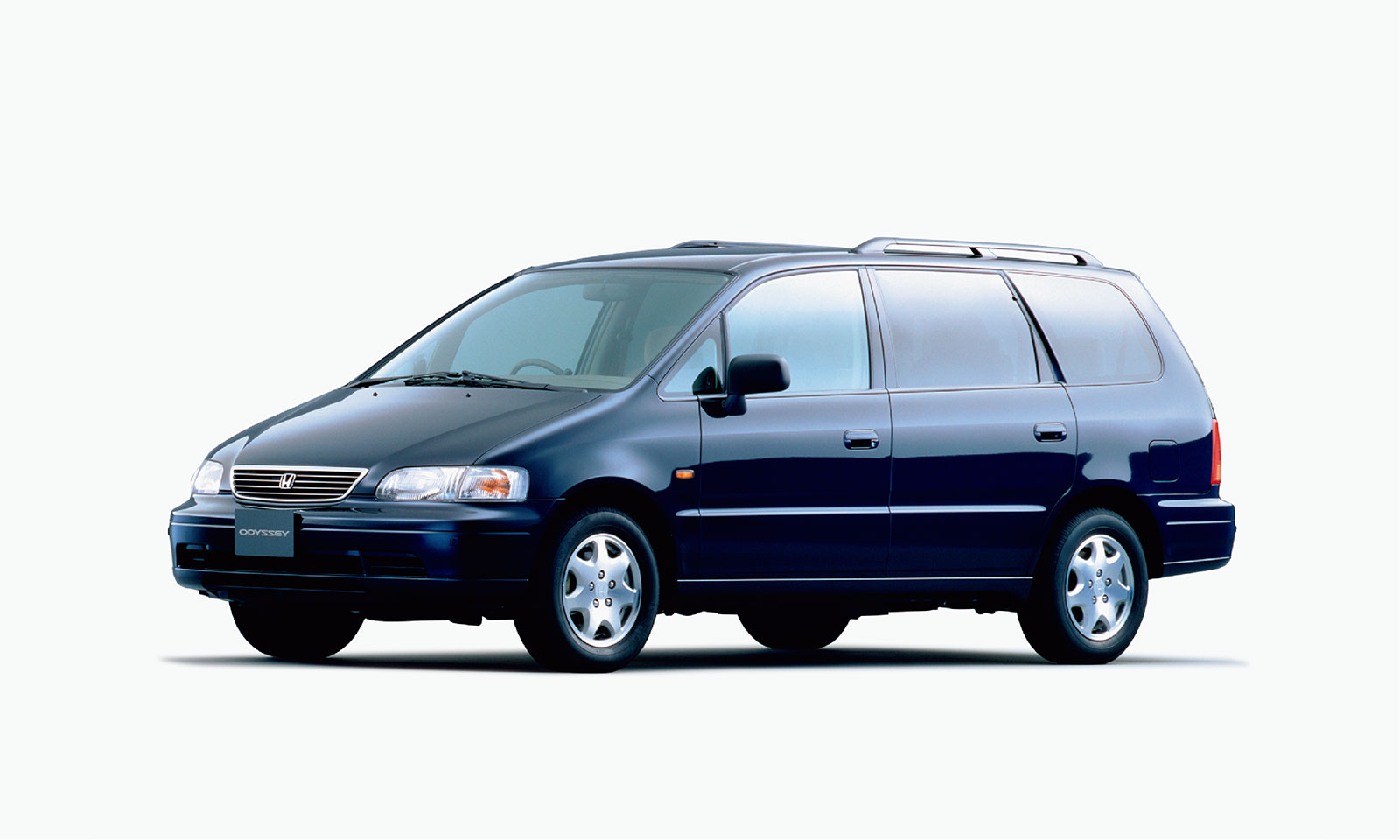
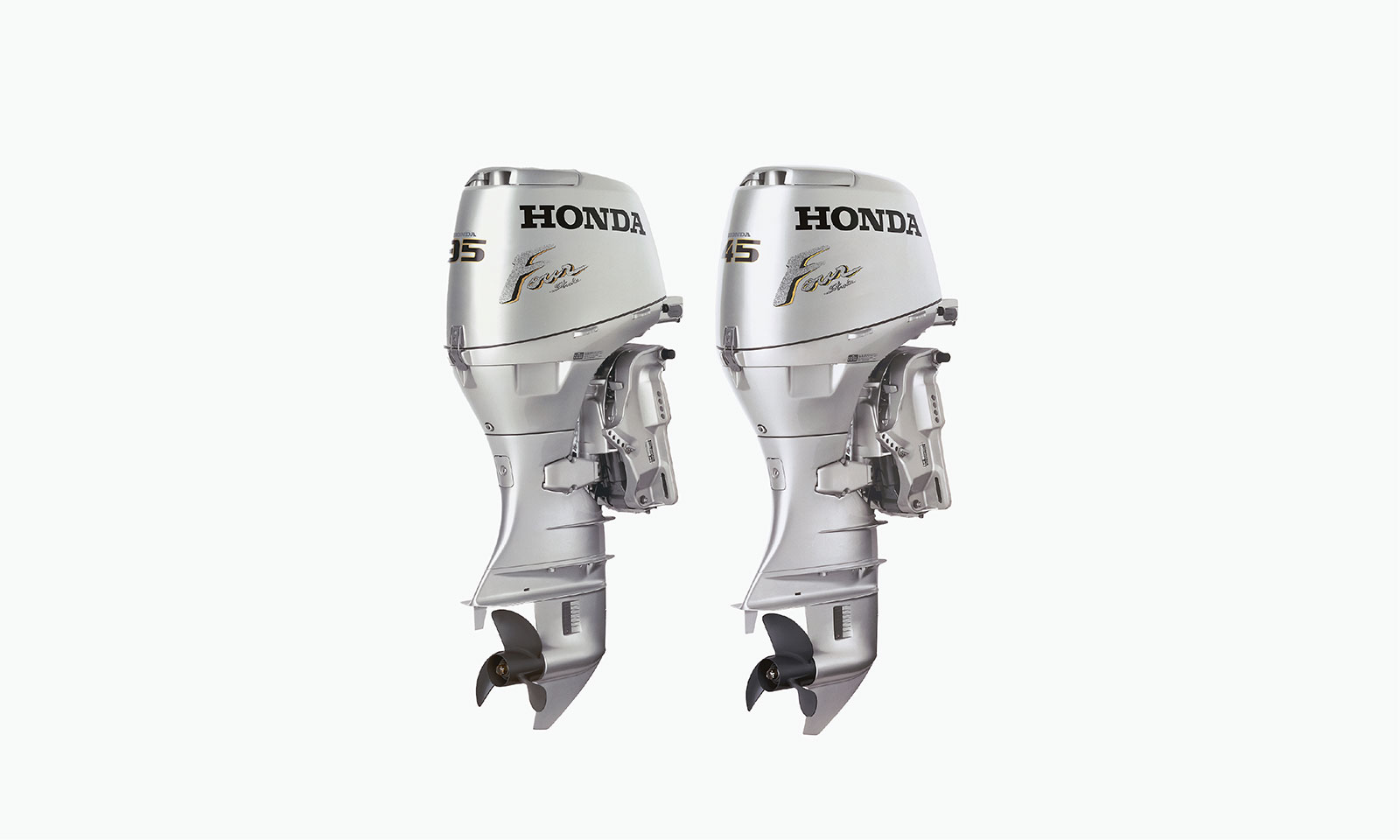
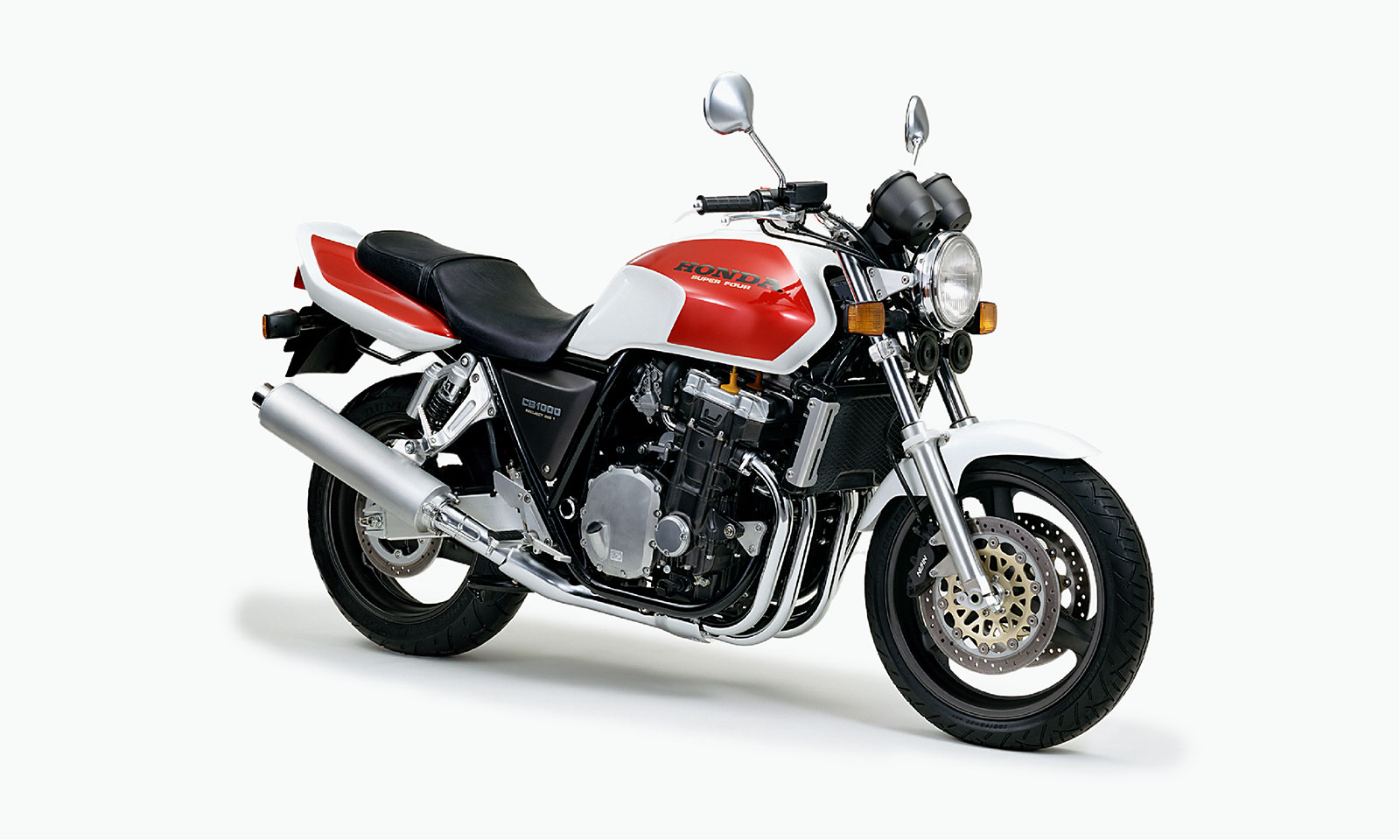
The bubble economy had burst. Faced with an unprecedented business crisis due to its inability to grasp changing market needs, Honda introduced company-wide TQM (Total Quality Management) and implemented the "800,000 unit domestic automobile sales structure," aiming to sell 800,000 automobiles in Japan. The Creative Mover (lifestyle creation) series, turned around the sluggish sales, becoming a major turning point that supported Honda's subsequent automobile business.
The 2000s
Maintaining Spirited Independence in the Face of Fierce Headwinds
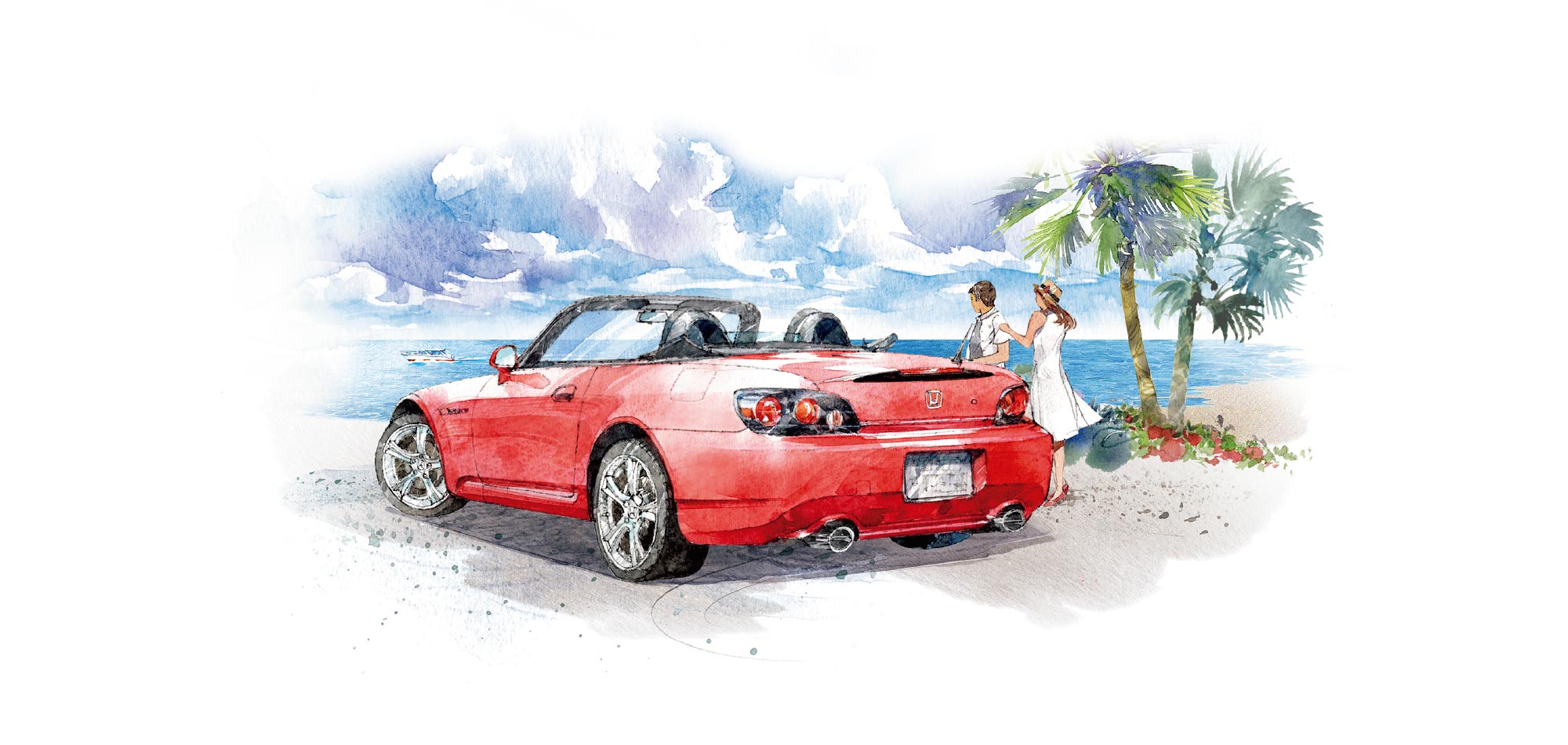
"The Power of Dreams" was established as Honda's global brand slogan to guide all its activities in the 21st century. The slogan clearly states the company's will of spirited independence in an era of mergers and acquisitions.
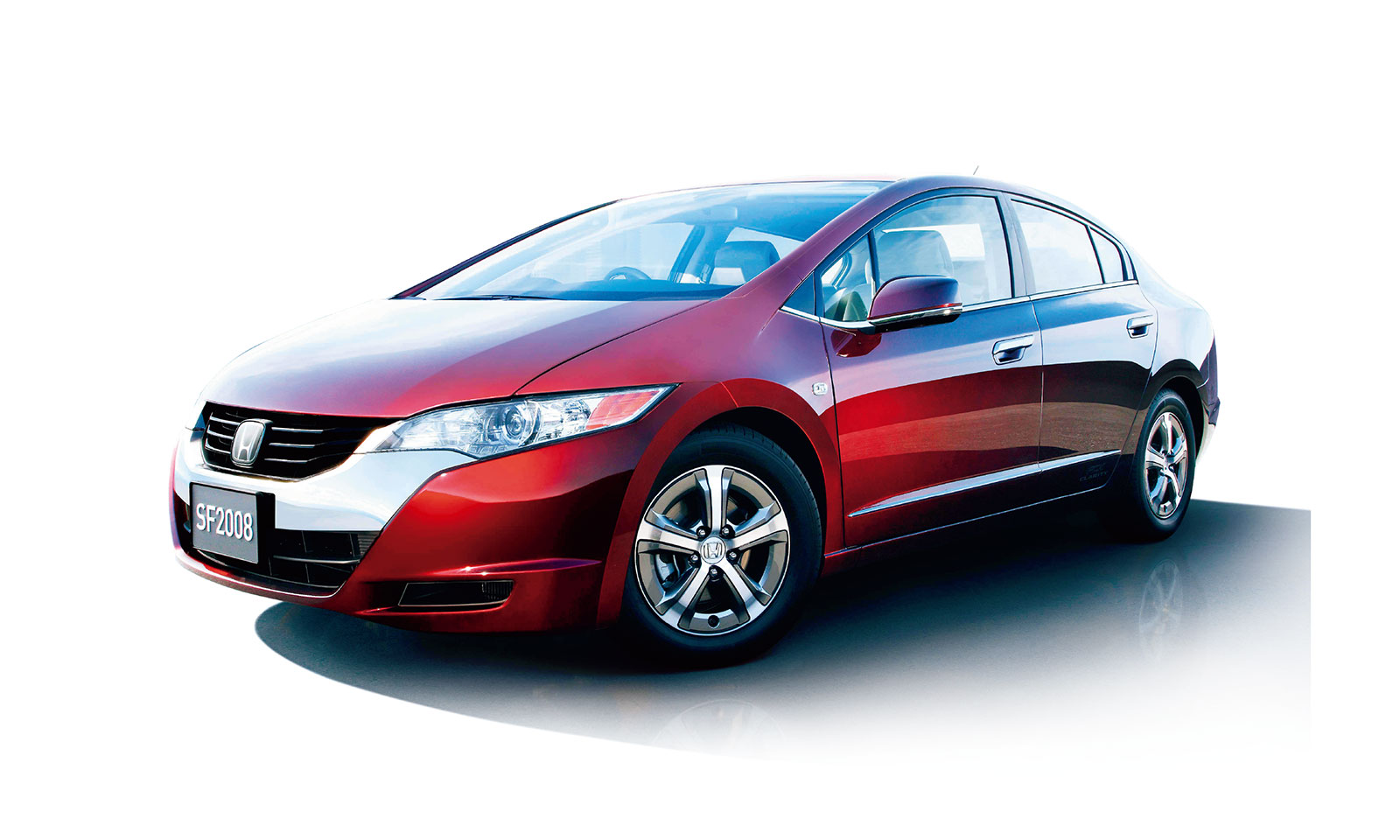
During this period, Honda launched advanced creations worthy of its brand in the new century, such as the Fit with a center tank layout and FCX Clarity fuel cell vehicle.
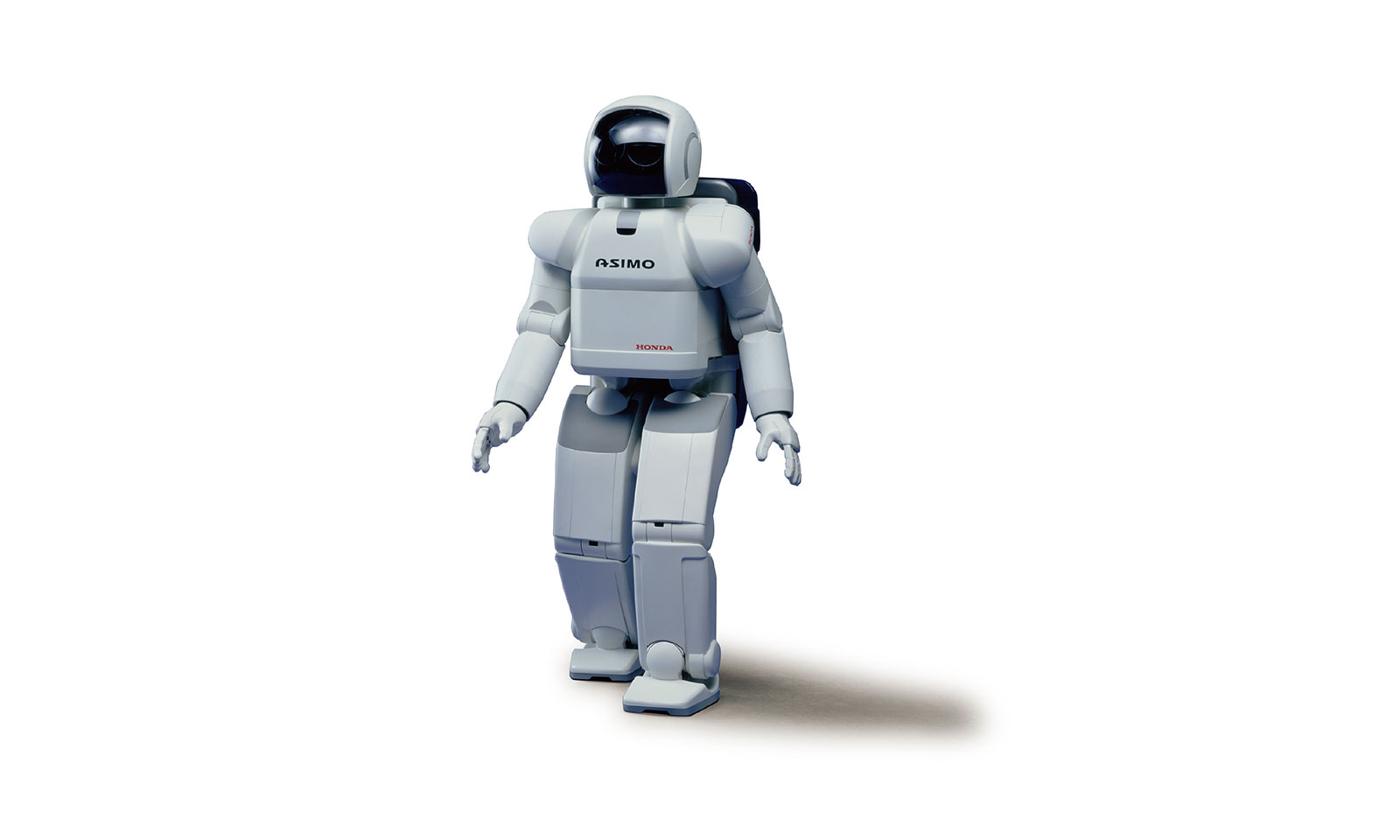
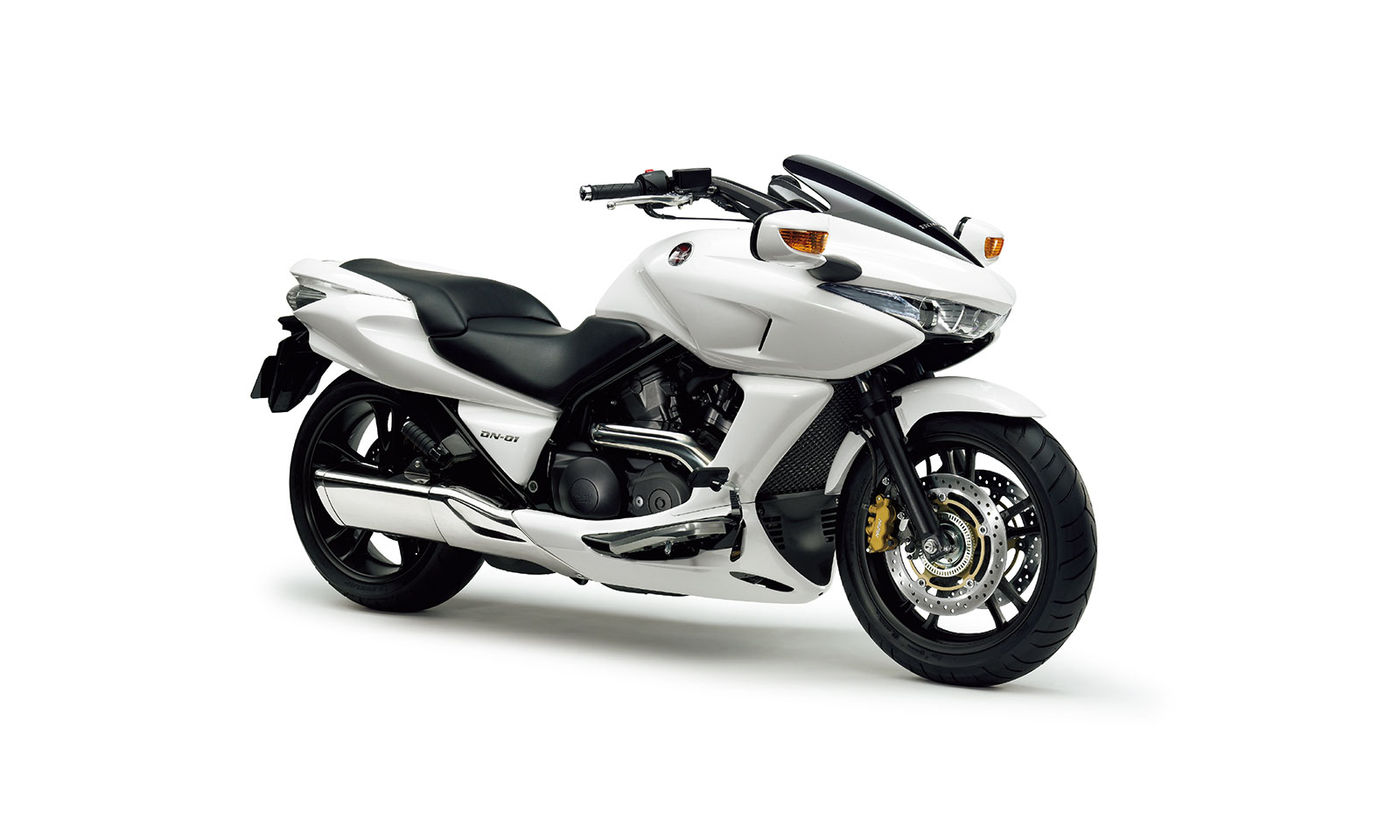
The 2010s
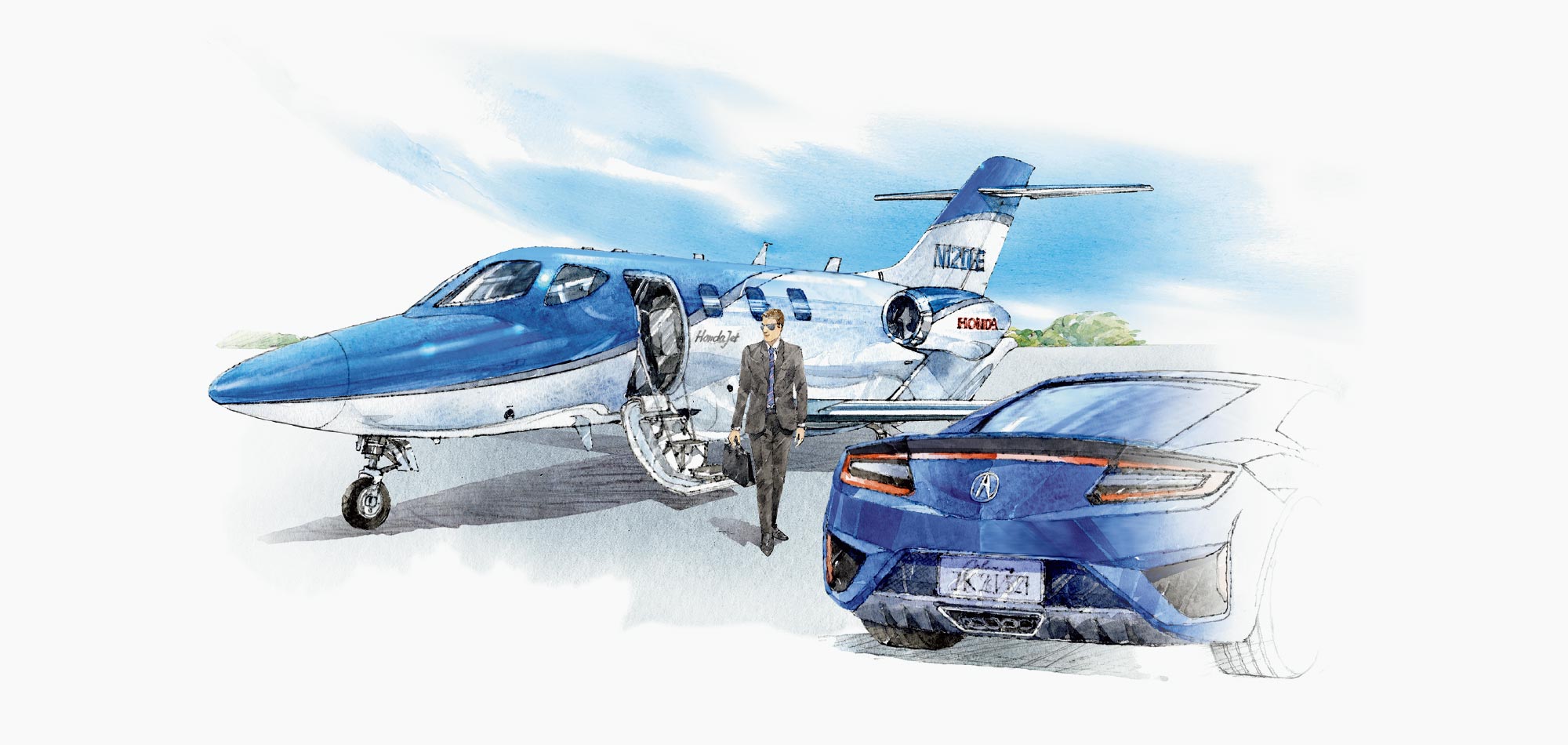
Taking on the Challenge of a Completely Different Dimension. Weaving New Dreams with Society
Amid the ongoing global recession, Honda established its six-region global operation structure to promote self-reliant management in each region of the world. The goal was to create products that meet the needs of each region.
This strategy evolved toward the realization of the 2030 Vision and led to bold reforms of the business management structure to achieve further growth, such as the establishment of the Monozukuri Center.
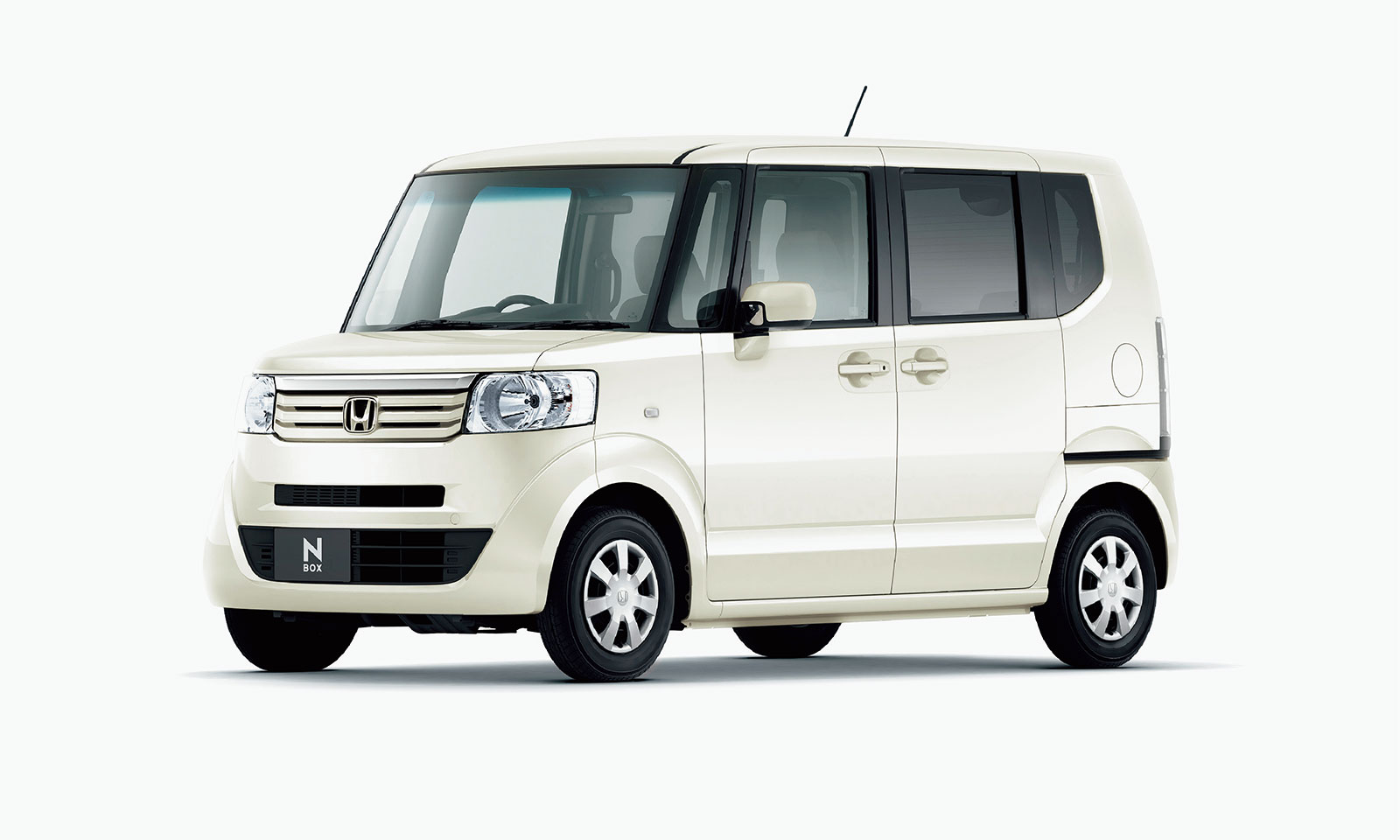
The 2020s
Serving People Worldwide with the "Joy of Expanding Their Life's Potential"
Honda positioned this period of a once-in-a-century change as its second founding, and is pursuing a wide range of initiatives. What should Honda aim for, driven by its dreams? What is the value Honda provides to its customers? How does Honda create this value? These are questions Honda is using to define its axis of corporate activities and continue to be a company that society wants to exist.
Honda Motor Co., Ltd.75 Years of History 1948-2023
Helping people. Creating new value.
Honda’s early leaders called these desires their “dreams”
and took on the challenge to realize these dreams
in management, in manufacturing, in sales,
and at the sales front around the world.
These are the dreams that
Honda has challenged over the past 75 years,
which will also guide Honda’s aspirations in the future.
Honda Origins - The Manga


