Honda P2 Recognized as an IEEE Milestone
Honda Robotics × IEEE Recognition
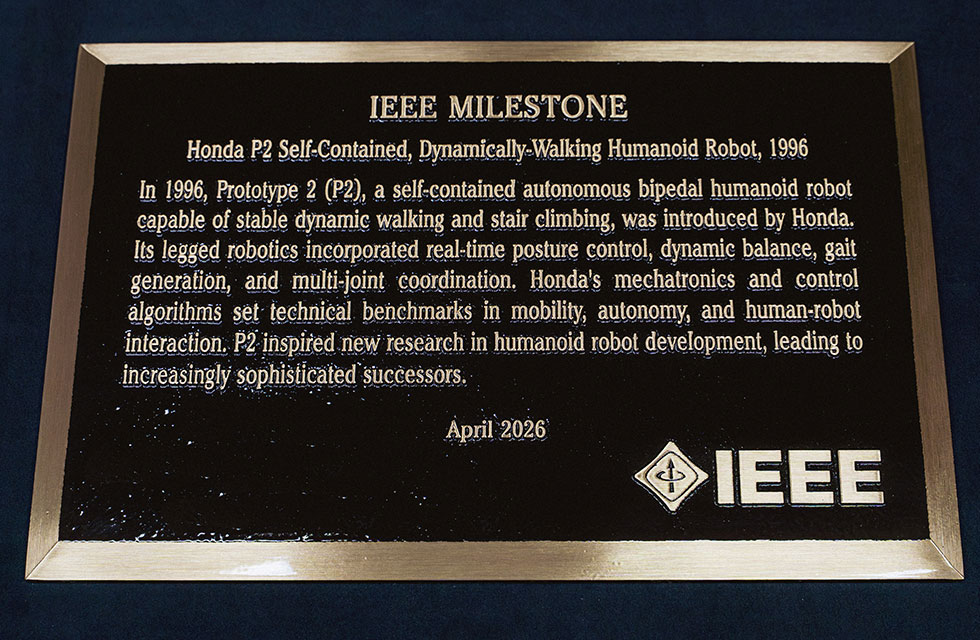
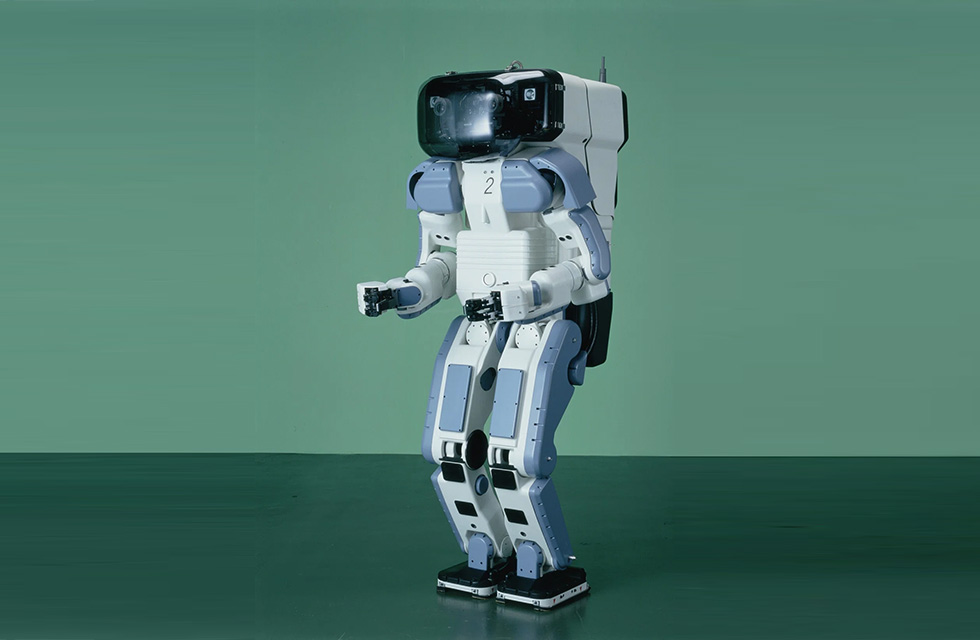
Honda P2 Independent Bipedal Humanoid Walking Robot Recognized as an IEEE Milestone
Honda P2 independent bipedal humanoid walking robot announced in 1996 has been officially recognized as an IEEE Milestone. This award comes from the IEEE, which serves as the world’s largest professional association in the electrical, electronics, information, and communications fields. Honda’s feat in 1996 has now been officially recognized as a historical achievement by the greatest authority in electrical and electronic engineering.
Learn More about the P2 and Honda’s Robotics
We will provide technical details in the content below. Footage of the recognition ceremony and the keynote speech will be uploaded sequentially as soon as they are ready.
-
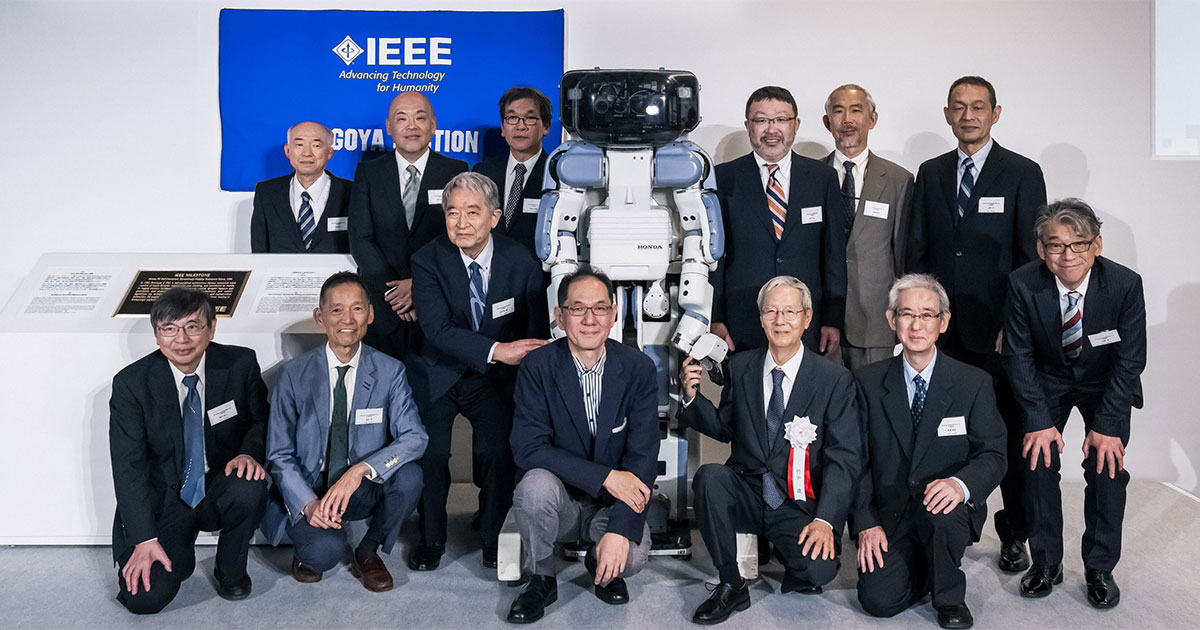
Event Report Honda P2 IEEE Milestone Dedication Ceremony Honda P2 IEEE Milestone Dedication Ceremony
-
HGR Medium That Step Was Leading Closer to People From P2 to the Multi-Fingered Hand: The Question Passed Down Through Honda Robotics
-
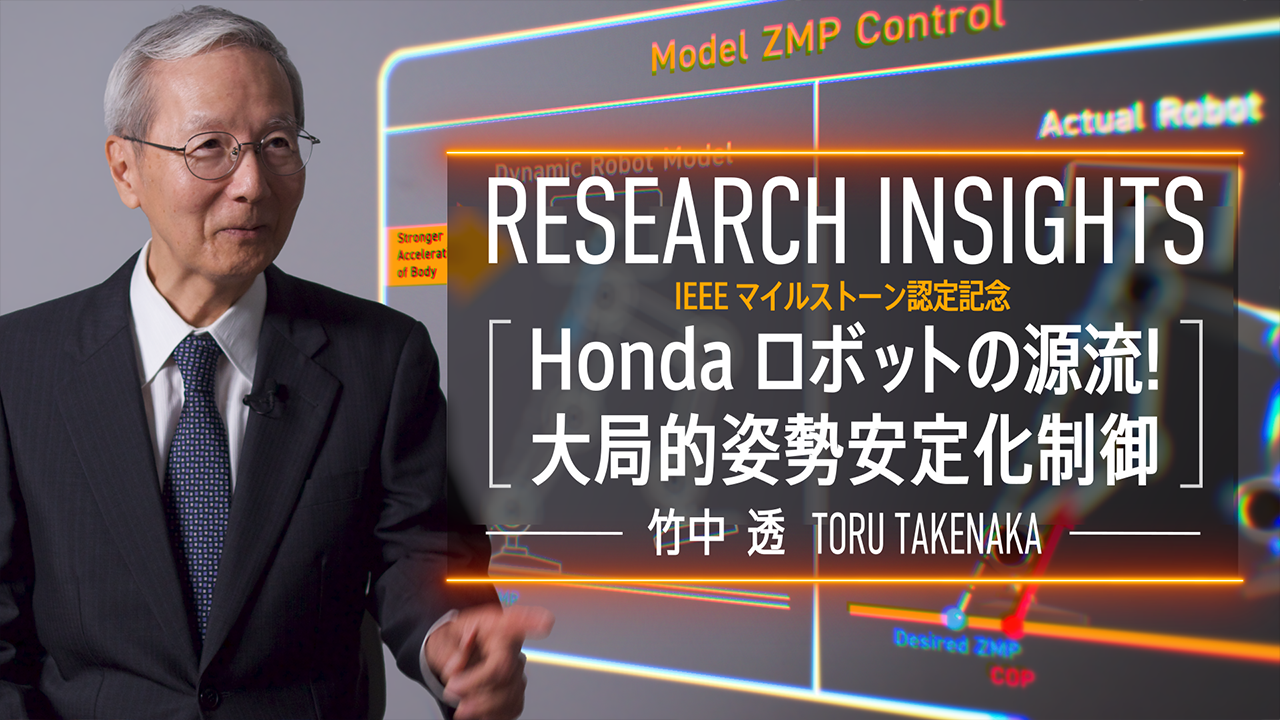
Research Insights Honda P2 Bipedal Walking Technology: Overall Posture Stabilization Control Insights from the Researchers: The Core Technology that Realized Bipedal Walking for P2.
-
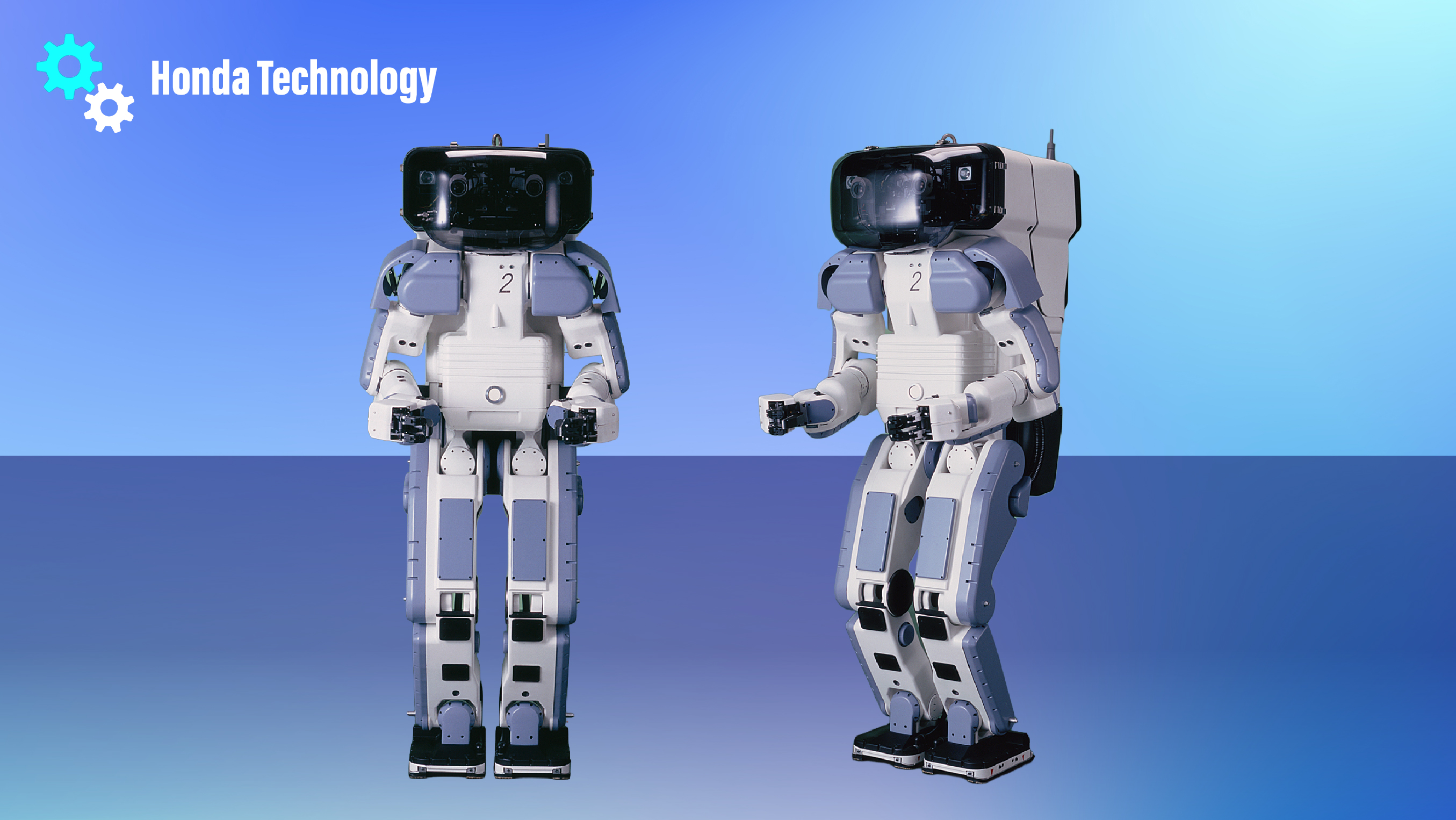
Honda Technology Honda P2 Humanoid Robot
Control Technologies Behind Technical Benchmark for Autonomous Bipedal Walking Please see the official website for details of the technology used in P2 and ASIMO. -
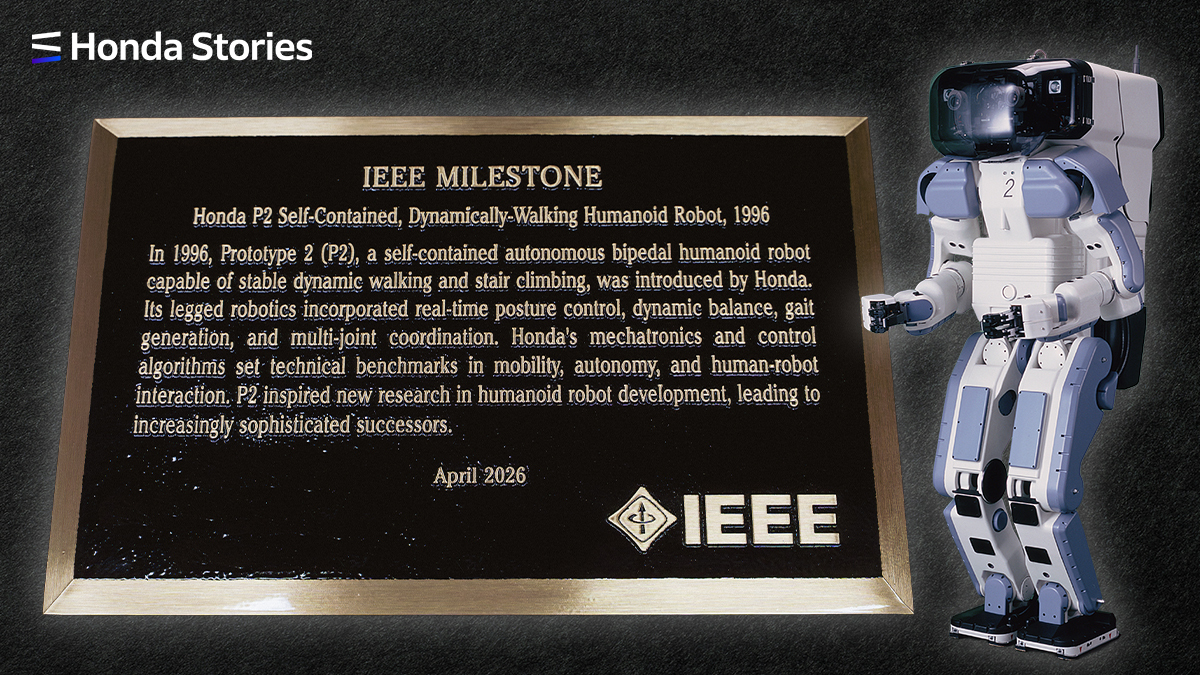
Honda Stories P2, the origin of ASIMO, recognized globally as a milestone in humanoid robotics. What future is Honda aiming for through robotics research? Official Honda content telling the story of the feats and aspirations of the developers.
Overview of the Recognition
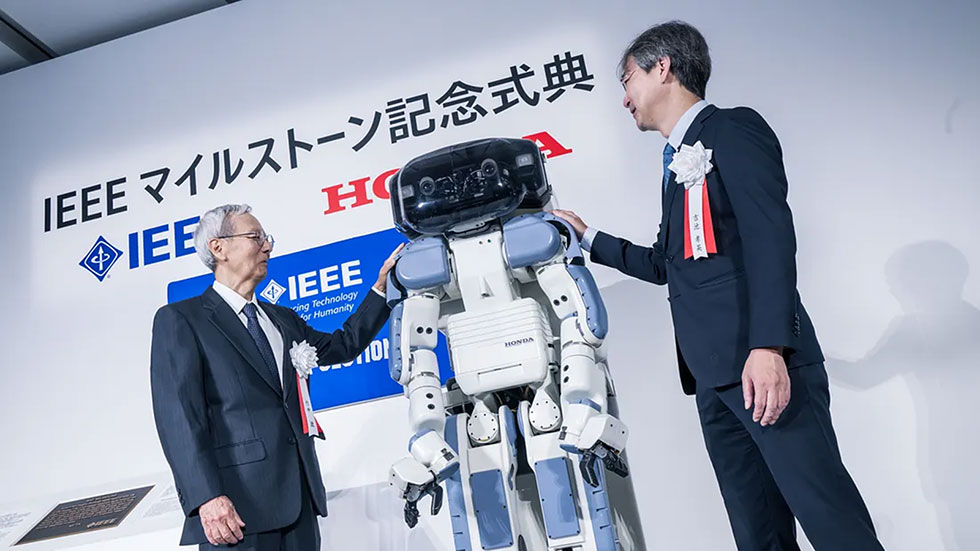
On April 28, 2026, the IEEE Milestone dedication ceremony was held at the Honda Wako Building. The plaque was presented by Professor Toshio Fukuda (currently Professor Emeritus at Nagoya University), who became the first Asian person to serve as the IEEE President in 2020. This is Honda’s second IEEE Milestone award. It follows on from our first award in 2017 for the Honda Electro Gyrocator (commercialized in 1981 as the world’s first map-based car navigation system).
In addition to Honda’s unique bipedal walking control technology cultivated in the development of the P2, this recognition highly praised the creation of a new concept of robots. This concept involves robots playing social and supportive roles in medical treatment, education, rehabilitation, and personal assistance, rather than being machines optimized for industrial use. The decisive factor behind this recognition was the fact that the P2 established a technical benchmark in the field of human-robot interaction.
The plaque recognizing the IEEE Milestone award will be installed in the Honda Collection Hall at Mobility Resort Motegi (Tochigi Prefecture). This is Honda’s motorsports and mobility event area. The actual P2 robot is currently on display in the robotics exhibition area of this hall. It is open to the public.
What Is an IEEE Milestone?
World’s Largest Electrical and Electronics Professional Association
Headquartered in the United States, the Institute of Electrical and Electronics Engineers (IEEE) is the world’s largest academic and professional association in the electrical, electronic, information, and communications fields. The IEEE is a non-profit organization with over 530,000 members across more than 190 countries worldwide. It plays a leading role in a wide range of technological fields, including computing, biotechnology, communications, electric power, aerospace, and electronics.
The IEEE also formulates rules for the technology we use daily on a global scale. This includes electric vehicle charging standards and Wi-Fi and Ethernet communication standards. The institute’s authority and influence are widely known in the engineering world.
A non-profit academic organization in the electrical, electronic, information, and communications fields. Founded in 1884. The IEEE drives global technological advancement through the formulation of technical standards, the publication of academic journals, and the operation of international conferences.
The Milestone Program was established in 1983. This program recognizes historical achievements that have made enormous contributions to the advancement of local communities and industries more than 25 years after their development. The IEEE Nagoya Section spearheaded the proposal to recognize the P2 as an IEEE Milestone.
Hall of Fame in the History of Technology, Where Contribution to Future Generations is Considered Key
The basis for judging whether a technology should be recognized as an IEEE Milestone is not its novelty or commercial success, but rather the extent to which it has contributed to future generations. Technologies are judged by multiple independent reviewers. The barrier to selection is extremely high. As of March 2026, only 293 technologies have been recognized worldwide.
A member of the IEEE Nagoya Section that proposed recognition of the P2 as an IEEE Milestone stated the following: “This Milestone demonstrated the feasibility of human-like motion in machines and set a new standard in robotics.” Upon receiving the recognition, a plaque commemorating this achievement will be permanently installed at a location associated with the P2. This will preserve it as a record in the history of global technology.
Japan’s Proud Legacy of IEEE Milestones
IEEE Milestone recognition holds special significance for Japan as a technology-oriented nation. Numerous technologies from Japan have already recognized as IEEE Milestones. This shows Japan’s technological prowess, which has reshaped the global history of electrical, electronic, and information technology. This award for the P2 marks a new chapter in this distinguished legacy.
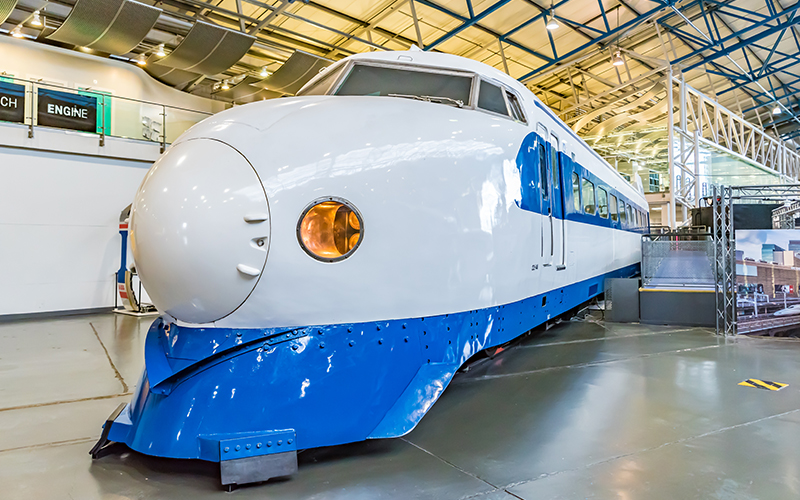
Tokaido Shinkansen Japan National Railways (now Central Japan Railway Company and others)
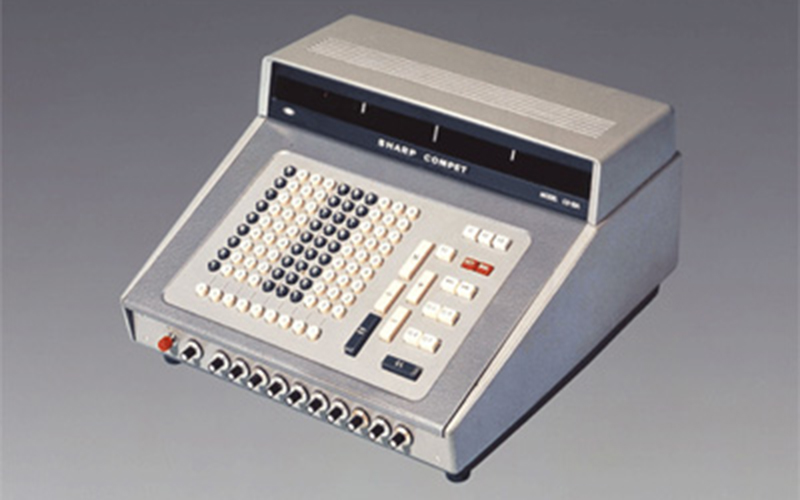
SHARP COMPET CS-10A
Pioneering Calculator Development Sharp
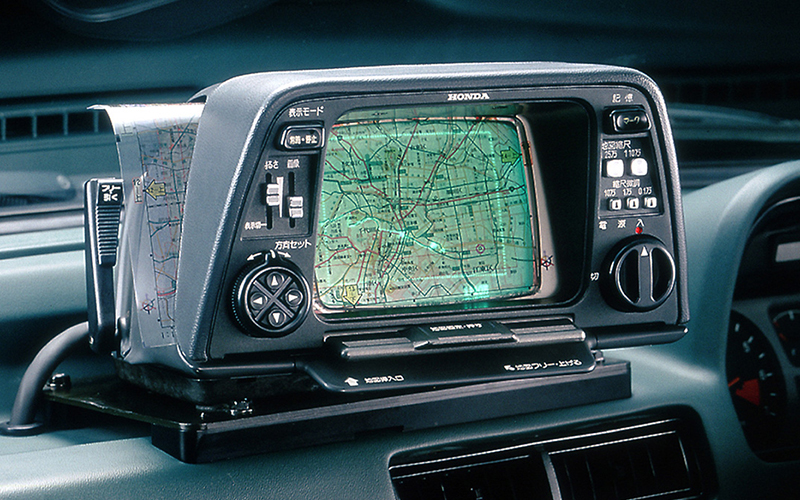
Honda’s Electro Gyrocator (World’s First Map-based Car Navigation System) Honda
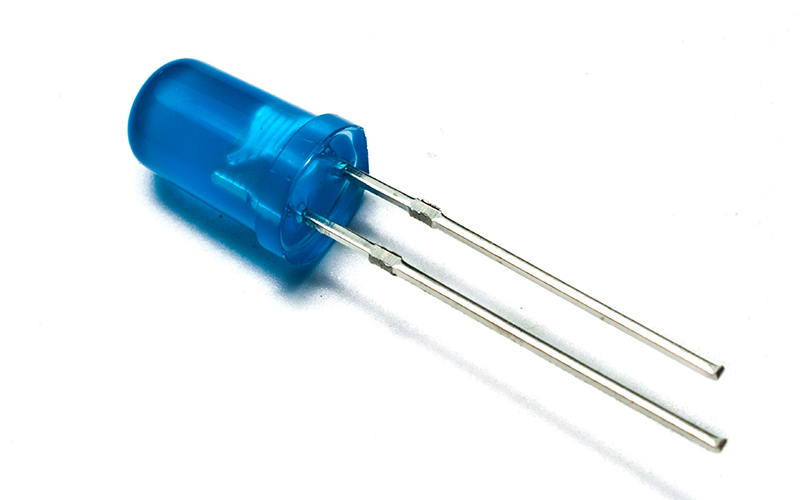
Practical Application of Blue LEDs Meijo University (Professor Hiroshi Amano)
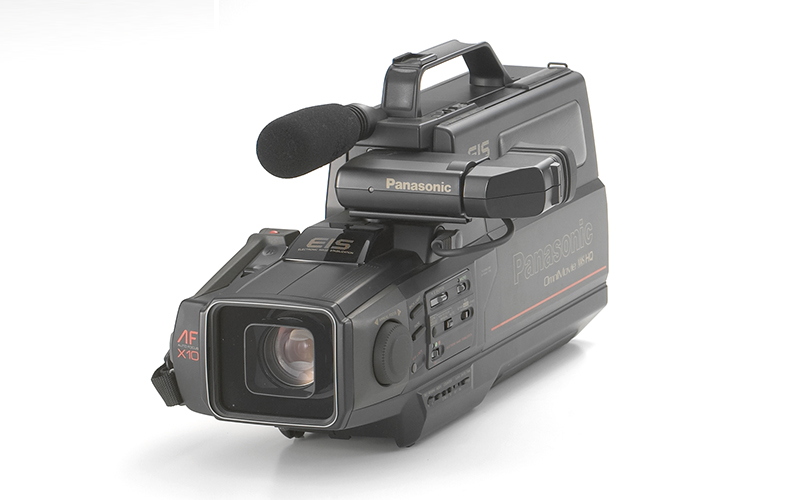
Camcorder with Image Stabilization Panasonic

Development of QR Codes DENSO WAVE
In recent years, the commercialization of fish finders (FURUNO ELECTRIC, 1949), Hiraga Gennai’s electrostatic generator (1776), and other Japanese technologies have also been recognized as IEEE Milestones one after another. Japan’s technological achievements are once again being praised around the world.
- *We referred to the IEEE Milestones Wiki (Milestone-Proposal: Honda P2, First Bipedal Robot, 1996) for some of the text on this page.
- *We plan to update the content published here periodically.