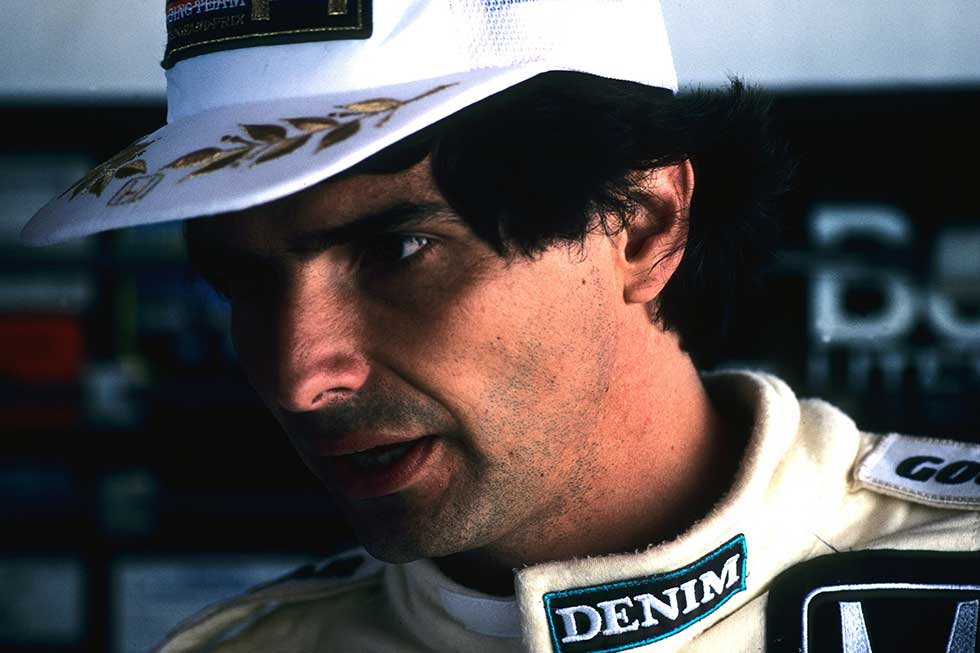
Nelson Piquet and Honda
Nelson Piquet spent two seasons with Williams Honda and secured his third World Championship title.
Behind that success were numerous dramatic moments, including a major accident and tensions within the team.
Through Piquet’s own reflections, we look back on his journey.
Champion Piquet joins Williams Honda
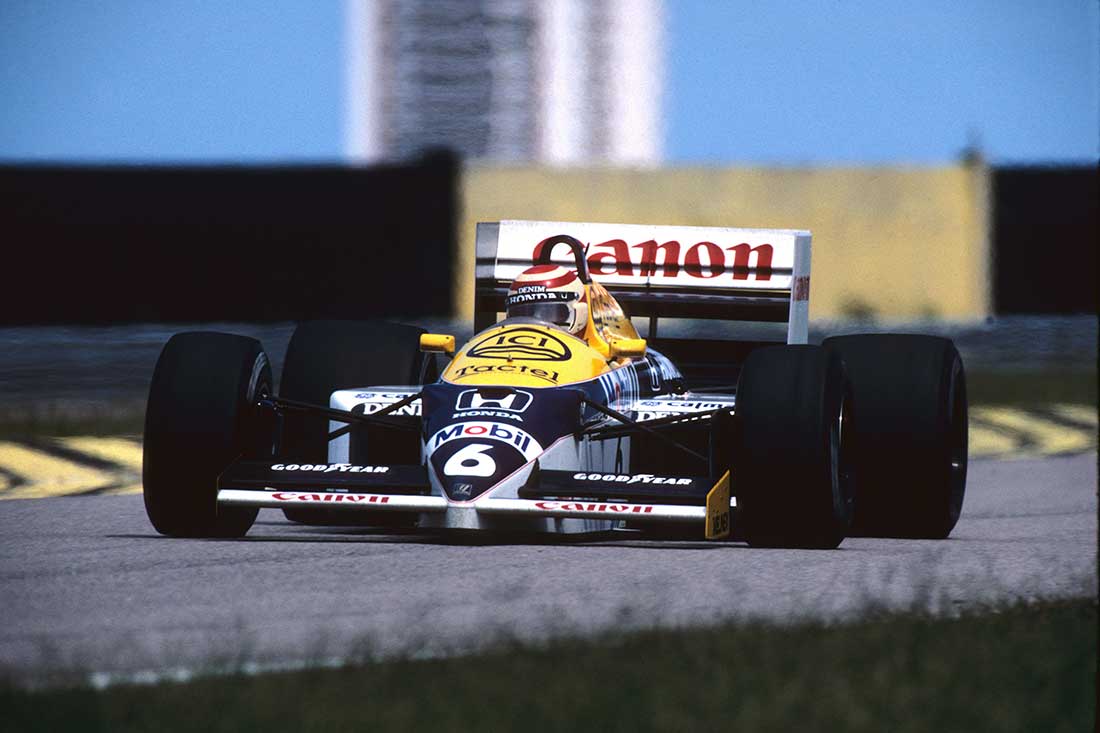
In 1986, two-time World Champion Nelson Piquet joined Williams after achieving his titles with Brabham. He was the driver personally pursued by team founder Frank Williams to replace the retiring Keke Rosberg, bringing proven speed, experience, and championship credentials to the team.
Soon after arriving at Williams, Piquet encountered two unexpected developments.
The first was the competitiveness of Williams Honda. Although the team had made significant progress in 1985, its pace exceeded even Piquet’s expectations. From the very first pre-season tests, he could see that Williams Honda possessed genuine championship-winning potential.
The second was far more dramatic. During pre-season testing, Frank Williams was seriously injured in a road accident, leaving the team without its leader at a critical stage of preparation.
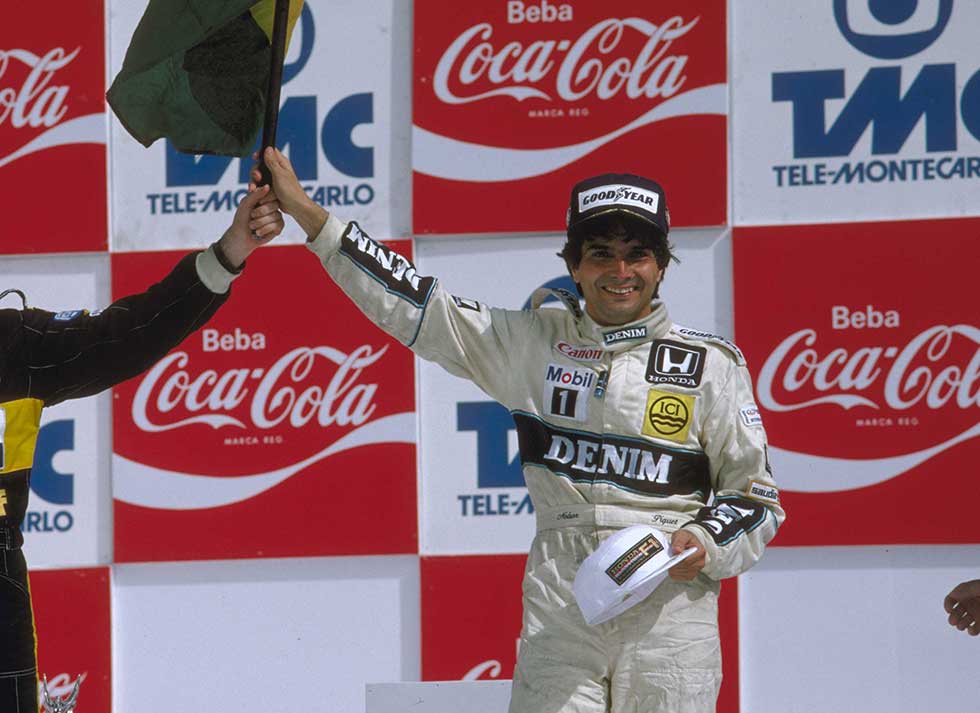
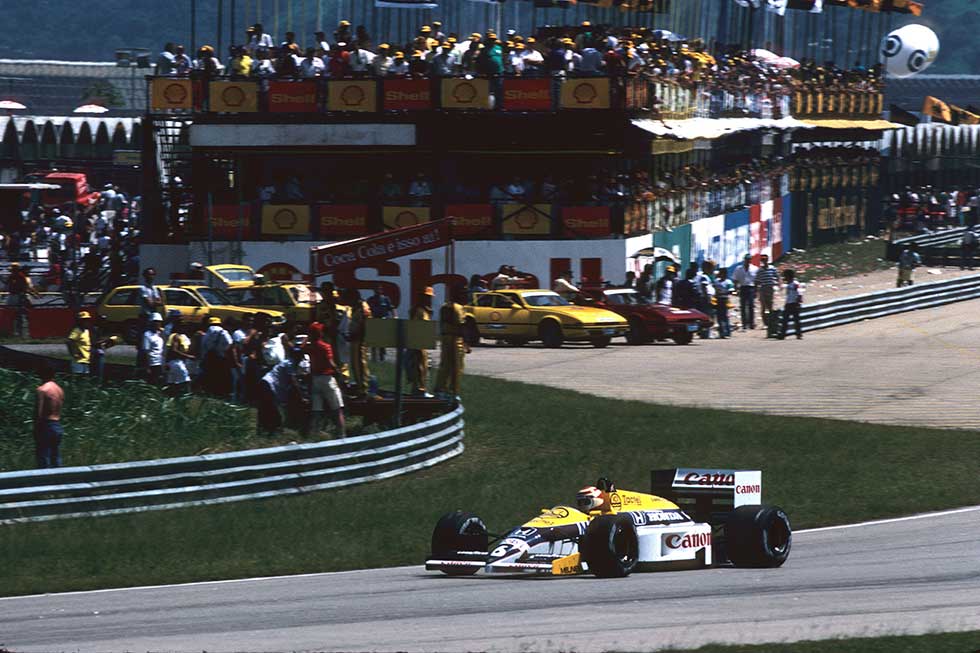
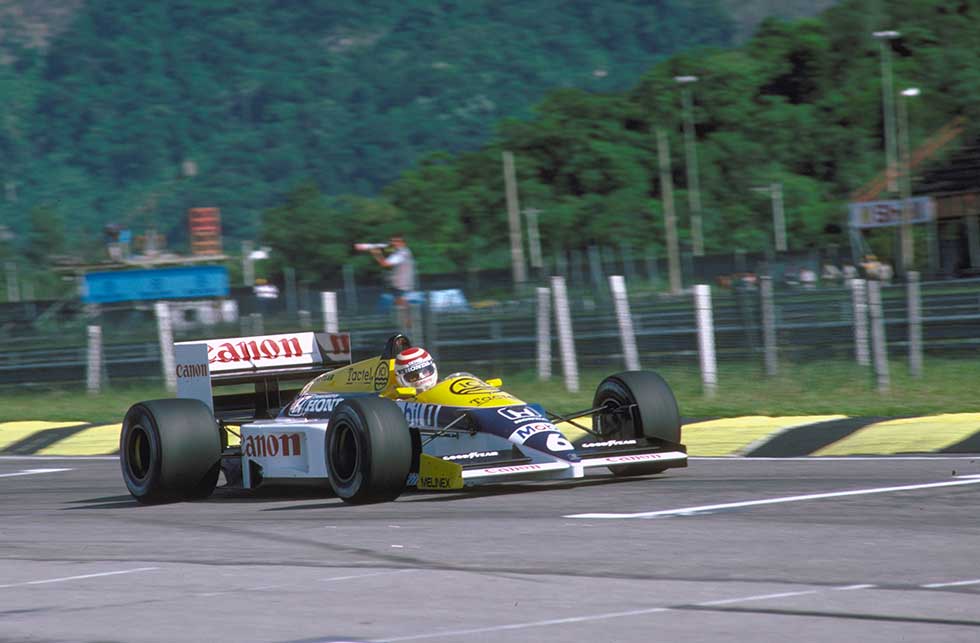
Despite the setback, Williams Honda established itself as the dominant force of the era. During his two seasons with the team, Piquet scored seven victories. He won on his Williams debut at the opening round of the 1986 season, the Brazilian Grand Prix, immediately demonstrating his value to the team. Throughout the year he remained a consistent front-runner, recording ten podium finishes including four victories.
His results were even stronger in 1987. Although he won three races compared with four the previous year, he finished second seven times and stood on the podium on eleven occasions. Those performances played a major role in Williams Honda securing consecutive Constructors’ Championships in 1986 and 1987, while Piquet himself claimed his third World Championship in 1987.
Yet at the height of that success, Piquet chose to leave Williams and move to Lotus.
Prior to the start of the 1988 season, Piquet reflected on his two years at Williams. His comments offer a revealing perspective on one of the most successful periods of his career.
Although Piquet contributed four victories to Williams Honda’s 1986 Constructors’ Championship campaign, alongside Nigel Mansell’s five wins, he later admitted that he had not been at his physical best throughout the season.
“There were races that were extremely tiring, and there were times when I made mistakes. Detroit was a race I had to win. I knew I had to do something about it, so during the winter I trained harder than I ever normally would. As a result, I arrived at the start of the 1987 season in excellent condition.”
How an accident changed a champion’s approach
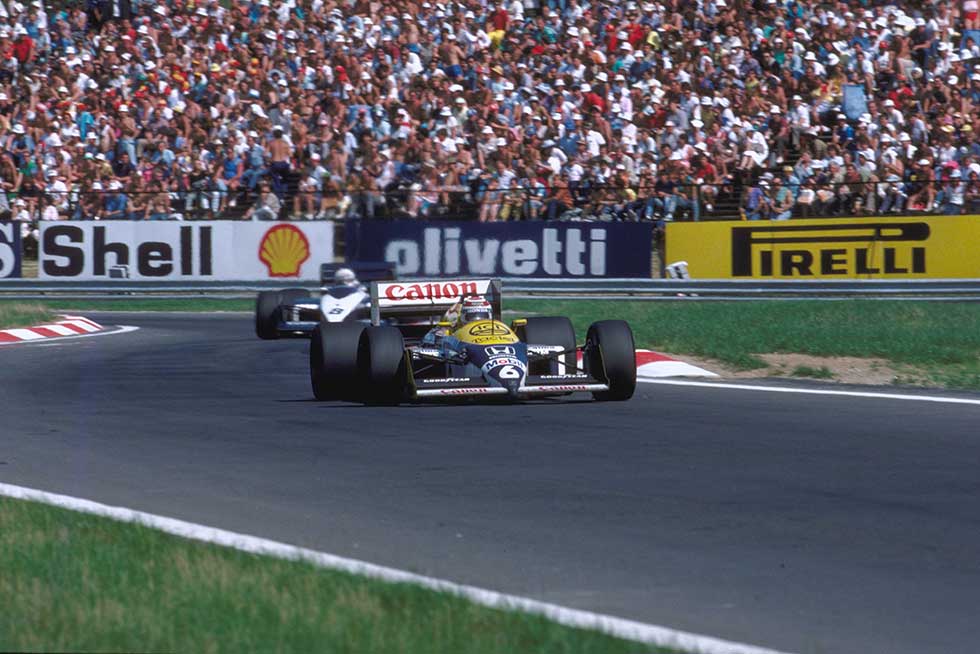
The 1987 season began with Williams Honda appearing even stronger than before.
“In 1987, the car was always fantastic,” Piquet recalled.
However, his season was dramatically altered during qualifying for the San Marino Grand Prix. At the high-speed Tamburello corner, his car left the circuit and struck the barriers in a massive accident. The cause was believed to be a tire failure. In response, tire supplier Goodyear collected every tire from every team and flew replacement tires from the United Kingdom in time for Saturday qualifying.
“That accident changed everything,” Piquet said. “Physically, I carried the effects for a very long time. Mentally, it was even worse. For two or three months, I slept only two or three hours a night. It was a very difficult period. After that, I was never quite as aggressive as before.”
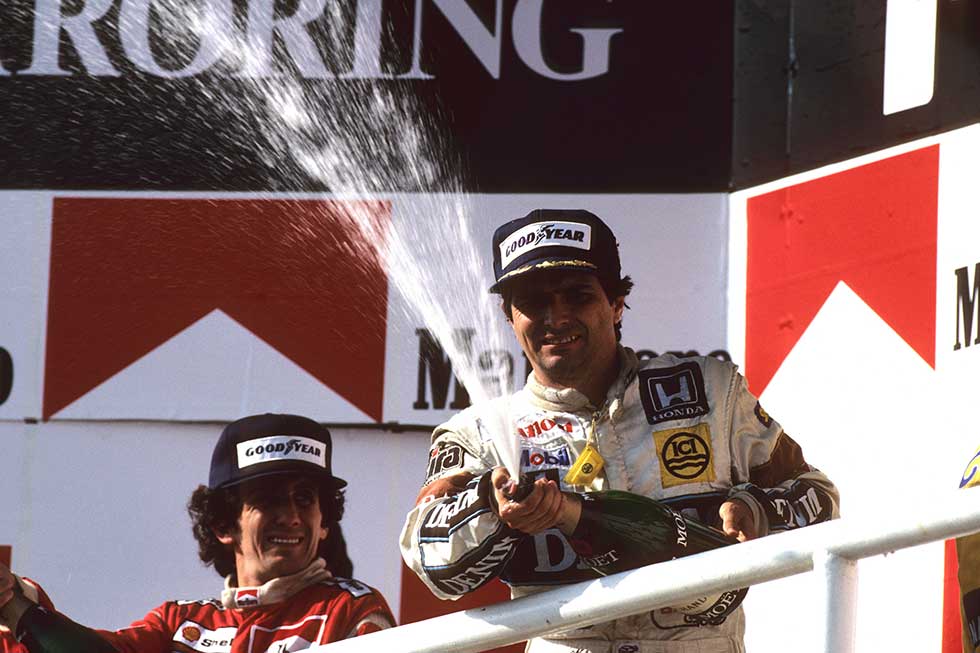
Piquet ultimately won the 1987 World Championship with three victories. While Mansell won six races, Piquet consistently accumulated points through results such as seven second-place finishes.
Many observers viewed the championship as a reflection of Piquet’s calculated and intelligent approach to racing.
“That accident changed me,” he admitted. “I definitely became slower. But not everything became worse. I think I became more consistent and better at finishing races.”
Piquet, who had claimed the Drivers’ and Constructors’ Championship double with Williams Honda in his final season with the team in 1987, subsequently decided to move to Lotus Honda. There, alongside Satoru Nakajima, Japan’s first full-time F1™ driver, he continued to race with Honda power in the 1988 season.