Round 12: Dutch Grand Prix Preview
Honda Introduces Updated RA626H
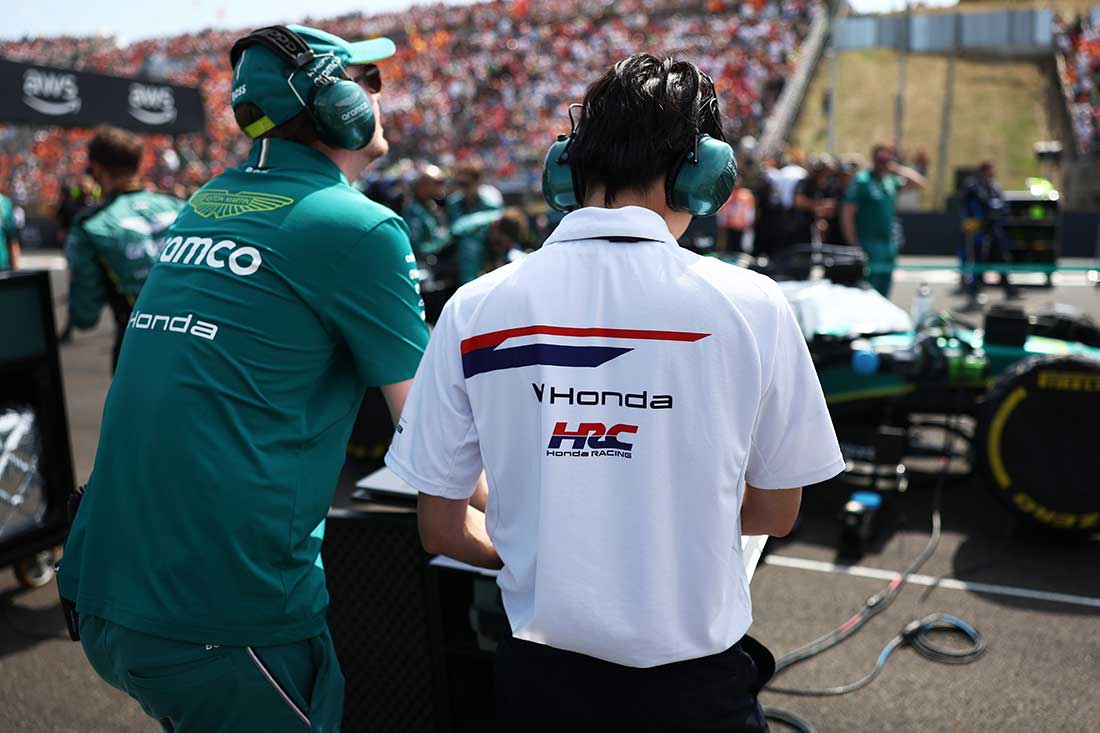
For the first race of the second half of the season following the summer break, Honda will introduce an updated power unit as it looks to improve performance together with Aston Martin Aramco Formula One™ Team (AMAF1). The updated RA626H delivers increased power through improvements to the ICE (internal combustion engine), along with minor upgrades to the battery and other components. Honda has made maximum use of the development budget and bench-testing time made available through ADUO (Additional Development Upgrade Opportunities) to improve performance.
AMAF1 introduced a major update to the AMR26 at the Hungarian Grand Prix immediately before the summer break, confirming that the development direction was correct and that the changes were effective. The team has also announced further updates for the Dutch Grand Prix, with attention now focused on the results.
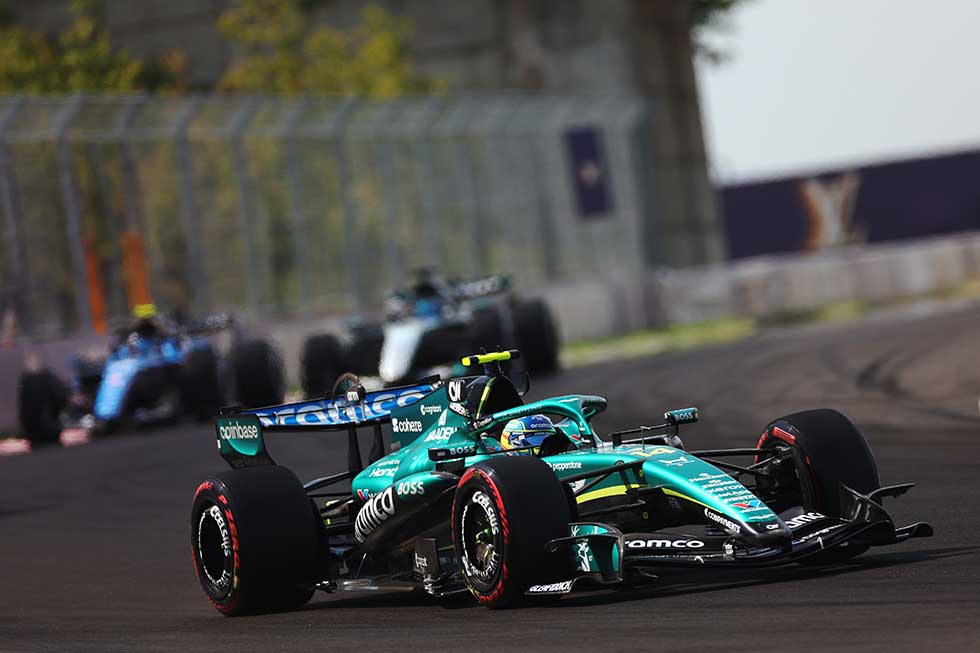
Combining the more competitive AMR26 with the Honda Spec 2 power unit is expected to create a synergistic effect, giving the team the performance to join the midfield battle and compete for points.
Zandvoort and its distinctive banking
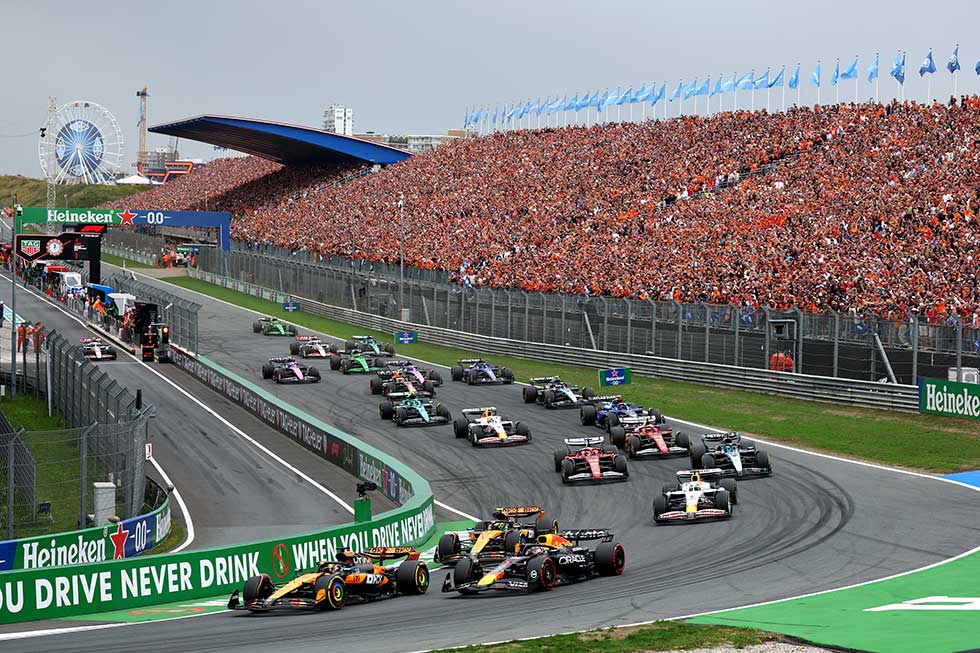
Zandvoort, home of the Dutch Grand Prix, is one of the few remaining old-school circuits. At just 4.259 km, it is short, with a narrow track and limited runoff areas, and demands fast, rhythmic driving throughout. It is also known for its distinctive banked corners.
Turn 1 at the end of the main straight is a tight, hairpin-like corner known as Tarzanbocht, with the entry providing the circuit’s main overtaking opportunity. After a gentle right-hander comes the distinctive banked Hugenholtzbocht at Turn 3. With a gradient of 19 degrees, drivers can choose between the shorter inside line and the faster outside line, making the different approaches one of the highlights of the race.
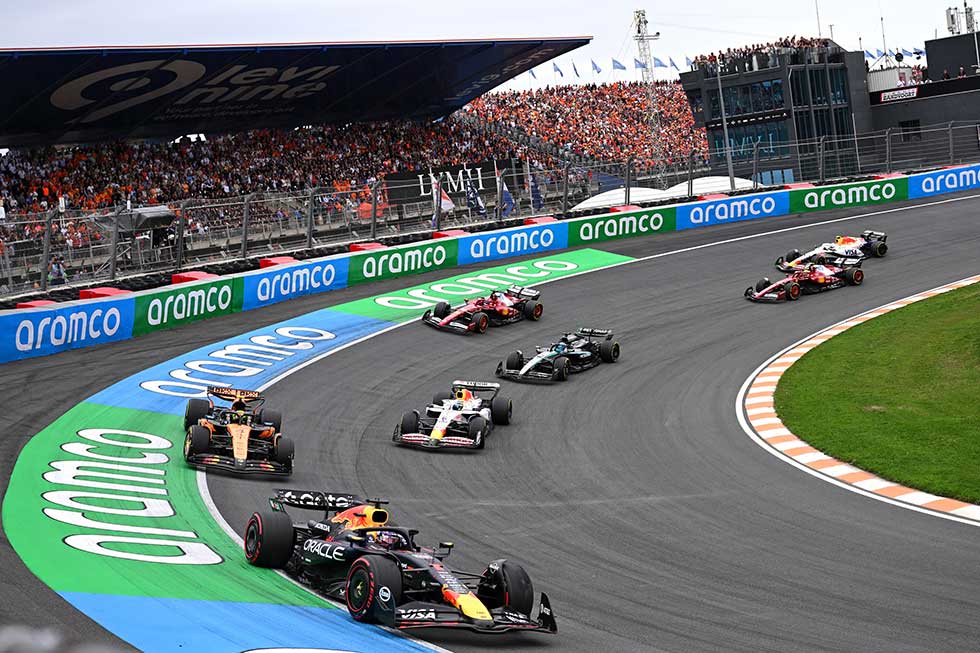
After Hugenholtzbocht, a series of fast, rhythmic corners continues through Turn 7. Turn 7, known as Scheivlak, is a fast, banked right-hander and one of Zandvoort’s signature corners. Turns 8 through 10 form a technical section of medium- and low-speed corners. Turns 11 and 12 form a tight chicane-like sequence, with Turn 12 tightening significantly. The final corner, Turn 14, is known as Arie Luyendykbocht. Its 18-degree banking makes it a key corner for carrying speed onto the main straight.
A key race for the second half of the season
As the season enters its second half, each team has continued to develop and refine its new car built to the new regulations. The Dutch Grand Prix is another circuit where energy management is demanding, making the balance between electrical energy recovery and deployment one of the key areas to watch.
Early in the season, attention focused on issues arising as a by-product of the new regulations, including unconventional driving techniques used to maximize energy recovery and aborted attacks caused by insufficient energy. The FIA has since made detailed adjustments to restrictions on electrical energy recovery and deployment for individual sessions and circuits. These changes have reduced the impact on speed and lap times, helping to maintain the fast and spectacular driving expected of F1.
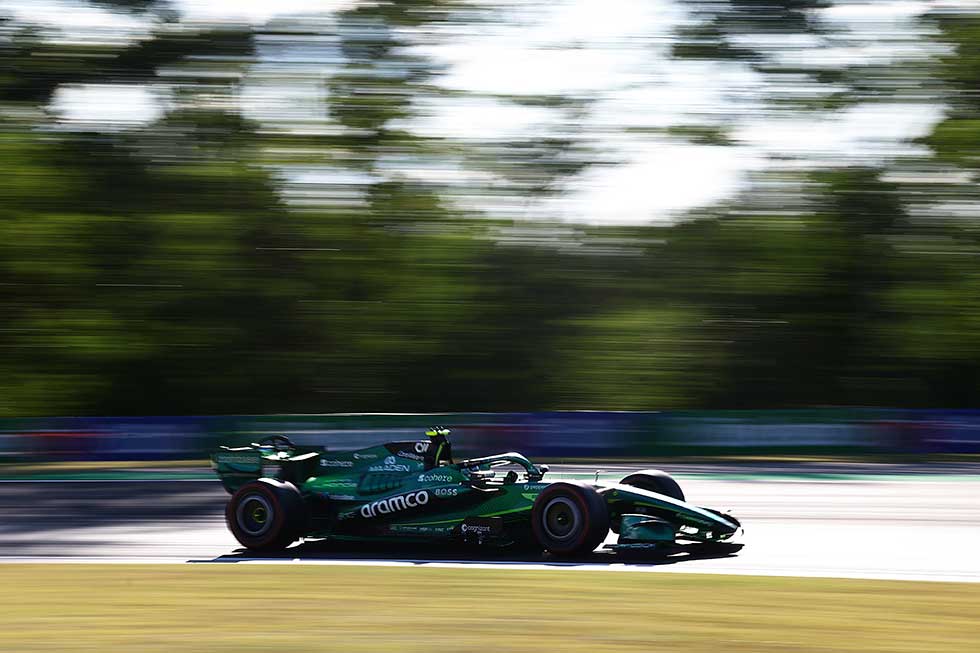
Continued development and updates could change the competitive order in the second half of the season, making the Dutch Grand Prix an important opening test. Particular attention will be on AMAF1, which has successfully updated its chassis and has now confirmed the introduction of an updated power unit. The race could provide an indication of the team’s direction for the second half of the season and into next year.
The 2026 Dutch Grand Prix at Zandvoort will also bring the current run of the event to a close. Driven by the success of Max Verstappen, the Dutch Grand Prix returned in 2021 after a 36-year absence, having last been held in 1985. After six consecutive editions, however, it will once again disappear from the F1 calendar after 2026.
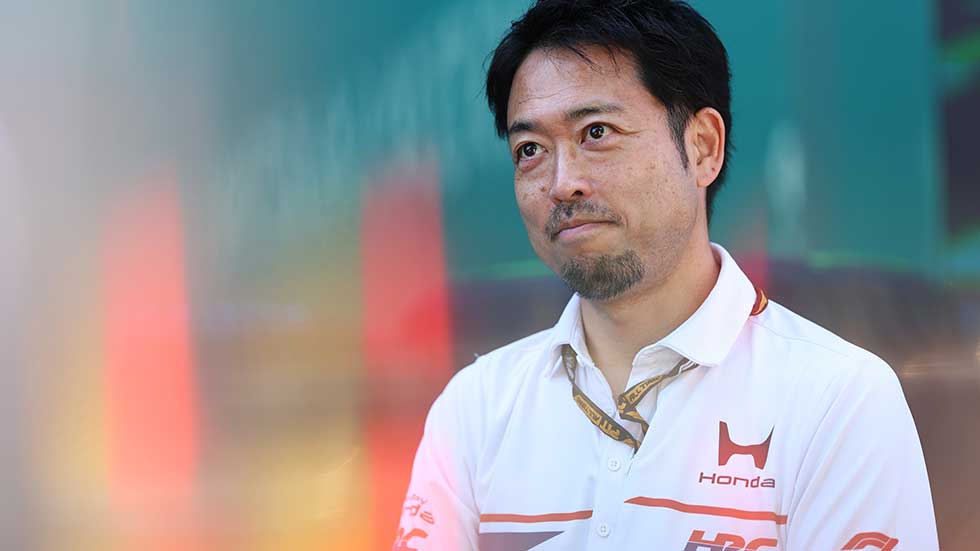
Shintaro Orihara, Trackside General Manager and Chief Engineer:
“The Dutch Grand Prix is an important milestone for Honda as this is where we introduce our new spec power unit. This is the result of an intense period of hard work at HRC Sakura together with HRC UK and the Aston Martin Aramco Formula One™ Team.
“Zandvoort is a Sprint weekend, which means we only have a single free practice session. This will bring an additional challenge to complete the evaluation of our new package in that limited running, but it’s a test we’re looking forward to.
“In Hungary, we saw a step forward with the new chassis. With the new specification power unit now introduced, we look forward to building on that progress together with the team over the remainder of the season.”