Round 6: Monaco Grand Prix PreviewStage Moves from North America to Europe
Monaco Kicks Off European Rounds
European Rounds Begin
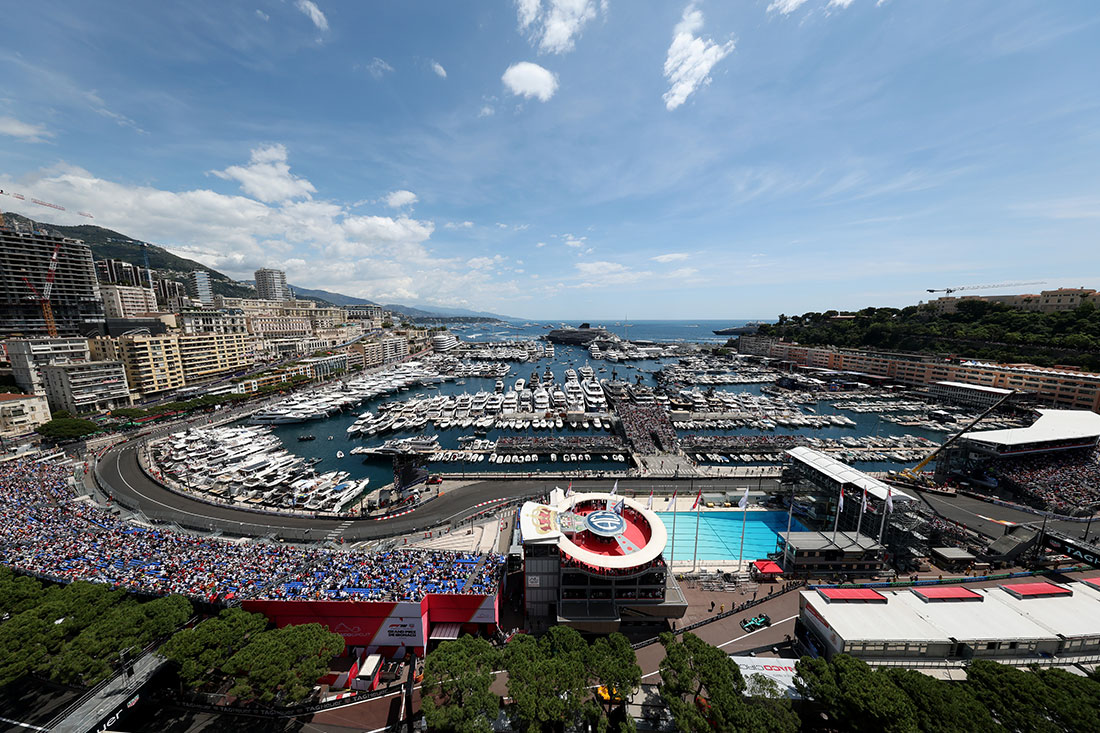
The 2026 season has already experienced disruption with the cancellation of two Middle East rounds early in the year, but after races across Oceania, Asia, and North America, the FIA Formula One World Championship™ now moves to Europe, the traditional home of F1™.
In previous years, Barcelona often marked the beginning of the European campaign, but this season the Monaco Grand Prix becomes the opening European round due to its fixed place on the calendar.
The historic Monaco GP is a special event for drivers. Victory in Monaco is regarded as one of the greatest achievements in motorsport, with many saying that one Monaco GP victory is worth three at other Grands Prix. Its glamorous and distinctive atmosphere makes it unique within F1™. Monaco is one of Europe’s great social occasions, attracting celebrities, sponsors, and high-profile parties throughout race week, while its long history has established it as one of the “Triple Crown” races of world motorsport.
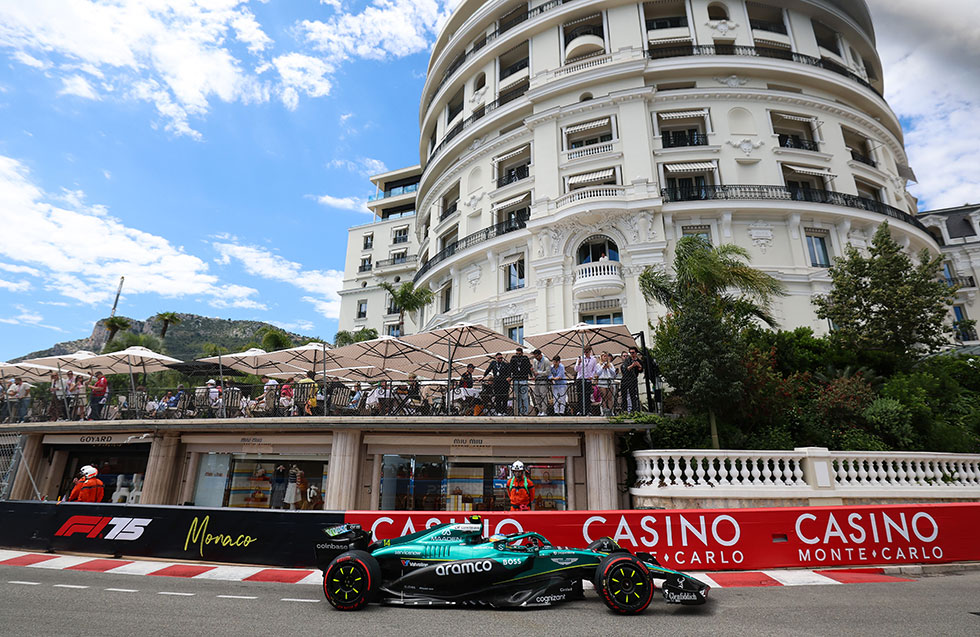
Qualifying remains critically important under the new regulations
The uniqueness of the Monaco GP extends far beyond its atmosphere. Since the beginning of F1™ in 1950, the public-road street circuit has remained largely unchanged. Even in modern F1™, where performance levels have increased dramatically, the barriers remain close to the track and drivers are punished instantly for even the smallest of mistakes.
Monaco has also become a circuit where overtaking is extremely difficult, meaning race results are often heavily determined by starting position.
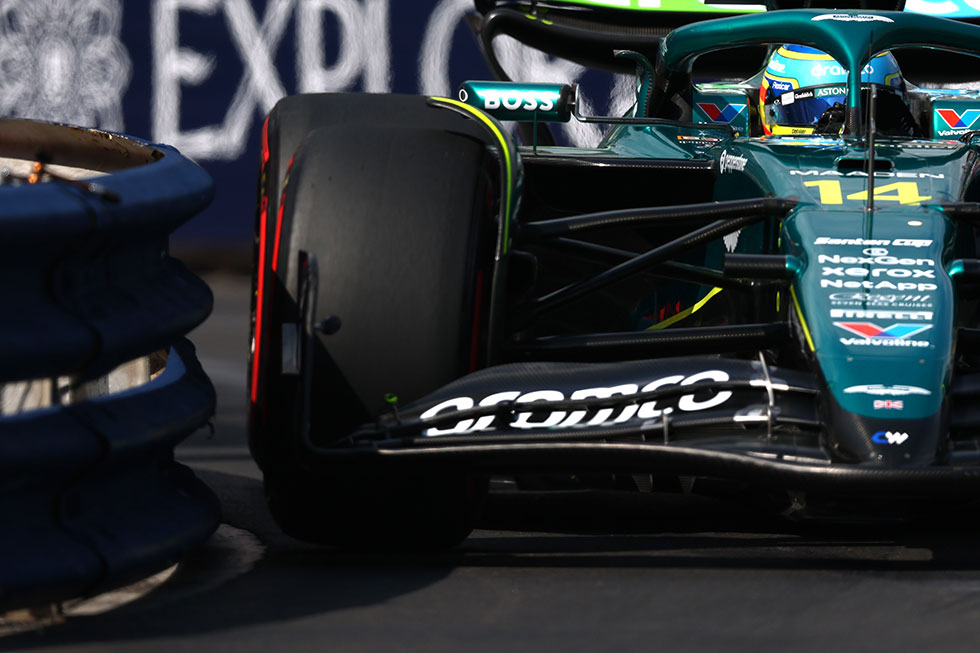
F1™ cars have changed significantly for the 2026 season, and how the new-generation machines perform around Monaco is one of the biggest talking points heading into the weekend.
The cars are now smaller and lighter, while aerodynamic downforce has been reduced substantially compared to previous regulations. Increased electrification of the power unit is also expected to influence race strategy and performance characteristics.
Energy management in particular could become a decisive factor. Monaco’s extremely short full-throttle sections create unique demands in balancing energy harvesting and deployment. Although the circuit features many braking zones that allow sufficient energy recovery, deciding where and how to deploy that energy will vary depending on team and driver strategy.
As this is the first Monaco GP under the new regulations, teams and drivers will effectively be searching for the optimal setup throughout the weekend, making that development process itself a major point of interest.
The smaller cars and reduced downforce are expected to change driving characteristics significantly, but the difficulty of overtaking is unlikely to change at all. As a result, qualifying remains critically important, and success may depend on how effectively teams and drivers adapt their revised driving styles and energy-management strategies to maximize one-lap performance.
Once again, qualifying may prove to be the biggest highlight of the Monaco GP weekend.
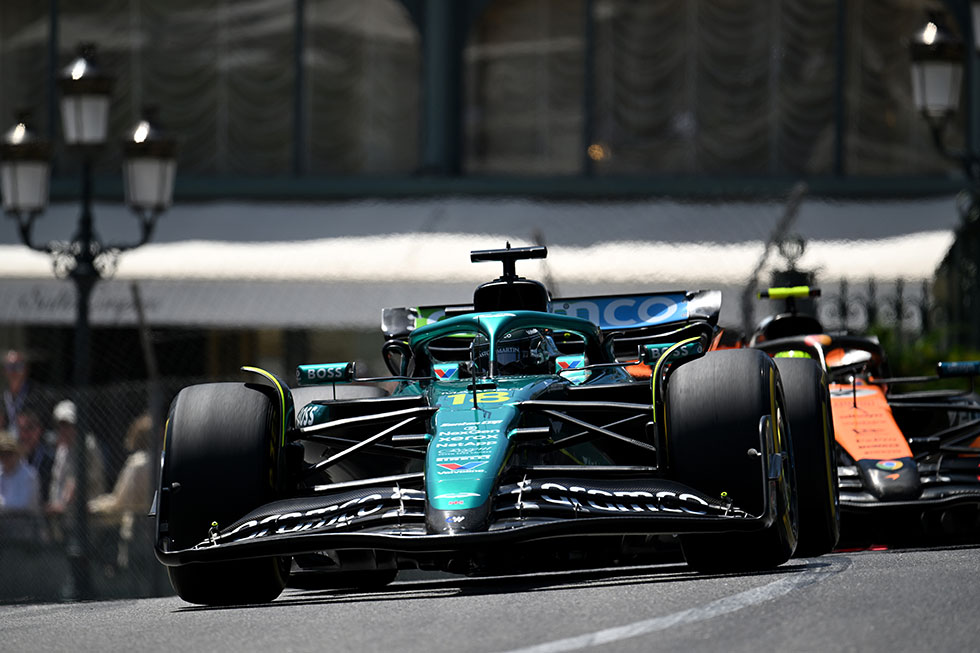
A circuit that highlights driver ability
One of Monaco’s defining characteristics is the extent to which driver skill influences performance.
Because the circuit is extremely low-speed and made up primarily of low- and medium-speed corners, the performance differences between cars are reduced compared to many other circuits. Driver technique, confidence, and determination therefore become major factors in deciding the outcome.
With overtaking so difficult, Monaco races have often tended to become processional. Last season, a regulation requiring two pit stops during the race was introduced in an attempt to create more opportunities for position changes.
However, teams quickly exploited the additional pit-stop windows strategically by controlling rejoin positions and deliberately slowing the pace to hold up rival cars. As a result, the regulation was abandoned after just one season.
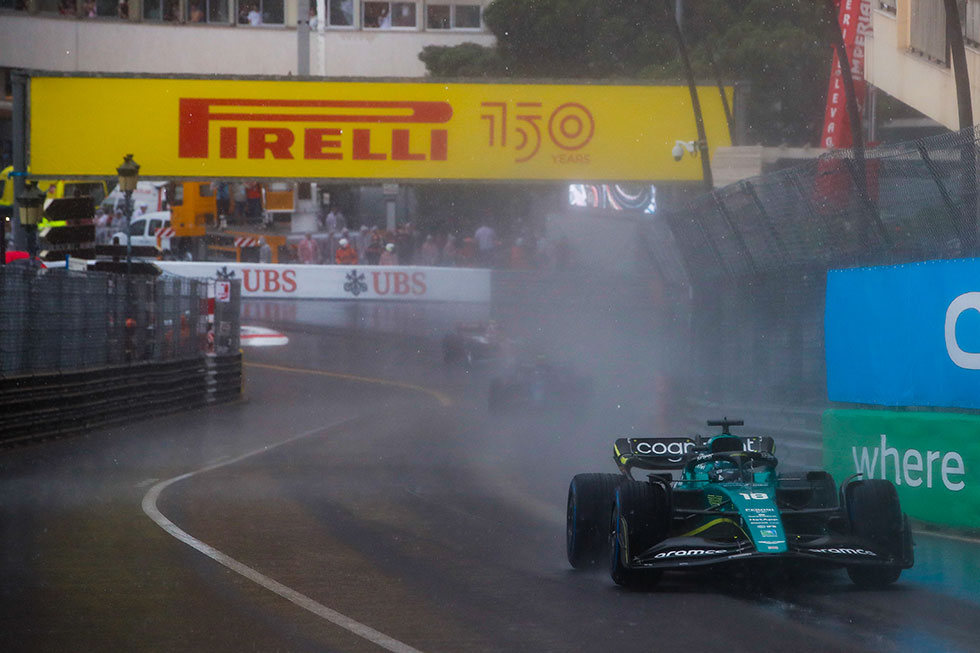
The Monaco GP is also famous for producing dramatic and unpredictable races, with weather often playing a major role. When rain affects qualifying or the race itself, tire strategy becomes significantly more difficult and the risk of accidents rises sharply. In such conditions, a race that might otherwise appear straightforward can suddenly become a survival contest, sometimes producing unexpected winners and podium finishers.
Although Monaco is usually held during a relatively stable weather period, rain can completely transform the event at any moment.
Alonso’s experience could become a major strength
The Aston Martin Aramco Formula One™ Team (AMAF1) is gradually regaining stability after the difficult start to the season.
The vibration issues initially affecting the power unit have been addressed through intensive efforts by HRC (Honda Racing Corporation), with the problem now largely resolved. HRC has also made encouraging progress in areas particularly important for Monaco, including power unit drivability and energy-management performance.
While the overall competitiveness of the car still requires improvement, Monaco’s emphasis on driver skill creates an opportunity for Fernando Alonso to demonstrate his strengths.
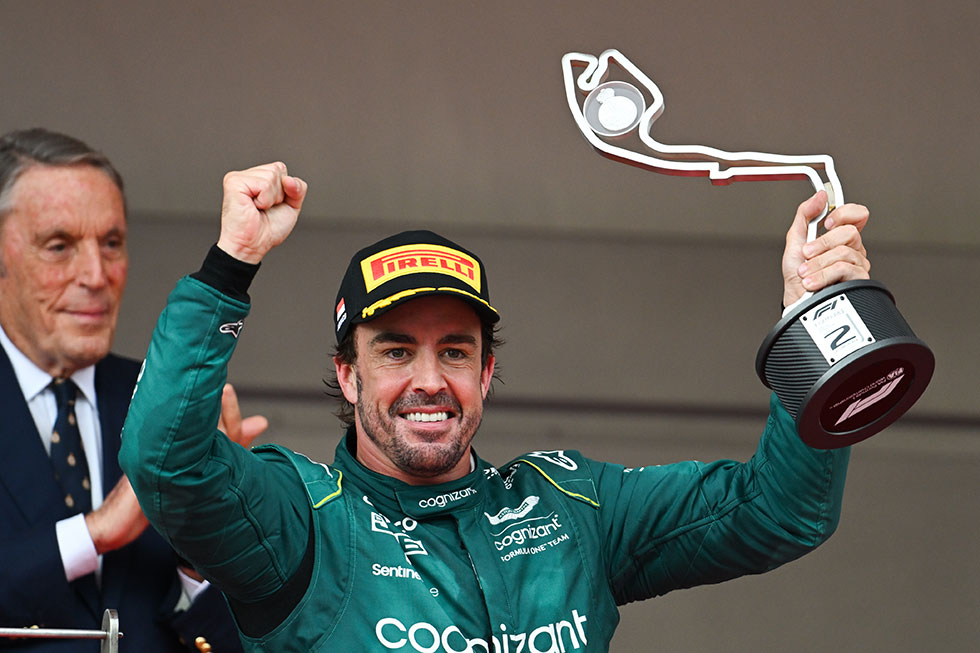
Alonso has achieved two Monaco GP victories and five podium finishes during his career and is regarded as one of the drivers who understands best how to approach racing in Monaco.
His performance at this year’s Monaco GP will undoubtedly be one of the key storylines to watch in Formula 1® this weekend.
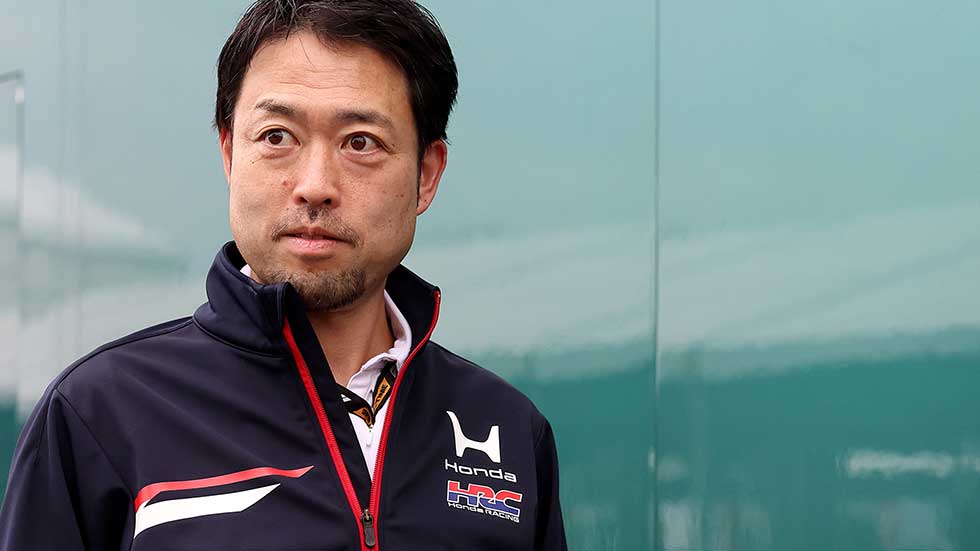
Shintaro Orihara, Trackside General Manager and Chief Engineer:
“Circuit de Monaco is very unique, and our power units require dedicated preparation to adapt to the conditions. We have conducted specific driver-in-loop (DiL) sessions at the AMR Technology Campus to optimize our energy management setting.”
“On the cooling side, Monaco’s slow speed sections make this challenging. We need to find a good cooling specification, working closely with Aston Martin Aramco to achieve this for the power unit in clean air and heavy traffic, which is common here.”
“This weekend we have three hours of practice so it’s critical to optimize energy management and track usage throughout these. Gaining the drivers’ feedback during this will also be paramount as energy management has a significant impact on drivability. Monaco has a lot of slow speed corners, so it’s fundamental to maximize drivability to give them maximum confidence. We can find lap time from drivability here.”