Round 4: Miami Grand Prix PreviewFormula One returns after a one-month break in the heat of Miami
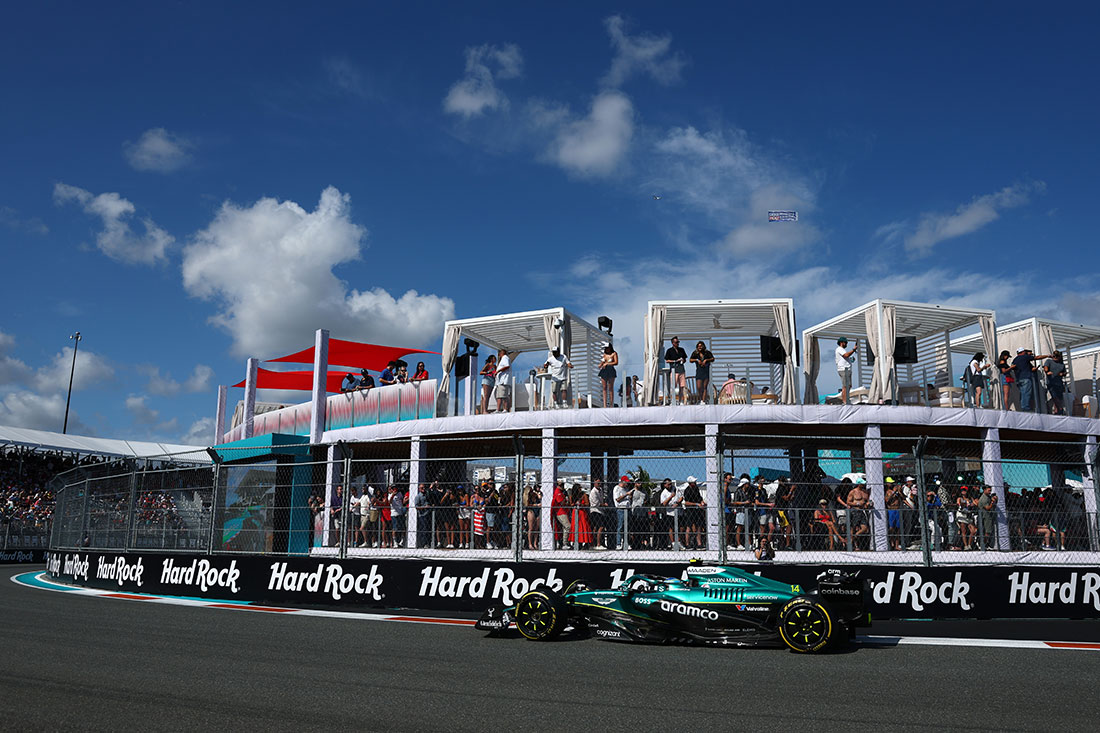
North American leg begins as the season resumes after an extended interval
Due to global circumstances, the Bahrain and Saudi Arabian Grands Prix were cancelled, leaving the 2026 season with an unprecedented one-month break after the opening three rounds. Following this pause, the Miami Grand Prix—now Round 4—will be held in Florida, USA. It will be followed by the Canadian Grand Prix, marking consecutive races in North America.
With new regulations introduced this season, the opening rounds have begun to reveal the competitive order and key technical challenges faced by each team. As a uniquely American, entertainment-driven event held in a vibrant resort setting, the Miami Grand Prix attracts global attention. With the sprint format in place, fans can expect intense on-track battles alongside a dynamic race weekend atmosphere.
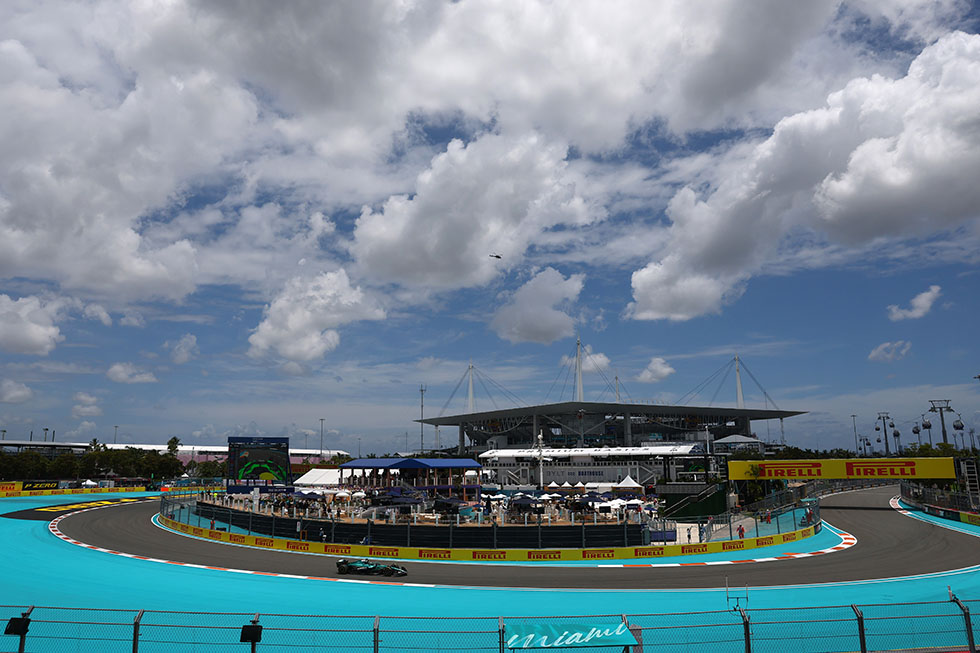
Circuit characteristics and key points
The Miami International Autodrome, built around Hard Rock Stadium—home of the NFL’s Miami Dolphins—is a 5.412 km street-style circuit. It features a mix of ultra-high-speed straights and a tight, technical low-speed section between Turns 11 and 16, where walls close in on the drivers. Cars will exceed speeds of 320 km/h on the straights, while close-quarters battles unfold through the diverse corner sequences.
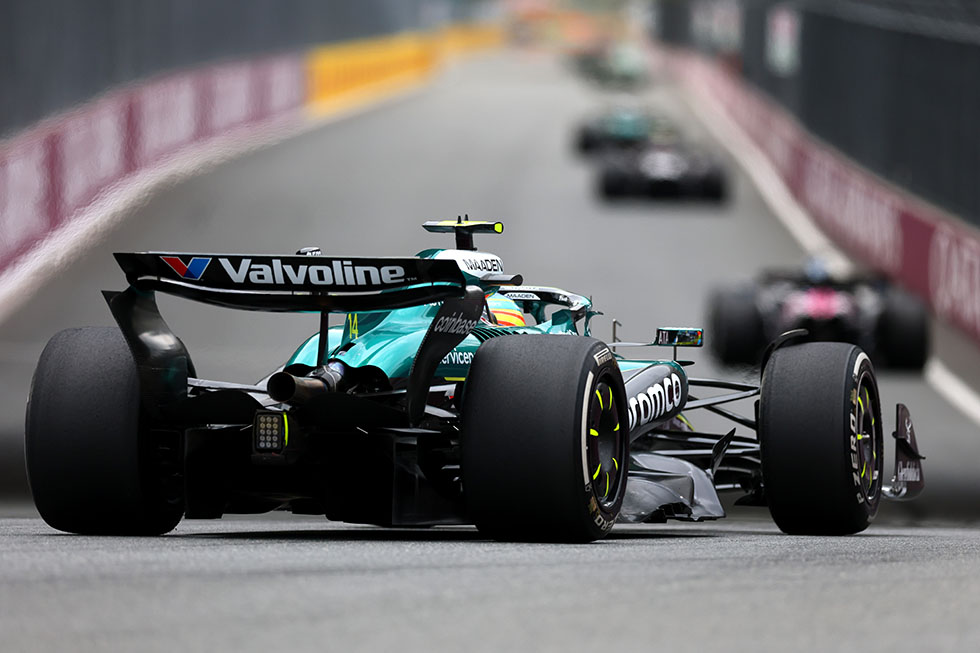
A well-balanced aerodynamic setup is essential, while managing tire performance under extreme track temperatures caused by intense sunlight will be a decisive factor. In addition, with the new-generation F1 machines, how teams generate and deploy energy recovery will play a crucial role—offering fans a clear contrast in strategic approaches.
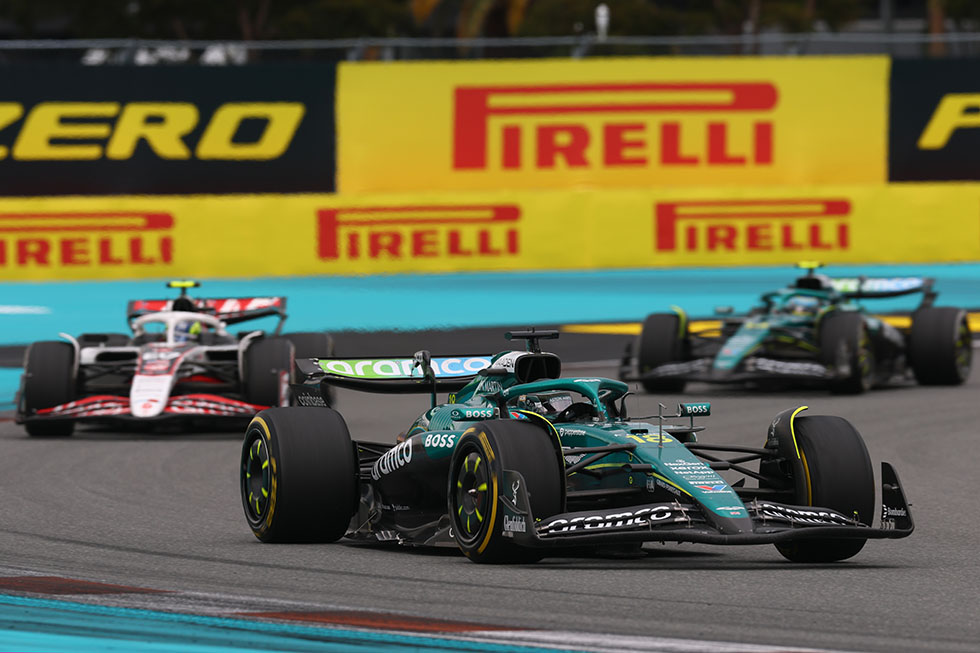
What to watch
Historically, the Miami Grand Prix has been defined by overtaking battles into the long straights using DRS (Drag Reduction System). This season, however, with a greater reliance on electrical energy and the introduction of new aerodynamic modes designed to promote closer racing, attention will focus on how race dynamics evolve.
The narrow track width and unforgiving walls mean that even small mistakes can lead to major incidents, making safety car deployments highly likely. Combined with tire management in high temperatures and pit stop timing, strategy will be a decisive factor—setting the stage for a thrilling race.
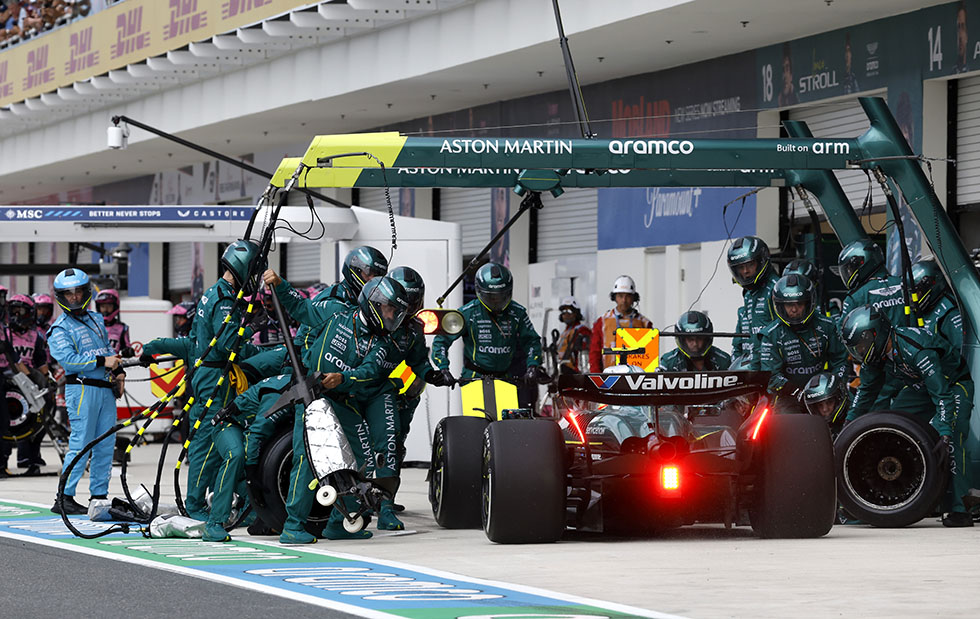
Steady progress for Honda and the Aston Martin Aramco Formula One Team during the one-month interval
For the new-generation power unit (PU), Miami’s hot and humid conditions present a significant challenge. At the previous round in Japan, Honda successfully completed the race and gathered valuable data. During the interval, efforts were focused on addressing vibration issues and improving drivability, with measurable progress achieved ahead of this race.
While there are still areas to improve in overall performance, steady development continues. Effective thermal management will be critical in Miami’s heat, and how much performance can be extracted from the PU on the long straights will serve as an important benchmark for the upcoming races.
The immediate objective remains to deliver a consistent race and achieve the best possible finishing position.
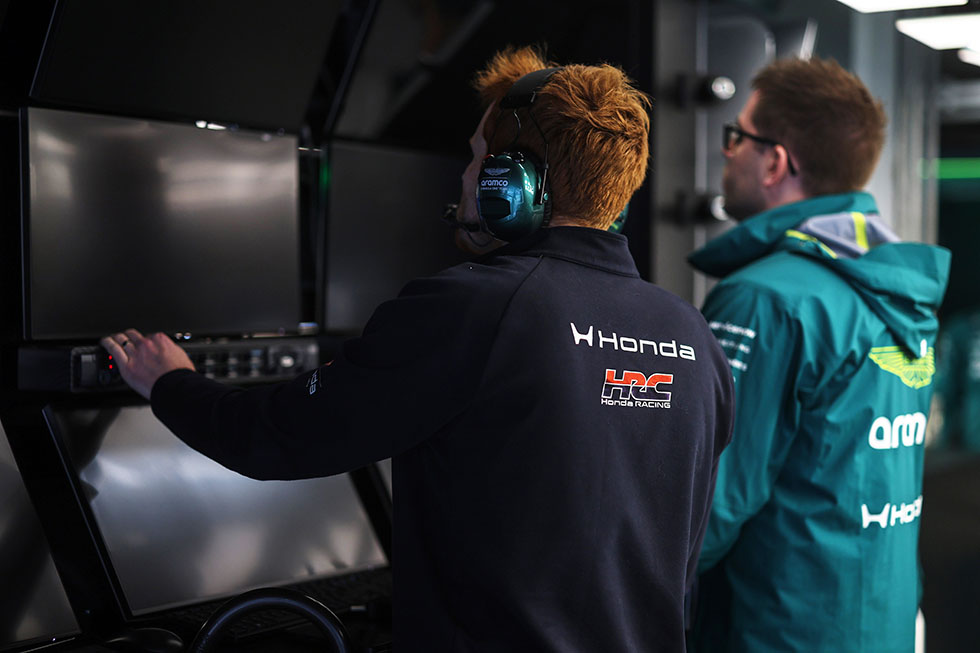
Schedule (JST)
The race takes place during Japan’s Golden Week holiday period. With early morning start times, fans in Japan are encouraged to tune in live and support the action.
- Sprint Qualifying
- May 2 (Sat) 5:30 am
- Sprint Race
- May 3 (Sun) 1:00 am
- Qualifying
- May 3 (Sun) 5:00 am
- Race
- May 4 (Mon, holiday) 5:00 am