Round 9: British Grand Prix Preview
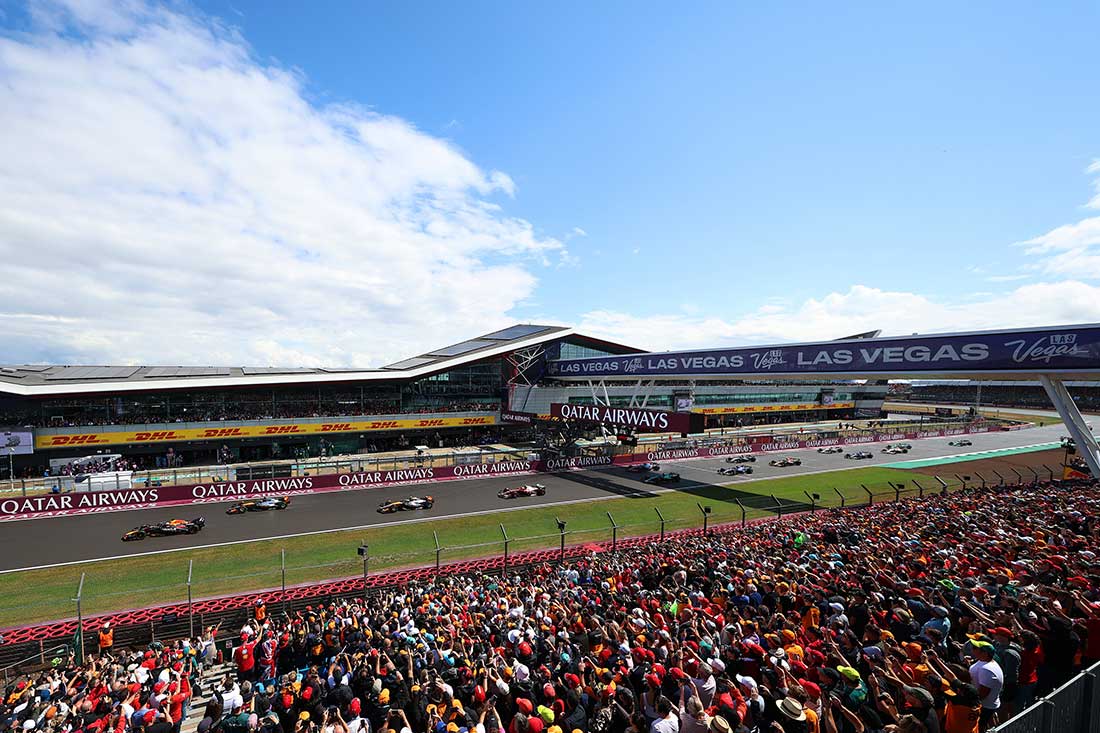
High-speed battles at the historic Silverstone Circuit
Once renowned as one of the fastest circuits in the world, Silverstone has evolved into a modern racing venue through a series of modifications designed to improve safety and racing. Even so, its defining characteristics remain its long straights followed by high-speed corners, providing the stage for spectacular high-speed racing. Famous corners such as Copse and Stowe demand bravery from the drivers while testing both the aerodynamic efficiency and power of the cars, making them among Silverstone's signature features.
The Maggotts, Becketts and Chapel complex, transformed into a high-speed sequence through circuit revisions, is regarded as one of the finest direction-change sections in modern F1, earning high praise from drivers and providing a true test of car performance.
Aerodynamic performance is particularly important at Silverstone, where straight-line speed and stability through the fast corners have a major influence on lap time. At the same time, stability through the chicane and slower corners is also essential, making downforce balance a key aspect of car setup. Silverstone is also known for its high tire wear due to its fast corners. As the circuit runs predominantly clockwise, the left-front tire and the rear tires are subjected to particularly heavy wear, making tire management and strategy key factors during the race.
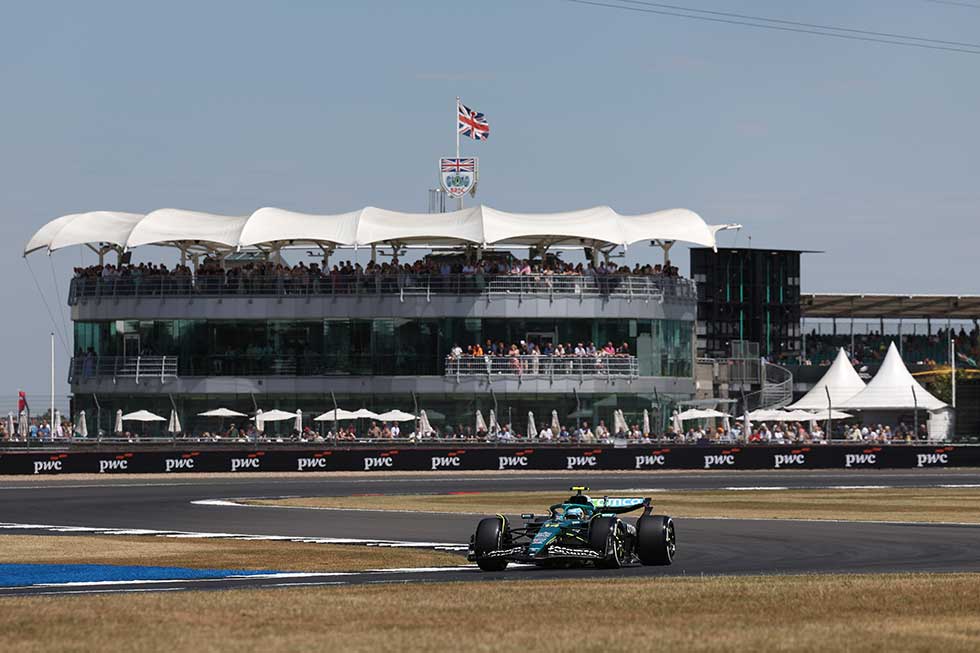
A home race for Aston Martin — and for Honda
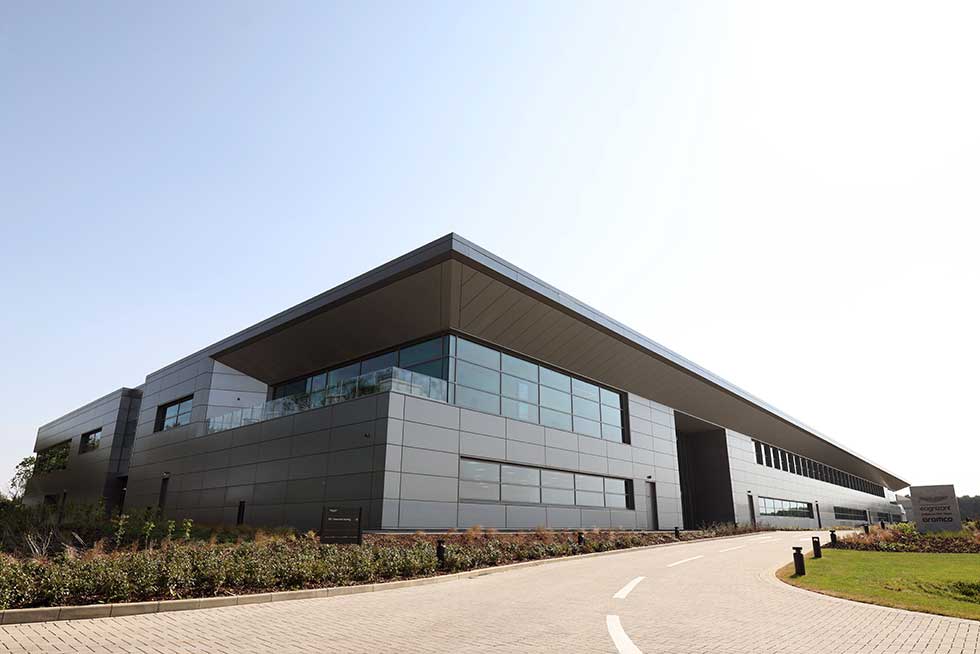
The Aston Martin Aramco Formula One™ Team (AMAF1) factory is located close to Silverstone, making the British Grand Prix the team's home race. Since 2021, owner Lawrence Stroll has overseen a major expansion of the factory, which brings together the team's headquarters, extensive development facilities and its own wind tunnel. Equipped with state-of-the-art facilities and a highly functional design, the site has been developed in phases and is now almost complete.
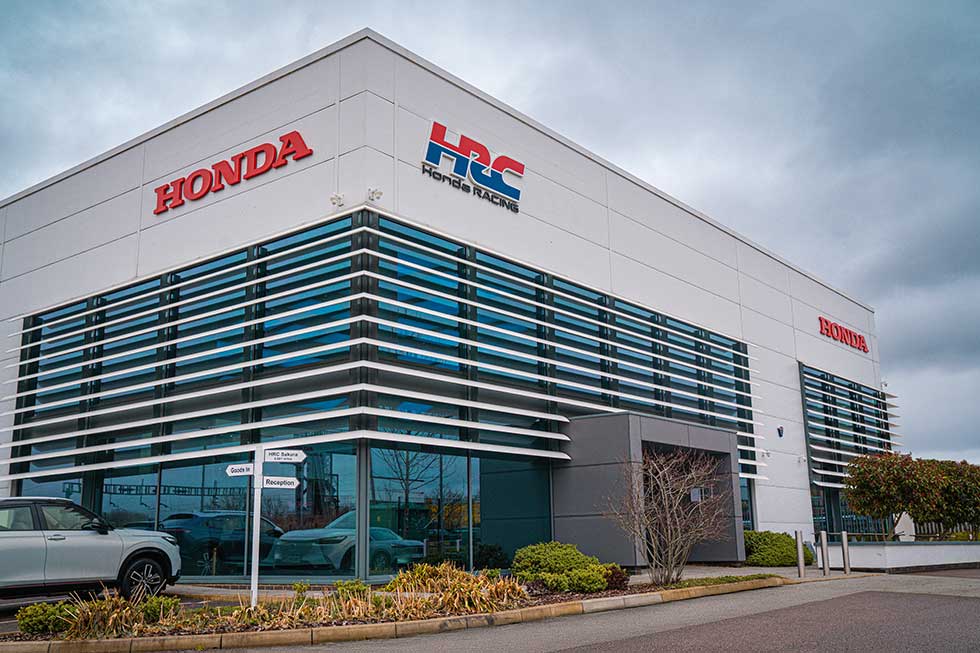
HRC UK, Honda's European F1 base, is located in Milton Keynes, around 30 minutes by car from Silverstone. Its proximity to both the circuit and the Aston Martin factory makes the British Grand Prix a second home race for Honda as well. HRC UK occupies the same facility originally established during Honda's fourth era in Formula One and later repurchased by the company. It serves as the logistics base for power unit supply, supports operations in cooperation with HRC Sakura, and provides a permanent base for trackside personnel.
Aston Martin and Honda are currently focusing all their efforts on chassis and power unit updates as they work to improve their current performance. Although these updates are expected to deliver a step forward in competitiveness, their introduction date has not yet been decided, and they are unlikely to be available for this weekend's British Grand Prix.
The 1987 British Grand Prix: Honda-powered cars sweep the top four
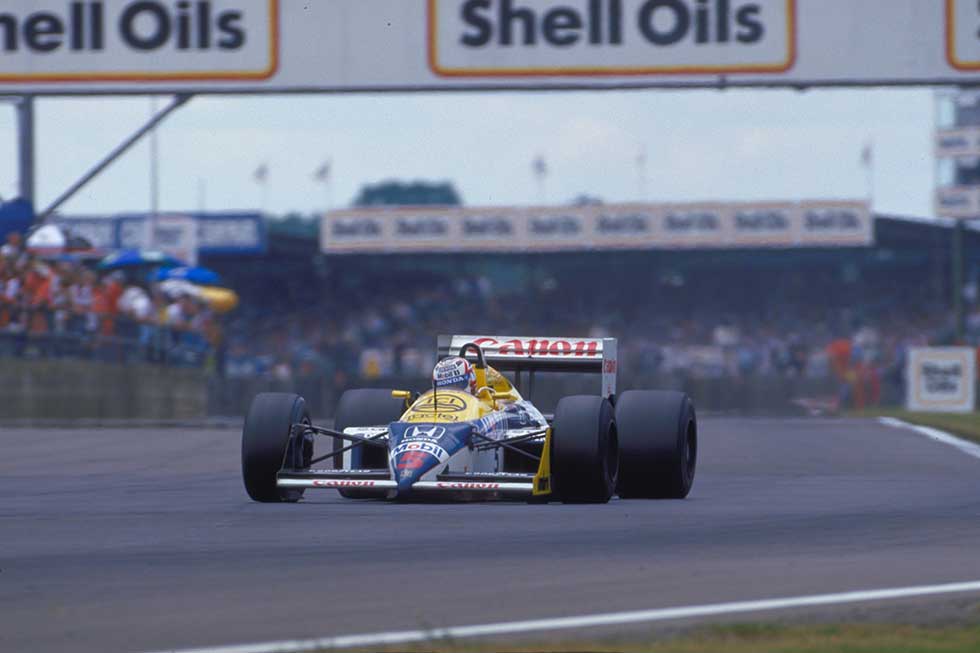
At Silverstone, synonymous with high-speed racing during the 1980s, Honda-powered cars produced one of the most memorable races of the era when Formula One was dominated by engine power. In 1987, the Honda RA167E V6 turbo powered its way through the championship with overwhelming performance, and Round 7, the British Grand Prix, remains one of its defining moments.
Williams Honda had been the benchmark since the opening rounds of the season, with Nelson Piquet and Nigel Mansell locked in an intense battle for supremacy. After Piquet claimed pole position for the British Grand Prix, Mansell mounted a determined charge and took the lead in the closing stages, giving Williams a one-two finish.
Honda also supplied engines to Lotus that season, with Ayrton Senna and Satoru Nakajima driving for the team. Senna started third on the grid and finished third. Nakajima qualified 12th but produced a determined drive through the field. After problems struck several leading cars late in the race, he crossed the finish line in fourth place.
The result gave Honda-powered cars the top four finishing positions in an historic race that remains one of the company's most memorable moments.
Shintaro Orihara, Trackside General Manager and Chief Engineer
“Silverstone’s track is very close to both the AMR Technology Campus and Honda Racing Corporation UK, making it a special event for both entities with lots of fans, colleagues and their family members in the crowd.
“The circuit itself has several high-speed corners and mid-speed corners, like at Suzuka. Energy management will be challenging, because the drivers’ throttle application is unknown until we have track running. Of course, we have done some simulator sessions with Aston Martin Aramco Formula One™ Team to predict how the throttle will be used, but it remains an uncertainty until practice. This will be one of the first things we look at from a power unit perspective.
“The UK weather is also unpredictable, and we need to be prepared for rain – even if it’s not currently forecast. So, we will be ready for those low-grip situations in terms of MGU-K deployment and driveability.”