Round 5: Canadian Grand Prix PreviewCanadian Grand Prix Known for Unpredictable Drama
What Stories Will Unfold This Year?
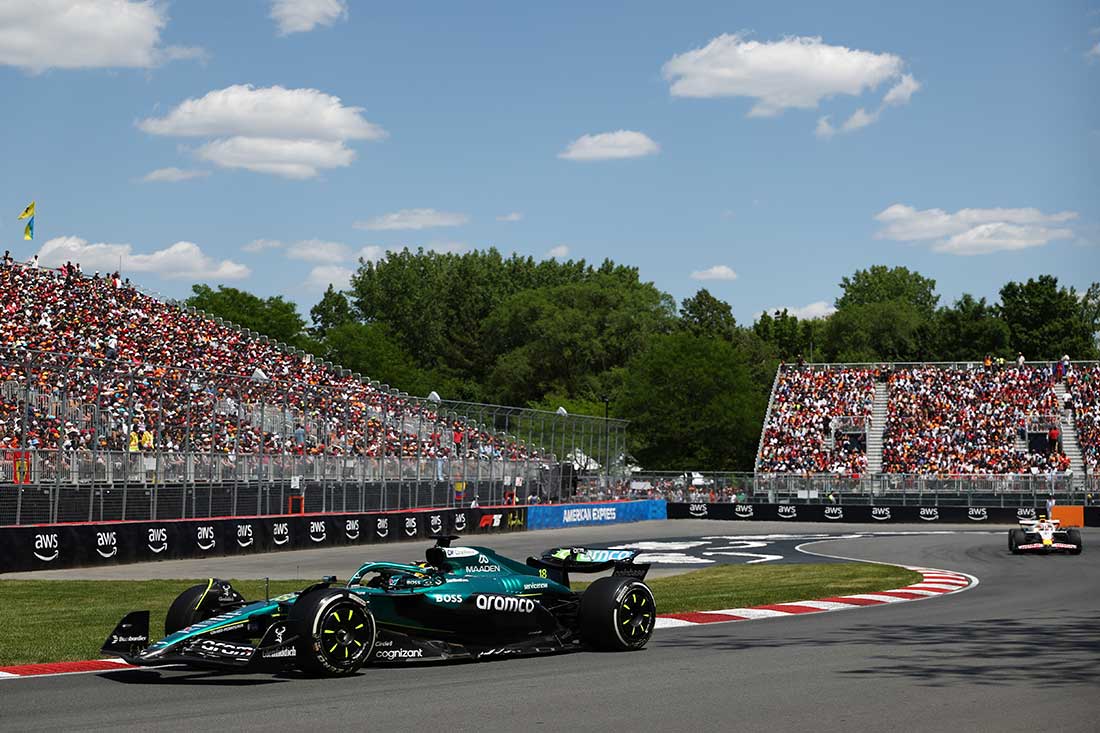
Canada hosts the second North American round
The 2026 season features a back-to-back North American schedule, with the Canadian Grand Prix taking place slightly earlier than usual.
Held on the artificial island of Notre Dame in Montreal, the Canadian Grand Prix has long been known for its dramatic and unpredictable races. Rain often plays a role, concrete walls leave no margin for error, and the long straights place heavy demands on the cars, frequently leading to unexpected retirements among front-runners and creating unforgettable moments throughout the years.
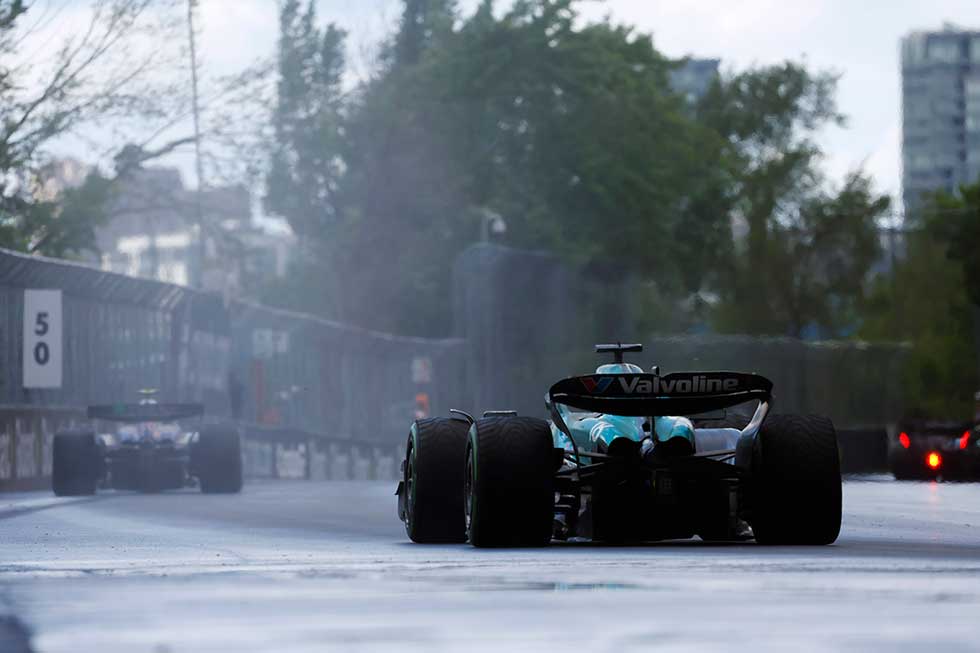
Among the circuit’s most famous features is the outside wall at the exit of the final chicane, known as the “Wall of Champions,” regarded as the track’s greatest challenge. The wall earned its name in 1999, when three Formula 1 World Champions — Damon Hill, Michael Schumacher, and Jacques Villeneuve — all crashed there and retired from the race.
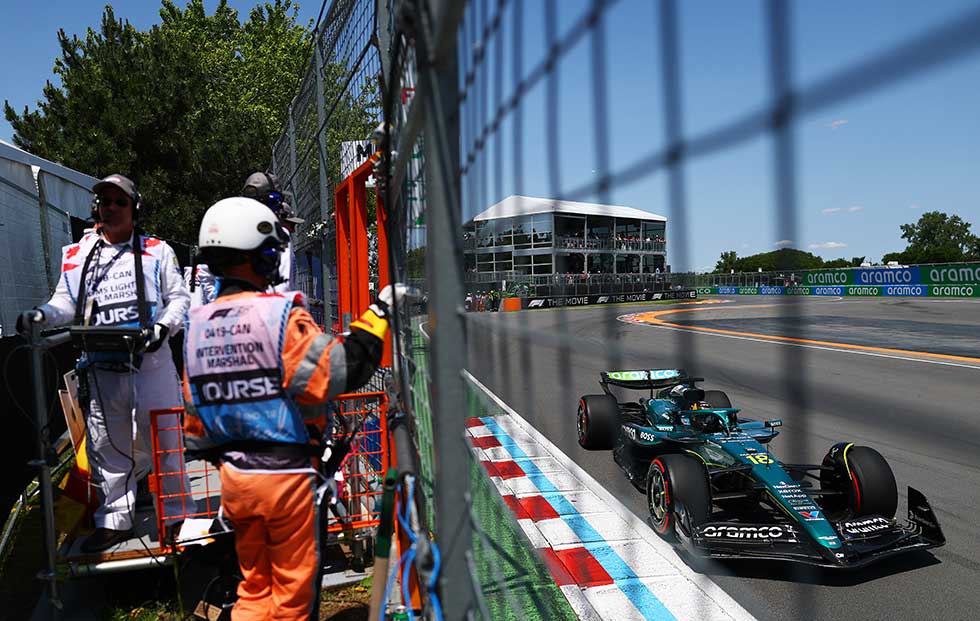
Lance Stroll, the only current Canadian F1 driver
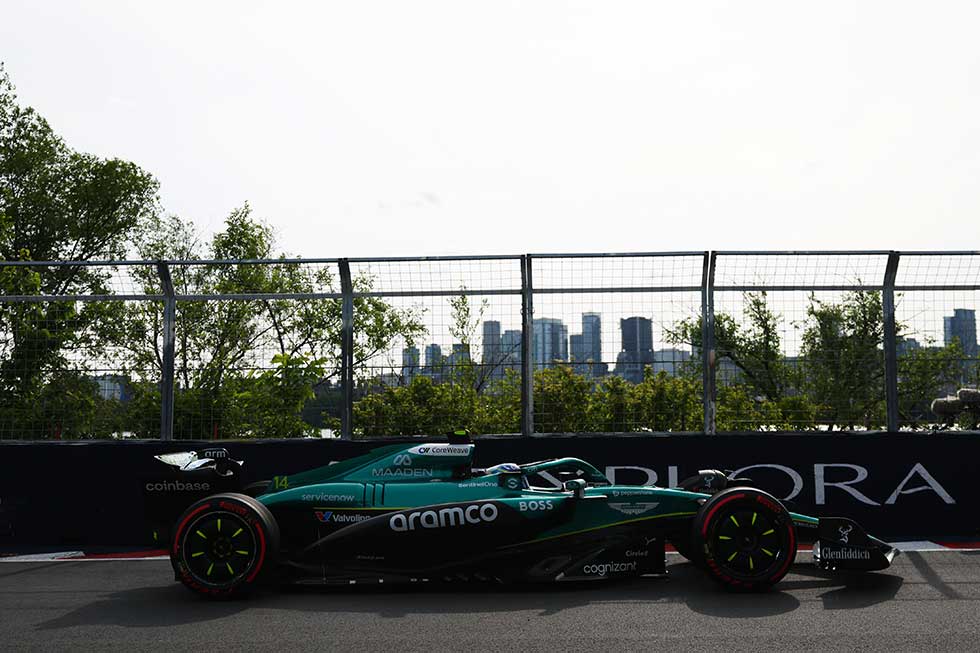
When discussing Canadian Formula 1 drivers, legendary racer Gilles Villeneuve and his son Jacques Villeneuve, the 1997 World Champion, are among the most iconic names. The current representative of Canadian motorsport in Formula 1 is Lance Stroll of Aston Martin Aramco Formula One™ Team, who became the first Canadian driver in 11 years to enter Formula 1 when he debuted in 2017.
At his home Grand Prix that same season, Stroll finished ninth, becoming the first Canadian driver in 21 years to score points at the Canadian Grand Prix. Known for strong performances in difficult wet or chaotic races, expectations will once again be high for Stroll at his home event.
Meanwhile, teammate Fernando Alonso won the Canadian Grand Prix in 2006, and after AMAF1 achieved its first double finish of the season at the previous round in Miami, the Canadian Grand Prix could represent another important step forward for the team.

Canadian GP especially memorable for Honda
For Honda F1 engineers, the Canadian Grand Prix remains one of the most memorable races on the calendar.
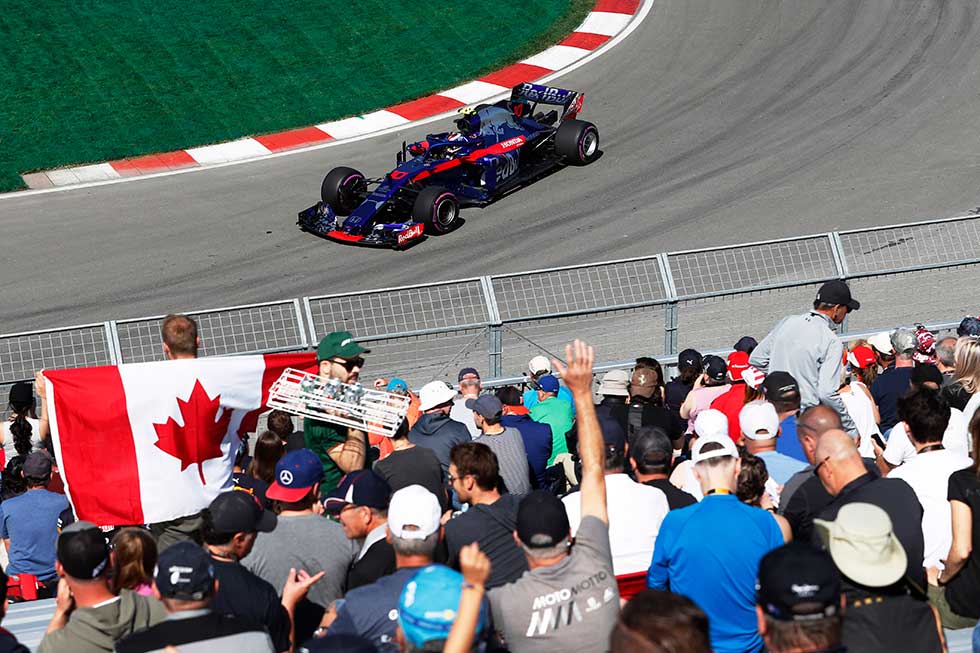
In 2018, Honda had formed a new partnership with Scuderia Toro Rosso and was aiming to secure a future power unit supply agreement with Red Bull Racing, which maintained a close relationship with Toro Rosso. One of the key factors in Red Bull’s final decision was the performance of Honda’s power unit at the Canadian Grand Prix.
Honda introduced a new specification that included updates to the MGU-H (Motor Generator Unit – Heat), a particularly important performance area at the time, demonstrating the full potential of the package. For Honda’s F1 engineers, the race represented a critical turning point that could either open or close the path toward future championship ambitions.
Although the results in qualifying and the race did not place the team among the frontrunners, Red Bull’s detailed analysis of the data confirmed Honda’s potential, leading to the decision to adopt Honda power units from the following season onward.
The championships and record-breaking success that followed can arguably be traced back to that Canadian Grand Prix weekend.
How will the new regulations and Sprint impact the race?
The major regulation changes introduced for 2026 have already had a significant impact after the opening four rounds of the season. New overtaking modes and energy management strategies have increased overtaking opportunities and produced exciting racing.
At the Canadian Grand Prix, overtaking is also expected to increase along the circuit’s long straights, setting the stage for intense position battles.
At the same time, challenges related to increased electrification have become more apparent. Ahead of the Miami Grand Prix, the FIA adjusted the regulations through discussions with drivers, teams, and power unit manufacturers, including reducing energy recovery limits during qualifying sessions.
In Canada, the long straight at the end of the lap is expected to become the ultimate showcase for each team’s energy management strategy. Managing and deploying electrical energy effectively through the straight could prove decisive.
This season will also see the Sprint format introduced at the Canadian Grand Prix. A major crash during the Sprint could heavily impact qualifying later in the weekend, making each driver’s Sprint strategy another key storyline to watch.
Event Schedule (Japan Standard Time)
- Sprint Qualifying
- Saturday, May 23, 5:30 am
- Sprint
- Sunday, May 24, 1:00 am
- Qualifying
- Sunday, May 24, 5:00 am
- Race
- Monday, May 25, 5:00 am