Round 6: Barcelona-Catalunya Grand Prix PreviewThe first traditional European circuit of the season
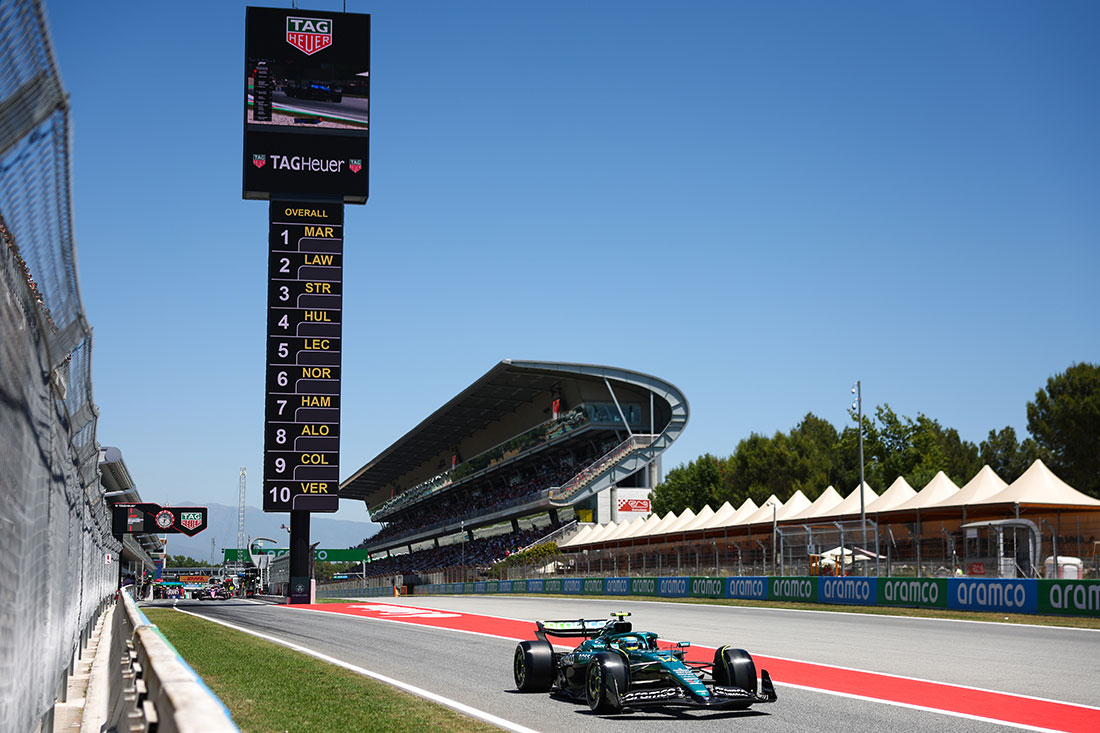
Beginning this season, the Spanish Grand Prix has moved to September and will be held at Madrid’s Madring circuit. As a result, the venue formerly known as the home of the Spanish Grand Prix now hosts the Barcelona-Catalunya Grand Prix.
In previous years, the Circuit de Barcelona-Catalunya traditionally served as the opening race of the European campaign. Often viewed as the season’s “second opening round,” it provided the first opportunity to evaluate upgraded cars and gauge the competitive landscape for the months ahead. While the Monaco Grand Prix marked the first European race of the 2026 season, Round 7 in Barcelona is the first event on a permanent European circuit in a calendar that will continue across Europe through September.
The Circuit de Barcelona-Catalunya is renowned for its balanced layout, featuring a wide variety of corners that allow teams to assess the overall strengths and weaknesses of their cars. The lap begins with a downhill main straight stretching more than one kilometer, followed by Turn 3, a long high-speed corner that places significant demands on aerodynamic performance. From there, drivers navigate the sweeping Repsol Corner, the tight Seat Hairpin, and a series of medium-speed technical sections.
Because the circuit combines such a diverse range of challenges, lap times provide valuable insight into aerodynamic efficiency, vehicle balance, and power unit performance. As a result, the event also serves as an important reference point for competitor analysis throughout the paddock.
Focus on the performance of the new generation of cars
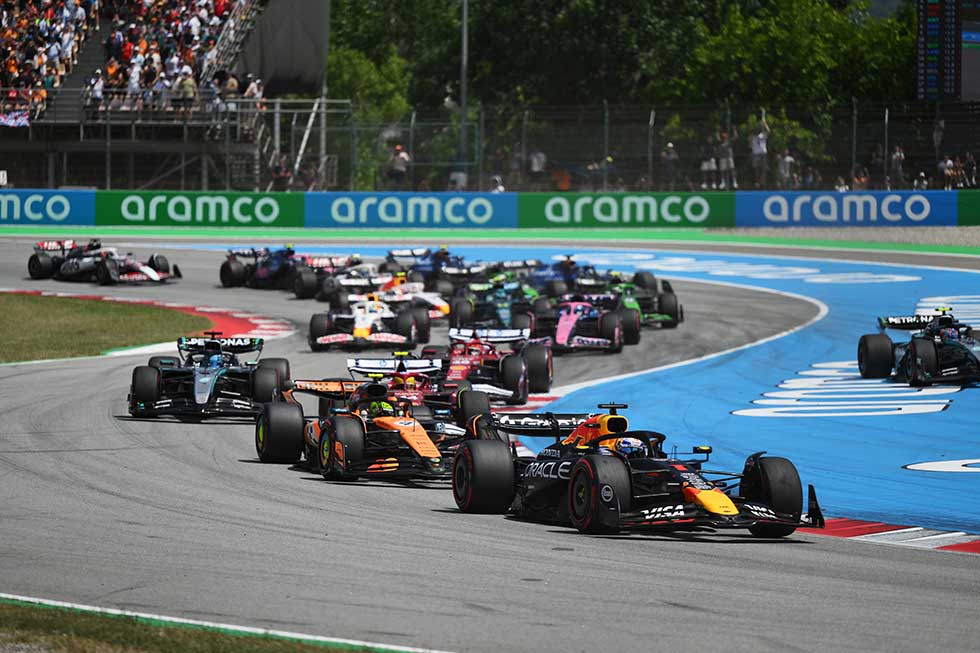
One of the key storylines this weekend will be how the radically revised 2026 Formula One™ cars perform around the Circuit de Barcelona-Catalunya. With a greater proportion of performance now derived from electric power, energy management has become one of the defining challenges of the current regulations. Finding the optimal balance between energy recovery and deployment has become a battle of engineering philosophy among teams and power unit manufacturers.
The circuit’s balanced corner profile creates multiple strategic possibilities. Teams must determine where to prioritize performance, how to maximize speed at critical moments, and how to manage energy usage throughout a race distance without placing excessive demands on the driver. With the sport still in the early stages of the new regulations, differing approaches and individual driver preferences may become increasingly visible.
Because the data gathered here will also help shape energy management strategies for the remainder of the European circuit season, the intentions of each team are likely to become apparent from the opening practice sessions on Friday.
Circuit de Barcelona-Catalunya is also well known for being demanding on tires. Tire management will therefore play a major role throughout the weekend. Front tire wear is particularly severe, with the left-front tire subjected to heavy loads through the circuit’s many long right-hand corners. Long-run simulations and qualifying-style runs during free practice will be essential in evaluating tire performance and developing race strategy.
Home support awaits Alonso
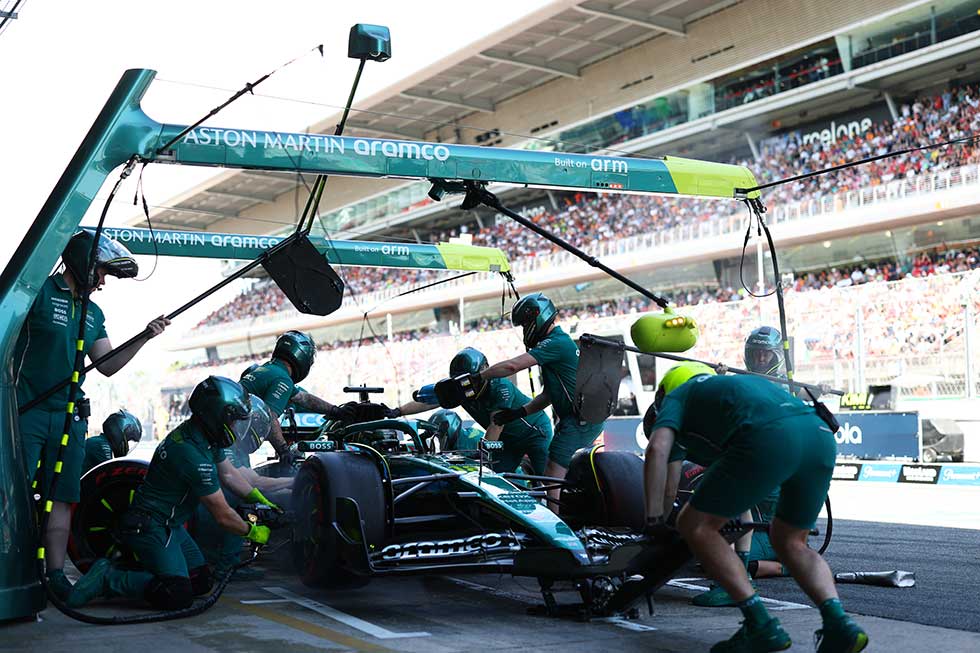
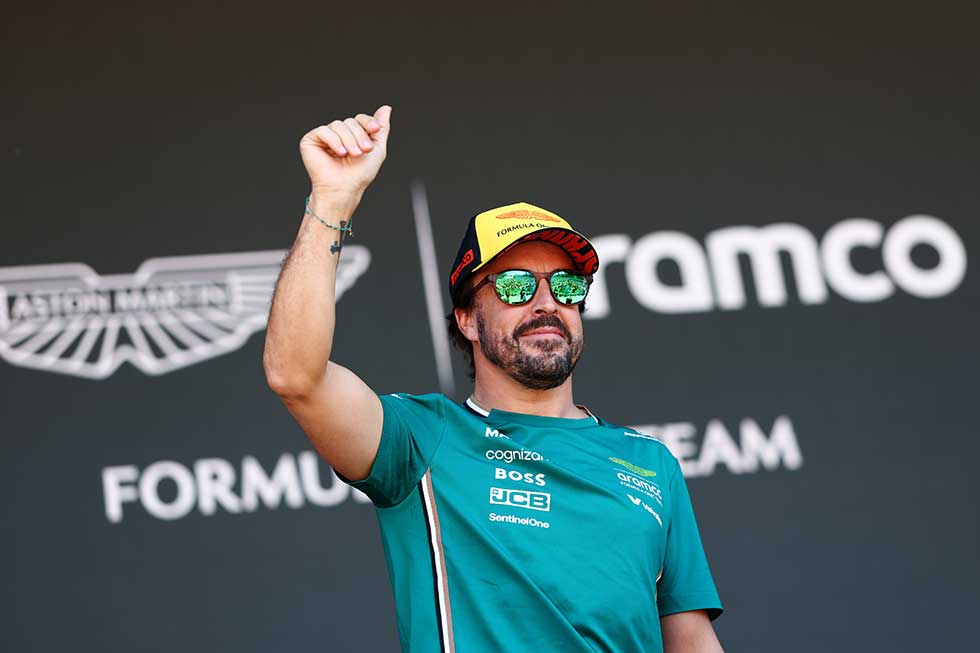
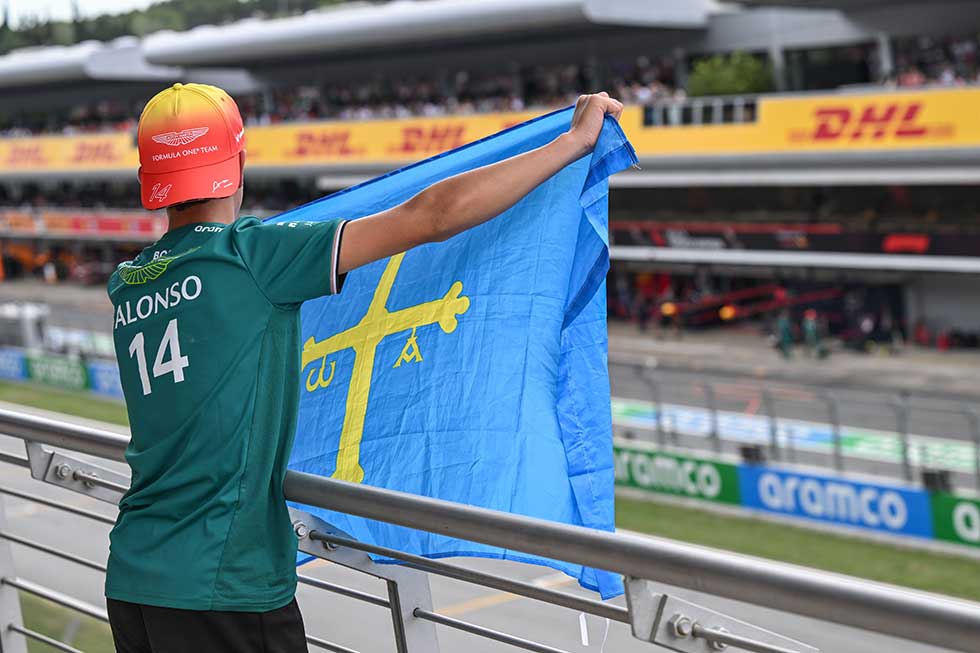
Racing at Barcelona is also famous for the passionate support given to hometown hero Fernando Alonso. The grandstands traditionally come alive with enthusiastic Spanish fans eager to cheer on their national champion.
Alonso became the first Spanish driver to win an F1 race in 2003 and the first Spanish F1 World Champion in 2005. At a time when football and motorcycle racing dominated Spanish sporting interest, Alonso’s success brought Formula One™ into the national spotlight. His popularity remains as strong as ever, and he continues to be one of the main attractions whenever the championship visits Spain.
The Aston Martin Aramco Formula One™ Team (AMAF1) has endured a challenging start to the season, with both reliability issues and a lack of overall performance affecting results. Barcelona’s stable and representative circuit layout will provide an important opportunity to assess the car’s true competitiveness.
Honda’s power unit has overcome the vibration issues experienced earlier in the season, while continued progress has been made in drivability and energy management performance. As AMAF1 continues its efforts to improve overall competitiveness, expectations will be high for Alonso, who scored his first points of the season in Monaco and arrives at his home Grand Prix with renewed confidence and motivation.
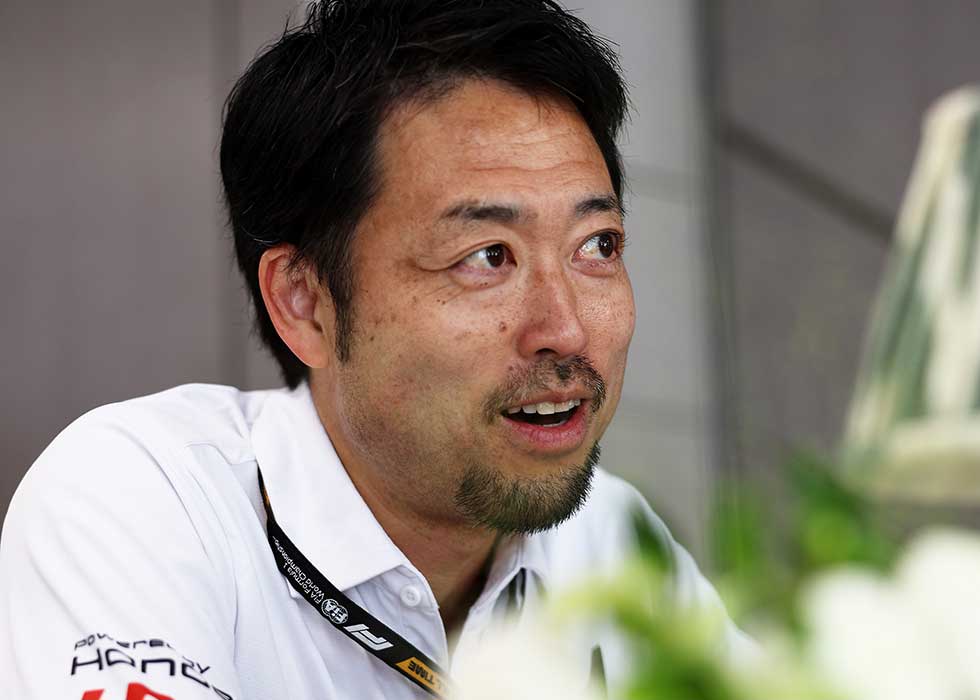
Shintaro Orihara, Trackside General Manager and Chief Engineer:
“The Barcelona-Catalunya Grand Prix is Fernando’s home race, so that makes this event very special. Of course, we know that our performance is not where we want it to be, but we will do our utmost to give the drivers our maximum.
“The Circuit de Barcelona-Catalunya shares some characteristics with other tracks on the F1 calendar which is why testing often happens here. There are high-speed corners, middle-speed corners and a couple of low-speed sections. Having a complete PU package is vital, especially in the mid to low-speed corners.
“It will be interesting to see how the drivers’ throttle application is applied in the middle and high-speed corners. I expect that some drivers may lift and others may go full throttle, which can significantly impact energy management. We have checked the scenarios on the sim, but it will be important to see how this translates to real life at the track.”