Round 16: Bahrain Grand Prix in Malaysia Preview
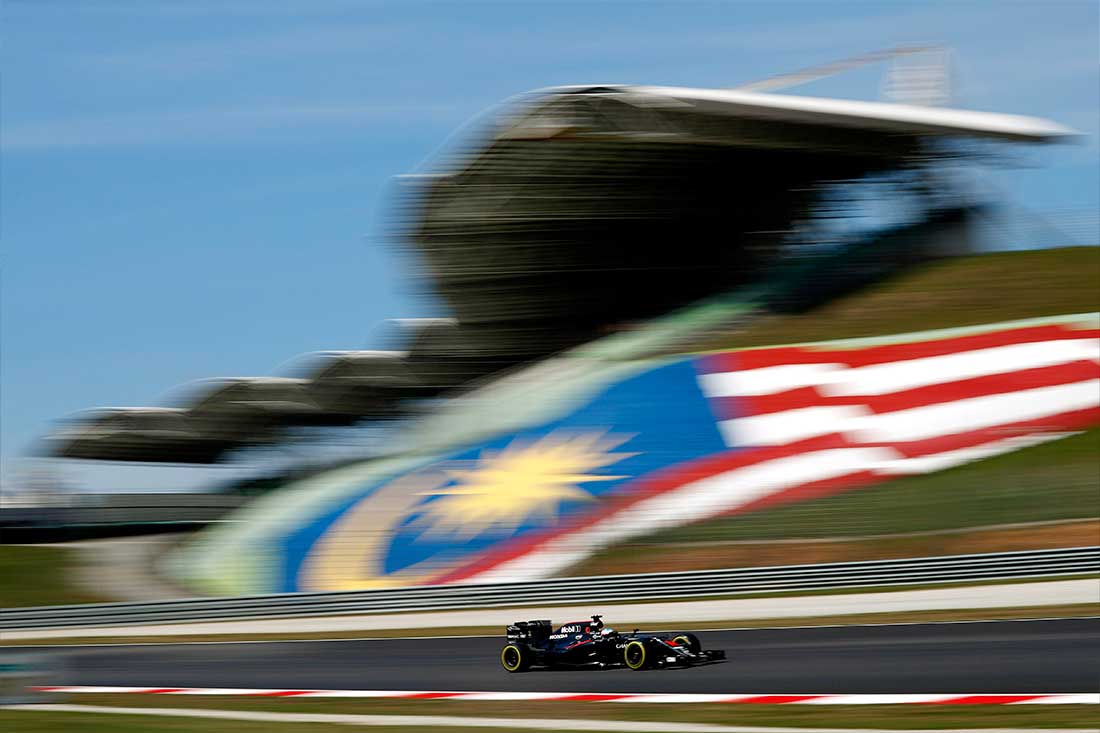
Bahrain GP held in Malaysia for the first time in nine years
Originally scheduled as Round 4 of the 2026 F1 calendar, the Bahrain GP was removed from its original slot due to the worsening global situation and subsequently rescheduled as Round 16. With the situation still unstable, the Bahrain GP will instead be held at Sepang International Circuit in Malaysia. This creates a new format for F1, with a Middle Eastern Grand Prix being staged in Southeast Asia while the Bahrain organizers remain responsible for much of the event’s operation.
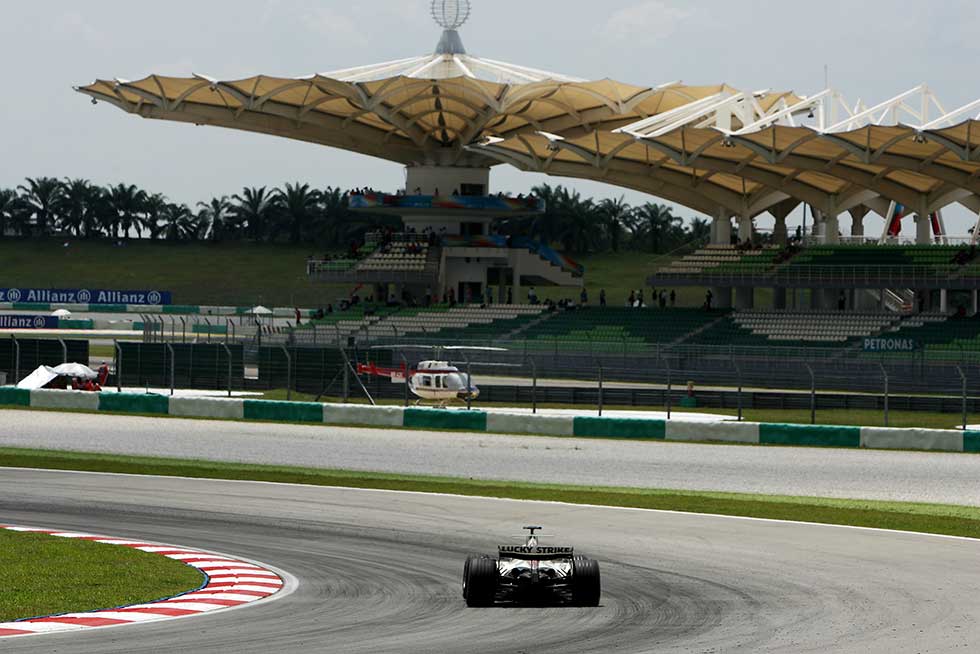
Sepang International Circuit was completed in 1999 as part of a Malaysian government initiative and hosted the Malaysian GP from 1999 through 2017, before dropping off the F1 calendar. Designed by Hermann Tilke, its circuit and facilities were among the forerunners of the modern generation of purpose-built tracks. Making use of the natural terrain, the circuit combines two long straights with a wide variety of corners. Its modern pit and hospitality facilities have also earned it a strong reputation within F1.
Malaysia is also known for the demanding weather conditions typical of Southeast Asia, with high temperatures, high humidity and frequent downpours. October marks the transition from the dry season to the rainy season, meaning the Grand Prix weekend could also be affected by sudden heavy rain.
Battles on Sepang’s two long straights
Sepang International Circuit, the venue for this season’s Bahrain GP, is a well-balanced circuit combining two long straights with a wide variety of corners. High-speed turns, medium-speed S-bends and hairpins are distributed throughout the lap, making it highly regarded as a circuit that provides a comprehensive test of a car’s performance.
The main straight is approximately 900 m long, with 680 m from the start line to the first corner, making the battle for position after the start one of the highlights. Turns 1 and 2 form a tight S-shaped complex that is one of Sepang’s defining features, with the entry to Turn 1 providing the circuit’s main overtaking opportunity.
Turn 3 is a high-speed right-hander taken almost flat out, while Turn 4, the near-right-angle right-hander known as Langkawi, requires heavy braking. Strong acceleration on the exit is also important for carrying speed into the high-speed section that follows.
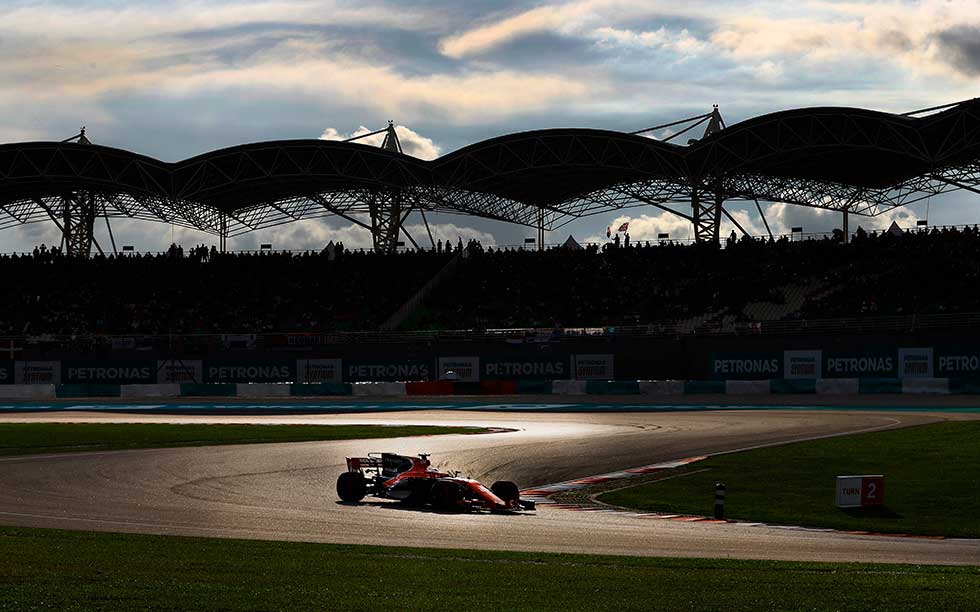
Turns 5 and 6 form a high-speed S-bend, followed by the double right-hander of Turns 7 and 8. This section involves high-speed cornering and puts the car’s balance and aerodynamic performance to the test. Turn 9 is an uphill hairpin where braking performance and acceleration from low speed are particularly important.
Turns 10 through 13 form a sequence of medium-speed corners that demands a smooth rhythm from the driver, while the nearly flat-out Turns 12 and 13 require well-balanced aerodynamic performance. A clean line through Turn 14 and strong acceleration on the exit are important for maximizing speed along the back straight. The same applies to the tight Turn 15 linking the back straight with the main straight.
Turn 15 is another major overtaking opportunity. However, with the main straight immediately following, a driver who makes a pass there can be vulnerable to being repassed. The battles and overtaking opportunities created by Sepang’s two long straights are therefore among the circuit’s major attractions.
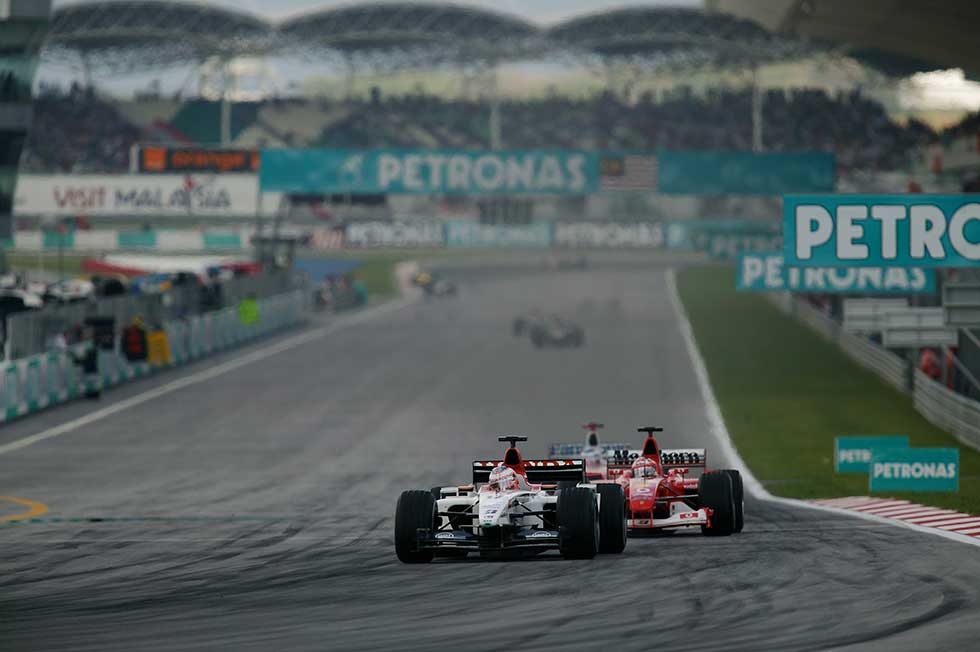
Sepang puts all-round car performance to the test
The changes to the Bahrain GP’s date and venue were announced at the end of July, placing Sepang between the very different street circuits of Baku and Singapore and creating three consecutive F1 race weekends. This has increased the demands on both teams and drivers. With Sepang having last hosted F1 in 2017, a number of drivers in today’s younger generation will also be racing at the circuit for the first time.
Although Sepang features a well-balanced range of corners, the two long straights appear in quick succession toward the end of the lap, making energy management particularly important. How electrical energy is deployed is expected to have a significant impact on both lap time and overtaking.
Sepang is known as a circuit that provides a comprehensive measure of a car’s performance, making it an opportunity to see how the competitive order among the teams has developed in the second half of the season.
For Aston Martin Aramco Formula One™ Team driver Fernando Alonso, Sepang International Circuit has been a particularly successful and memorable venue. Alonso claimed his first F1 pole position there in 2003, becoming the youngest pole-sitter at the time, and went on to win at Sepang in 2005, 2007 and 2012. Aston Martin Honda continues to face a difficult season, but Sepang is a circuit where Alonso has enjoyed considerable success in the past.
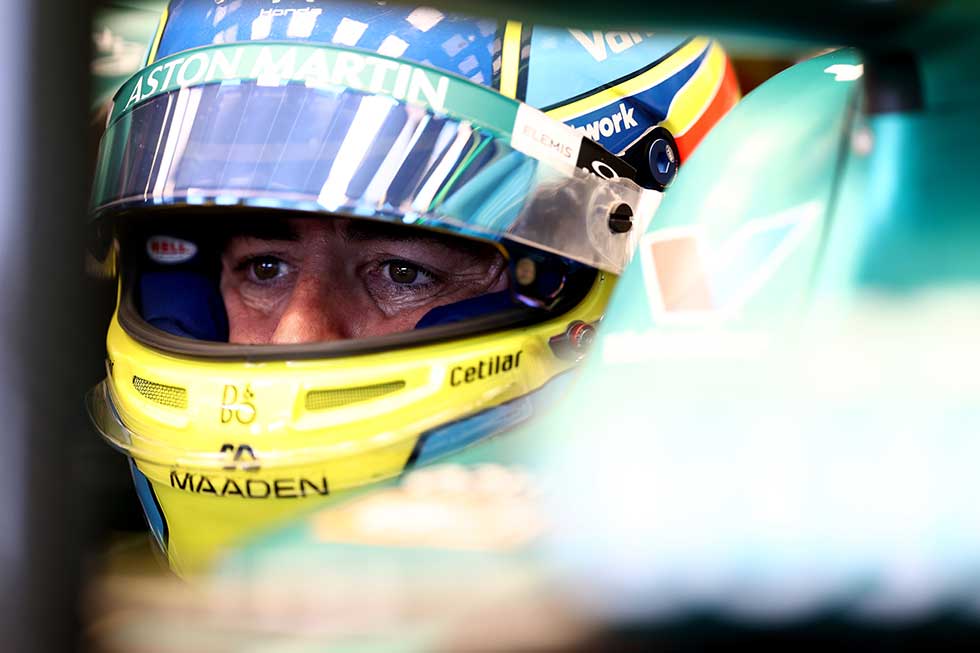
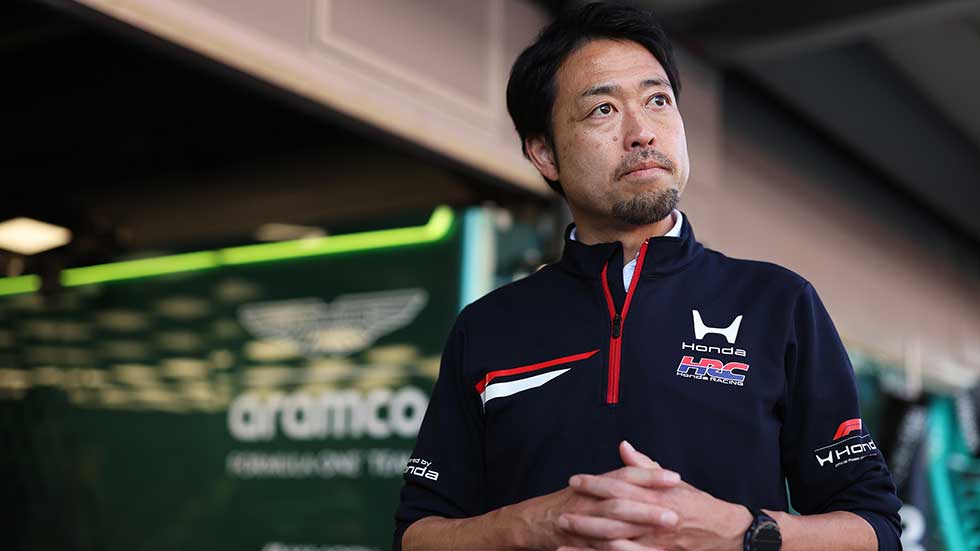
Shintaro Orihara, Trackside General Manager and Chief Engineer:
“This is Formula 1's first visit to Malaysia in nine years and going to a new country and a new circuit is always exciting.
“The grand prix is a back-to-back with Azerbaijan, so the engineers have returned to the UK to carry out the final preparations for Sepang alongside Aston Martin Aramco via driver-in-the-loop simulations. The mechanics have travelled directly to Malaysia to service the cars and build the engines.
“Malaysia has an extremely hot and humid climate, so it’s an aspect we must consider carefully for engine cooling. Therefore, finding the right compromise between this and aerodynamics becomes very important. The high humidity also has a significant effect on combustion. Subsequently, setting the data optimally for the conditions – to achieve stable combustion and good driveability – is heightened here.”