Regulation Changes to Take Effect from the Miami Grand Prix
On April 20, the FIA confirmed regulation changes that will come into immediate effect from the Miami Grand Prix. Following the cancellation of two Middle East rounds earlier in April, the FIA gathered feedback from relevant parties on the new regulations introduced this season and announced its intention to make refinements. A final online meeting held on April 20 brought together Formula One Management (FOM), team representatives, and power unit (PU) manufacturers, where revisions were discussed and agreed upon based on data from the opening three races.
The primary focus was on energy management, with the objective of increasing full-throttle running in qualifying and reducing speed differentials between cars for safety reasons—areas that had also been strongly requested by drivers. In addition, discussions covered improvements to safety at race starts and in wet conditions.
These changes will be applied from the Miami Grand Prix following approval by the World Motor Sport Council (WMSC). Adjustments to race start procedures will initially be implemented on a trial basis.
The main changes are as follows:
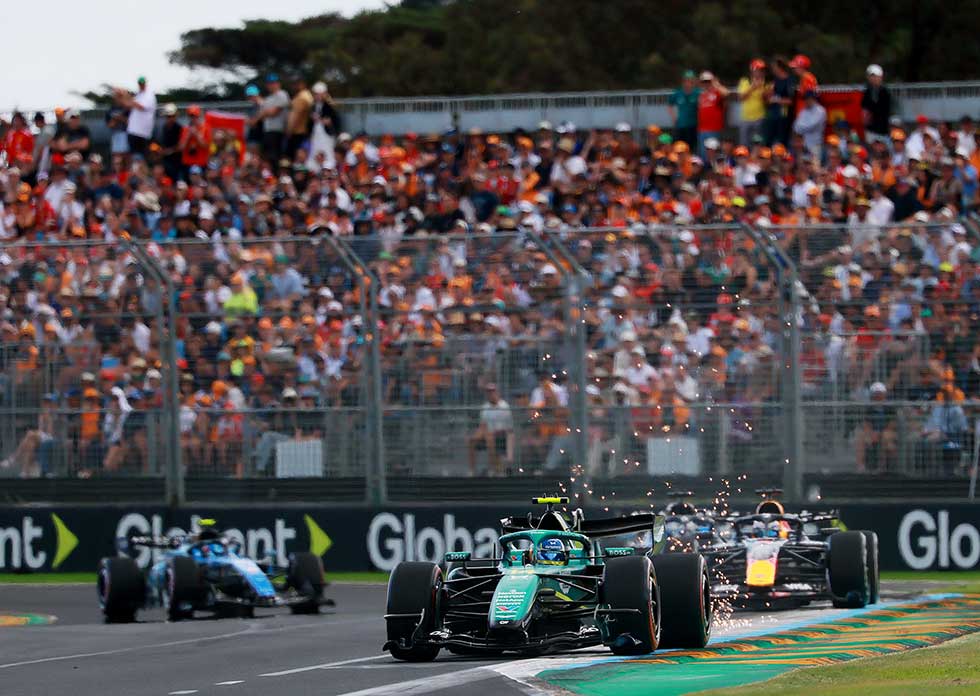
Changes to energy regulations in qualifying
To enhance performance in qualifying, several adjustments to energy management have been introduced.
- The maximum permitted recharge per lap has been reduced from 8MJ to 7MJ. This is intended to increase full-throttle running during hot laps, with the maximum duration of energy harvesting under “super clip” conditions expected to be shortened by approximately 2–4 seconds per lap.
- Maximum power output during super clip has been increased from 250kW to 350kW for both qualifying and the race. This reduces the time drivers spend on energy harvesting and eases the burden of energy management.
- The number of events subject to the low-energy limit has been expanded from eight to twelve, improving adaptability to different circuit characteristics.
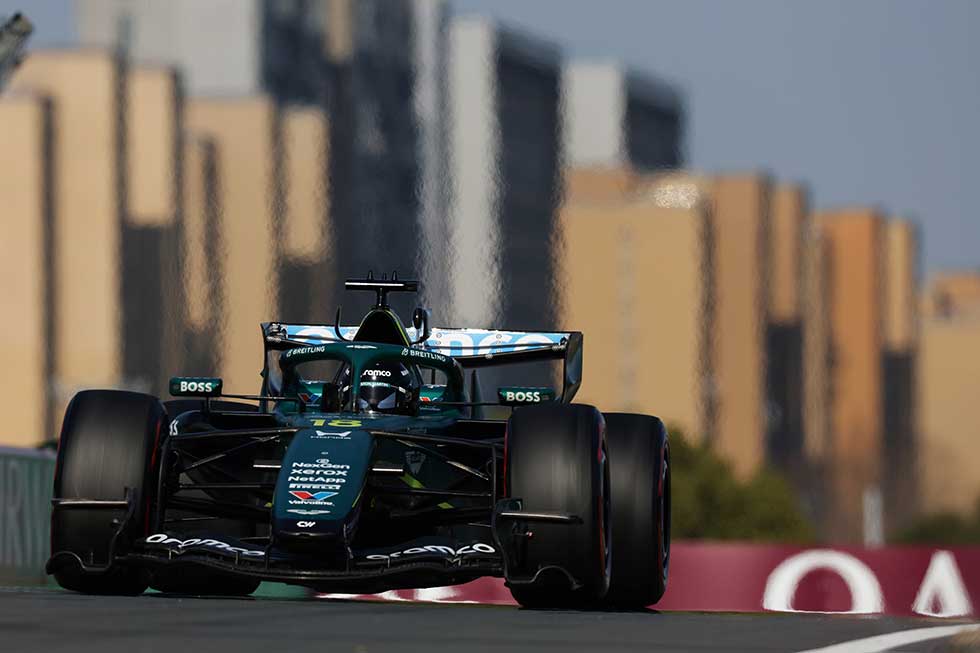
Reduction of speed differentials in close racing conditions
To improve safety and performance consistency in races, regulation changes have been introduced to limit extreme speed differentials when cars are in close proximity, while maintaining overtaking opportunities.
- Maximum additional power from boost during the race is limited to +150kW (or the output level at activation if higher), reducing sudden performance gaps.
- MGU-K output will be maintained at 350kW in key acceleration zones—from corner exit to braking points, including overtaking zones—while being limited to 250kW in other sections.
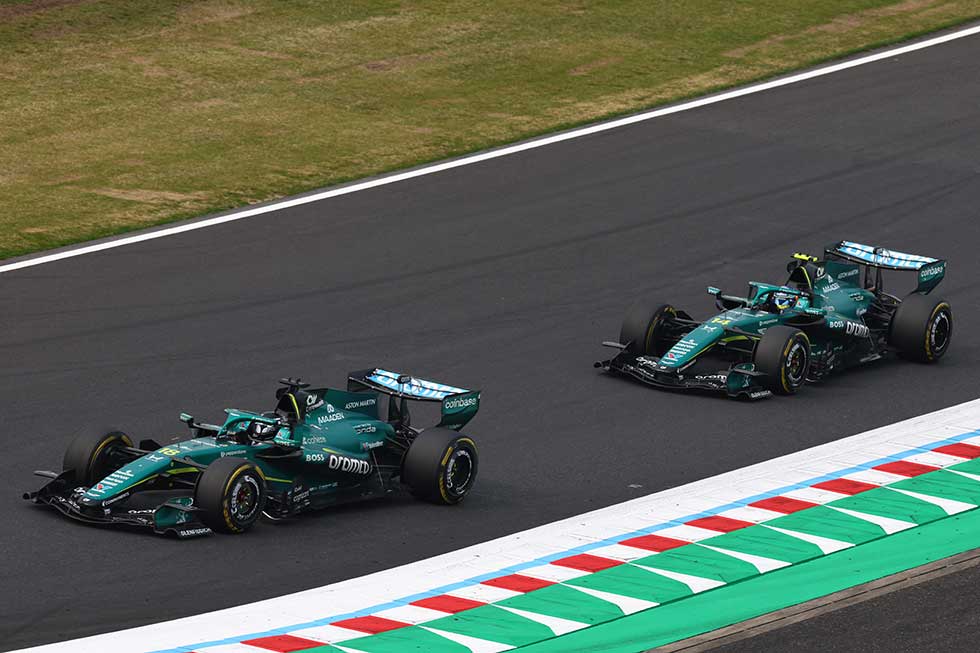
Introduction of new systems to enhance start safety
Concerns had been raised about the risk of cars making poor starts due to the need for energy charging at race starts. To address this, systems designed to warn of cars that may experience delayed acceleration will be tested at the Miami Grand Prix.
- A system has been developed to detect cars with abnormally slow acceleration immediately after clutch release. When triggered, automatic MGU-K deployment will ensure a minimum level of acceleration without creating an unfair advantage.
- A visual warning system will be introduced, with flashing rear and side lights to alert following drivers to slower-accelerating cars.
- To address inconsistencies in existing systems, an energy counter reset function will be implemented at the start of the formation lap.
Changes to improve safety in wet conditions
Regulation updates have also been introduced to enhance safety and ensure smoother race operations in wet conditions.
- Based on driver feedback, the temperature of intermediate tire warmers will be increased to improve initial grip and tire performance.
- Maximum Energy Recovery System (ERS) deployment will be reduced to limit power unit torque, improving vehicle control in low-grip conditions.
- The rear light system will be simplified to provide clearer and more consistent signals, enhancing visibility and reaction time for following drivers in poor conditions.
FIA President Mohammed Ben Sulayem commented: “Safety and sporting fairness remain the FIA’s top priorities. These changes address issues identified during the opening races and are designed to maintain the integrity and quality of competition. We look forward to an exciting 2026 season ahead.”