How F1 Cars Perform
The performance of a Formula One car is defined by three key elements: the chassis, the power unit (PU), and the tires. The FIA positions Formula One as the pinnacle of motorsport and sets regulations that reflect this status. Here, we focus on the chassis, where multiple elements interact in complex ways, to explain how an F1 car achieves its performance.
Formula One regulations require each constructor (team) to design and manufacture its own chassis. This results in cars with distinct characteristics and strategic approaches, contributing to the highly competitive nature of the sport.
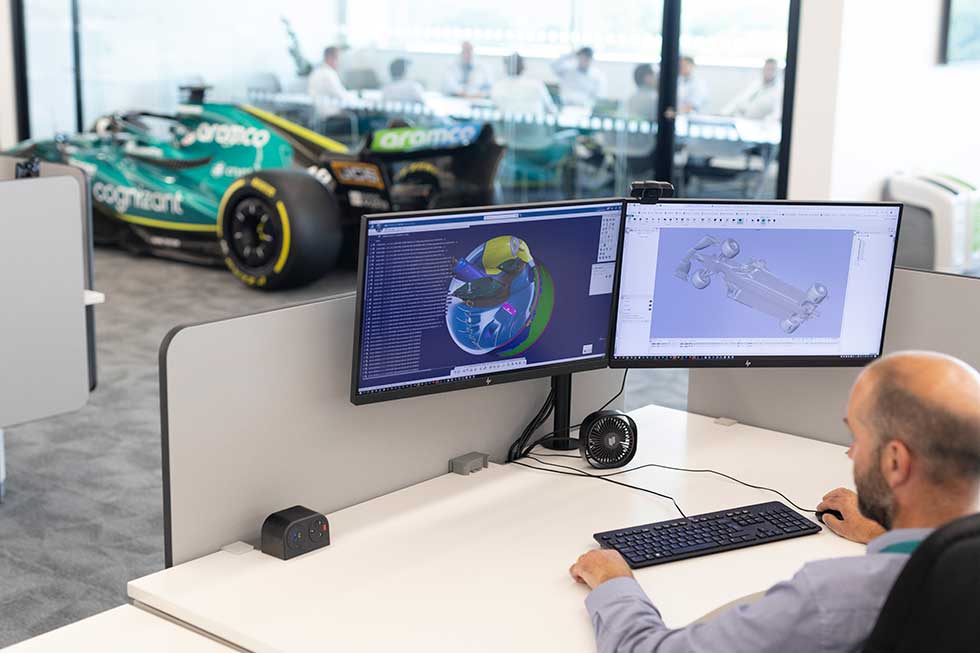
The chassis serves two primary functions. The first is to ensure driver safety by acting as a protective structure in the event of an accident. The second is to maximize the potential of the tires by efficiently maintaining grip over time, enabling the car to achieve high performance.
To ensure safety, F1 cars adopt a monocoque structure, with the driver protected by a carbon-fiber survival cell. Strict impact tests are required to obtain homologation from the FIA, contributing to the high safety standards of modern F1 cars. As a result, fatal accidents in Formula One have become extremely rare.
Aerodynamics: balancing downforce and drag
Chassis performance is designed to convert the power generated by the PU into tire grip as efficiently as possible. Aside from tire characteristics, grip is determined by the contact patch with the track surface and the load applied to the tires.
For this reason, F1 cars use aerodynamics and suspension systems to maximize performance.
Aerodynamic performance is centered on optimizing the balance between downforce, which pushes the car onto the track, and drag, which resists forward motion. Higher downforce improves stability during cornering and braking, making the car easier to drive and ultimately faster through corners.
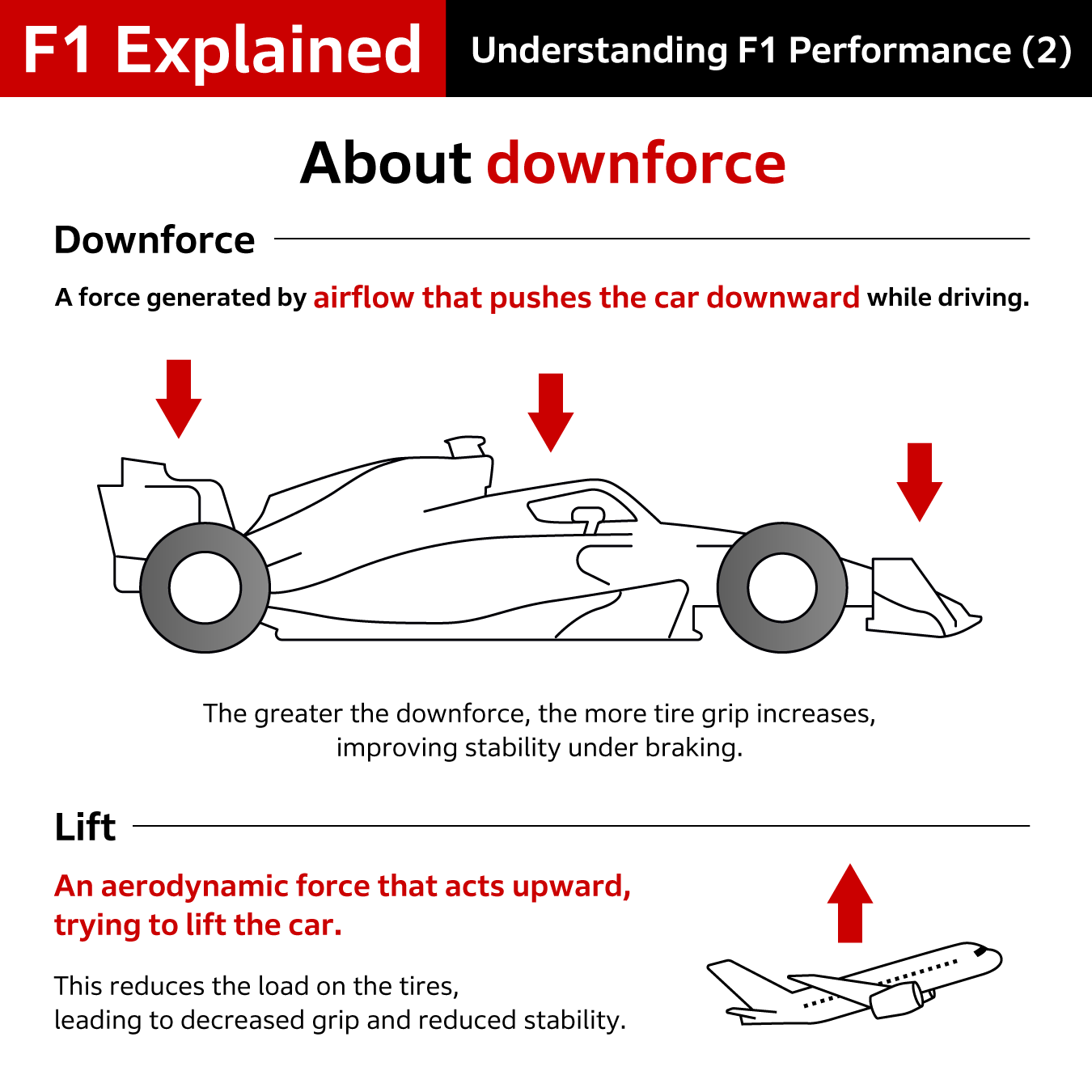
On the other hand, increased downforce also leads to higher drag on the straights, limiting top speed. Achieving the optimal balance between these opposing characteristics is key to overall lap performance. This balance varies significantly depending on circuit layout, and each team develops its own setup approach based on accumulated data. The precision of these setups has a direct impact on qualifying and race results.
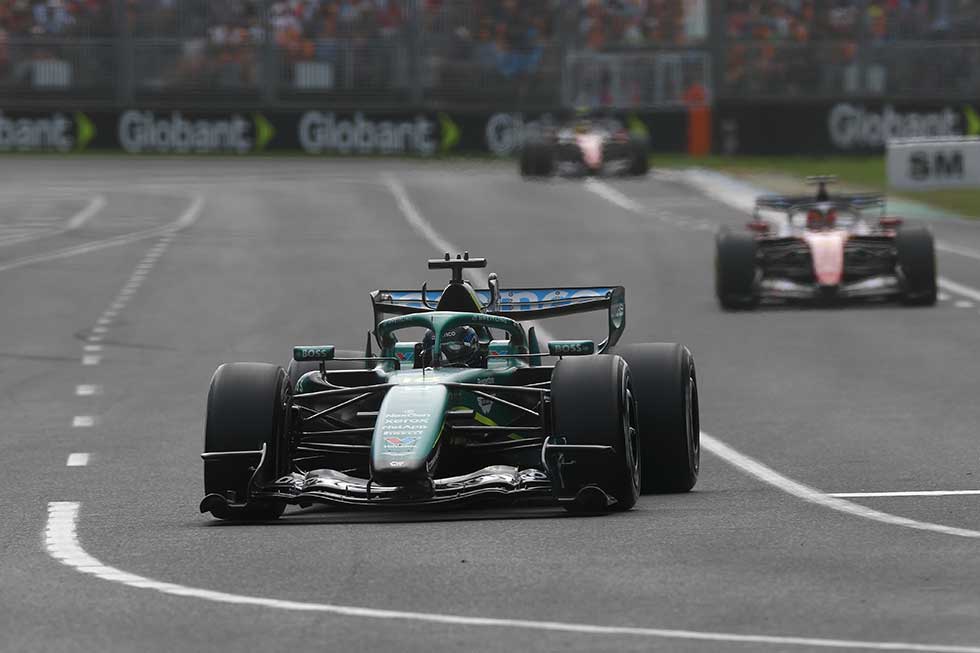
Aerodynamics contributes to power unit performance
Aerodynamic performance is primarily generated by the front wing, rear wing, and sidepods. Under the 2026 regulations, overall downforce levels have been reduced compared to previous years, with the aim of improving safety and increasing on-track battles by lowering cornering speeds.
In addition, active aerodynamics have been introduced, allowing the front and rear wings to adjust. This enables a low-drag configuration on the straights, contributing to higher top speeds.
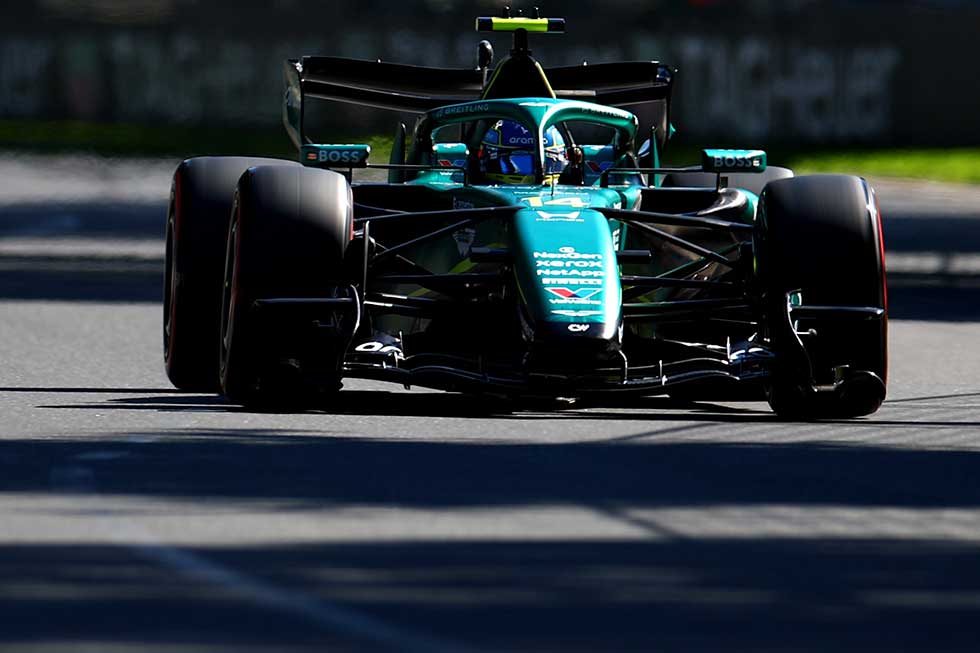
Aerodynamics also play a critical role in ensuring sufficient airflow for combustion and cooling, both essential for the power unit to perform effectively. Cooling requirements for components such as the brakes must also be considered. These airflow demands can increase drag, making them an important factor in determining the overall balance of the car.
Suspension setup directly affects lap time
The suspension is a key element in maximizing tire contact with the track. It controls the car’s attitude under acceleration, braking, and cornering, while also managing the effects of surface irregularities.
Two main configurations are used: push-rod and pull-rod systems. The choice depends on overall car design, including aerodynamic considerations.
Suspension setup varies significantly depending on the circuit and driver preference. Teams begin with a baseline (initial setup) derived from data, then refine it through on-track running.
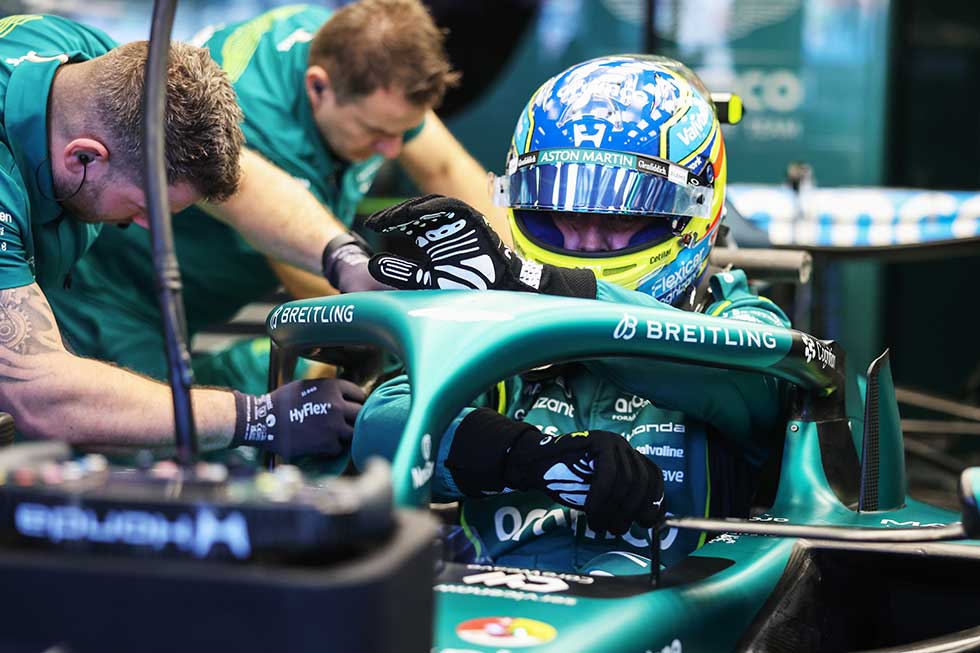
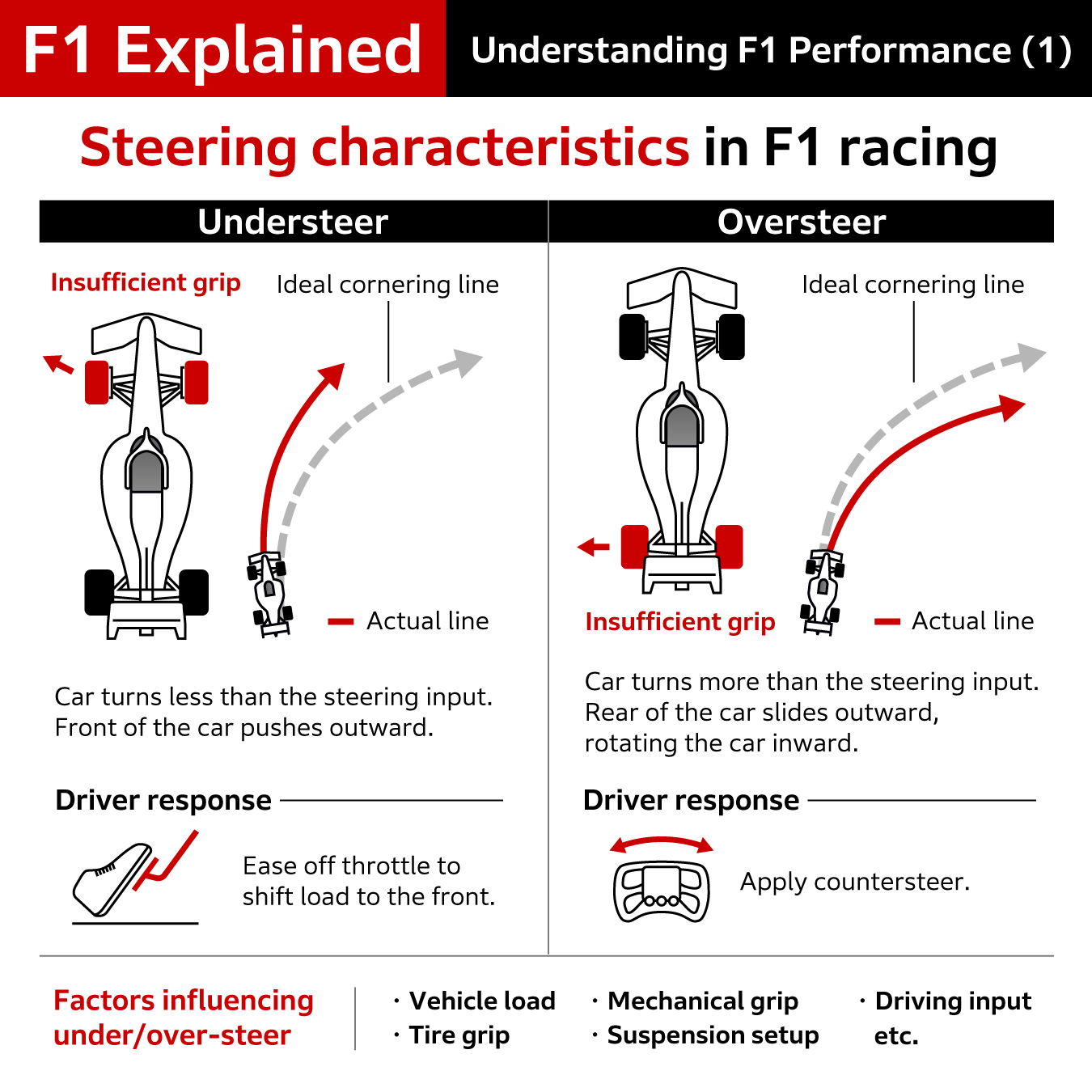
To illustrate, consider cornering performance. To achieve faster lap times, it is ideal to apply sufficient traction to the tires as early as possible with minimal steering input, enabling strong acceleration out of corners. The ideal condition is a driving line that precisely follows the intended trajectory, but achieving this perfectly is difficult.
In practice, cars experience understeer, where the car runs wide, or oversteer, where the rear slides out, requiring corrective steering. These characteristics are influenced by the balance between aerodynamics, suspension, and tires. Fine-tuning this balance through setup is essential, and its success or failure directly affects lap time.
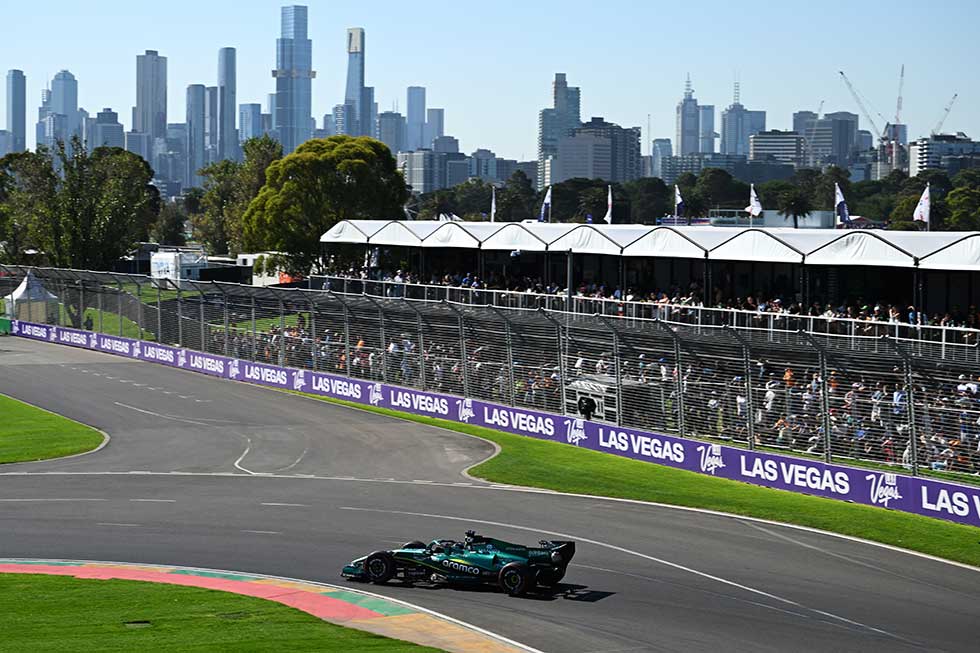
Each F1 car reflects the unique approach of its constructor, resulting in distinct characteristics and performance differences. This diversity, driven by engineering excellence, reinforces Formula One’s position as the pinnacle of motorsport technology.