Qualifying & Sprint Qualifying Basics
Qualifying
A session where pure speed and pride are on the line
Qualifying in Formula 1 is a time trial to determine the starting grid for the race. It is also a battle to set the fastest lap over a single run, making it a crucial session where teams, power unit (PU) manufacturers, and drivers compete to showcase their performance and pride.
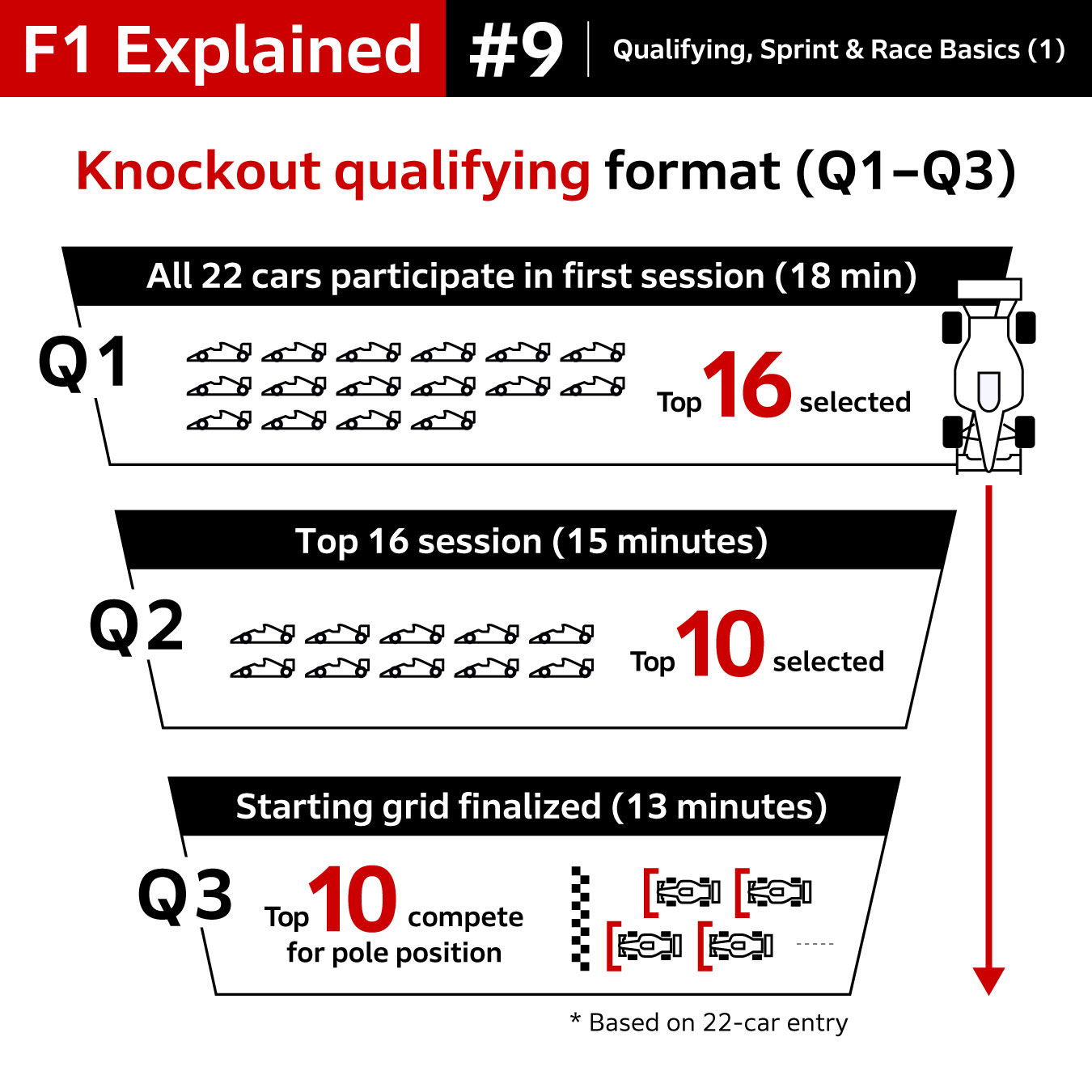
Standard qualifying consists of three sessions—Q1, Q2, and Q3—run in a knockout format based on lap times. In the 2026 season with 22 cars, 16 advance to Q2 and 10 progress to Q3. Session lengths are 18 minutes for Q1, 15 minutes for Q2, and 13 minutes for Q3. If a red flag occurs, the session time is stopped.
Typically, drivers use two sets of tires per session and attempt two timed laps. As track conditions improve toward the later stages, most drivers aim to set their fastest lap as late as possible. However, this leads to heavy traffic on track, making it difficult to secure a clean lap. Incidents, yellow flags, or red flags can also disrupt attempts, increasing the risk of a failed lap. As a result, even top drivers can be eliminated in Q1 or Q2 if their final attempt is compromised.
Teams play two key roles in qualifying. The first is preparing the car for maximum performance under conditions very different from the race, including fuel load, energy management, and tire selection. This requires careful setup work and data collection during free practice, especially to manage tire temperatures and optimize driving feel.
The second is identifying the optimal timing for a flying lap and guiding the driver accordingly. By monitoring track traffic and timing warm-up laps, teams help ensure a clean lap. In changing weather or track conditions, this role becomes even more critical. Poor timing decisions can result in drivers missing the chance to start a final lap before the checkered flag, often due to misjudgment by the team.
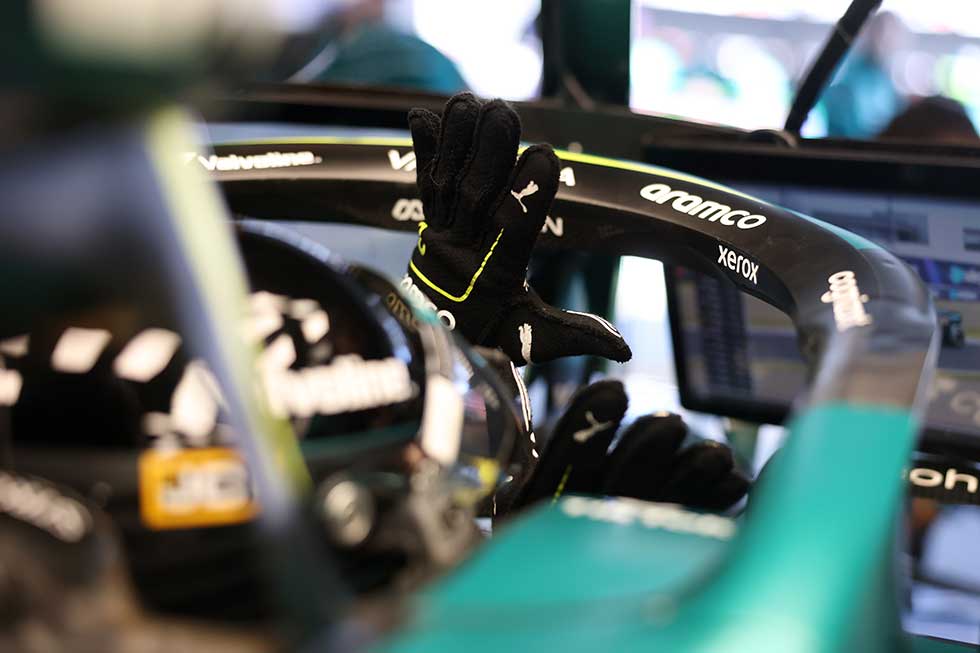
Sprint Qualifying
Shorter sessions with more limited strategy
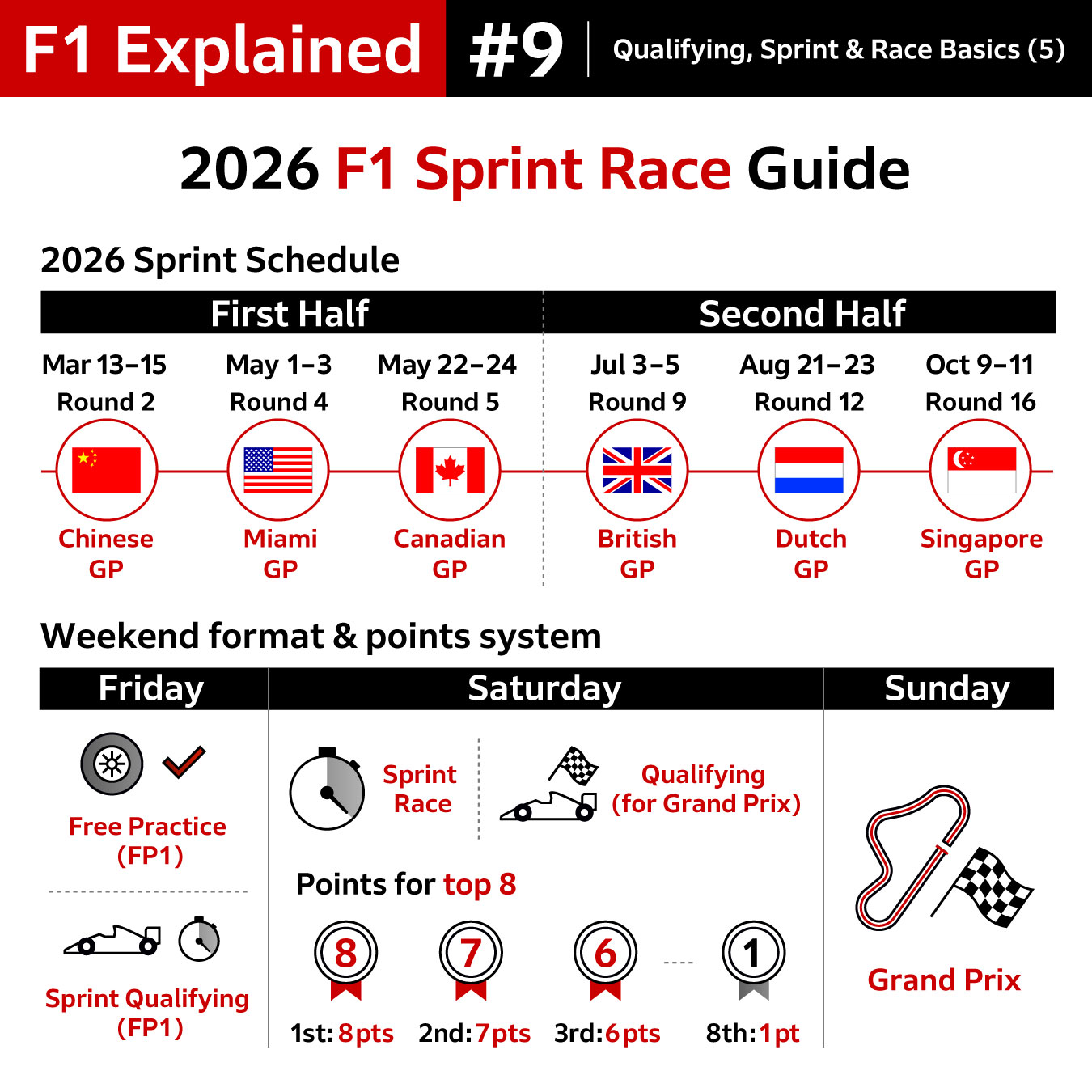
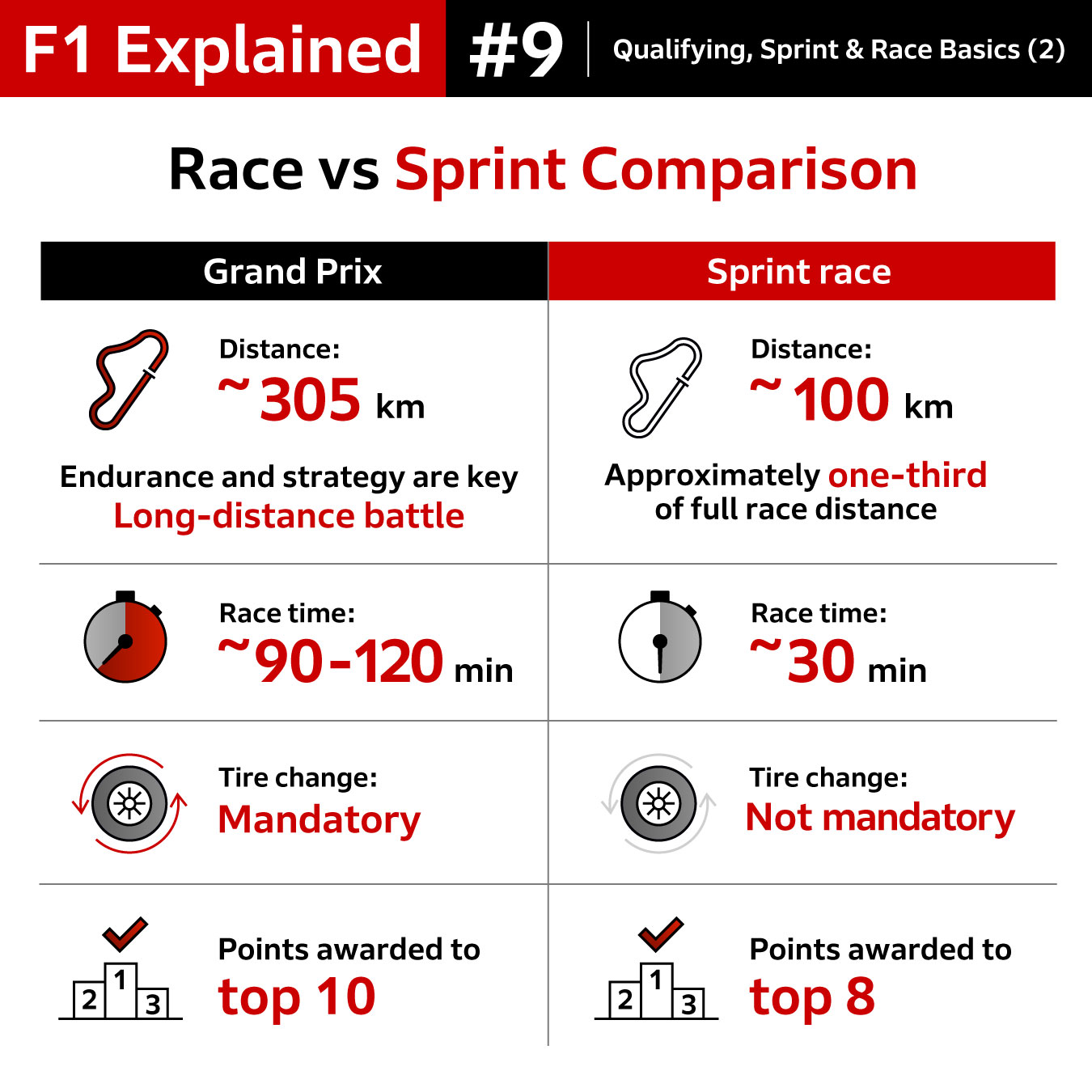
At sprint format events, sprint qualifying takes place on Friday to set the grid for Saturday’s sprint race. With no mandatory pit stops and a shorter race distance, securing a strong grid position is essential for achieving a good result in the sprint.
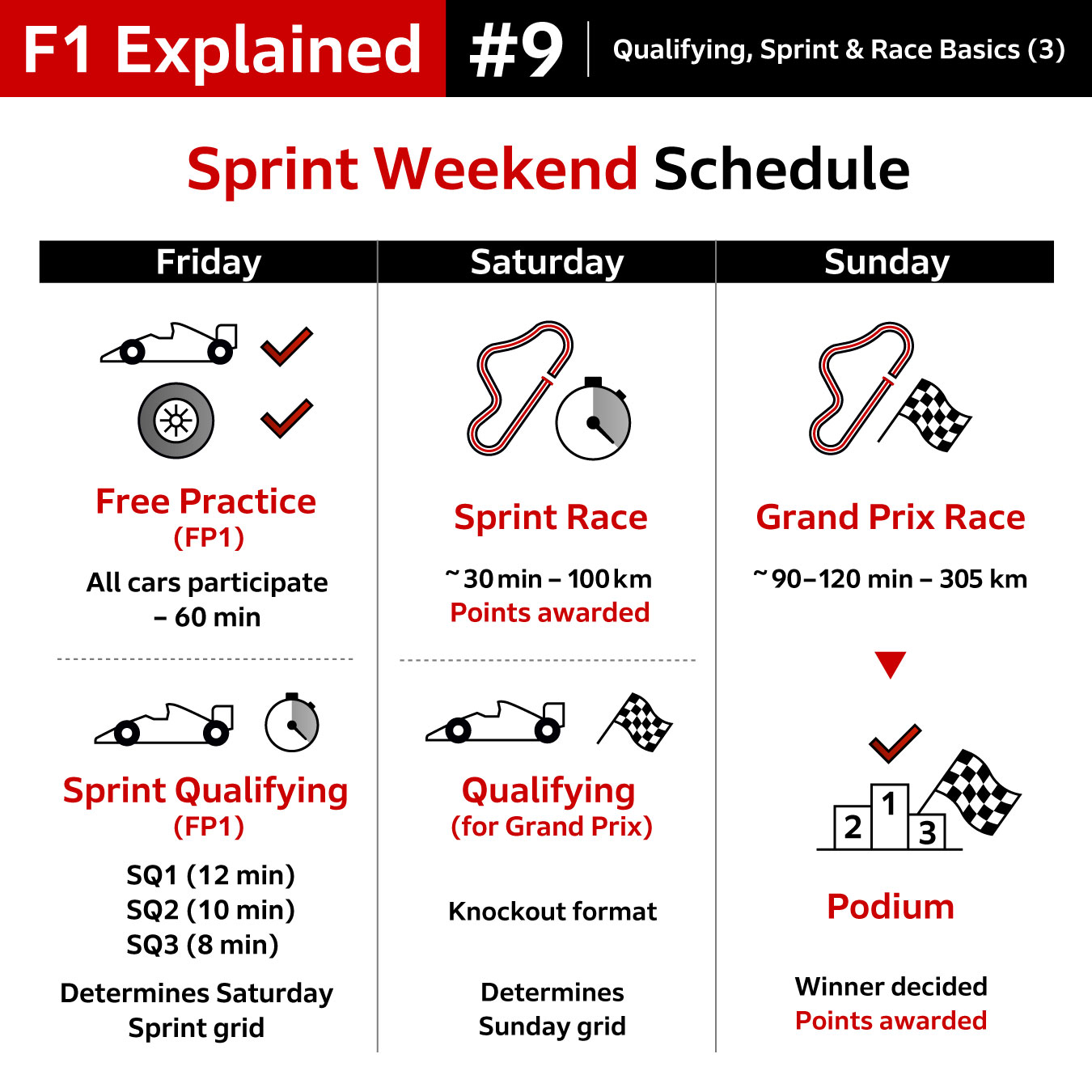
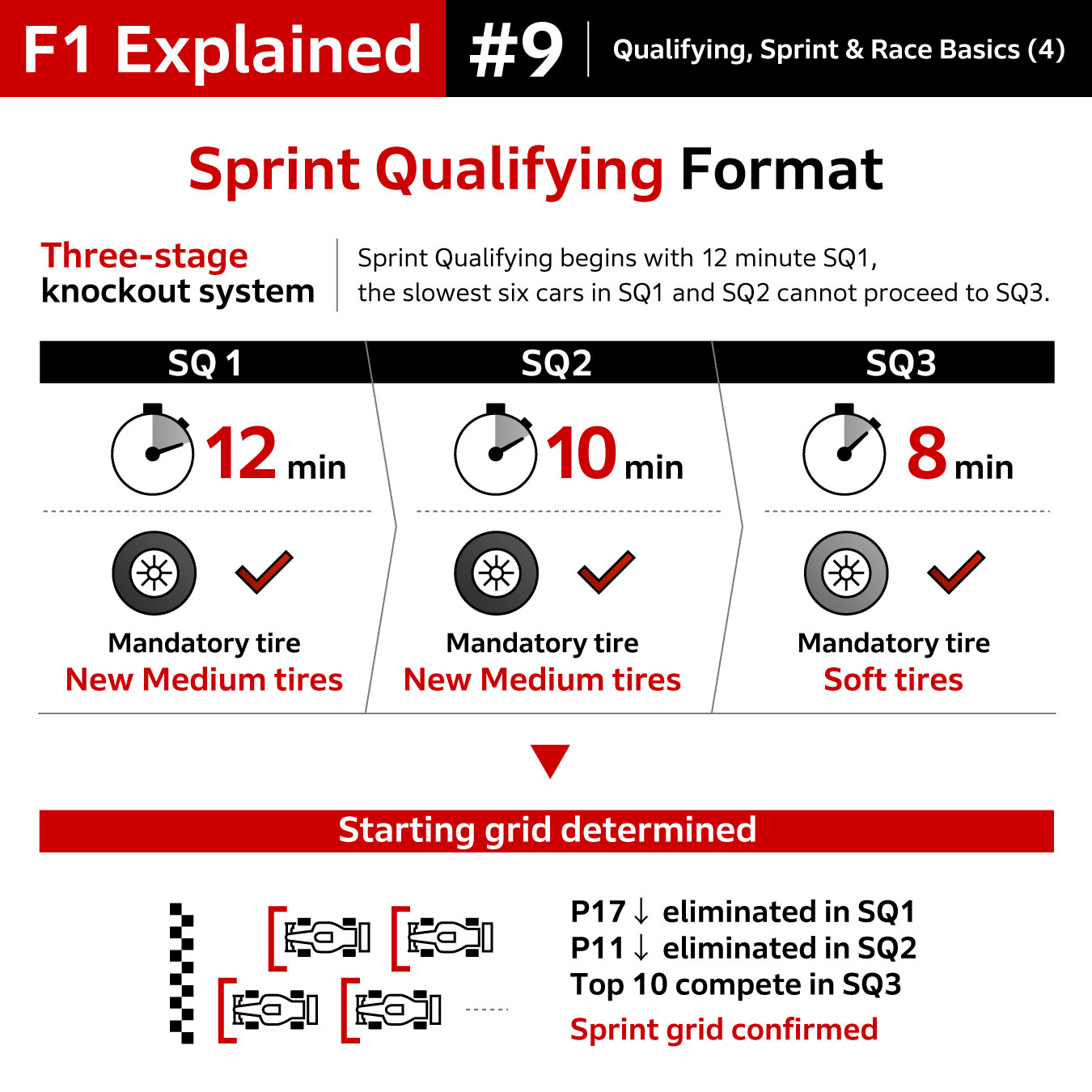
The main difference from standard qualifying is the shorter session length: SQ1 is 12 minutes, SQ2 is 10 minutes, and SQ3 is 8 minutes. While the knockout format remains the same, the reduced time limits strategic options and places greater emphasis on execution.
Sprint qualifying also features specific tire regulations, which highlight driver skill. SQ1 and SQ2 require new medium tires, while SQ3 uses soft tires. For SQ3, teams may choose between new or used soft tires, balancing qualifying performance with tire allocation for the race weekend.
The highlight of qualifying is the dramatic position changes during the final runs of each session. With lap times often decided by thousandths of a second, knockout battles and the fight for pole position unfold in rapid succession. Even after the checkered flag is waved, the decisive moment comes as drivers complete their final flying laps—one of the most thrilling aspects of Formula 1 qualifying.