
Known for his spectacular driving style and charismatic personality,
Gerhard Berger was one of Formula 1®’s most popular drivers during the 1980s and 1990s.
Often described as a driver remembered more for his memorable performances than for statistics alone,
Berger built a reputation as one of the sport’s great characters.
As Ferrari’s leading driver in the late 1980s,
Berger emerged as one of the strongest challengers to the rising McLaren Honda partnership.
In 1990, he joined McLaren and began competing with Honda power.
Victories at the 1990 and 1991 Japanese Grands Prix helped cement his place in Honda F1 history,
and alongside Ayrton Senna, Berger played a key role in the final years of Honda’s second era in Formula One.
His approachable personality and popularity made him particularly well known among Japanese fans.
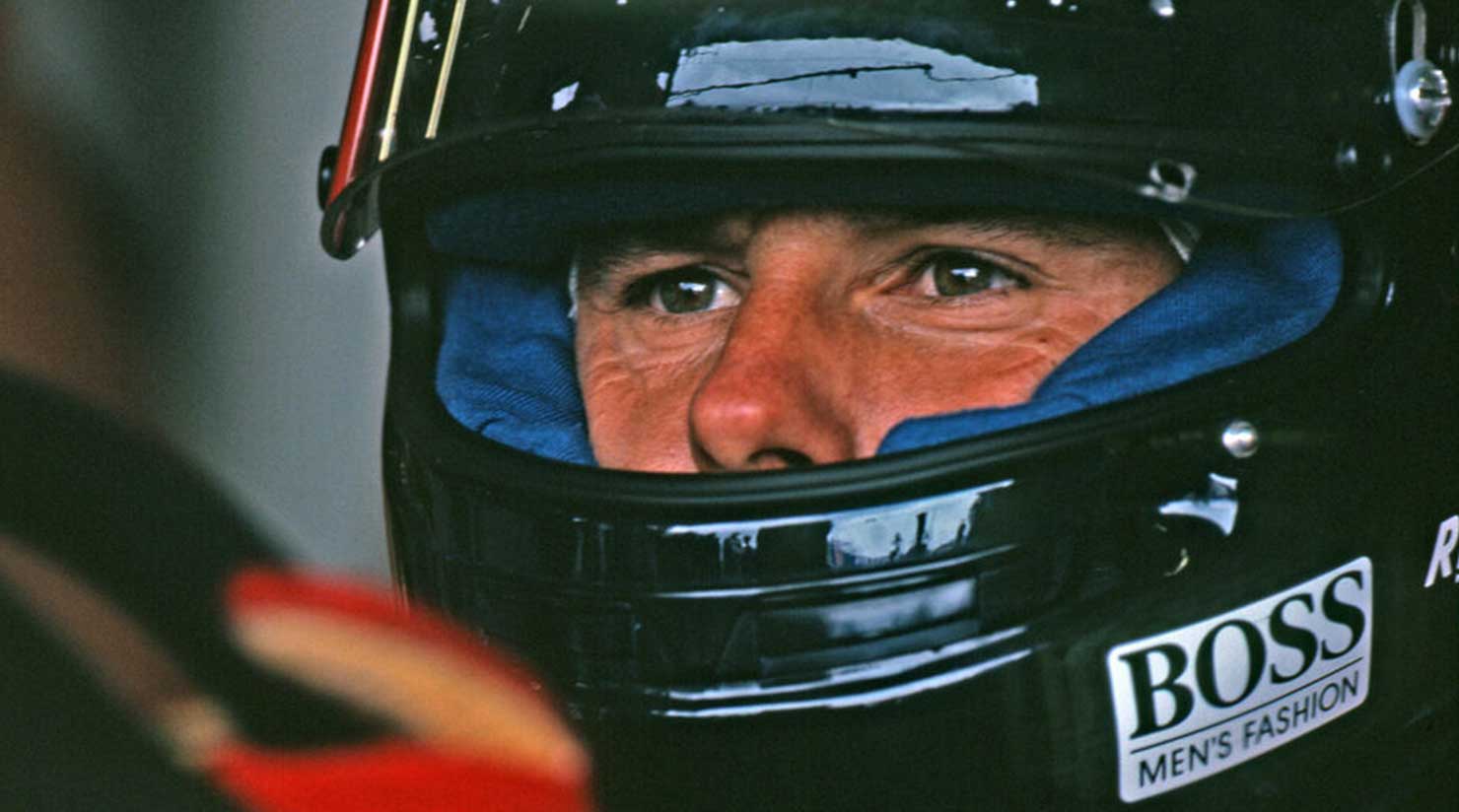
Profile
- Name
- Gerhard Berger
- Team
- Honda Marlboro McLaren(1990-1992)
- Nationality
- Austria
- Birth date
- August 27, 1959
Career highlights
- 1982
- Career highlights
- 1984
- 3rd, European Formula 3 Championship / NC, FIA Formula One World Championship (ATS-BMW)
- 1985
- 20th, FIA Formula One World Championship (Arrows-BMW)
- 1986
- 7th, FIA Formula One World Championship (Benetton-BMW)
- 1987
- 5th, FIA Formula One World Championship (Ferrari)
- 1988
- 3rd, FIA Formula One World Championship (Ferrari)
- 1989
- 7th, FIA Formula One World Championship (Ferrari)
- 1990
- 4th, FIA Formula One World Championship (McLaren-Honda)
- 1991
- 4th, FIA Formula One World Championship (McLaren-Honda)
- 1992
- 5th, FIA Formula One World Championship (McLaren-Honda)
- 1993
- 8th, FIA Formula One World Championship (Ferrari)
- 1994
- 3rd, FIA Formula One World Championship (Ferrari)
- 1995
- 6th, FIA Formula One World Championship (Ferrari)
- 1996
- 6th, FIA Formula One World Championship (Benetton-Renault)
- 1997
- 5th, FIA Formula One World Championship (Benetton-Renault)
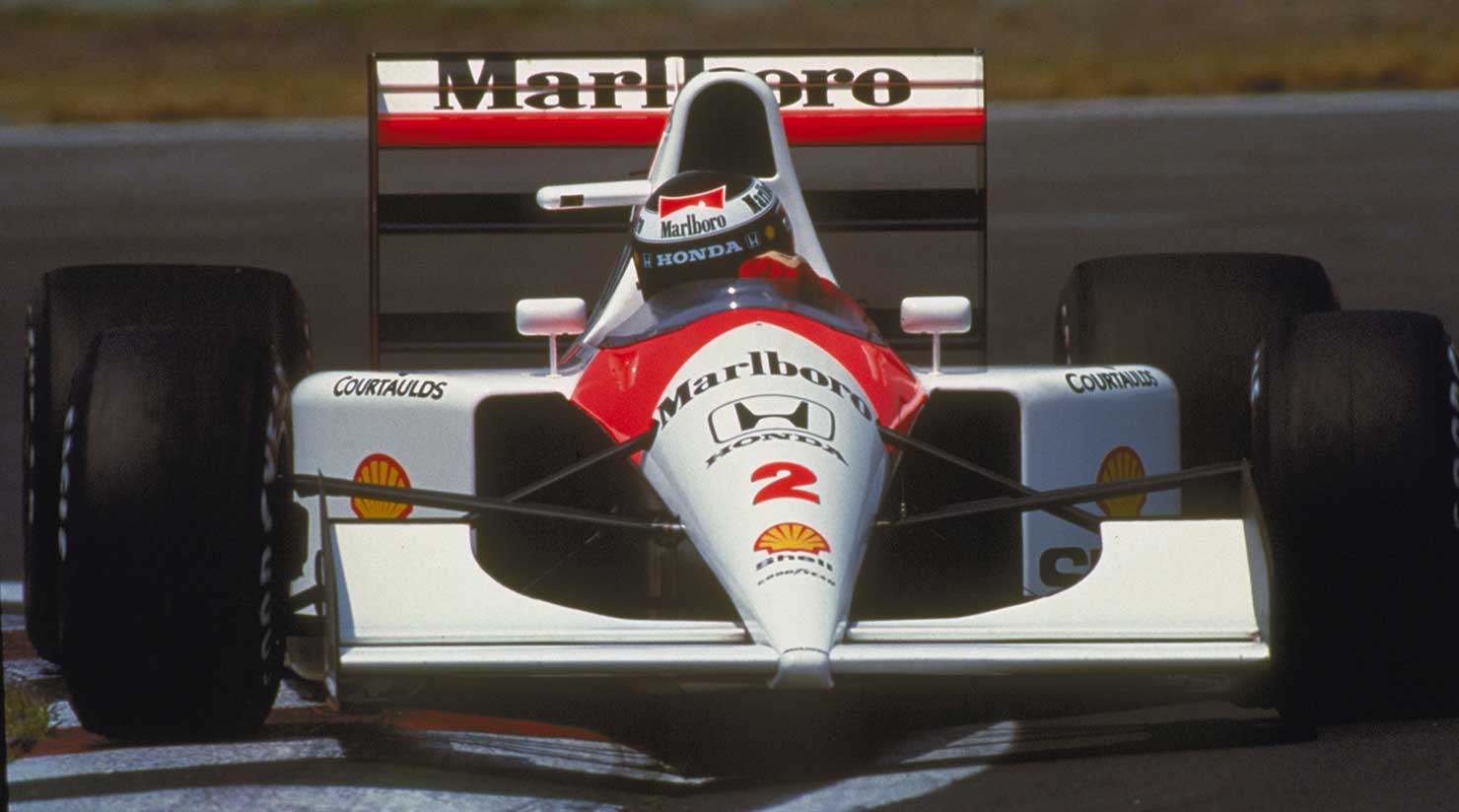
Career
Born in Austria in 1959, Gerhard Berger took an unusual route to the top level of motorsport. Unlike many of his contemporaries, he did not begin in karting. Instead, he started racing a Group 5 Ford Escort before competing in Alfa Romeo Sud cup races, where he developed a strong desire to drive single-seater racing cars.
His breakthrough came in 1981 when, through an acquaintance, he was offered a chance to compete in the final round of the German Formula 3 Championship. Berger impressed by finishing fifth in his first F3 race. After convincing his father, who was initially reluctant to support a racing career, he entered the German Formula 3 Championship full-time in 1982 and finished third in the standings.
Just as financial difficulties threatened to end his racing ambitions, Berger found a crucial supporter in Helmut Marko, then a team manager and later Red Bull’s motorsport advisor. With Marko’s help in securing sponsorship, Berger competed in the European Formula 3 Championship in 1983 and 1984. Although he did not win the title, he established himself as one of Austria’s most promising young drivers. At the 1983 Macau Grand Prix, won by future rival and teammate Ayrton Senna, Berger finished on the podium in third place.
In 1984, Berger made his F1 debut with ATS. At the same time, he was also competing in the European Touring Car Championship as a BMW driver, a connection that helped secure his place at the BMW-powered ATS team. He finished 12th in his debut race, the Austrian Grand Prix, and scored a sixth-place finish at the Italian Grand Prix. However, because ATS had only entered one car for the season, Berger was not awarded championship points. He moved to Arrows in 1985. Although retirements frequently prevented strong results, consecutive points finishes in the final two races of the season significantly raised his profile.
Berger joined the emerging Benetton team in 1986. He scored points from the opening race and claimed his first F1 podium with third place at the San Marino Grand Prix. While results remained inconsistent through much of the season, he demonstrated his potential by taking his maiden F1 victory at the Mexican Grand Prix. As one of the sport’s most sought-after young talents, Berger received offers from several leading teams. Faced with a choice between remaining at Benetton, joining McLaren, or moving to Ferrari, he ultimately chose Ferrari—a decision said to have been influenced by fellow Austrian legend Niki Lauda.
After joining Ferrari in 1987, Berger initially struggled to adapt to the car and endured a difficult first half of the season. As the year progressed, however, his form improved. At the Hungarian Grand Prix he qualified second and briefly challenged the dominant Williams Honda cars before retiring with technical problems. He finished the season strongly, taking his first pole-to-flag victory at the Japanese Grand Prix and following it with another win in Australia. He ended the year fifth in the championship.
In 1988, while McLaren Honda dominated the season, Berger emerged as their closest challenger. He achieved one of the most memorable victories of his career by winning the Italian Grand Prix, the only race McLaren Honda failed to win that year. Coming shortly after the death of Ferrari founder Enzo Ferrari, the victory remains one of the most emotional and celebrated wins in Ferrari history. Berger finished third in the championship and firmly established himself among F1’s elite drivers.
The 1989 season was marked by a dramatic accident at the San Marino Grand Prix, where Berger suffered a high-speed crash and his Ferrari burst into flames. Remarkably, he escaped with relatively minor burns and returned to competition at the Mexican Grand Prix. The accident highlighted important safety concerns and ultimately contributed to changes in regulations governing fuel tank placement. Although Berger retired in 12 of the 15 races he entered that season, every race he finished resulted in a podium finish. When Alain Prost announced his departure from McLaren during the season, team principal Ron Dennis moved quickly to sign Berger as his replacement.
In 1990, Berger joined McLaren Honda. He claimed pole position for the season-opening United States Grand Prix but crashed after his foot became trapped behind a pedal. Although he managed to return to the pits and rejoin the race, he eventually retired. Berger struggled throughout the year with a driving position that did not suit his tall frame, and for the first time in five years he failed to win a race. Nevertheless, he consistently scored points and finished fourth in the championship.
Honda introduced the RA121E V12 engine in 1991, but Berger endured a frustrating season marked by repeated mechanical failures. Compared with teammate Ayrton Senna, Berger suffered a disproportionate number of engine problems. Honda later determined that many of the issues were related to over-revving, and effective measures were not fully implemented until late in the season. Berger’s form improved significantly in the closing races, culminating in a pole-to-flag victory at the Japanese Grand Prix. The race became famous when Senna, leading on the final lap, deliberately allowed Berger to take the victory.
The 1992 season saw Williams establish a clear performance advantage, leaving McLaren Honda unable to challenge consistently for wins. Berger nevertheless continued to fight strongly, taking victories in Canada and Australia and standing on the podium five times. He finished fifth in the championship. Honda announced its withdrawal from F1 at the end of the season, making Berger’s victory in the final race a fitting conclusion to Honda’s second F1 era.
Berger returned to Ferrari in 1993, but the team was enduring one of the most difficult periods in its history, having gone more than two years without a victory. He managed only a single podium finish throughout the season. In 1994, Ferrari showed signs of recovery. Berger finished second at the Pacific Grand Prix in Okayama and third in Monaco before delivering a memorable flag-to-flag victory at the German Grand Prix. The result gave Ferrari its first F1 victory in four years and remains one of the defining moments of Berger’s career.
Ferrari’s struggles returned in 1995, and after another winless season Berger decided to leave the team.
In 1996, he rejoined Benetton, where he would spend the final two seasons of his F1 career. At the 1997 German Grand Prix, Berger secured pole position, set the fastest lap, and claimed victory in dominant fashion. It proved to be the final win—and final podium—of his F1 career.
With results becoming increasingly difficult to achieve, Berger announced his retirement before the end of the 1997 season, bringing a 14-year F1 career to a close. His record of 10 Grand Prix victories includes some of the sport’s most memorable races, ensuring that Berger remains one of F1’s most enduring and beloved figures.
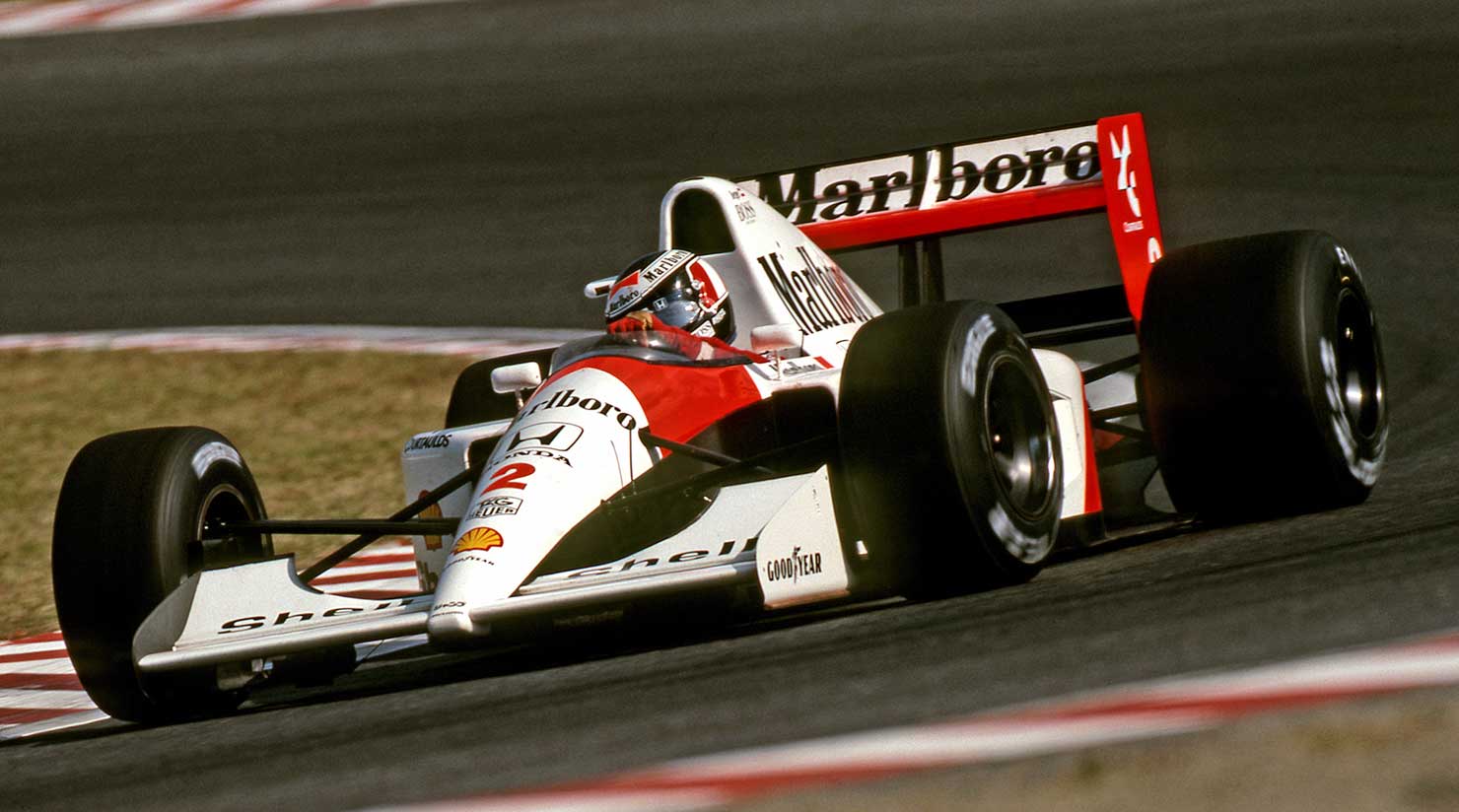
Records
Profile
- Name
- Gerhard Berger
- Birth date
- August 27, 1959
- Birthplace
- Wörgl, Austria
Race Wins

-
Total
0
-
Honda
0
Pole Positions

-
Total
0
-
Honda
0
Races ※1

-
Total
0
-
Honda
0
Podiums

-
Total
0
-
Honda
0
Retirements ※2

-
Total
0
-
Honda
0
Laps Raced ※3

-
Total
0
-
Honda
0
Laps Led ※3

-
Total
0
-
Honda
0
- *1 Races: includes disqualifications
- *2 Retired: does not include classified finishes and disqualifications *Laps completed in disqualified races are excluded.
Formula 1.com and other sources