Circuit info

- Circuit Length
- 5.412 km
- First Grand Prix
- 2022
- Number of Laps
- 57
- Race Distance
- 308.326km
Location
- Address
- Miami Gardens, Florida 33056, USA
- Google Maps
History of the Circuit
The Miami Grand Prix is a new race symbolizing Formula 1’s modern era, first held in 2022.
To expand the sport’s presence in the United States, Formula One Management (FOM) began planning a second U.S. race alongside Austin, Texas, around 2017, with Miami as the target location. The original plan was to host a street race through downtown starting in 2019. However, due to local opposition and concerns over noise, the plan was abandoned.
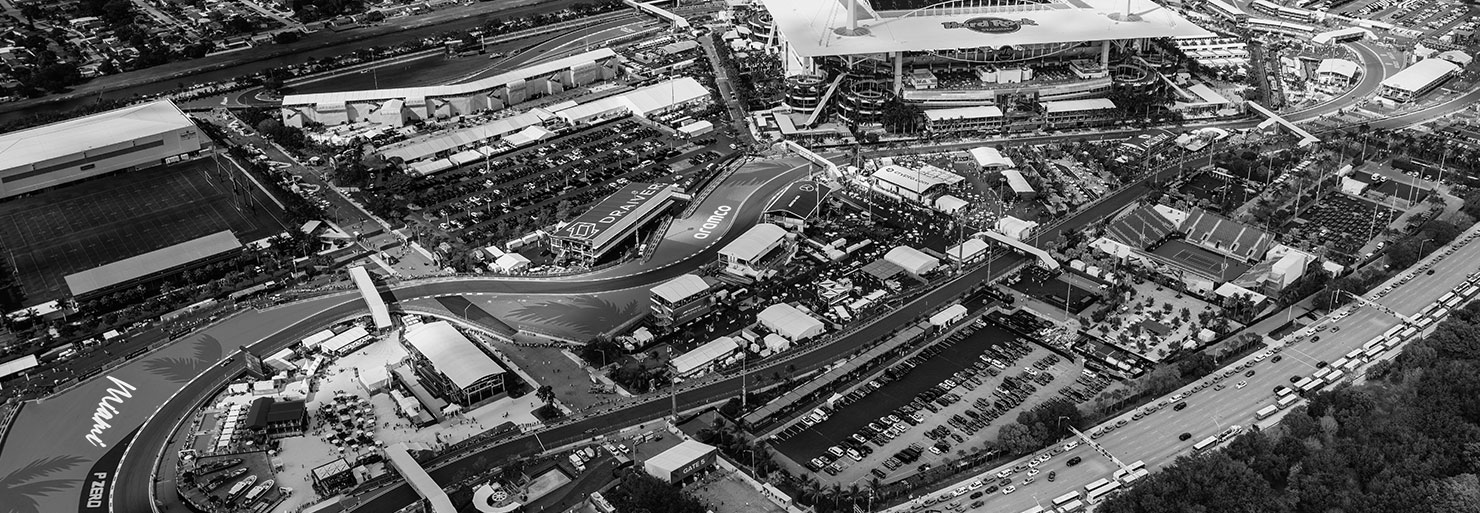
A new proposal emerged to build a circuit around Hard Rock Stadium, home of the Miami Dolphins. Although the event was initially rescheduled for 2021, the COVID-19 pandemic caused further delays. Ultimately, the Miami Grand Prix debuted in 2022, marking the first time in 38 years that multiple F1 races were held in the United States—since the 1984 Detroit and Dallas Grands Prix.
The race has been held four times to date. In 2022 and 2023, Max Verstappen of Red Bull—powered by Honda-supported power units—claimed victory. In 2024 and 2025, McLaren secured consecutive wins.
Originally contracted through 2031, the event’s agreement was extended in 2025 to run through 2041.
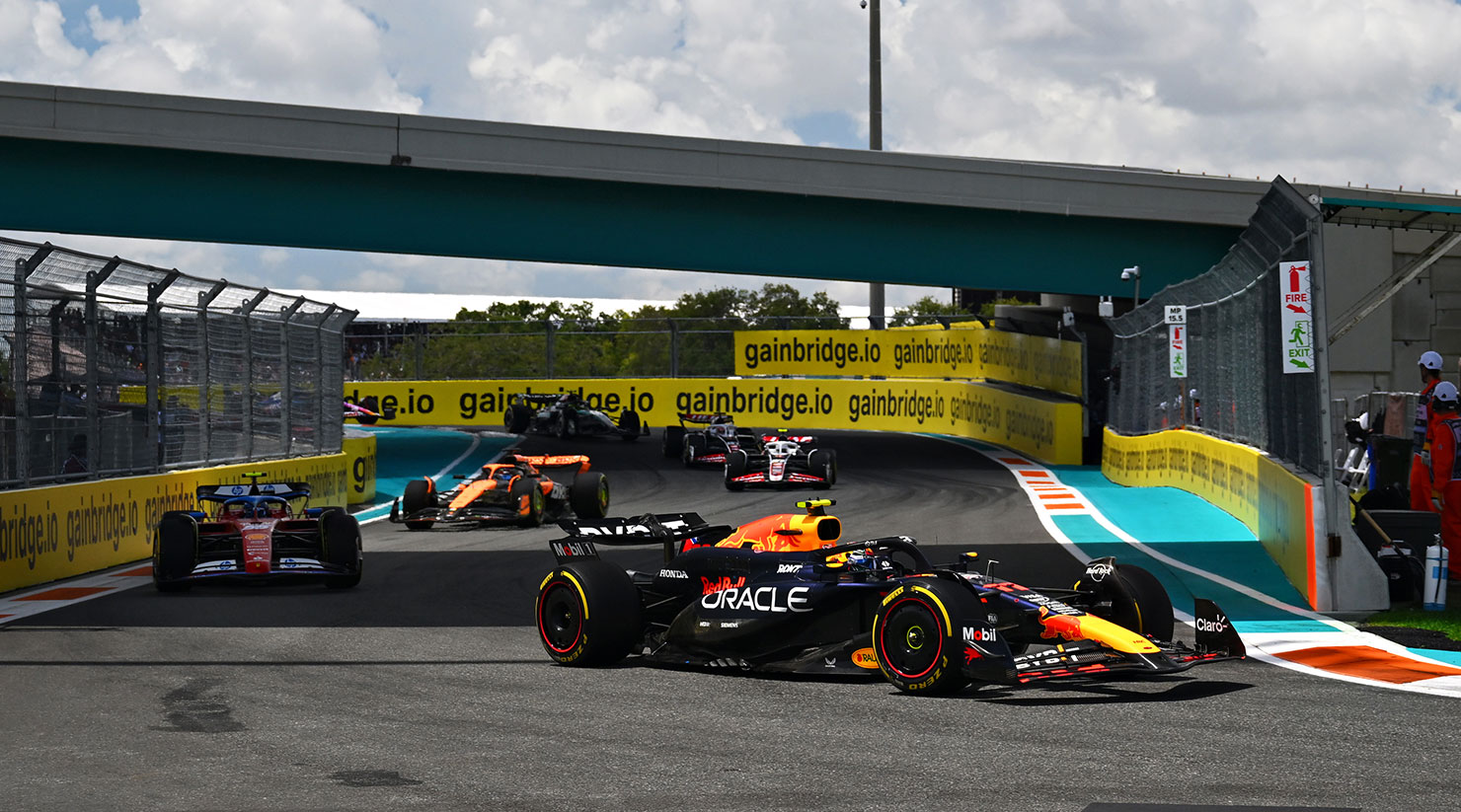
Circuit characteristics
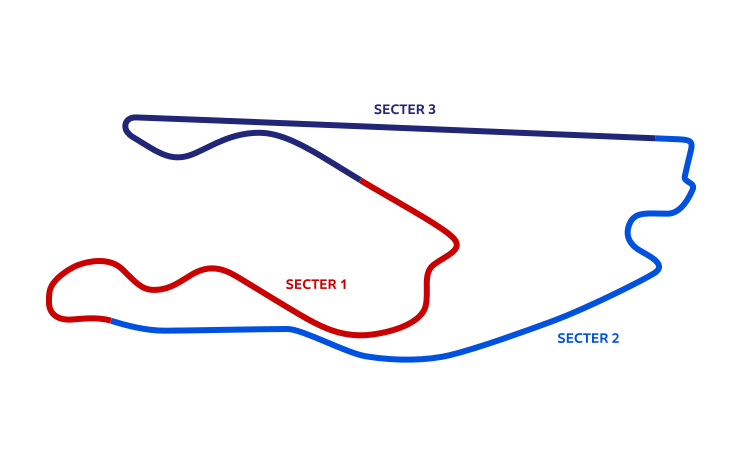
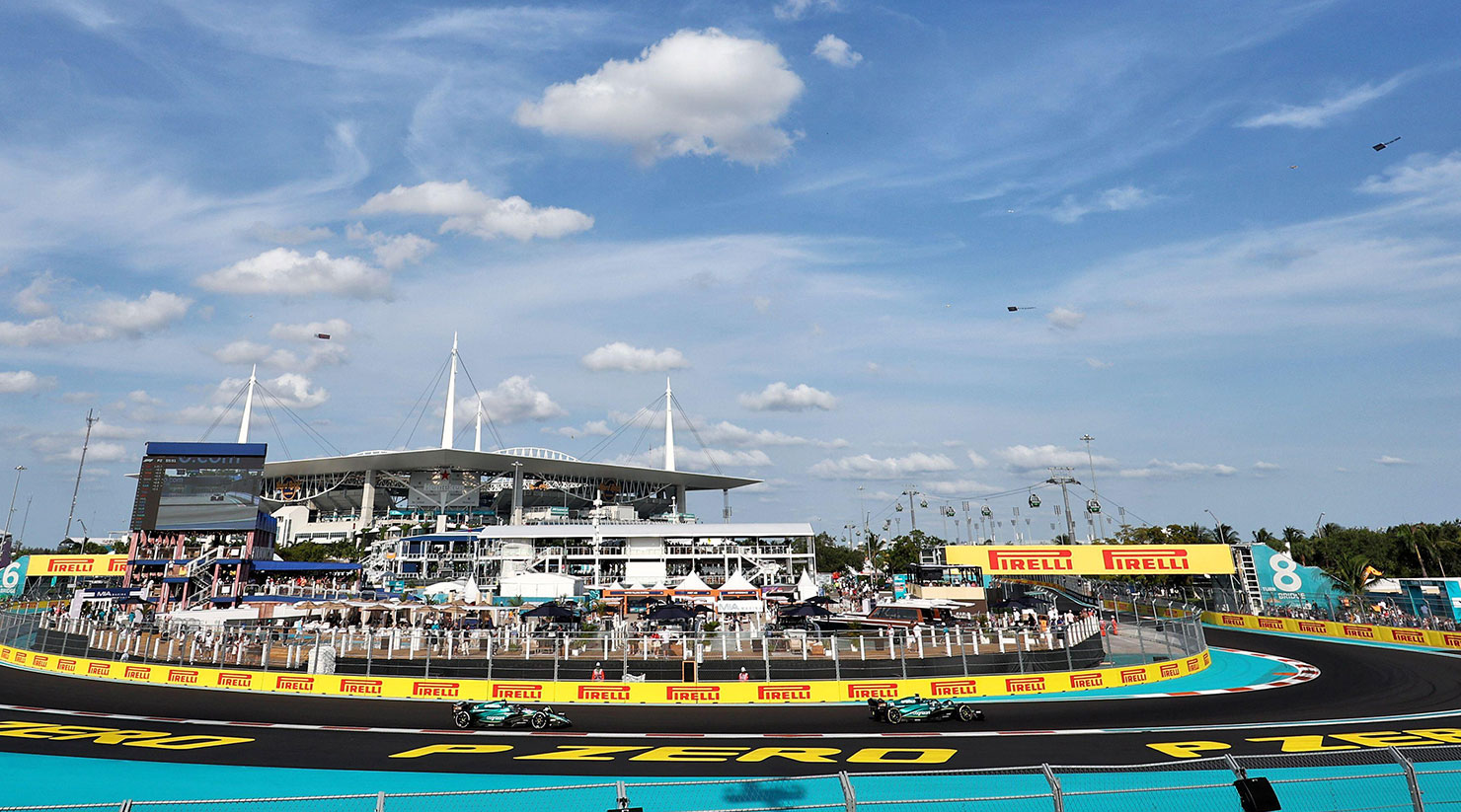
The Miami International Autodrome, which hosts the race, is a purpose-built circuit set around Hard Rock Stadium. While it has a street-circuit feel, it does not use public roads, instead featuring a specially constructed layout for racing.
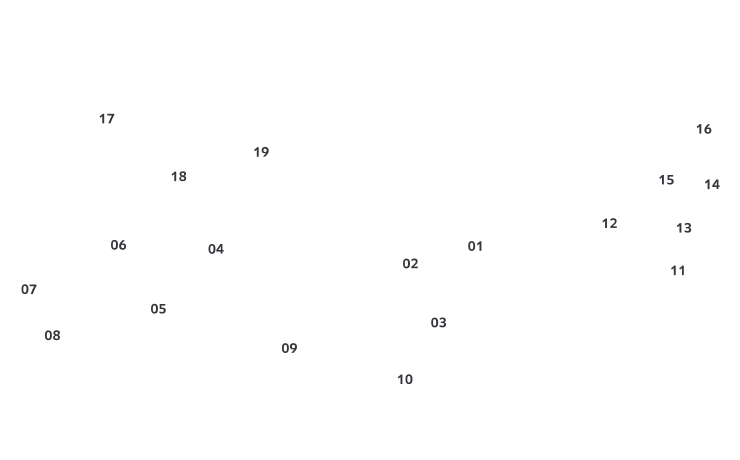
The circuit measures 5.412 km and includes 19 turns, combining three long straights with a variety of corner types, making it a highly technical and demanding track.
It also features elevation changes resembling highway ramps, cambered chicanes, and varying surface conditions due to sections of resurfacing and temporary construction. With a long 1.3 km straight and a mix of tight, technical sections, the circuit is known for offering relatively strong overtaking opportunities.
With significant regulation changes this year, attention will focus on how the new-generation F1 machines adapt to the circuit and how race dynamics may evolve.
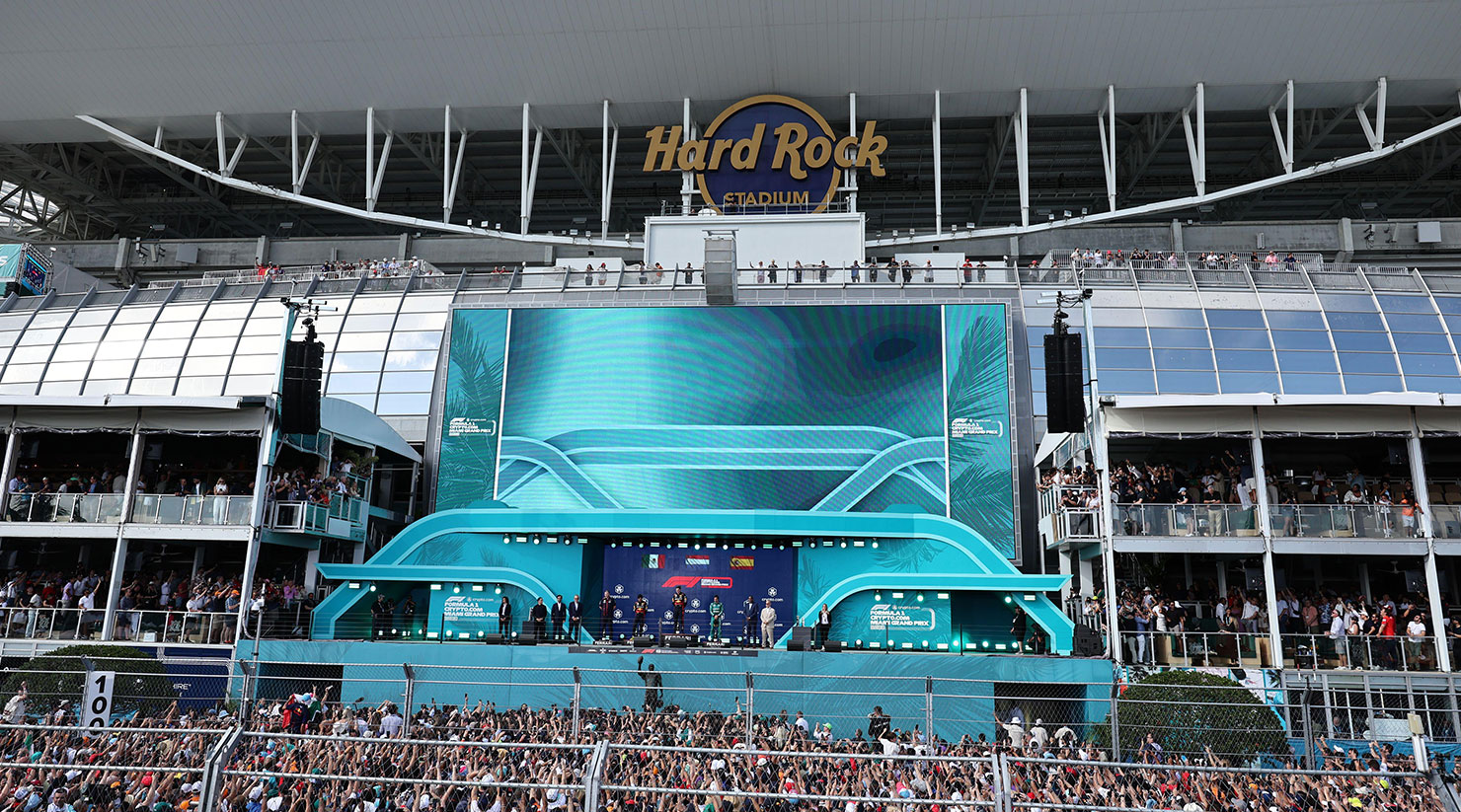
Memorable battles
In the inaugural 2022 race, teams and drivers approached the circuit with limited data. Ferrari locked out the front row in qualifying, while Red Bull—powered by Honda-supported power units—occupied the second row, setting the stage for a direct battle.
Max Verstappen, who had already secured three wins (including sprint races) before arriving in Miami, started from third on the grid. He quickly moved into second place and overtook race leader Charles Leclerc on Lap 9 to take the lead. From there, Verstappen controlled the race and extended his advantage to claim victory, demonstrating the strength and composure of a reigning World Champion.
The 2023 race further highlighted the dominance of Red Bull and Verstappen. Sergio Perez secured pole position, while Verstappen started from ninth after his final qualifying attempt was disrupted.
Despite this setback, Verstappen charged through the field, climbing to second place by Lap 15 and closing in on his teammate. When Perez pitted on Lap 20, Verstappen took the lead and extended his stint until Lap 45. Although he briefly dropped behind Perez after his own pit stop, Verstappen reclaimed the lead on Lap 48 and pulled away while setting the fastest laps, securing his third win of the season.
In both 2022 and 2023, Red Bull and Verstappen—supported by Honda power unit technology—went on to claim both the Drivers’ and Constructors’ titles. The Miami Grand Prix in the early part of the season stood out as a defining showcase of their speed and dominance.
Honda Records
Explore Honda’s history of challenges and achievements across iconic circuits,
backed by race performance data.