Circuit info
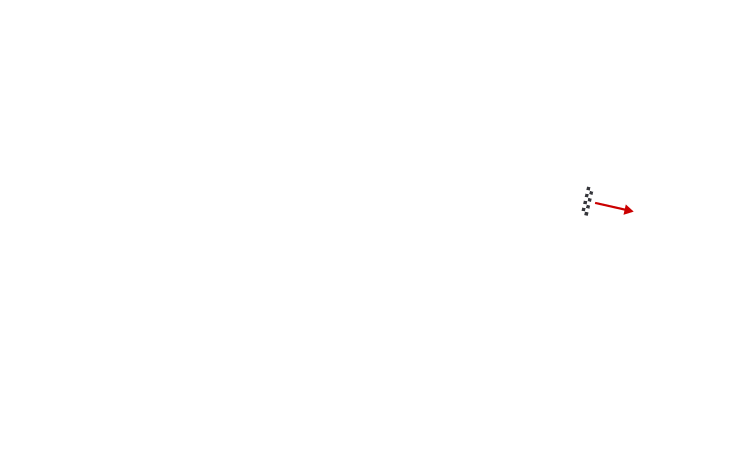

- Circuit Length
- 4.361 km
- First Grand Prix
- 1978
- Number of Laps
- 70
- Race Distance
- 305.27km
Location
- Address
- Parc Jean-Drapeau, Montréal, Quebec H3C 6A1, Canada
- Google Maps
History of the Circuit
The history of the Canadian Grand Prix dates back many years, with the first Formula 1 World Championship race held in 1967. Until 1970, the race alternated between Mosport Park and Circuit Mont-Tremblant, while from 1971 to 1977 (excluding 1975, when the event was not held), it took place at Mosport Park.
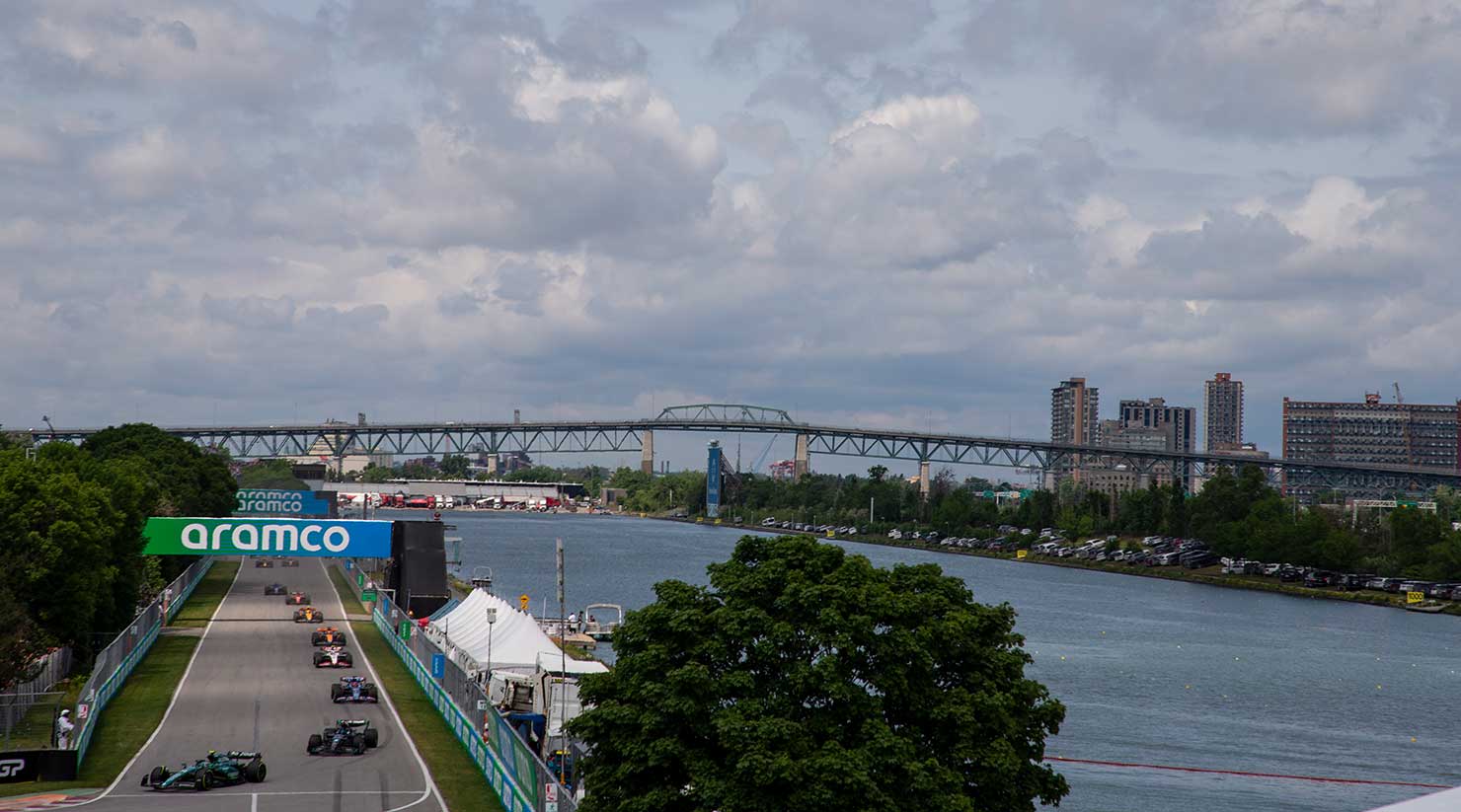
Mosport Park was a historic circuit located near Lake Ontario, but as Formula 1 cars became increasingly faster, concerns grew regarding safety and the rough track surface. As a result, from 1978 onward, the race moved to Circuit Gilles Villeneuve, located on Notre Dame Island in Montreal, where it continues to be held today.
Notre Dame Island, an artificial island in the Saint Lawrence River, is a well-known tourist destination that also served as a venue for the 1976 Montreal Olympics. The circuit built on the island was originally named Circuit Île Notre-Dame. However, following the death of local Canadian hero Gilles Villeneuve in an accident during the 1982 Belgian Grand Prix, the circuit was renamed Circuit Gilles Villeneuve later that same year in his honor.
Located close to downtown Montreal, the circuit is also widely known as an accessible venue that can easily be reached by metro.
Circuit characteristics
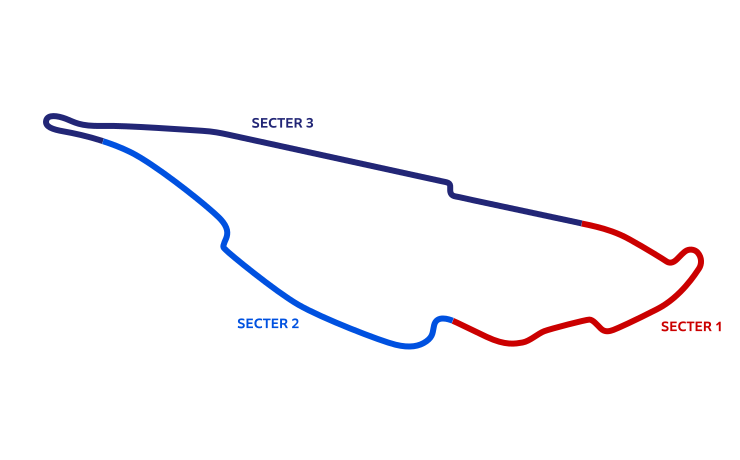
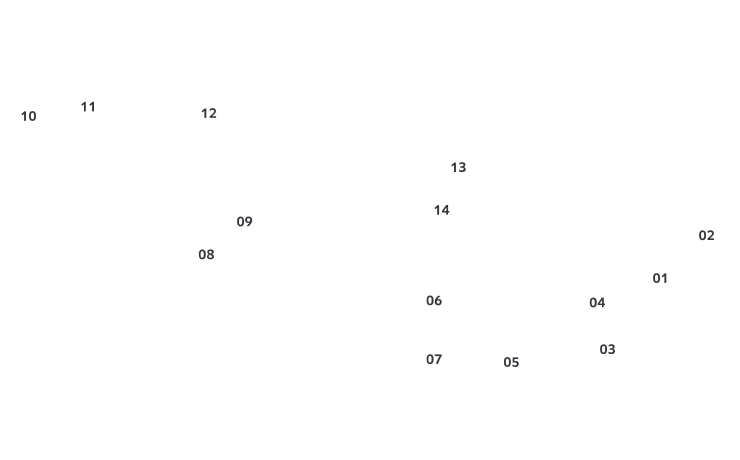
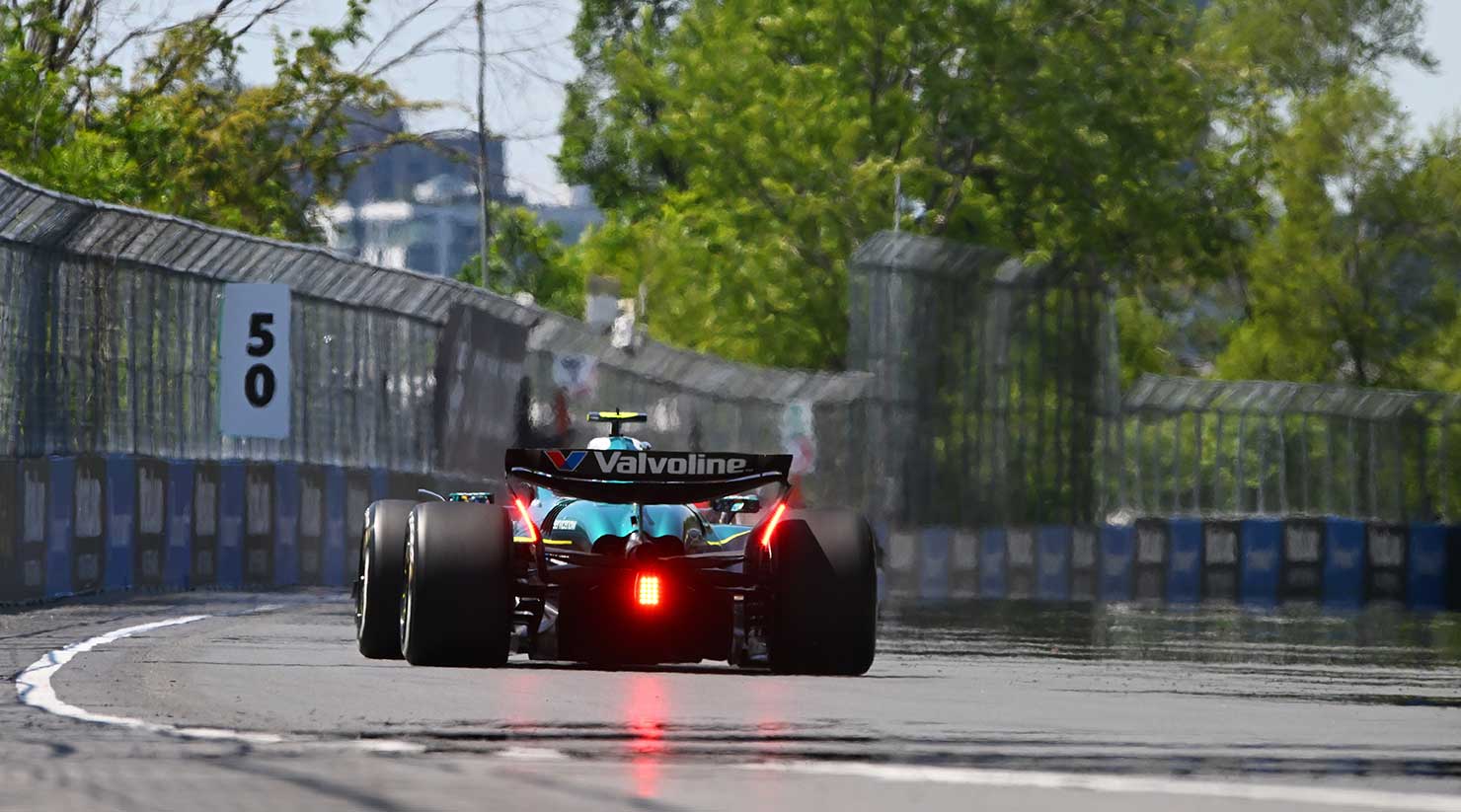
Circuit Gilles Villeneuve uses the park roads within the island complex. The layout features long straights connected by a hairpin and five chicanes, making it a classic “stop-and-go” circuit.
The tight S-curve immediately after the start is known for frequent incidents, as the distance from the старт line to the first corners is very short. From the Turn 3 chicane onward, the circuit enters a technical section where barriers sit close to the track, making even small mistakes capable of leading to major accidents.
After clearing this section, drivers head toward the hairpin, followed by a long straight of more than 1 km leading into the final chicane. The outside wall at the exit of this chicane is famously known as the “Wall of Champions” and is regarded as the circuit’s greatest challenge. The name originated in 1999, when three Formula 1 World Champions — Damon Hill, Michael Schumacher, and Jacques Villeneuve — all crashed into the wall and retired from the race.
Memorable battles
The Canadian Grand Prix has produced many unpredictable races, featuring dramatic twists and sudden retirements among front-runners. The event has delivered numerous memorable moments, including Robert Kubica’s massive crash and remarkable comeback victory the following year, as well as Lewis Hamilton’s maiden Formula 1 victory.
Ayrton Senna, who achieved multiple victories with McLaren Honda, considered the Canadian Grand Prix one of his strongest circuits. After winning from pole position in 1988, he dominated the 1989 race and appeared certain to secure back-to-back victories. However, with just three laps remaining, he suddenly stopped due to engine issues. The race became one of the most memorable in Canadian Grand Prix history, as Thierry Boutsen claimed his maiden Formula 1 victory in his 95th start.
The 1990 Canadian Grand Prix saw Senna overcome the disappointment of the previous year. Starting from pole position once again, he delivered a controlled and commanding victory, securing his fourth win of the season and taking a major step toward his second Formula 1 World Championship title.
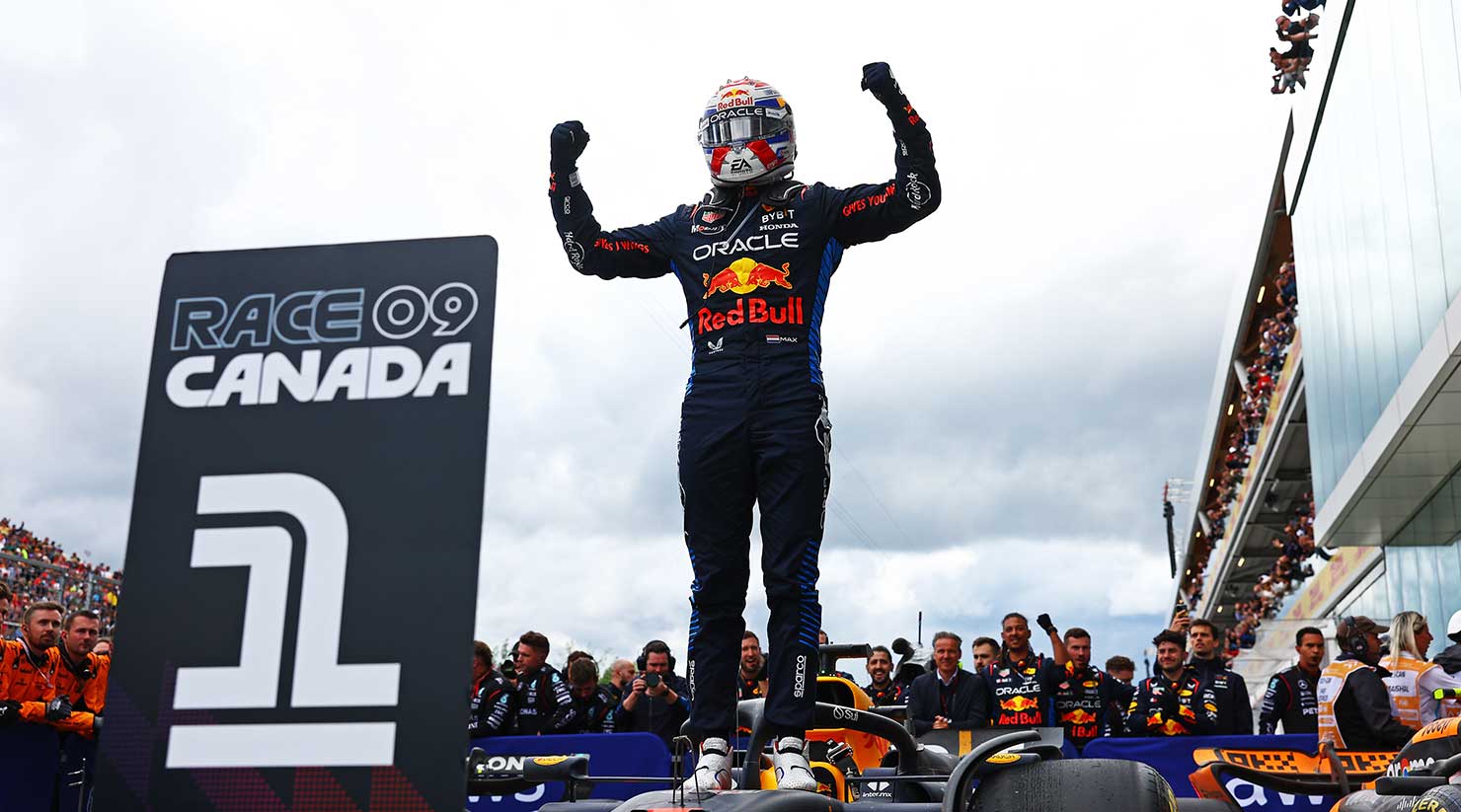
The Canadian Grand Prix was canceled in 2020 and 2021 due to the COVID-19 pandemic. Since the race returned in 2022, however, Max Verstappen of Red Bull Racing, powered by Honda-supported power unit technology, has achieved three consecutive victories in Canada. Demonstrating dominant pace from the start of each season, Verstappen ultimately went on to secure four consecutive World Championship titles.
Honda Records
Explore Honda’s history of challenges and achievements across iconic circuits,
backed by race performance data.