Circuit info
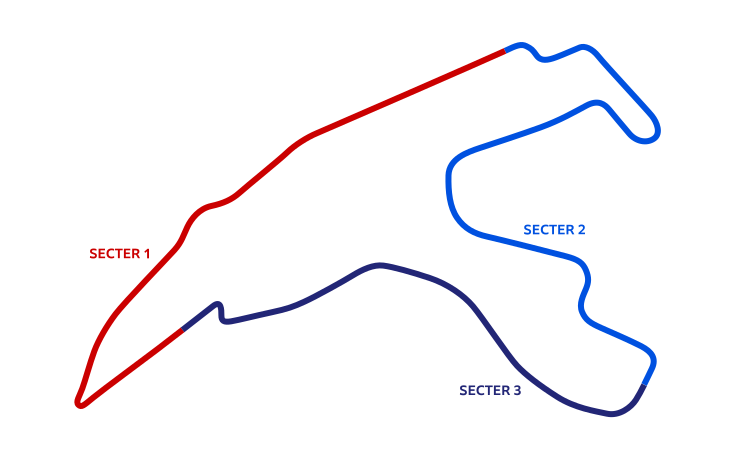

- Circuit Length
- 7.004 km
- First Grand Prix
- 1950
- Number of Laps
- 44
- Race Distance
- 308.052km
Location
- Address
- Rte du Circuit 55, Stavelot 4970, Belgium
- Google Maps
History of the Circuit
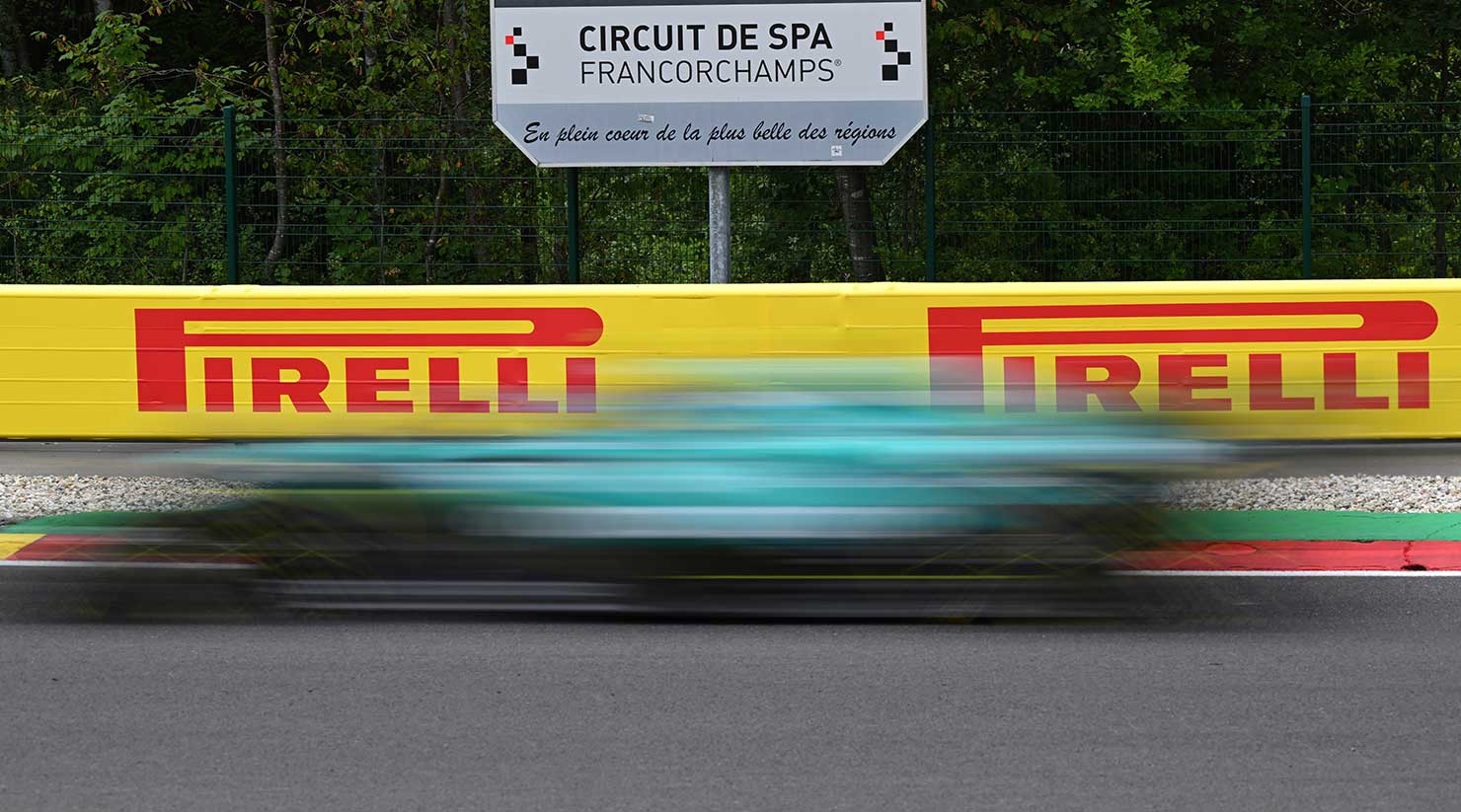
The Belgian Grand Prix is one of the most historic events in Formula 1®, having been part of the championship since its inaugural season in 1950. At that time, Spa-Francorchamps was a public-road circuit measuring more than 14 kilometers in length. Due to its immense speed and limited safety measures, the Belgian Grand Prix was moved to permanent circuits such as Nivelles-Baulers and Zolder for a period of time.
A major redevelopment in 1979 shortened the circuit and created the foundation of the modern layout. Formula 1® returned to Spa-Francorchamps in 1983. Although the 1984 Belgian Grand Prix was held at Zolder, Spa-Francorchamps has been the permanent home of the event since 1985.
During the 2000s, surrounding public roads were reconfigured and the circuit underwent extensive modernization with a focus on safety. By 2003, Spa-Francorchamps had effectively become a fully permanent racing facility. Further changes followed in 2007, including revisions to the Bus Stop Chicane and redevelopment of the La Source area. Additional upgrades to facilities and grandstands have continued, shaping the circuit seen today.
Located in the forests near Liège, Spa-Francorchamps is renowned for its stunning scenery and dramatic elevation changes of 104 meters. The circuit is also famous for hosting motorcycle Grands Prix and endurance racing events. Its combination of technical difficulty and famously unpredictable “Spa weather” has earned it a place among the most highly regarded circuits in Europe and a favorite among drivers.
Circuit characteristics
Although Spa-Francorchamps has undergone numerous modifications since the current layout was introduced in 1979, its defining characteristics remain unchanged: a diverse collection of corners, dramatic elevation changes, and a relentless challenge for both driver and machine.
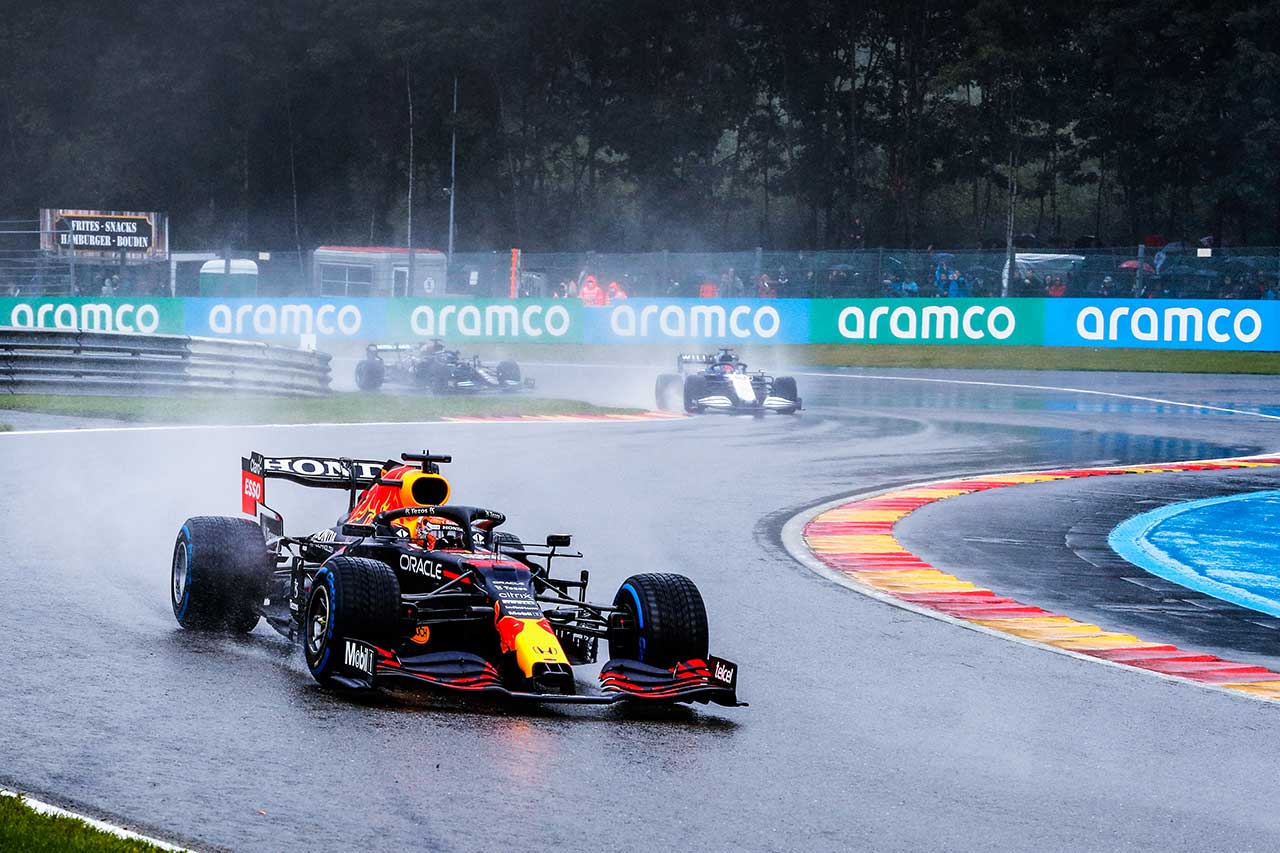
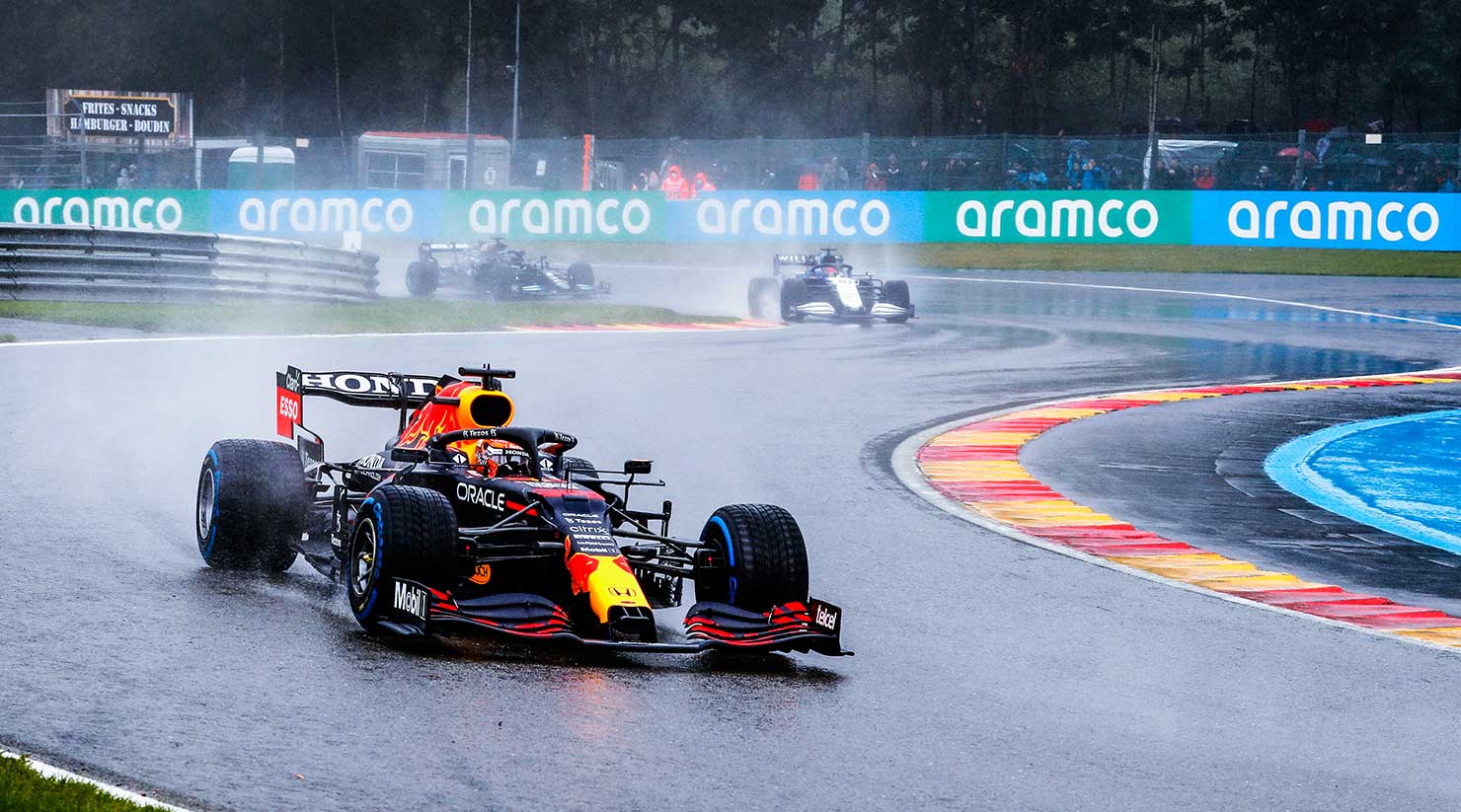
The circuit’s other defining feature is its unpredictable weather. Conditions can vary dramatically across different parts of the track, with sudden downpours appearing in one sector while another remains dry—a phenomenon commonly known as “Spa weather.”
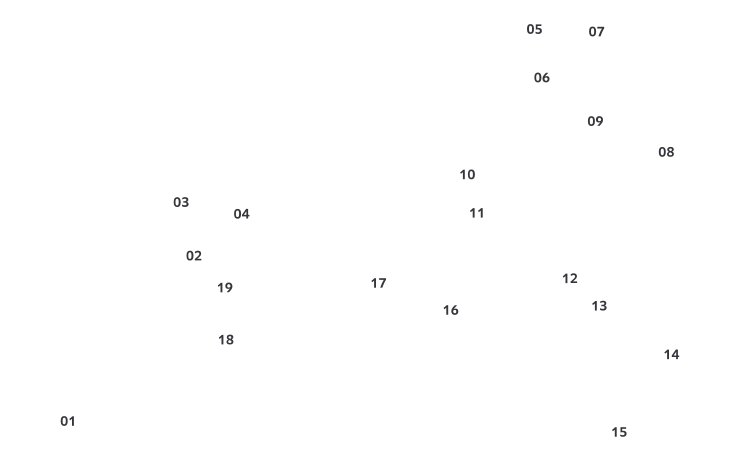
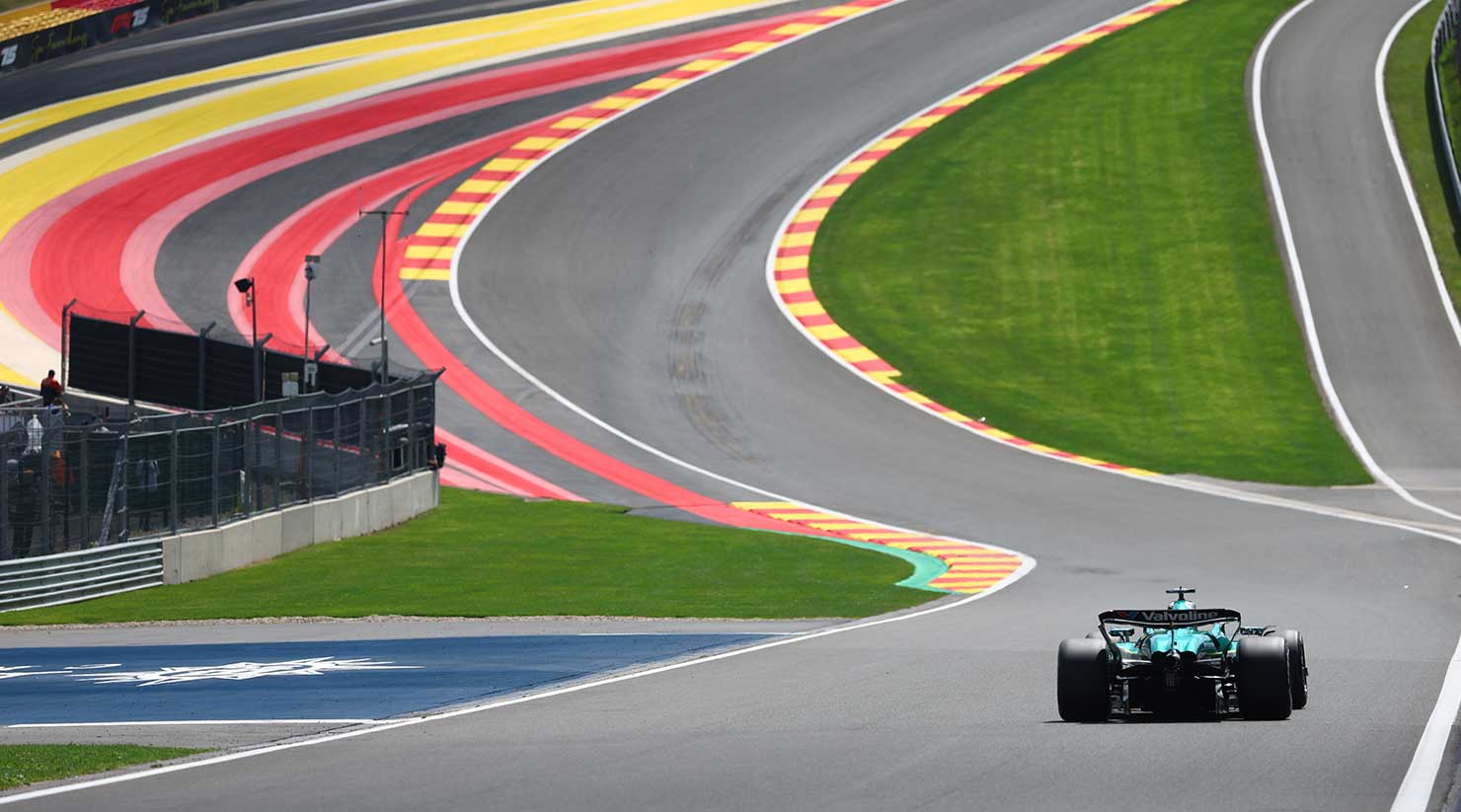
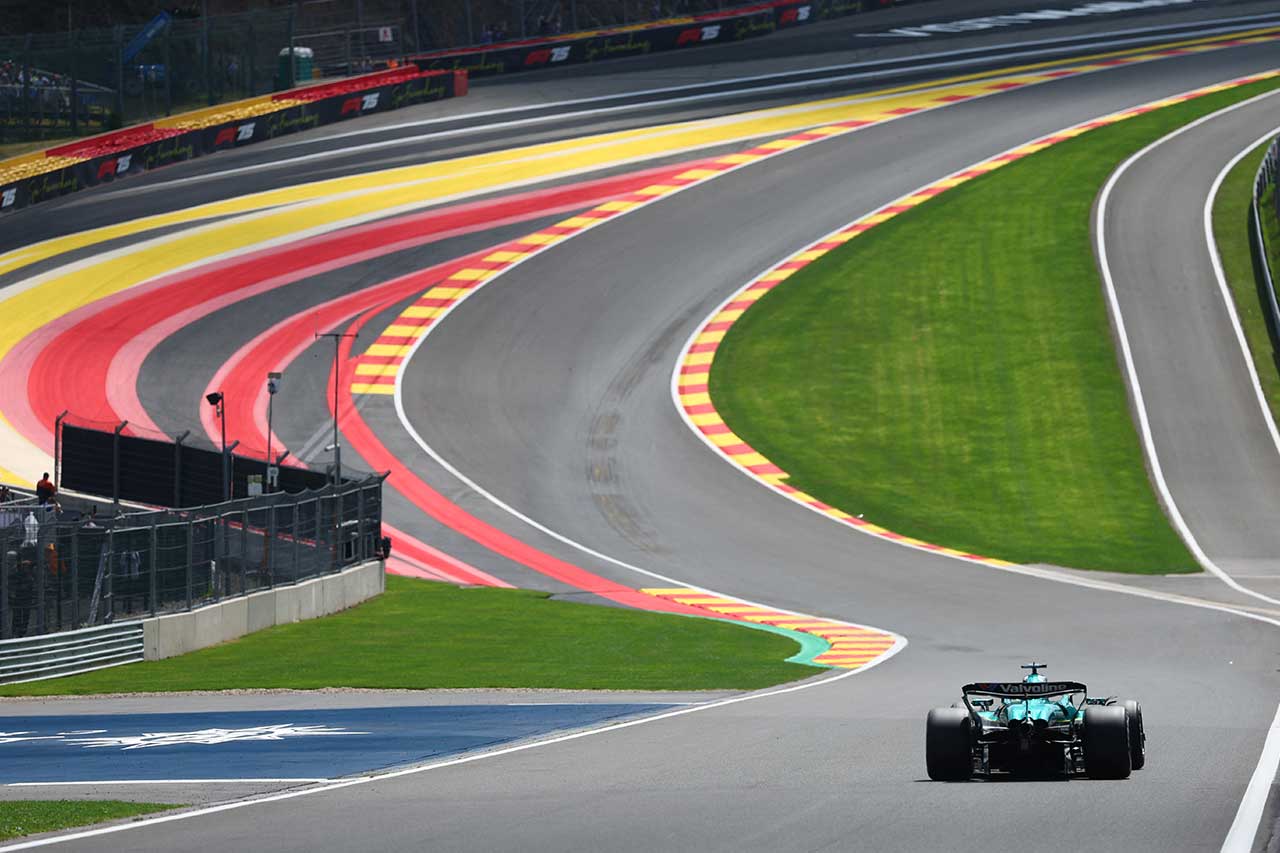
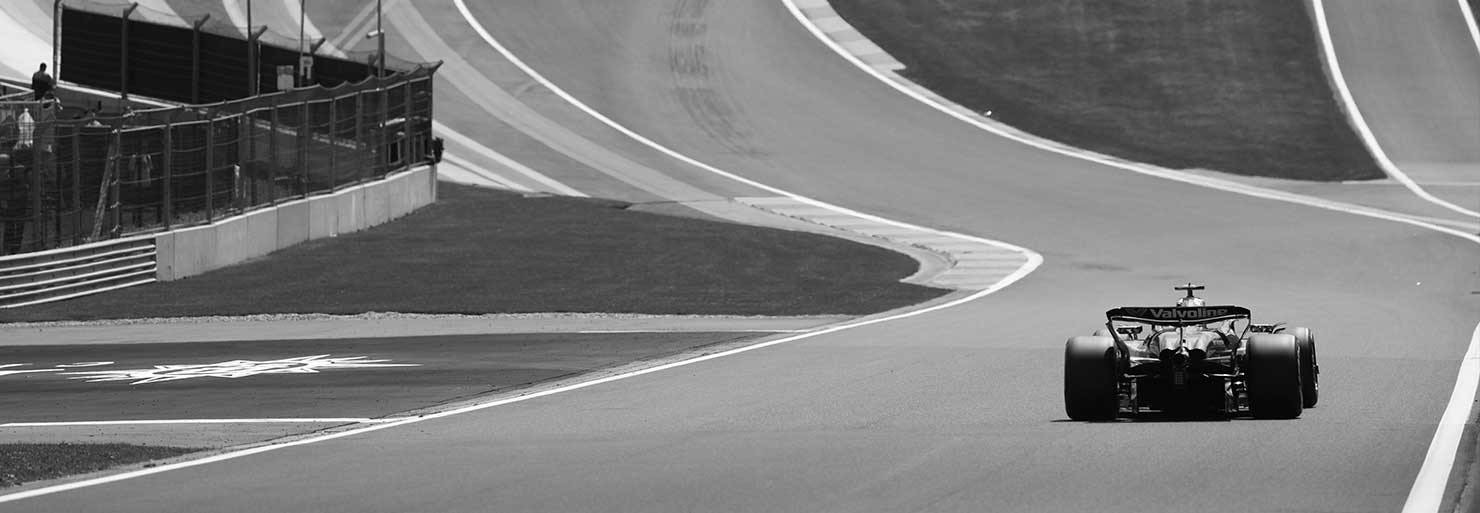
The lap begins with the tight La Source hairpin immediately after the start. Drivers then accelerate downhill toward the circuit’s most famous section, Eau Rouge. This steep uphill right-hander feels as though the car is climbing a wall and demands both precision and commitment from the driver. Together with the sweeping left-hand kink at Raidillon, it forms one of the most challenging sequences in motorsport. Maintaining control through this section is difficult, and mistakes can result in major accidents.
Exiting Raidillon leads onto the Kemmel Straight, where top speed becomes critical. Carrying momentum from La Source through Eau Rouge and Raidillon is essential for maximizing straight-line performance. At the end of the Kemmel Straight lies Les Combes, a tight right-hand corner at the highest point of the circuit and the primary overtaking opportunity.
From Les Combes, the circuit flows through Malmedy and a sequence of chicane-like corners before descending toward Bruxelles (formerly Rivage), a hairpin that marks the beginning of the downhill section. The track then winds through a series of medium- and high-speed corners before reaching Paul Frère.
After Paul Frère comes Blanchimont, one of the fastest corners in F1. Taken at full throttle, it demands absolute confidence from both driver and machine.
The final challenge is the Bus Stop Chicane. Once resembling an actual bus stop, the corner has undergone several revisions due to changes in the pit entry configuration. Since 2007, it has become the tight chicane seen today and remains another key overtaking opportunity.
Although significantly shorter than the original public-road circuit, Spa-Francorchamps remains the longest circuit on the F1 calendar at just over seven kilometers. Combined with its unforgiving corners and constantly changing conditions, it stands alongside Suzuka as one of the most demanding and highly regarded circuits in the world.
Eau Rouge
Les Combes
Memorable battles
Spa-Francorchamps has often produced memorable races thanks to its unpredictable weather.
One of the most famous examples came in 1985, when Ayrton Senna delivered a dominant wet-weather performance to claim his second F1 victory despite having an inferior car. Together with his victory in the rain-soaked Portuguese Grand Prix later that season, the race cemented Senna’s reputation as a master of wet conditions.
Because Spa-Francorchamps demands excellence from both car and driver, it often reflects the competitive order of a particular era. Ayrton Senna won four consecutive Belgian Grands Prix with McLaren Honda beginning in 1988, while Max Verstappen, who claimed his first world title with Red Bull Honda in 2021, achieved three consecutive victories at Spa. Time and again, the Belgian Grand Prix has been won by those who combine outright speed with championship-caliber strength.
- Fastest pole position lap
- 1 min 40.562s
Lando Norris (McLaren, 2025)
- Fastest Honda qualifying lap
- 1 min 40.987s
Max Verstappen (Red Bull, 2025)
- Fastest race lap
- 1 min 44.701s
Sergio Pérez (Red Bull, 2024)
- Fastest Honda race lap
- 1 min 44.701s
Sergio Pérez (Red Bull, 2024 Fastest Lap)
* Statistics based on the current 7.004 km circuit layout.
Honda Records
Explore Honda’s history of challenges and achievements across iconic circuits,
backed by race performance data.