Circuit info
- Circuit Length
- 3.337 km
- First Grand Prix
- 1950
- Number of Laps
- 78
- Race Distance
- 260.286km
Location
- Address
- 11 Bd Albert 1er, Monte Carlo 98000, Monaco
- Google Maps
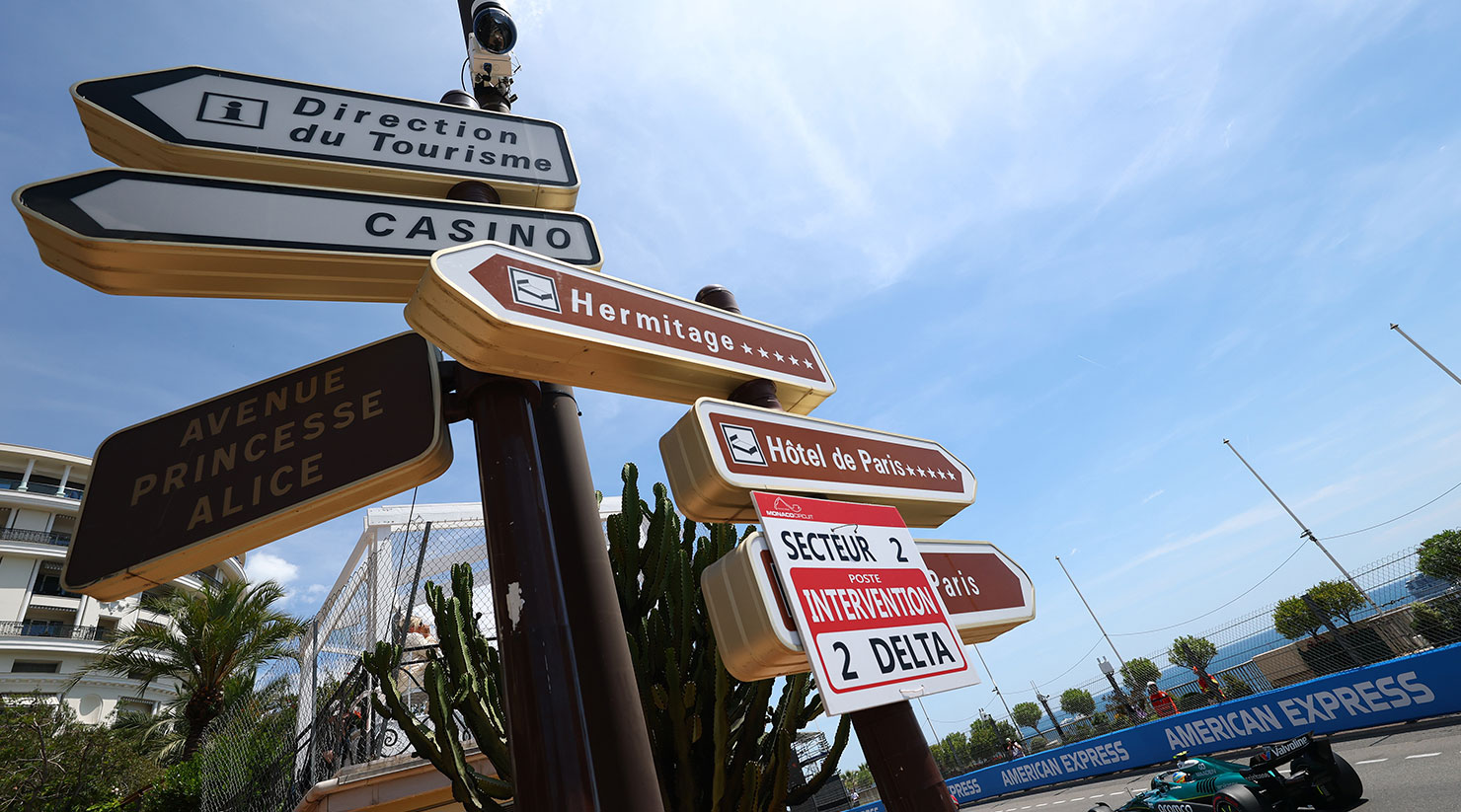
History of the Circuit
The Monaco Grand Prix is regarded as one of the most prestigious events in Formula One, distinguished by its history, tradition, and status. Alongside the Indianapolis 500 and the 24 Hours of Le Mans, it is considered one of the “Triple Crown” races of motorsport. Its global recognition is unmatched, and drivers have long said that “one victory in Monaco is worth three elsewhere.”
The first Monaco Grand Prix was held in 1929 in the tiny Principality of Monaco. At the time, a motor race held on closed public roads through a city was highly unusual. Monaco became part of the Formula One World Championship from its inaugural season in 1950 and, aside from interruptions caused by World War II and the global COVID-19 pandemic, has continued to be held on a largely unchanged layout ever since.
From the beginning, the appeal of Monaco lay in the extraordinary challenge of racing at high speed through narrow streets lined by guardrails. In an era when both cars and circuits offered far less protection than today, victory in Monaco carried enormous prestige, helping establish the special status associated with becoming a Monaco winner.
The Monaco Grand Prix is also a national event for the Principality of Monaco and is widely known as one of the major occasions on the European social calendar. During race week, many celebrities gather in Monaco, with shows and parties held throughout the event, creating an atmosphere of glamour and exclusivity unlike any other Grand Prix — a reflection of Europe’s traditional social culture that has continued since the race’s earliest years.
Circuit characteristics
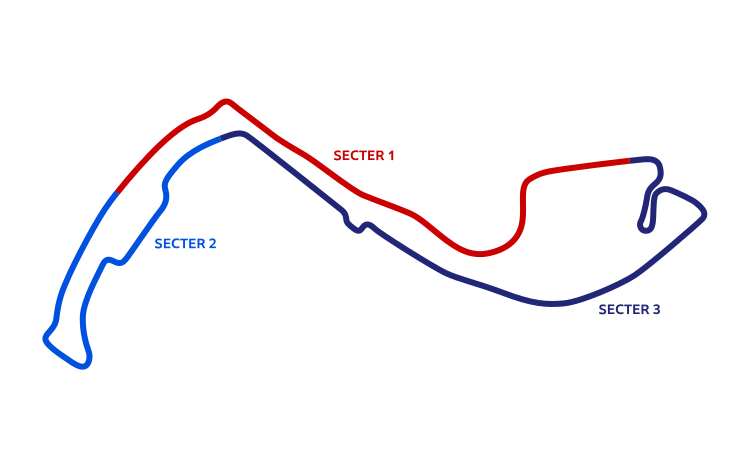
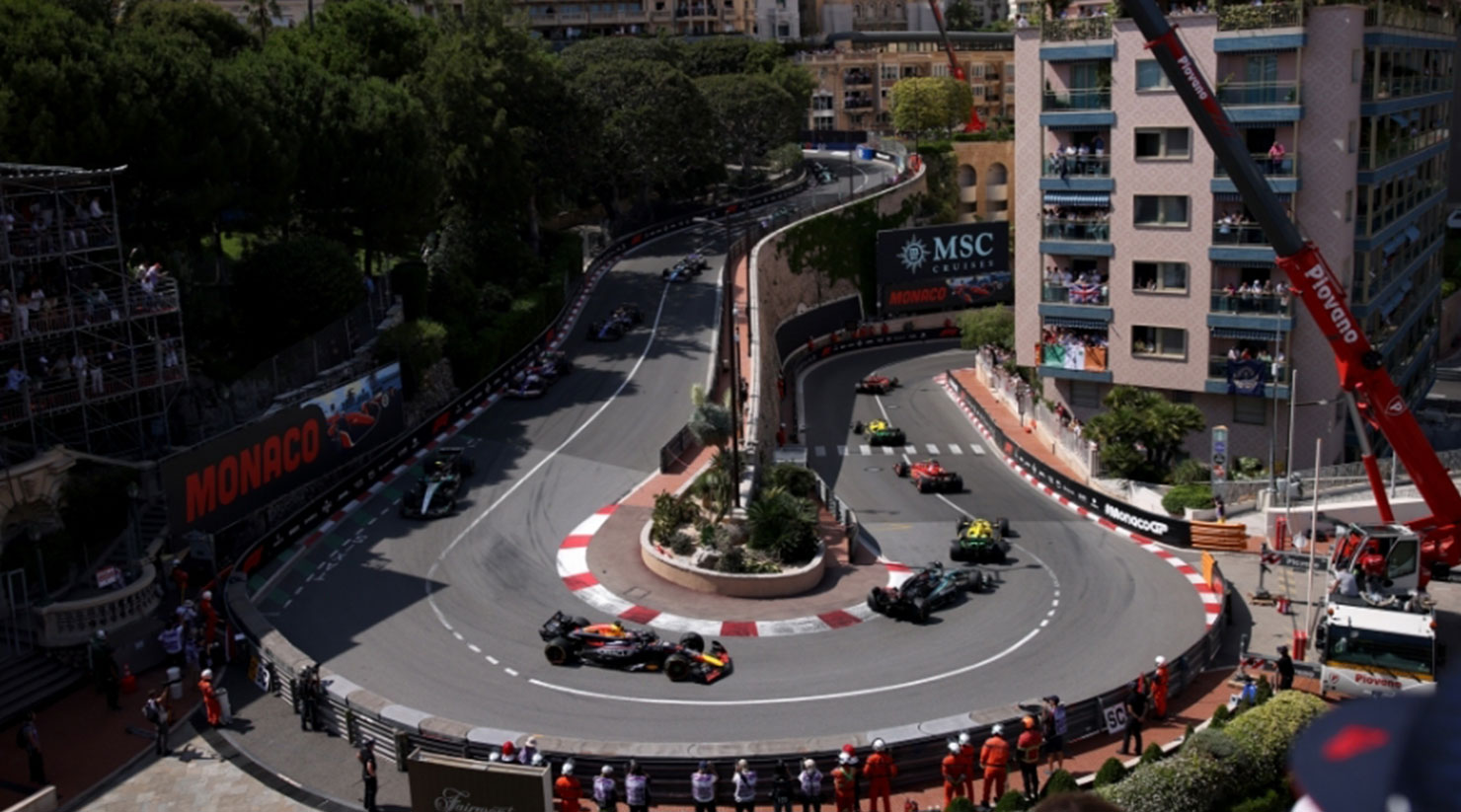
Every corner of the Monaco circuit has its own distinctive character.
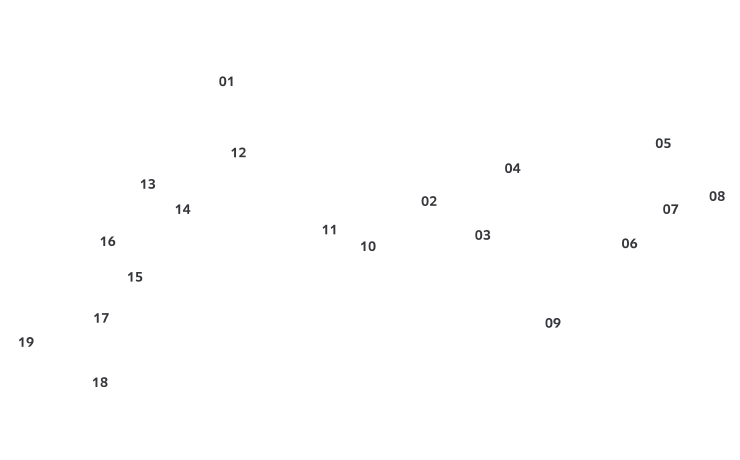
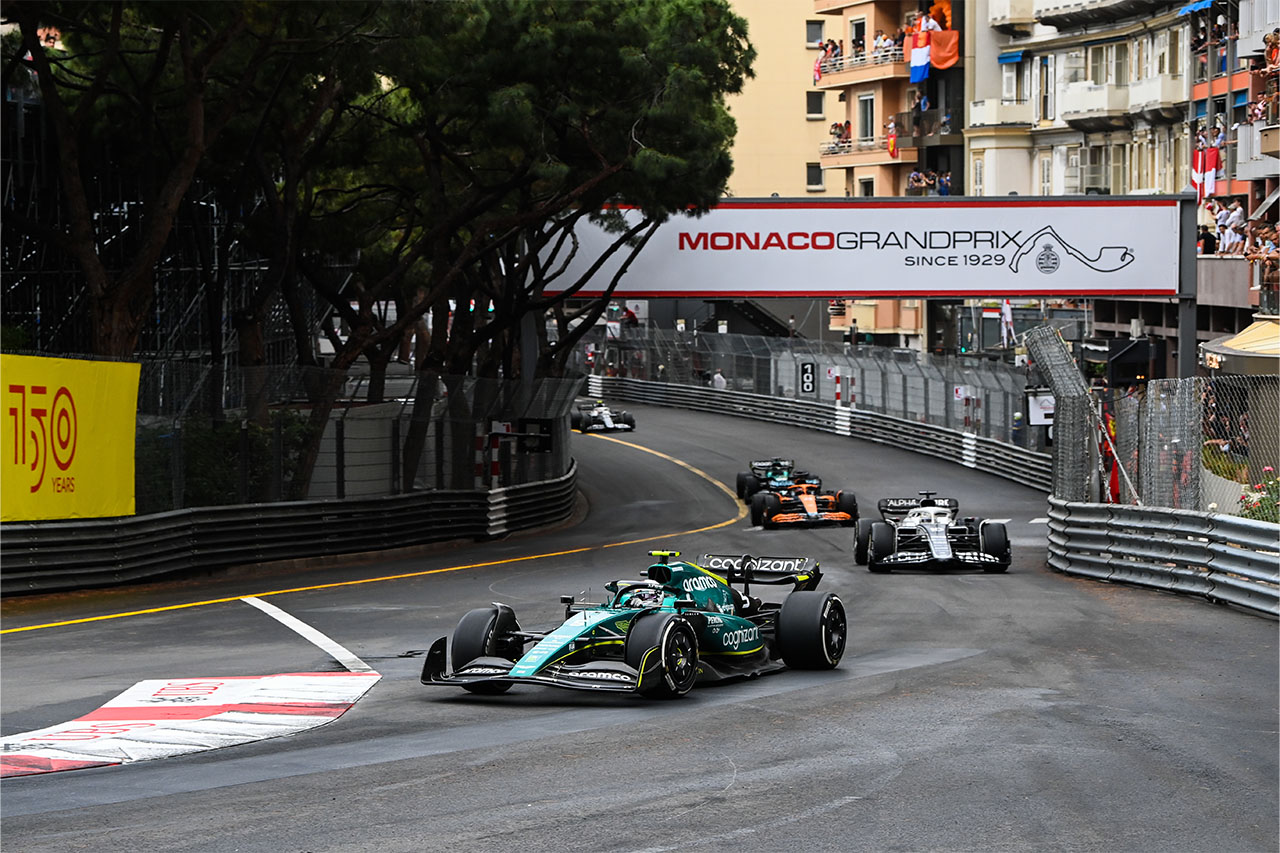
The opening right-hander after the start is known as Sainte Devote, a narrow corner that tightens toward the uphill section beyond and is well known as a frequent accident hotspot.
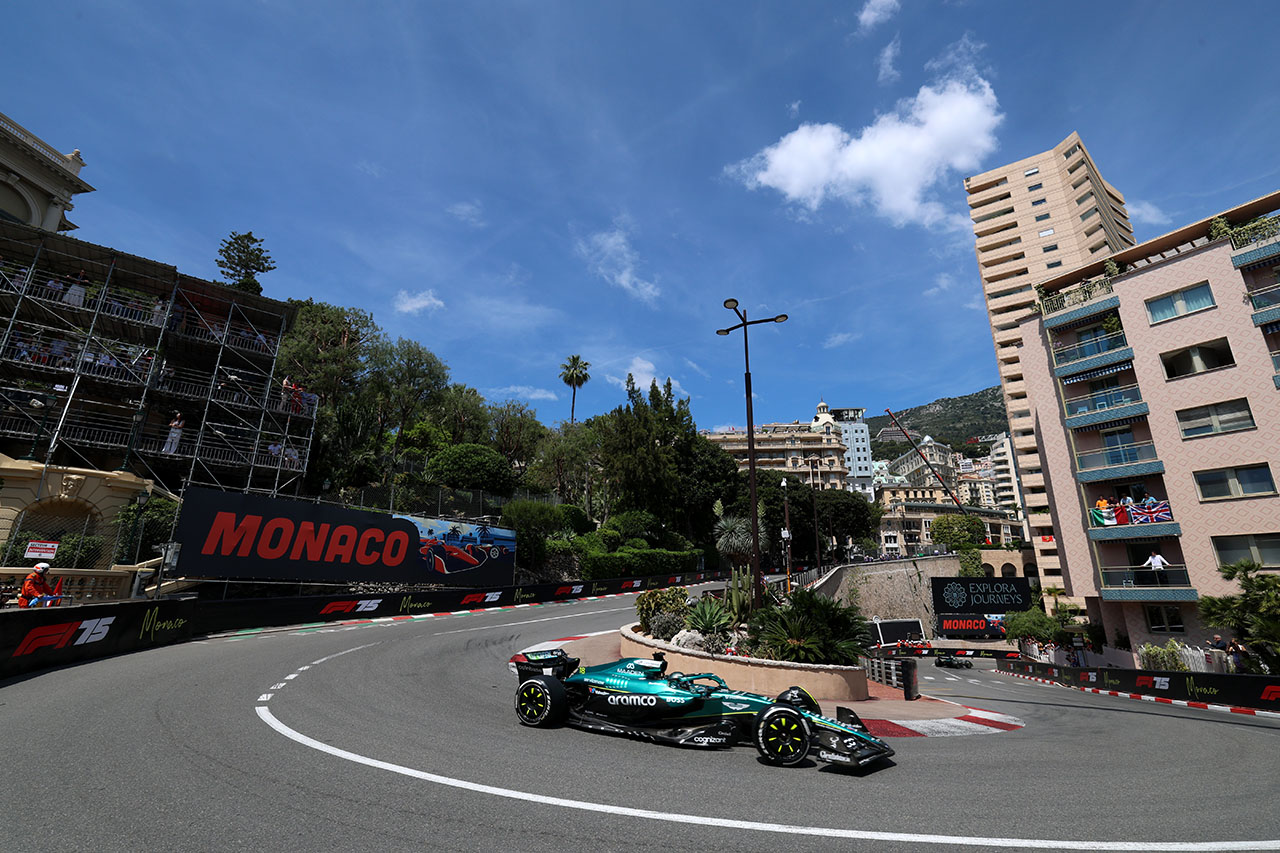
After climbing through Massenet, the circuit reaches Casino Square, a fast section resembling an S-curve before descending downhill. Beyond the downhill right-hander at Mirabeau lies one of Monaco’s most famous corners, the Fairmont Hairpin (formerly known as Loews Hairpin), an extremely tight low-speed turn that Formula One cars navigate at almost walking pace.
Continuing downhill toward the waterfront, drivers pass through the near right-angle Portier corner before entering Monaco’s most famous landmark section: the tunnel. The circuit’s highest speeds are reached between the tunnel exit and the braking zone for the Nouvelle Chicane.
The left-hand corner that follows is known as Tabac, named after a tobacco shop that once stood nearby. Beyond that comes the Swimming Pool section, where the chicanes require drivers to thread the car through barriers with minimal margin for error, often resulting in contact and accidents.
The lap concludes with the tight Rascasse corner and the final turn, Anthony Noghès, before returning to the main straight.
At 3.337 km, Monaco remains the shortest circuit on the Formula One calendar. Average speeds are also among the lowest, with qualifying lap averages typically around 170 km/h.
Sainte Devote
Hairpin
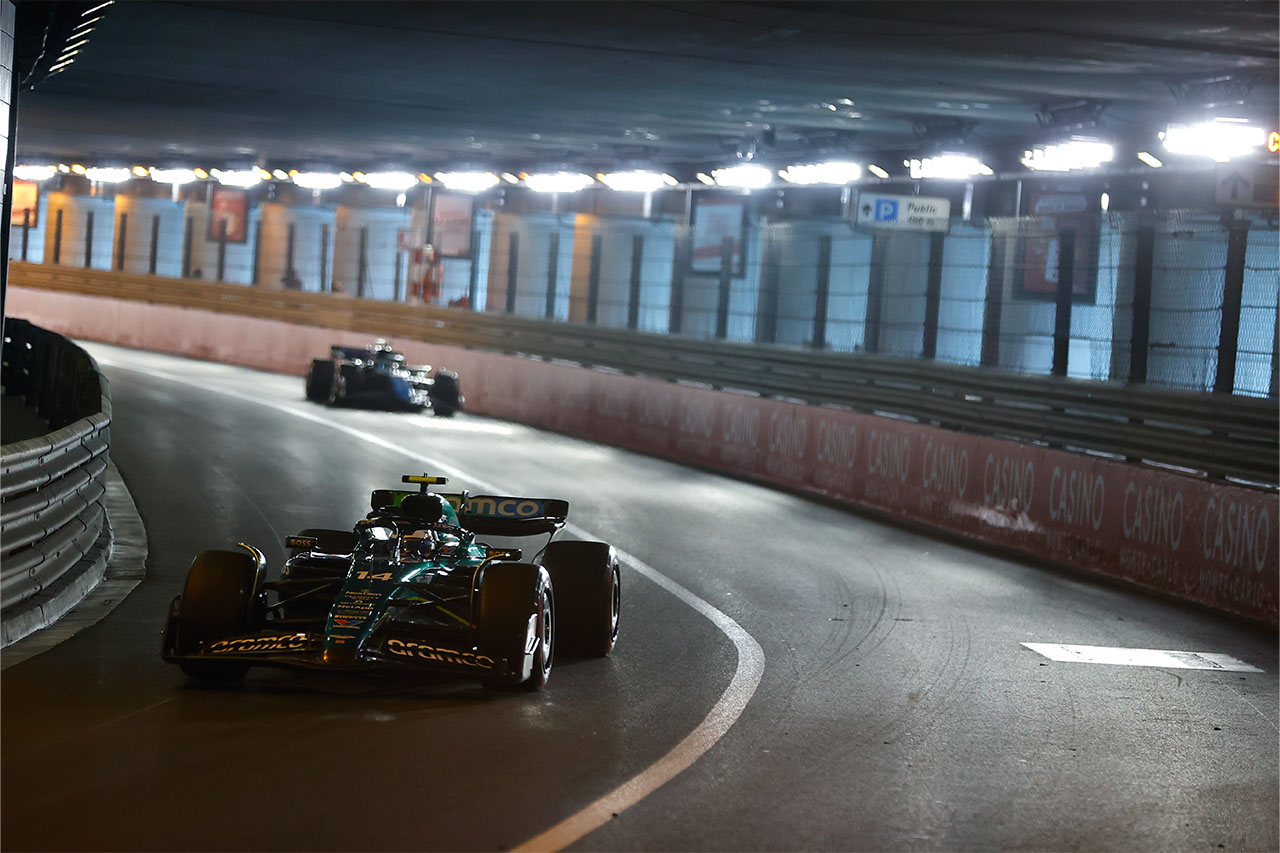
Tunel
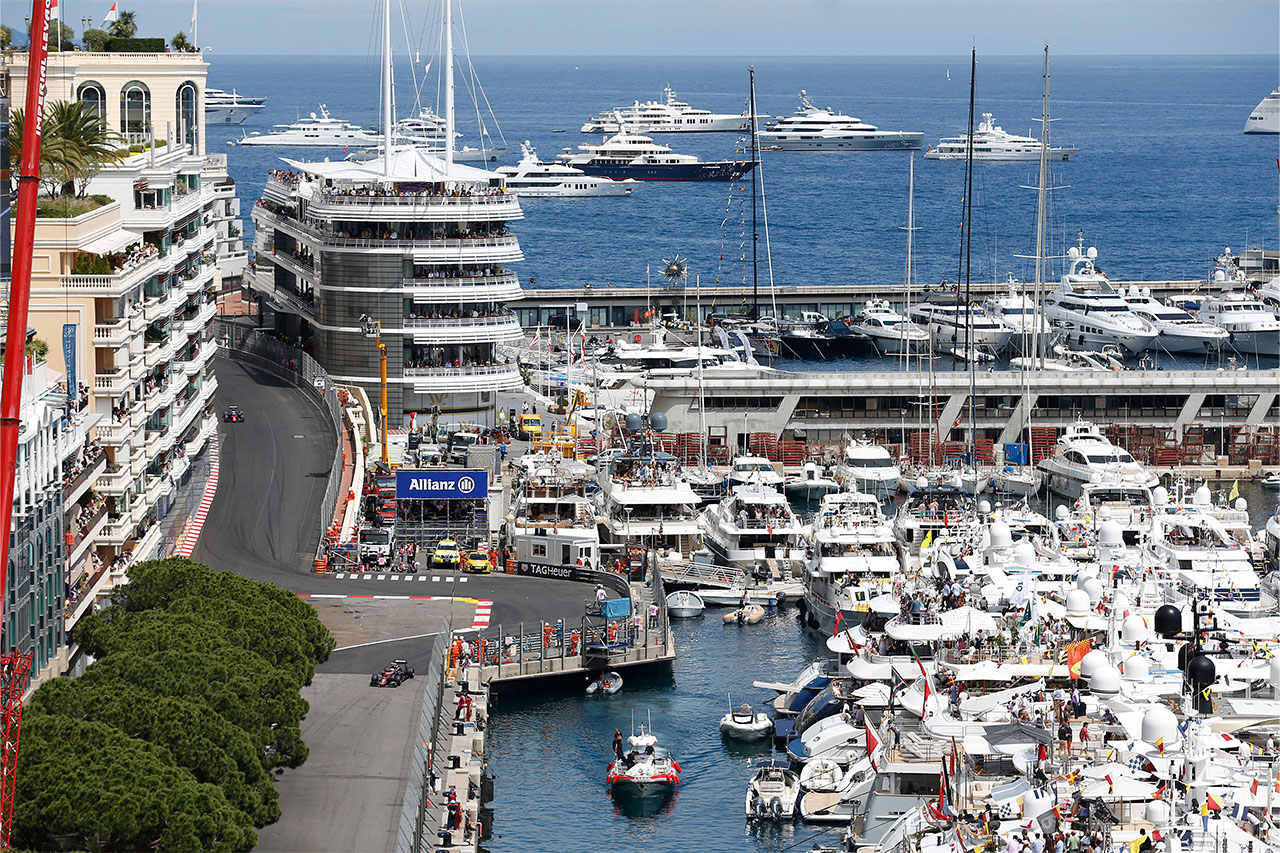
Chicane
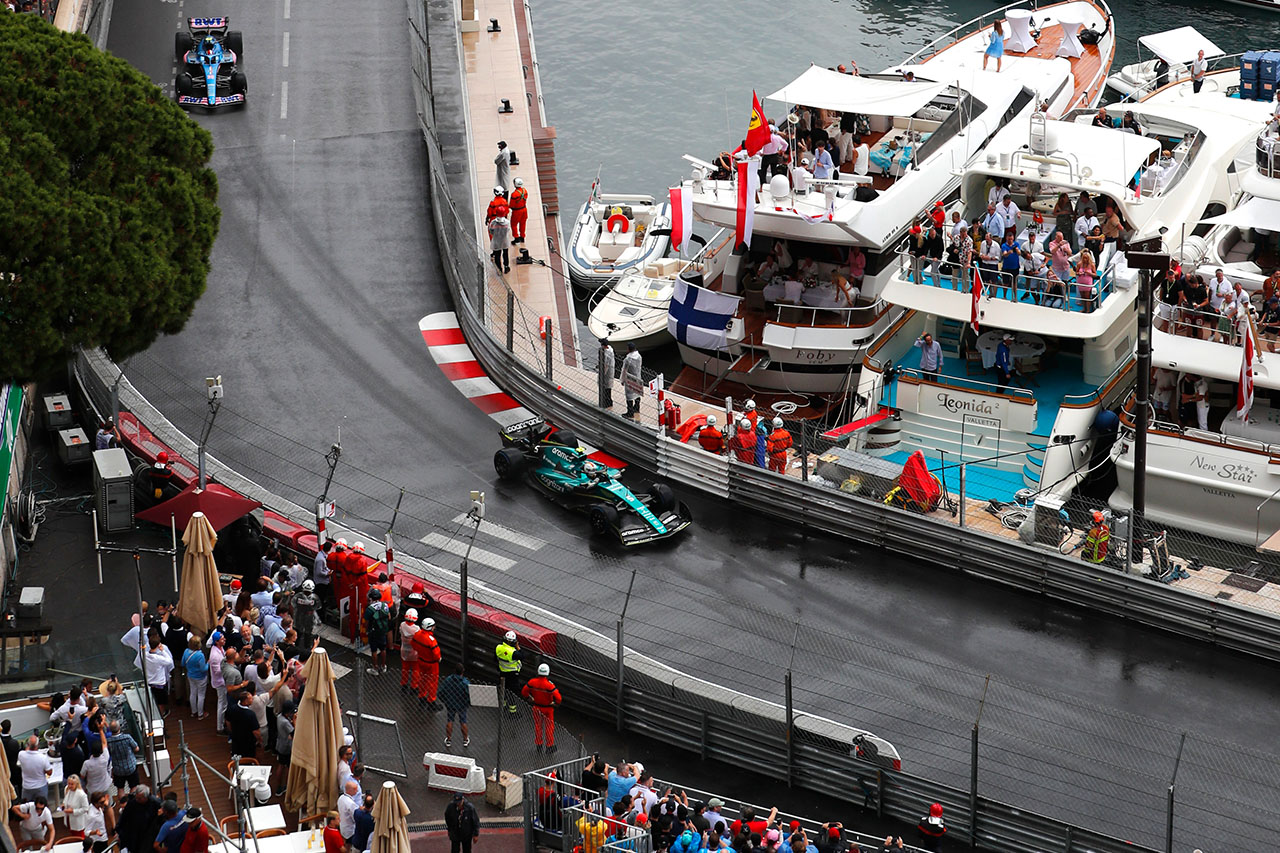
Tabac
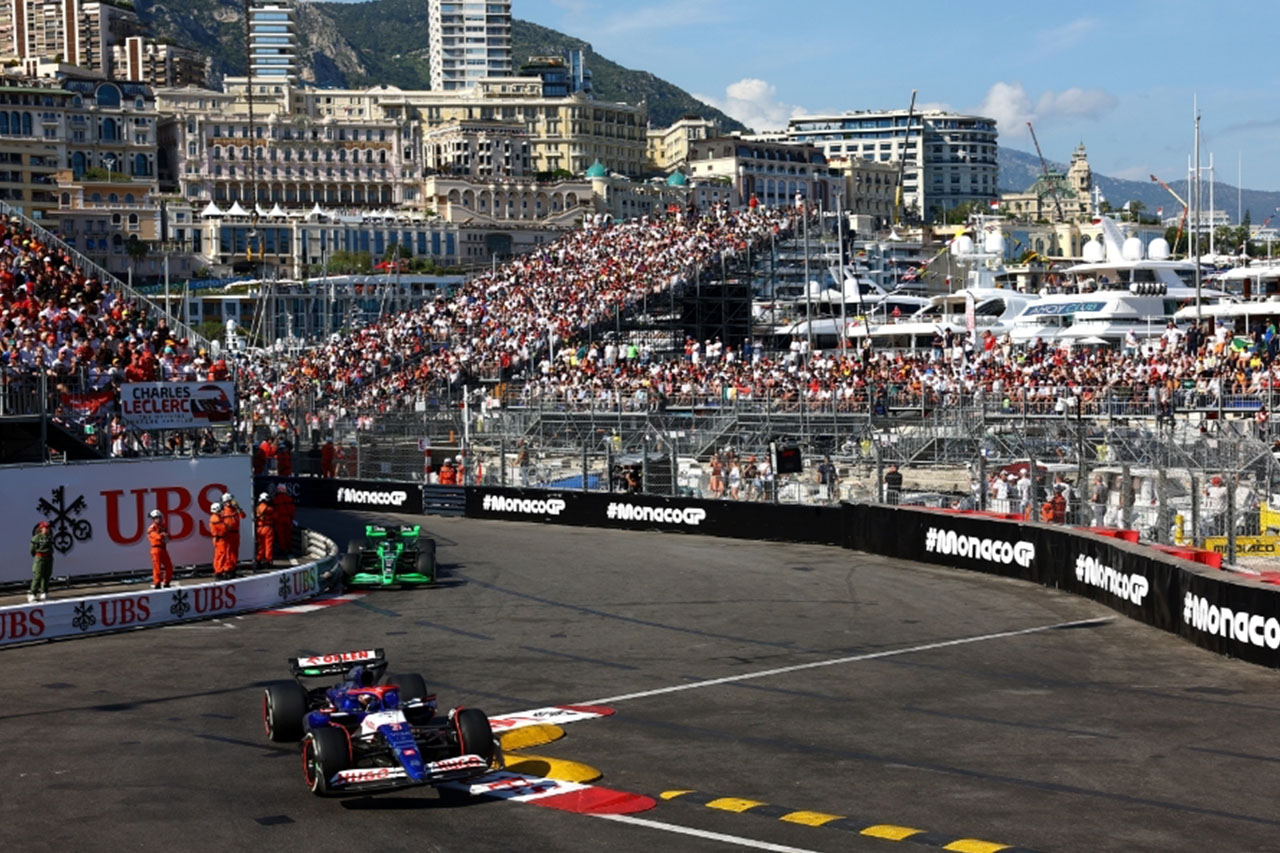
Piscine
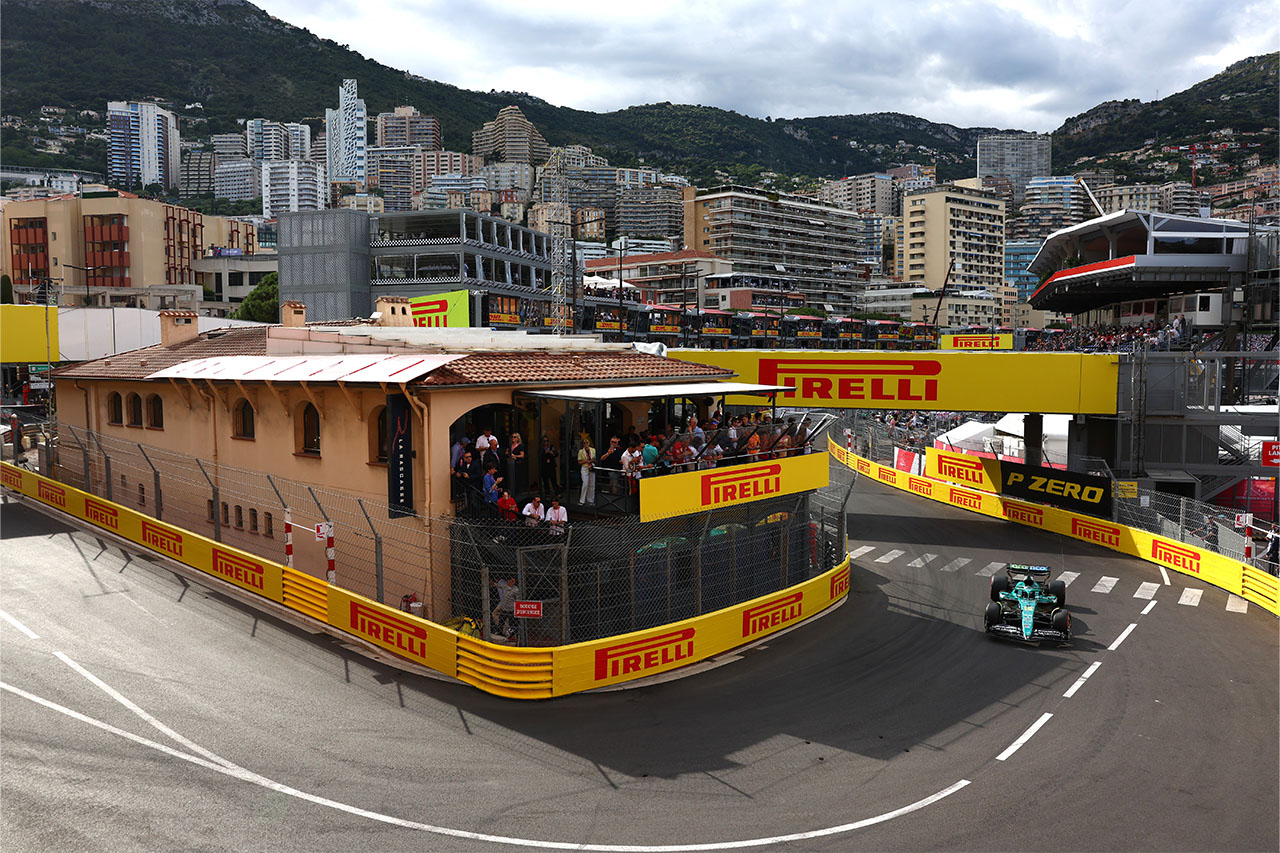
Rascasse
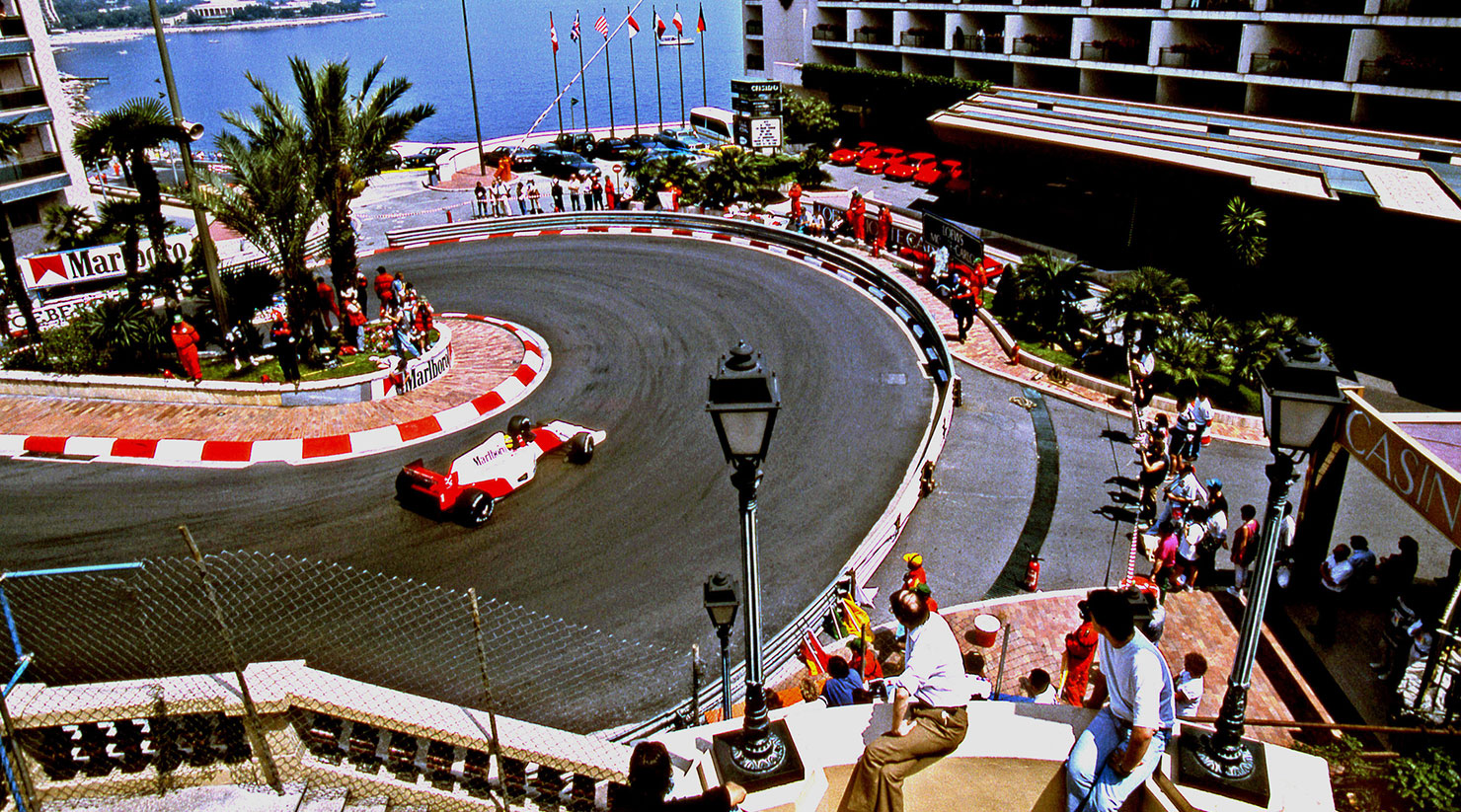
Memorable battles
Because overtaking is so difficult, Monaco races can sometimes become processional. At the same time, however, changing weather and unpredictable incidents have produced many memorable races.
The beginning of Ayrton Senna’s Monaco legend came during the rain-soaked 1984 race. Still a rookie at the time, Senna overtook reigning World Champion Niki Lauda (McLaren) in an underpowered Toleman and rapidly closed on race leader Alain Prost (McLaren) at an extraordinary pace.
The race was stopped early because of heavy rain before Senna could take the lead, but the performance established his exceptional talent in the eyes of the Formula One world.
Senna went on to win the Monaco Grand Prix six times: with Lotus Honda in 1987, with McLaren Honda from 1989 to 1992, and with McLaren Ford in 1993. His record of six Monaco victories still stands today.
The 1996 Monaco Grand Prix produced another dramatic race after rain before the start created chaotic conditions. At the time, refueling during races was still permitted.
Starting from 14th on the grid, Olivier Panis of Ligier Mugen Honda began the race with a heavy fuel load. A combination of multiple incidents on the wet track and a successful strategy that reduced time spent refueling allowed Panis to climb to third place by the middle stages of the race.
When the two leading cars later retired with technical problems, Panis inherited the lead and secured the first victory for both himself and Mugen Honda.
- Fastest pole position lap
- 1 min 09.954s
Lando Norris (McLaren), 2025
- Fastest Honda qualifying lap
- 1 min 10.567s
Max Verstappen (Red Bull), 2024
- Fastest race lap
- 1 min 12.909s
Lewis Hamilton (Mercedes), 2021
- Fastest Honda race lap
- 1 min 14.037s
Yuki Tsunoda (AlphaTauri), 2021
* Data based on the current 3.337 km circuit layout.
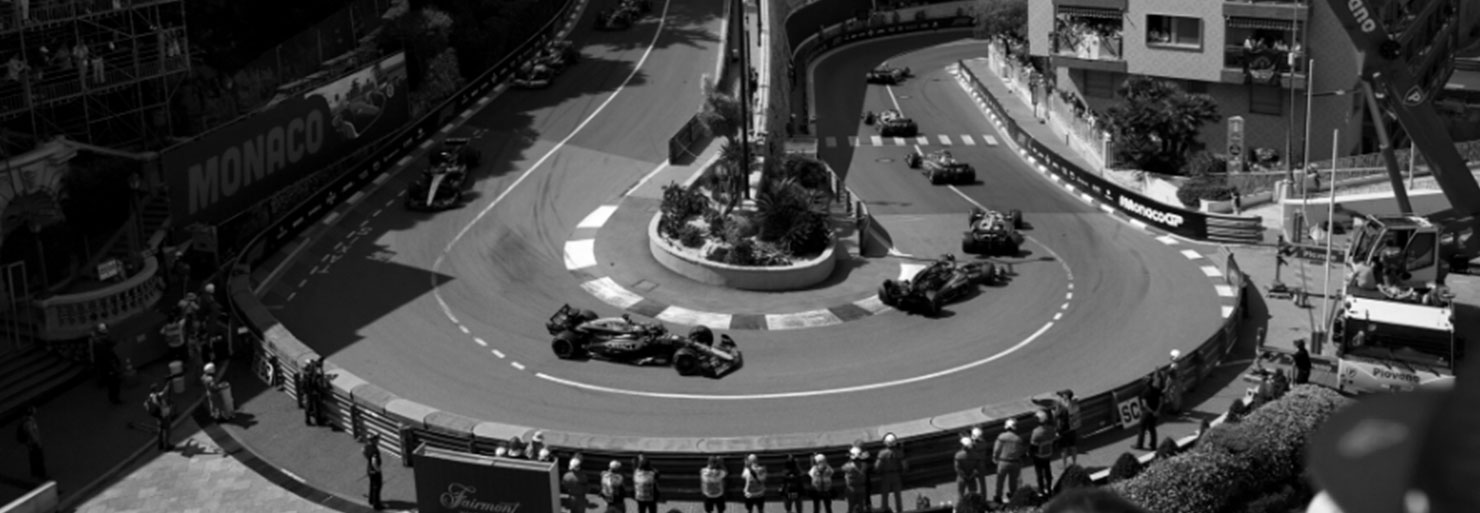
Honda Records
Explore Honda’s history of challenges and achievements across iconic circuits,
backed by race performance data.