Circuit info

- Circuit Length
- 4.653 km
- First Grand Prix
- 2020
- Number of Laps
- 66
- Race Distance
- 306.826 km
Location
- Address
- Sítio do Escampadinho, Mexilhoeira Grande, 8500-148 Portimao, Portugal
- Google Maps
History of the Circuit
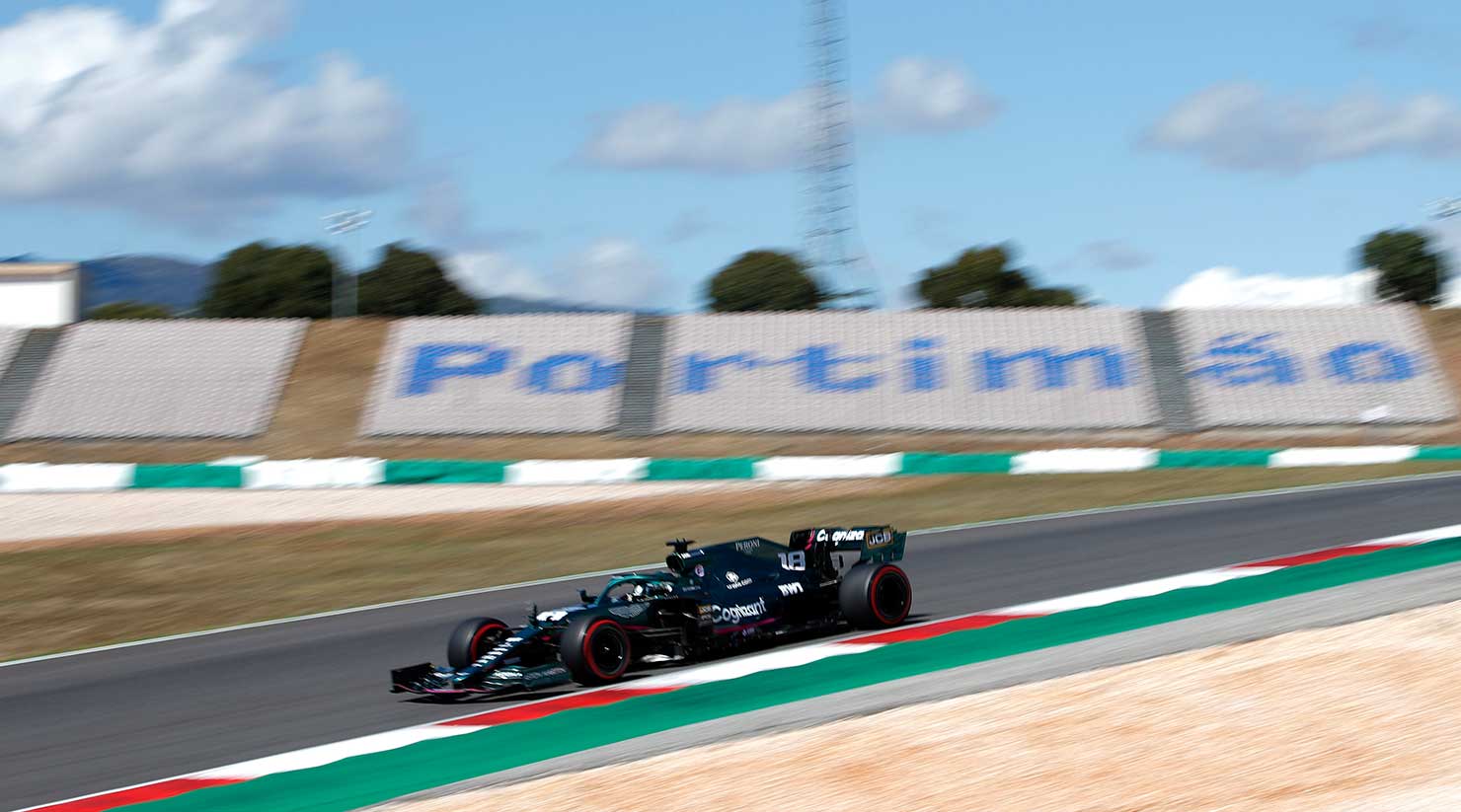
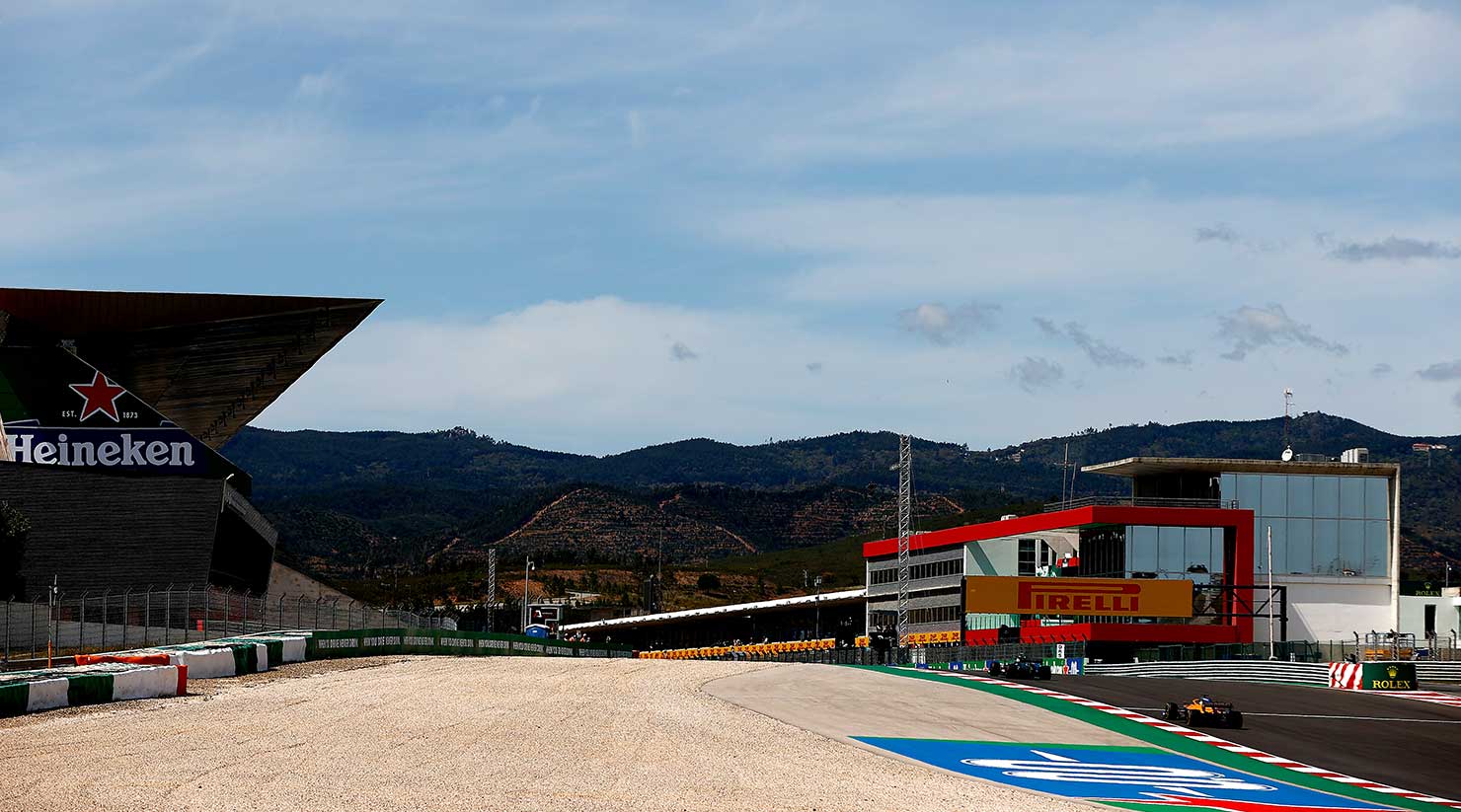
Built among the hills of the Algarve region in southern Portugal, an area known for its beautiful Atlantic coastline and mild climate, the circuit is officially named the Autódromo Internacional do Algarve but is often referred to as “Portimão” after the nearby city.
The Portuguese Grand Prix has a long history, taking place at venues around the country, from the street circuit through Porto in the 1950s and Monsanto in Lisbon to Estoril, where some of Ayrton Senna’s legendary achievements took place. After producing numerous memorable races, the F1™ Portuguese GP disappeared after 1996 amid aging facilities and the global expansion of F1 into new markets.
In 2001, a project was launched to construct a new complex centered around a racing circuit. The Algarve, Portugal’s southernmost region and a world-famous resort destination, was selected as the location. Designer Ricardo Pina created a circuit that followed the dramatically undulating natural terrain, resulting in the elevation changes that became the defining characteristic of the Algarve International Circuit.
The circuit was constructed in just seven months and completed in the autumn of 2008, officially opening on November 2 that year. Its first major event was the season finale of the Superbike World Championship. Measuring approximately 4.65 km, the layout combined dramatic elevation changes with high-, medium- and low-speed corners, earning high praise from riders and teams.
F1 testing took place at the Algarve International Circuit from late 2008 into early 2009, demonstrating that it was fully capable of accommodating F1 cars. However, securing a Grand Prix proved difficult, and the circuit instead continued to build its international reputation by hosting categories including Superbikes, GT racing and endurance events.
In 2020, the COVID-19 pandemic forced F1 to make extensive changes to its calendar, creating the need for alternative venues. The Algarve International Circuit was selected, and on July 24, F1 announced that it would host a race alongside the Nürburgring and Imola. On October 25, 2020, the Portuguese GP returned after a 24-year absence.
However, the Algarve International Circuit had primarily served as an alternative venue during the pandemic, and as conditions around the world returned to normal, established venues returned to the calendar. From 2022, the Portuguese GP was once again absent from F1. Nevertheless, its two races left a strong impression and generated growing momentum for the return of the Portuguese GP. In December 2025, F1 officially announced an agreement with the Portuguese government, tourism authorities and promoter to hold the Portuguese GP at the Algarve International Circuit in 2027 and 2028. The event will therefore return in 2027 for the first time in six years.
Circuit characteristics
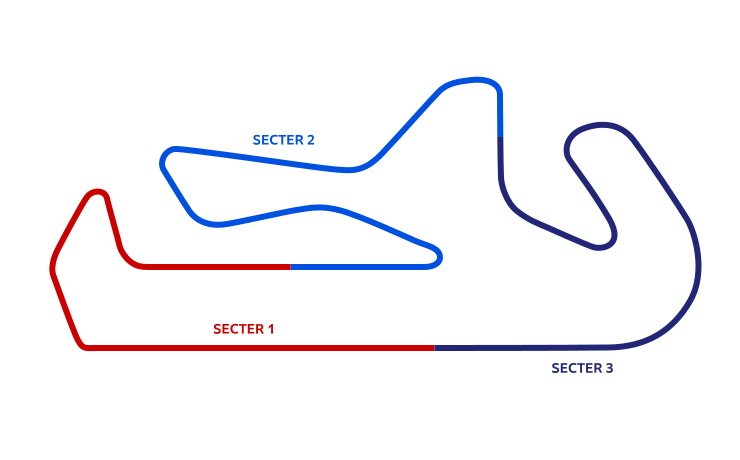
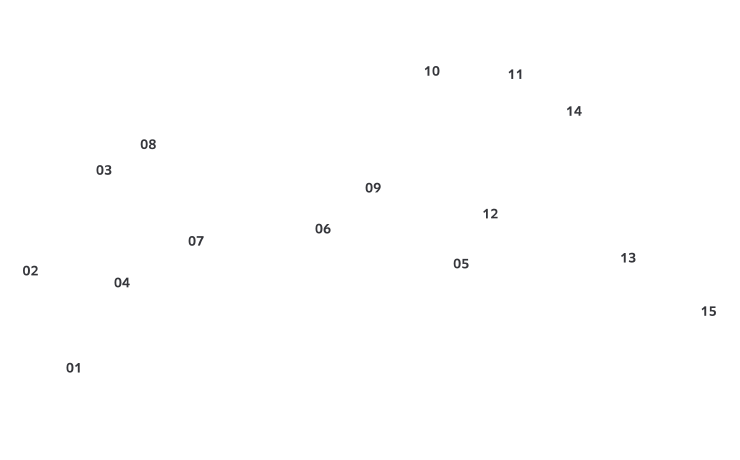
The Algarve International Circuit, commonly known as Portimão, measures 4.653 km and features 15 corners. Its defining characteristic is the dramatic elevation change created by making full use of the surrounding hills. According to circuit data, the maximum uphill gradient is 6.2%, while the maximum downhill gradient is 12%.
As the official F1 website describes it, the circuit rises over hills and plunges into valleys, with cars repeatedly climbing steeply before diving down the other side. Many apexes are hidden from the drivers, and these blind corners significantly increase the circuit’s difficulty. Corners sit at the crests of hills, drivers must brake on steep descents, and in some places the track beyond the turn-in point disappears completely from view.
After running flat out along the approximately 1 km main straight, the cars descend toward Turn 1. This medium-speed right-hander is one of the circuit’s main overtaking opportunities.
Turn 2 is taken at high speed before drivers brake heavily for Turn 3. Known as Lagos, Turn 3 is a tight right-hander and the slowest corner in this section. The track immediately begins climbing again after the exit, making acceleration particularly important. Turning in too early can cause the car to run wide on exit and compromise acceleration, so drivers aim for a relatively late apex.
The cars then climb steeply toward Turn 4. As they reach the crest, the track ahead disappears from the driver’s view, making this one of the Algarve International Circuit’s signature features and one of its most challenging sections. Beyond Turn 4 is a short straight, followed by a rapid descent into the left-hand hairpin at Turn 5, Torre VIP. This is another of the circuit’s major braking points.
A high-speed section begins again after Turn 5. Drivers accelerate through the blind Turn 6 at high speed, followed by another fast corner at Turn 7.
Braking for Turn 8 is particularly difficult because the car has not yet completely straightened from the preceding corner when deceleration begins, putting the driver’s skill to the test.
From Turn 8, the circuit climbs steeply again. Beyond the crest is the high-speed Turn 9, where the track drops away after the steep ascent and visibility becomes crucial. Drivers cannot fully see the exit on approach, making experience and commitment essential.
After Turn 9, the circuit climbs again through the technical Turn 10–11 complex. Once through Turn 11, the car begins descending again. Turn 12 is a high-speed corner on the descent, which continues toward Turn 13. Turn 13 is a long left-hander leading into the distinctive Turn 14. With its off-camber characteristics, Turn 14 makes it difficult to carry speed. With the fast final corner and long main straight immediately ahead, the entire sequence must be approached as one interconnected section.
The final corner, Turn 15, known as Galp, is one of the highlights of the Algarve International Circuit. The track drops steeply as the corner sweeps to the right toward the main straight. Ideally it is taken flat out, but the downhill gradient places significant loads on the tires, making downforce setup crucial through this extremely challenging high-speed corner.
Memorable battles
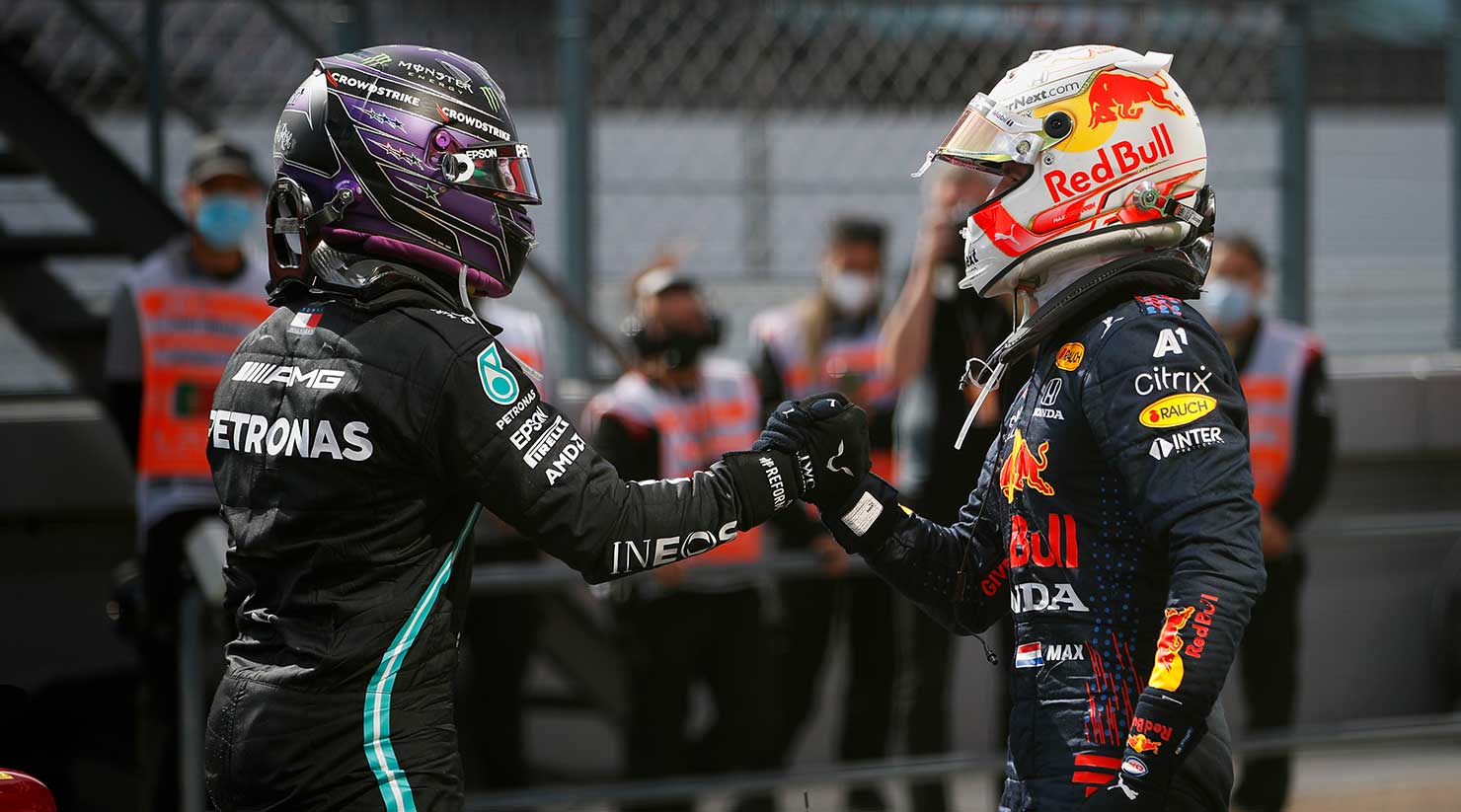
F1 raced at the Algarve International Circuit only twice, in 2020 and 2021, but both events produced races worthy of the circuit’s distinctive character. In 2020, Lewis Hamilton claimed his 92nd victory, setting a new record for the most Grand Prix wins in F1 history.
The 2021 race took place amid the intense championship battle between Hamilton and Max Verstappen of Red Bull Honda, with the two fighting directly on track. Starting third, Verstappen passed Hamilton to take second place, but Hamilton fought back and reclaimed the position. He then took the lead during the middle stages of the race and went on to win at the Algarve International Circuit for the second consecutive year. It was a tense race that epitomized the head-to-head battle between the two drivers in the opening stages of the season.
- Fastest Pole Position Time
- 1 min 16.652s
Lewis Hamilton (Mercedes / 2020)
- Fastest Honda Qualifying Time
- 1 min 16.904s
Max Verstappen (Red Bull / 2020)
- Fastest Race Lap
- 1 min 18.750s
Lewis Hamilton (Mercedes / 2020)
- Fastest Honda Race Lap
- 1 min 19.854s
Max Verstappen (Red Bull / 2020)
*Data based on the 4.653 km circuit layout.
Honda Records
Explore Honda’s history of challenges and achievements across iconic circuits,
backed by race performance data.