The UNI-ONE—Born from ASIMO
Expectations for Future Business
―What was the concept that inspired the creation of the UNI-ONE as a mobility device?
Kanamori
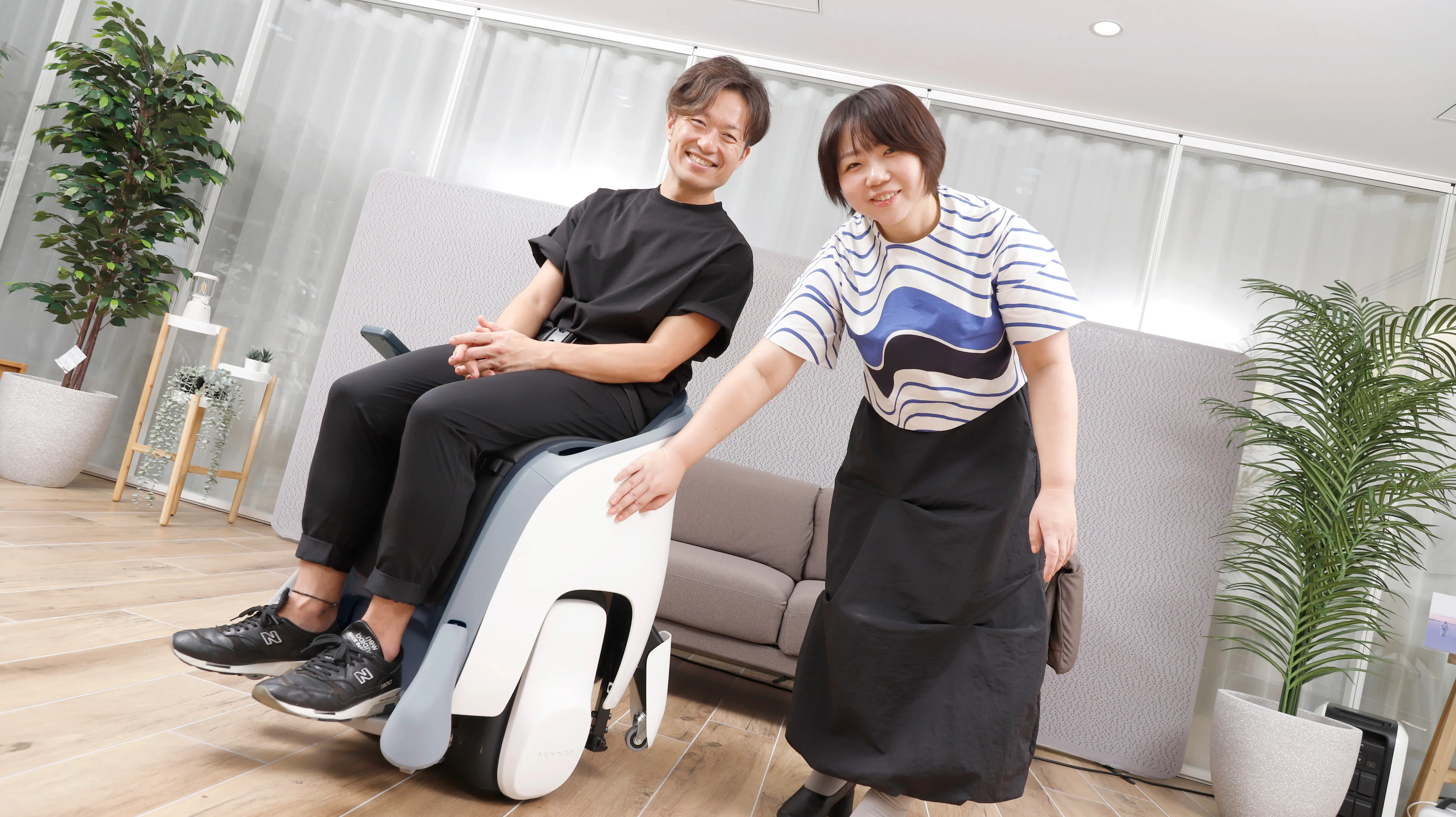
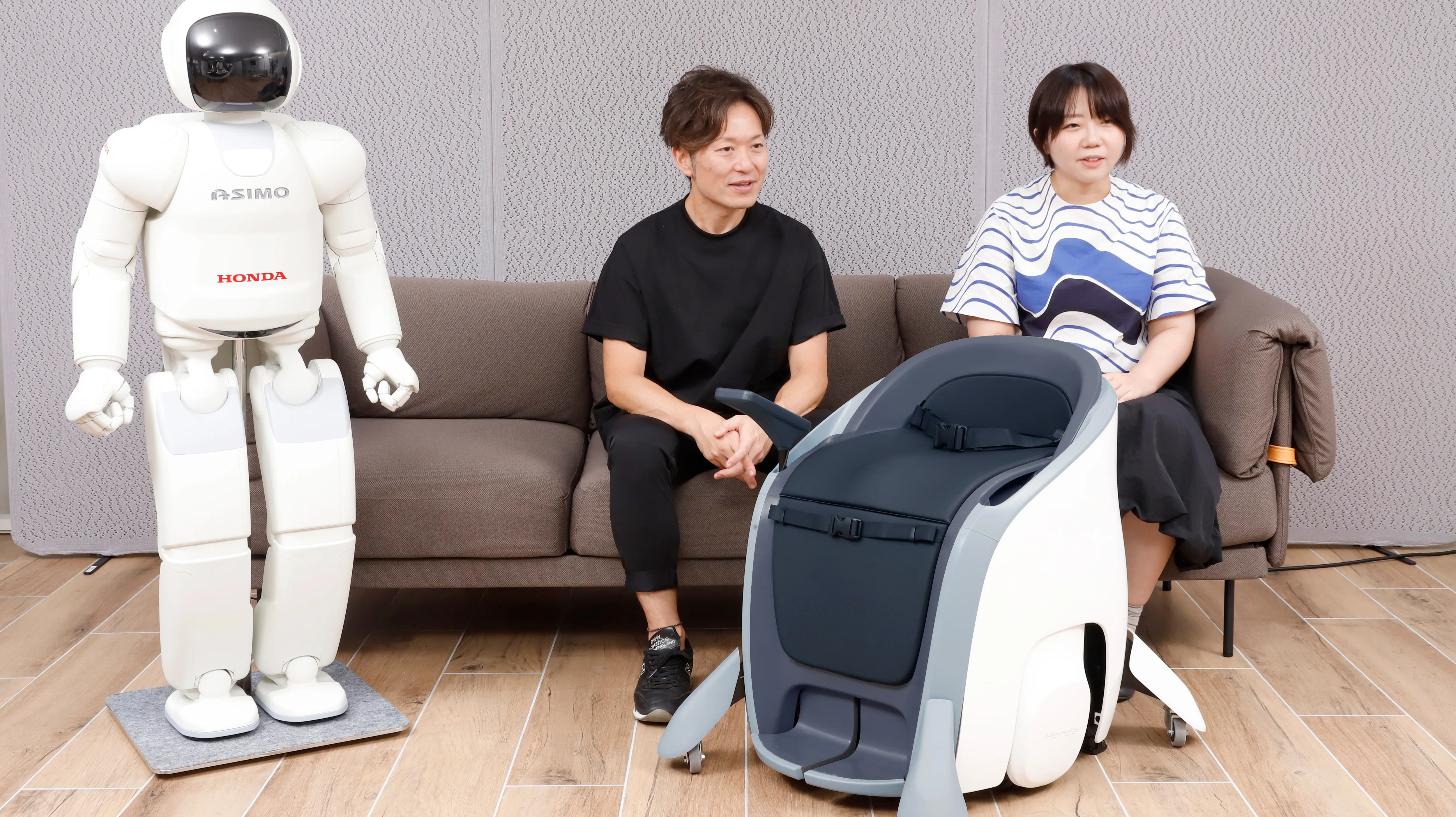
The UNI-ONE was born from the vision of a single engineer contemplating new forms of mobility. Since then, Honda has been working for many years on the development of a single-user personal mobility device by applying Honda Robotics technology cultivated through the development of the bipedal robot ASIMO, unveiled in 2000. In 2009, the U3-X personal mobility device, designed to achieve harmony with people, was introduced, followed by the UNI-CUB in 2012. The following year saw the introduction of the UNI-CUB β, designed to improve the sense of affinity with users. However, while we were able to bring those ideas to life, they never led to commercialization. In 2022, therefore, we unveiled the UNI-ONE, envisioned as a companion that feels close to the user and helps create a more inclusive society. With business personnel joining the team, it evolved through demonstration testing toward mass production, culminating in the launch of this business.
―Use of the UNI-ONE will begin at Sanrio Character Park Harmonyland in Hiji-machi, Hayami-gun, Oita Prefecture. What is expected of the mobility device in this setting?
Kanamori
Harmonyland is a theme park built on a site carved out of the mountains. With its vast grounds and a 60-meter elevation difference, guests must either walk or use escalators to reach the attractions, presenting challenges for barrier-free accessibility.
Also, since guests are often family members spanning three generations, a common concern has been that children and the elderly become too tired to reach their desired attractions.
Mochizuki
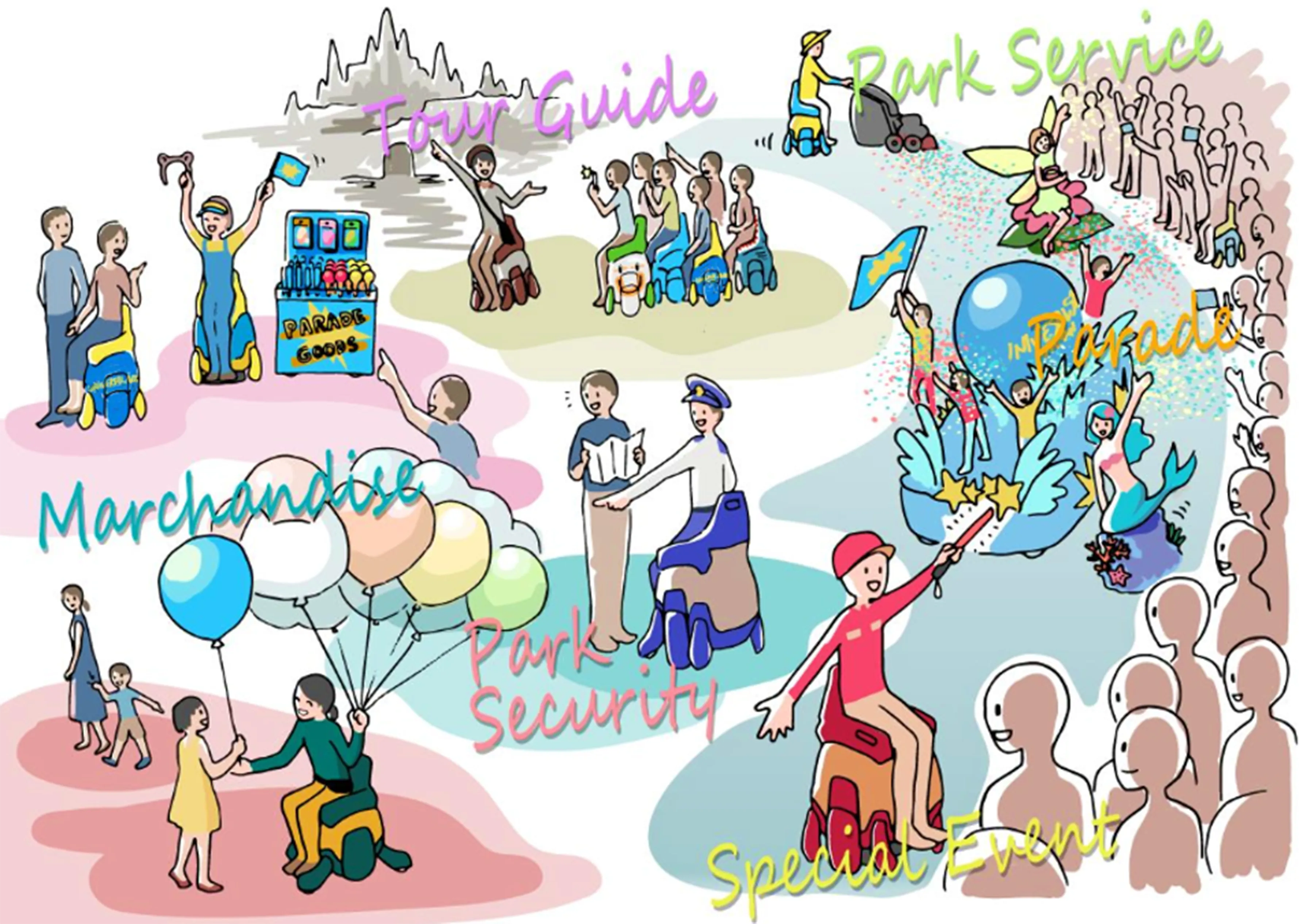
Despite these challenging site conditions, Harmonyland decided to introduce the UNI-ONE based on the expectation that it would enable smoother movement throughout the theme park, increasing the satisfaction of guests—from children to seniors, and even those with mobility concerns.
The UNI-ONE Brings Equality and Greater Freedom
Created by Motorcycle and Automobile Designers
―What was the concept behind the development of the UNI-ONE?
Kanamori
The UNI-CUB β, the UNI-ONE's predecessor, was experienced by over 100,000 people over seven years at Miraikan, the National Museum of Emerging Science and Innovation in Tokyo. However, its usability was limited. For example, small children could not ride it.
Kanamori
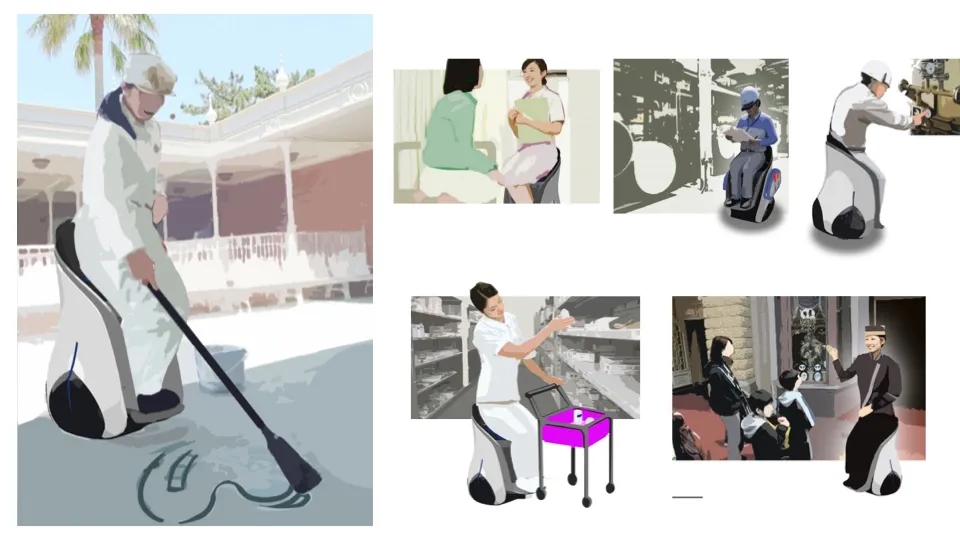
Therefore, driven by a vision to "create mobility that not only enables movement but also liberates users, allowing them to take on work and experiences previously impossible," we formally began the development of the UNI-ONE in the next phase in 2021.
―Compared to the compact UNI-CUB β, the UNI-ONE feels more stable and gives the impression of a more relaxed ride. Could you tell us about the design aspects you focused on?
Kanamori
The UNI-CUB
β design strongly reflected a motorcycle concept, while the UNI-ONE is based on automobile stability. However, the increased lateral movement necessitated safety considerations. This type of device tends to be square in shape, which inevitably evokes the image of a wheelchair. Therefore, we pursued a soft form that instills a sense of security in both users and those around them.
Kanamori
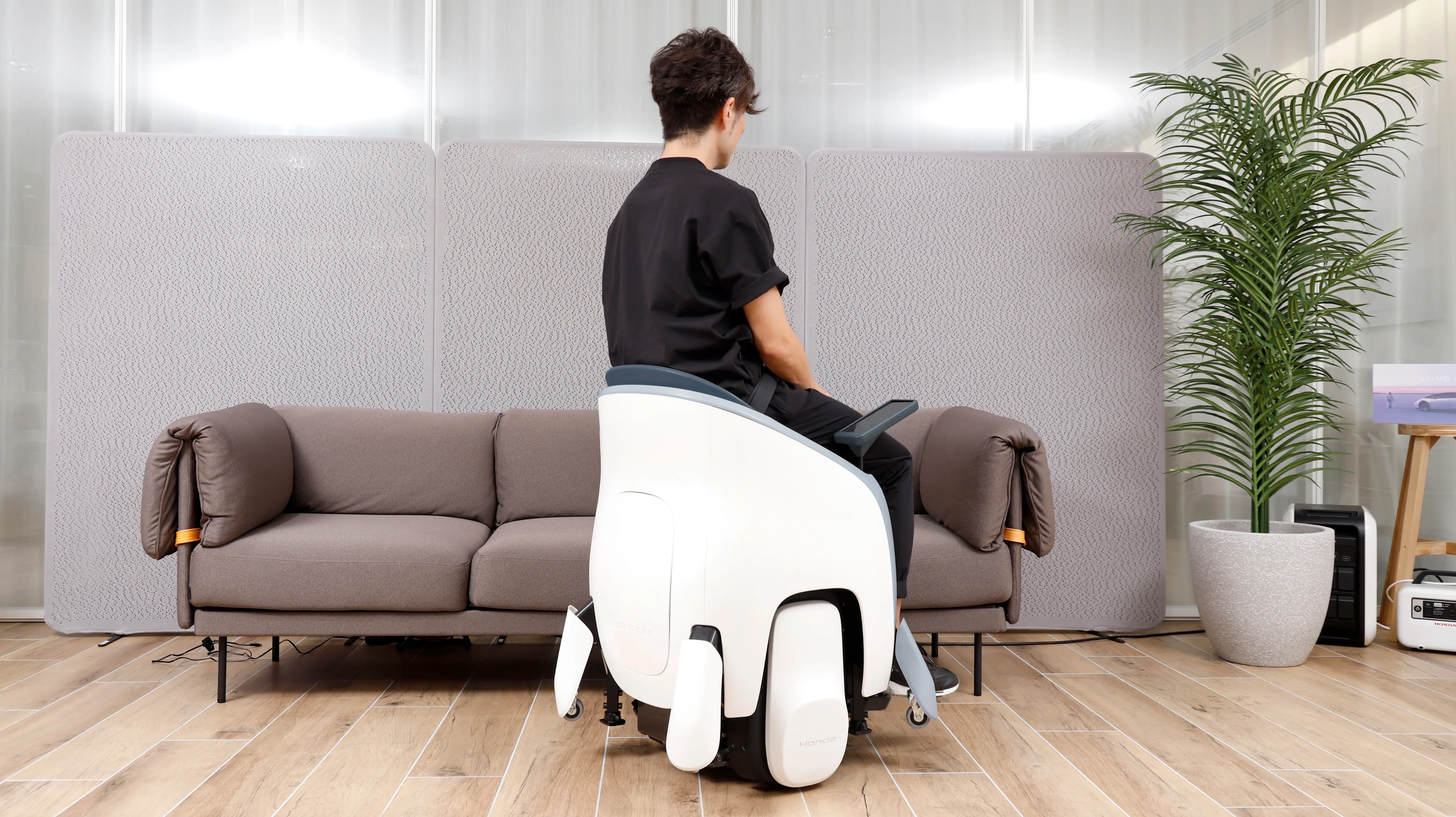
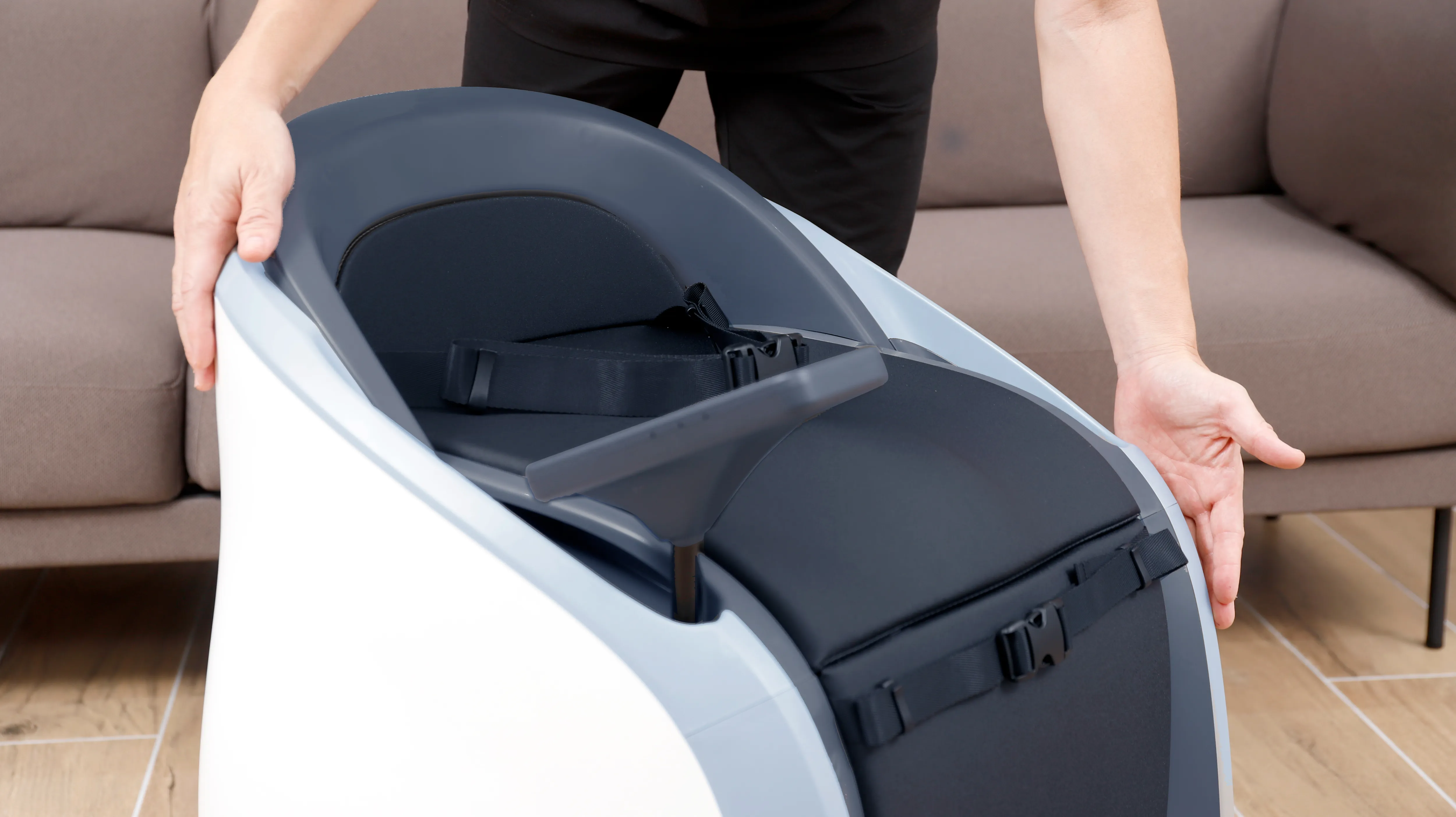
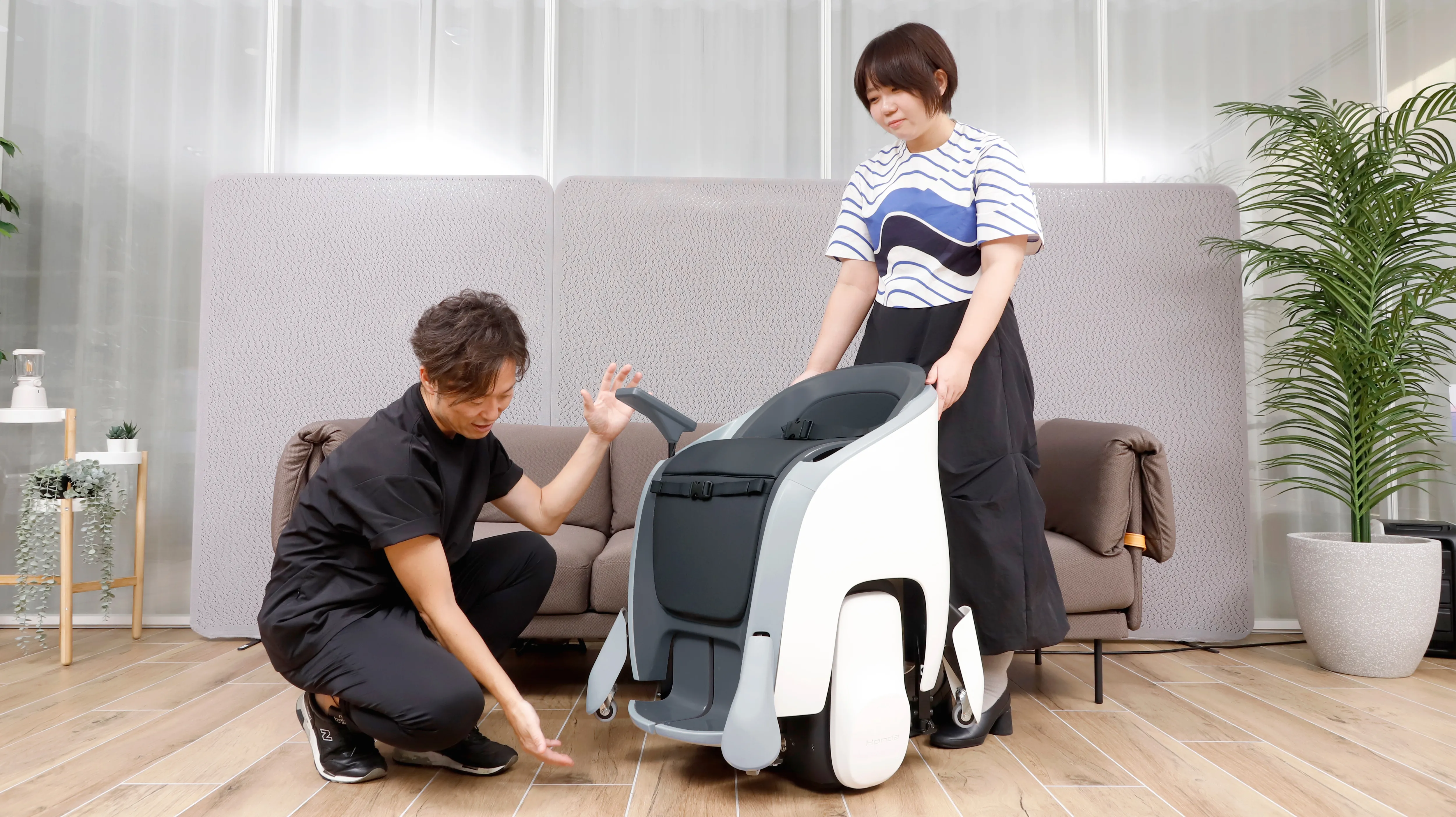
What we prioritized above all was "to create a mobility device that feels close to the user and enhances the appearance of the user themselves." The seat was designed to maintain a posture that resembles standing and the backrest was adjusted to prevent slouching.
Mochizuki
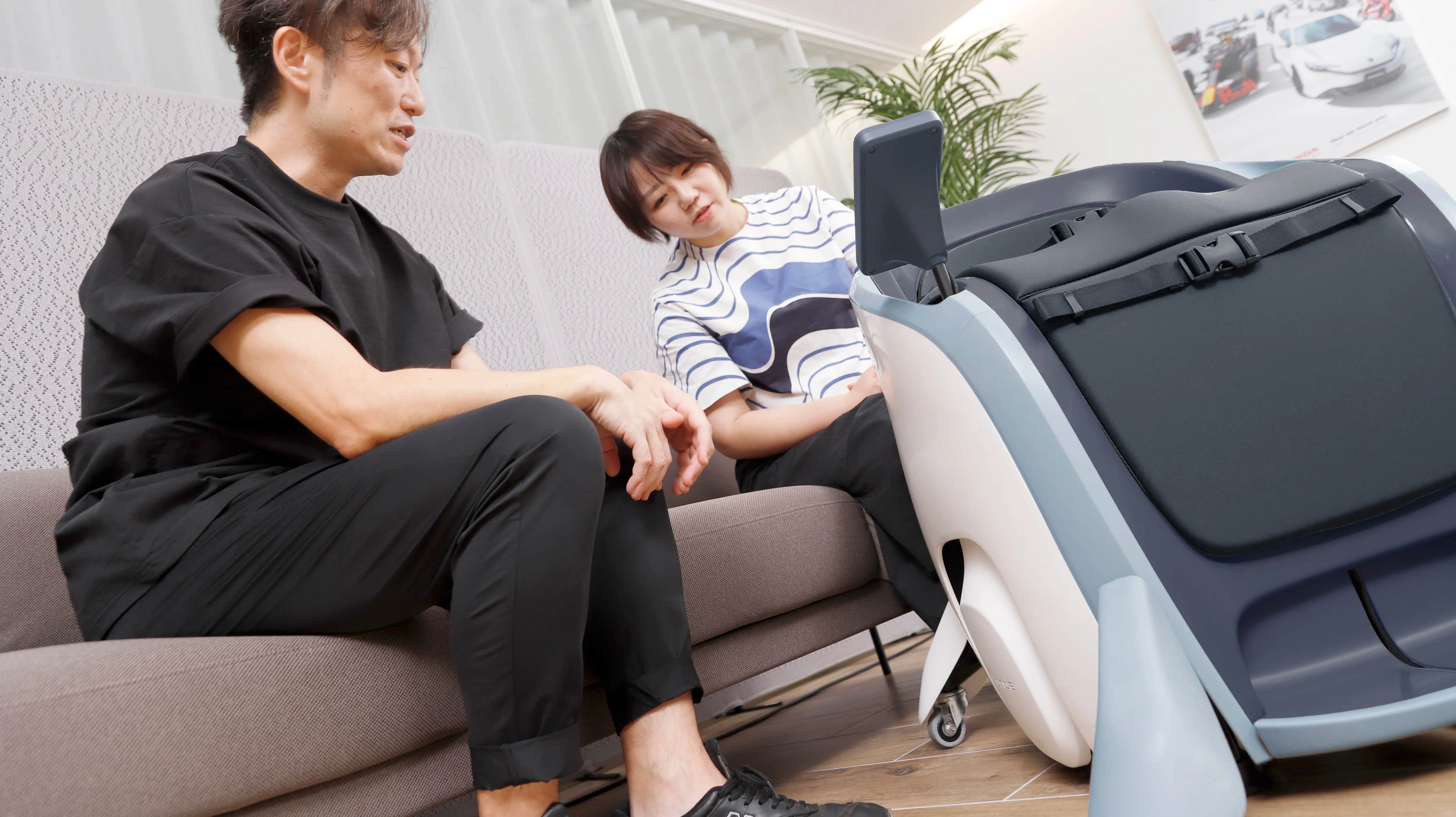
By raising the seat by 15 centimeters while moving, the user can see approximately 70% of the other person's face, enabling conversation at nearly the same eye level as a standing person. With wheelchairs, differences in eye level can create psychological barriers, but the UNI-ONE solves this issue, allowing natural communication with family, friends, and others nearby.
―When you see the UNI-ONE in motion, you feel a sense of security because the wheels are not visible. Even if it bumps into something, it rebounds back, creating a similar feeling to when you brush against someone while walking. In addition to its rounded form, it does not feel dangerous at all.
Kanamori
Since the UNI-ONE is intended for use in places where people gather like shopping malls and theme parks, we focused on creating a design that looks reassuring to onlookers. Rather than relying solely on sensors for complete avoidance, we incorporated the natural feeling of people passing by each other—where light contact might be followed by a quick apology—into both the functionality and design.
―When riding the UNI-ONE, it gently moves under you like a balance ball, so your posture stays aligned and your eye level remains the same as when walking, making it feel less unsettling. The controls are also intuitive.
Mochizuki
The UNI-ONE uses robotics technology to constantly read human movement and maintain balance. It can overcome obstacles of about two centimeters high such as tactile warning blocks and cables, and can also maneuver slopes. Safety is a key design focus. For example, the seat automatically lowers when danger is detected.
―Which specific parts of the design were you two in charge of?
Kanamori
I was in charge of product design for the UNI-ONE main unit.
Mochizuki
I was responsible for communication design, meaning I designed the interface and the overall experience for users at the site where the UNI-ONE is used.
―Did you work on any other approaches to create a new mobility device while capturing the essence of robotics?
Kanamori
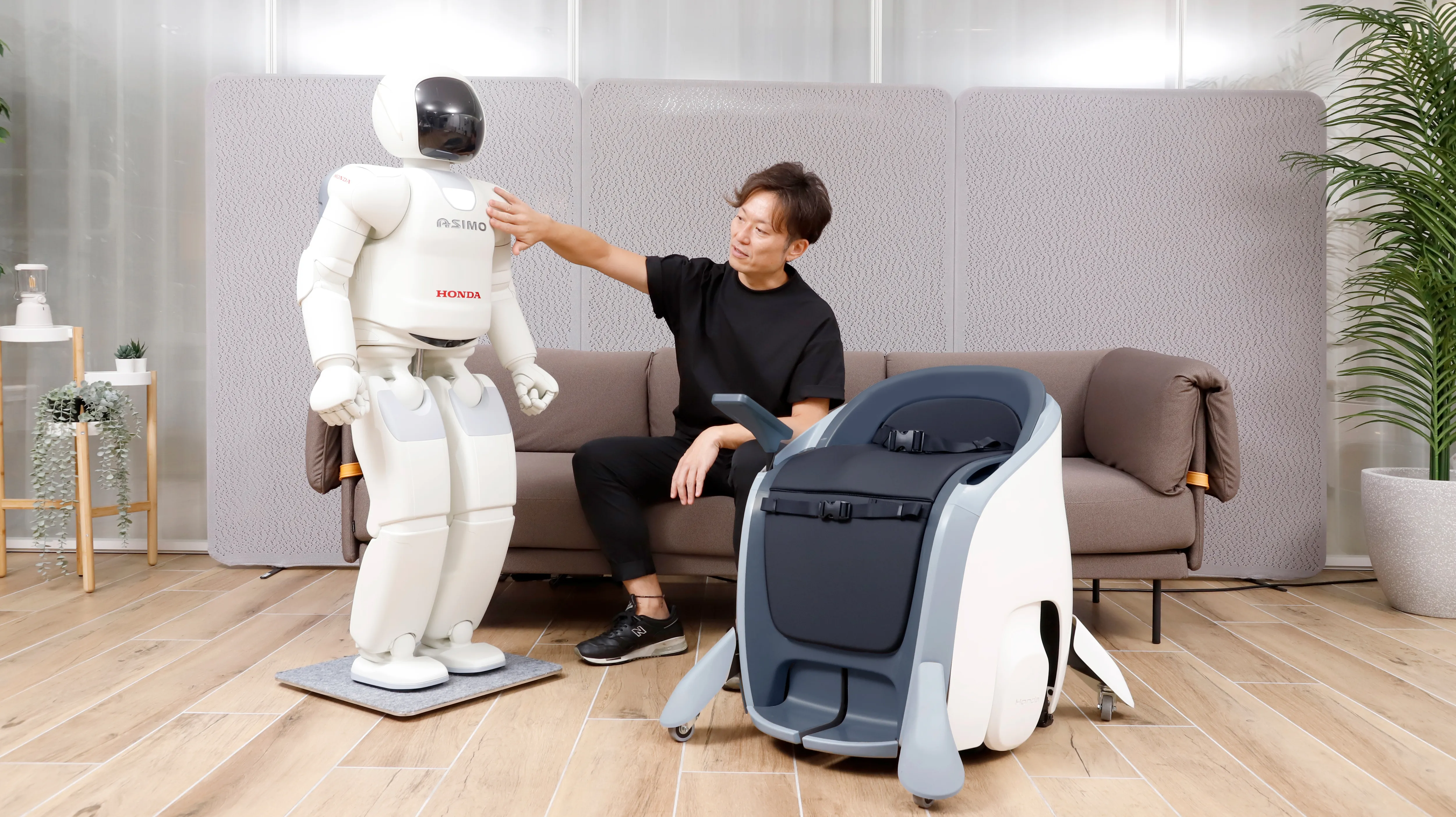
We met the designer of ASIMO to discuss Honda
Robotics. The iconic image of ASIMO as a humanoid robot with a white body and black face has spread widely across generations. When creating the design for the UNI-ONE, we took this context of robotics into account and considered what kind of value we could provide, while focusing on remaining human-centric.
Mochizuki
People influenced by Japanese anime culture tend to associate robots with angular, aggressive shapes, but we are aiming for the opposite—a robot that is representative of Honda and blends seamlessly into people's everyday lives.
―Mr. Kanamori, you are a designer with a background in automobiles. Ms. Mochizuki, you come from a background of motorcycles. How did you make use of your unique experiences?
Kanamori
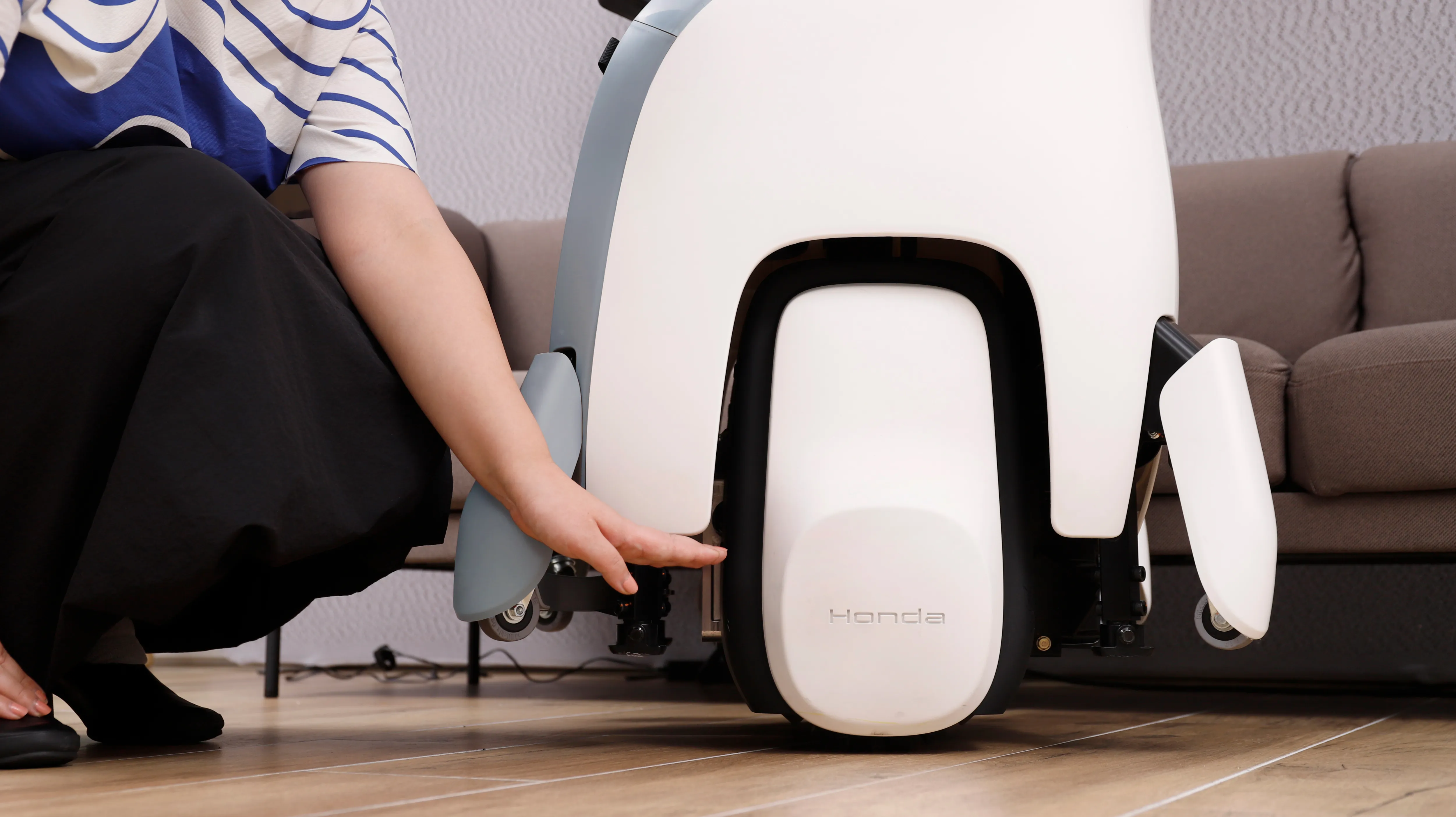
When designing automobiles, emphasis is placed on the "beauty of stillness," such as the vehicle's appearance when it is parked. Reflecting this philosophy, the footwells were shaped like the wheel arches of automobiles. From an interior design perspective, the seat shapes were designed with usability in mind during boarding, alighting, and moving.
Mochizuki
Motorcycle design has a long history. Safety is paramount and there are many constraints, so we need to experiment and iterate to break through those constraints. My experience of constantly thinking, "How can we create something new and interesting?" proved valuable when developing the UNI-ONE from scratch. It helped me define the requirements for enhanced user-friendliness.
―You also conducted demonstration testing during development. What challenges did you encounter?
Kanamori
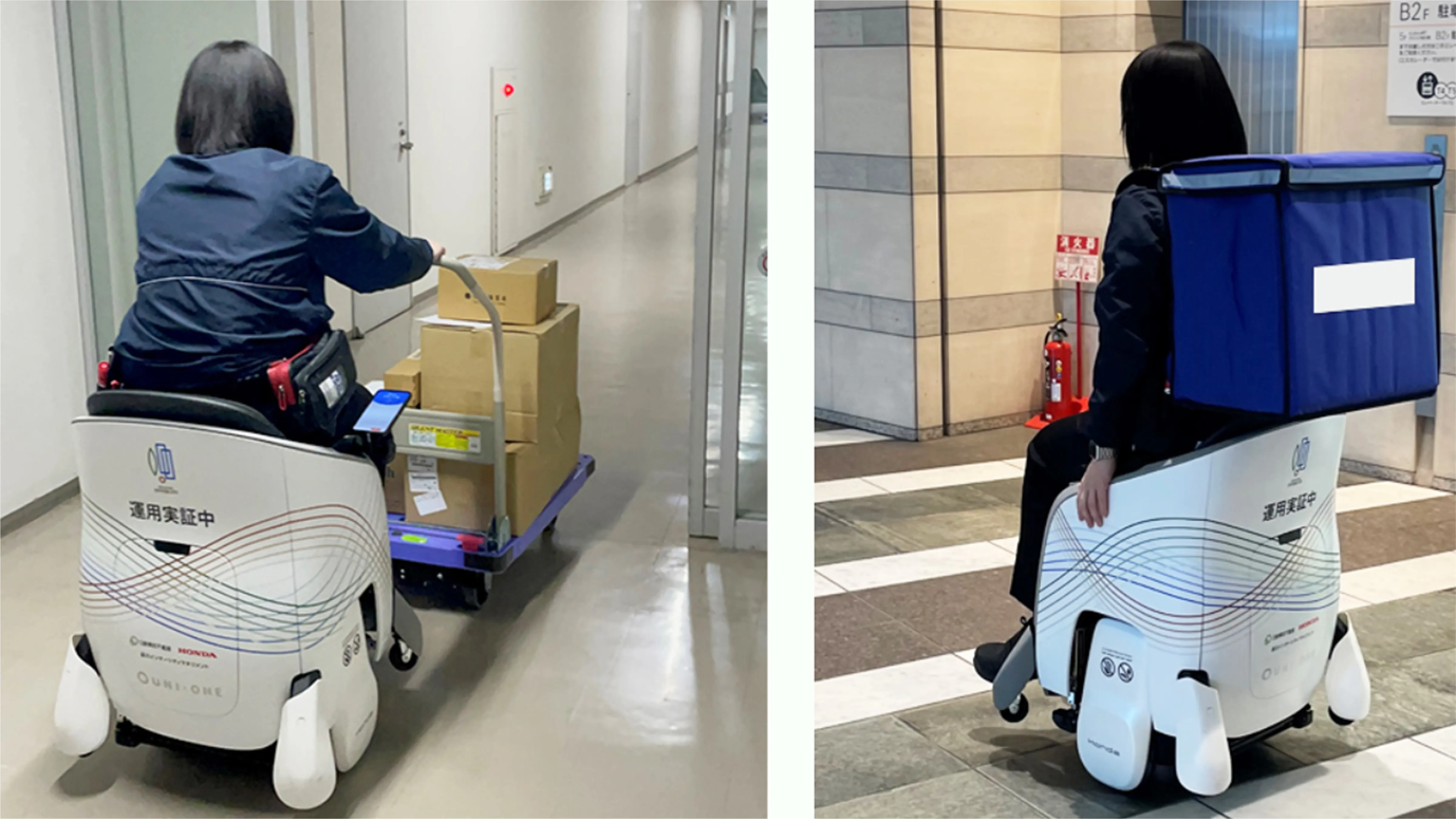
When development began, we envisioned the UNI-ONE being used on flat surfaces. However, upon closer observation of actual terrain, we realized that there are often slopes and steps, and the device wouldn't be able to climb steeper inclines as anticipated.
Kanamori
To make it practically usable in society, adjustments were needed to scale up the device itself. However, while larger size improves stability, it also makes the device less suitable for use in crowded areas. Conversely, too small a size means that not everyone can use it comfortably. To strike a balance, engineers and designers engaged in repeated, heated discussions, seeking a design that appears as compact as possible while maintaining a sense of stability.
Design Features and Prioritized Characteristics of the UNI-ONE
Barrier-Free Access Through Mobility Design
―Tell us about the unique features and characteristics of the new model that will go on sale on September 24.
Kanamori
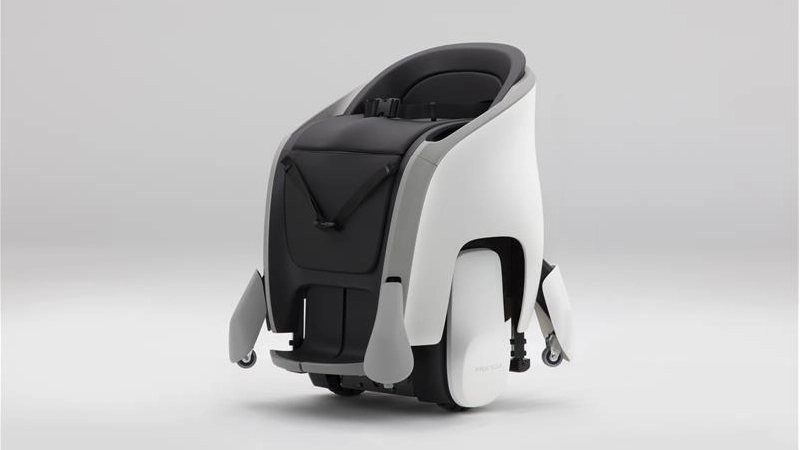
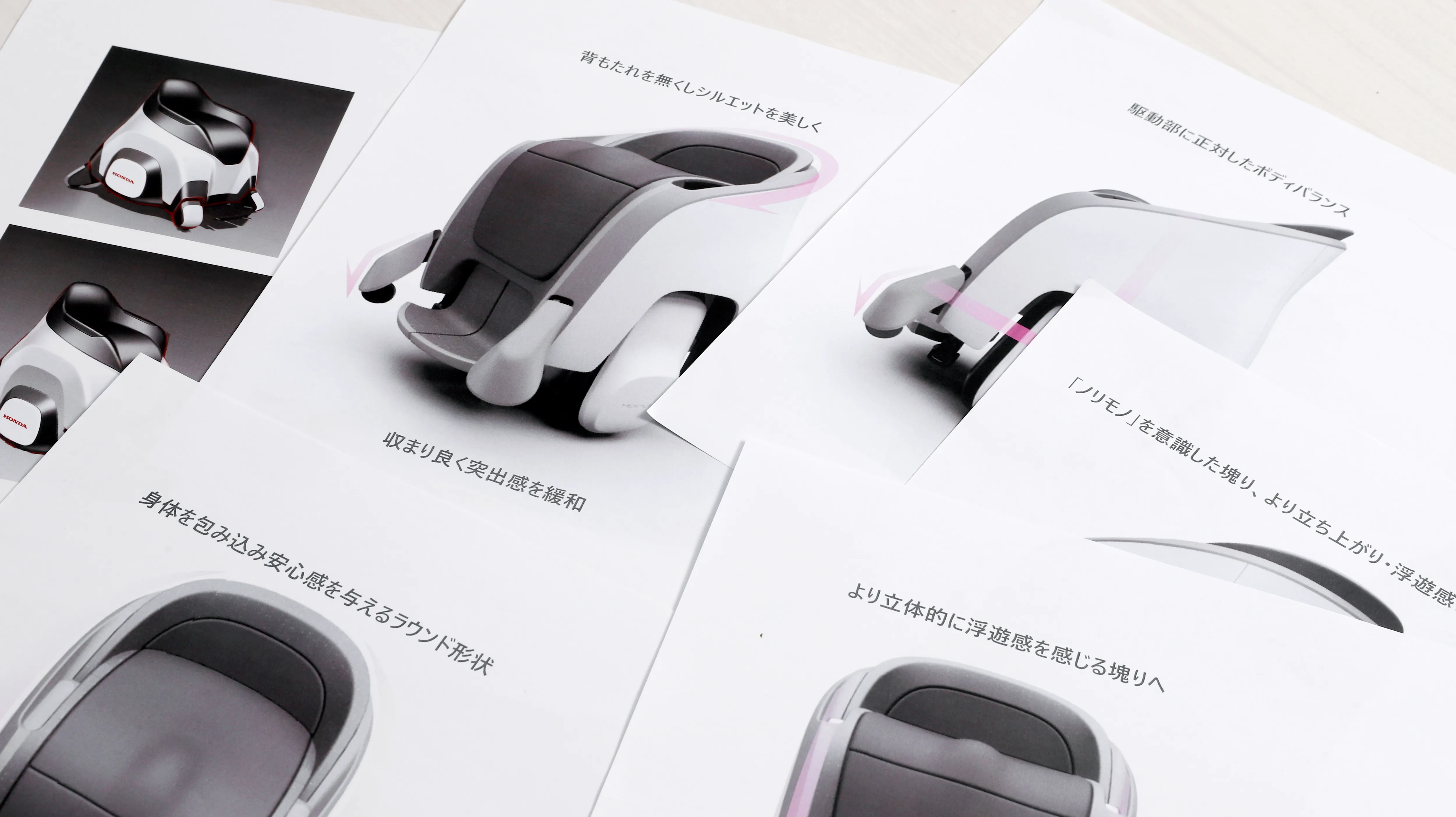
The new model retains the essence of its predecessor, but with a refined design that is more compact and user-friendly, naturally enhancing the user's posture. While prioritizing functionality often leads to a square-like shape for space efficiency, creating a bulky and heavy impression, this model achieves a sense of lightness through its rounded contours and the floating-like sensation it creates.
Kanamori
When the seat is lowered, we wanted the UNI-ONE's legs to spread out in a way that maintains stability while keeping them as close as possible to ensure a compact design. After consulting with the engineers, we minimized protrusion and finalized a sleek, well-integrated look. From the front, the rounded shape envelops the body, providing a sense of security and a compact look.
Mochizuki
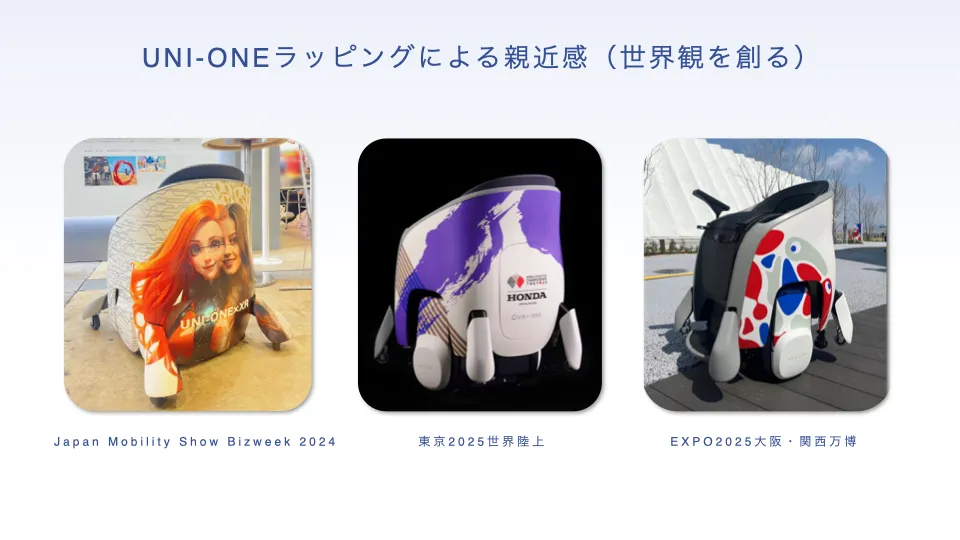
Since painted surfaces can peel, we use polypropylene to withstand scratches while also incorporating durability and ease of maintenance. In addition, the flat, white-based color scheme blends seamlessly into its surroundings when left as is, but can also stand out if wrapped, functioning as a versatile canvas for communication. This approach enables flexible adaptation for commercial use by B2B customers.
―Compared to the 2023 model, you can see it has been scaled back in various ways.
Kanamori
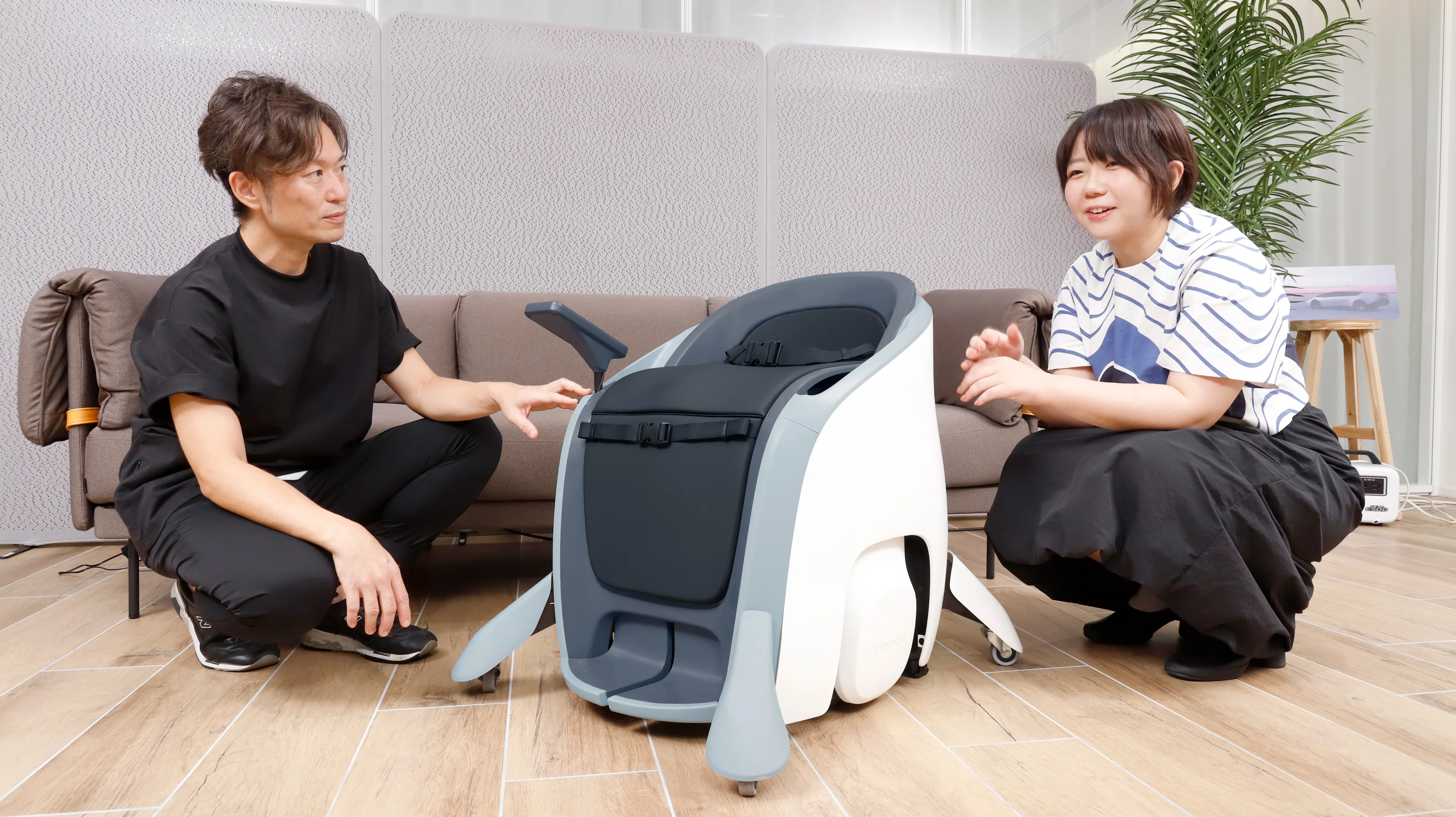
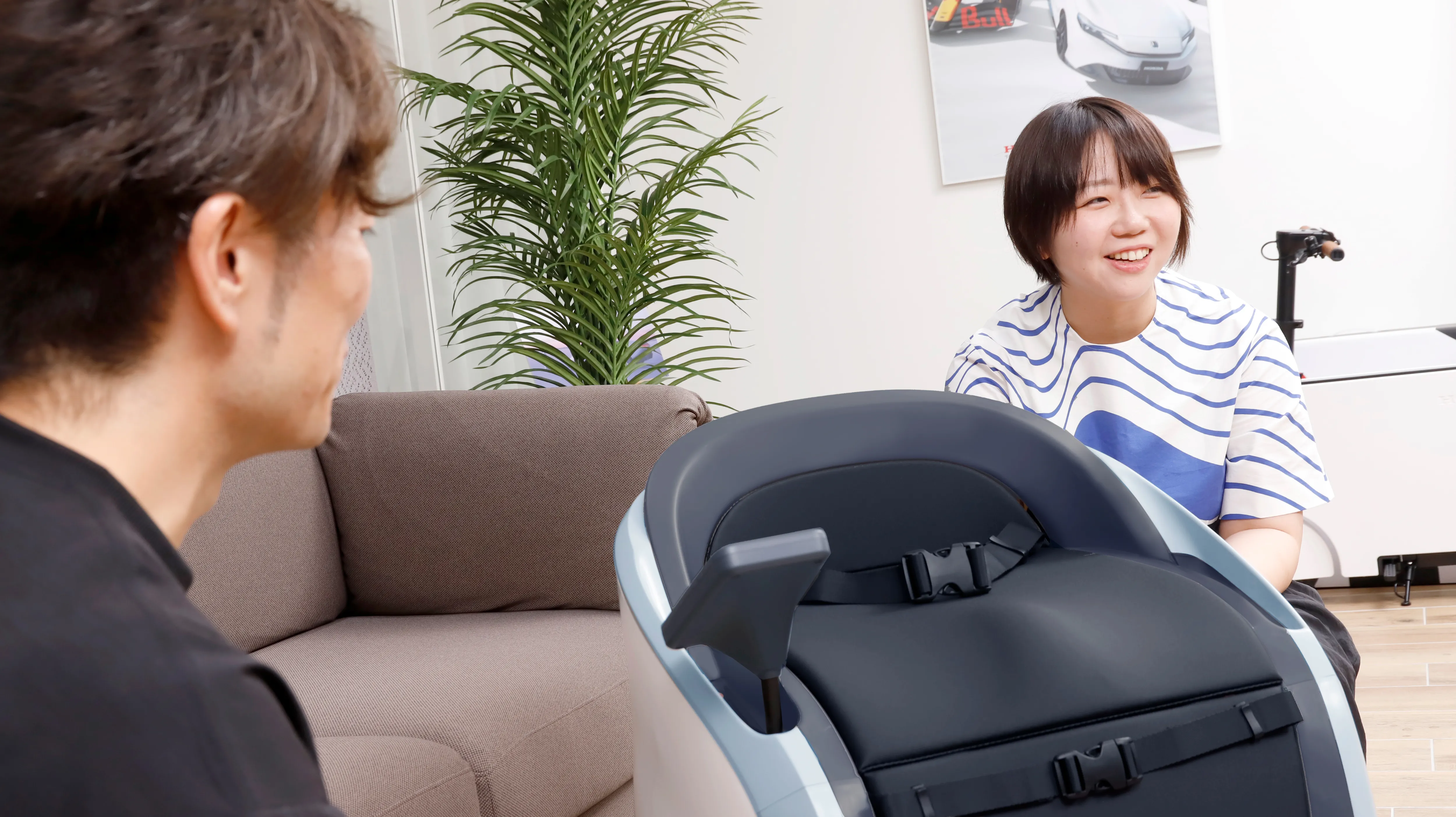
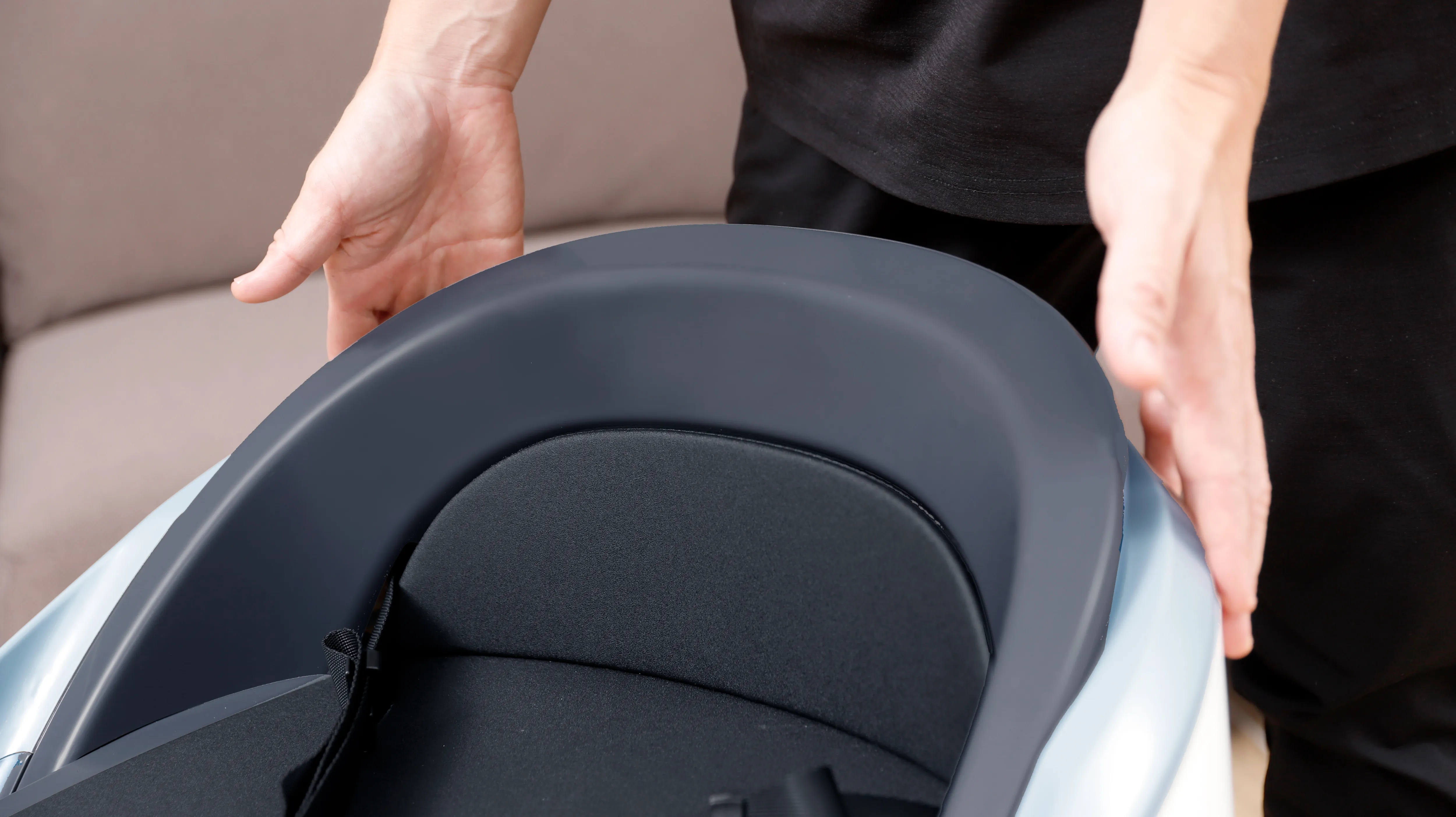
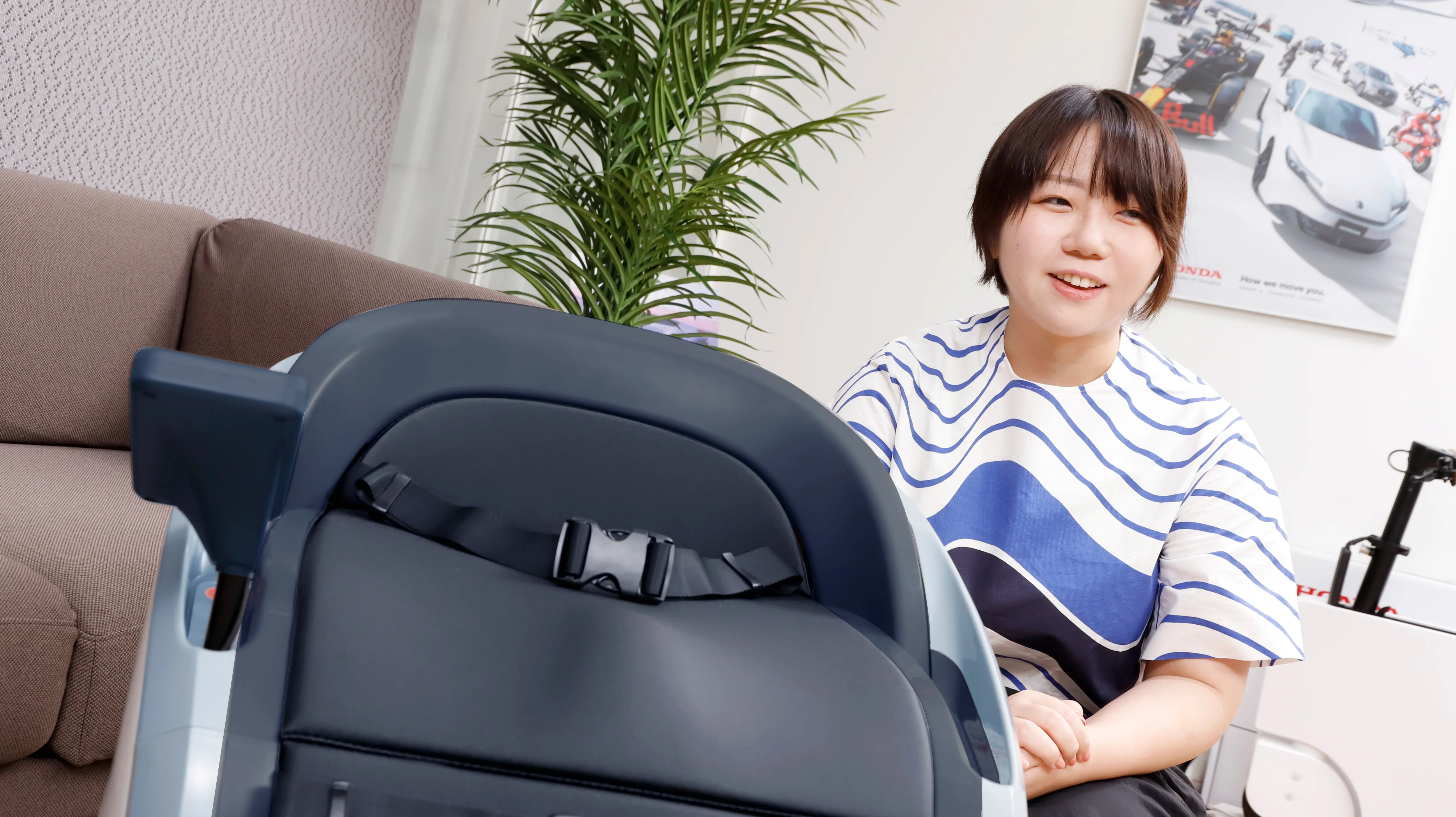
Previously, there were handles on the sides of the seat. However, this posed an issue as they could easily get caught on larger individuals or those with mobility issues when boarding. By deliberately removing these and making the seat flat, we were able to widen the seat and make boarding and alighting smoother. The position of the safety belt was also adjusted to a less conspicuous location. In addition, the fabric on the backrest was removed, giving the seat a cleaner look, and the adjusted height makes it easier to maintain posture. The new design also allows users to ride comfortably even while wearing a backpack. Additionally, the body balance of the main unit when viewed from the side was refined to achieve a more poised and stable appearance.
Mochizuki
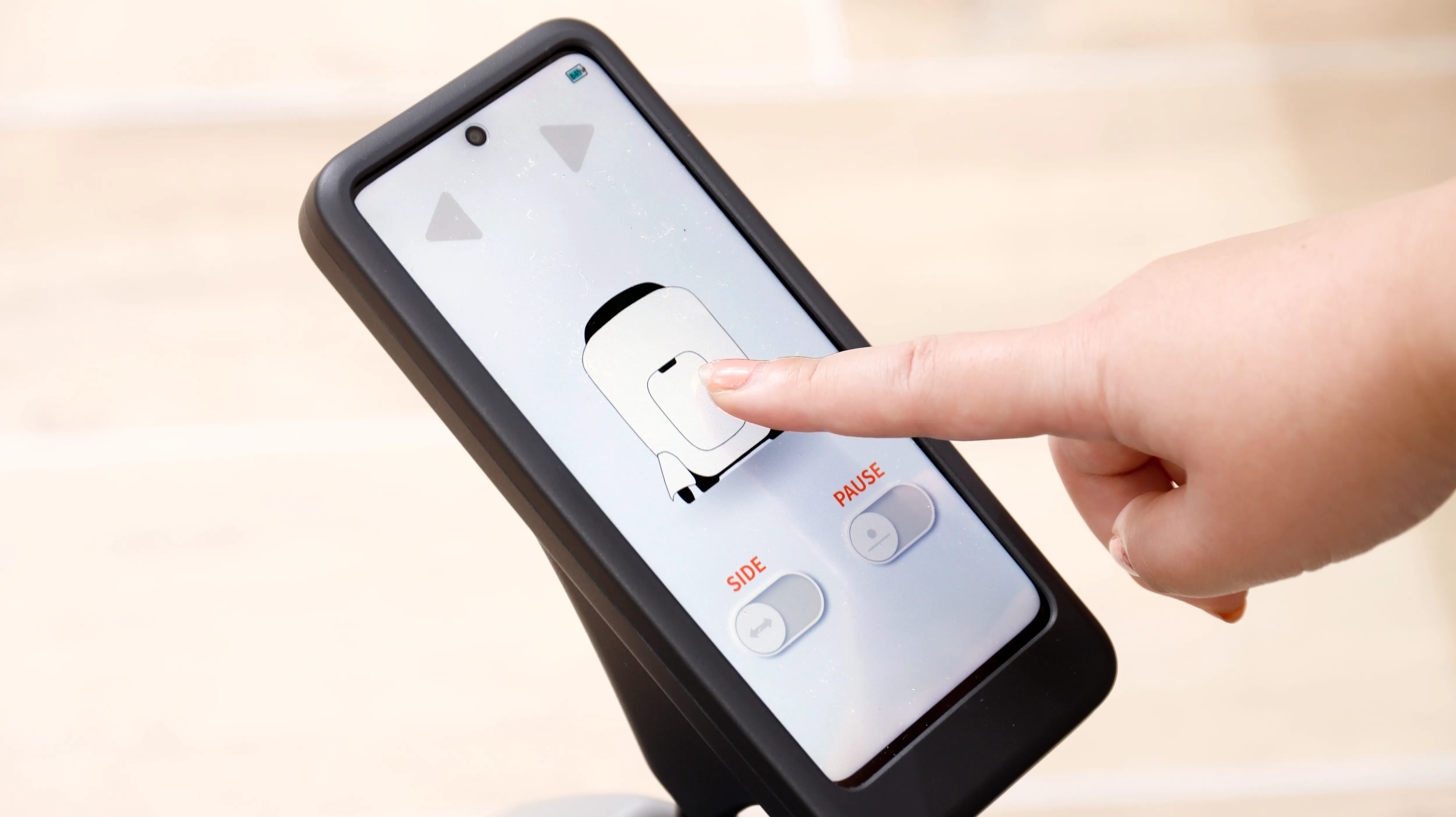
Previous models featured control buttons on the main unit, but we moved the control functions to a smartphone which can be attached externally, enabling ongoing updates. This design preserves flexibility to adapt to various usage environments in the future.
―What stands out the most to you about the development of the new model?
Kanamori
Through repeated demonstration testing and identifying challenges alongside engineers, I believe the design intent and value was understood more deeply than when designing the previous model. Furthermore, there was no fixed development workflow for the UNI-ONE, allowing technology, design, and business teams to collaborate closely. We moved rapidly toward commercialization and advanced with development in an uncompromising manner. It was an exciting time.
Mochizuki
While this is meant purely as a compliment, I always thought Honda was a bit of a quirky company (laughs). That is part of what drew me in. Even when one has no idea what the outcome will be, there is this drive to keep pursuing the dream. In a world where many ideas never make it past the prototype stage, I really loved how this team maintained a purity, moving forward with a shared belief that "We should get this done." This project was developed by many engineers and designers passing the baton before we got involved. In fact, when we received an inquiry about introducing it to a theme park for three- to five-year-olds, we made the bold decision of creating a mobility device that everyone—from kids to seniors—can use. The result is a design where, even without an instruction manual, anyone can ride the UNI-ONE after a simple explanation as long as they can understand basic guidance.
Expectations for the Society Shaped by the UNI-ONE
―What potential do you think the UNI-ONE holds as a mobility device?
Kanamori
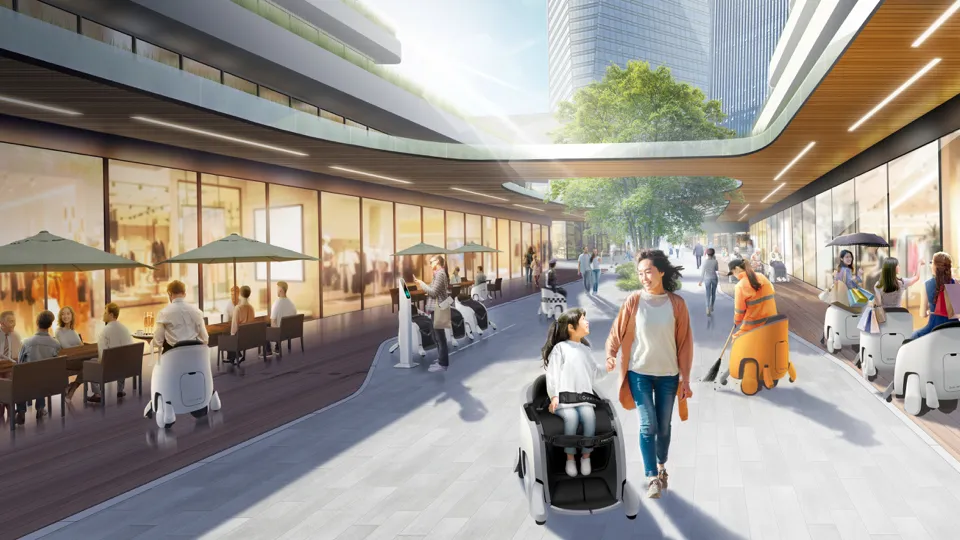
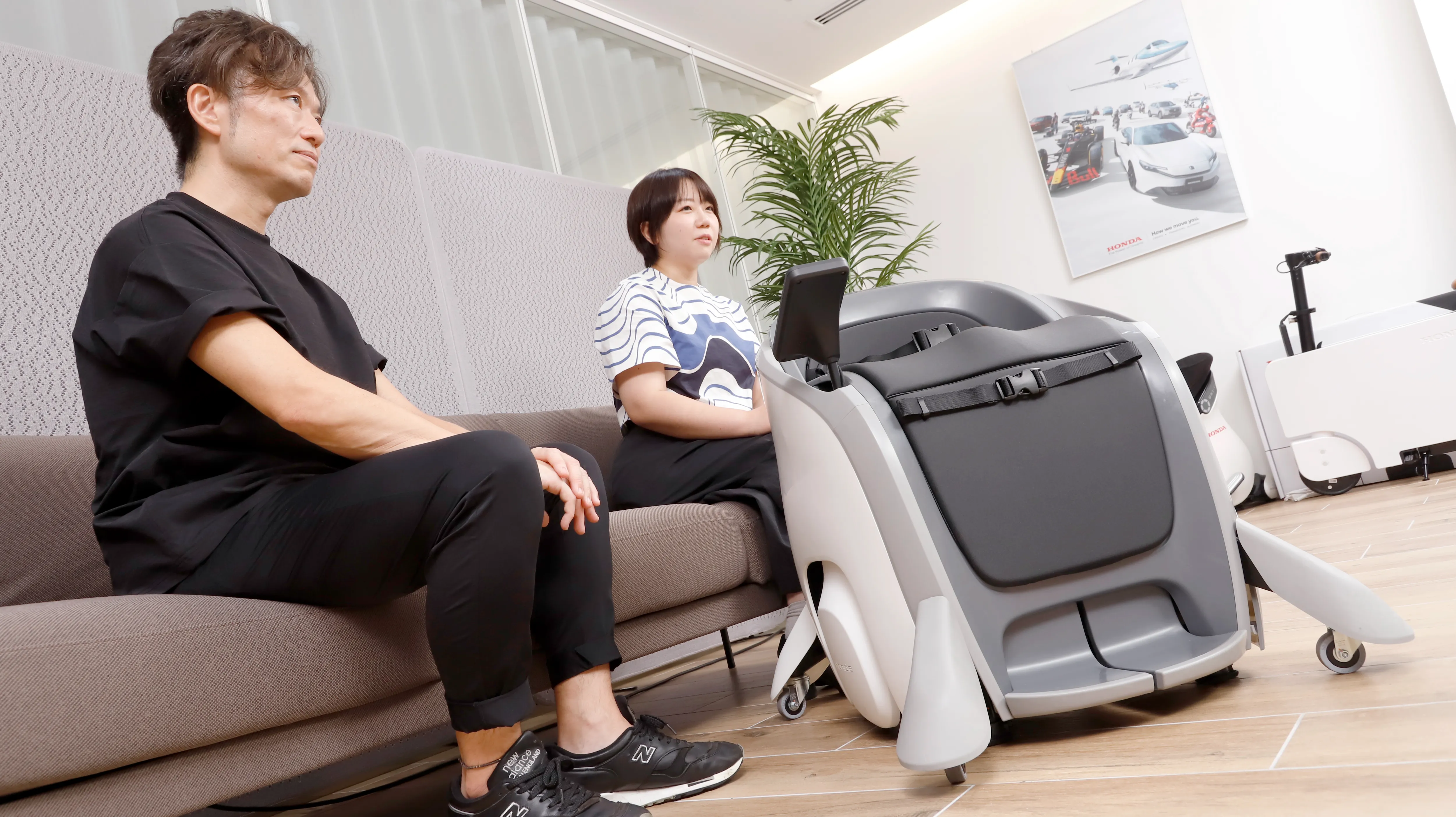
A mobility-impaired person who tried the UNI-ONE gave us feedback saying, "It is such a joy to be able to go shopping and carry my bags myself." I felt as though they were entrusting us with a wish that this mobility device would spread, erasing past inequalities and creating a future that transcends conventional notions of welfare. By enabling everyone to have exciting mobility experiences at their destinations, it will also remove the psychological barriers that people unconsciously carry. I believe this mobility device is brimming with such potential.
―How do you think the world would change if the UNI-ONE became commonplace?
Mochizuki
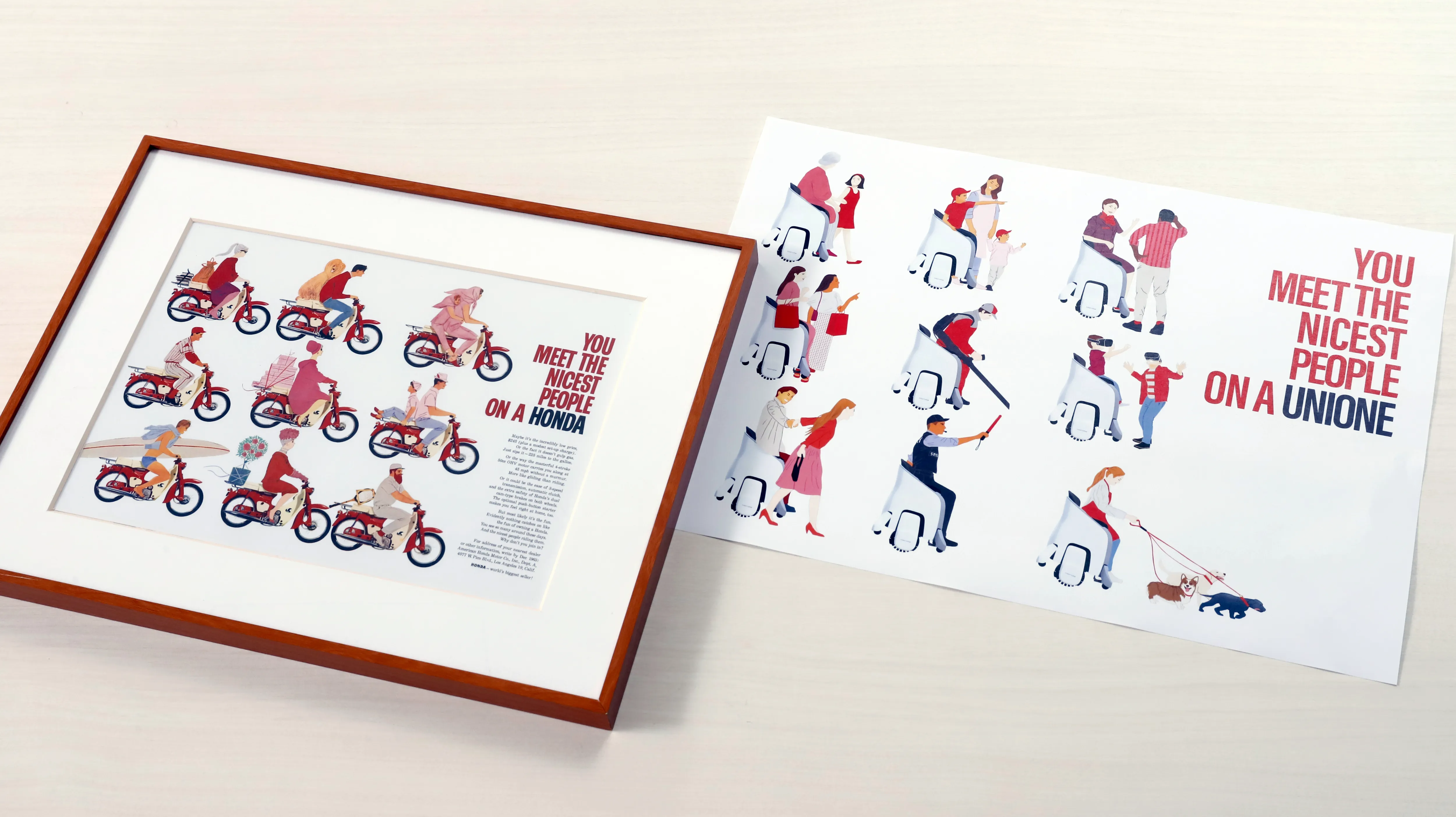
In the past, we have utilized the UNI-ONE to provide extended reality (XR) mobility experiences at events, such as underwater exploration with augmented reality (AR), and at SXSW (South by Southwest)
2024, a large conference and festival held in Austin, Texas in the United States. Even within such entertainment contexts, I believe new relationships between people and mobility are emerging.
Kanamori
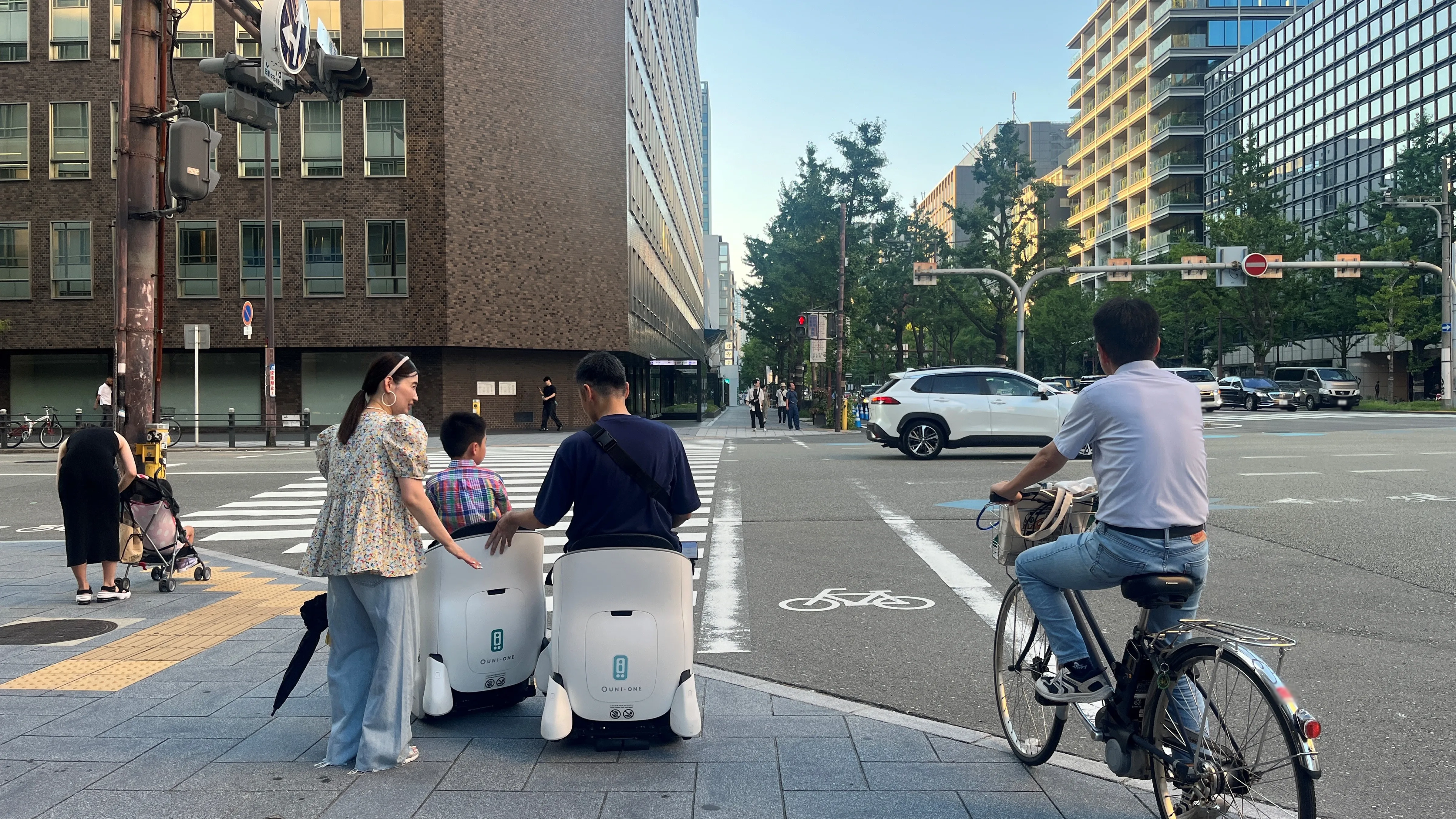
By providing the UNI-ONE to those with mobility concerns, and achieving equal and free mobility, I believe we can transform the world where everyone can thrive and be active. This summer, the first public road demonstration testing was conducted on Osaka's Midosuji Avenue, aiming to create human-centered road spaces. If the UNI-ONE is adopted in society, the social environment itself might change. I feel it holds the potential to go beyond a mere personal mobility device and transform the very nature of society.
Profiles
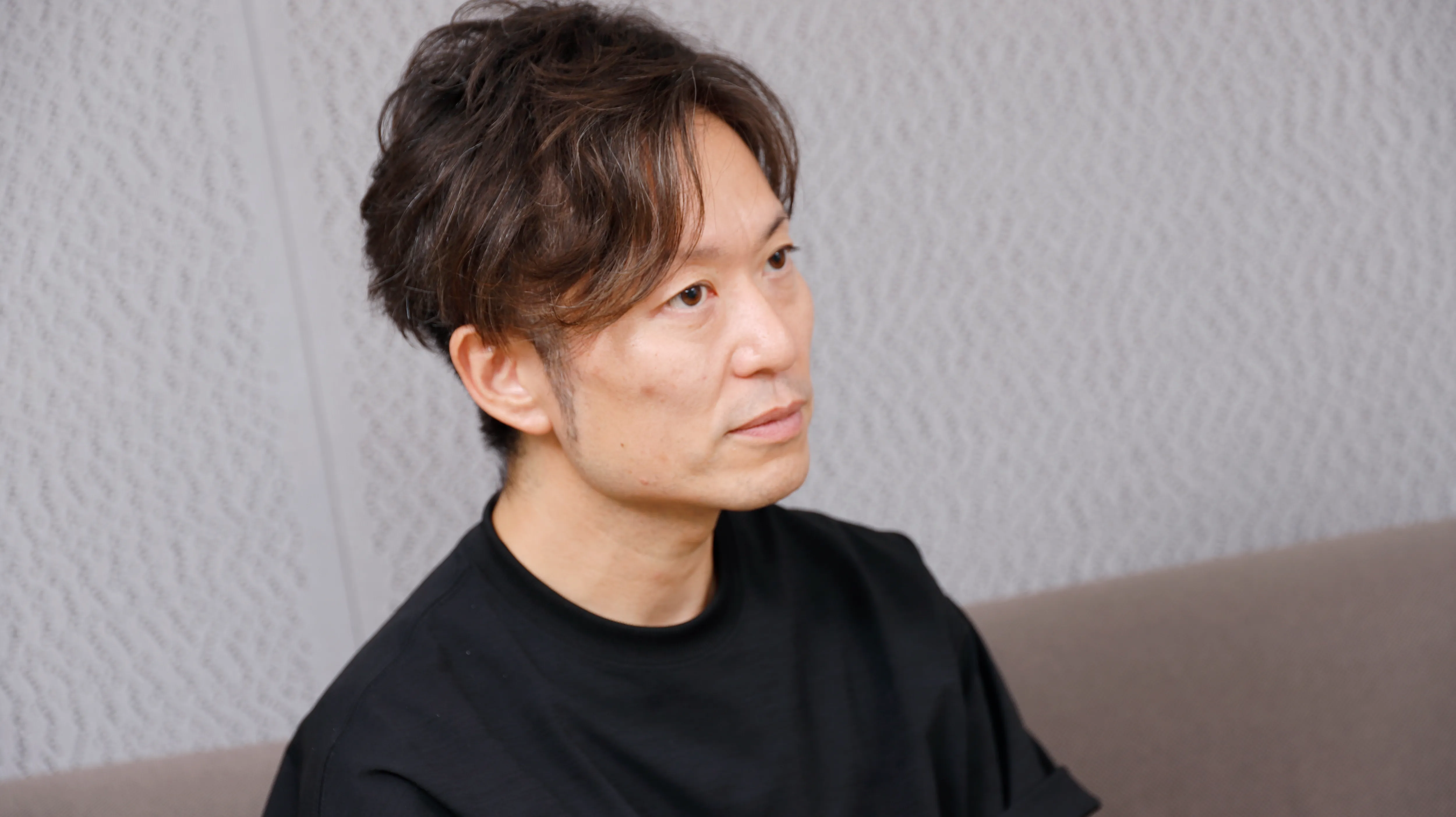
Satoshi Kanamori
Product Designer
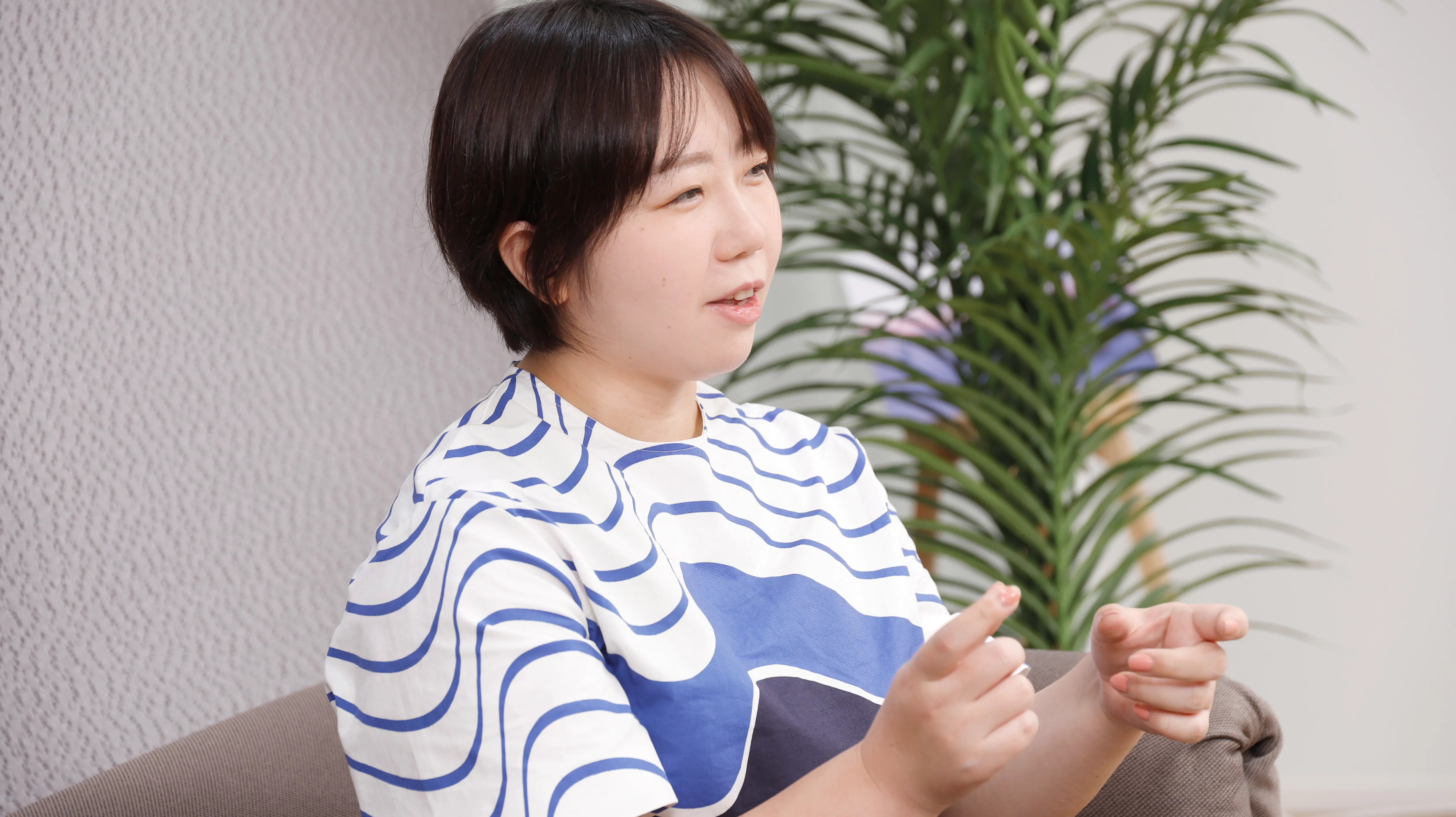
Marika Mochizuki
Communication Designer