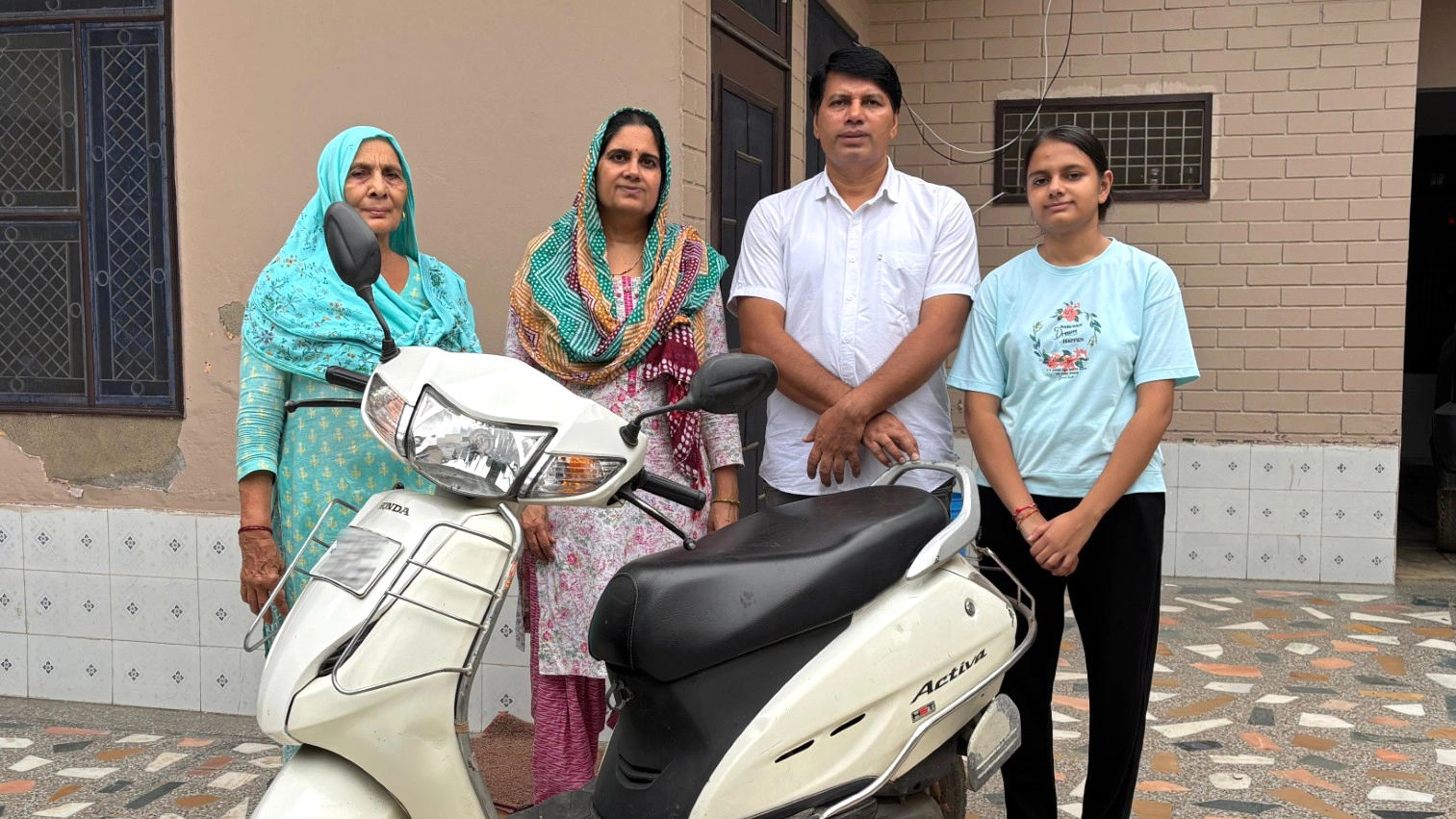
280 new ACTIVAs hit the roads of India every hour
The charm of Activa is "peace of mind"
――The ACTIVA has been a best-selling scooter in India for nearly a quarter of a century since its launch in 2001. What kind of mobility is it?
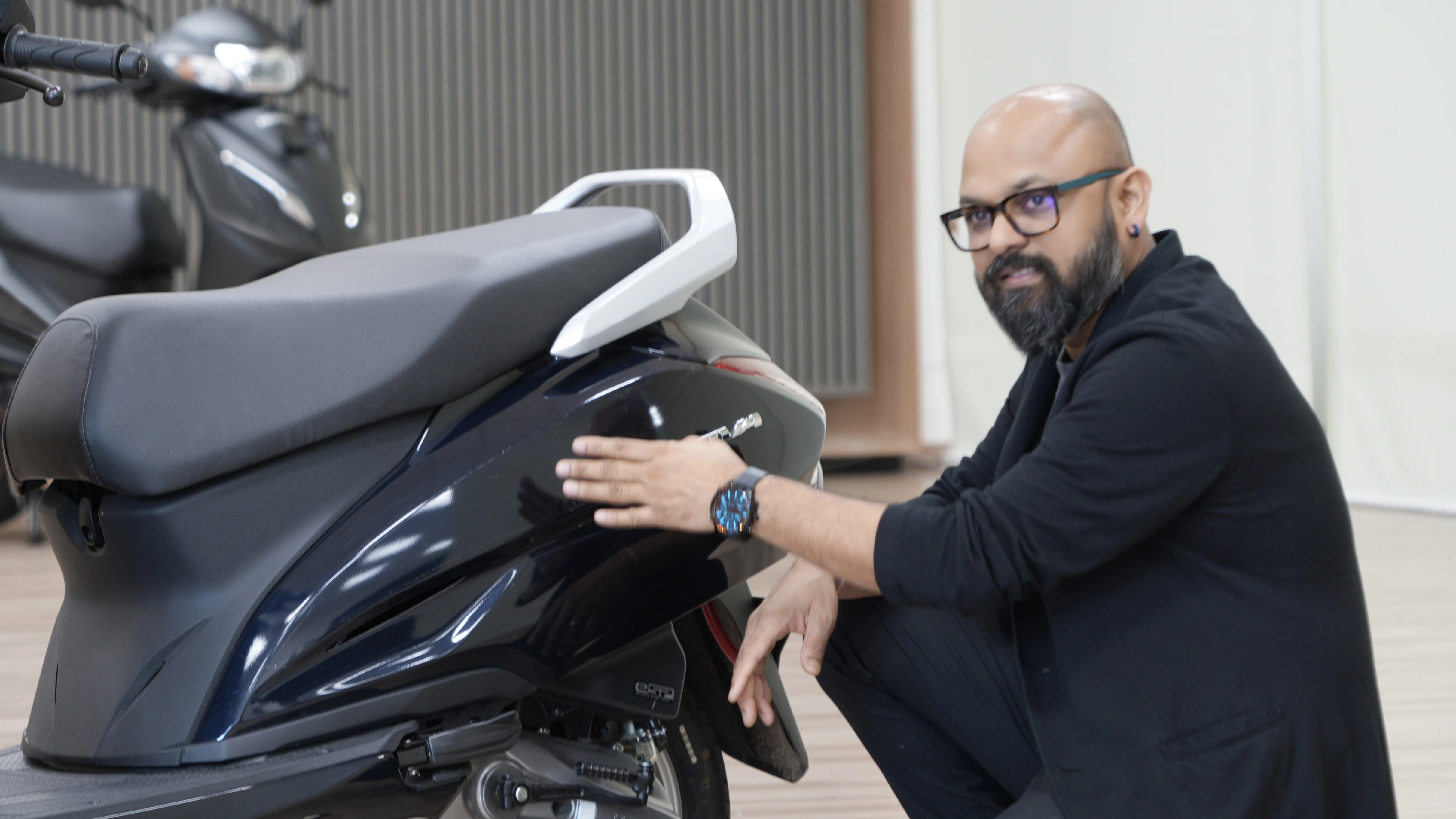
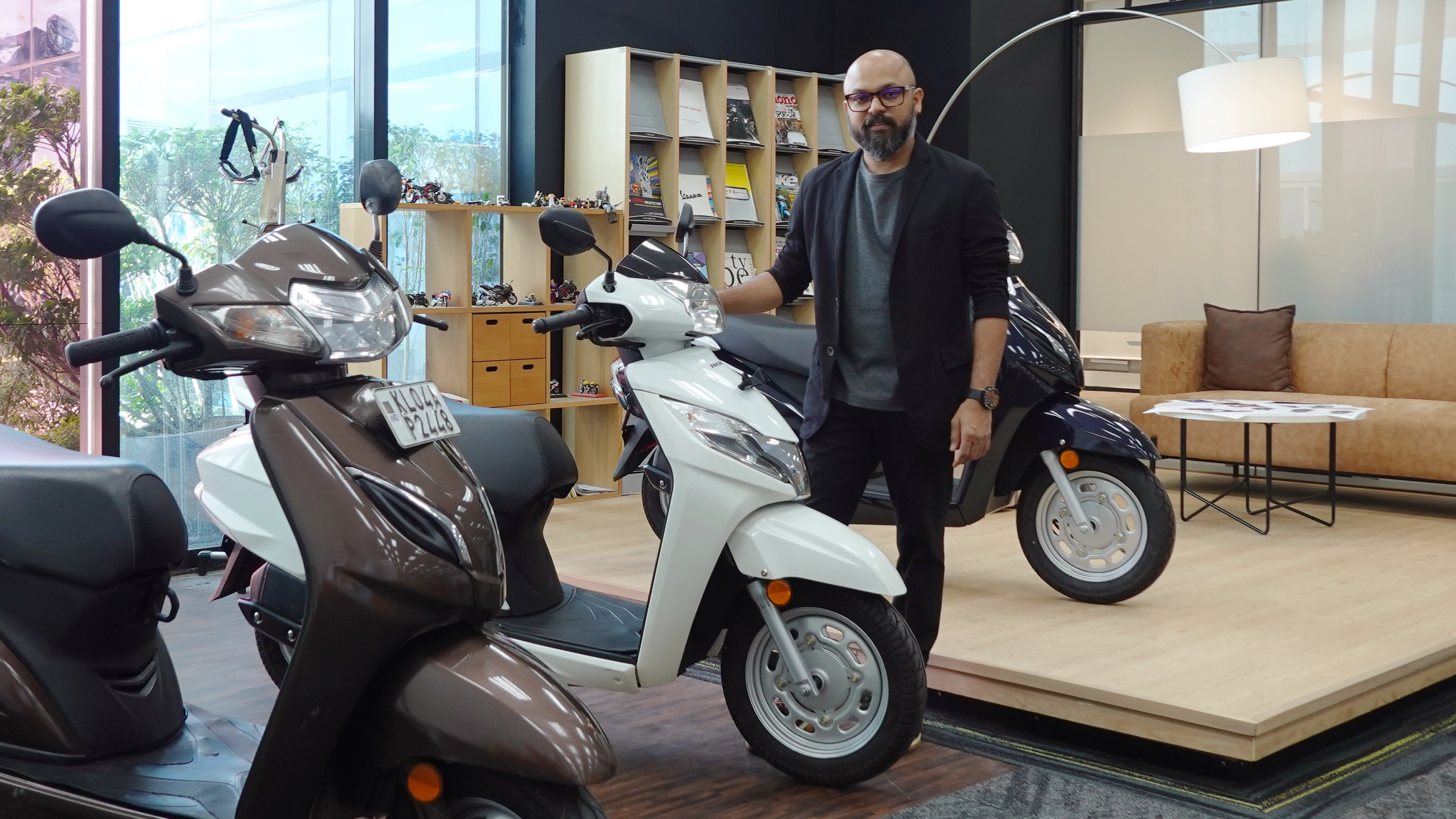
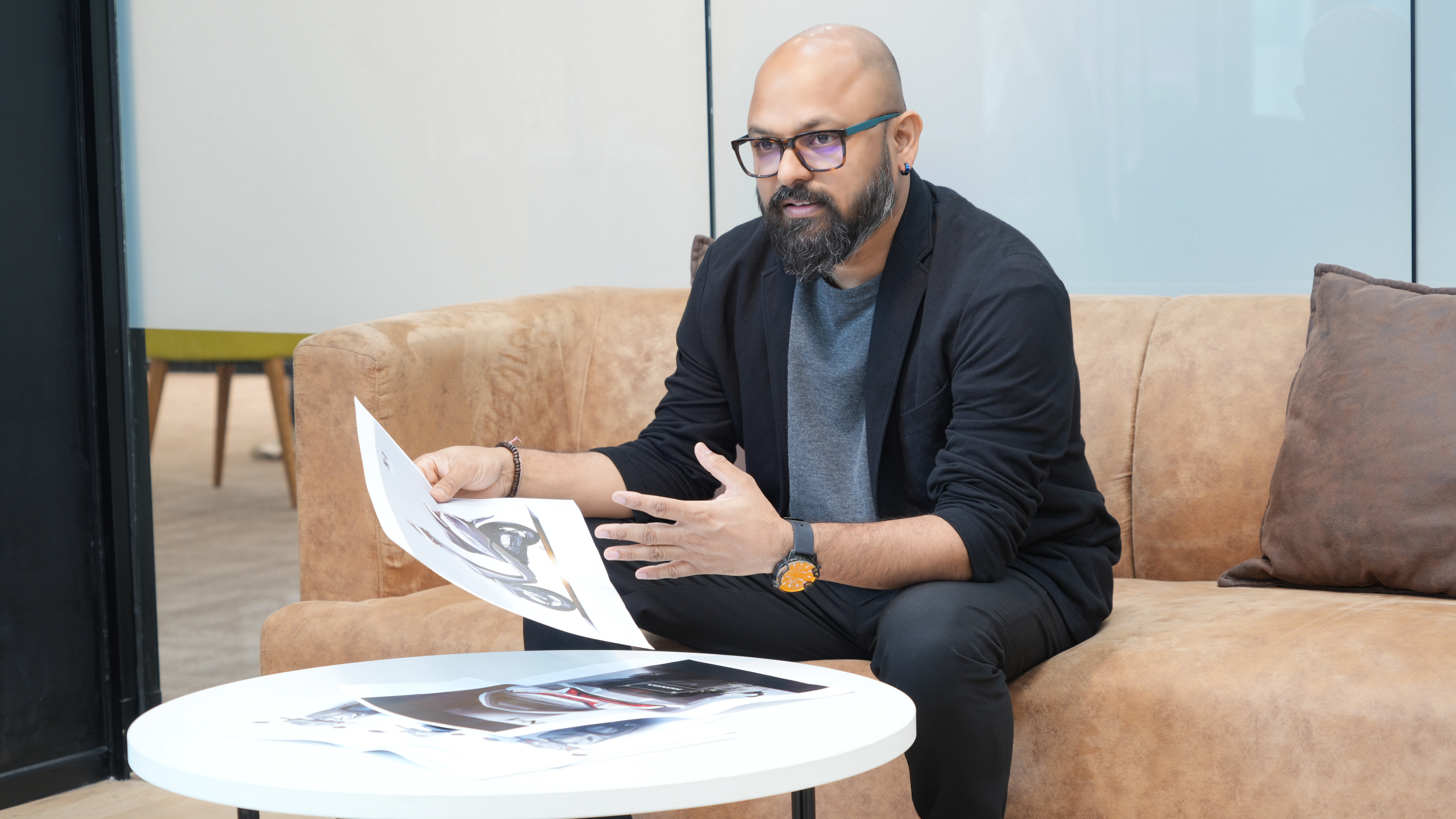
Nitin Nagdavane
The ACTIVA is the best-selling mass-market scooter produced in India. It has been a continuous
bestseller since the launch of the 110cc model in 2001, and the lineup was expanded with the addition of
a 125cc model in 2019 and an electric model in 2024. The entire series sold* approximately
2.5 million
units in 2024, or about 280 units per hour, making it one of the best-selling scooters in the world. I
have been involved in the development of the ACTIVA since the second generation model launched in 2009.
*Honda research
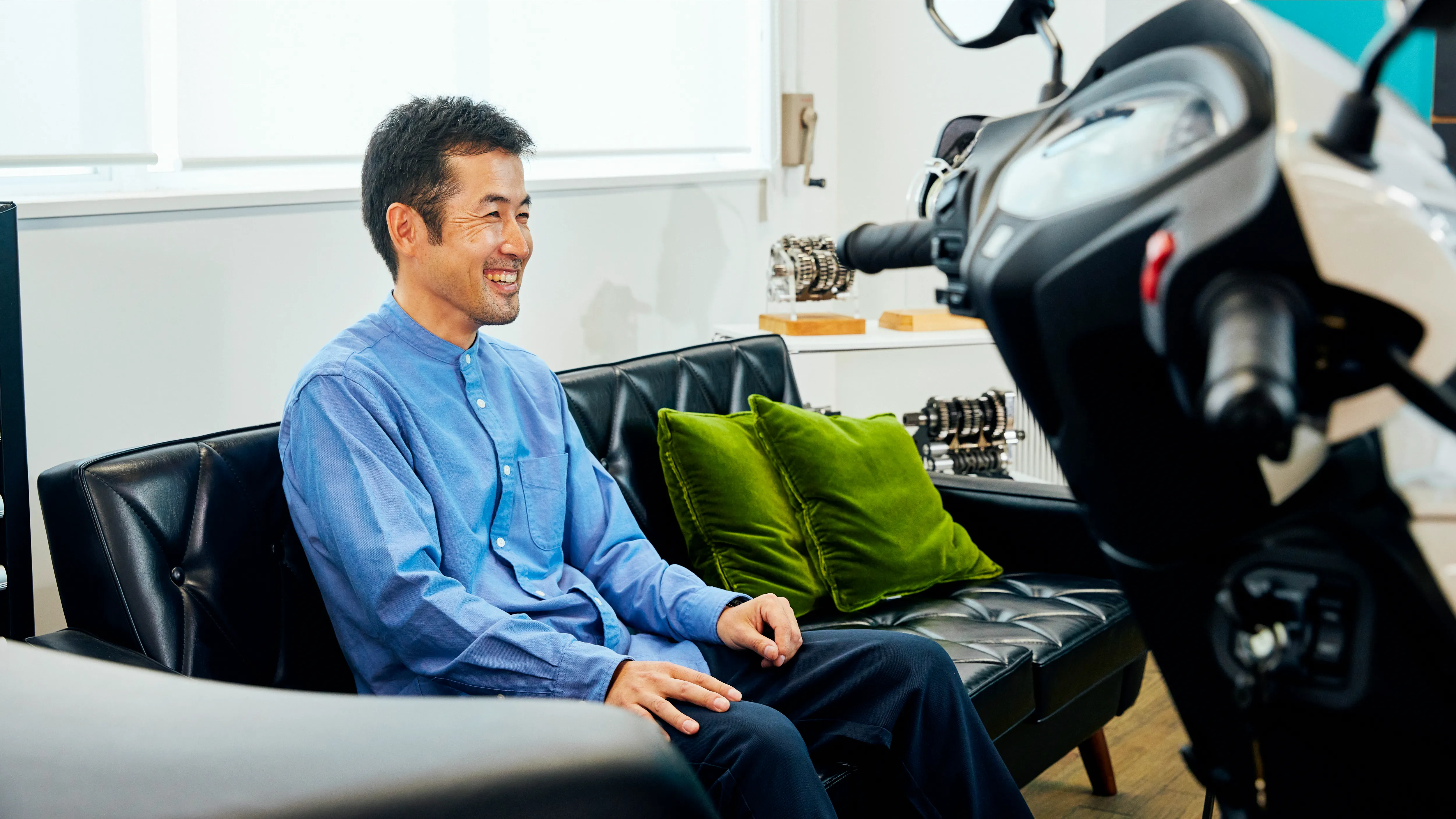
Genichi Shigematsu
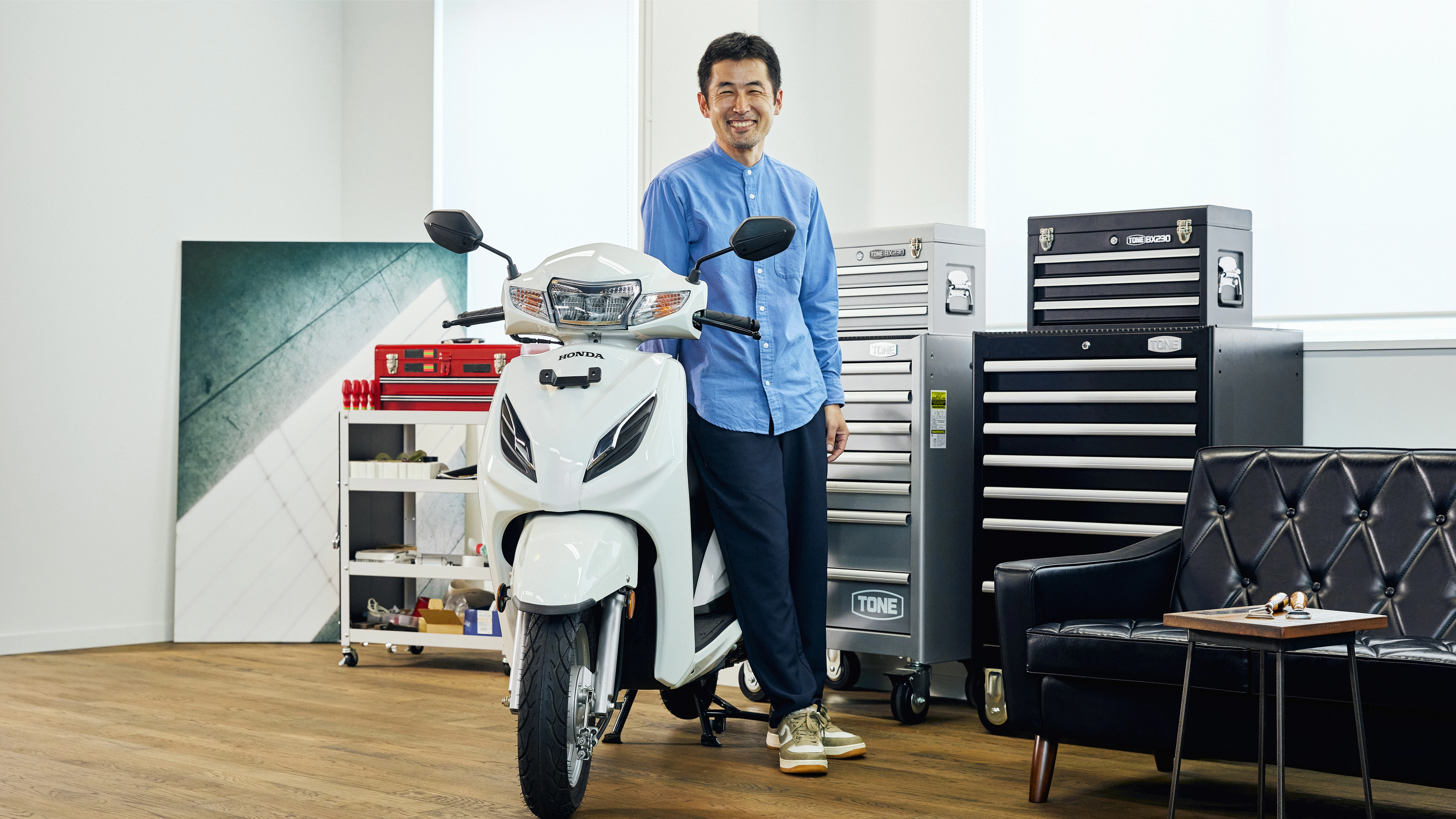
I have also been involved in the development of the ACTIVA since the second generation model. As a
modeler, I create three-dimensional models using clay and other materials based on designers' sketches,
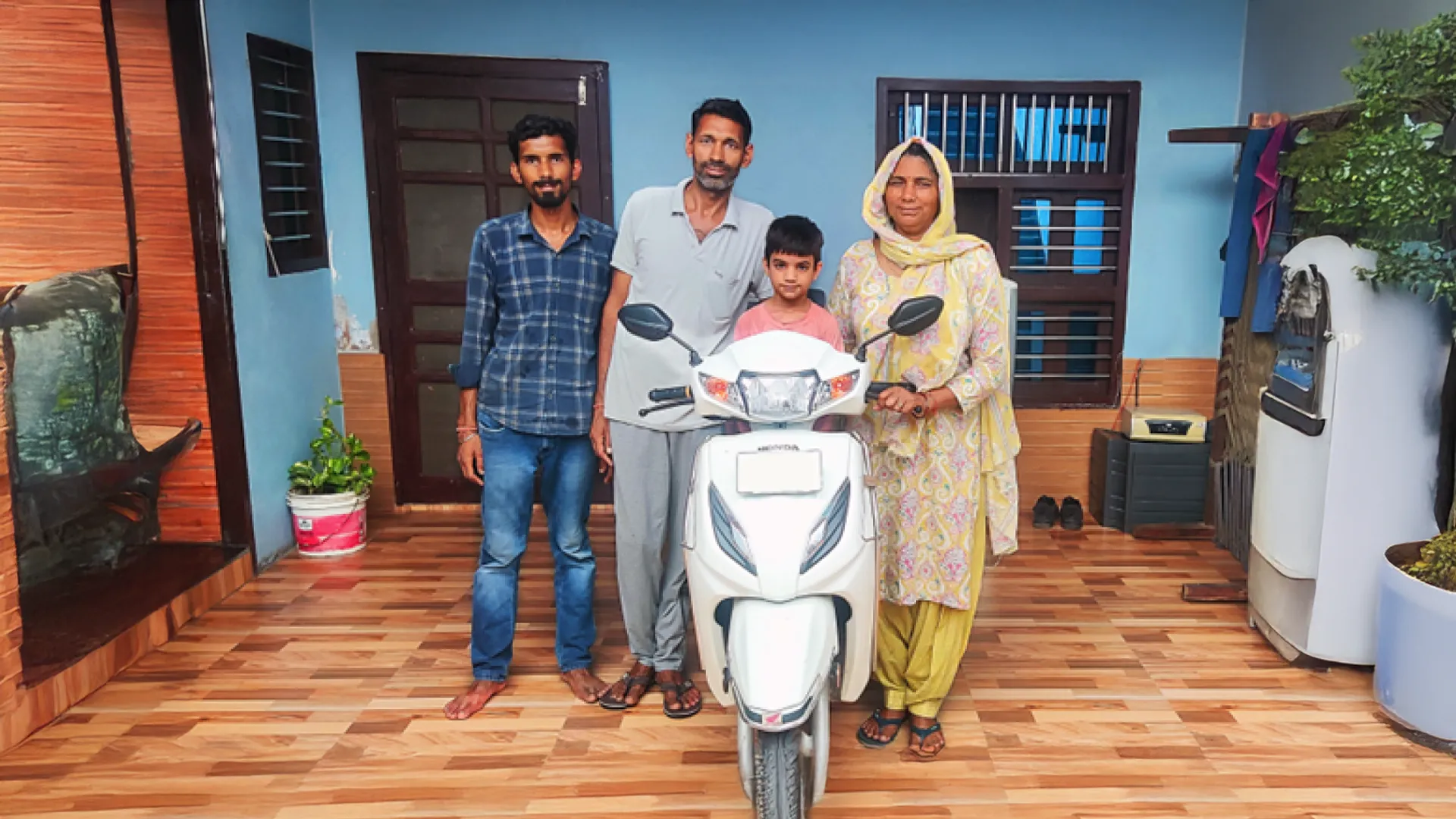
which are then used for commercialization. The ACTIVA has become an indispensable part of daily life for
customers in India, serving the needs of the whole family for commuting to work and school, shopping,
and more. I believe that the peace of mind it provides in supporting such lifestyles is one of the
ACTIVA's greatest appeals.
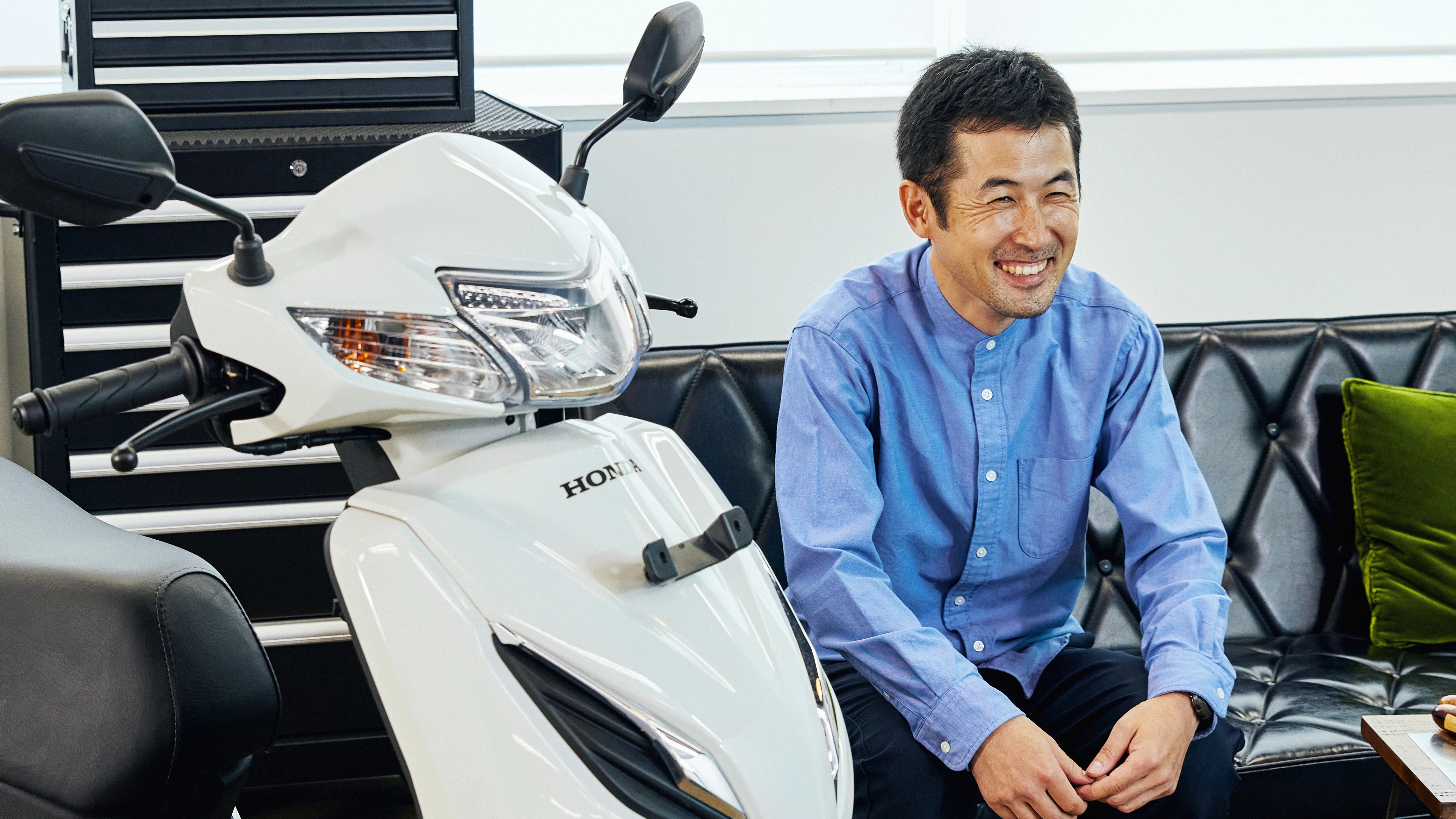
Shigematsu
In India, there has been a tendency to avoid sporty and intimidating designs.
Therefore, when developing the first generation ACTIVA, we aimed for a unisex design that would appeal to a wide range of users. In addition, I believe that we were able to maintain a high level of competitiveness even after the market expanded rapidly by equipping the ACTIVA with a rigid body and reliable mechanisms. Furthermore, the ACTIVA has become a form of mobility that symbolizes comfortable living and happy families for the people of India, frequently appearing in movies and advertisements.
As this shows, there is occasionally a hidden dynamism in developing mobility that goes beyond the performance and styling of individual models to influence society as a whole as well as people's lives and values. The ACTIVA is one of Honda's iconic scooter models. This is a major source of appeal and motivation for those of us involved in scooter and motorcycle development at Honda.
――The ACTIVA has evolved through six generations to date. What are the features of each model?
Shigematsu
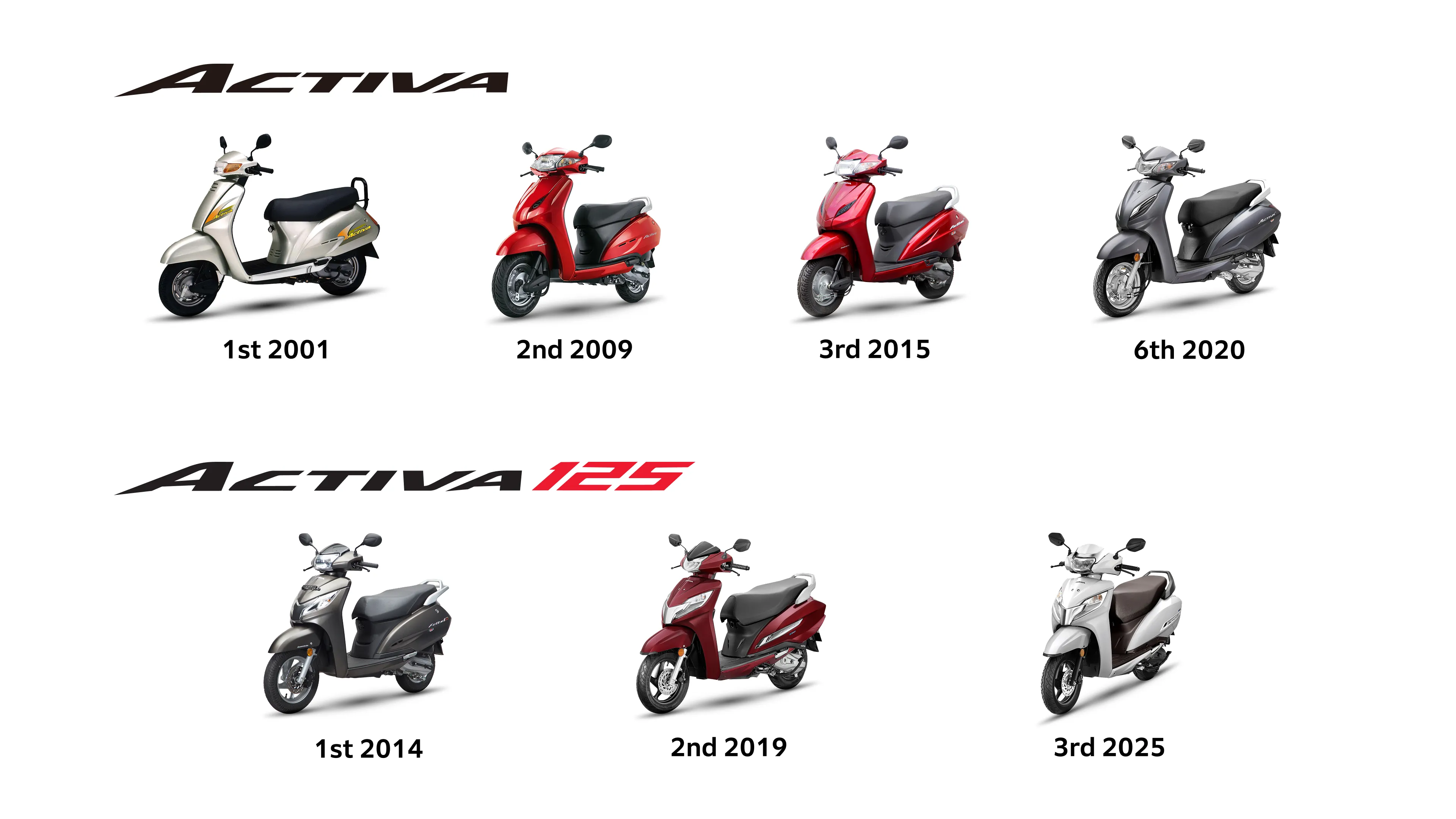
The first generation ACTIVA, launched in 2001, combined a reliable 102cc
Honda engine with an automatic transmission. With the second generation, which launched in 2009, we
improved power and fuel efficiency by increasing the engine displacement to 109.2cc and evolved the
styling to a more modern look. The third generation (2015) saw changes mainly to the front design. The
fourth generation (2017) was made compliant with the new Emission Standards for BS VI. With the fifth
generation (2018), we enhanced the exterior to give it a more luxurious look, and the latest model, the
sixth generation (2020), is equipped eSP injection engine. The design of the
ACTIVA has evolved with the times while still retaining the simple, rounded, and familiar form of the
first generation model.
――Which model stands out most to you from your involvement in developing the ACTIVA?
Nitin
The launch of the ACTIVA125 in 2019 was very memorable. It was a gasoline-powered scooter that complied
with the stricter Emission Standards for BS VI. Many people thought that development would not be
completed in time for the regulations to take effect in 2020, so its announcement the year before that
further strengthened the reputation of Honda and the ACTIVA.
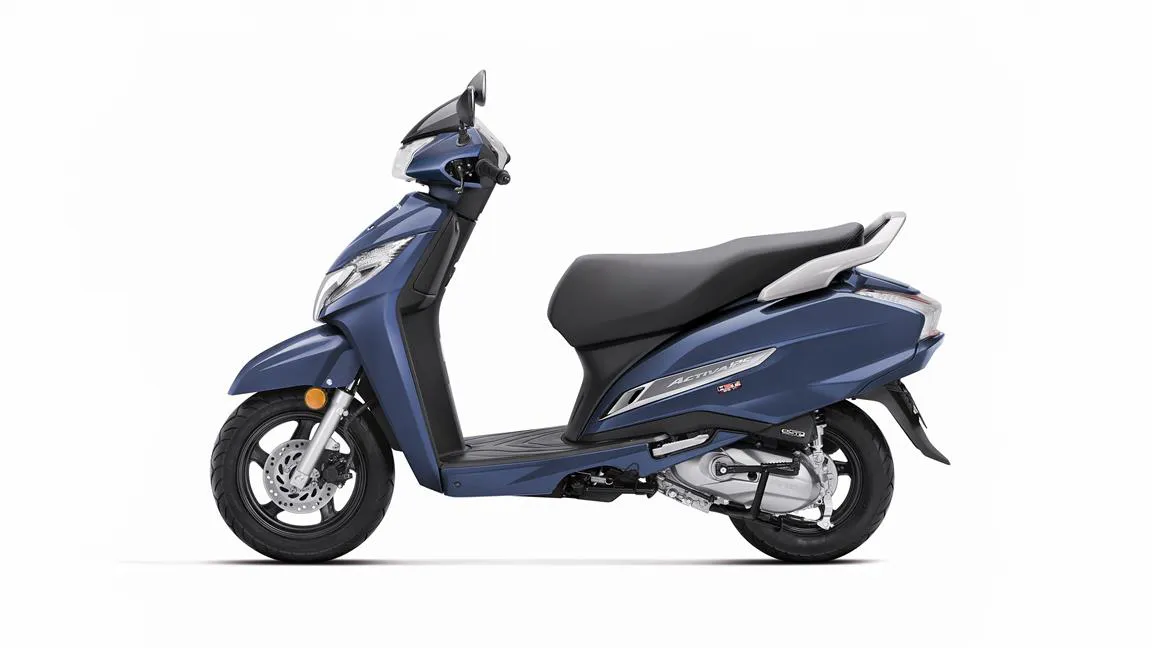
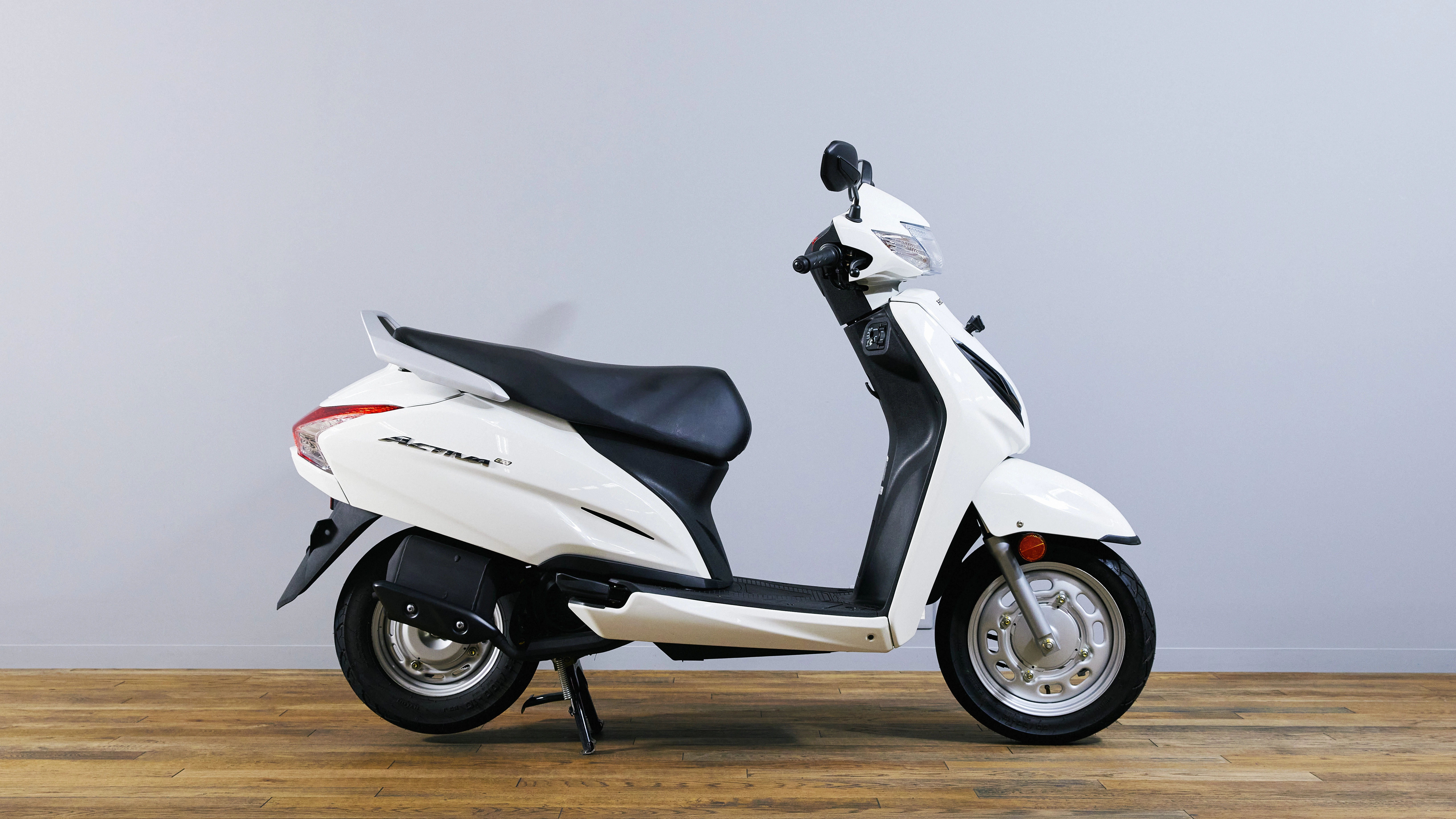
For the third generation model, I was involved in refining the side panels, taillights, and front panel to achieve a more sophisticated design. This new front design has been carried over to subsequent models as part of the ACTIVA's identity, becoming one of its key design elements.
The key to making a long-selling commuter is not going overboard
――What do you keep in mind when you set out to design a commuter for a wide range of users?
Nitin
I would say it’s not going overboard. The ACTIVA is not just a means of
transportation; it’s a partner that accompanies families as they pursue their future goals and dreams. I
think it’s essential that it is always loved by everyone, and that it doesn’t evoke negative feelings.
We strive to find a balance between passing down the ACTIVA’s premium and elegant character and
incorporating just the right amount of trendiness, without going overboard on aggressiveness or
sportiness.
――Mobility, which is the infrastructure that supports society, requires localization tailored to the region in which it is used.
Shigematsu
Honda has the basic philosophy of the three joys: the joy of buying,
where customers are satisfied and impressed by Honda products and services; the joy of selling, where
sales staff take pride and joy in their work; and the joy of creating, where we produce products of high
value that exceed customer expectations. The ACTIVA truly embodies this basic philosophy and can be said
to be a commuter rooted in Indian society.
Nitin
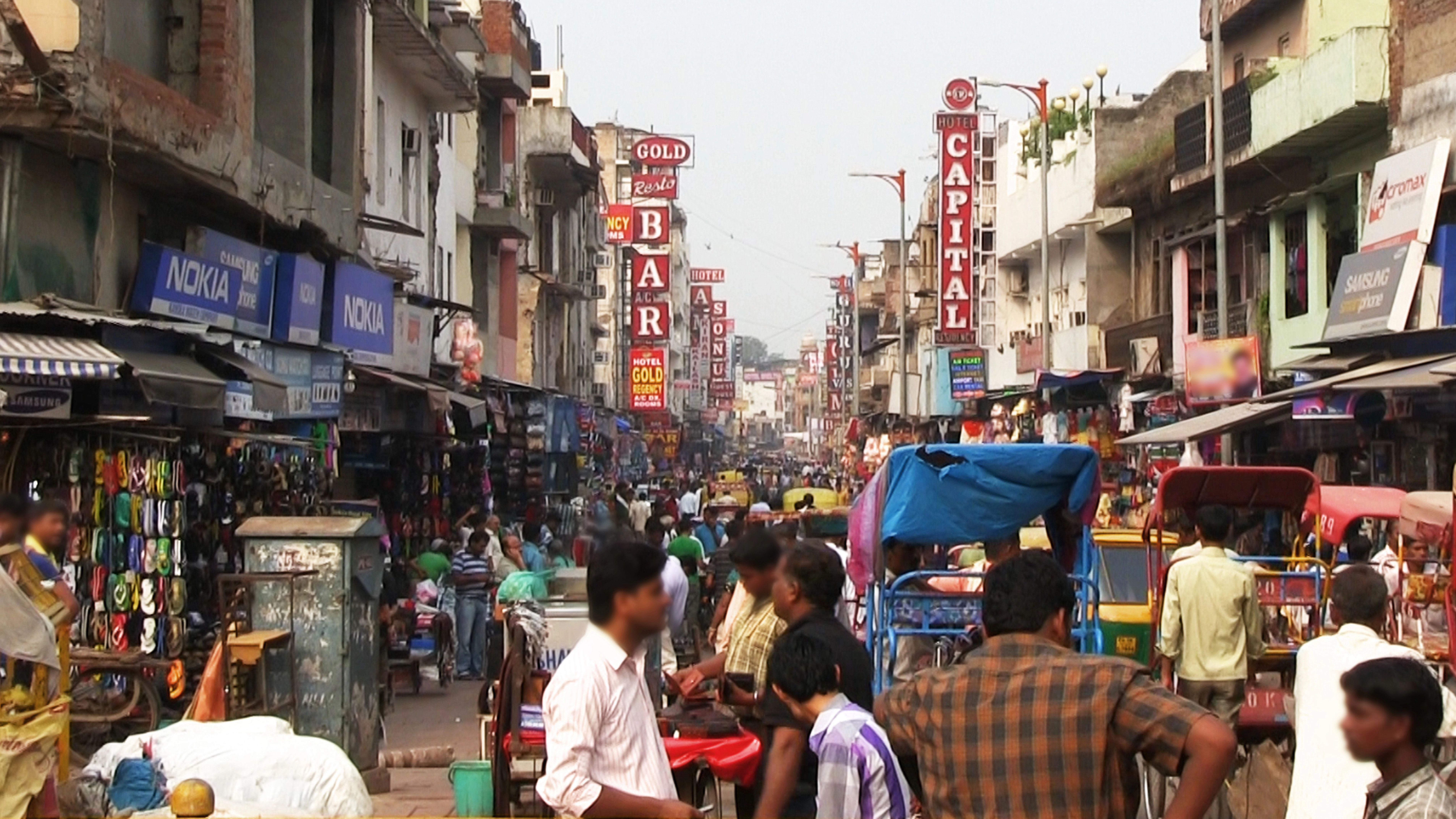
We localize our mobility based on the unique regional characteristics of India, aiming to be in harmony
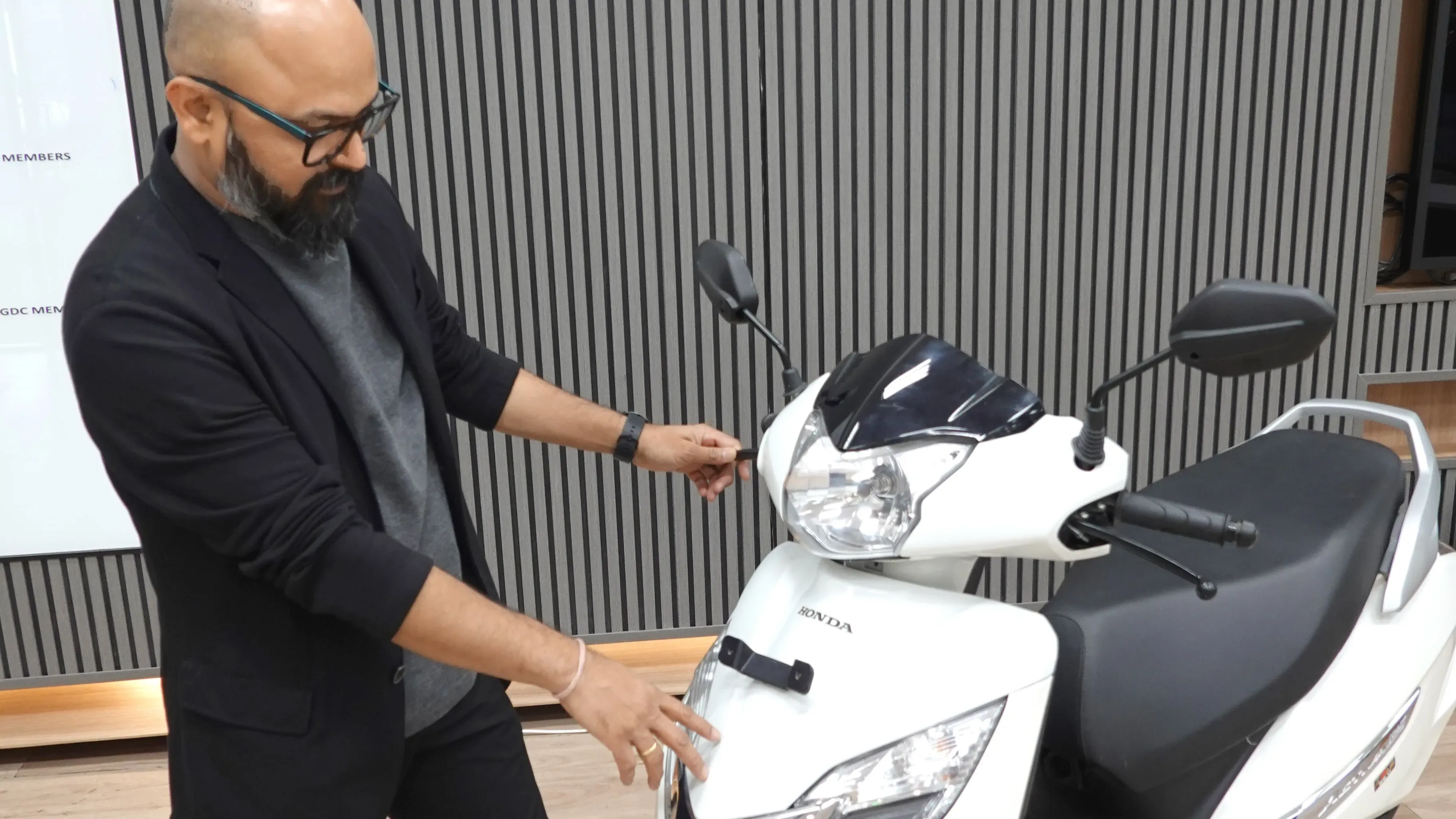
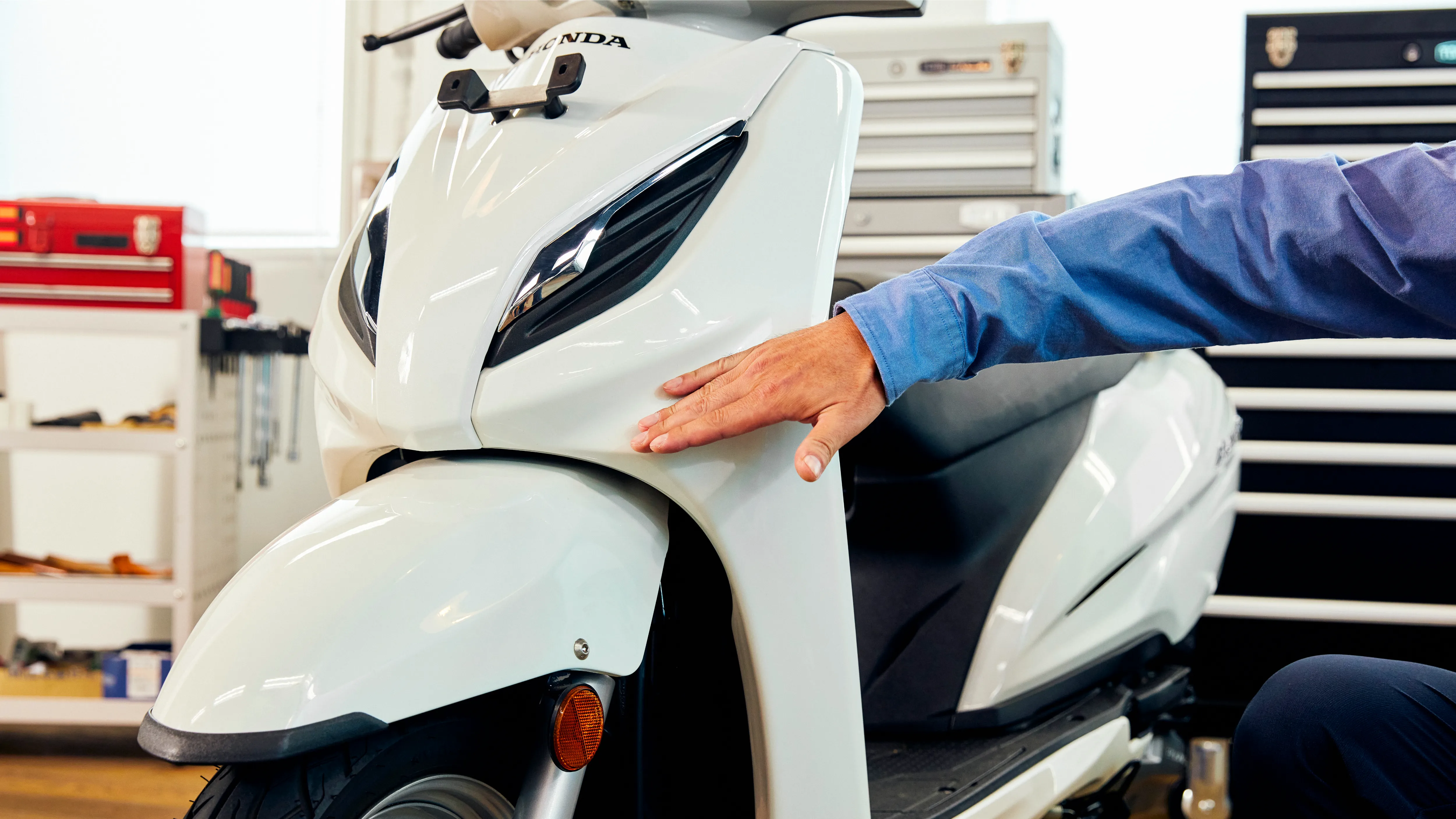
with its diverse lifestyles and cultures. One of the key points for localizing the ACTIVA is the steel
material used to construct the body, commonly referred to as the steel body. Although there are slight
differences in which parts use steel in each model, the latest models also use steel for parts such as
the front fender, various body panels, and side covers.
――Is it true that India's traffic conditions are quite harsh for mobility?
Nitin
For Indians, scooters are an investment that enriches their daily lives over
many years. It is essential that they never break down, even in harsh conditions. I am proud that we
were able to create a design that shows we did not compromise on the dynamic shape of character lines
despite using steel.
Shigematsu
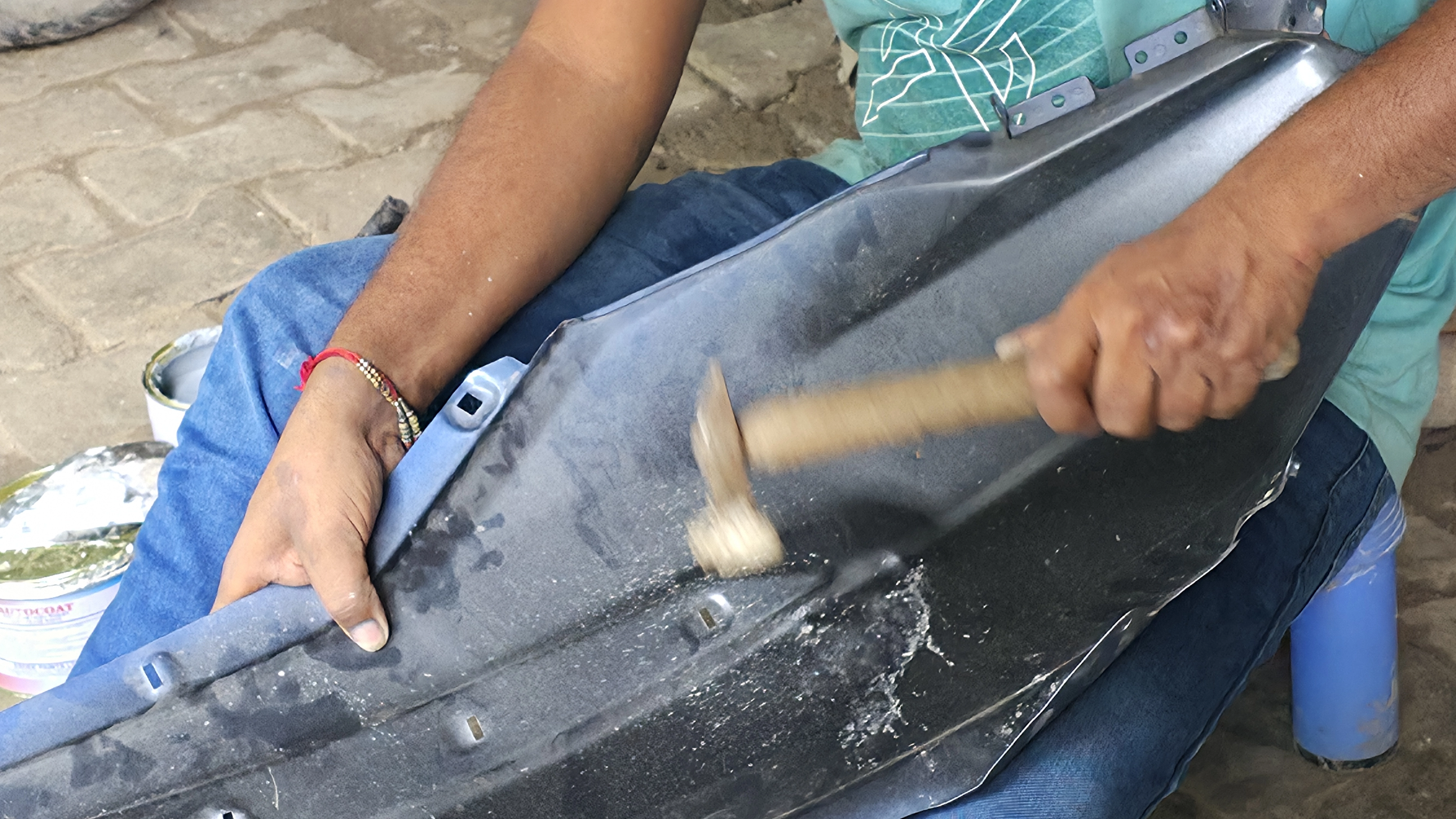
Resin parts offer high flexibility in shaping, but if they are damaged by
impact, they must be replaced. On the other hand, steel has many shape constraints, such as difficulty
in creating complex shapes, but it can be repaired if only slightly dented. At the same time, it has the
advantages of minimal distortion in large-area molding, and the material itself has a luxurious feel.
The properties of this steel material, which take into account the usage environment in India, were
highly evaluated, thereby building trust in the ACTIVA.
The unique characteristics of Indians, as seen from riding posture
――What other aspects of the ACTIVA have been localized besides the materials?
Nitin
In India, there is the need to look dignified and be seen as dignified. This is also true when
riding, where people prefer to ride with their chest out rather than leaning forward with their back
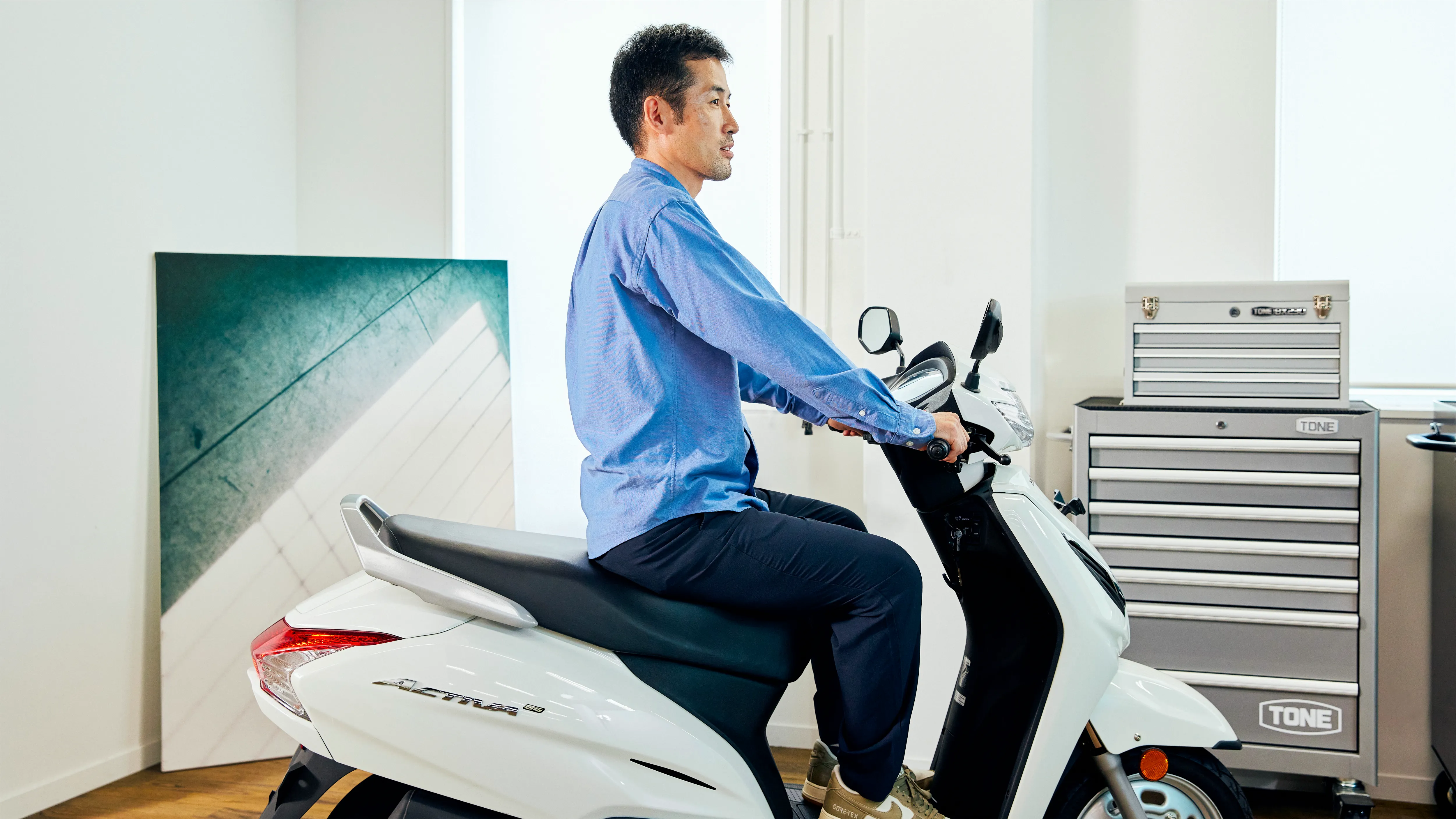
hunched. That's why we pay particular attention to the riding triangle.
Shigematsu
The riding triangle refers to the triangle formed by the handlebar, seat, and footrests when viewed
from the side of a motorcycle, and the shape of this triangle determines the riding posture. Generally,
sports bikes adopt a leaned-forward posture to reduce air resistance, while commuters have an upright
upper body posture.
Nitin
One of the core designs of the ACTIVA is its riding triangle, which is based
on the best ergonomics. It gives the rider confidence and pride by allowing them to sit upright with
their back straight, not only while riding but also when stopped. This riding posture is a very
important value for Indian users.
Shigematsu
Just like with the dignified riding posture, we also paid close attention
to the design of the front of the body. Since the ACTIVA is considerably larger than scooters in Japan
and elsewhere in Asia, we aimed to give it a gallant image with a proud stance so that it would not
appear to be too elongated.
――How do you balance the design rooted in India and the consistency of a global brand?
Nitin
While there are shared design principles, Honda designers are required to
listen to the voices of customers in each region, understand their needs, and embody them in their
designs. For example, the decision to use a steel body was not made lightly; rather, it was based on
Honda's shared global philosophy of quality, reliability, and safety, and was the result of respecting
the needs of users.
“I helped design the ACTIVA”
――Did you have any personal experiences that left a strong impression on you while working on the ACTIVA?
Nitin
When the first ACTIVA I worked on was launched, I was thrilled to see my old
friend riding one when I returned to my hometown. However, when I told him that I helped design the
ACTIVA, he didn't believe me. He said, “There's no way my childhood friend could have designed such a
popular scooter.” That's how important the ACTIVA is to Indians. So I felt both a sense of
responsibility and pride in being involved in such a wonderful legacy.
Shigematsu
About two years after the model I worked on was launched, I traveled to
India on a trip with my wife. I was really happy when I saw the model I had worked on for the first time
among the many ACTIVAs on the streets. The driver who guided us during the trip also owned an ACTIVA,
and he happily told us that his wife and family all use it. I actually got to ride his ACTIVA at that
time, and it was a wonderful memory.
――What sets the ACTIVA apart from other brands?
Nitin
Users resonate incredibly strongly not only with the ACTIVA, but with all
Honda products. That is why we strive to create designs that bring joy and satisfaction to people's
lives. I believe that this essence remains unchanged regardless of where a model is produced.
Profiles
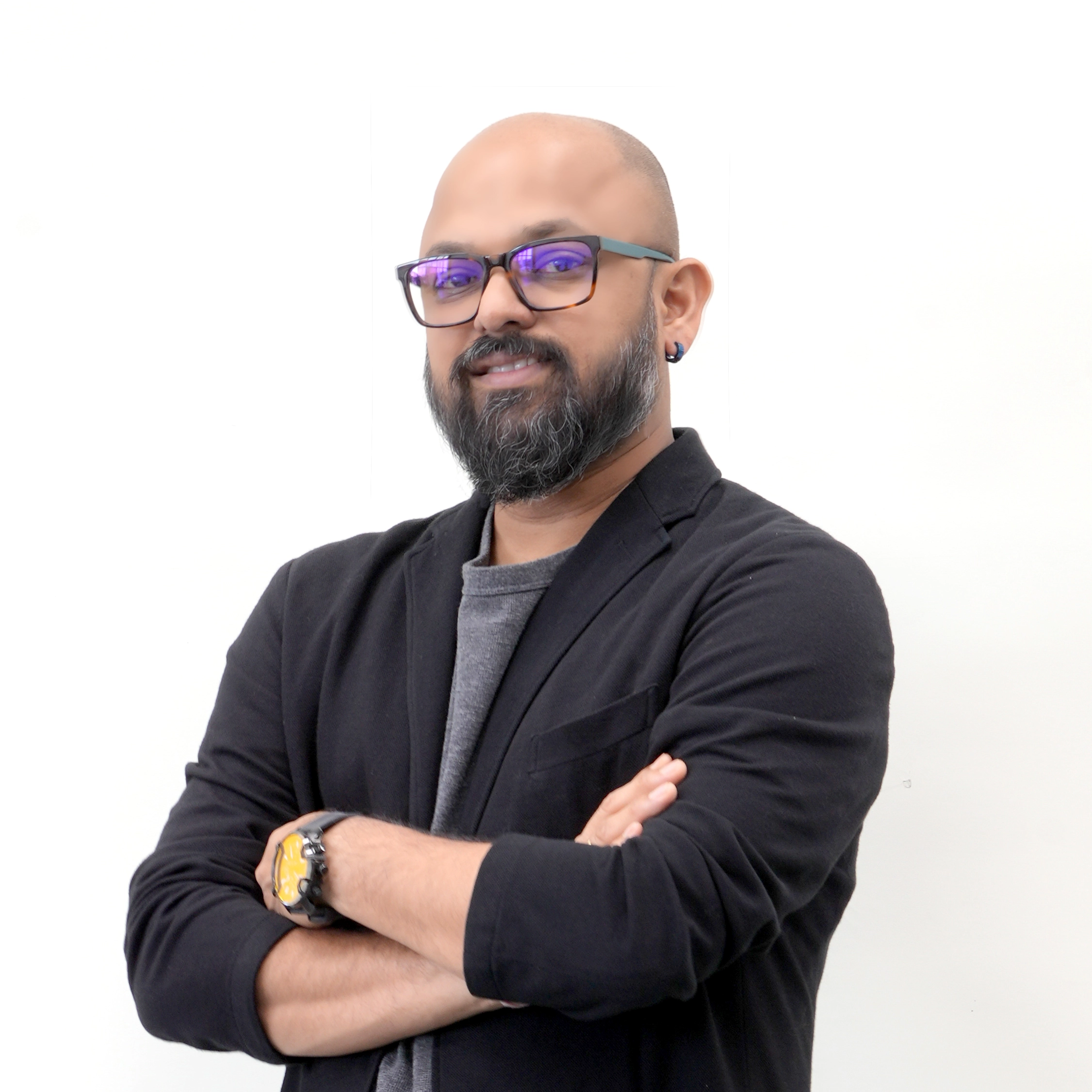
Nitin Nagdavane
Product Designer
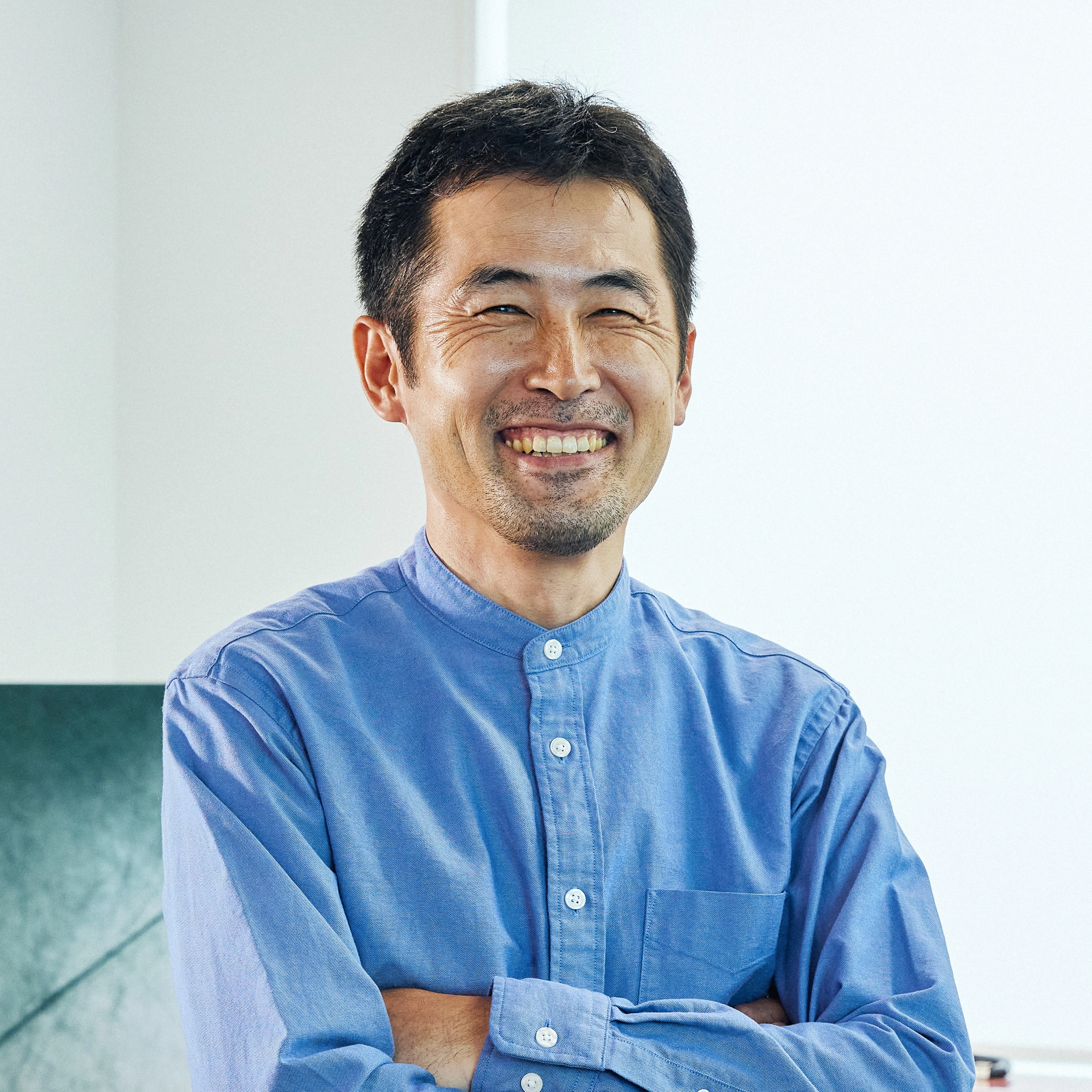
Genichi Shigematsu
Modeler