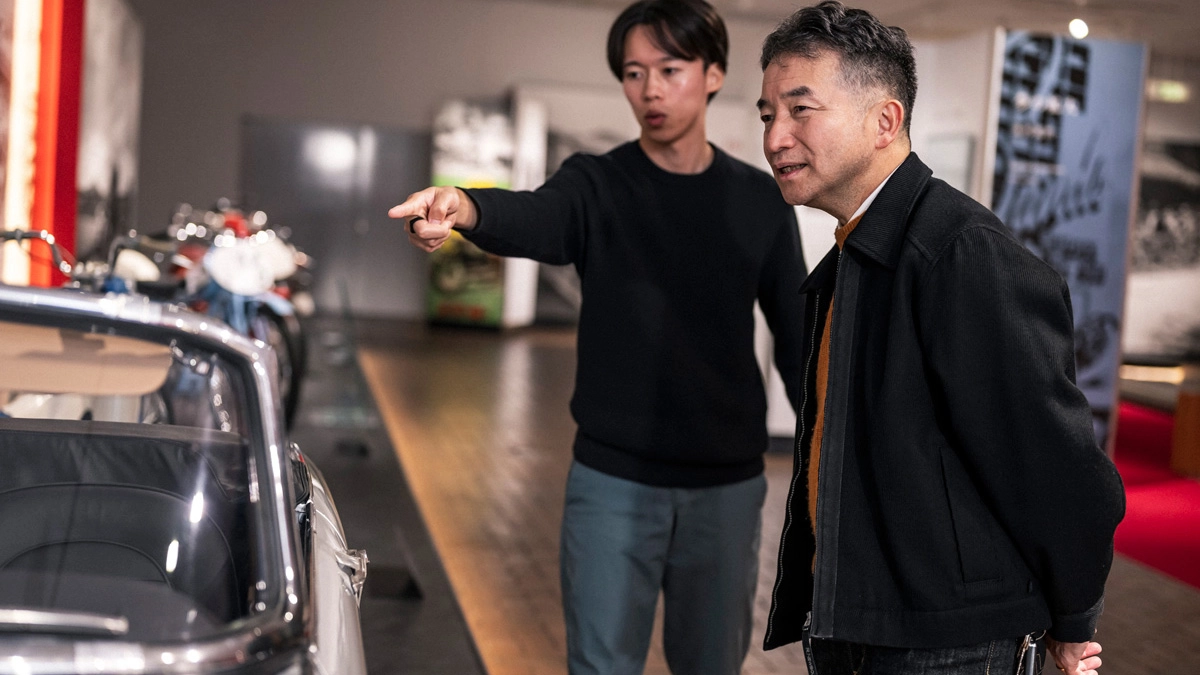
Looking at the S500 and S600 from the Perspective of Packaging
Both of you are in charge of packaging design. First, can you tell us what kind of job does packaging entail?
Togawa
Yes, automobile packaging design is something that may not be widely known.
Simply put, the job entails creating the frame of the design: establishing the car’s
concept, then following the concept to study elements for enhancing spatial value, such
as the appropriate position for people to sit, a suitable cabin size, and the size and
convenience of the luggage space. This defines the vision for the car. Based on this
frame, we develop the design together with styling designers.
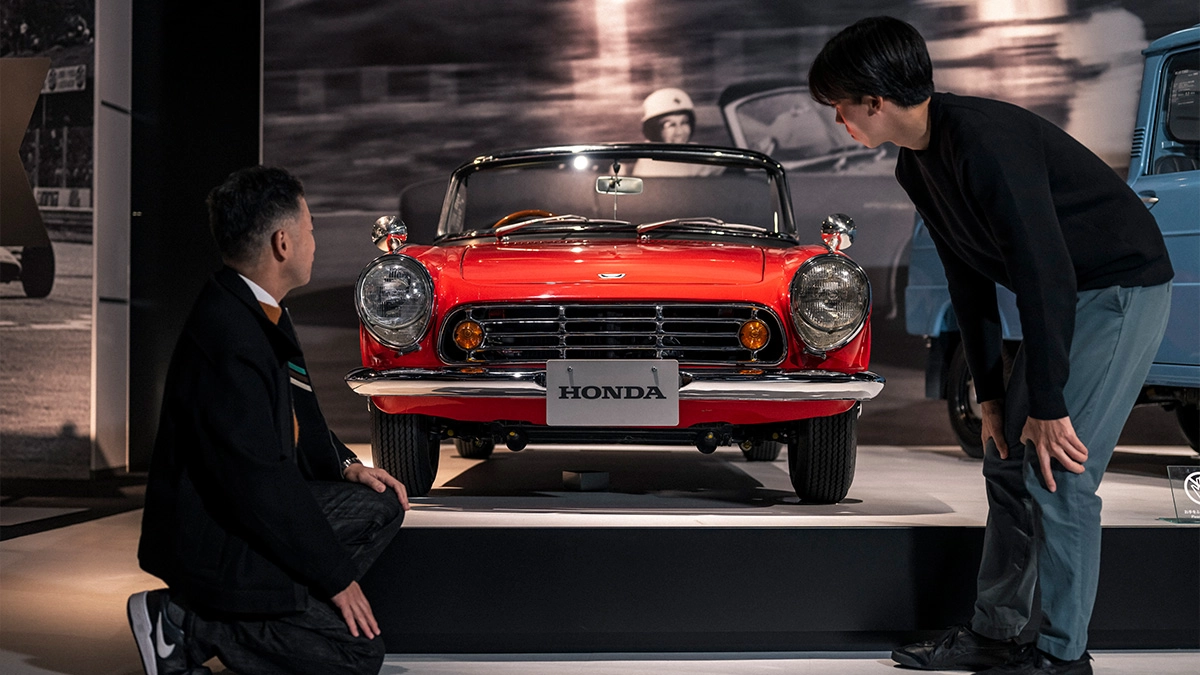
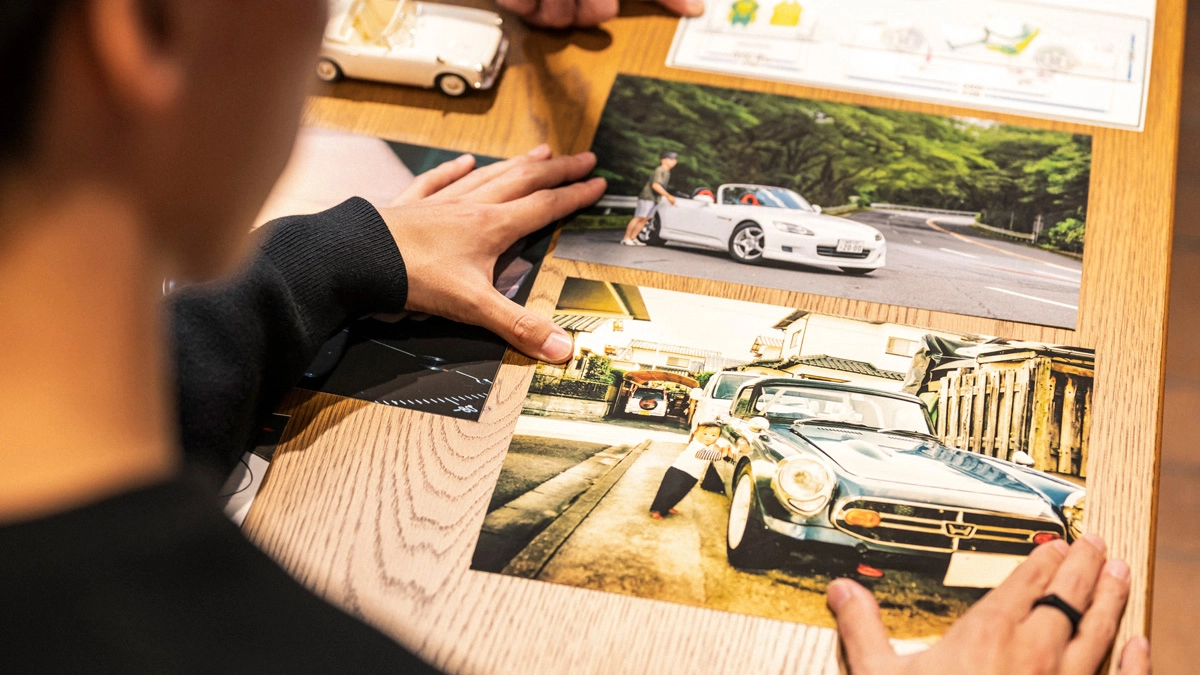
The S500, S600, S800, and S2000—the “S” series is extremely important when talking about Honda’s history. Mr. Togawa, in working on the packaging of the S2000, how did you view the cars of the past?
Togawa
While I could not talk to the people who developed those cars back then, I was
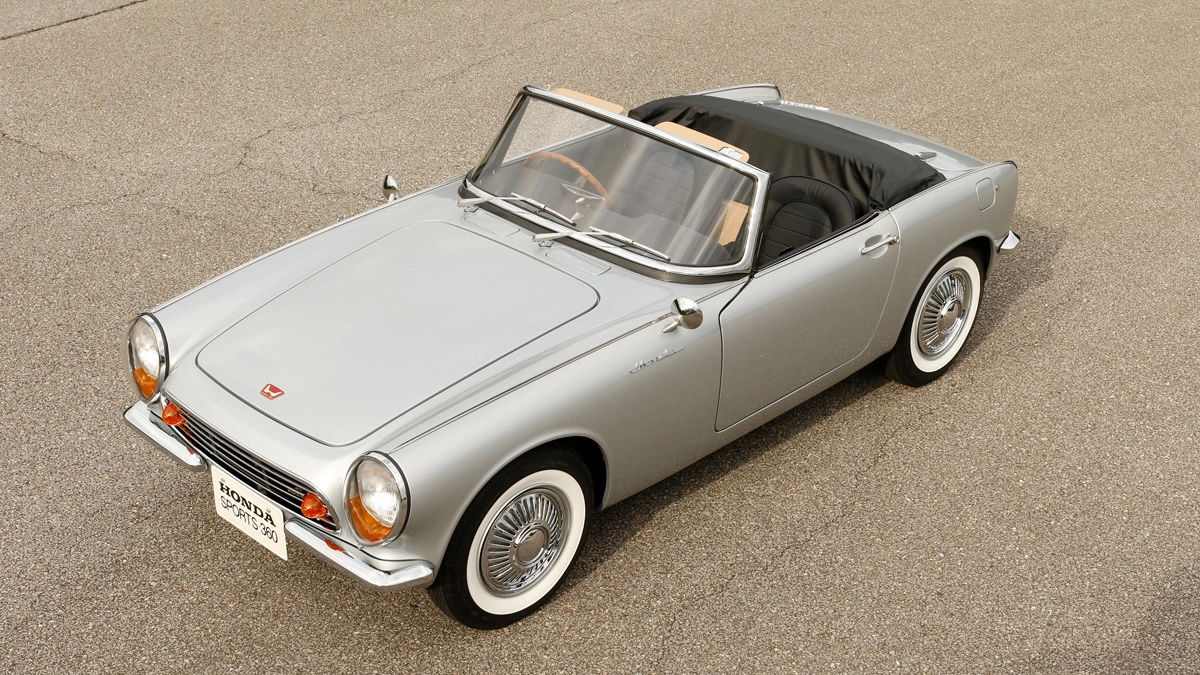
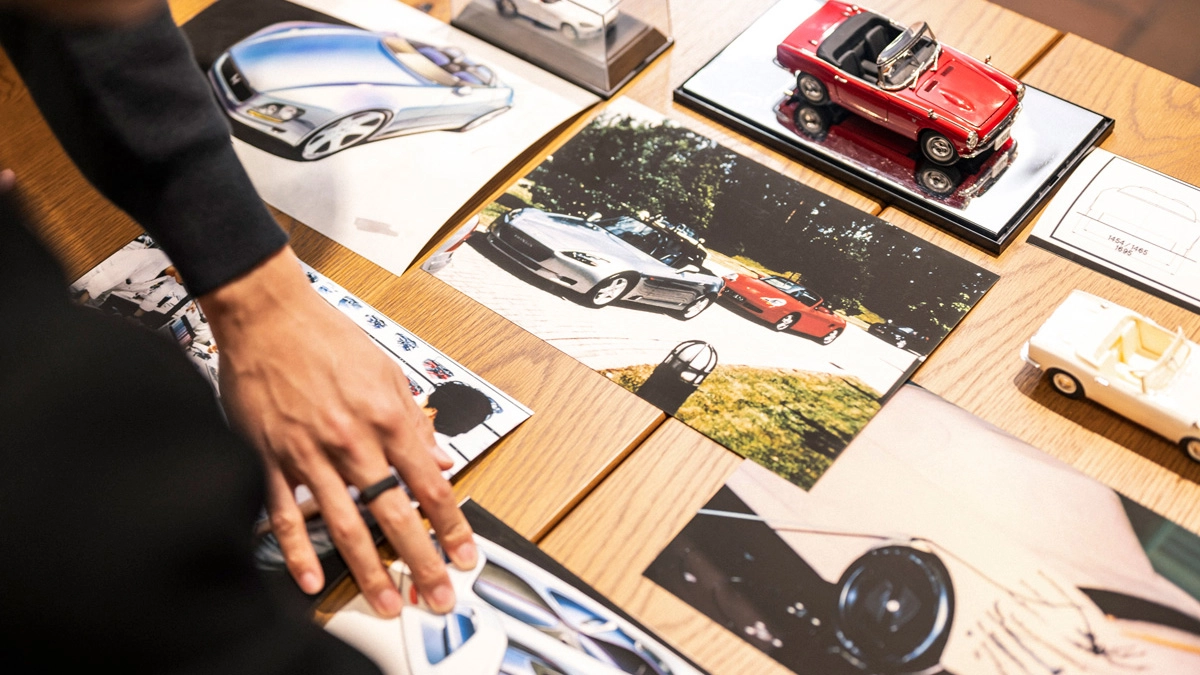
truly impressed when I analyzed the cars. A car called the SPORTS 360 was exhibited at
the Tokyo Motor Show in 1962. This was a car that was developed as Honda’s first
passenger car. It was a sports car developed according to the specifications for mini
vehicles of that time. At that time, a law for temporary measures to invigorate specific
industries was being considered, and there was a possibility that new players could not
enter the automobile market. It became necessary to launch cars before this law was
passed. In the end, this law was abandoned subsequently.
In other words, Honda needed to develop our first passenger vehicle within an extremely short period of time. Even amid such circumstances, looking at the SPORTS 360, I felt that it is a car that took a very challenging and unique approach, even from our perspective today.
Miura
Did the S500 and S600 that were subsequently launched also inherit the basic
structure of the SPORTS 360?
Togawa
Yes, the S500 was developed in parallel with the SPORTS 360, and at the time of
the show model, they had almost the same design, with the difference being the length of
the trunk. While the S500 that was sold and the subsequently launched S600 were made
wider, you could still see traces of the SPORTS 360.
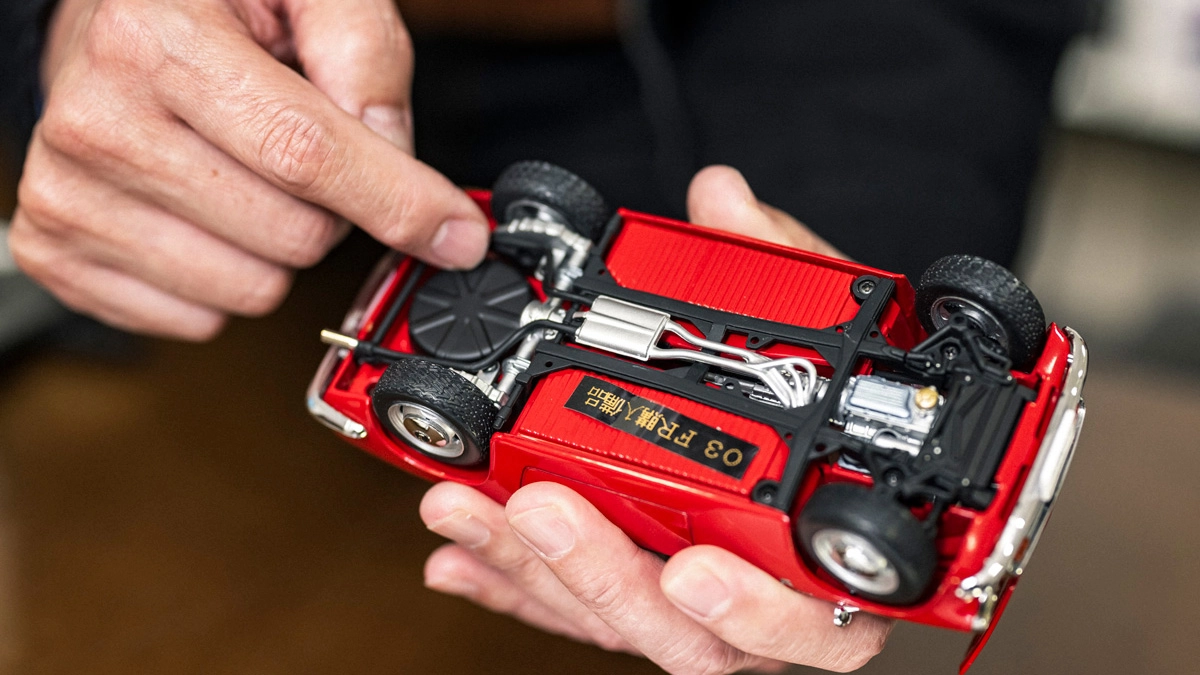
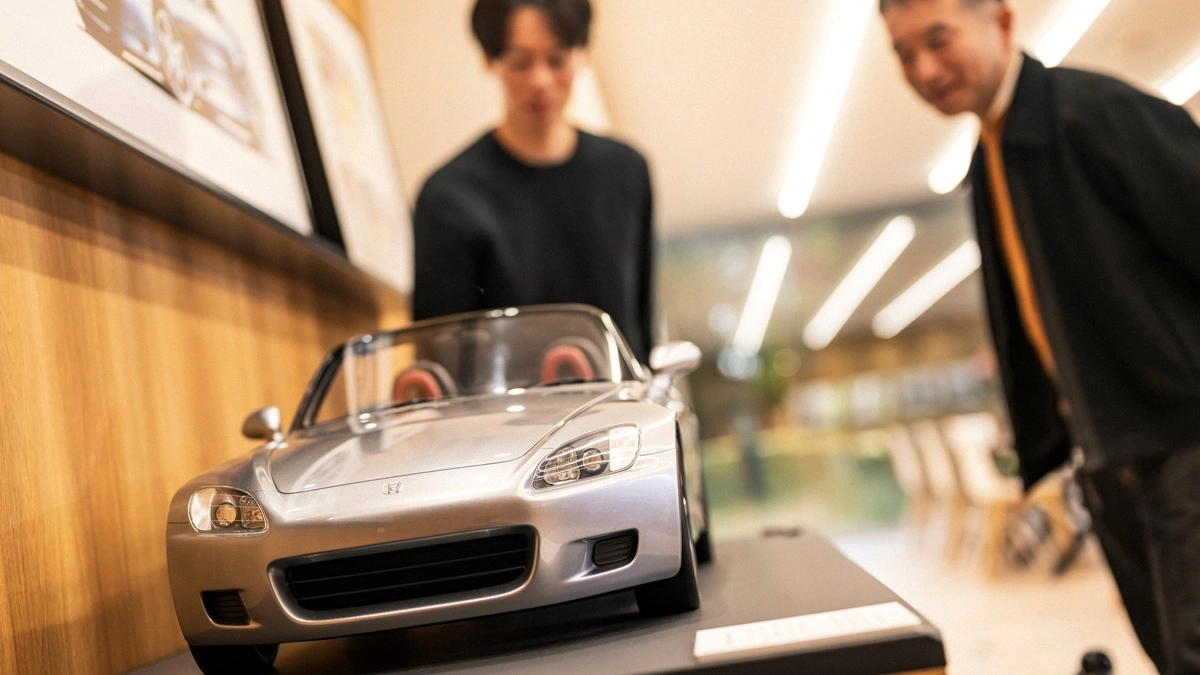
Among these traces, I think the chain drive showed the beauty of packaging. The chain drive uses chains to transmit driving force from the differential gear to the rear wheels and is mentioned as a feature of the S500. I think it was originally a solution for the SPORTS 360—which has a length of 3 m—to overcome the limitations of the mini vehicle specifications back then. Through a structure that used a chain, space was created between the left and right tires. In this space was placed the spare tire, which was mandatory back then.
Togawa
They probably took great pains to think about how to fully use up the limited space.
What is truly amazing is that this even contributed toward the consolidation of mass,
where heavy objects are gathered at the car’s center of gravity, helping to improve
dynamic performance.
Miura
Who would have thought that creativity and innovation in packaging would lead to
an enhancement of the car’s value!
The “S” Spirit Flowing in the S2000
It is fascinating that you can read so much from packaging. How were the thoughts behind Honda’s sports cars, found from such analysis, used in the development of the S2000?
Togawa
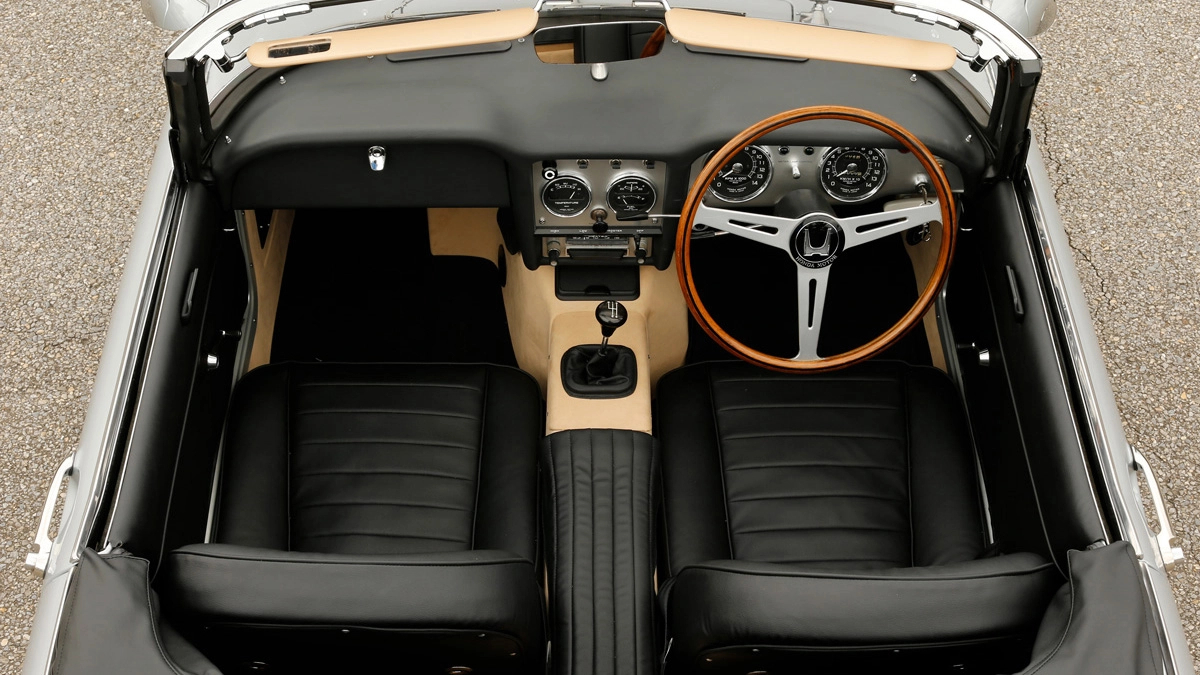
The concept of the S2000 was “a new-generation convertible sports car .” It
pursued new driving performance using an unprecedented concept: a body exuberating the
openness of a convertible, dynamic performance that achieves the joy of driving at a
high level, and social compliance, which is to meet all of the latest safety and
environmental performance requirements of its time. We sought to create a product that
gives the great feeling of driving a sports car and a sense of unity with the car on top
of achieving leading-edge safety performance for its time.
Miura
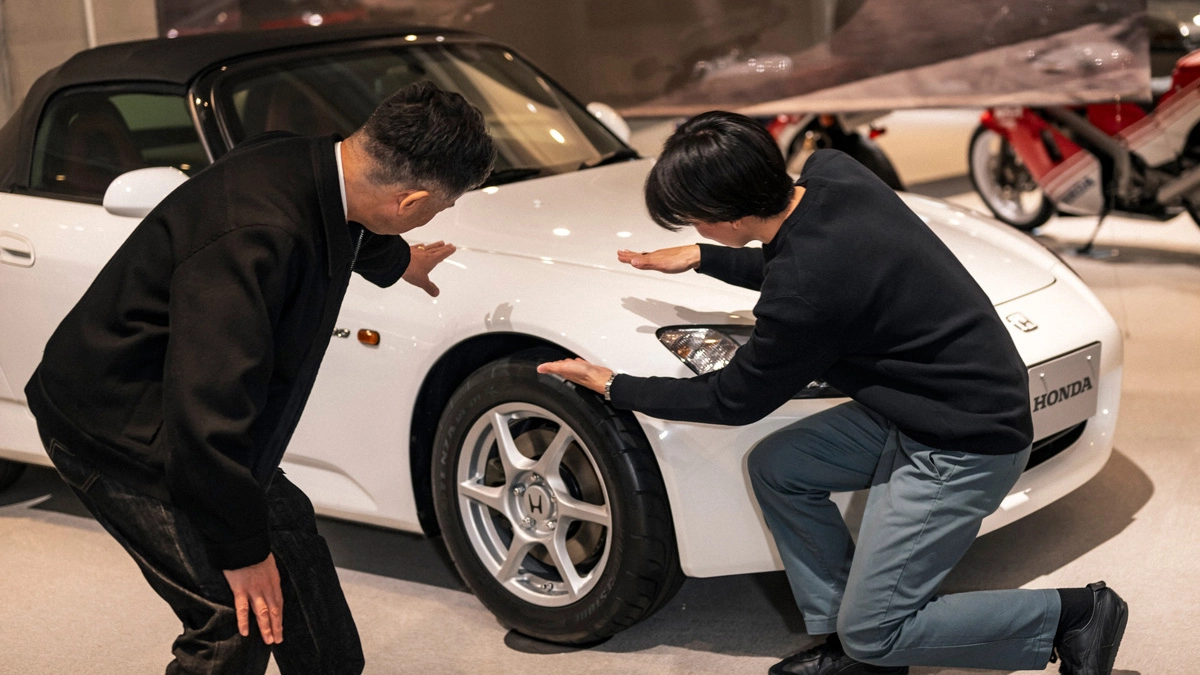
In terms of size, it eventually exceeded the size of a mini vehicle, but we put emphasis
on being lightweight, which is a characteristic of the “S” series, and sought to make
everything as compact as possible.
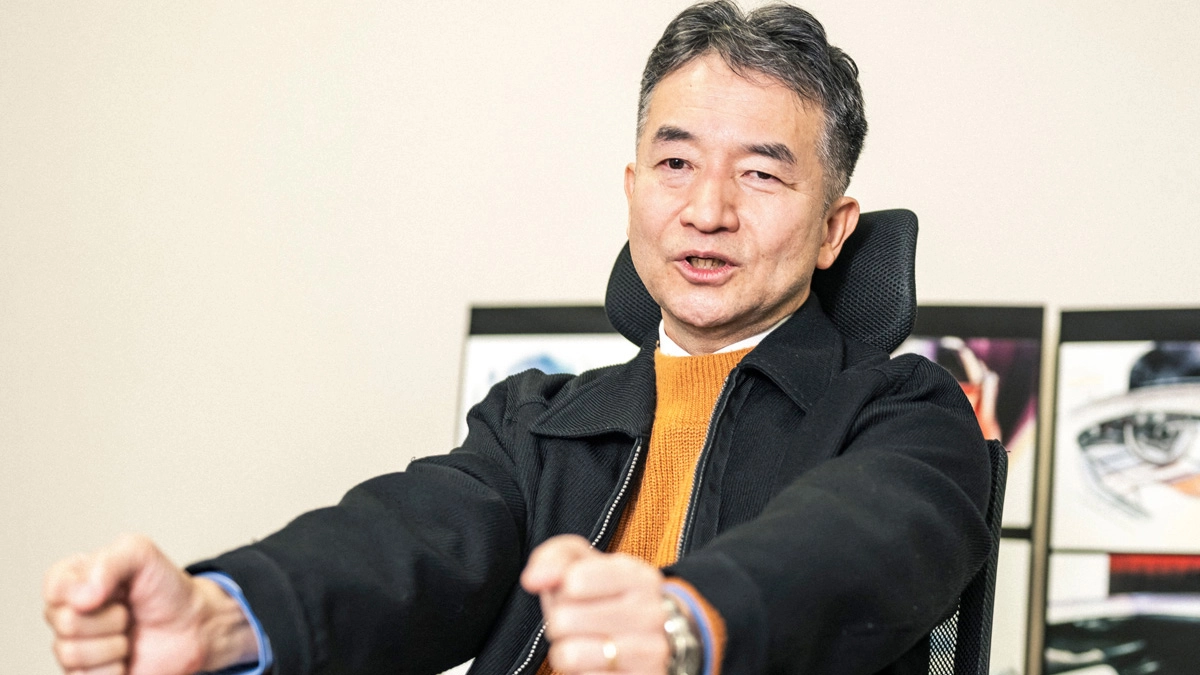
Miura
I also feel that everything can be directly felt when actually driving the car.
No matter what I do, I can feel the car’s reaction directly and immediately.
Togawa
That was actually what we were aiming for. We wanted to achieve the ultimate
sensual performance while meeting safety performance. Sensual performance is about
pursuing the feeling of the M/M concept *, a value offered by Honda. In other
words, it
is about how to feel the joy of driving. The test team at the time had many detailed
indices, refining the taste of its driving performance while objectively comparing it
with various other cars so as to avoid being confined to Honda’s subjective views. I can
proudly say that the S2000 had the world’s best sensual performance among cars of its
time.
* M/M concept: M/M stands for “Man Maximum, Machine Minimum” and expresses Honda’s basic philosophy regarding the making of cars, which is undertaken from a human-centric approach of maximizing the space available for people and minimizing the space required for mechanical components.
Today, and the Future—The Vision for Honda’s Sports Cars
Since the S2000 was launched in 1999, 25 years, or a quarter of a century, have gone by, yet it continues to be driven over this long period as a beloved car even today.
Miura
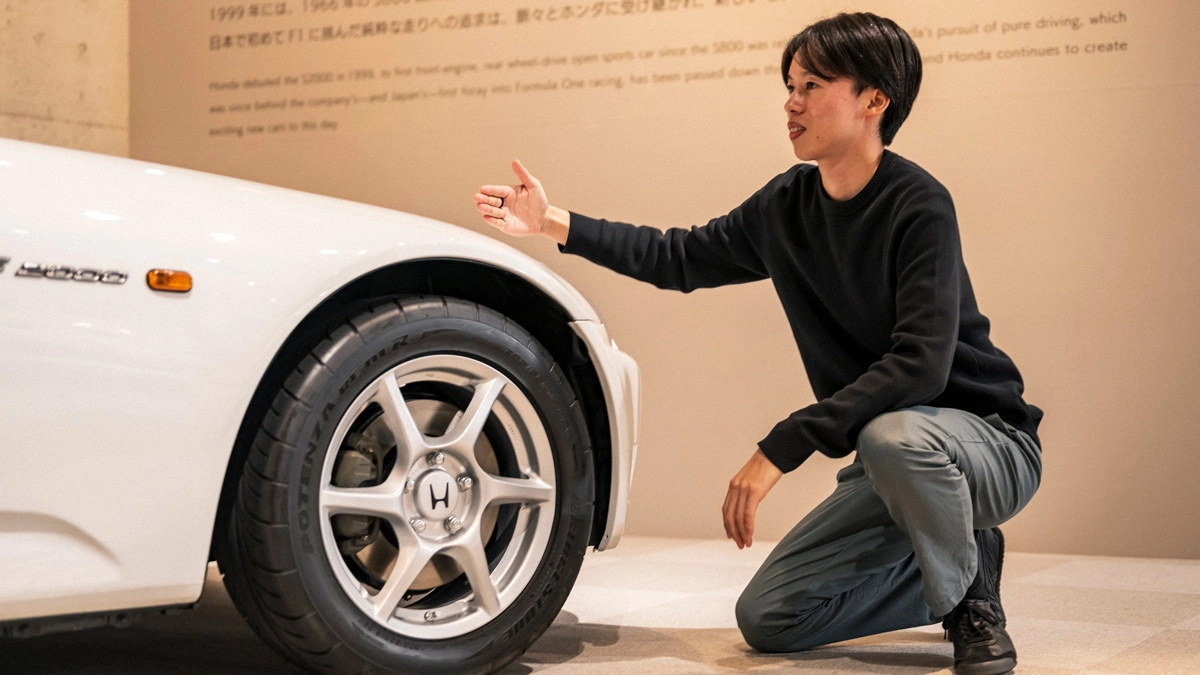
The S2000 came into my life when my father bought one. I think it was when I was
a second-year student in university. My father thought he had reached a new stage in
child-raising, and I remember him trying to convince my mother by saying that this would
be his last car.(笑)。
It also led me to obtain my driving license. In a way, you can say that I got my license so that I can drive the S2000. Subsequently, I bought a Honda Today mini vehicle to practice driving a manual transmission car and drove it around a lot. I drove it to different places, slept in the car, and interacted with other car lovers. In the process, I came to feel that owning a car enriches a person’s life, and I started thinking about working at Honda.
Togawa
How did you feel when you first drove the S2000?
Miura
There was a time when my father was living away from the family due to work. I
felt the need to help him work the car when he was not around and thus had the chance to
drive the S2000 once a month. I could feel the difference thanks to having driven the
Today, and the body’s sense of rigidity was totally different. Its acceleration, which
felt like being pushed from behind, was also exhilarating. And it looked cool. You do
not often see cars now with such a wide front bumper, and I think it is a car that is
packed with all kinds of charms.
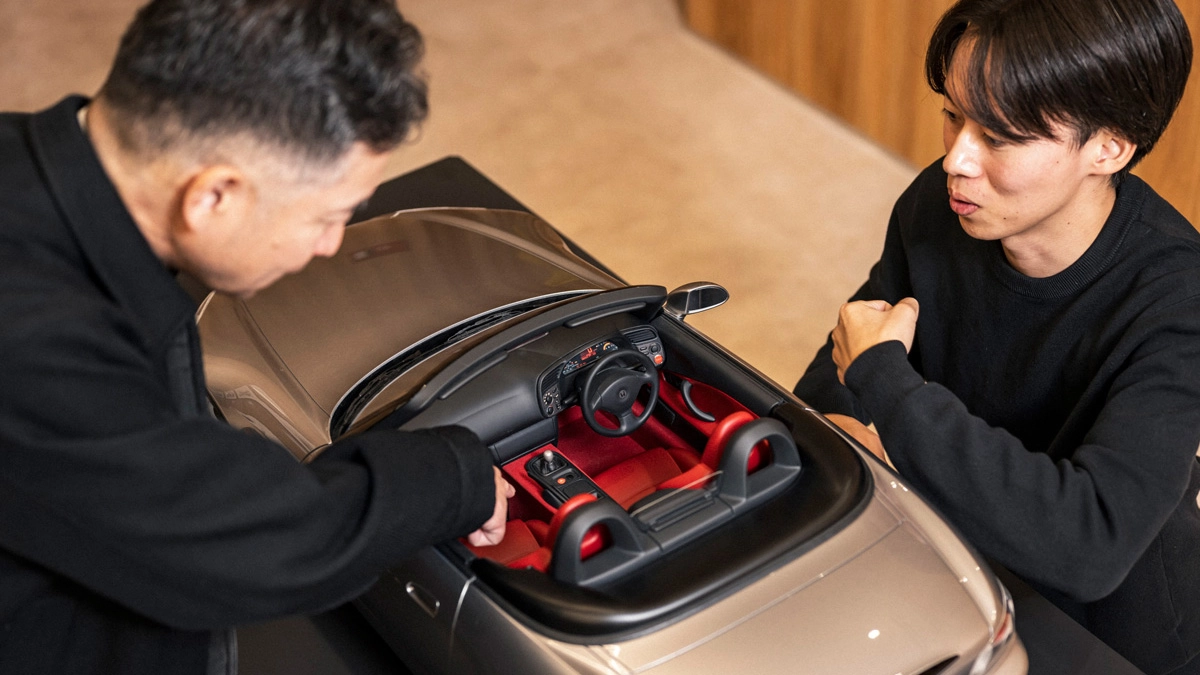
In recent years, the environment around cars has changed significantly. Going into the future, is there a possibility that, for example, the S2030 will make its appearance?
Togawa
To us, “S” is a cherished icon. The era from the SPORTS 360 to the S800 was
mainly the 1960s, while the era of the S2000 was mainly the 2000s. Cars sporting the “S”
at the start of their names always exemplify an image that is slightly ahead of their
times. Therefore, if the “S” name is going to make an appearance in the future, I hope
it will show up as a car that is steps ahead of its time.
Miura
My reason for driving the S2000, besides an admiration for it, stems from a
desire to one day be involved with sports car as I am working in automobile development
now. I think this is the time for me to drive many cars and keep absorbing knowledge
about driving and lifestyles with cars. I look forward to the time when I can apply the
knowledge gained into Honda’s sports cars.
Profiles
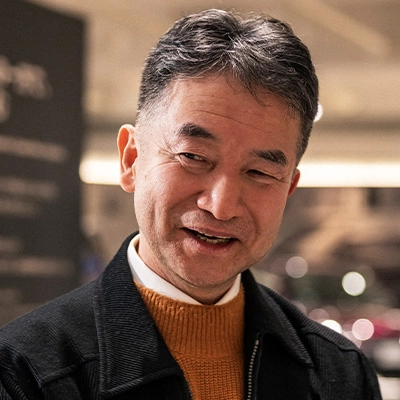
Masayuki Togawa
Automobile
Package Designer

Takumi Miura
Automobile
Package Designer