CB Stories
Accessible Naked Sport Bike Delivering Fun and Excitement
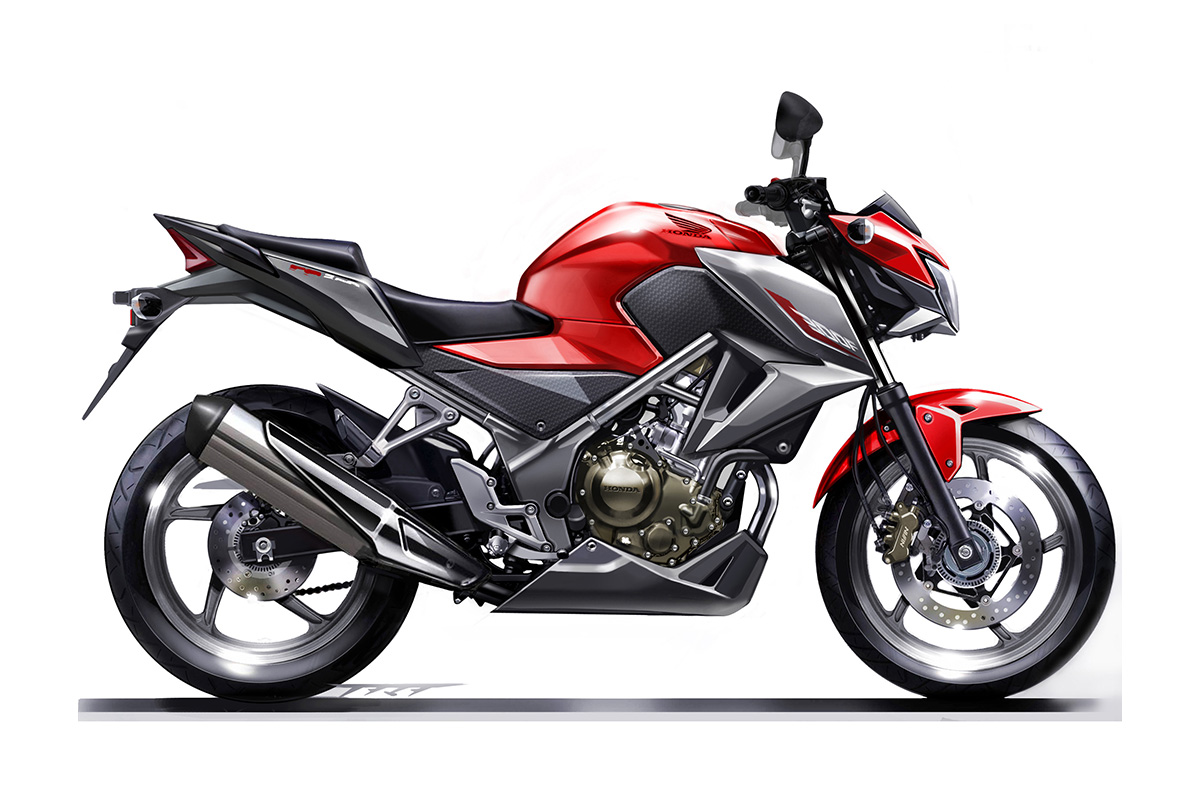
The CB250F and CB300F were developed as naked sport motorcycles that enable everyone—from first-time riders to experienced motorcyclists—to easily experience the fun and excitement of riding.
The CB250F was developed primarily for the Japanese market, while the CB300F was targeted mainly at Thailand and North America.
The development concept for the CB250F was “New Light Single Naked Sport.” The goal was to achieve easy handling in urban environments while delivering agile, enjoyable performance on touring rides.
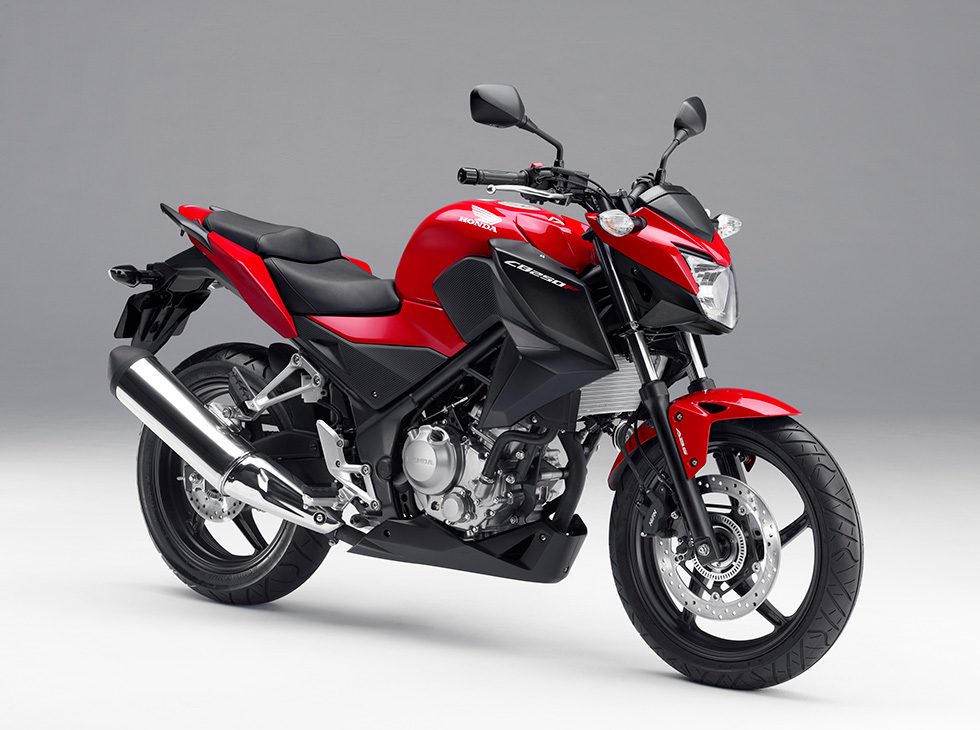
2014 CB250F<ABS> (Japan specification)
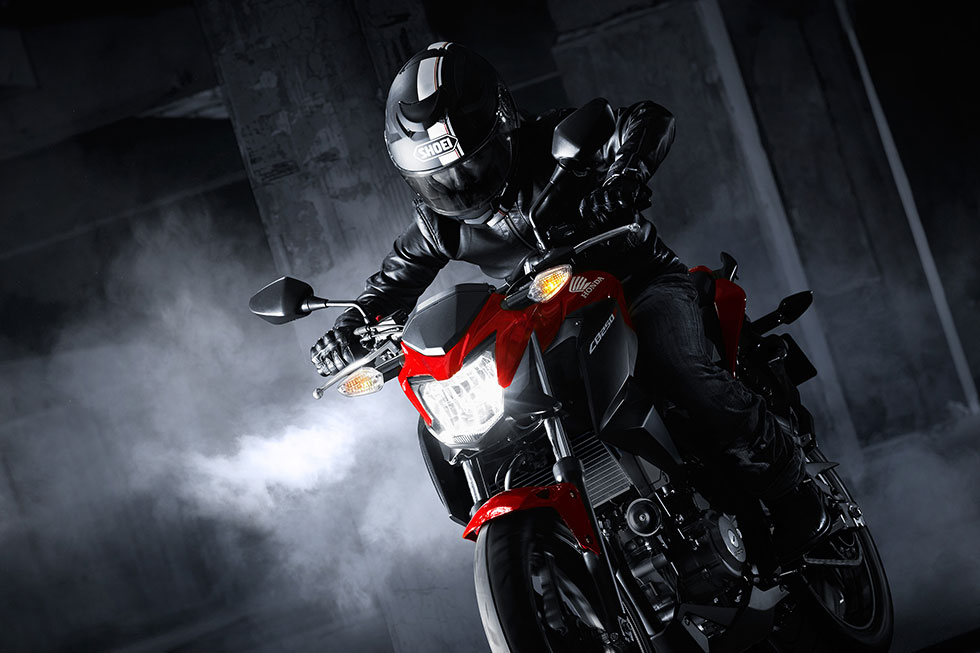
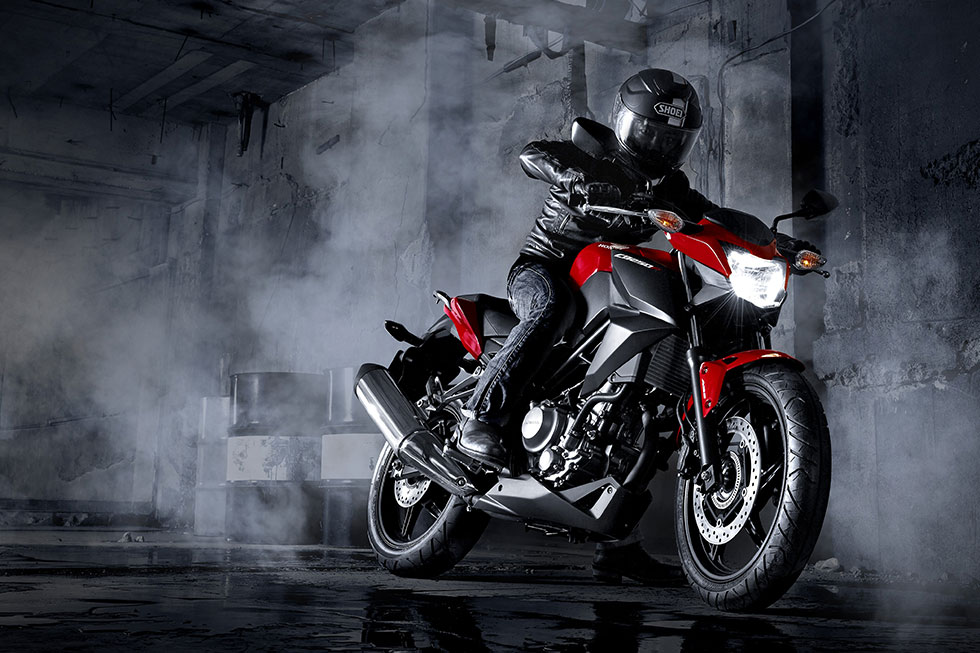
2014 CB250F
Styling
The styling was developed around the theme of “a dynamic naked style with a strong sense of motion.”
The CB250F features a mass-forward proportion, flowing from a low-mounted headlight through a muscular fuel tank to a sharp, compact tail section.
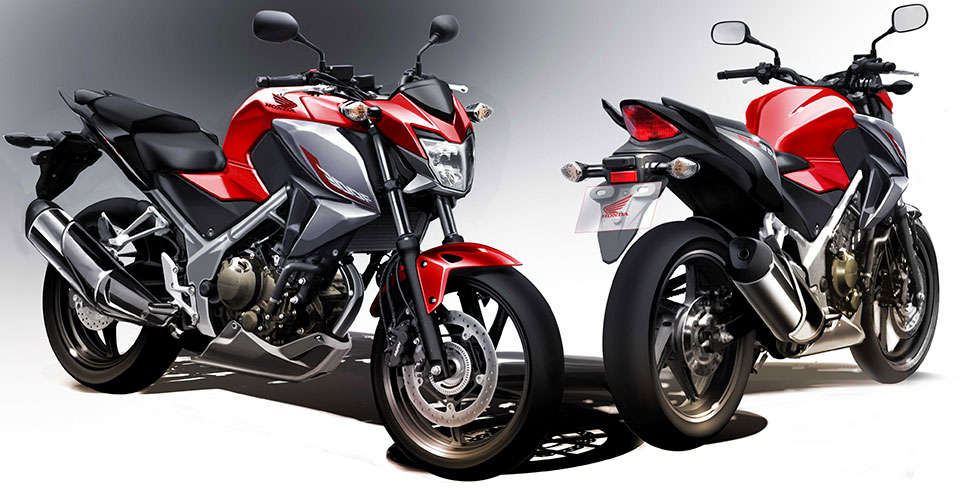
CB250F styling sketches
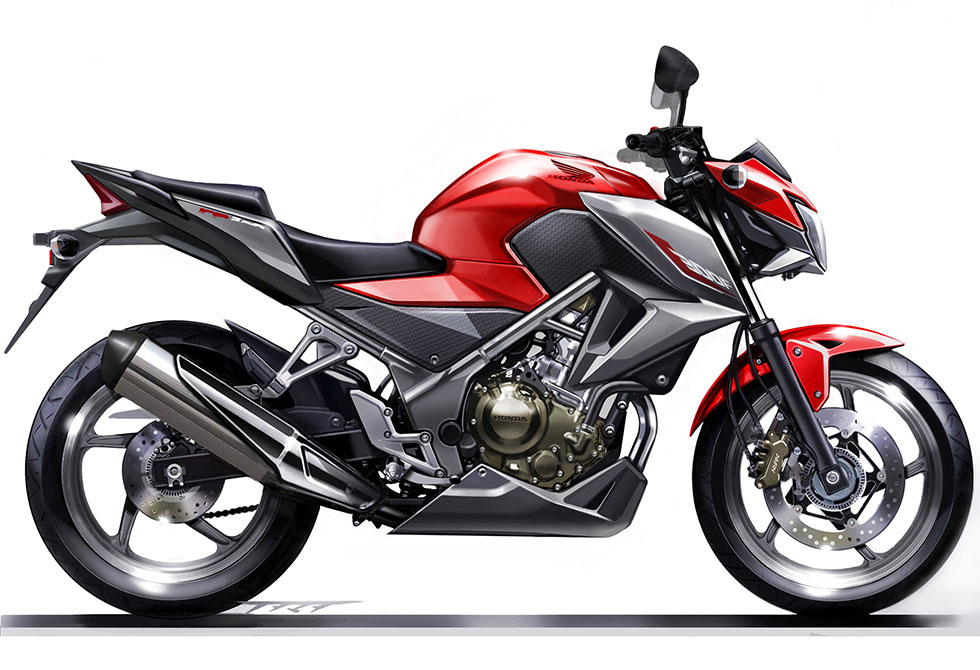
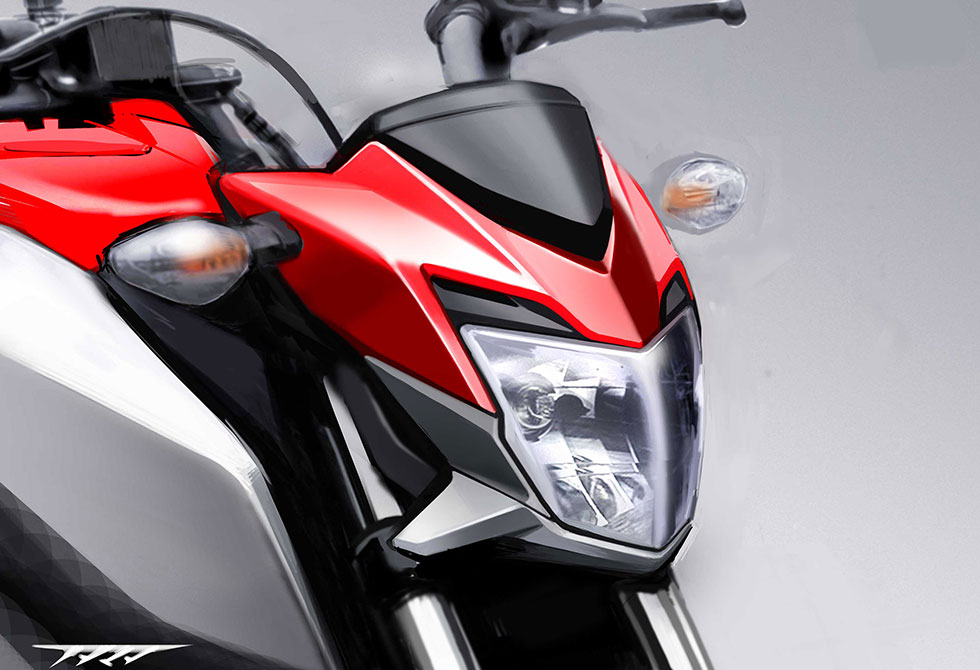
CB250F styling sketches
The V-shaped headlight and sharply styled front fairing create an aggressive, purposeful front-end appearance.
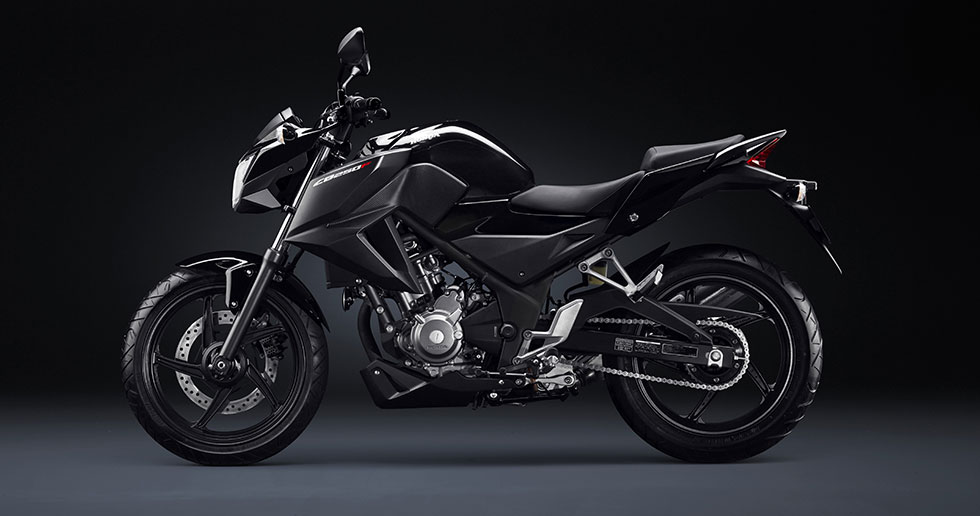
Power Unit
The CB250F is powered by a liquid-cooled, four-stroke, DOHC, four-valve, 249 cm³ single-cylinder engine.
Based on the engine introduced with the CBR250R in 2011, it was further refined to deliver higher performance. Maximum output was increased from 20 kW (27 PS) at 8,500 rpm to 21 kW (29 PS) at 9,000 rpm, while maintaining excellent usability at low and mid-range engine speeds and providing smooth, responsive power all the way to high rpm.
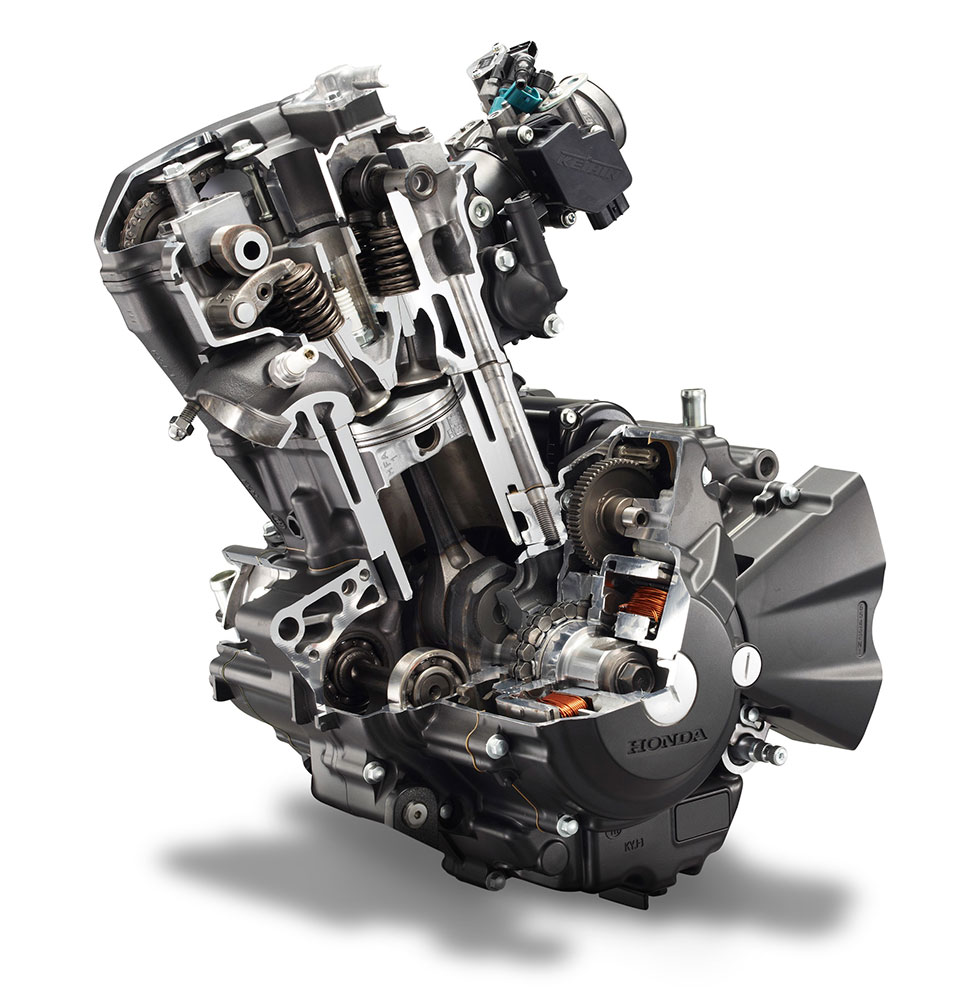
CB250F engine (cutaway view)
To support the higher output, the crankpin was strengthened. While retaining the same dimensions, the material was changed from chrome-molybdenum steel to a nickel-chrome-molybdenum-vanadium alloy developed through the CRF450R motocross bike, resulting in approximately a 10% increase in strength.
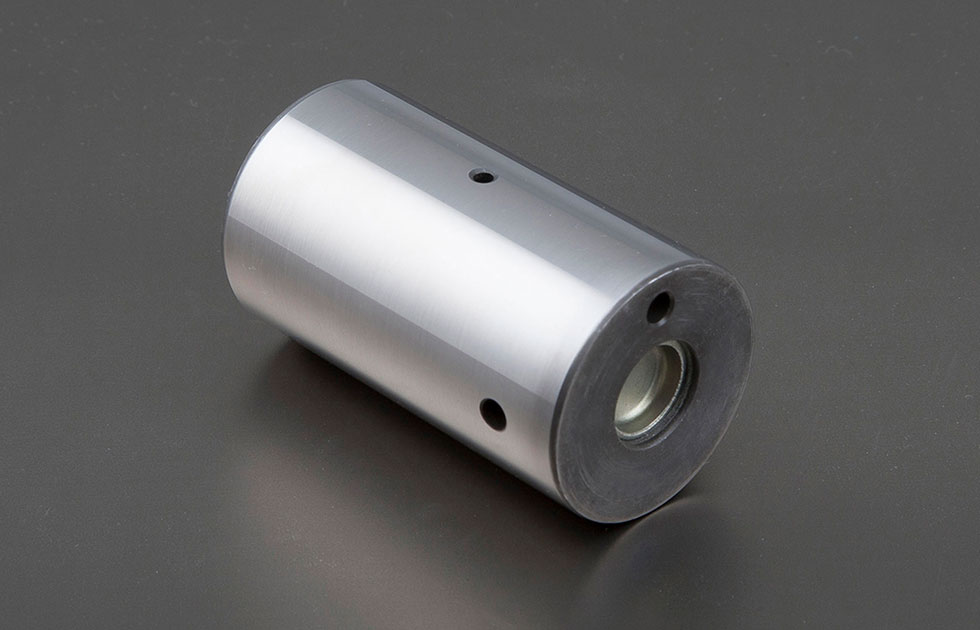
CB250F crankpin
Along with improving performance, Honda also focused on enhancing fuel efficiency.
A Pattern Piston Coating was applied to the piston surface, creating a textured finish that improves oil retention and helps reduce friction.
Further refinements to the intake system and other components improved fuel economy by 0.9 km/L over the previous model, achieving 50.1 km/L (constant-speed test at 60 km/h with two riders). This placed the CB250F among the most fuel-efficient sport motorcycles in the 250 cc class.
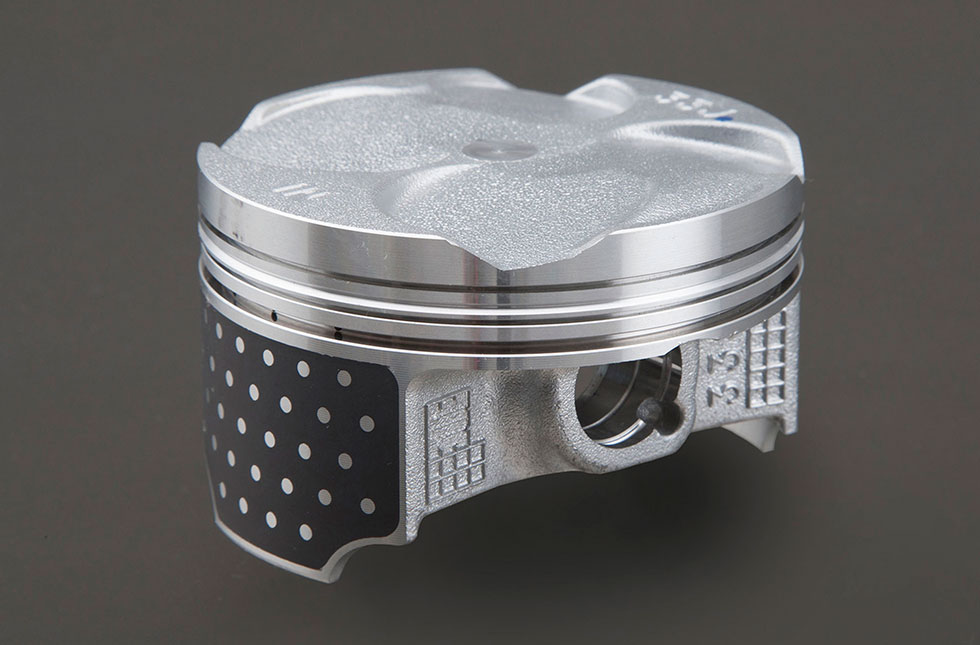
Piston with Pattern Piston Coating
Chassis
The chassis features a lightweight, highly rigid diamond frame with a truss structure.
The suspension combines telescopic front forks with a Pro-Link rear suspension, providing excellent road-following performance and stable handling.
17-inch wheels are fitted front and rear, contributing to nimble handling.
An ABS (Anti-lock Brake System) version was also available.
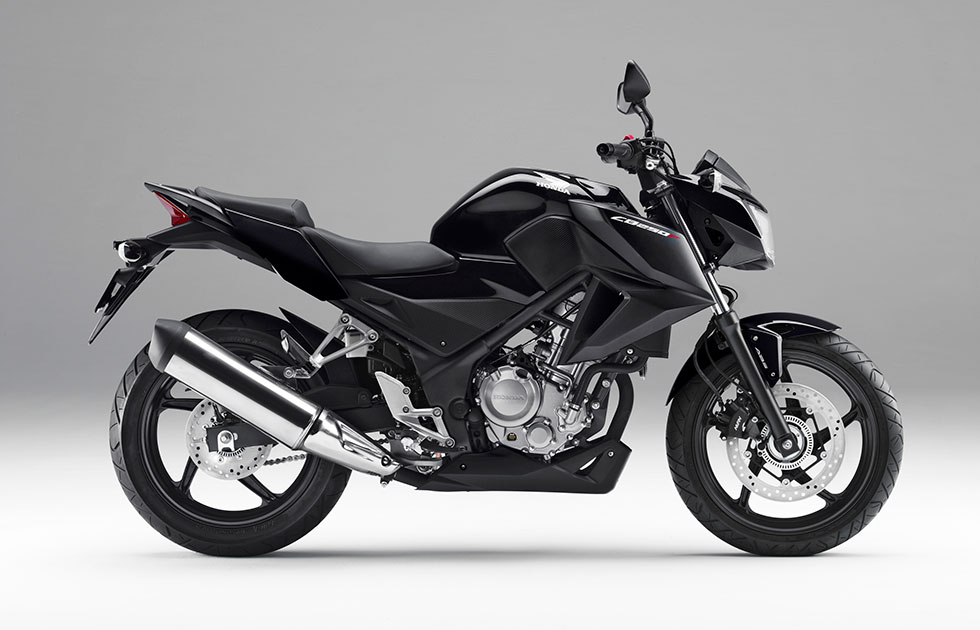
CB250F<ABS>
The handlebar adopts a bar-type design that complements the upright riding position typical of a naked sport motorcycle, making the CB250F easy to control in urban riding conditions.
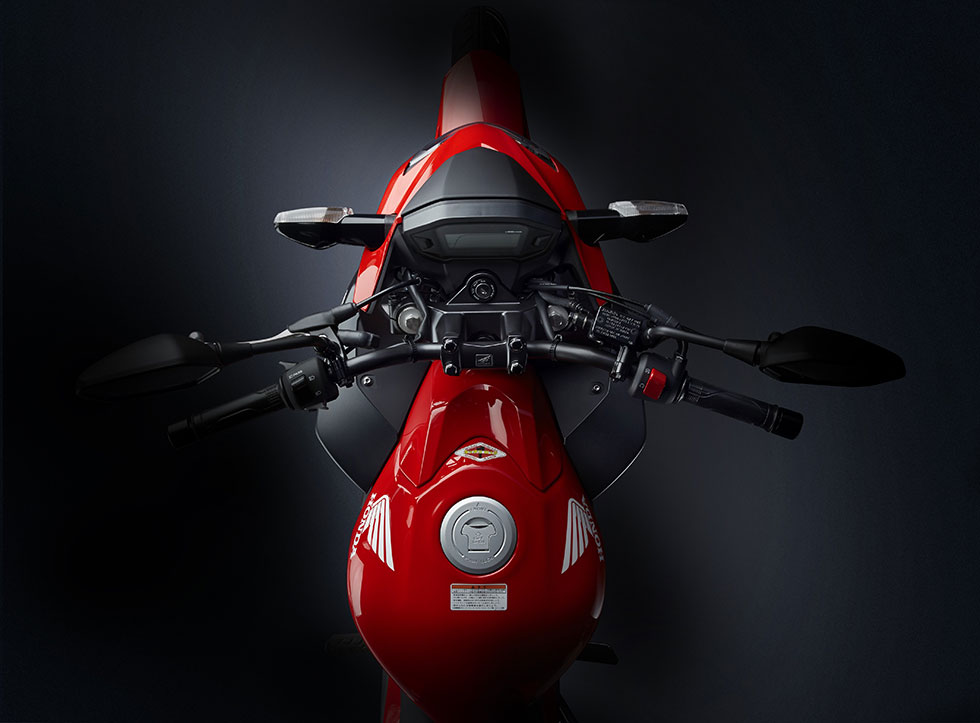
CB250F handlebar design